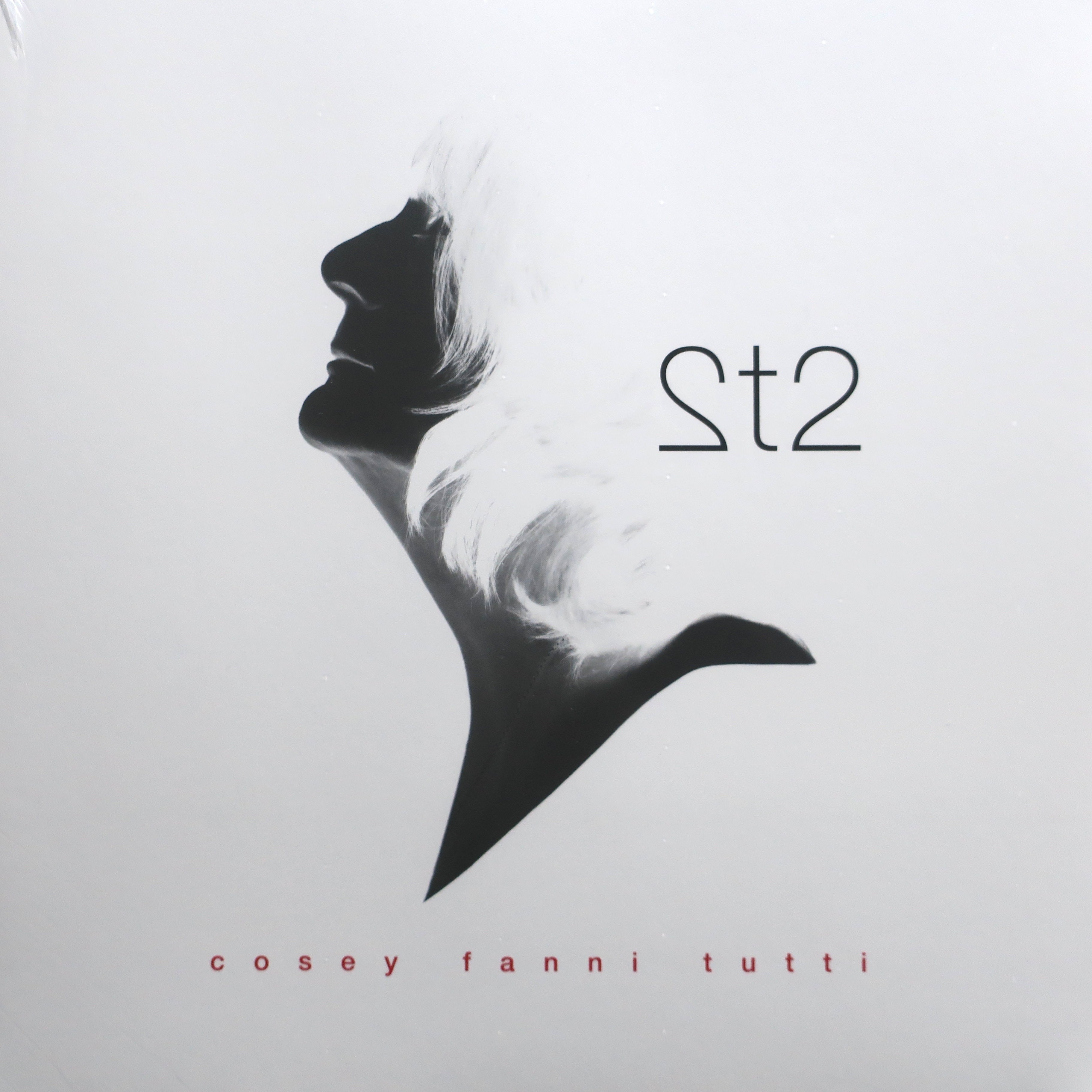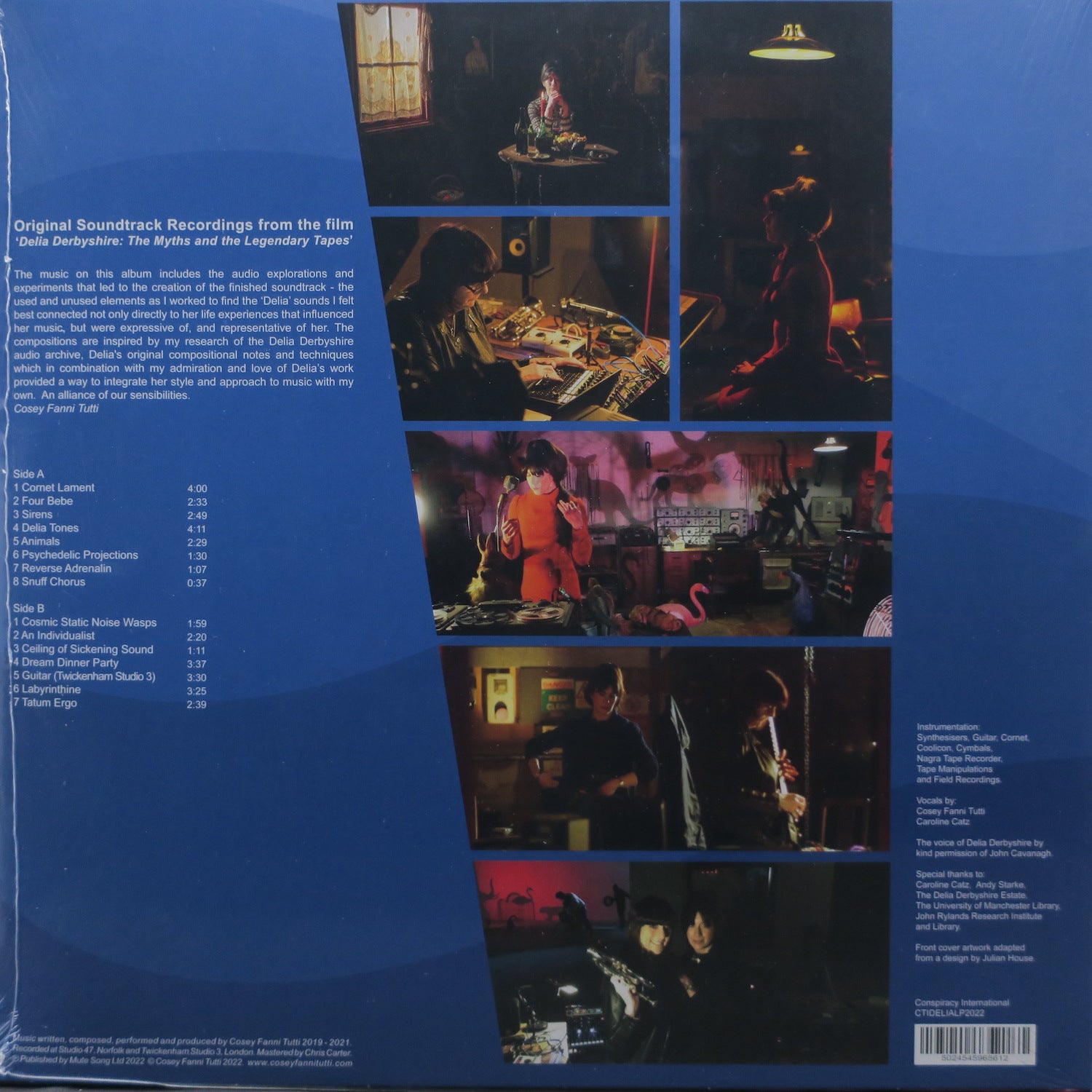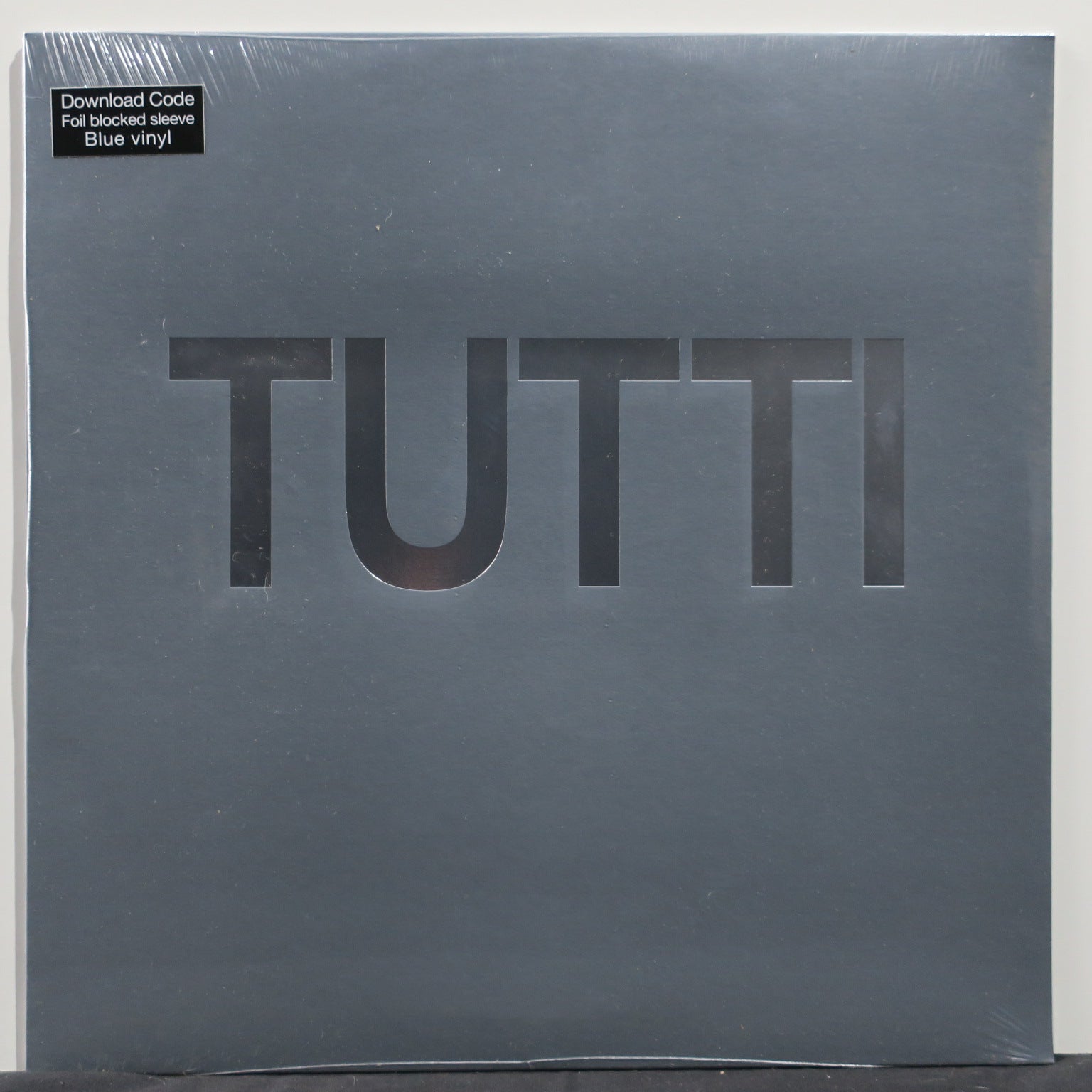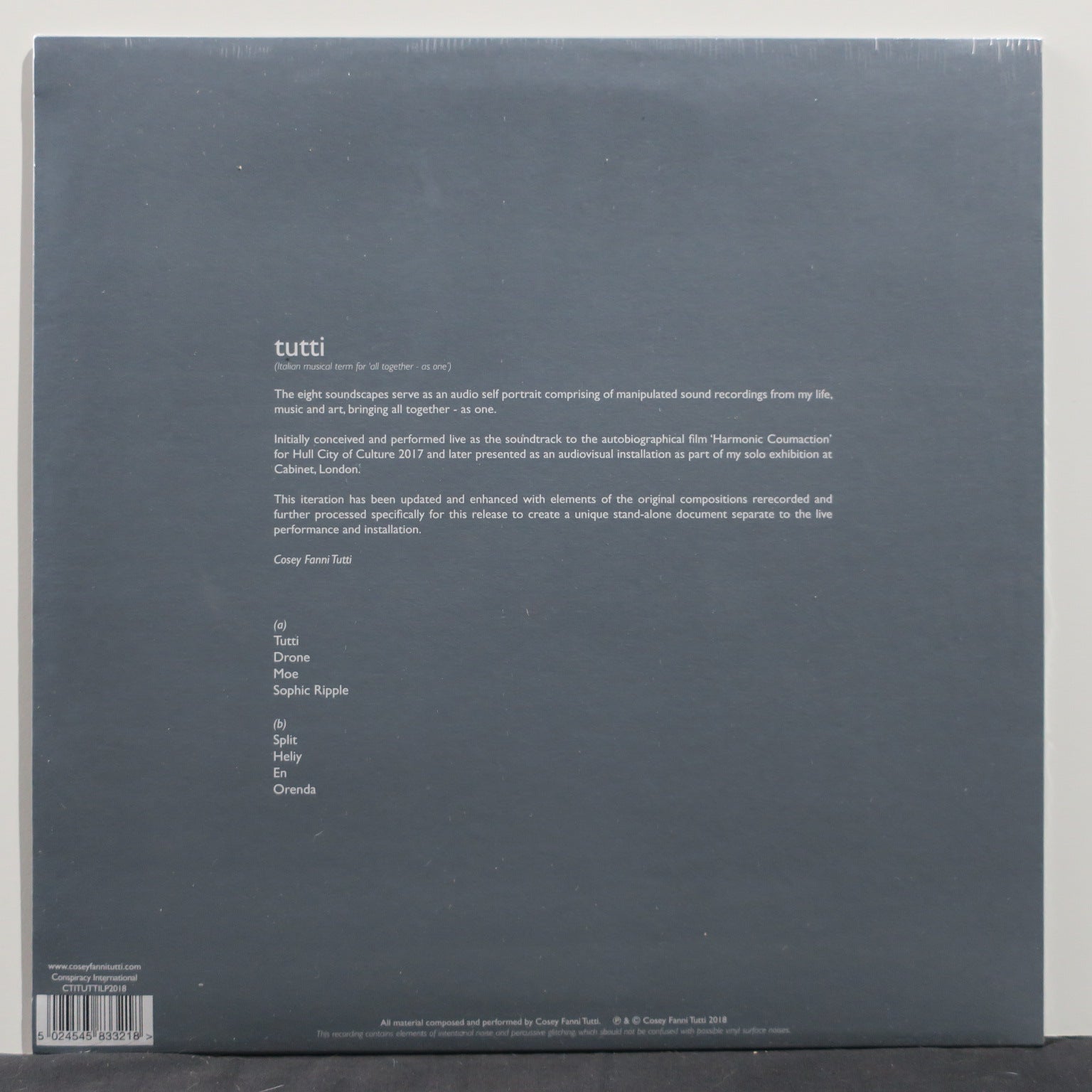
Cosey Fanni Tutti
Cosey Fanni Tutti is best known for the collision of performance art, provocative imagery and raw sound that helped push industrial music out of galleries and into record stores. Her work treats the studio and the stage as equal parts instrument, turning found noise, tape manipulation and theatrical persona into a distinct musical language.
As a founding member of Throbbing Gristle, Cosey’s visual and performative instincts were inseparable from the band’s recordings. Records such as The Second Annual Report and 20 Jazz Funk Greats show how confrontational textures and unsettling songcraft could coexist with moments of unexpected melody. Those albums make clear why Throbbing Gristle is essential to understanding late-1970s experimental music: the group treated sound as a medium for provocation and narrative as much as rhythm.
After Throbbing Gristle disbanded, Cosey partnered with bandmate Chris Carter to form Chris & Cosey, a project that steered her work toward synthesis, danceable grooves and subtler studio manipulations. Heartbeat and later releases trade the abrasive edges of earlier material for sustained electronic atmospheres and intricate sequencing, demonstrating how the same exploratory spirit can adapt to different textures and tempos.
Alongside music, Cosey built a parallel career as a visual artist and provocateur. Her photographic and performance work—often confronting themes of sexuality, identity and commodification—fed directly into her music and public persona. The memoir Art Sex Music collects that crossover of disciplines and provides context for episodes that made headlines and challenged audiences. That commitment to blending art and music is one reason contemporary experimental and electronic artists still return to her catalog.
Cosey’s collaborations and band relationships—most notably with Genesis P‑Orridge and Chris Carter—are central to her story, but so are the artists she shared a scene with, like Coil and other post‑punk experimenters. Those connections map a creative network that ranges from abrasive industrial confrontations to subtle ambient and rhythmic work.
For listeners curious about where industrial and experimental electronic lines blur, Cosey Fanni Tutti’s output remains a compelling place to start. The records reveal an artist who treated provocation as a tool for composition and who moved comfortably between collaborative extremes and solitary creative inquiry.