Daft Punk
Daft Punk made a career out of treating pop songs like laboratory experiments: every synth patch, drum loop and vocal snippet was arranged with the precision of a producer who wanted the dance floor and the radio to meet in the same room. Their robotic helmets and anonymous presentation were as much a production choice as a publicity move—the masks redirected attention toward texture, rhythm and studio craft.
Early records like Homework placed the duo in a lineage of house and techno, but with a distinctly French turn-of-the-century attitude. Tracks such as "Da Funk" and "Around the World" married raw, propulsive grooves to earworm melodies; the result was music that sounded like club tracks made for headphones as much as for clubs. The album demonstrated how sampling, looping and strict rhythmic focus could create songs that felt immediate without losing club credibility.
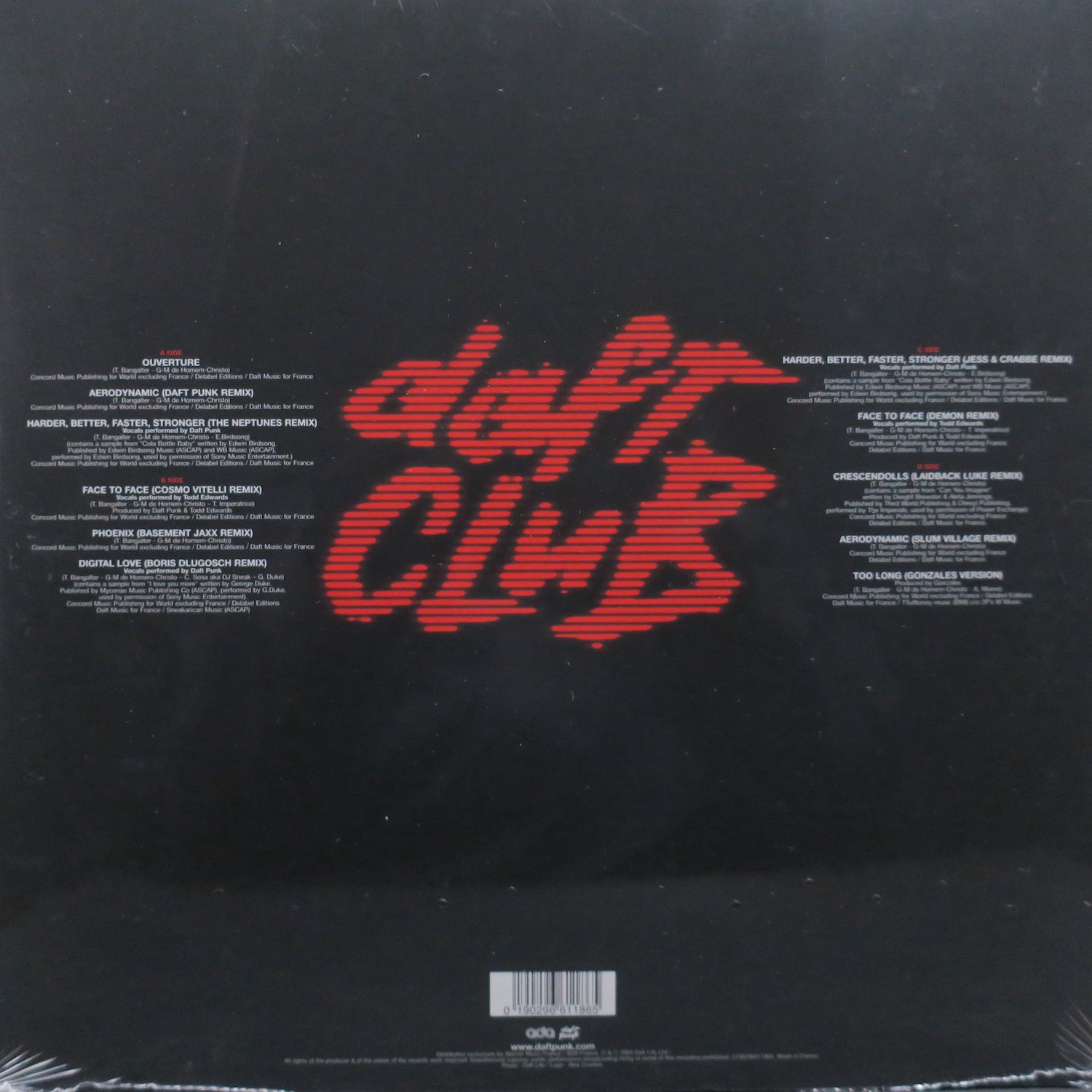
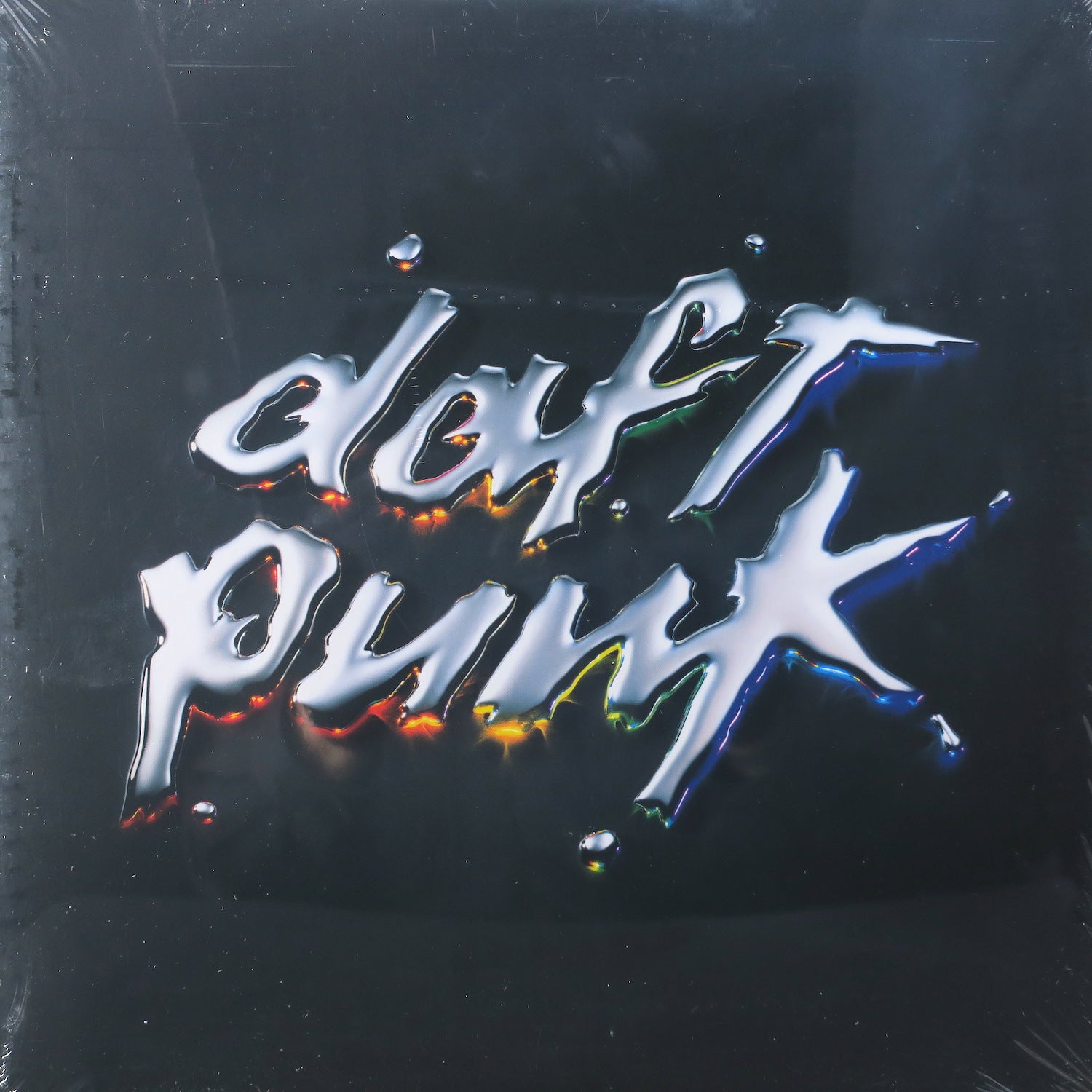
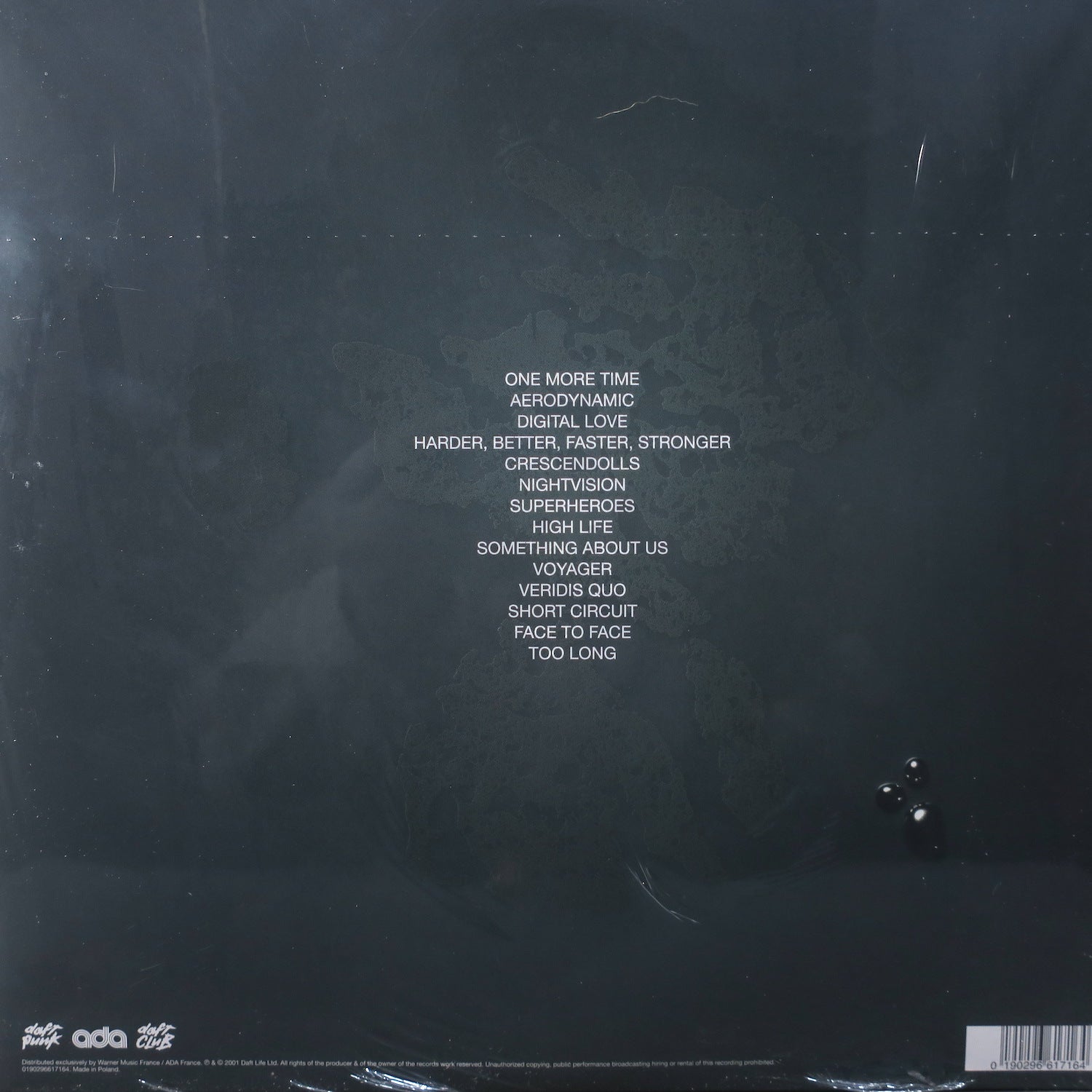
Discovery marked a stylistic pivot: glossy synth-pop arrangements, chopped-up vocal samples and an embrace of melody led to a string of songs that translated effortlessly to mainstream audiences. Collaborations and sampling techniques—working with voices like Todd Edwards—helped the duo turn house motifs into pure pop hooks. The project even spawned a visual counterpart, the animated film Interstella 5555, which underscored Daft Punk’s interest in framing electronic music as cinematic.
Live performance became an essential part of the story. The Alive 2007 tour condensed years of studio experimentation into a single, evolving set that emphasized dynamics and dramatic crescendos. That live identity reframed perceptions of electronic acts onstage, showing how sequenced music could deliver the same theatrical highs as a rock band.
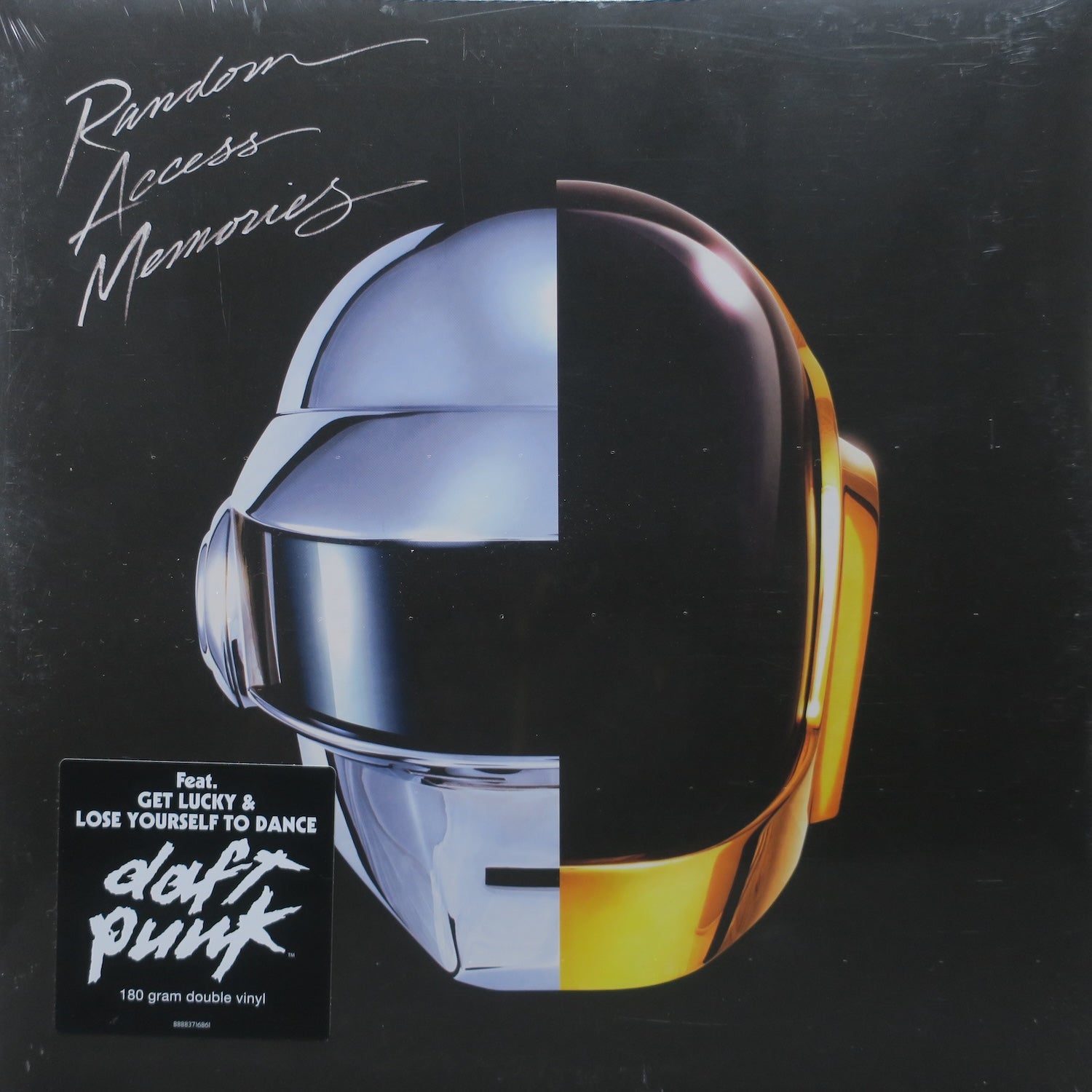
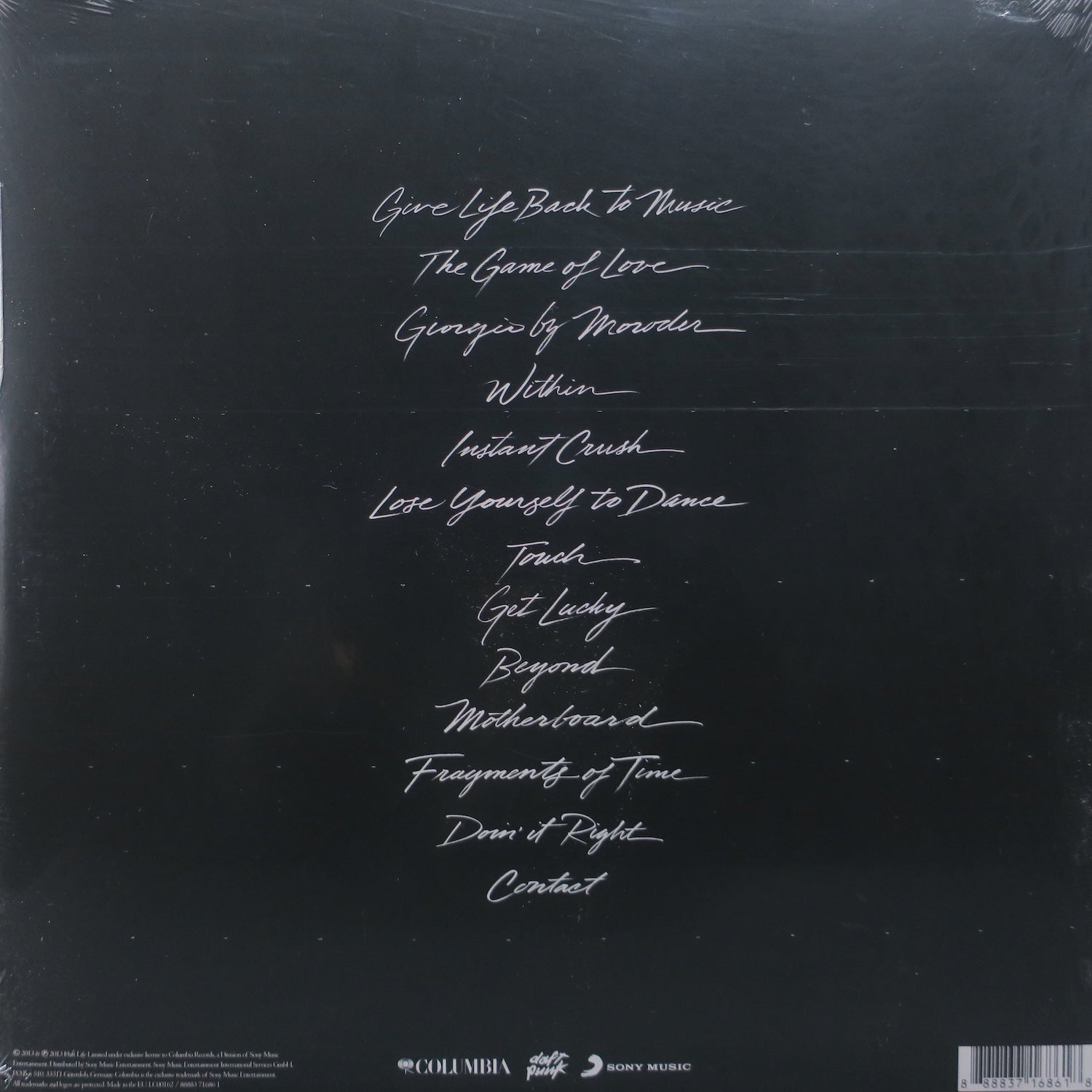
Random Access Memories moved the duo away from sample-heavy production toward collaborations with veteran players: Nile Rodgers’ guitar, Giorgio Moroder’s presence and Pharrell Williams’ vocals provided a bridge between vintage disco and contemporary pop. The album’s focus on analog instruments and high-fidelity recording was a deliberate counterpoint to earlier digital aesthetics, and it produced "Get Lucky," a global hit that highlighted how Daft Punk’s studio sensibilities could reshape mainstream sound.
Whether through the meticulous production of their records, the spectacle of their live shows or high-profile collaborations, Daft Punk changed expectations about what electronic music could sound like on a global stage. Their work remains compelling to listeners who want rhythm-forward songwriting that still prizes sound design, and the catalog rewards exploration from early club tracks to the richly produced later records.