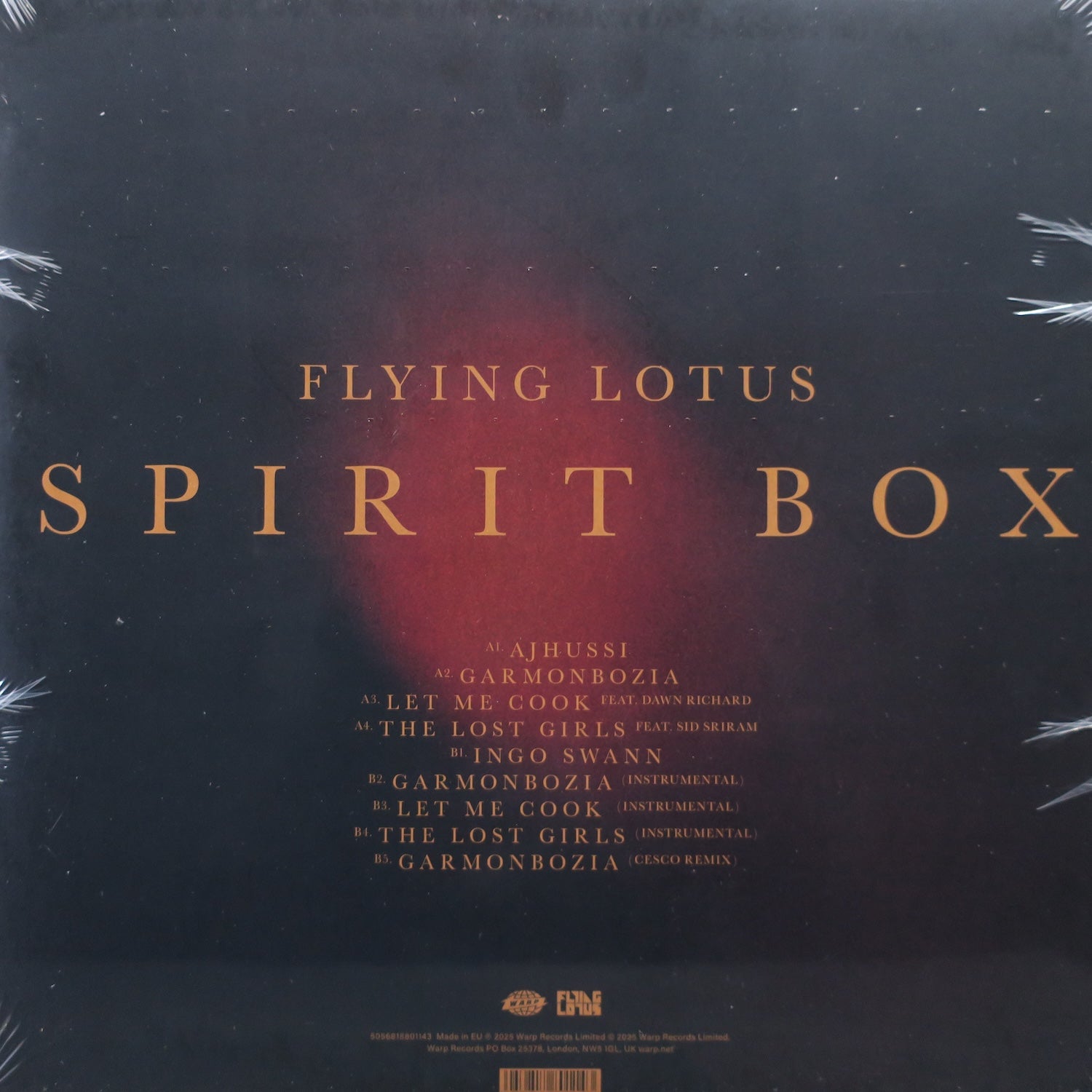
Flying Lotus
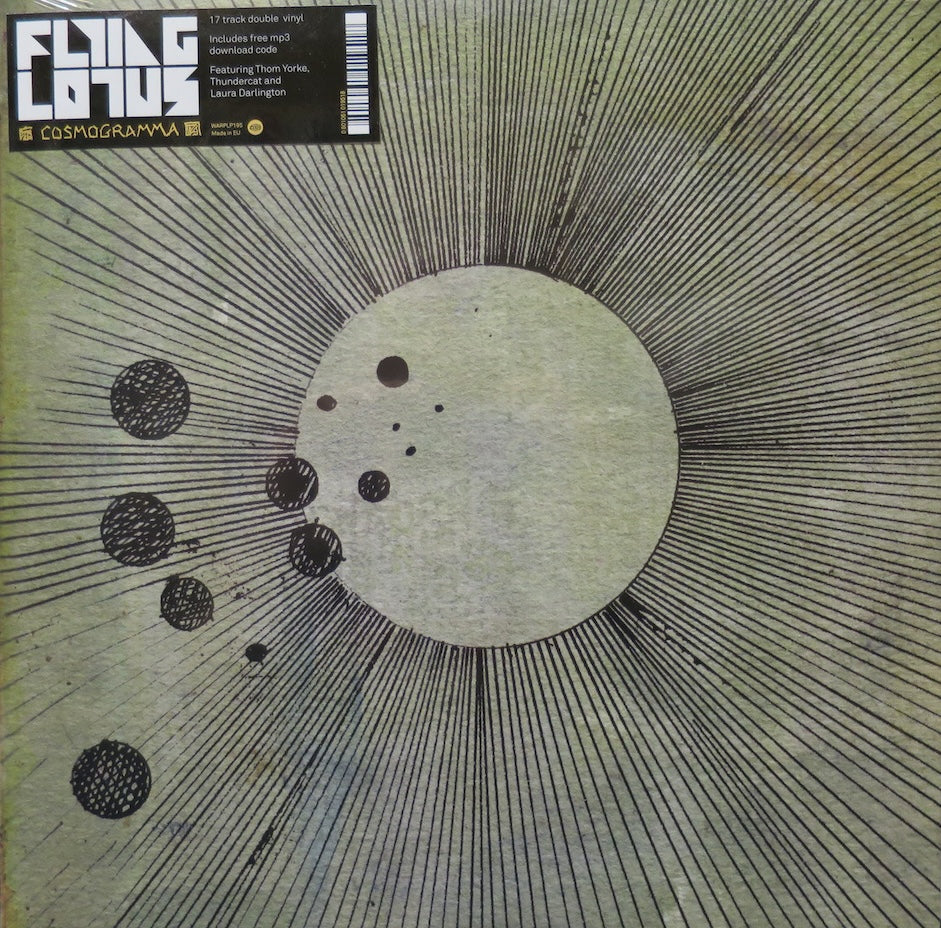
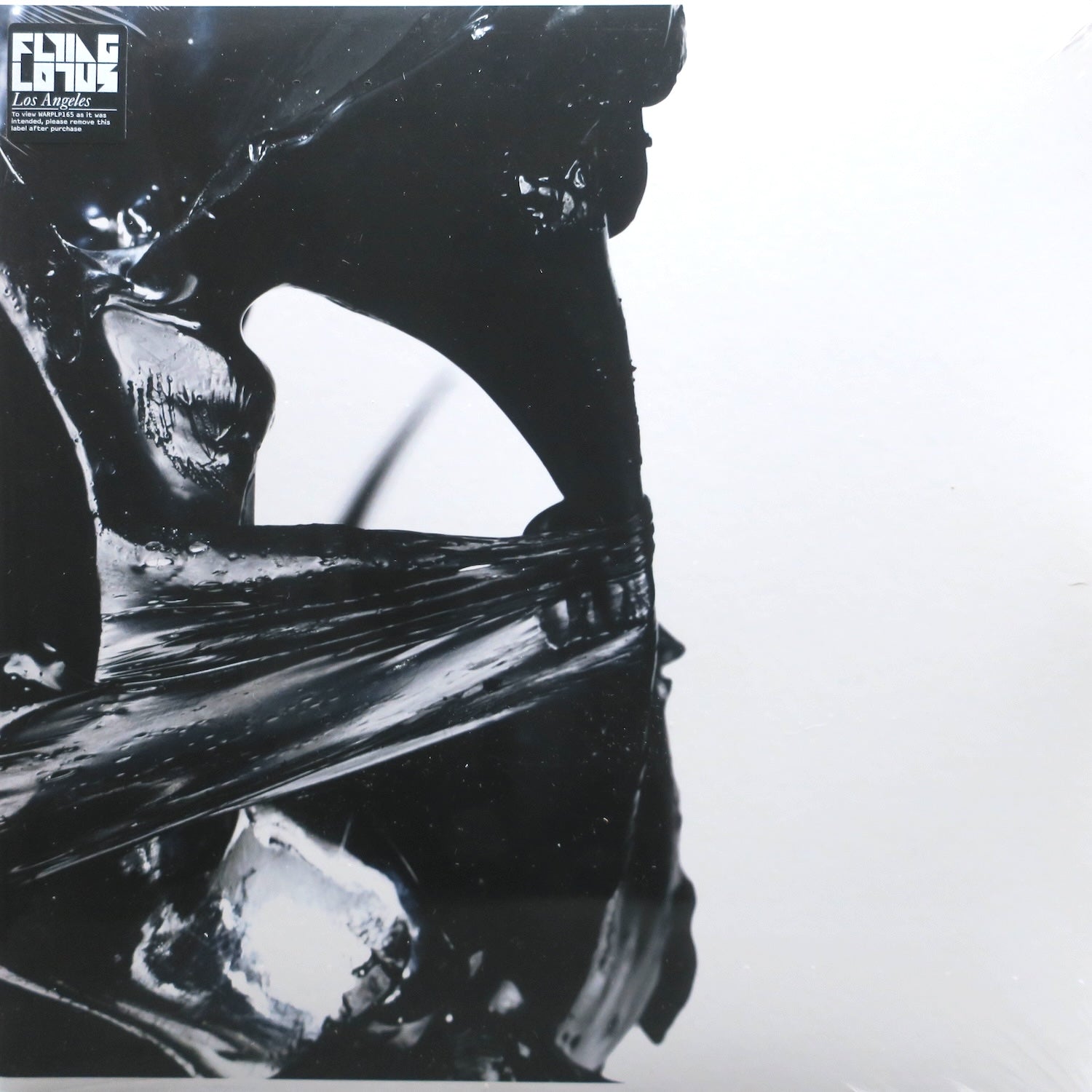
Flying Lotus makes music that feels like a jazz club pitched through a glitching film projector: lush, chaotic and arranged with a producer's obsession for rhythm and texture. That cinematic density is why Los Angeles, Cosmogramma and You're Dead! are touchstones—the albums map how beats, synth orchestration and jazz harmonies can be pushed into new emotional terrain.
Production is where Flying Lotus's personality is most audible. The work borrows drum-programming lessons from J Dilla's swung, tactile beats while drawing harmonic weight from a family lineage rooted in Alice Coltrane's spiritual jazz. That combination yields tracks that can be simultaneously disorienting and warm: fragile harp-like pads, fractured breakbeats and basslines that can chair a full band performance or underpin an intimate headphone moment.
Collaboration and community are central to the story. The Brainfeeder label became a hub for a Los Angeles scene that included The Gaslamp Killer and Daedelus, and it helped lift players like Kamasi Washington and Thundercat into projects where jazz improvisation met electronic production. Thundercat's virtuosic bass and vocals, in particular, have shaped some of Flying Lotus's most memorable songs and live shows, turning studio experiments into human conversation.
Flying Lotus also blurred artist roles: the Captain Murphy persona moved him into dense, left-field hip-hop territory and led to creative partnerships with rappers such as Earl Sweatshirt. Across Warp Records releases and independent Brainfeeder editions, the catalog moves from beat-driven instrumentals to widescreen compositions that still prioritize rhythm as narrative.
For a new listener, start with Los Angeles for the focused beat work, Cosmogramma for sprawling orchestration and You're Dead! for how jazz and pop structure are cheekily reframed. Exploring labelmates and collaborators—Thundercat, Kamasi Washington, Daedelus and The Gaslamp Killer—will reveal how Flying Lotus's sound is both solitary studio craft and a conversation with a thriving LA creative community.
That tension between studio architecture and live improvisation is what keeps Flying Lotus compelling: the records reward close listening but always hint at a larger musical world worth investigating.