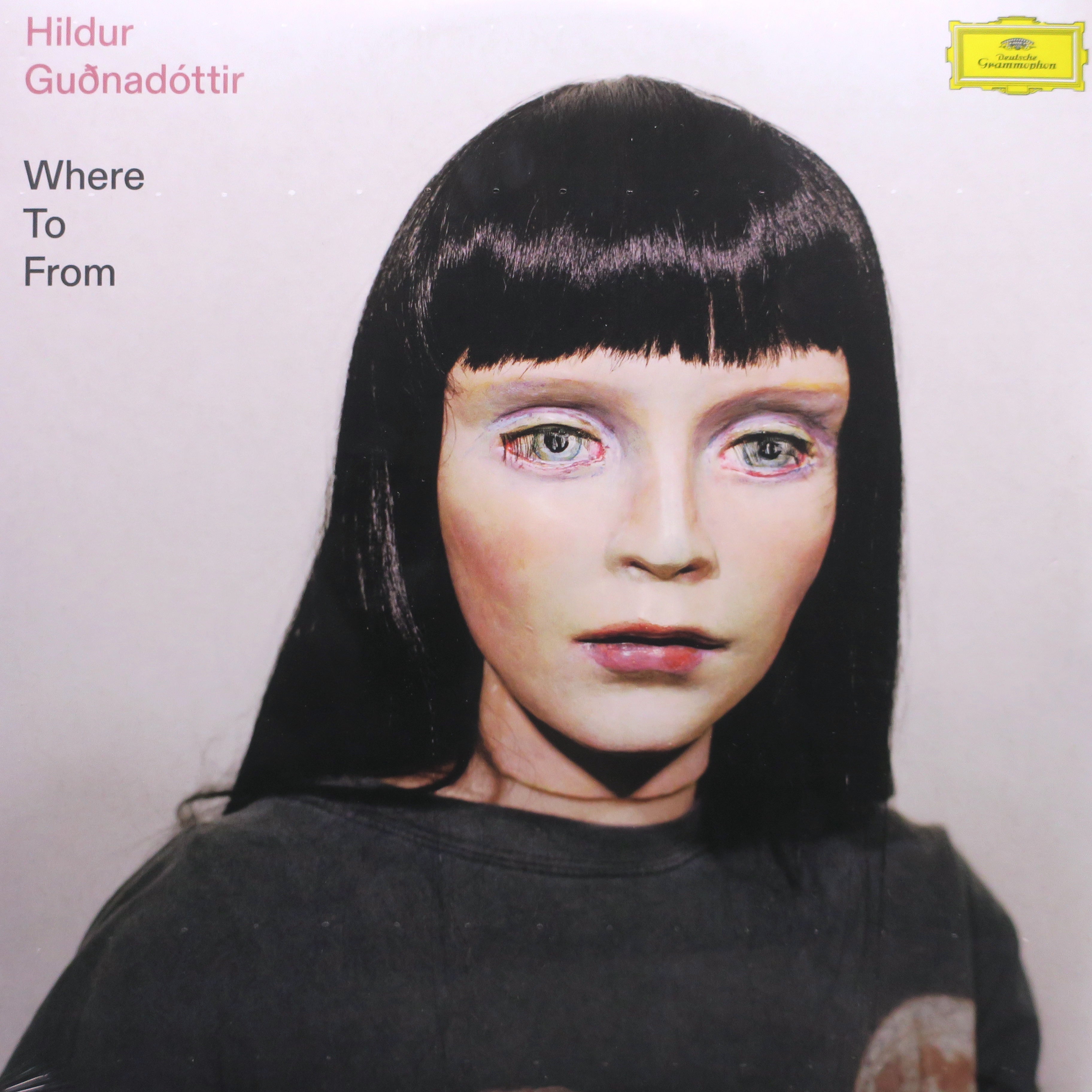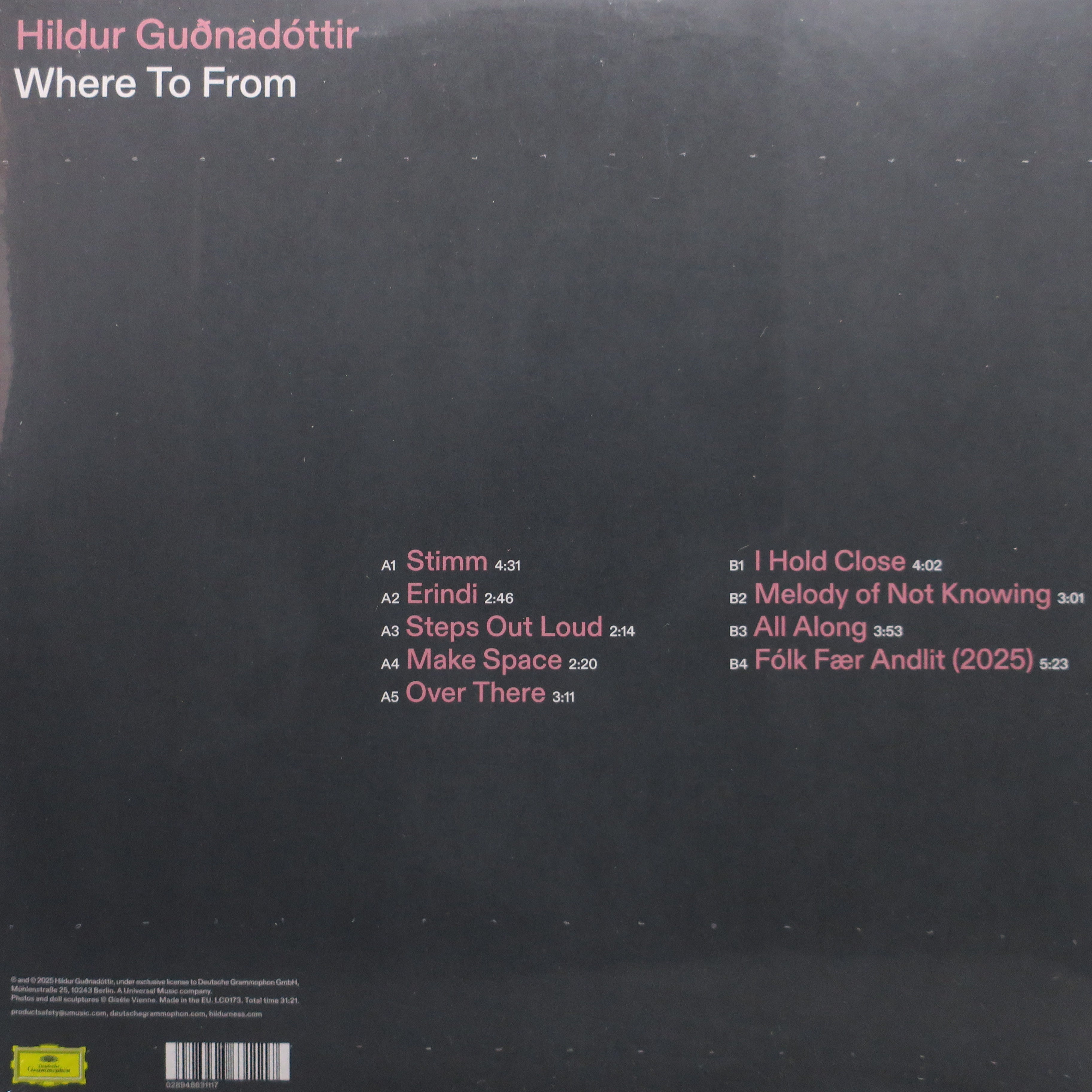
Hildur Guðnadóttir
Hildur Guðnadóttir's work often lets a single instrument behave like a character: the cello serving as narrator, conscience or memory. That idea—using close-miked cello, restrained orchestration and subtle electronics—turns film and television drama into something tactile and almost intimate rather than bombastic.
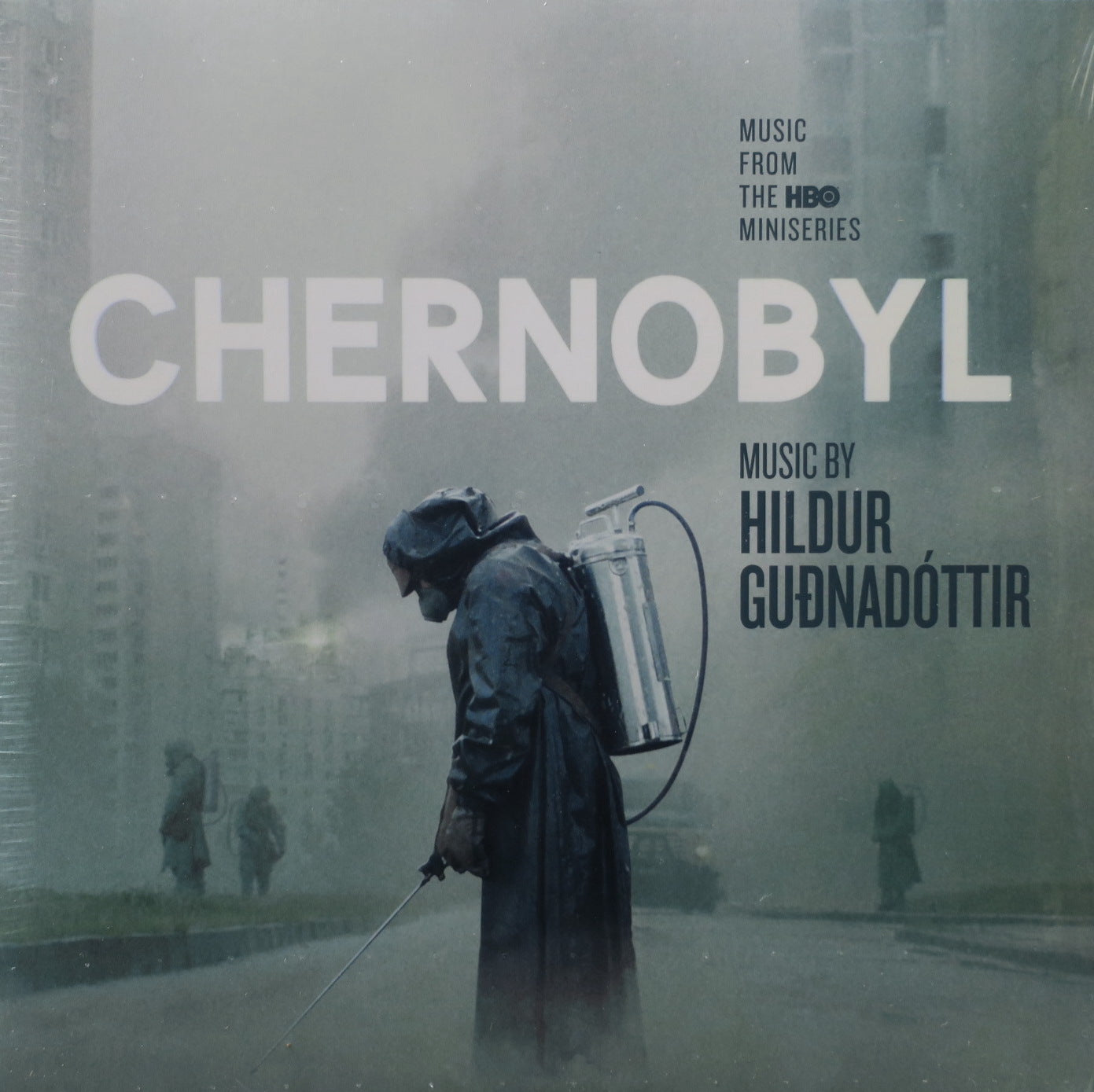
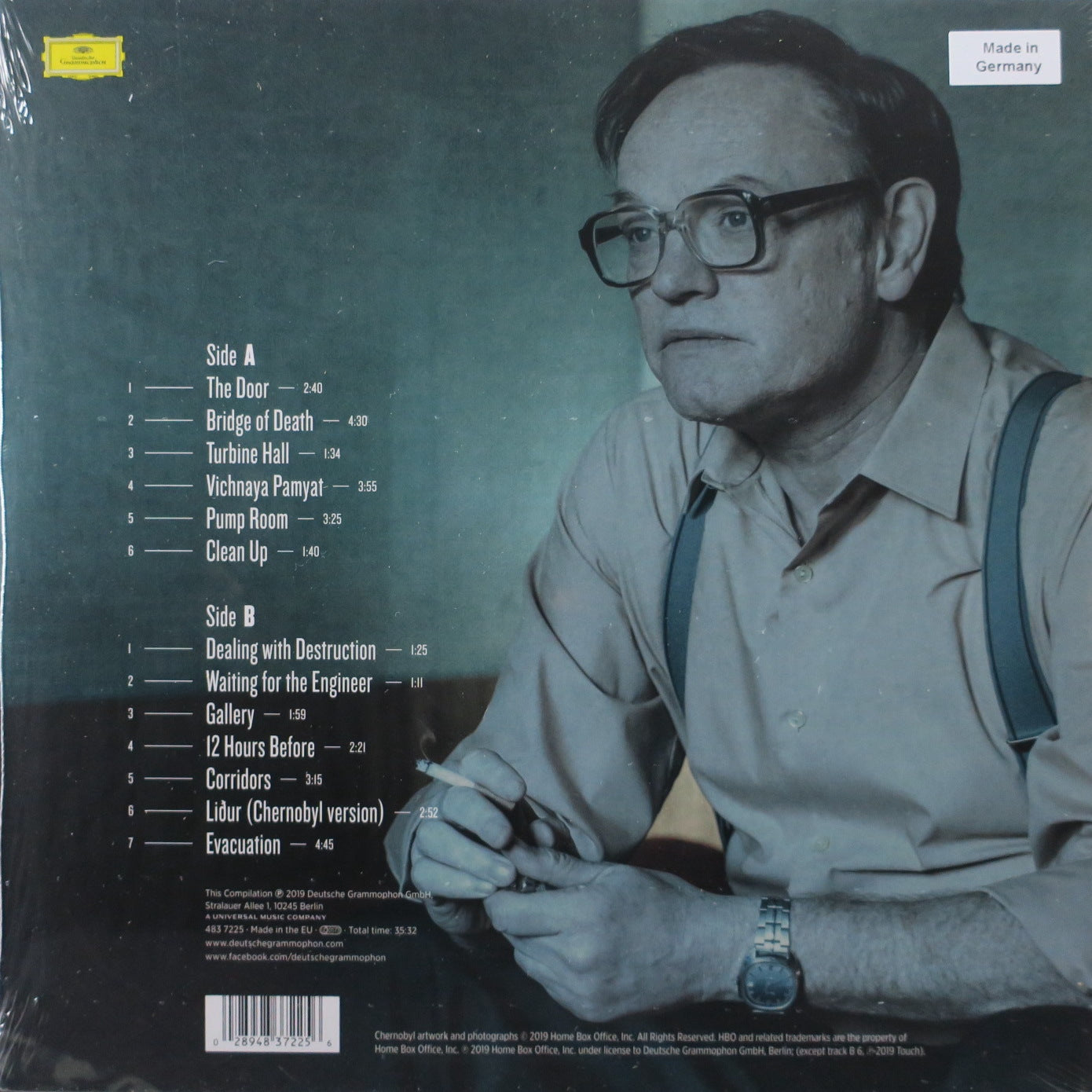
Trained as a cellist and active on Iceland's adventurous music scene, Hildur moved into composing by bringing performer’s instincts to scoring. The result is music that foregrounds timbre and texture: bowed, scraped and electronically processed cello lines that build tension from proximity and silence. This approach made the score for Joker feel like the lead character’s inner voice, and the music for Chernobyl a slow, crystalline witness to human catastrophe.
Her collaborations and background matter because they explain the sound. Hildur worked closely with fellow Icelandic composers and experimental musicians early in her career, and she toured and recorded with composer Jóhann Jóhannsson—an association that opened doors into cinematic composition while sharpening her taste for minimal, emotionally rigorous writing. That lineage places her alongside other contemporary composers who blur classical technique with studio practice.
The high-profile scores—Joker (which earned an Academy Award) and Chernobyl (which earned major television composing honors)—brought wider attention but didn’t represent a stylistic pivot. Instead they amplified a consistent set of choices: economy of material, extreme close-up sonics, and a willingness to let discomfort sit in the mix. Directors such as Todd Phillips and Johan Renck responded to that restraint, using her music to make scenes feel interior and immediate rather than merely loud.
For listeners coming from post-classical or ambient backgrounds, Hildur offers a bridge into cinematic composition that privileges mood and micro-detail. For film fans, her scores demonstrate how a single voice—carefully produced—can become as central to storytelling as acting or editing. Her work also highlights Iceland’s unusually fertile environment for composers who work between scores, albums and improvisation.
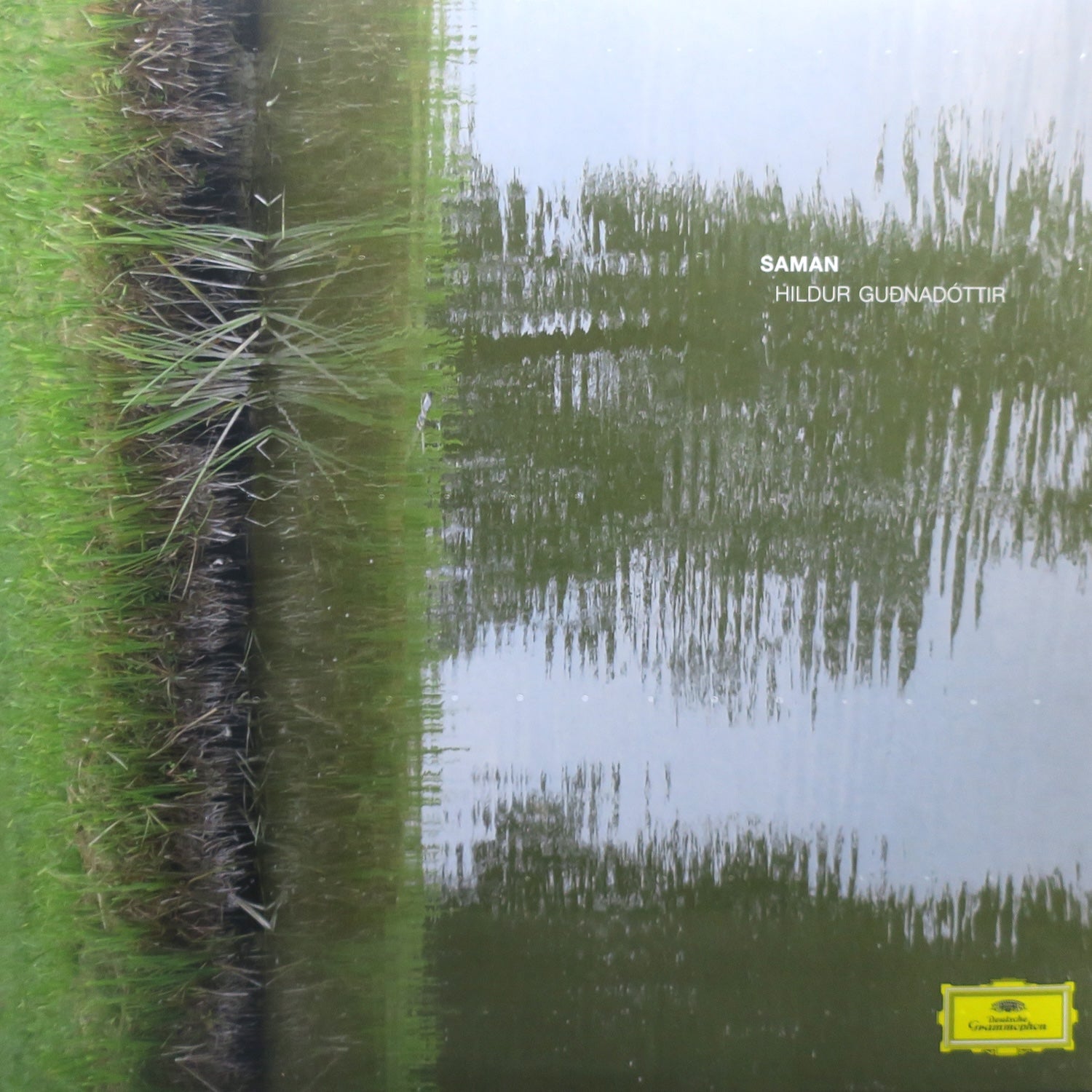
Even after high-profile awards, the most revealing recordings are the quieter ones: pieces that reward repeated listens by exposing small gestures and production choices. Those recordings explain why Hildur’s name keeps coming up among contemporary composers: not because of spectacle but because of a refined sense of how played sound can shape emotion and narrative.