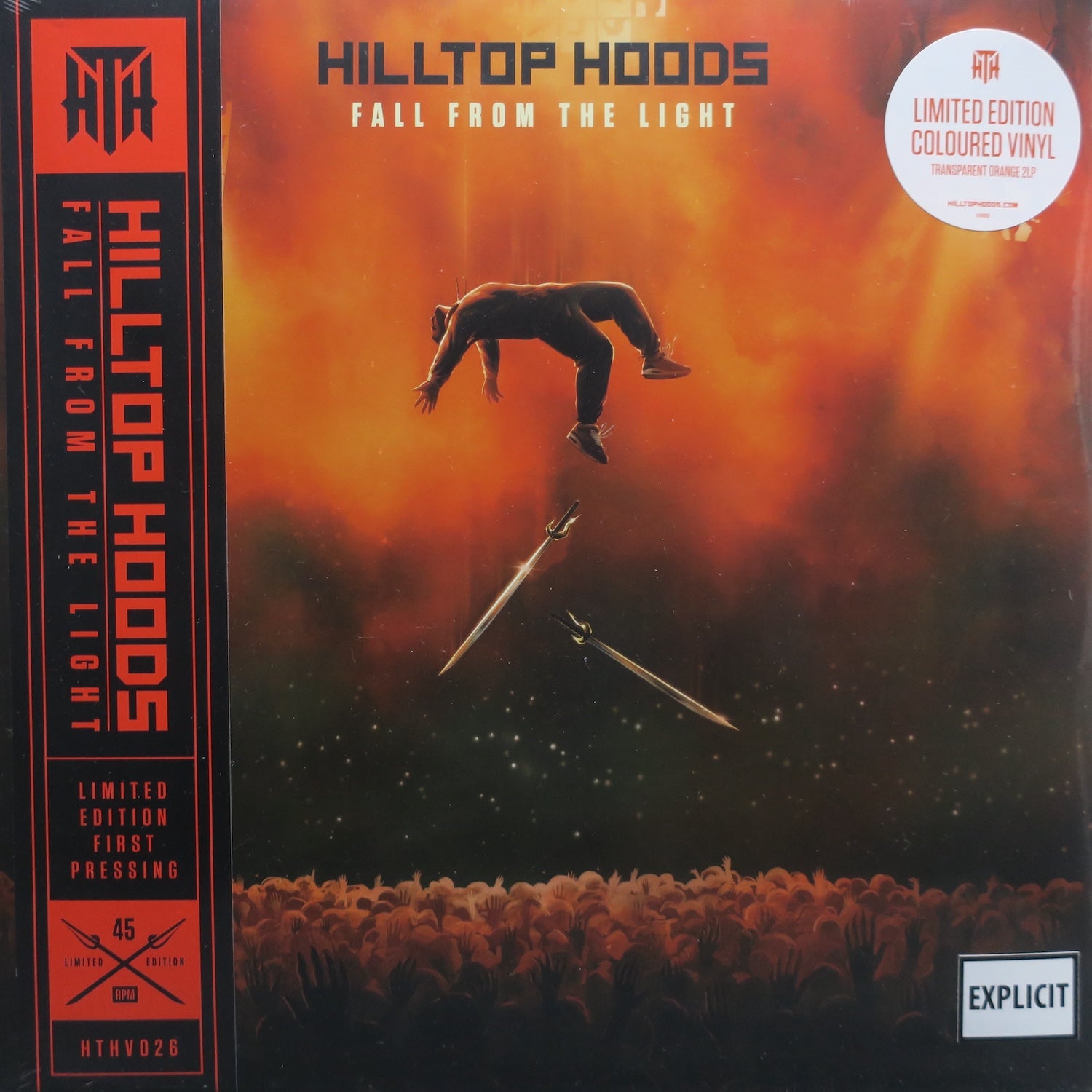
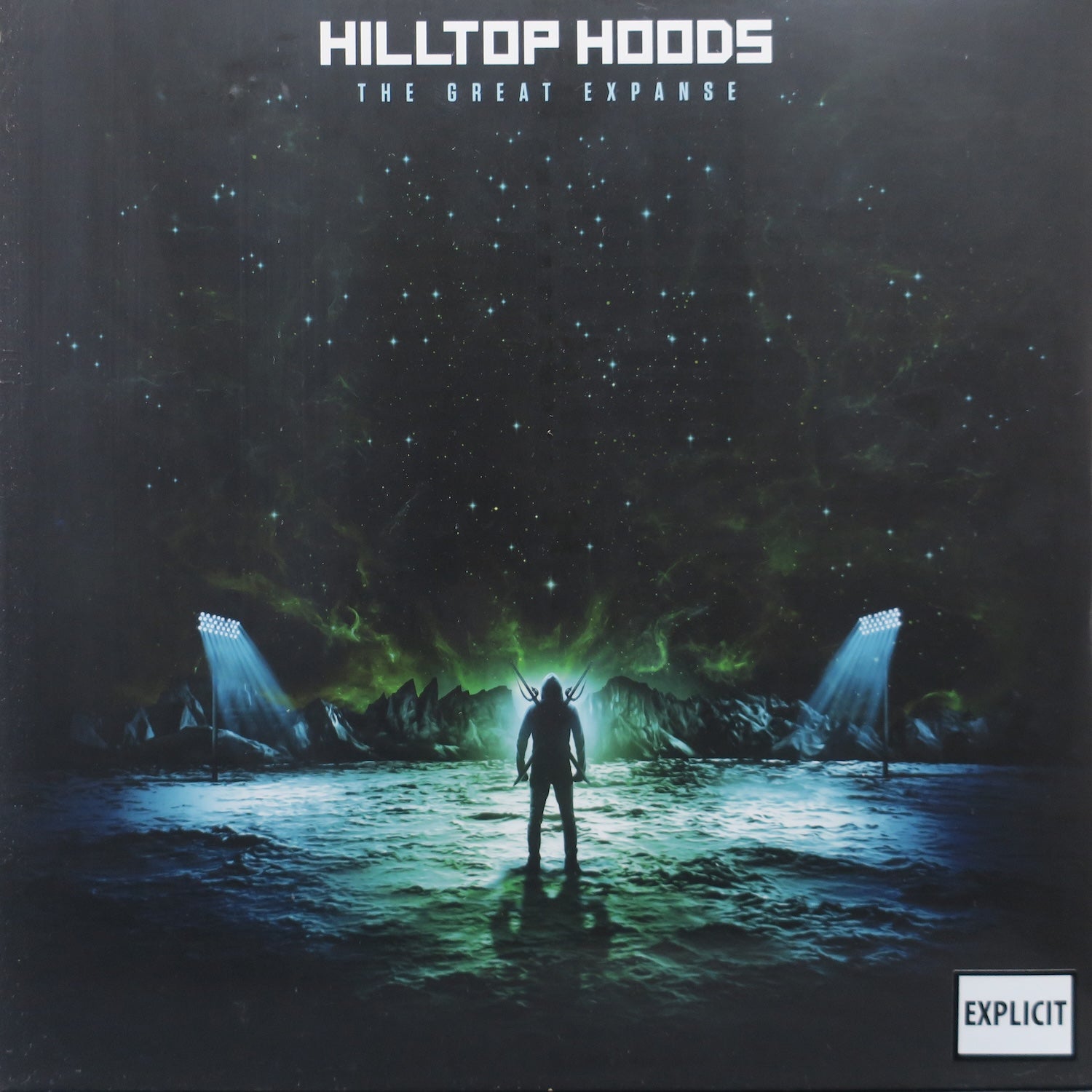
Hilltop Hoods
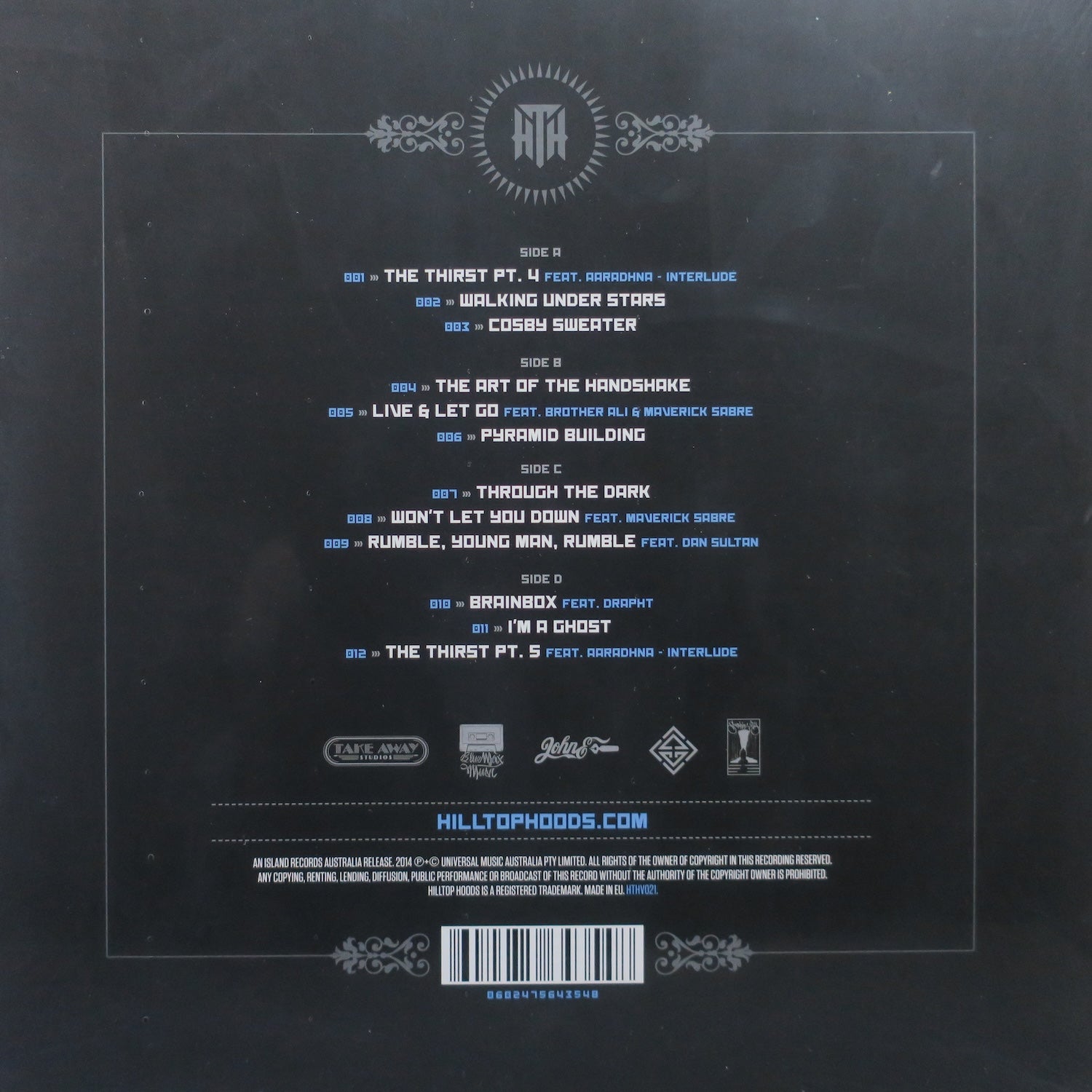
Hilltop Hoods turned a regional Adelaide rap scene into a national one by treating Australian accents, local stories and crate-digging beats with the same seriousness US boom-bap crews once did. That mix — bluntly local rhymes over head-nodding production — is why tracks like "The Nosebleed Section" and "Cosby Sweater" became touchstones: they proved Australian hip-hop could be both proudly homegrown and stadium-ready.
Musically the group balances three clear roles. Suffa brings precise, literate writing and production sense; Pressure supplies a conversational, character-led flow; DJ Debris ties everything together with turntable technique and sample-based construction. Together they refined a sound that favors melodic hooks, sharp storytelling and beat choices that nod to 1990s hip-hop while incorporating Australian vernacular and references. The 2006 release The Hard Road — and its orchestral reimagining — showed how the trio could scale up arrangements without losing street-level detail.
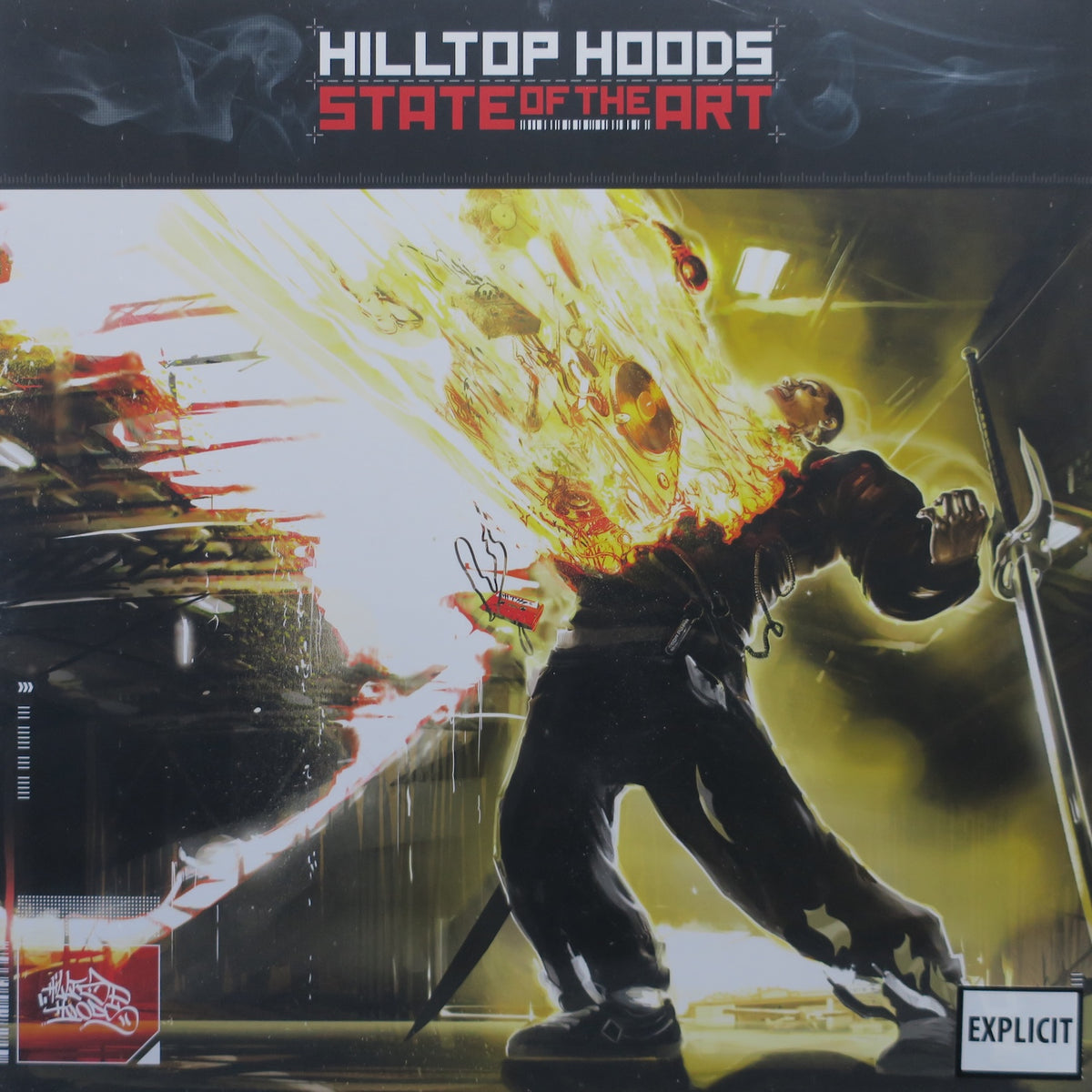
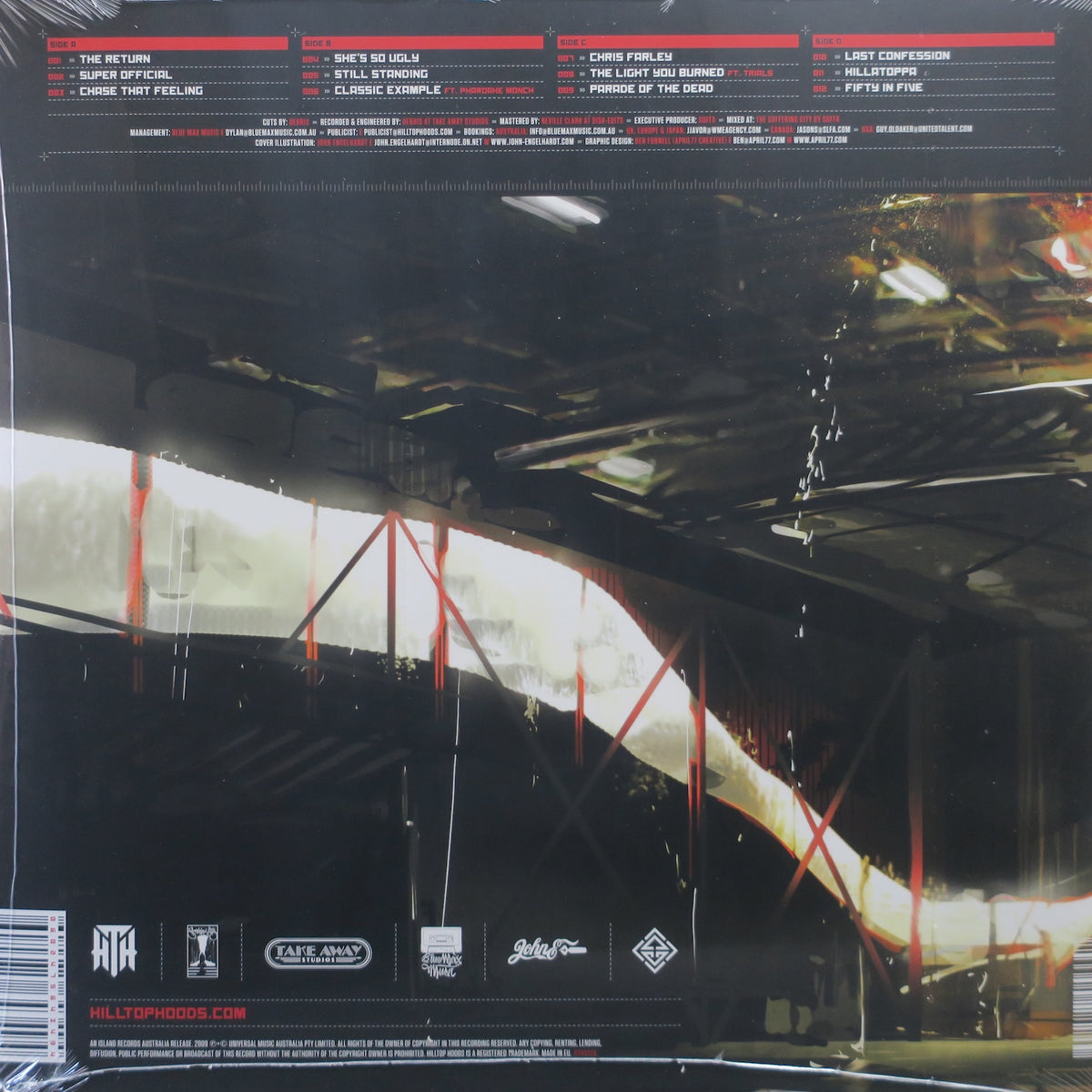
Beyond records, Hilltop Hoods mattered because they changed the market. The Calling and State of the Art were commercial breakthroughs that opened radio, festival slots and mainstream attention to an entire wave of Australian MCs. That visibility encouraged local collaborations, national touring circuits and a DIY infrastructure: self-run labels, community radio support and more frequent festival billing for Australian hip-hop acts.
Hilltop Hoods also maintained strong ties to the broader Australian scene. They toured and worked with fellow Adelaide crews and national artists, helping knit a patchwork of regional scenes into a recognisable movement. Those partnerships — both onstage and in production — amplified newer voices and made Golden Era-style production values a template for others.
Listening now, Hilltop Hoods reward both casual and patient ears. Singles deliver immediate hooks; albums repay repeated plays with layered samples, internal callbacks and an evolving view of what Australian rap can sound like. For anyone curious about how hip-hop localized outside the US, their records are a clear, enjoyable map of that process.