Max Romeo
Few Jamaican singers married blunt erotic humour and hard-hitting social commentary the way Max Romeo did. A late-1960s hit single like "Wet Dream" put him on the map — a cheeky, controversial record that crossed the Atlantic — but it was his 1970s roots-period that reshaped his reputation, moving from risqué pop to searing, Rastafari-inflected protest songs.
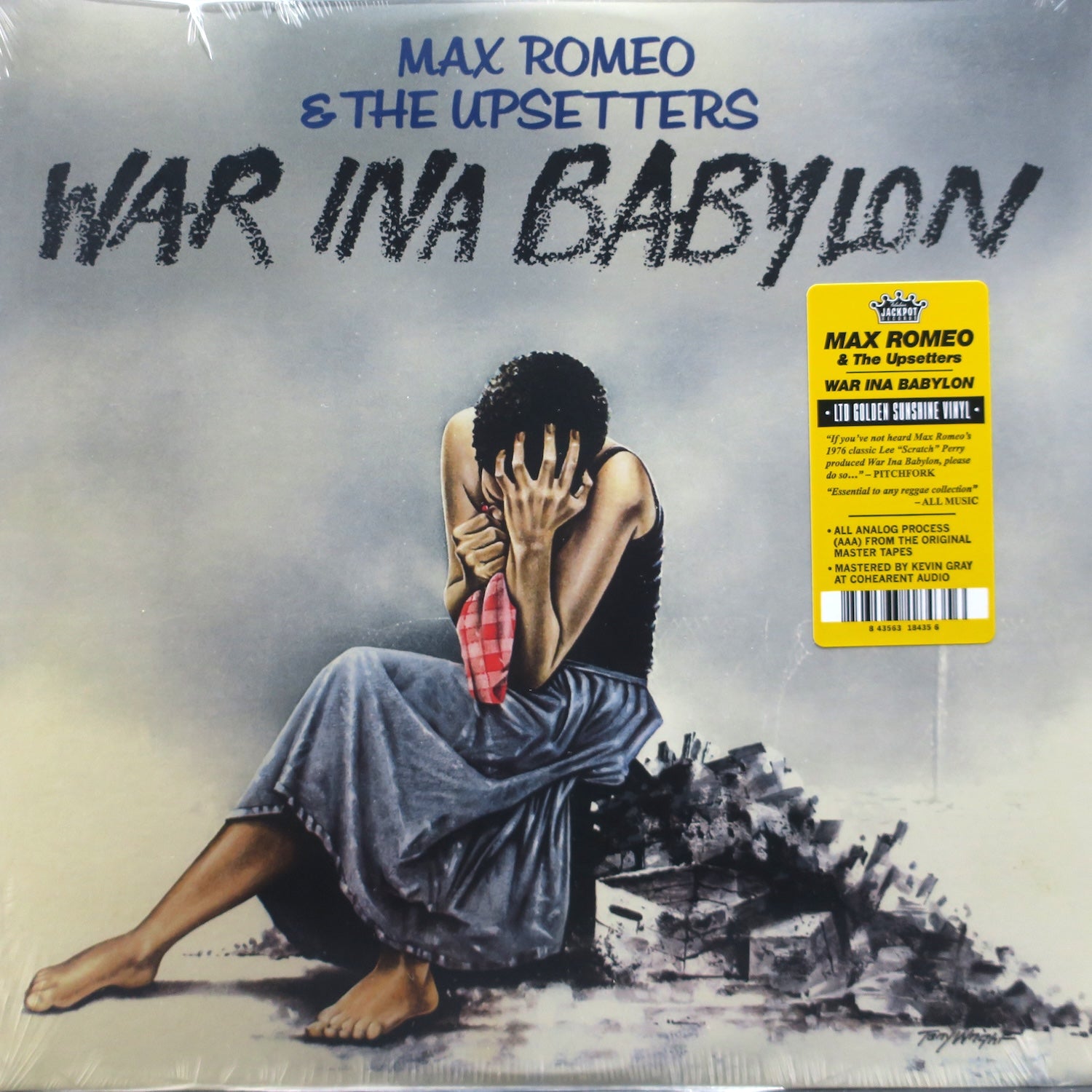
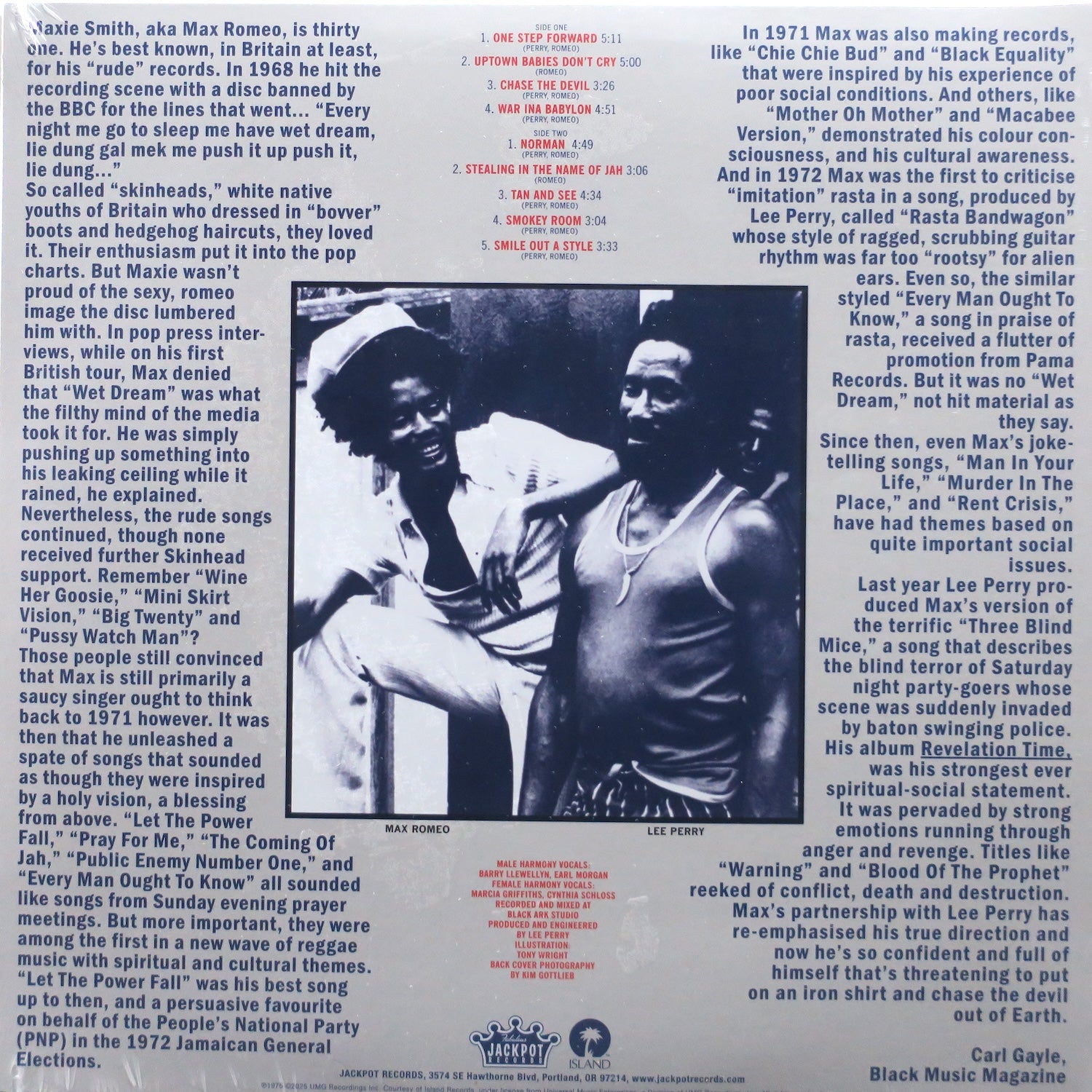
The turning point came with Max Romeo's collaboration with producer Lee "Scratch" Perry and Perry's house band, The Upsetters. On the album War Ina Babylon the pairing was electric: Perry's swampy, unpredictable production framed Romeo's clear, sometimes accusatory vocal delivery. The record balances songs of spiritual warning and social grievance with a melodic sensibility that makes the politics accessible rather than preachy. That album, above all, shows why Romeo matters to fans of roots reggae — it feels both deeply Jamaican and worldly.
Romeo's songwriting sits between the pulpit and the bedroom. Earlier singles leaned on rocksteady and soul-informed phrasing, while his mid-70s work embraced Rastafari themes, apocalyptic imagery and calls for justice in the same breath. Those shifts put him in the company of contemporaries like Bob Marley & The Wailers, Burning Spear and Culture: peers who were redefining reggae as a vehicle for spiritual and political expression.
Listening entry points vary: start with War Ina Babylon for the classic producer-artist collaboration; then check Revelation Time for its uncompromising roots material and Let the Power Fall if interested in his transitional early-70s sound. Across these records Romeo's voice remains direct and human — a storyteller who can indict a corrupt system, scold a lover or plead for redemption without losing clarity.
More than a period piece, Max Romeo's catalogue rewards repeated listening: there are immediate grooves and deeper lyrical layers. For anyone exploring 1970s Jamaican music beyond the biggest names, his records are a doorway into the tension, humour and moral urgency that made roots reggae both a local language and a global conversation.