Skip to content
10% off orders over $150 . . . Flat rate shipping within Australia
Search
BUY STUFF
SELL YOUR RECORDS & CDs
VINYL FLATTENING
GIFT VOUCHER
CONTACT
Account
Search
Cart
BUY STUFF
SELL YOUR RECORDS & CDs
VINYL FLATTENING
GIFT VOUCHER
CONTACT
Mike Patton
1984–present
US
Indie/Alt. Rock
,
Hip Hop
Filter
10 products
Sort by
Most relevant
Most relevant
Best selling
Alphabetically, A-Z
Alphabetically, Z-A
Date, old to new
Date, new to old
Filters
Sort by
Most relevant
Best selling
Alphabetically, A-Z
Alphabetically, Z-A
Date, old to new
Date, new to old
Apply
Quick buy
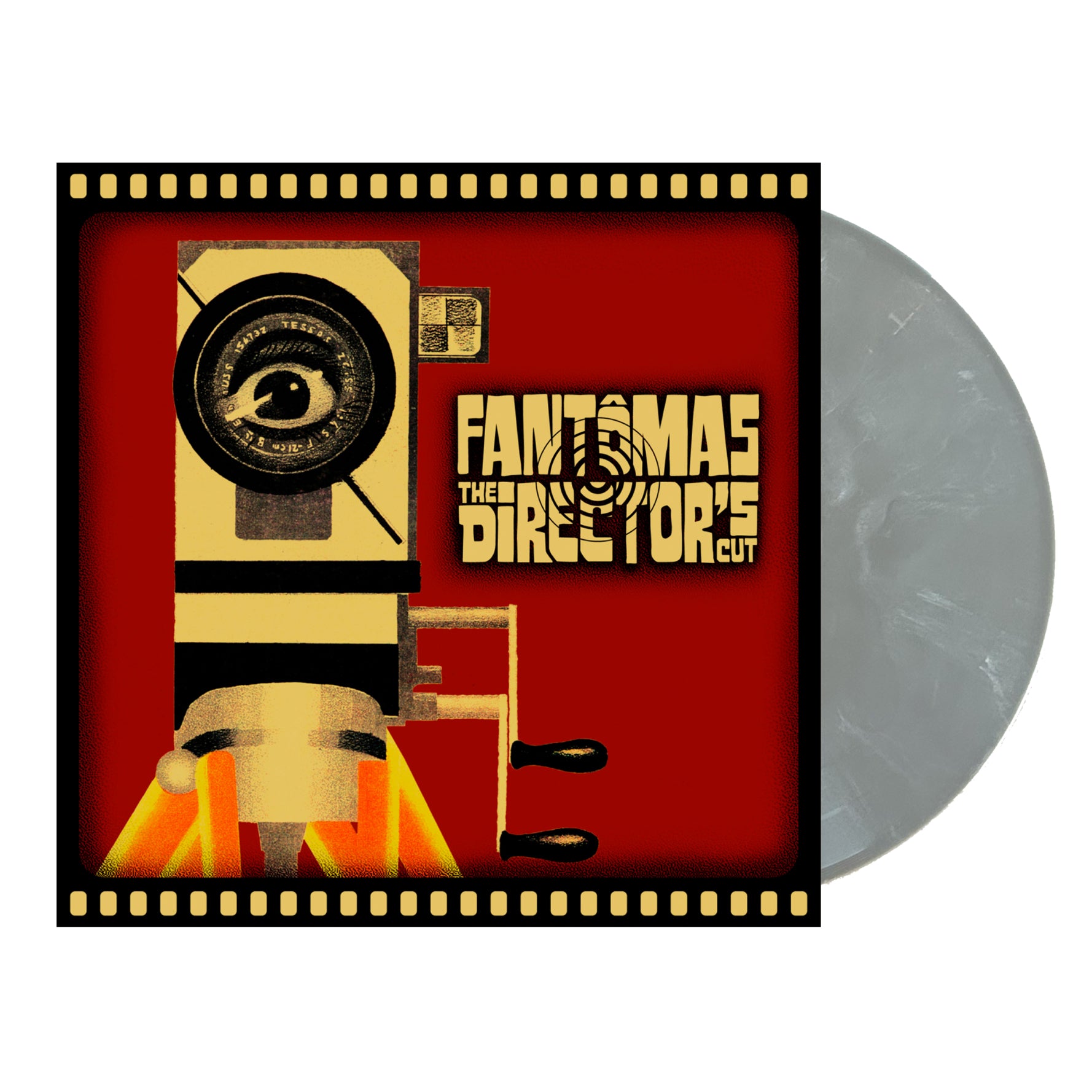
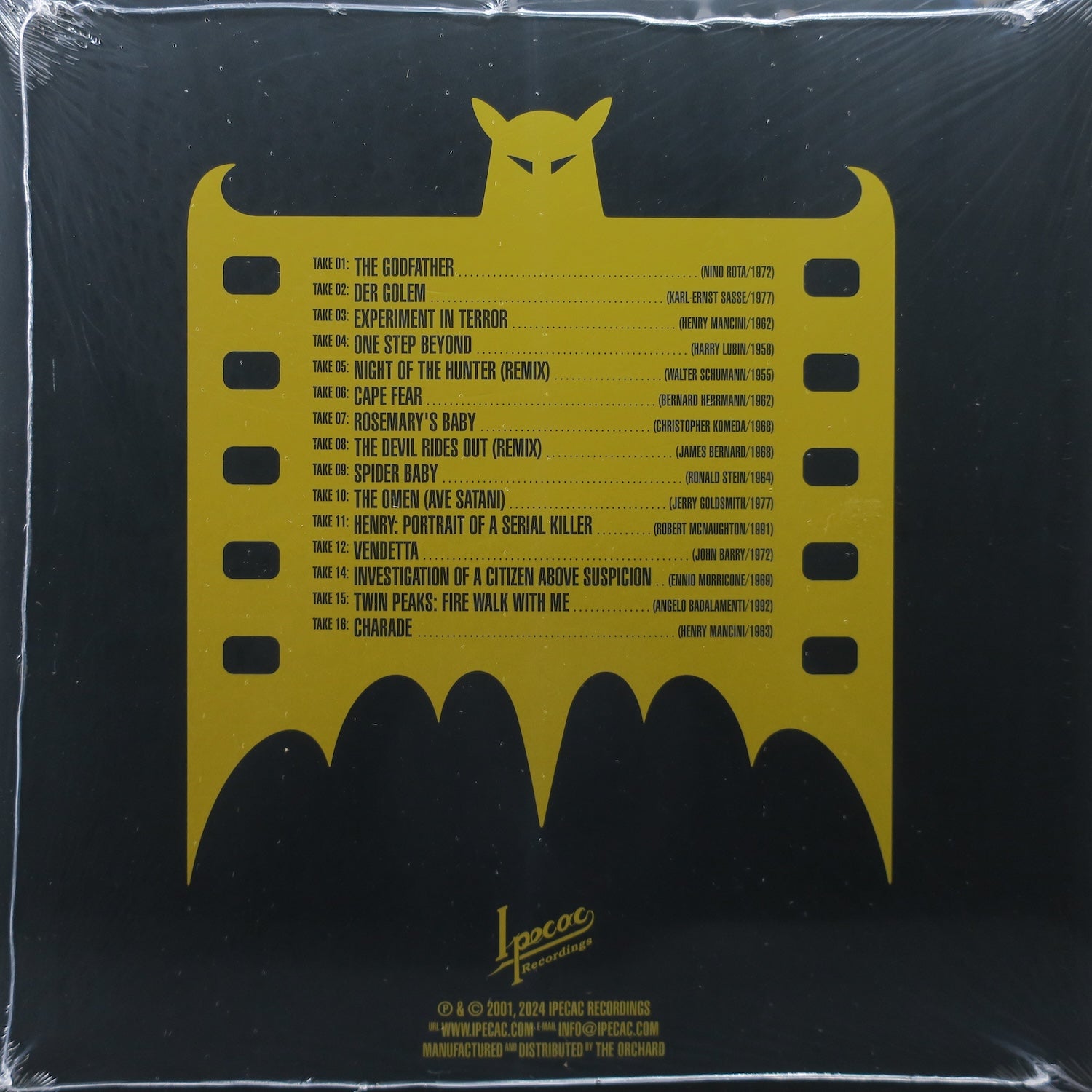
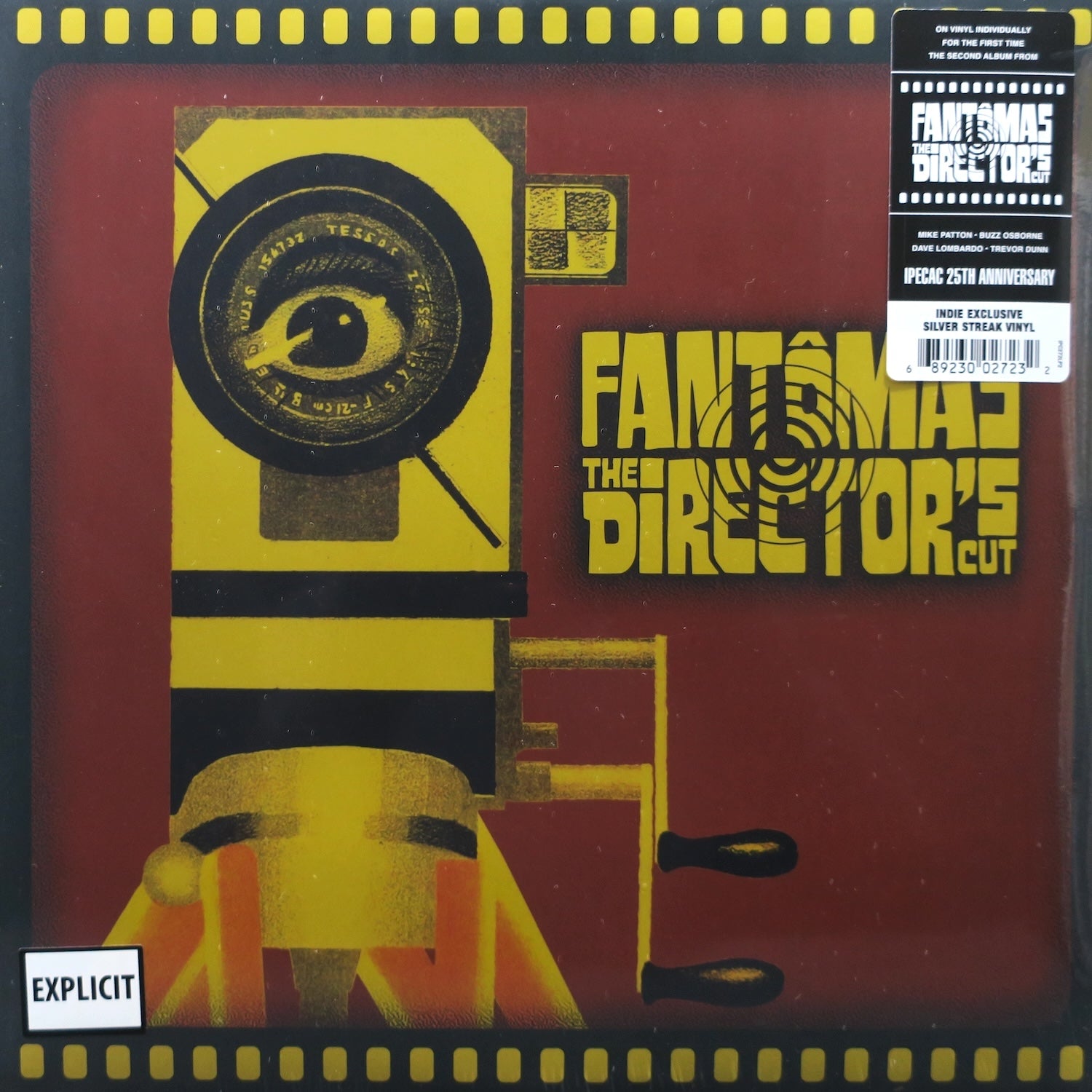
FANTOMAS 'Director's Cut' SILVER Vinyl LP (Mike Patton)
$55.00
Quick buy
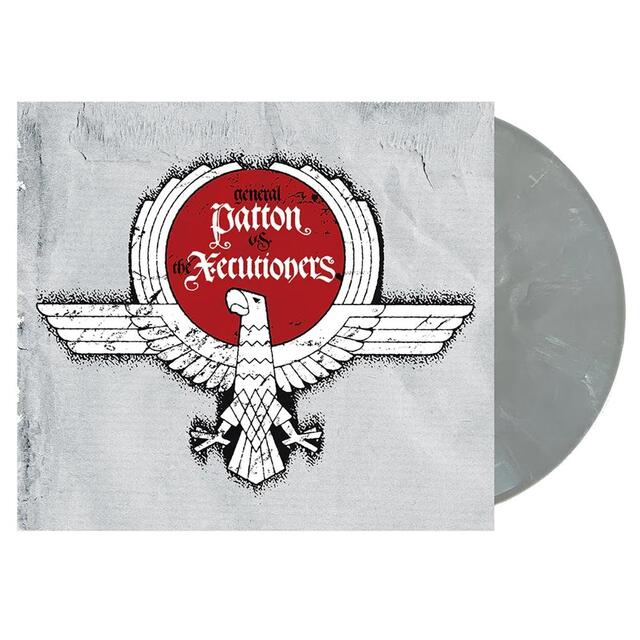
GENERAL PATTON VS. THE X-ECUTIONERS s/t SILVER STREAK Vinyl LP (Mike Patton)
$50.00
$55.00
Sale
Quick buy
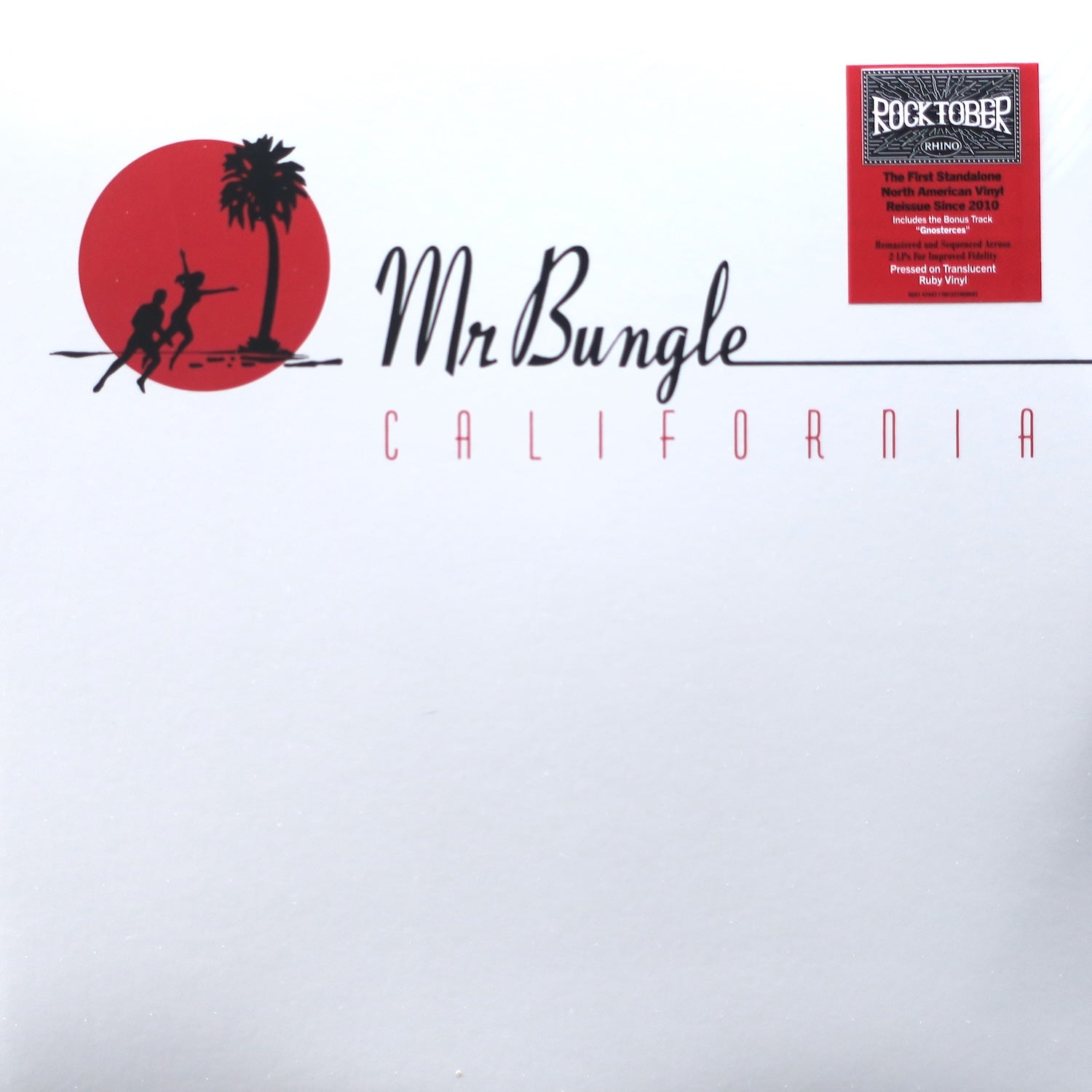
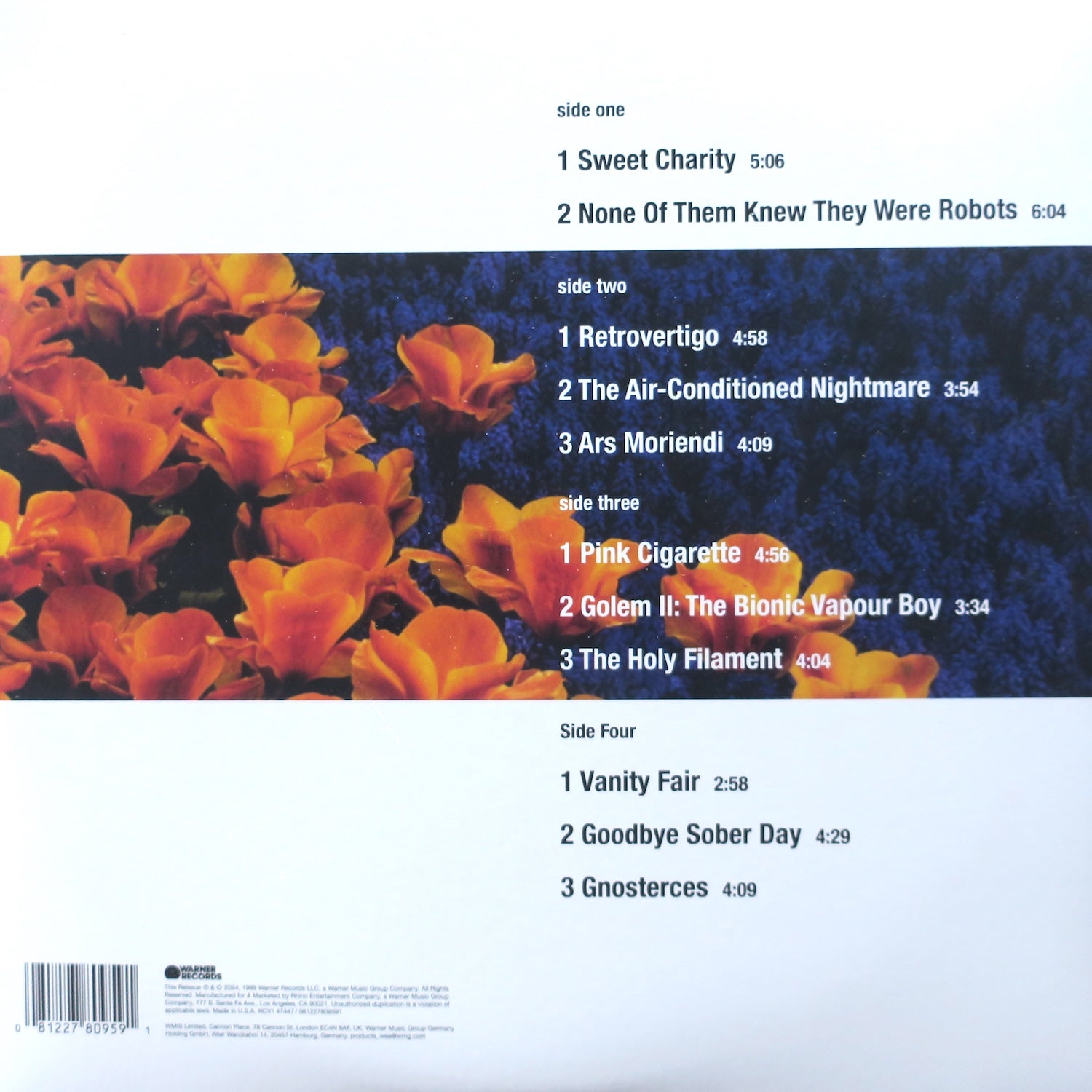
MR BUNGLE 'California' RUBY RED Vinyl 2LP (Mike Patton)
$75.00
Quick buy
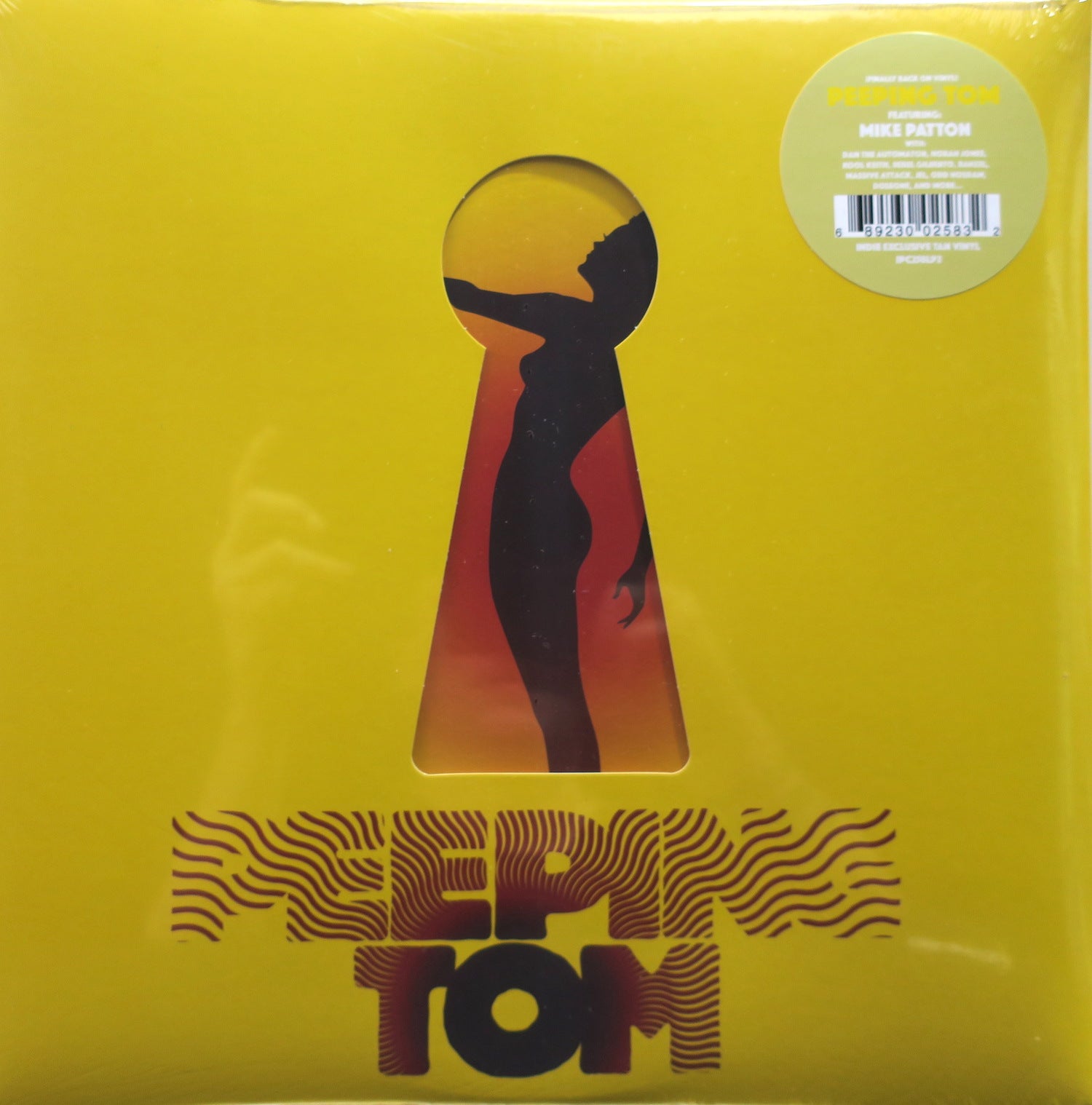
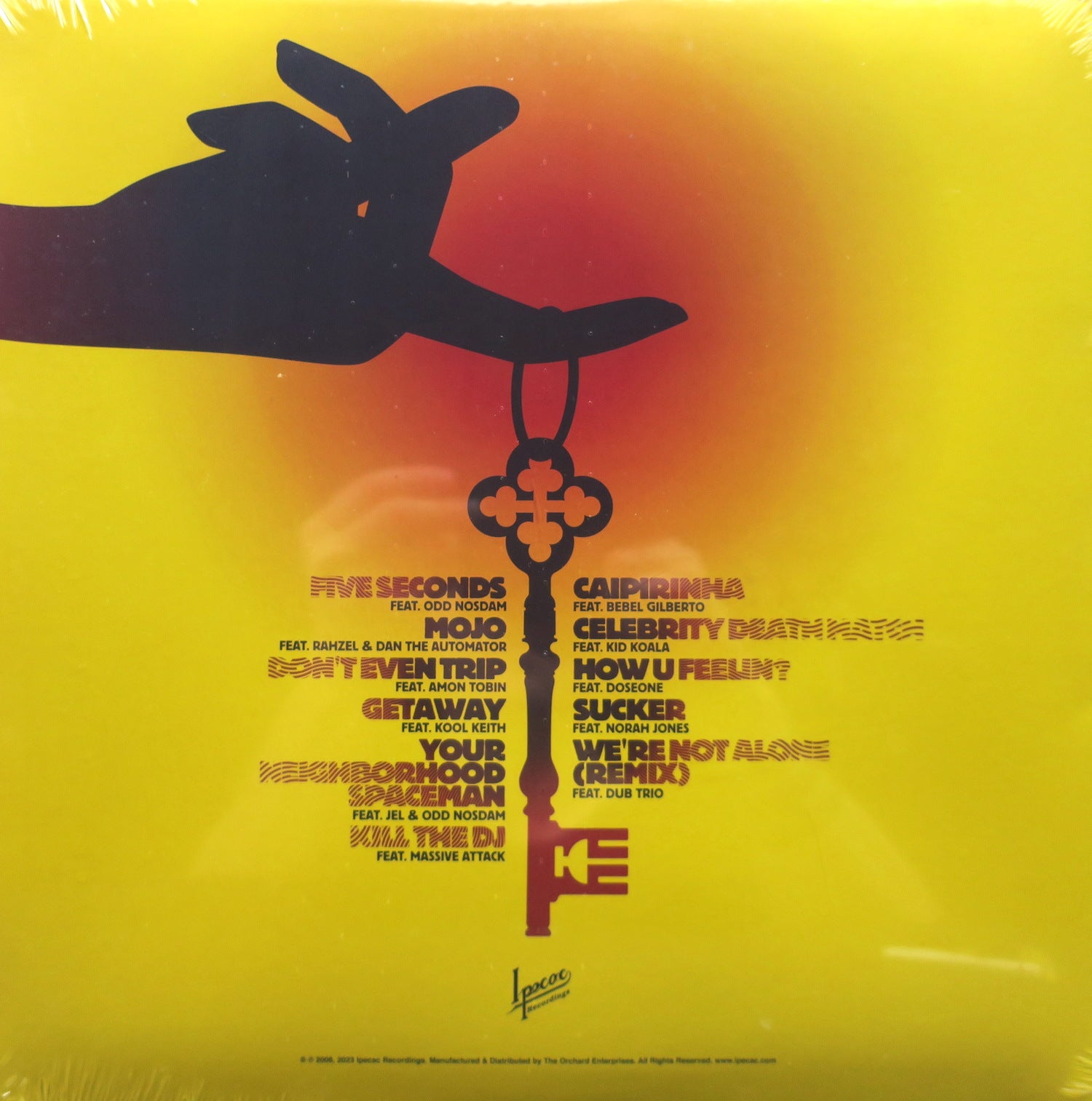
PEEPING TOM s/t TAN Vinyl LP (Mike Patton Faith No More)
$50.00
$60.00
Sale
Quick buy
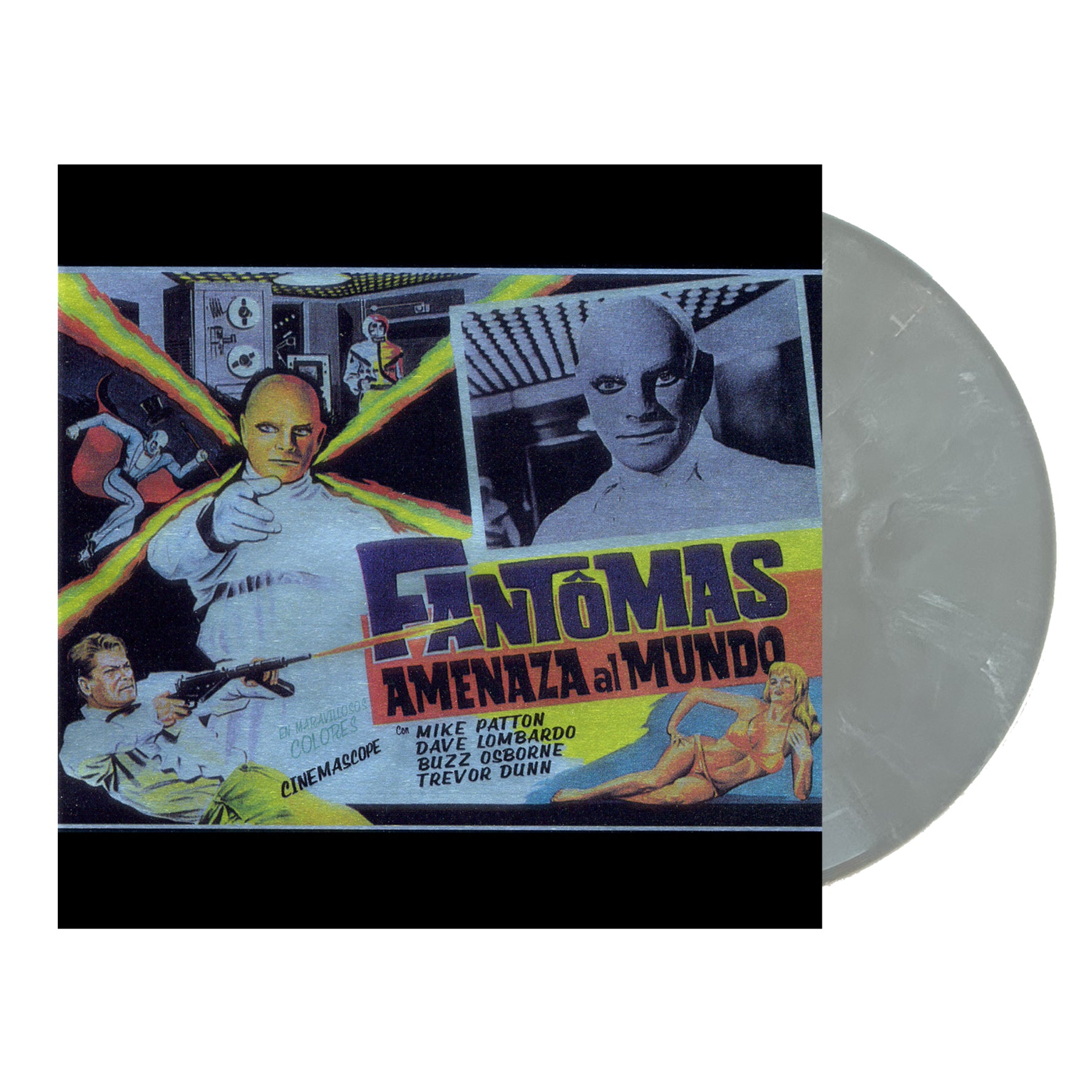
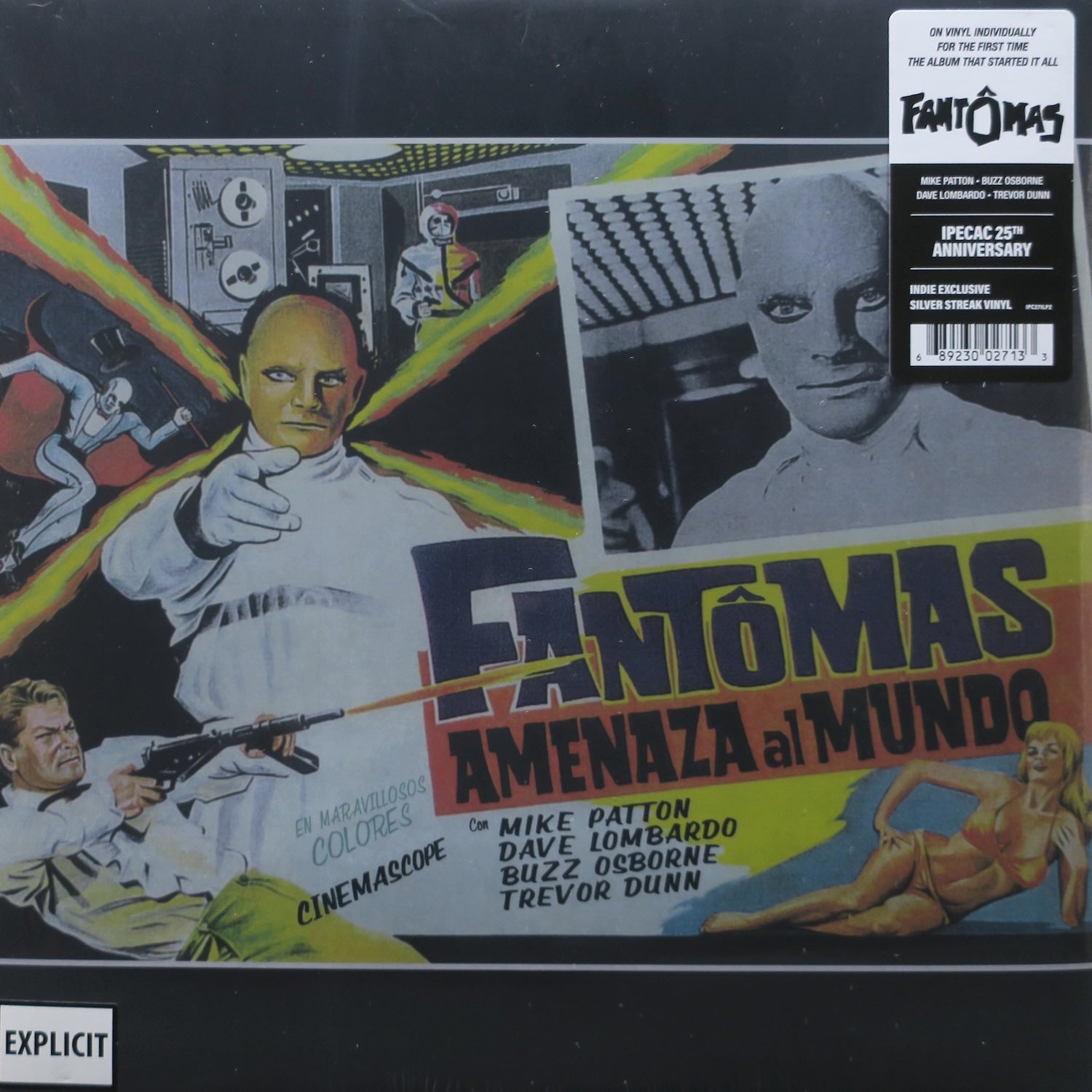
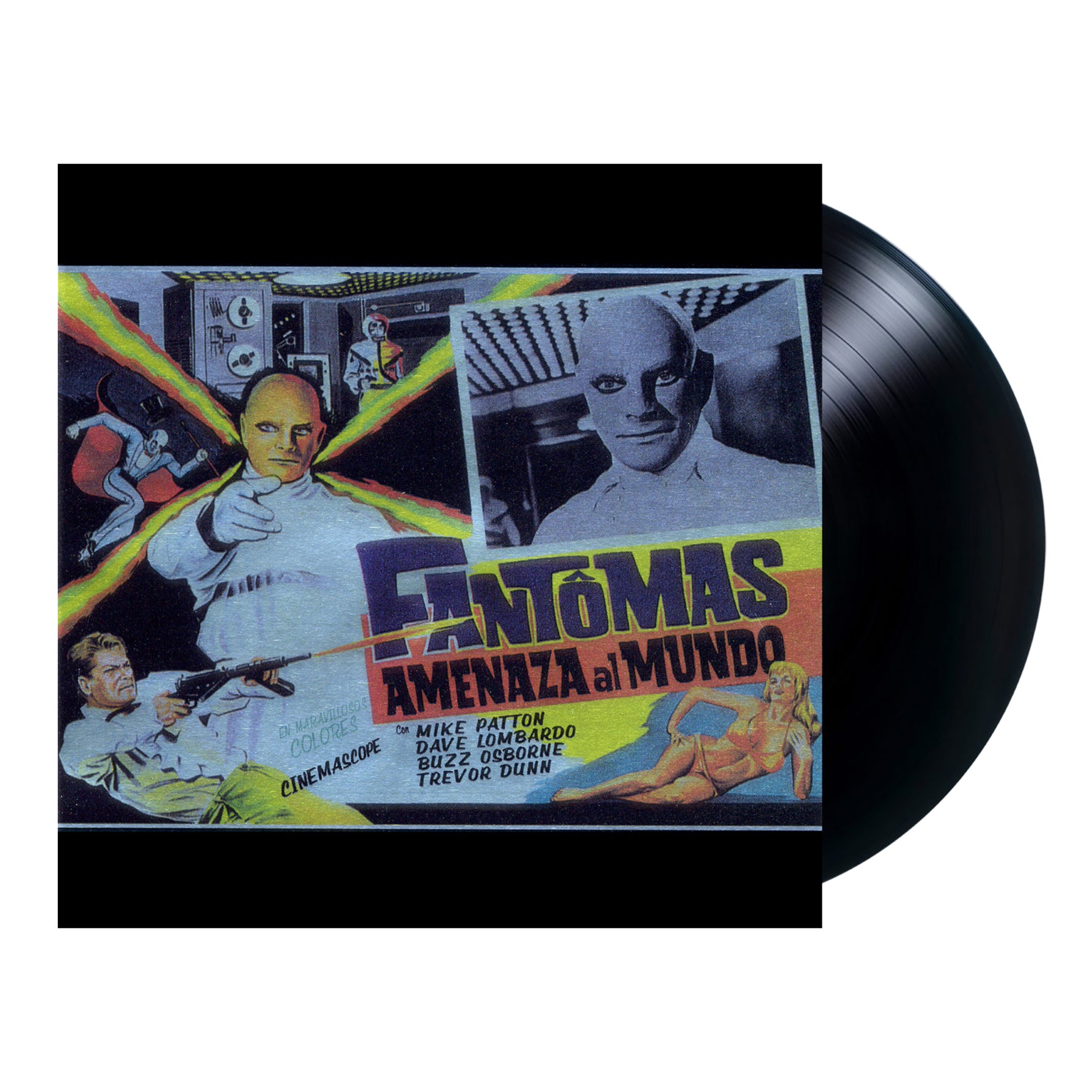
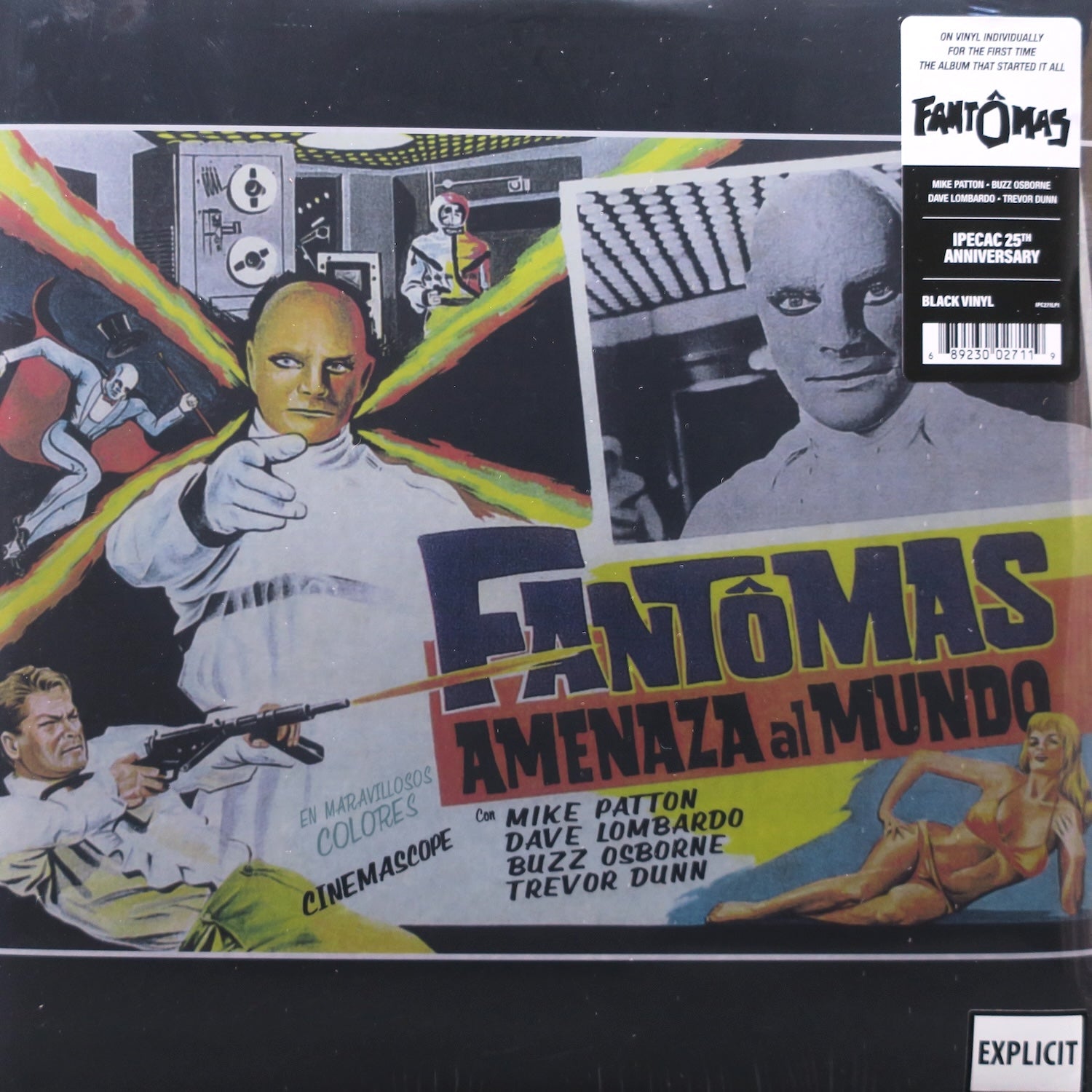
FANTOMAS s/t SILVER Vinyl LP (Mike Patton)
$40.00
$55.00
Sale
Quick buy
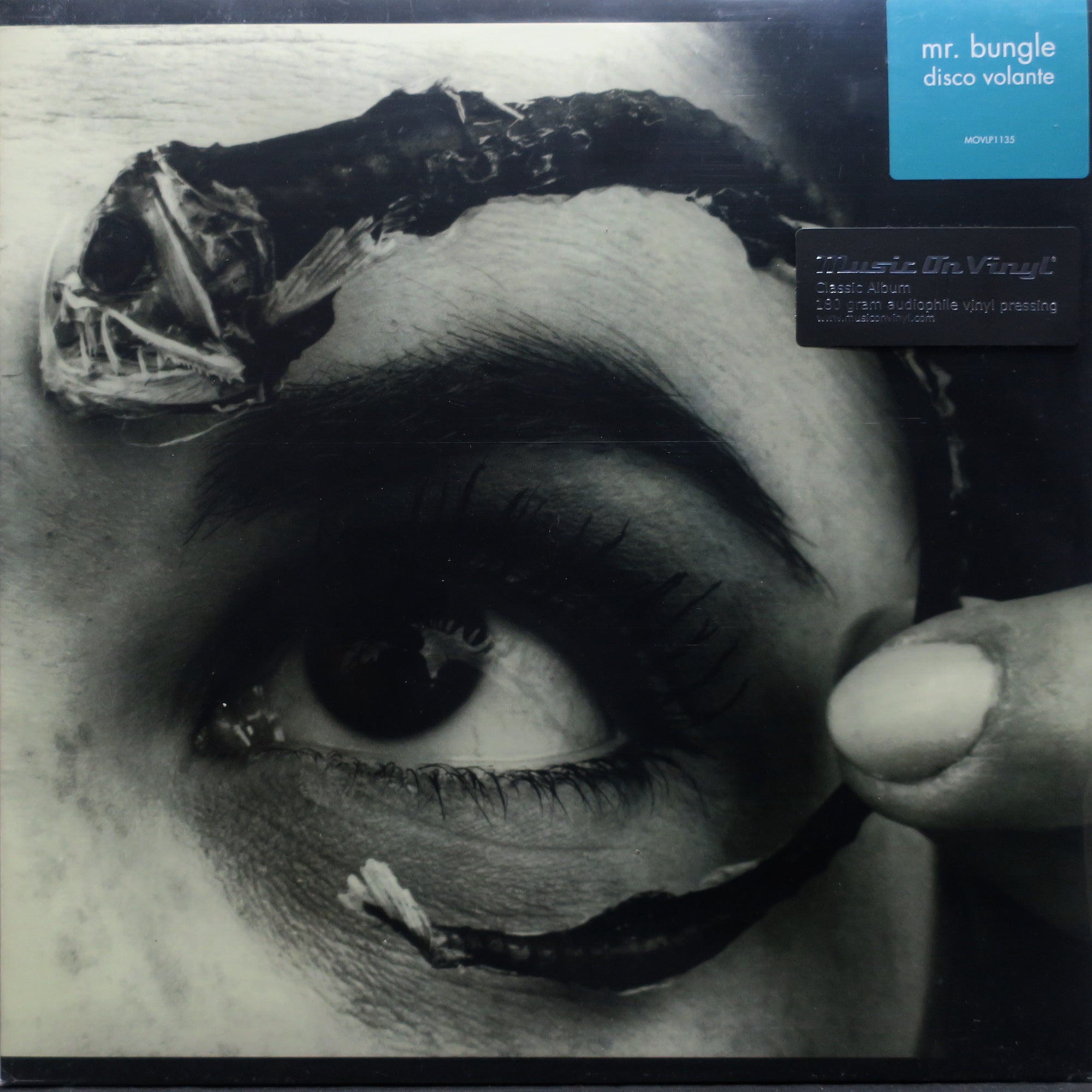
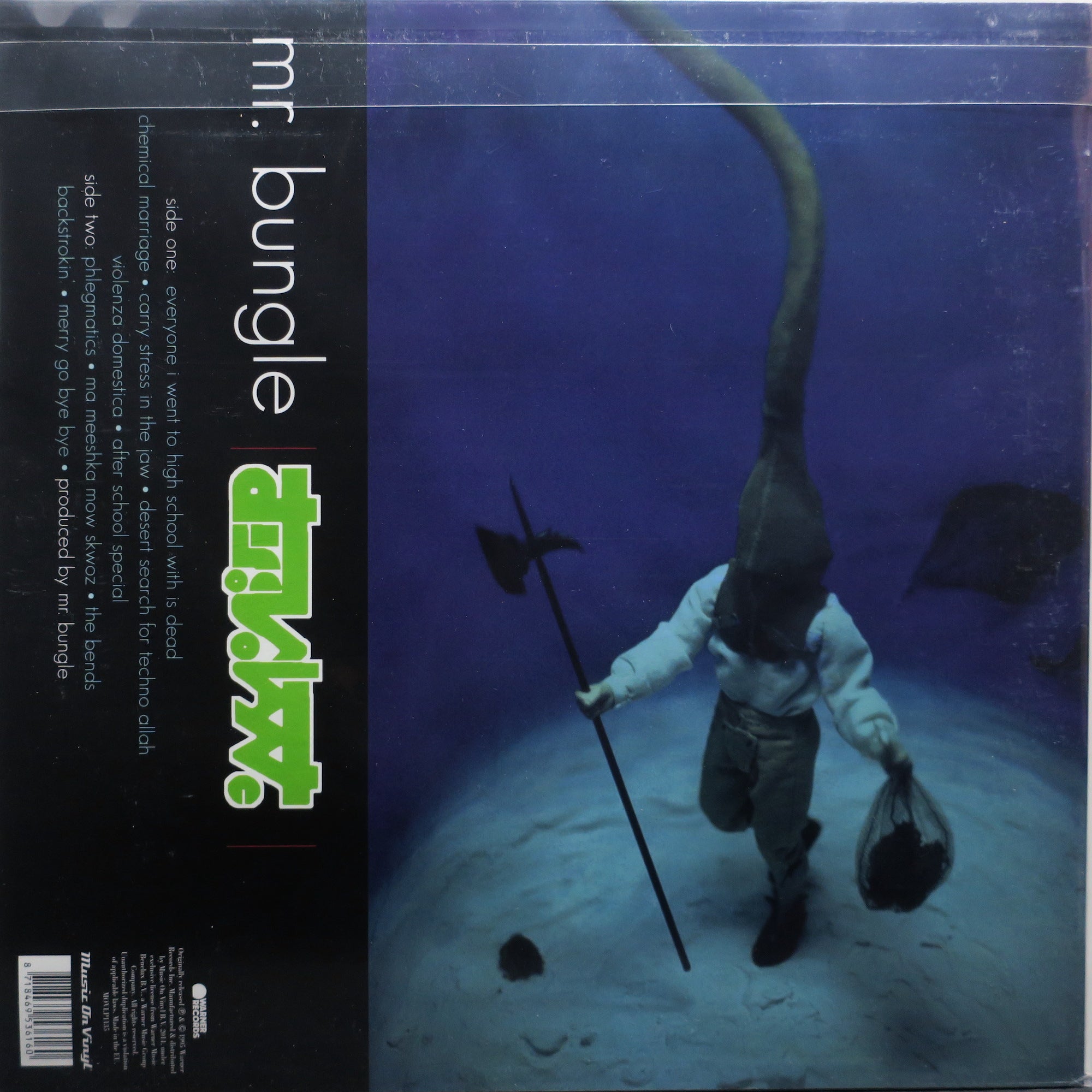
MR BUNGLE 'Disco Volante' 180g Vinyl LP (Mike Patton)
$52.50
Quick buy
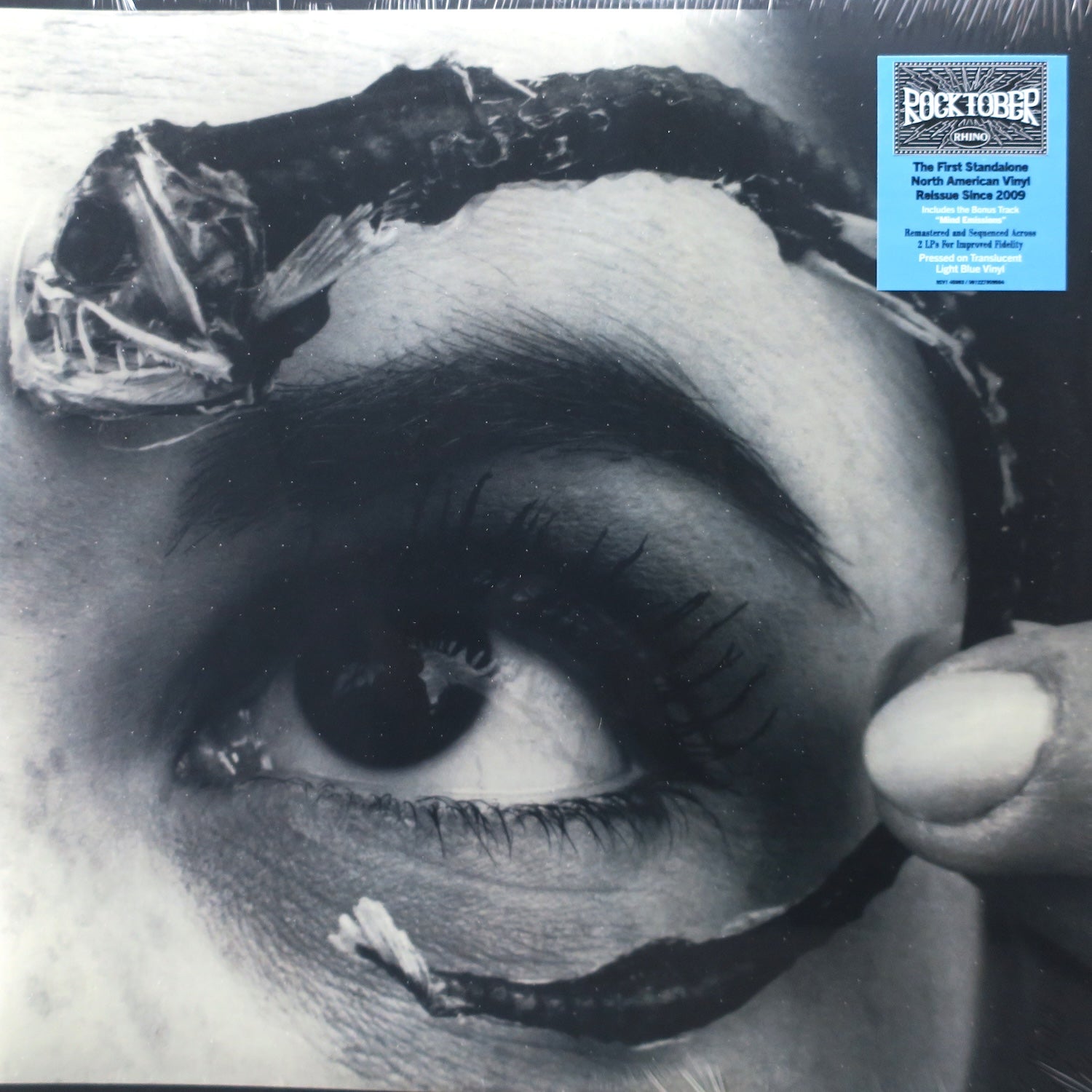
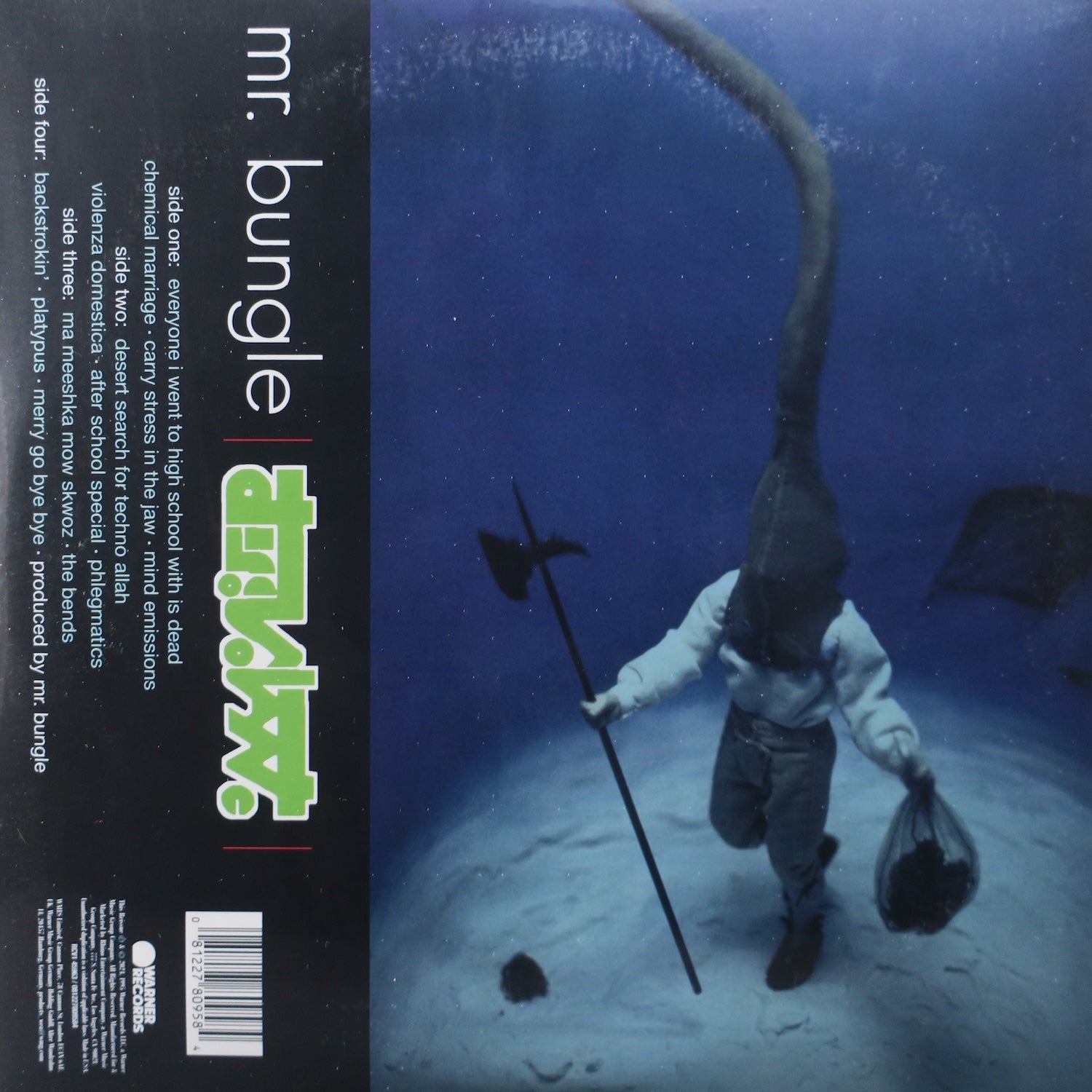
MR BUNGLE 'Disco Volante' FOREST GREEN Vinyl 2LP (Mike Patton)
$75.00
Quick buy
FANTOMAS s/t BLACK Vinyl LP (Mike Patton)
$40.00
$55.00
Sale
Quick buy
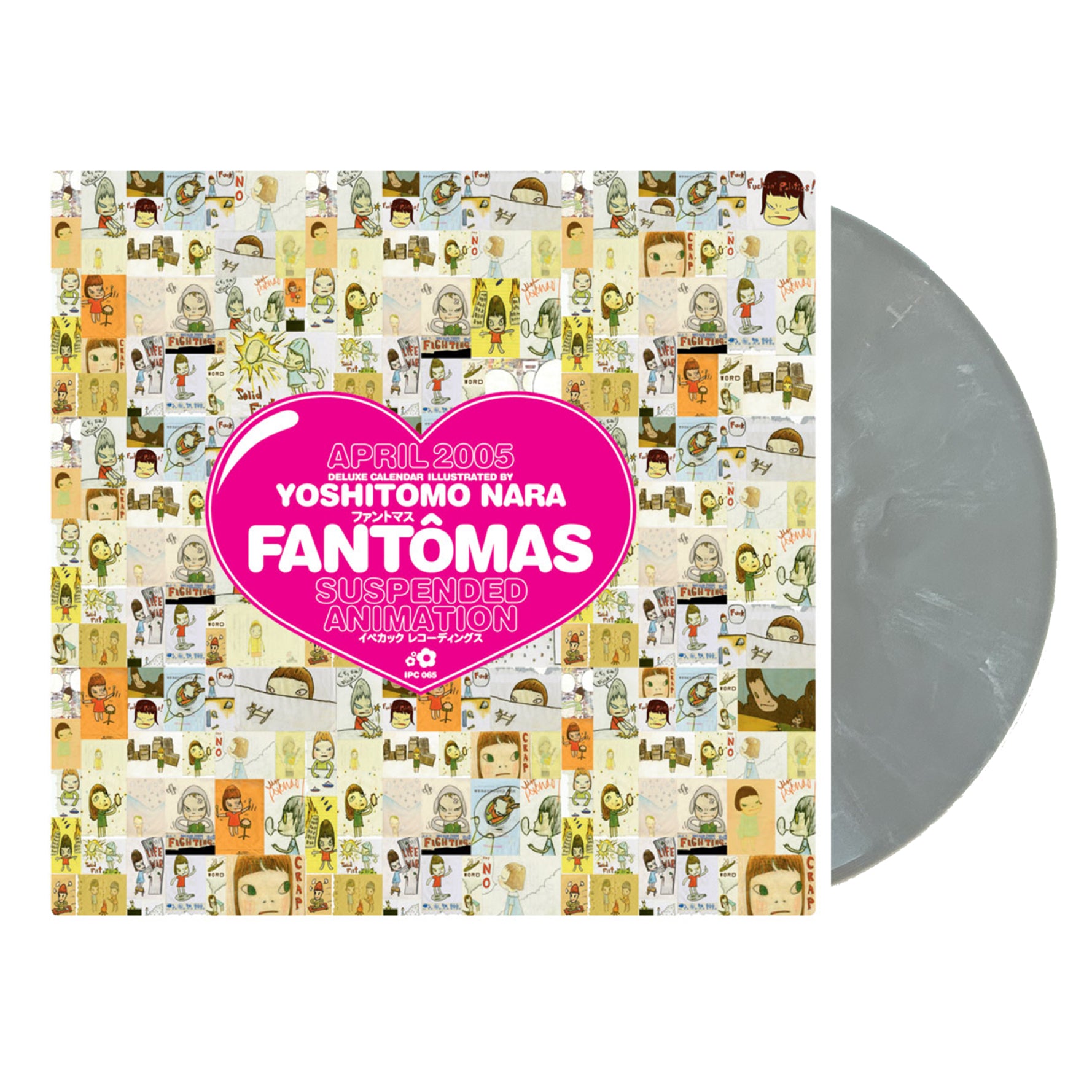
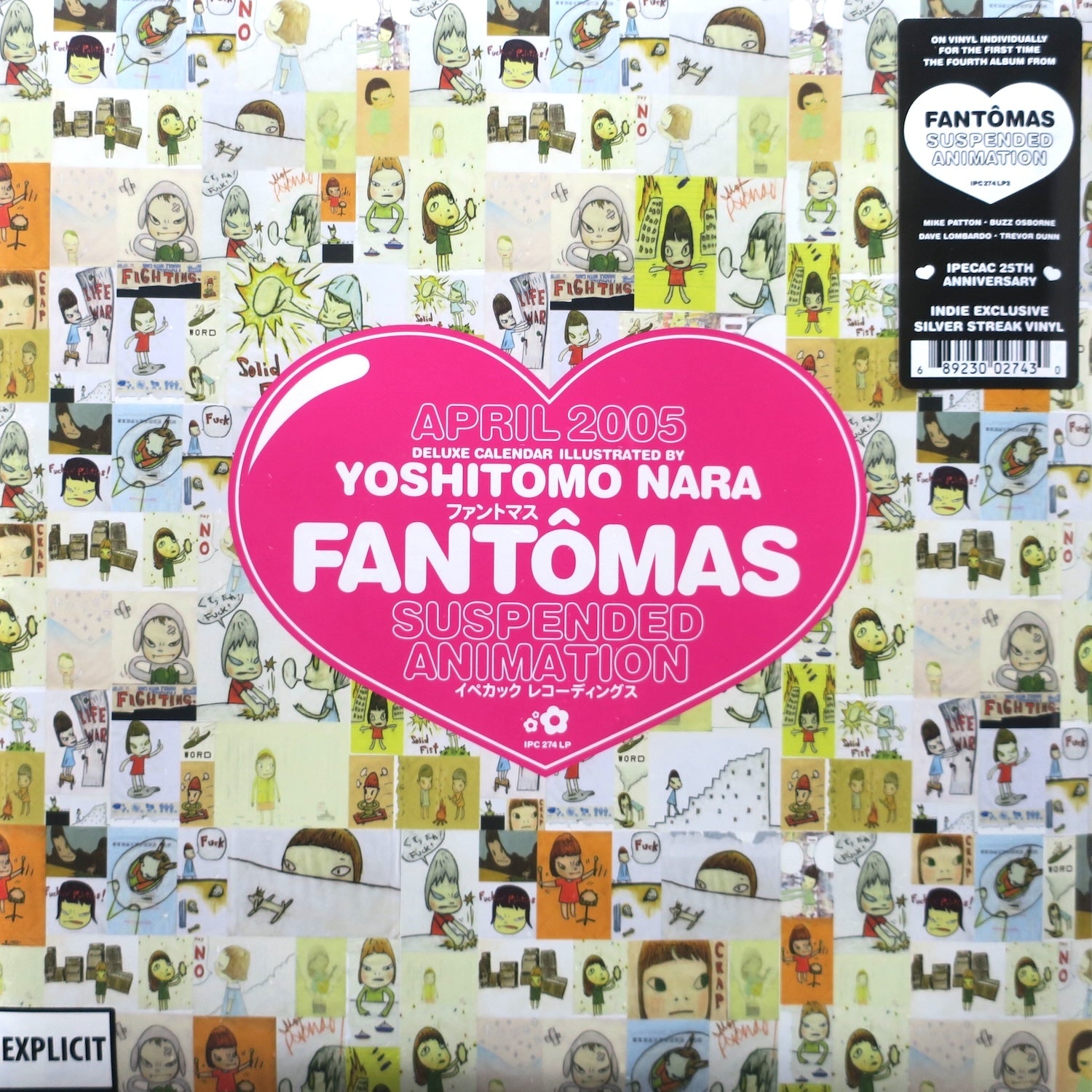
FANTOMAS 'Suspended Animation' SILVER Vinyl LP (Mike Patton)
$40.00
$55.00
Sale
Quick buy
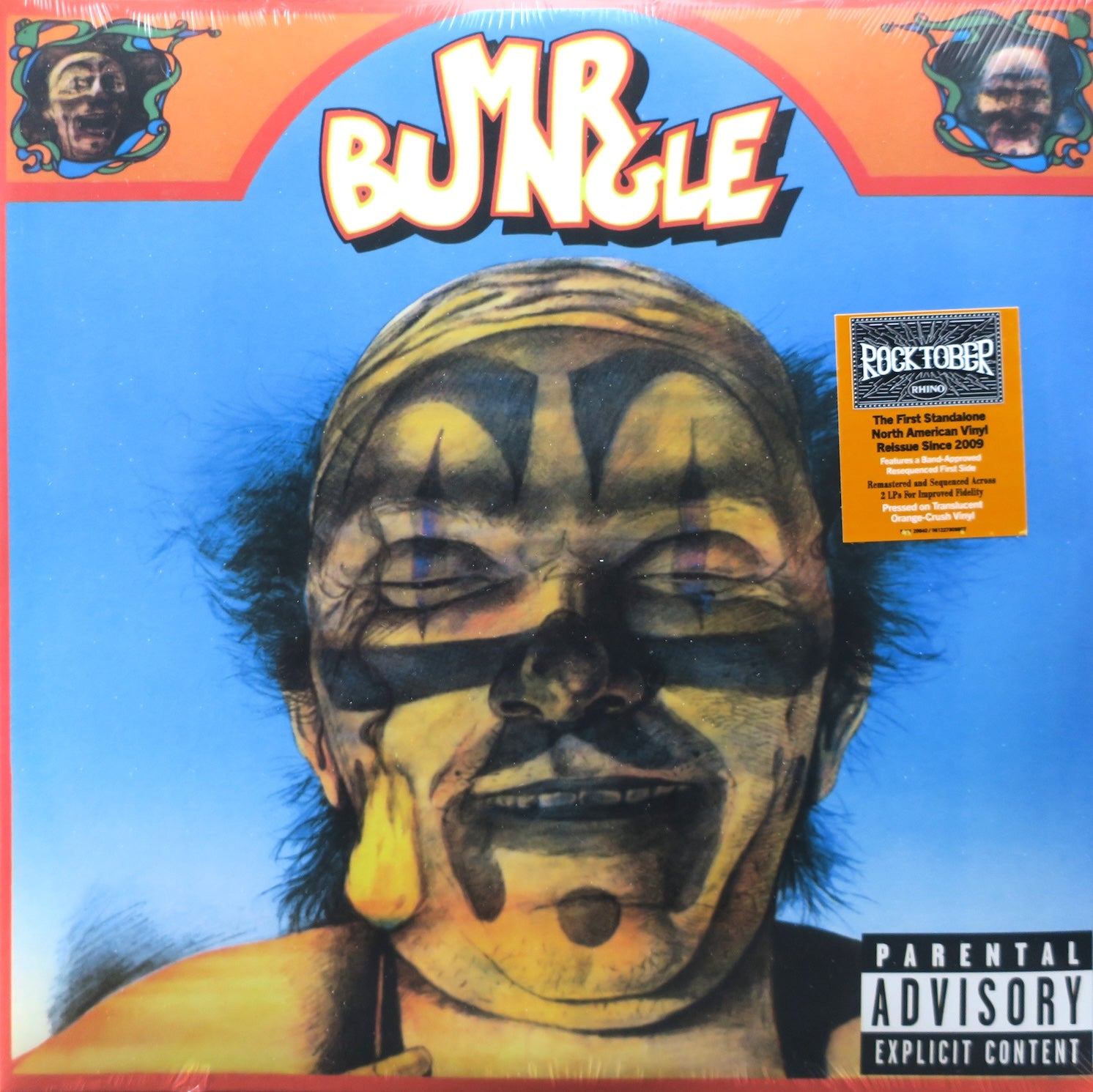
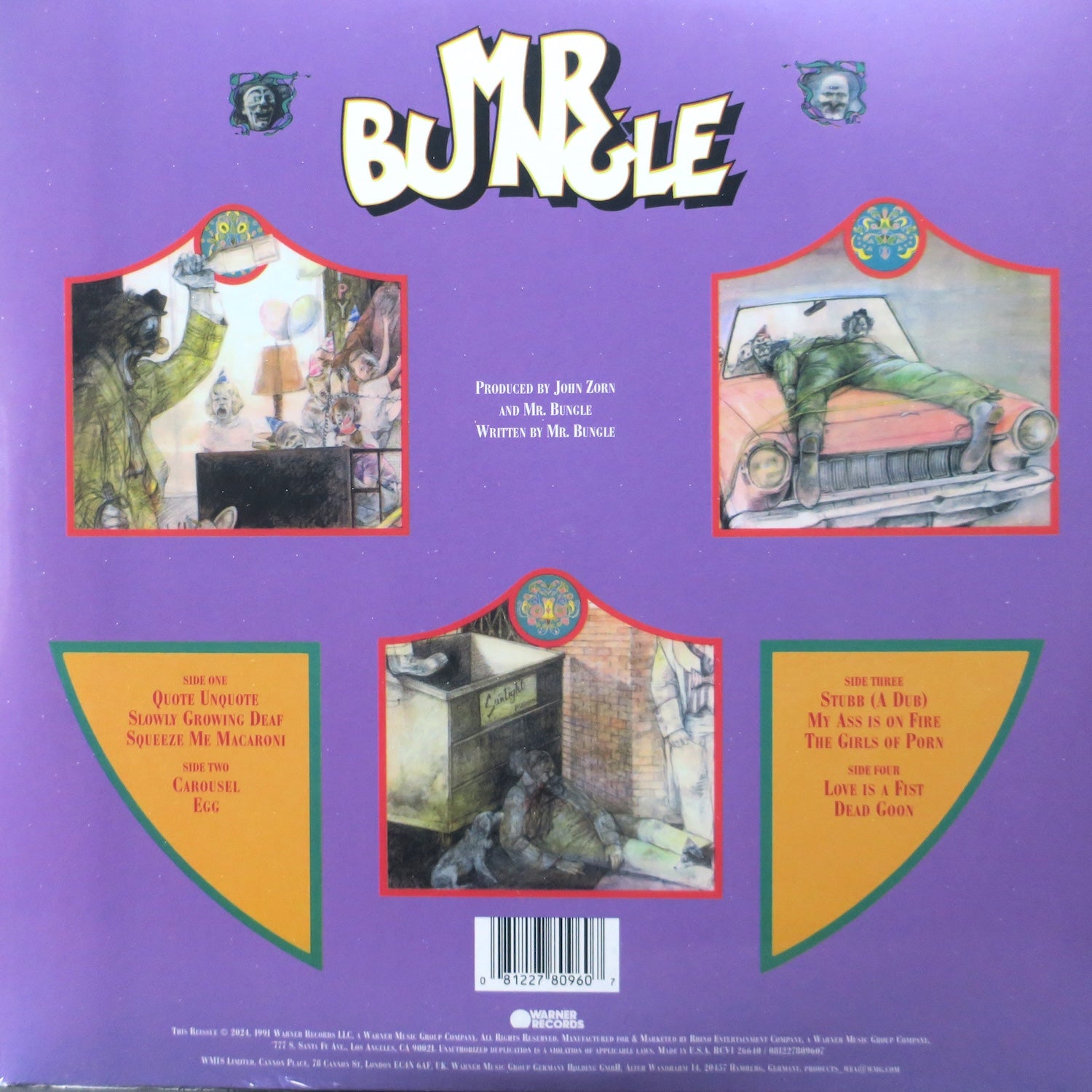
MR BUNGLE s/t ORANGE Vinyl 2LP (Mike Patton)
$75.00
Your cart
Close
Get 10% off all orders over $150
Close
Your cart is empty
Start shopping
Added to your
Cart