My Bloody Valentine
My Bloody Valentine turned the electric guitar into a physical atmosphere. Rather than foregrounding riffs or solos, they stretched feedback, tremolo and samples into a blurred, tactile wash where melody sometimes emerges like a memory. That approach—often called "glide guitar"—reframed what a rock band could do with tone and production.
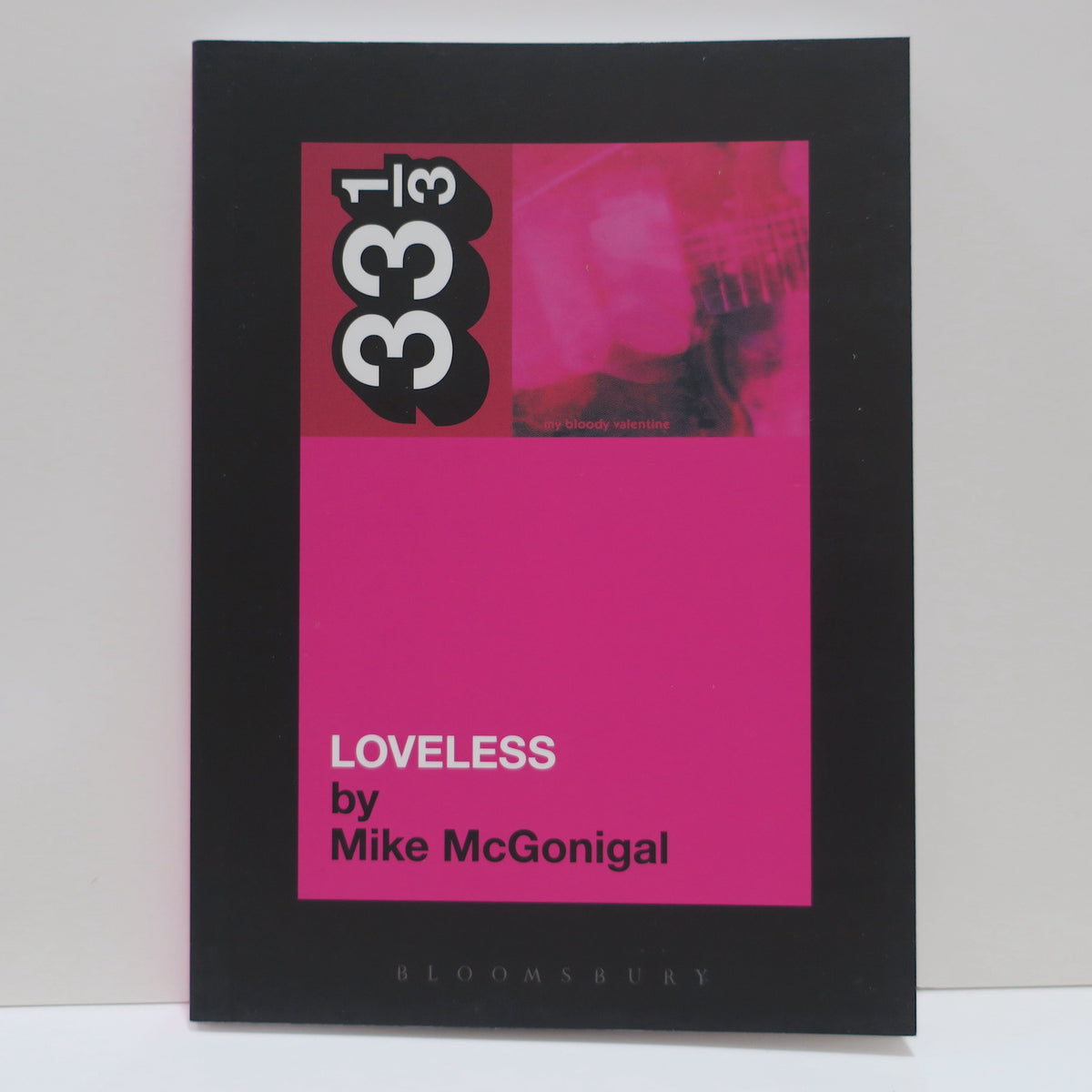
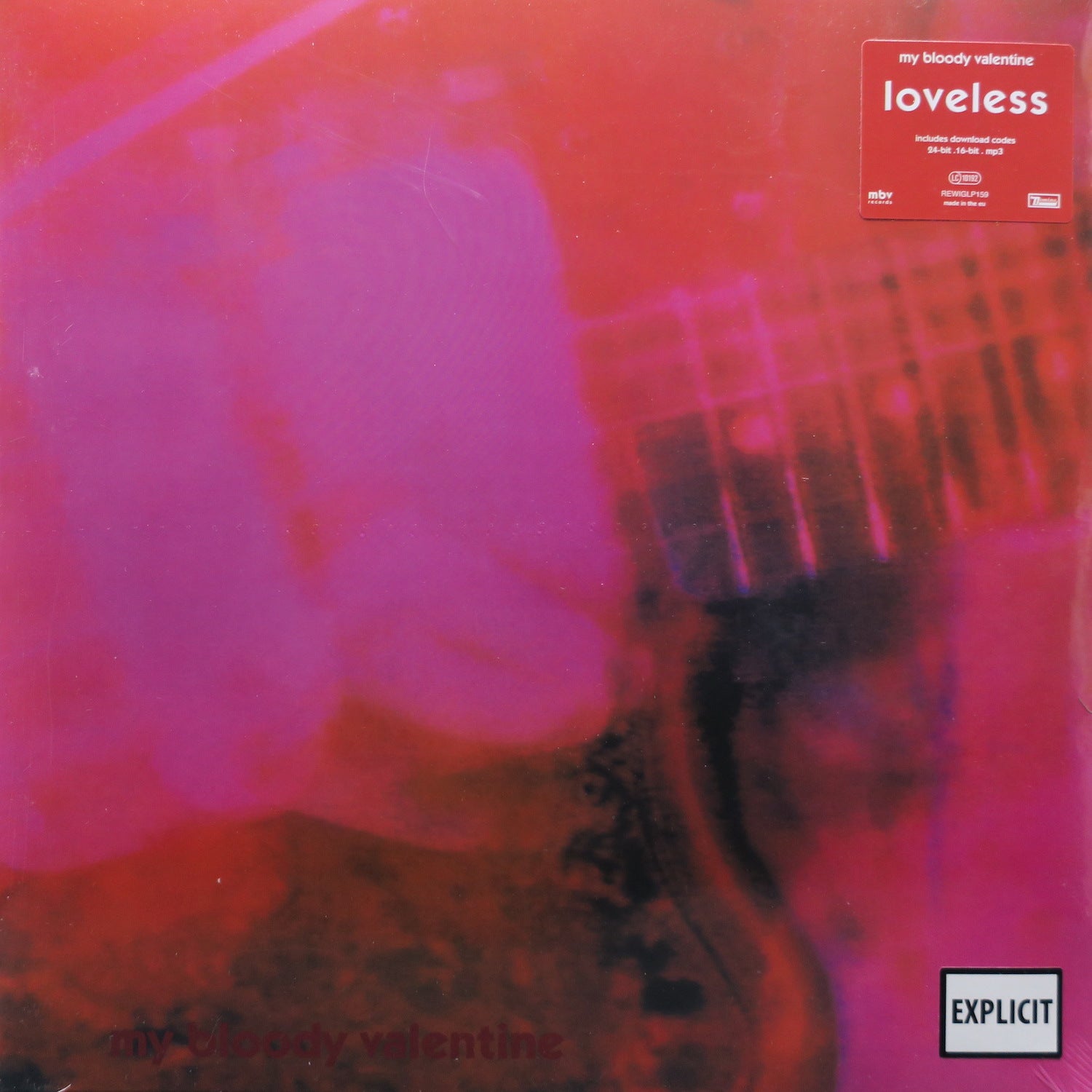
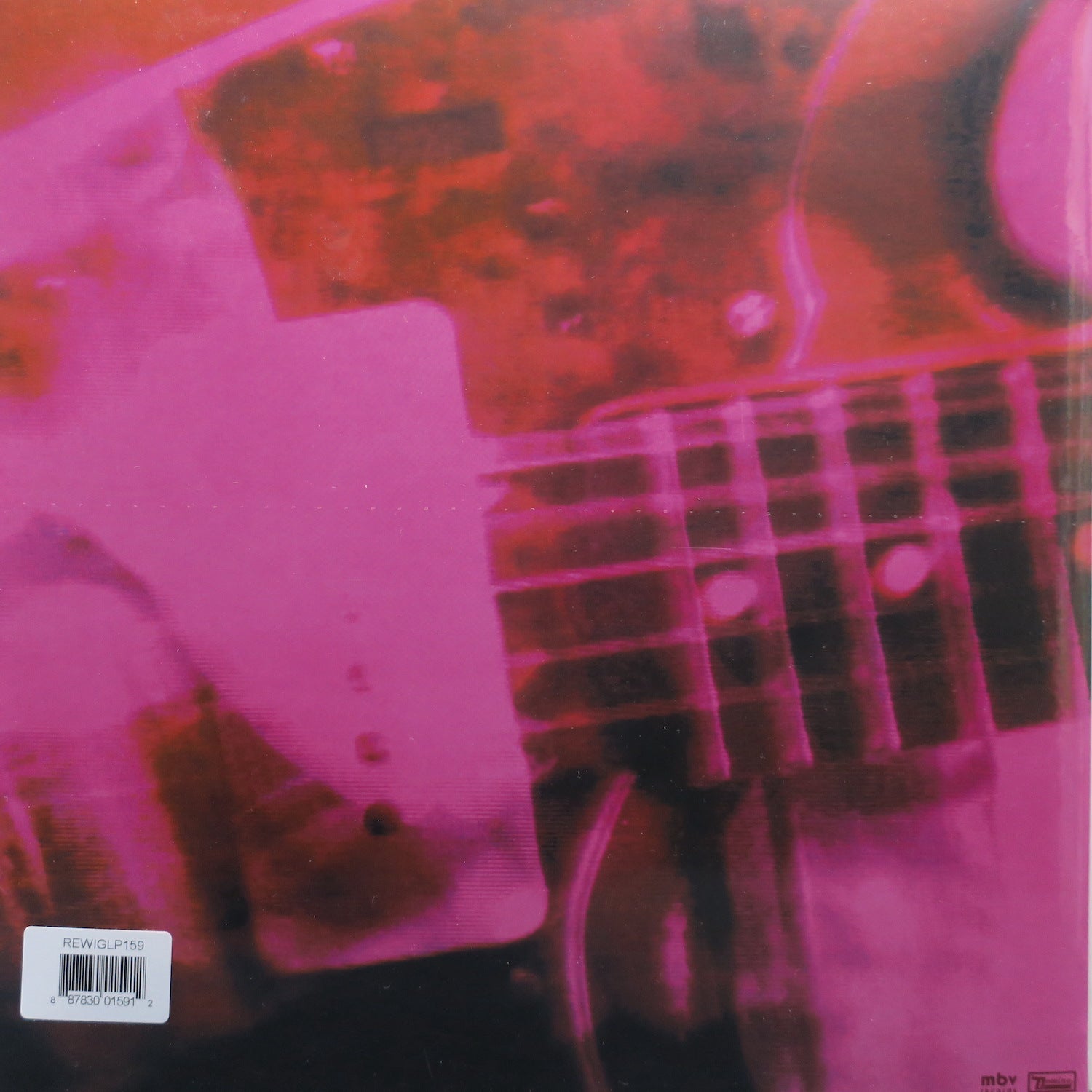
The band's best-known era centers on Loveless (1991), an album that took years and radical studio experimentation to finish. On Loveless Kevin Shields treated the studio itself as an instrument: micro-tuning, reverse reverb, layered noise and unusual mic techniques create sounds that feel simultaneously abrasive and caressing. The result is music that rewards repeated listening; details keep appearing as the brain learns to parse the dense mix.
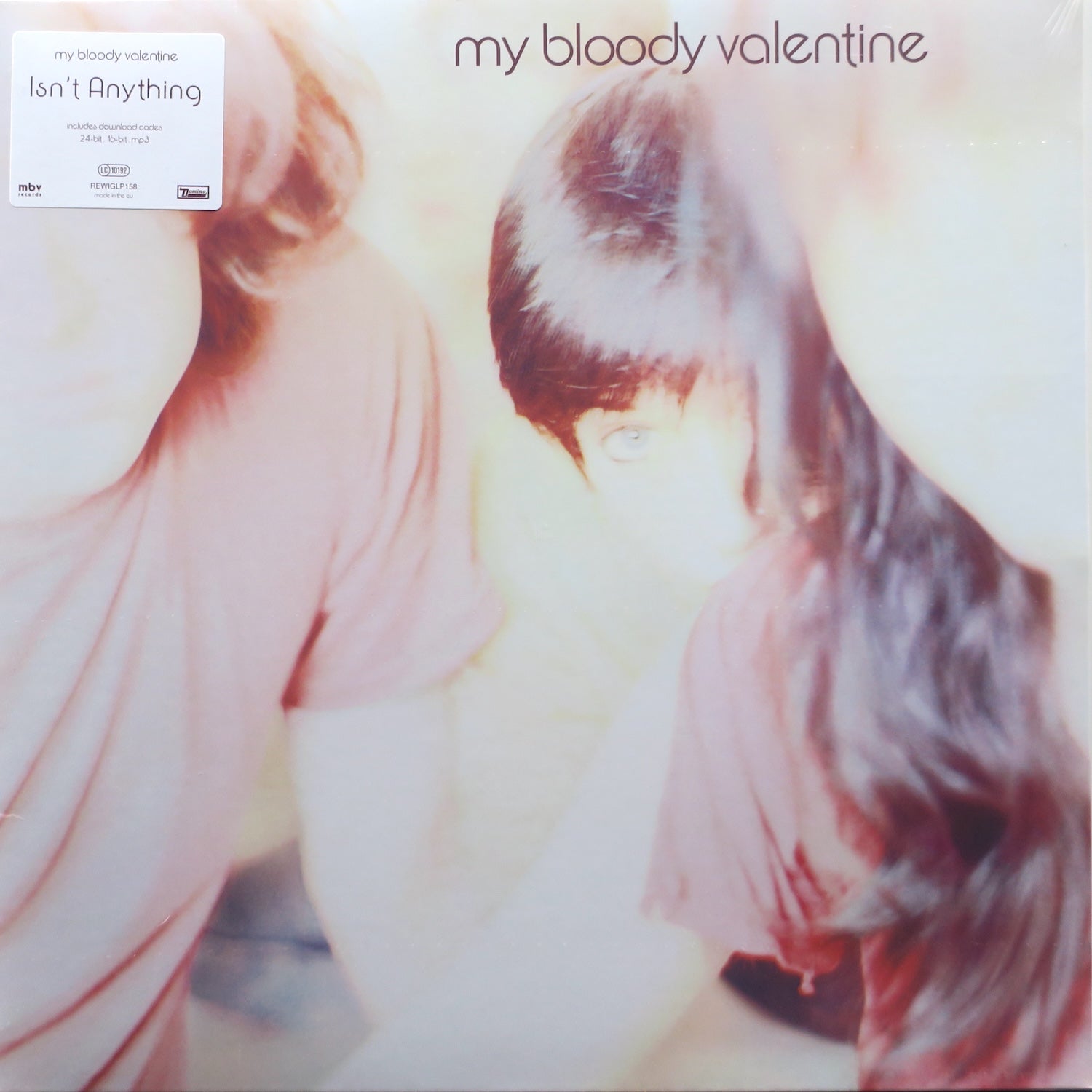
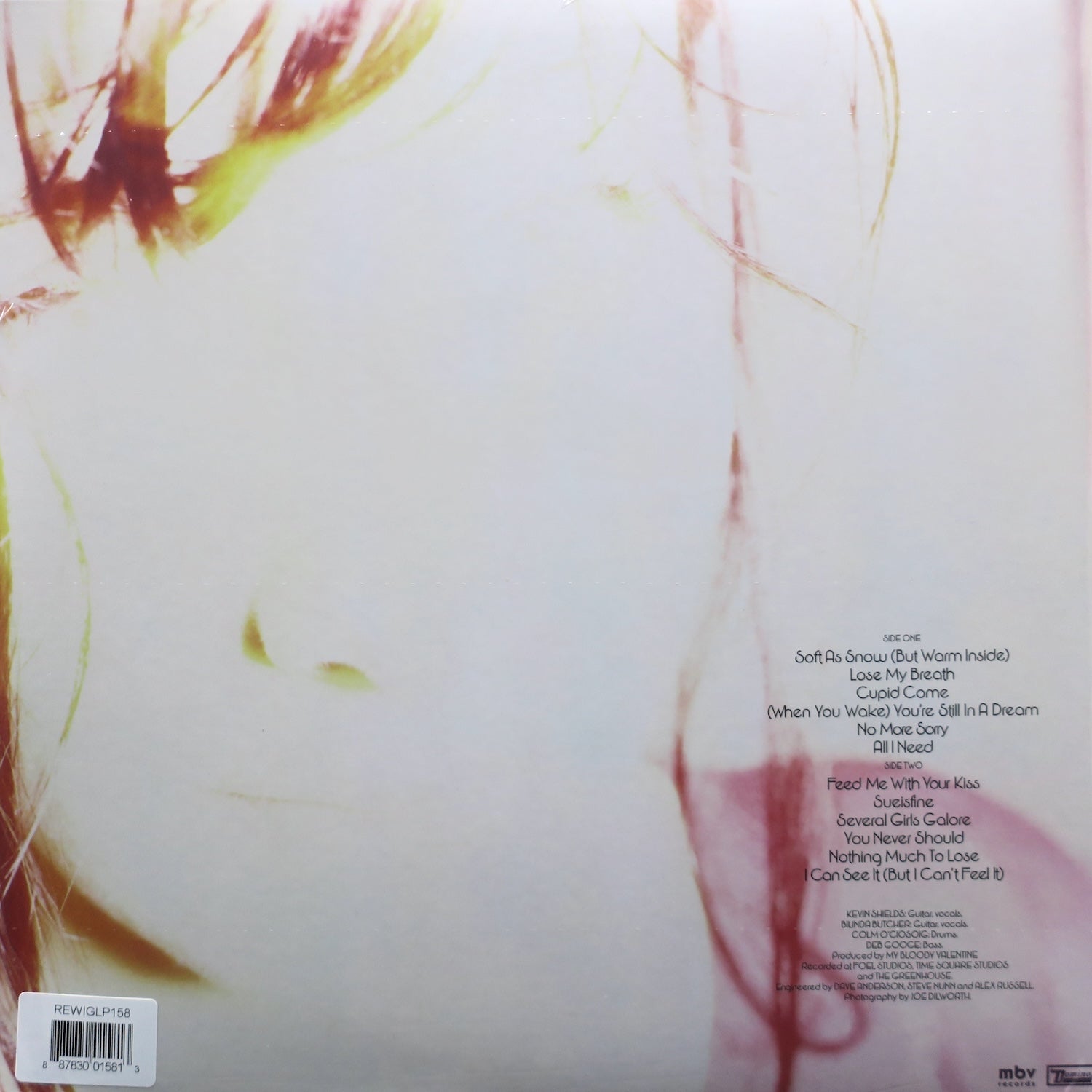
Before Loveless, Isn't Anything (1988) showed a band still balancing punk energy and pop songwriting with a new obsession for texture. Early singles and EPs—like You Made Me Realise—made an immediate live impact because the band could turn volume and feedback into theatrical dynamics. That era positioned My Bloody Valentine as a core act in the late-80s/early-90s scene that critics later labeled shoegaze, alongside peers such as Ride and Slowdive.
Vocals are often buried in the mix, a deliberate choice that turns lines into another instrument. Bilinda Butcher's breathy delivery and Shields' fractured harmonies treat voice as an effect rather than a spotlight; this decision widened the emotional palette and influenced how later artists approached ambience and vocal production. Colm Ó Cíosóig's loose, driving drum work and Debbie Googe's bass anchored the swells, keeping the songs grounded even as guitars drifted into clouds of sound.
After a long silence, the band surprised listeners with m b v (2013), a record that revisits their textures without simply recreating the past. It emphasized how distinctive production and performance choices, not studio myth, made their music compelling. The arc from Isn't Anything to Loveless to m b v illustrates a band more interested in evolving a sonic idea than in chasing trends.
My Bloody Valentine sits at a crossroads between the noisier post-punk lineage of The Jesus and Mary Chain and the ethereal textures of Cocteau Twins; that blend helped spawn many contemporary acts, from dream pop artists to experimental alternative bands. Their influence is audible in groups that prize atmosphere, dense production and muted vocal approaches.
Even decades on, the band remains a useful study in how production can change songwriting. Their records reward patience and repeated listening, revealing new colors and techniques each time. For anyone curious about how guitar, studio and restraint can combine to reshape rock, My Bloody Valentine is essential listening.
Related Artists: Cocteau Twins · Slowdive