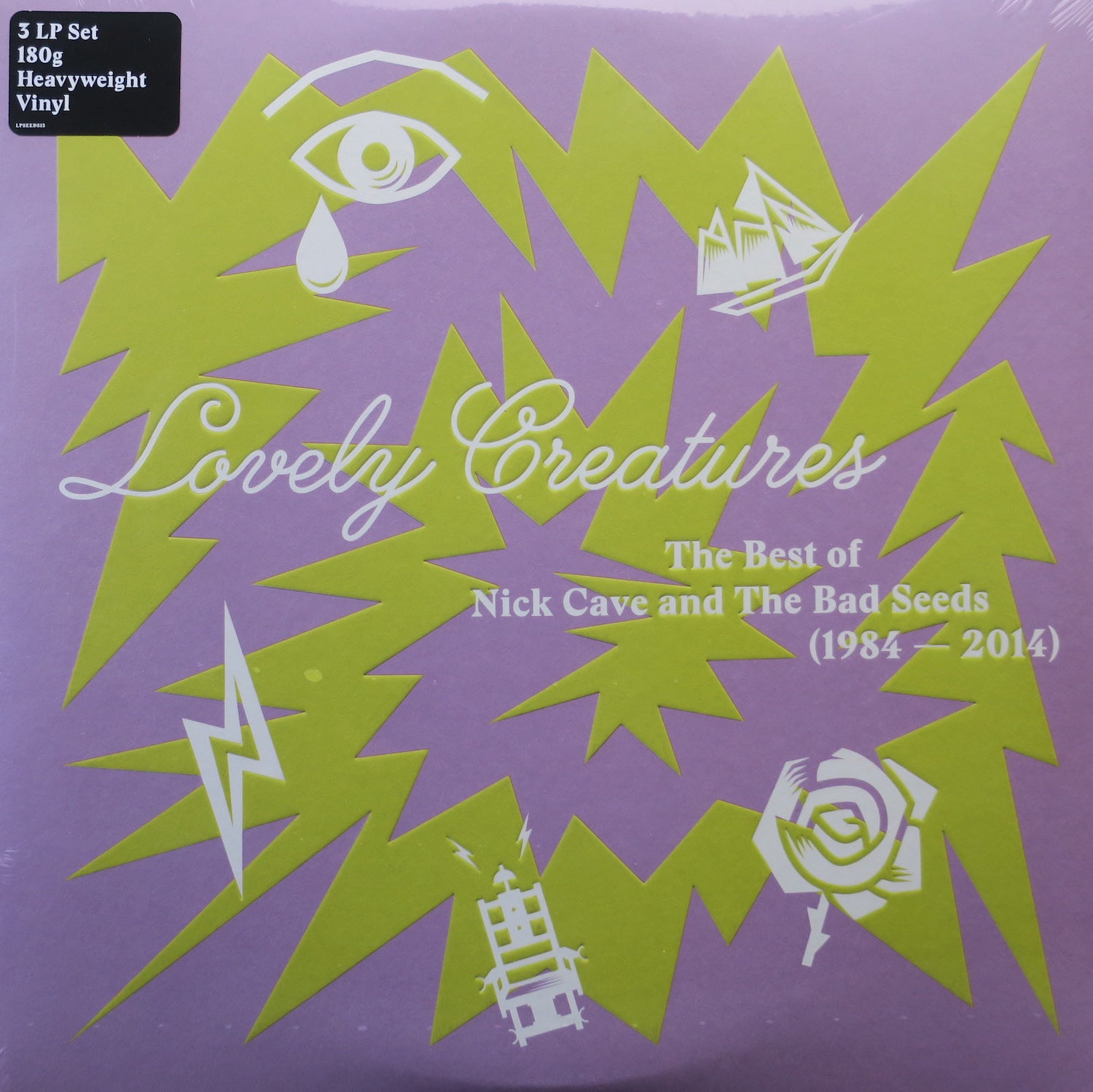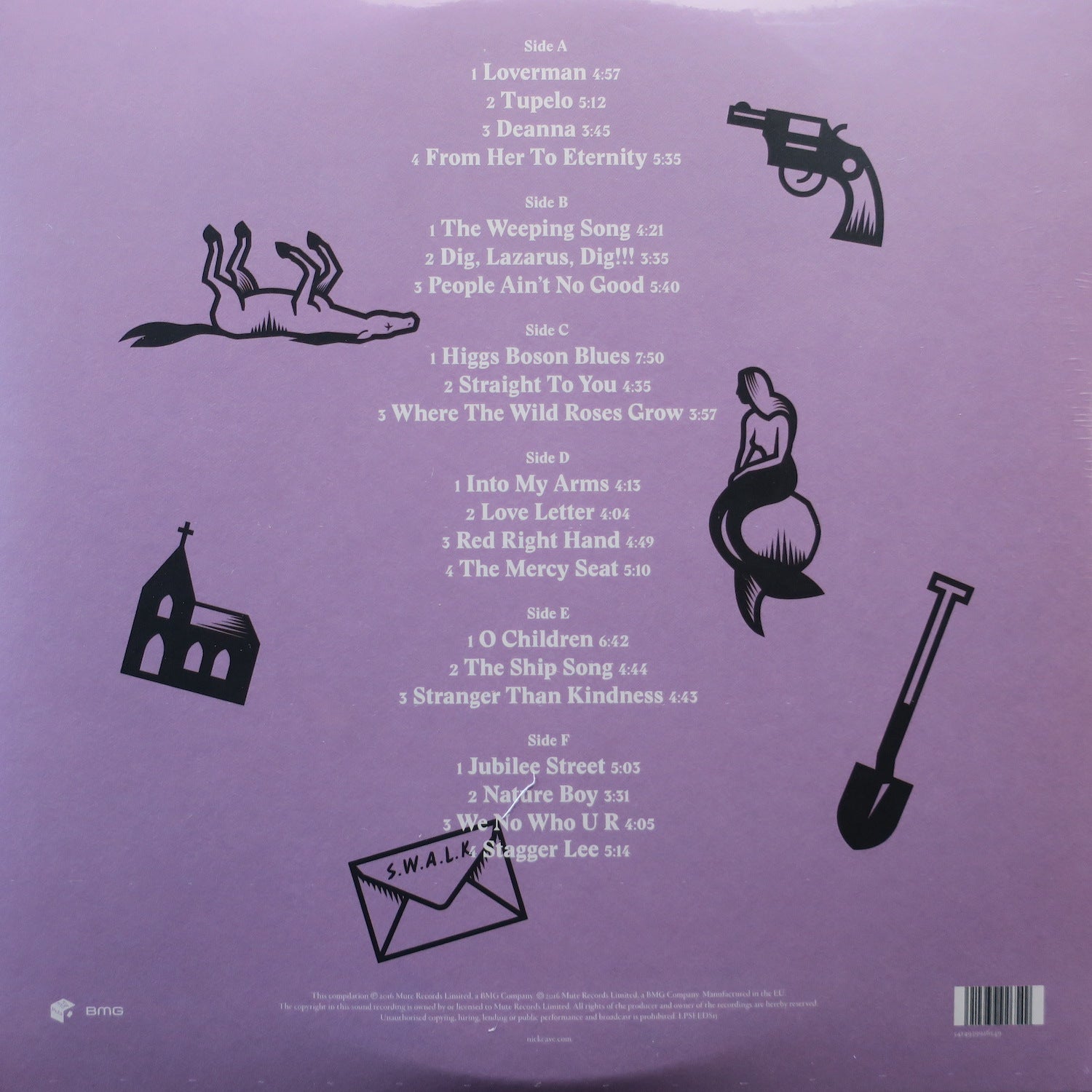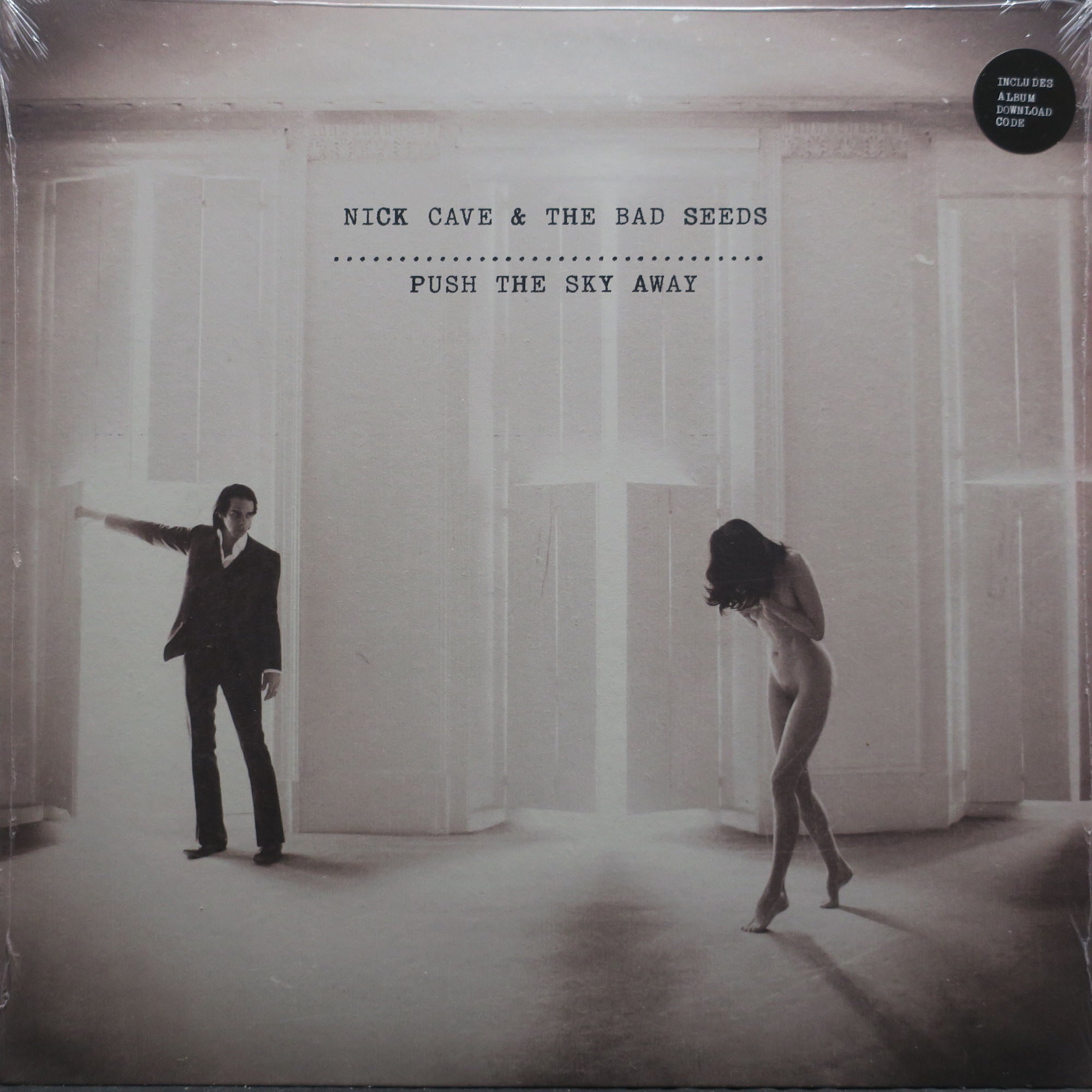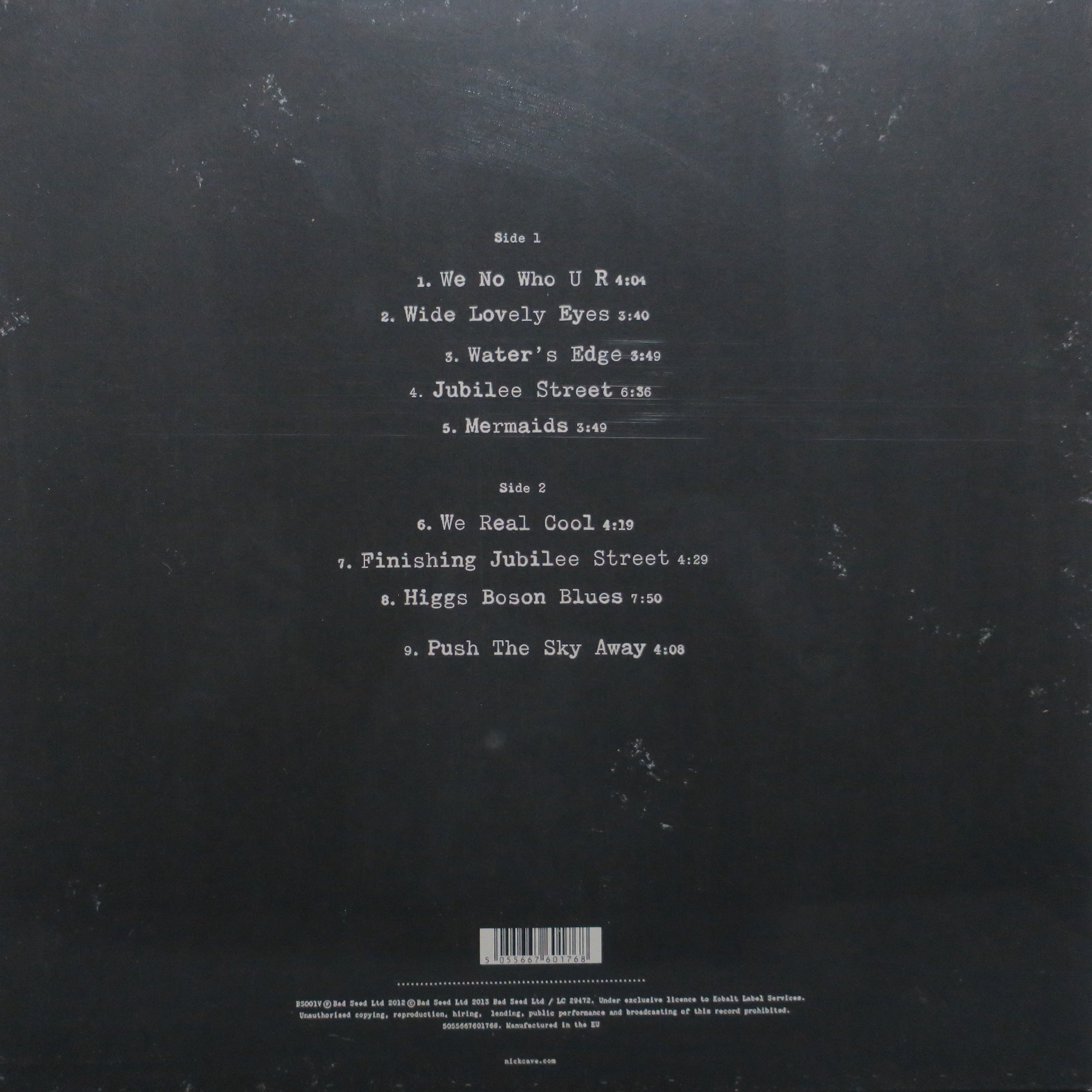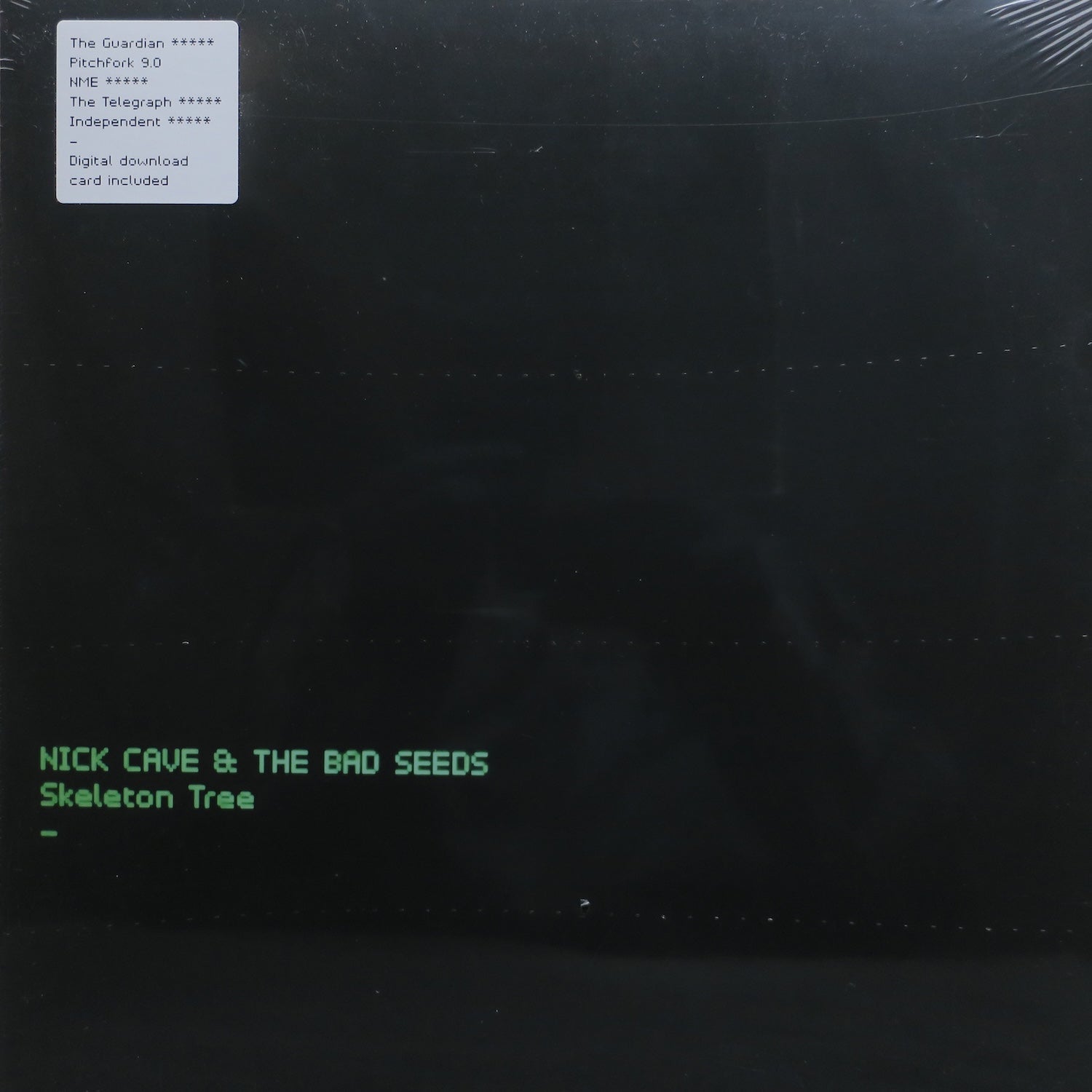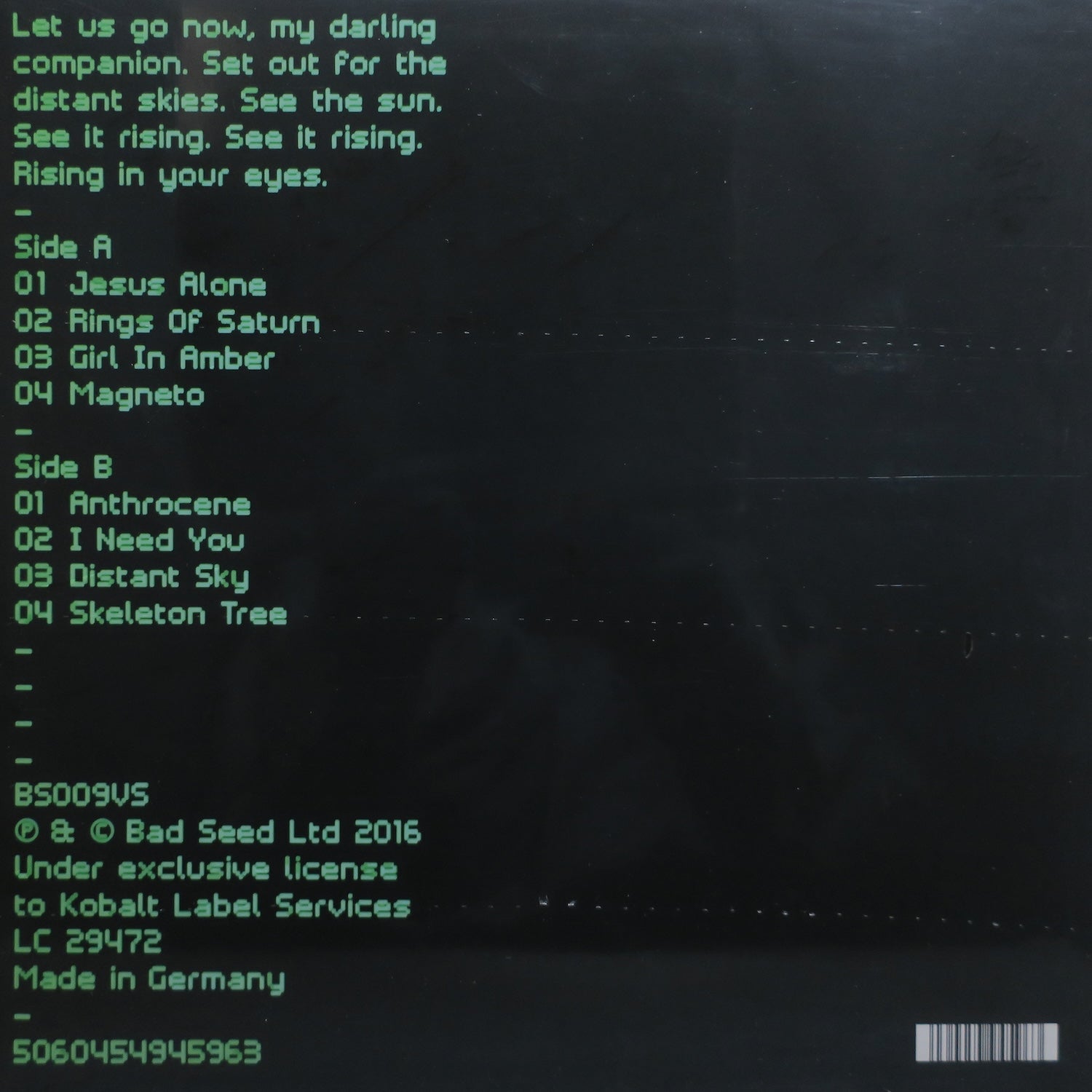
Nick Cave & The Bad Seeds
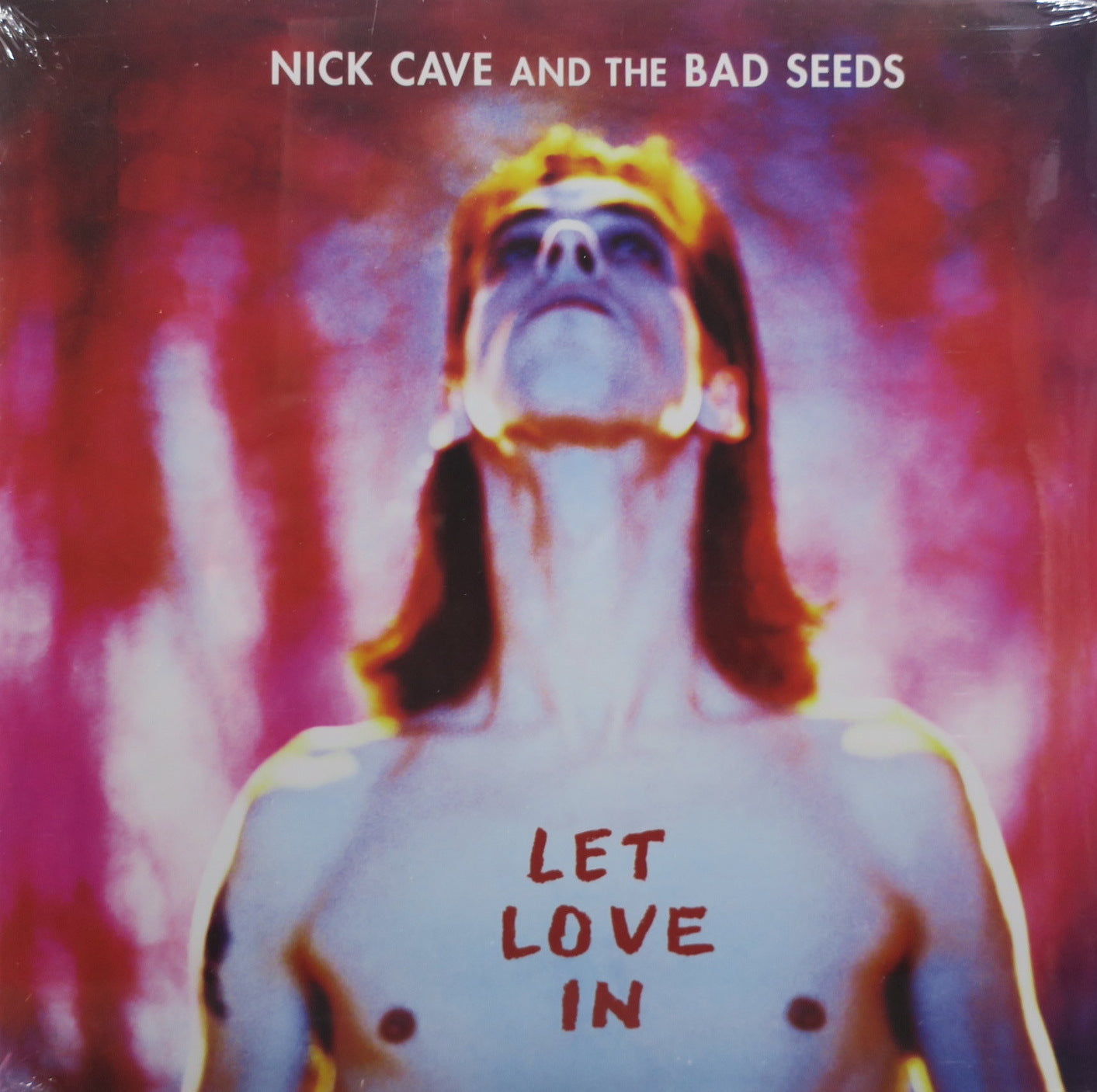
Few bands have made shadowy storytelling sound like a sustained musical theatre: Nick Cave & The Bad Seeds pair a baritone narrator with arrangements that move from ragged blues and piano vamps to strings and sparse, haunted electronics. That tension — between raw, urgent performance and carefully composed drama — is the thread that runs through decades of records.
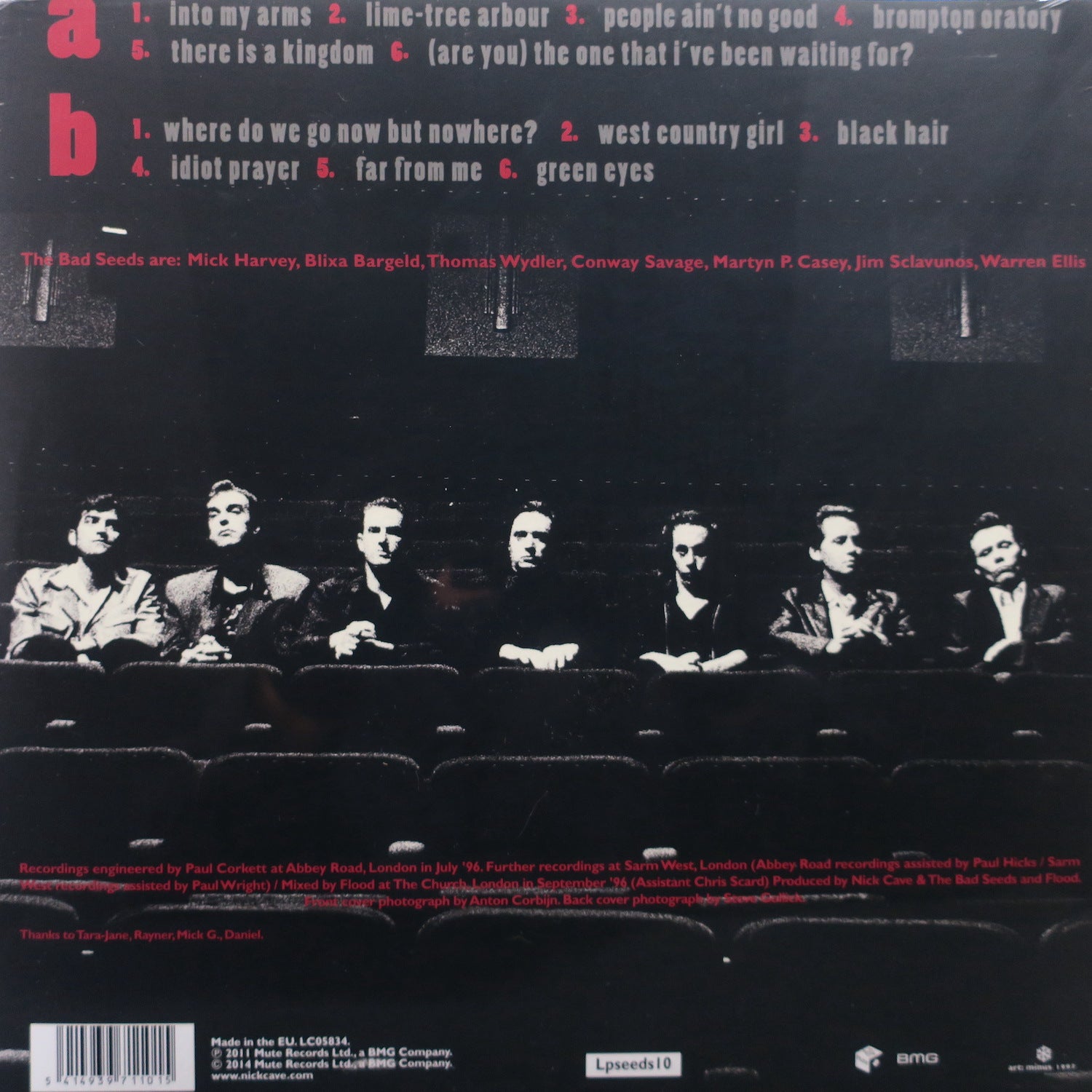
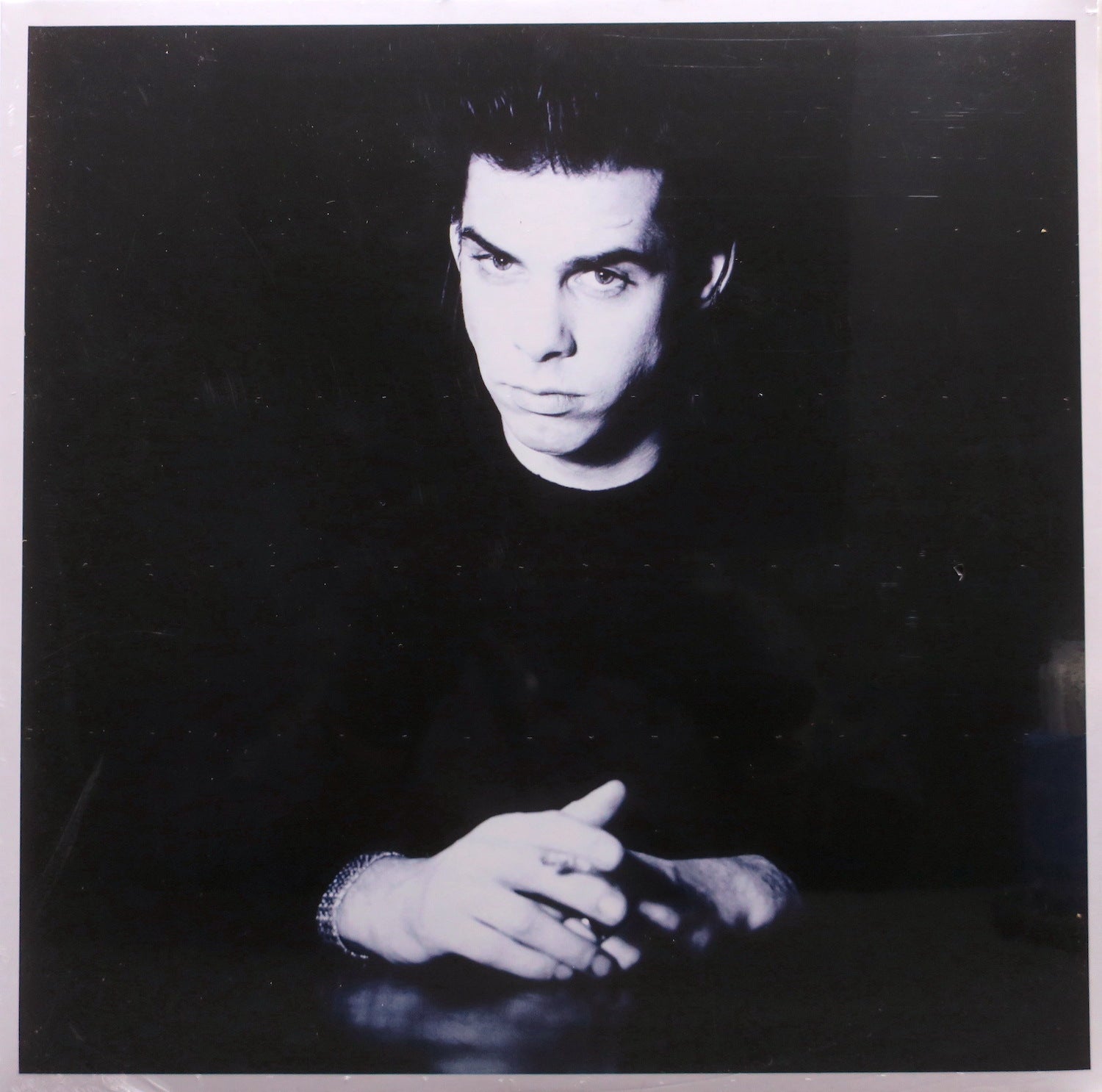
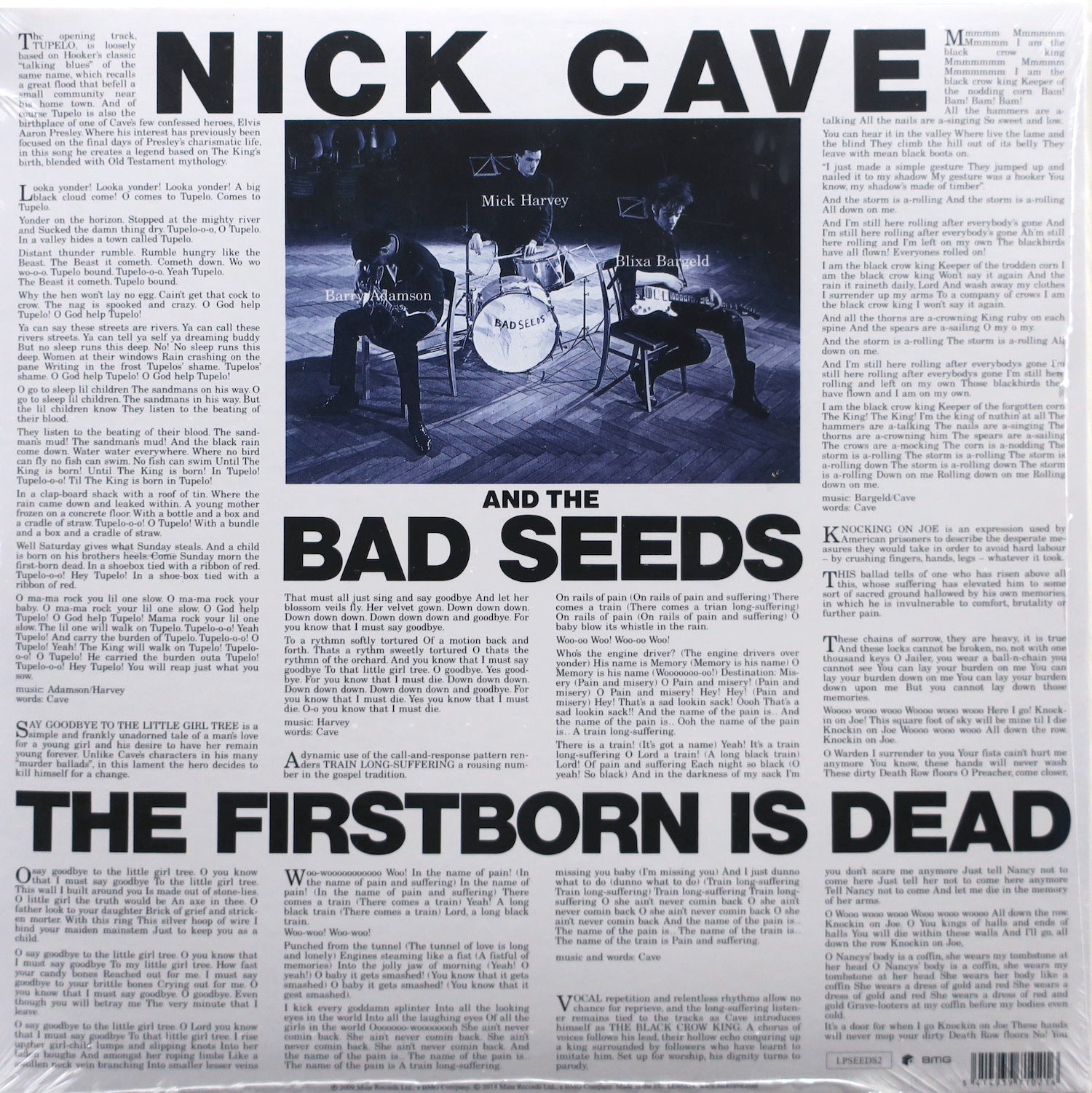
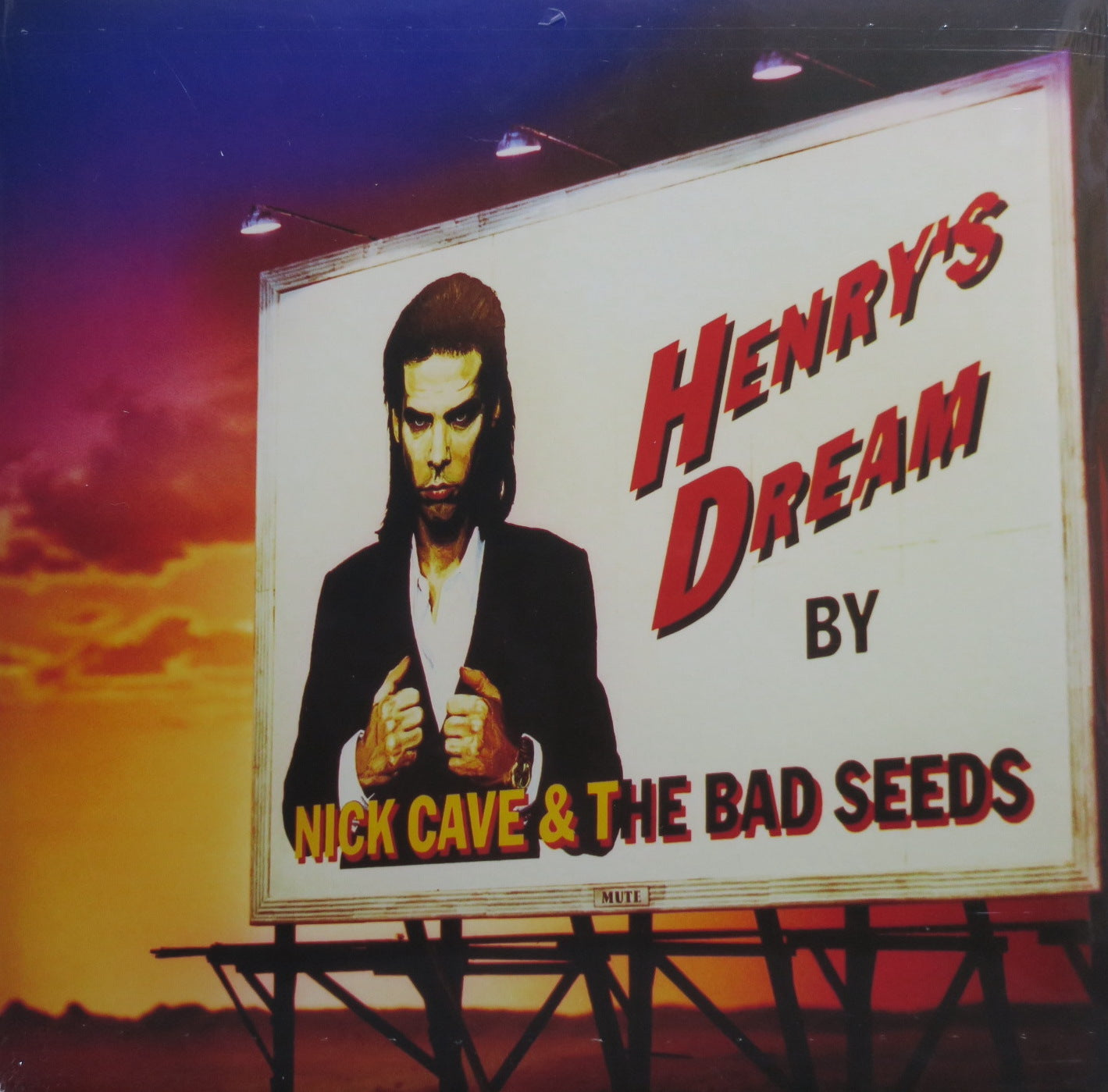
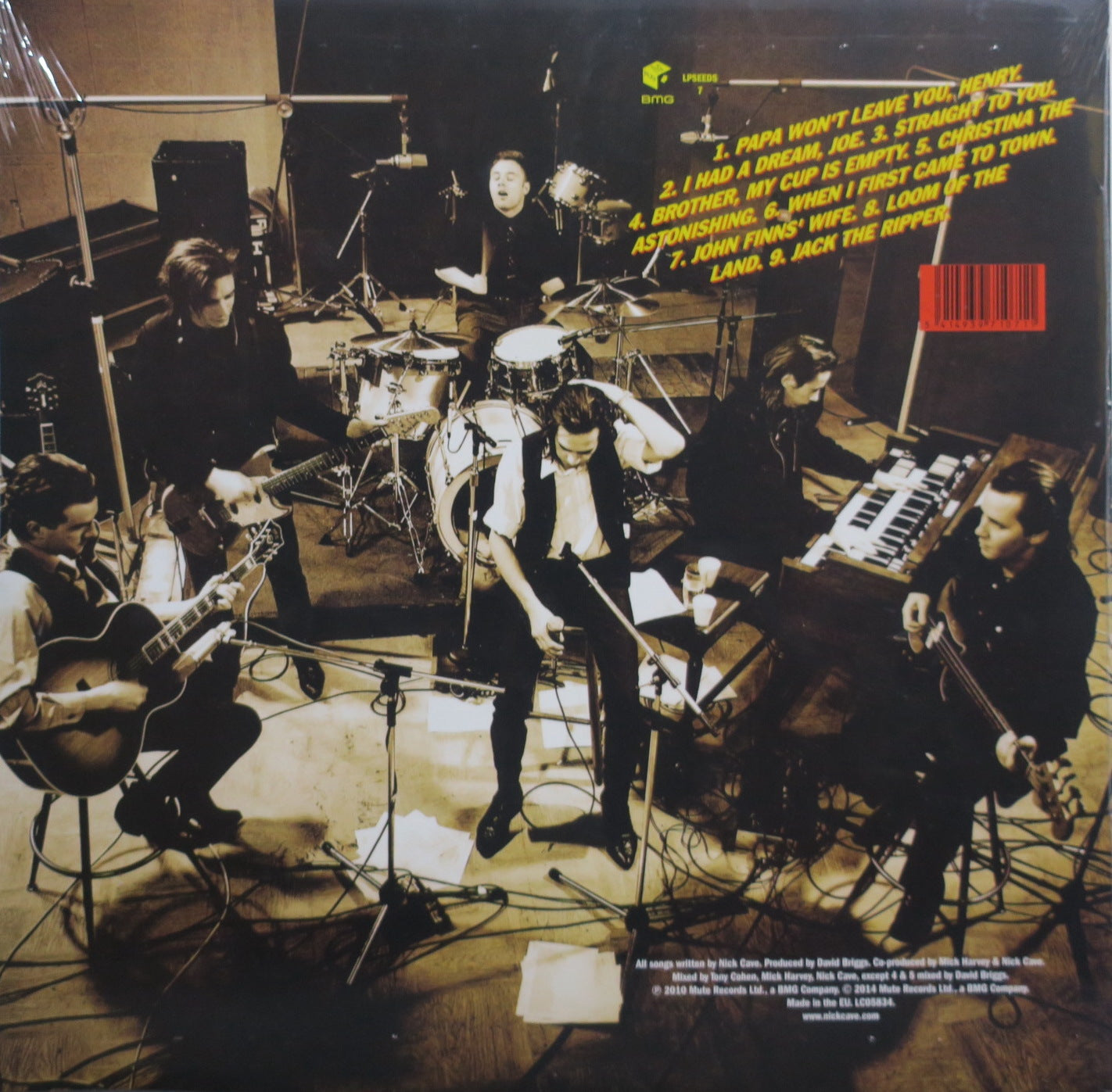
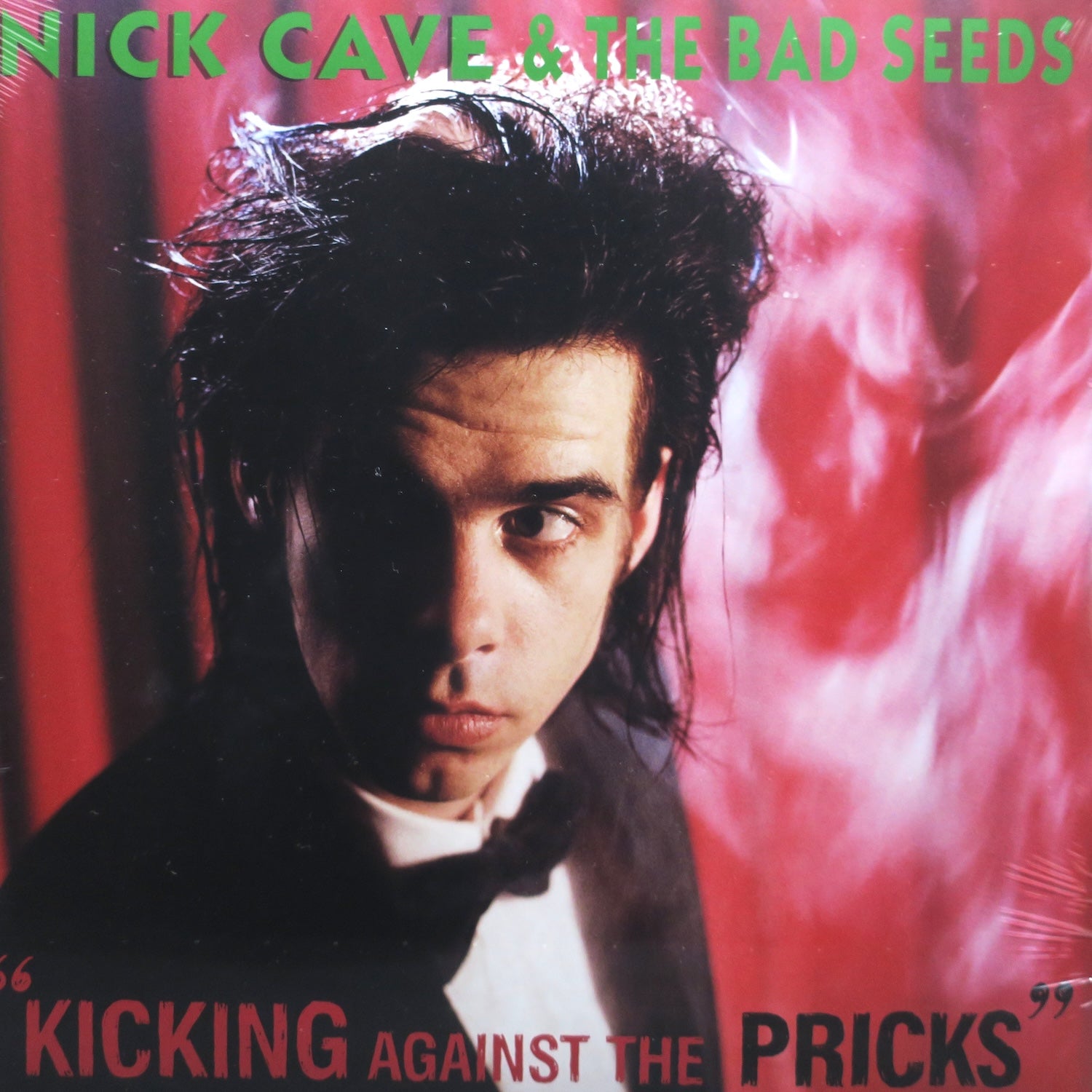
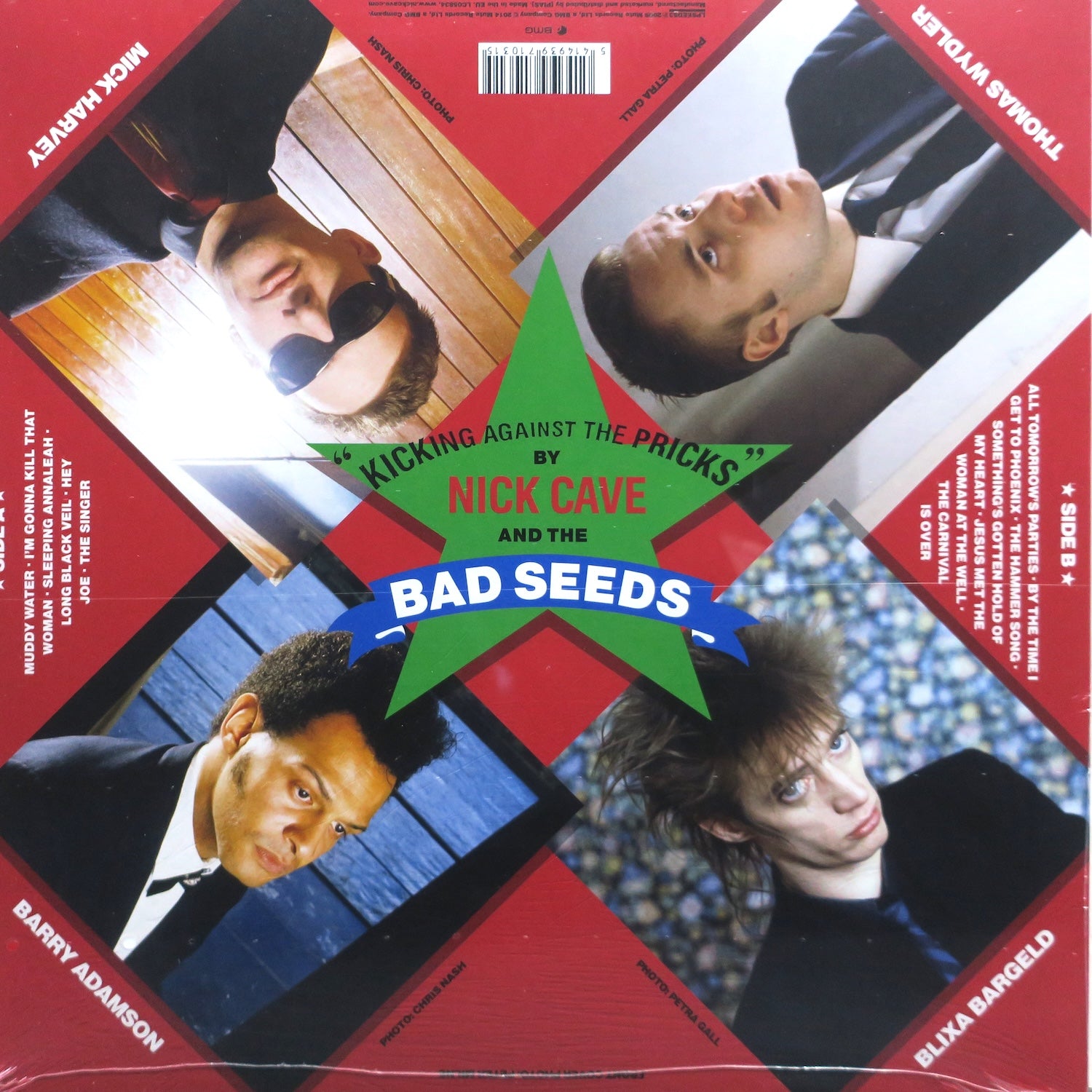
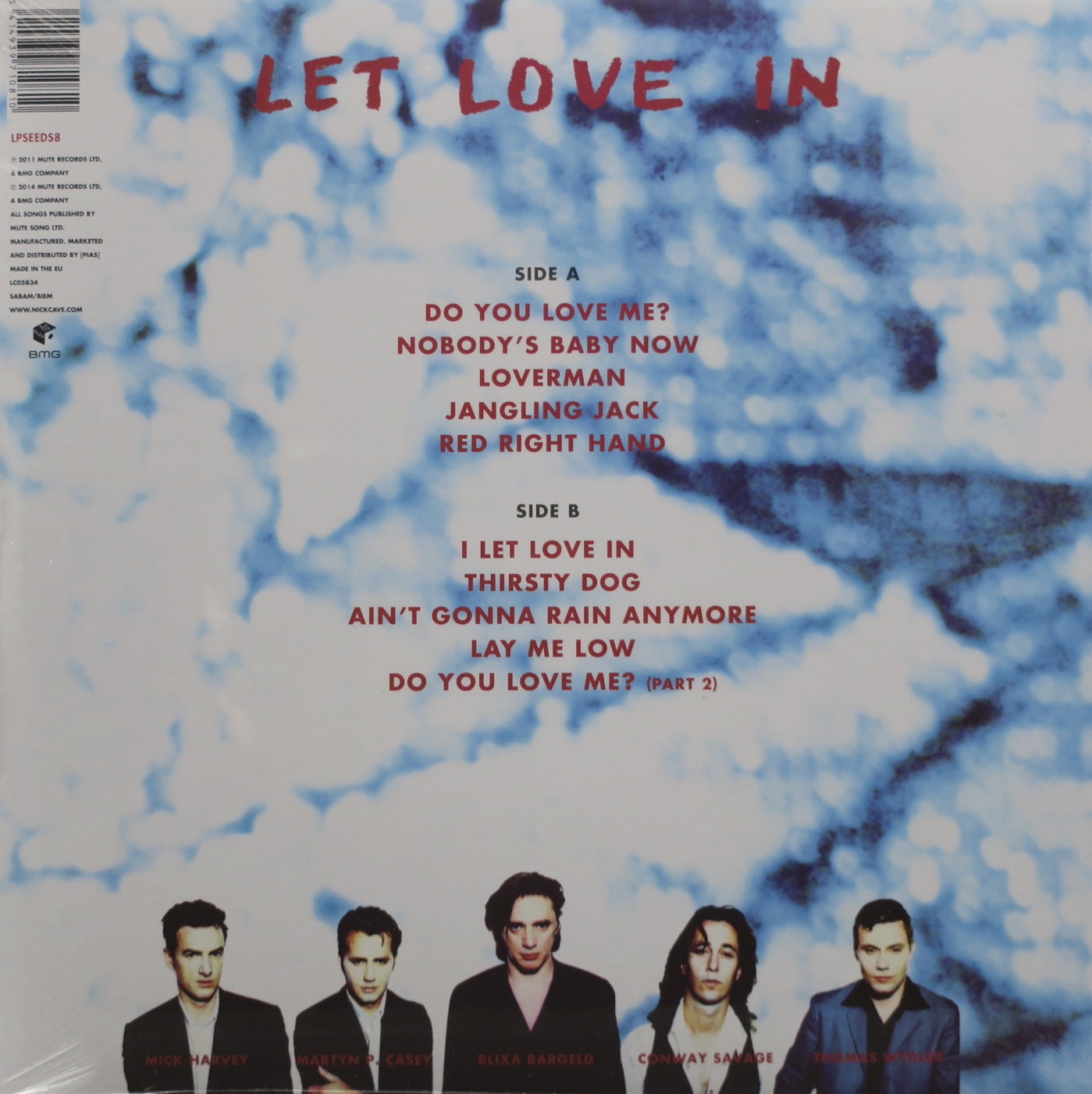
Nick Cave’s voice and obsessions are the anchor, but the Bad Seeds have always been a collective that reshapes his material. Early members such as Mick Harvey helped translate Cave’s post-punk wreckage from The Birthday Party into the band’s first records, while guitarist Blixa Bargeld (also of Einstürzende Neubauten) introduced dissonant textures and theatrical guitar work through the 1980s and ’90s. From the early, abrasive pulse of From Her to Eternity to the blood-and-wood balladry of Murder Ballads, the group’s sound has room for both violence and tenderness.
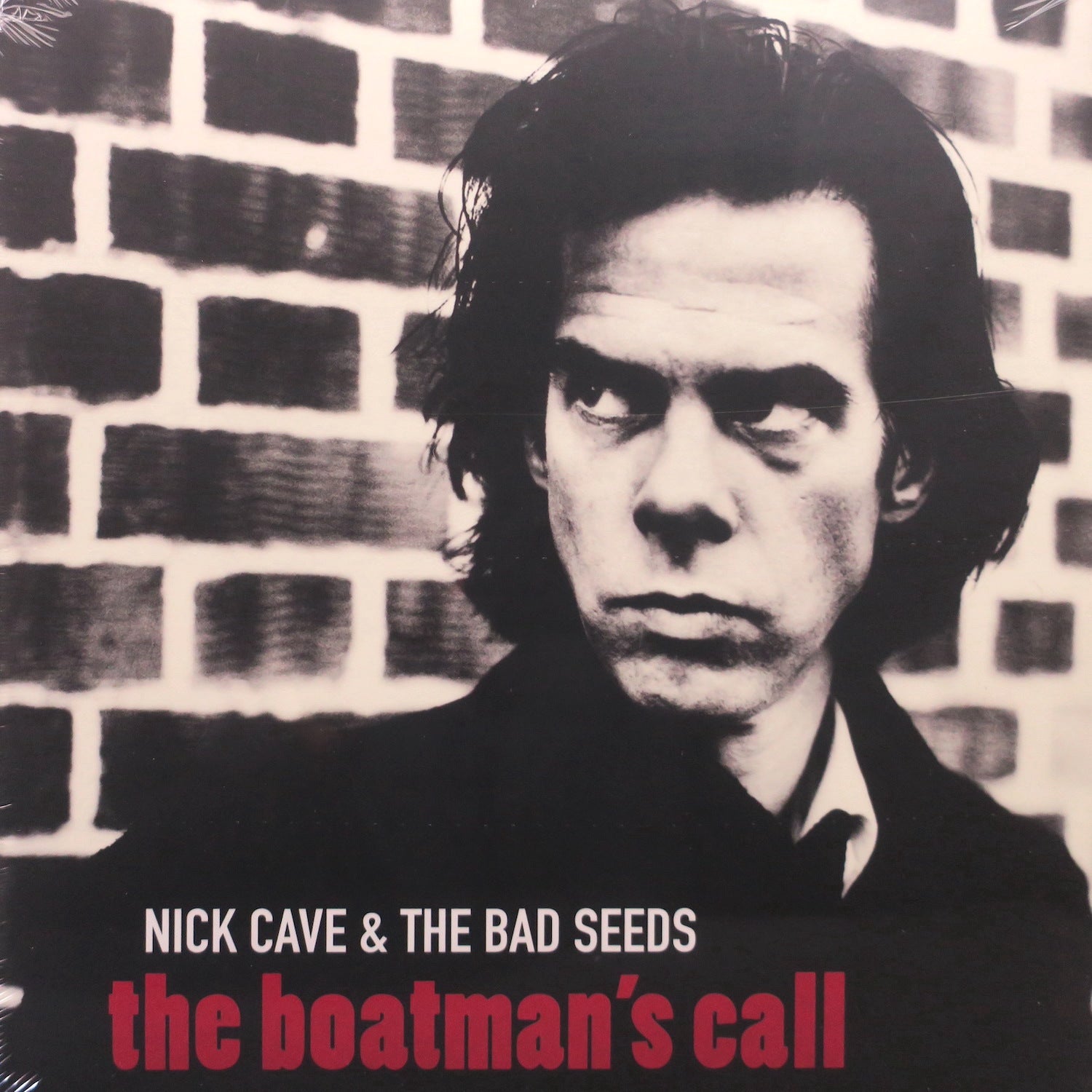
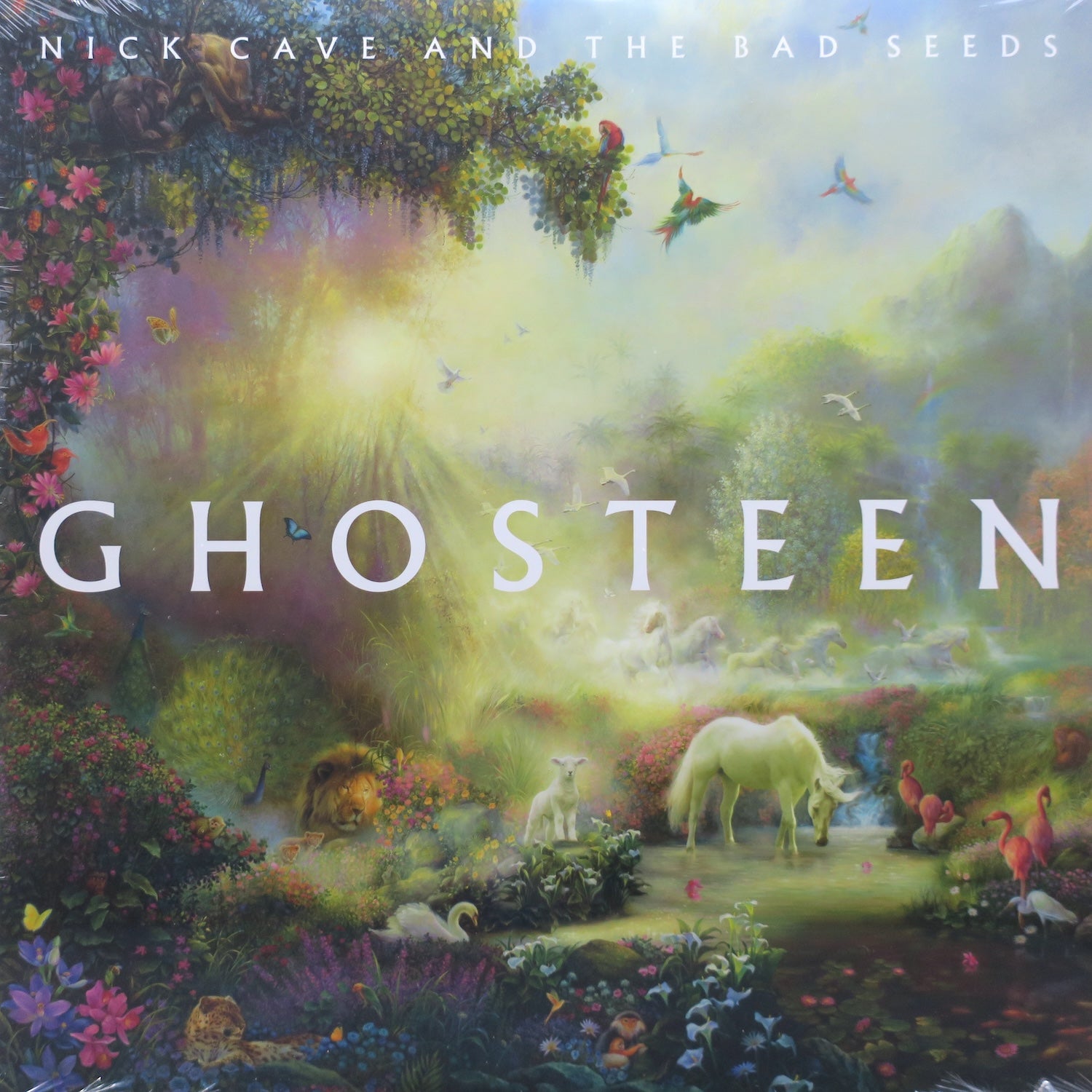
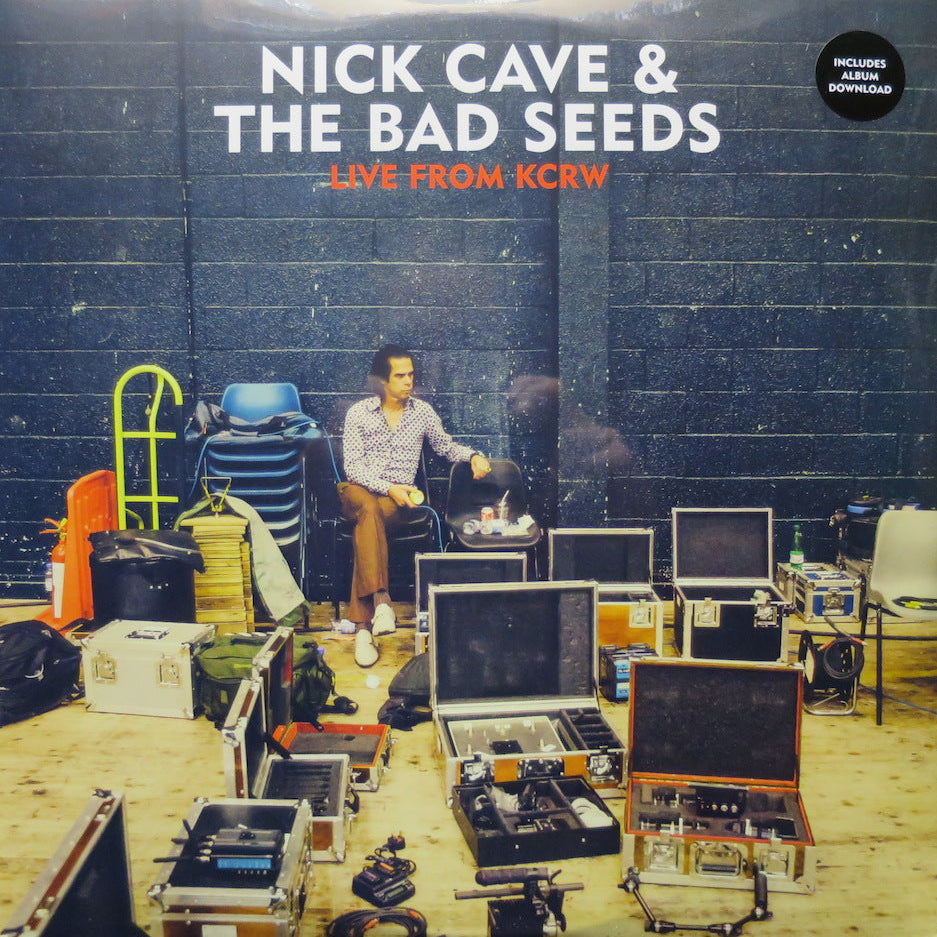
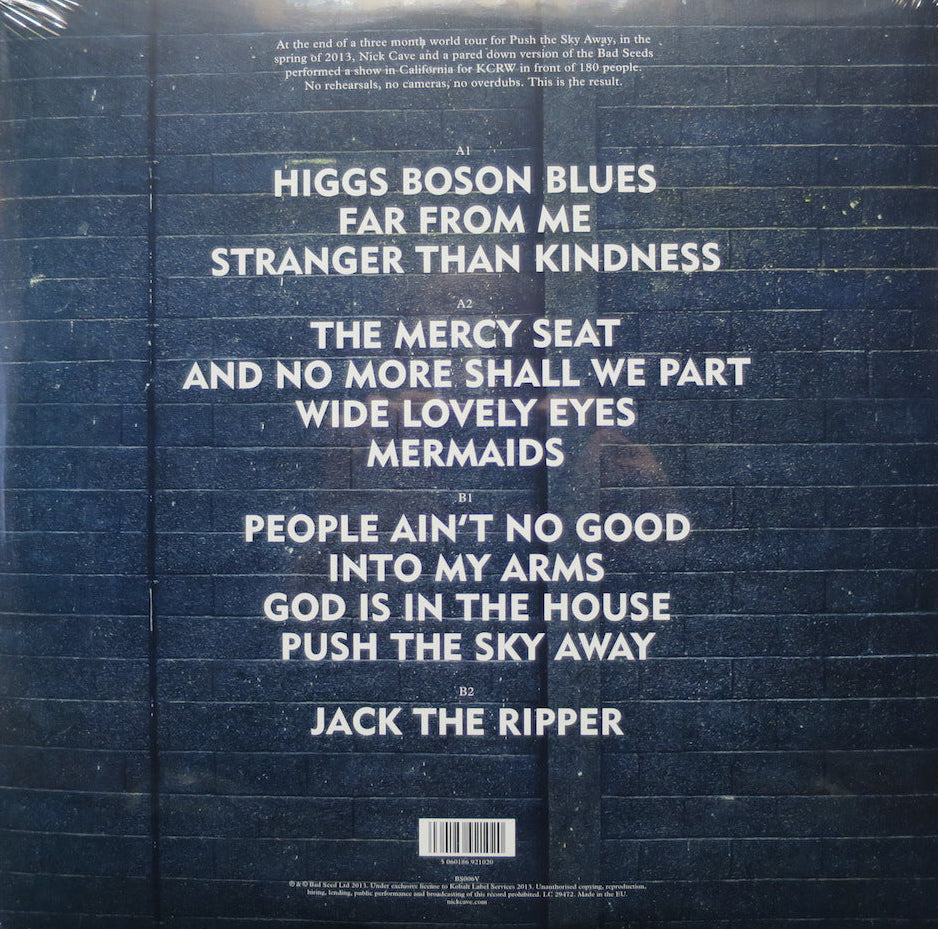
The arrival of Warren Ellis in the mid-1990s marked another turning point. Ellis’s violin, viola and inventive use of loops broadened the Bad Seeds’ palette and became integral to quieter, more contemplative collections like The Boatman’s Call and later Push the Sky Away. Producers such as Tony Cohen helped capture the band’s volatile live energy on early LPs; later albums leaned into subtle shading and cinematic space, showing how arrangements can reframe Cave’s literary lyrics.
Collaborations and side projects are part of the story: PJ Harvey dueted with Cave on the stark “Henry Lee” from Murder Ballads, and the garage-blues project Grinderman (featuring Cave, Ellis and Bad Seeds members) revealed a deliberately rougher, more aggressive counterpoint. Throughout, the Bad Seeds have mined blues, gospel, folk balladry and post-punk drama, filtering those influences into songs that read like short stories set to uneasy melodies.
Approach an album and notice the detail: piano voicings that sound like church hymnals gone wrong, percussion that suggests both cocktail-bar intimacy and a brewing storm, and lyrics that move between confession, sermon and noir vignette. That combination — theatrical voice, flexible ensemble, and an ear for atmosphere — is why Nick Cave & The Bad Seeds remain a rich catalogue for listeners who want songwriting that rewards close attention.