Skip to content
10% off orders over $150 . . . Flat rate shipping within Australia
Search
BUY STUFF
SELL YOUR RECORDS & CDs
VINYL FLATTENING
GIFT VOUCHER
CONTACT
Account
Search
Cart
BUY STUFF
SELL YOUR RECORDS & CDs
VINYL FLATTENING
GIFT VOUCHER
CONTACT
Otis Redding
1958–1967
US
Soul/Funk
If you like Otis Redding you should check out:
Aretha Franklin
,
Al Green
,
Charles Bradley
Filter
6 products
Sort by
Alphabetically, A-Z
Most relevant
Best selling
Alphabetically, A-Z
Alphabetically, Z-A
Date, old to new
Date, new to old
Filters
Sort by
Most relevant
Best selling
Alphabetically, A-Z
Alphabetically, Z-A
Date, old to new
Date, new to old
Apply
Quick buy
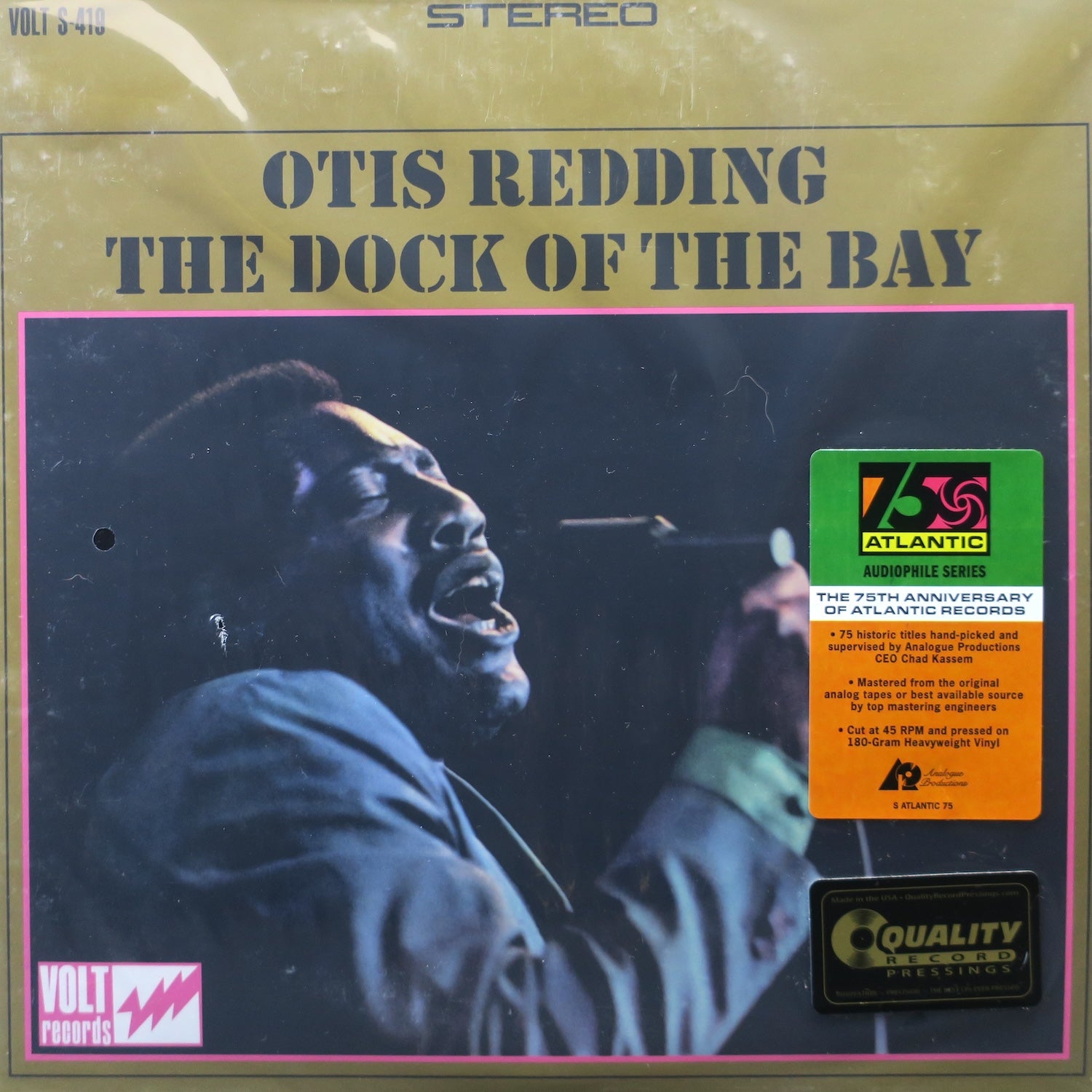
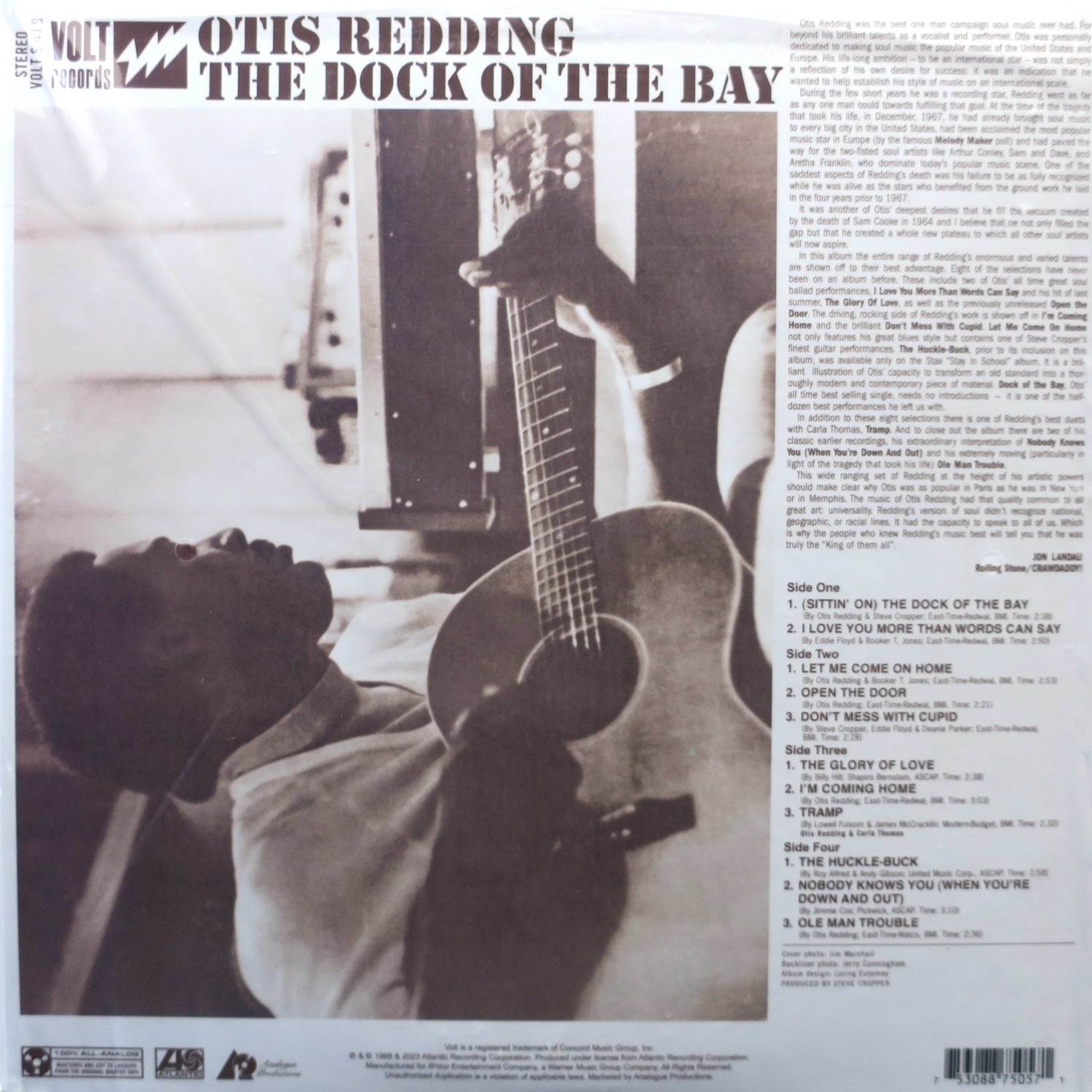
OTIS REDDING 'Dock Of The Bay' Analogue Productions 45rpm 180g Vinyl 2LP
$120.00
Quick buy
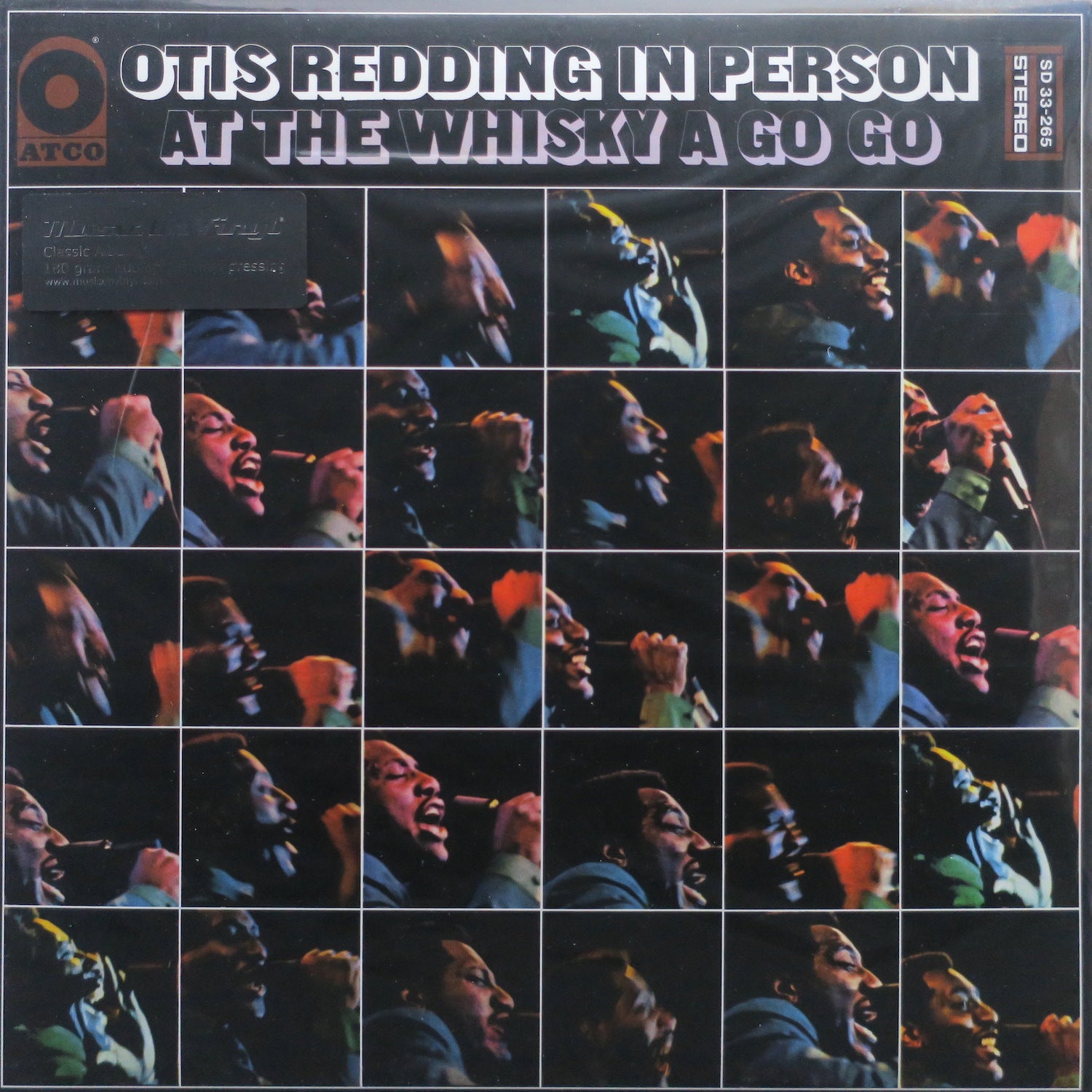
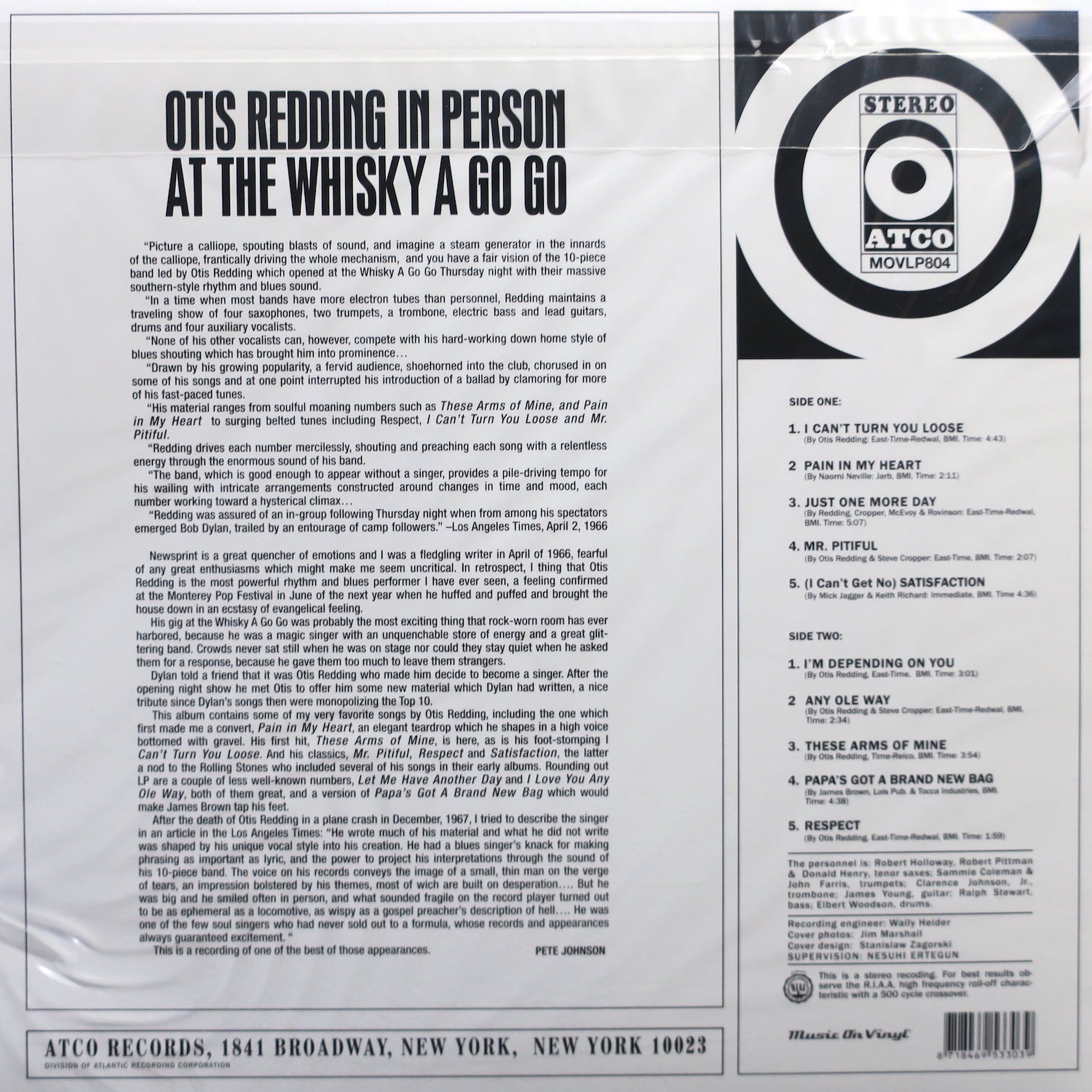
OTIS REDDING 'In Person At The Whiskey A Go Go' 180g Vinyl LP
$55.00
Quick buy
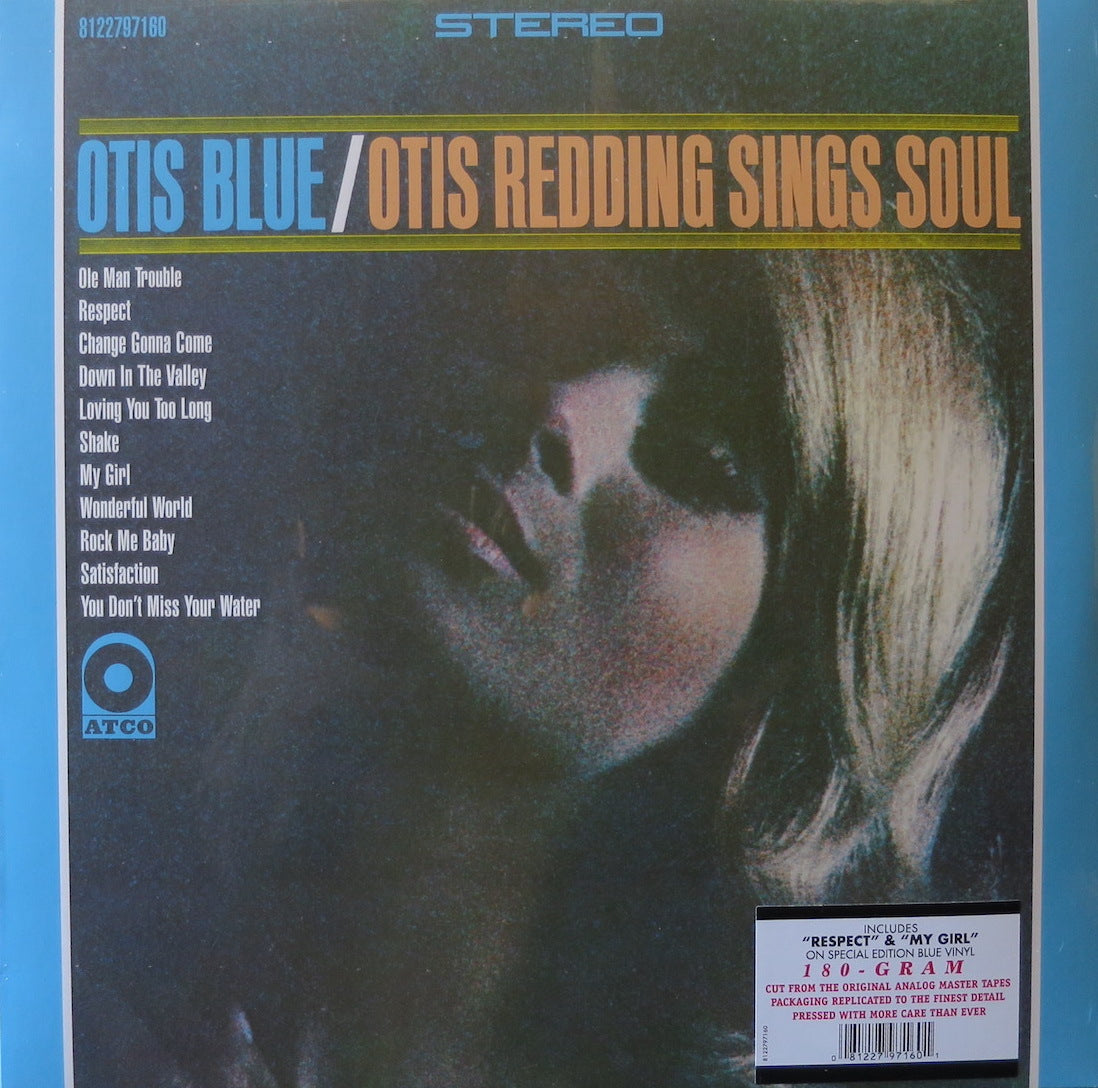
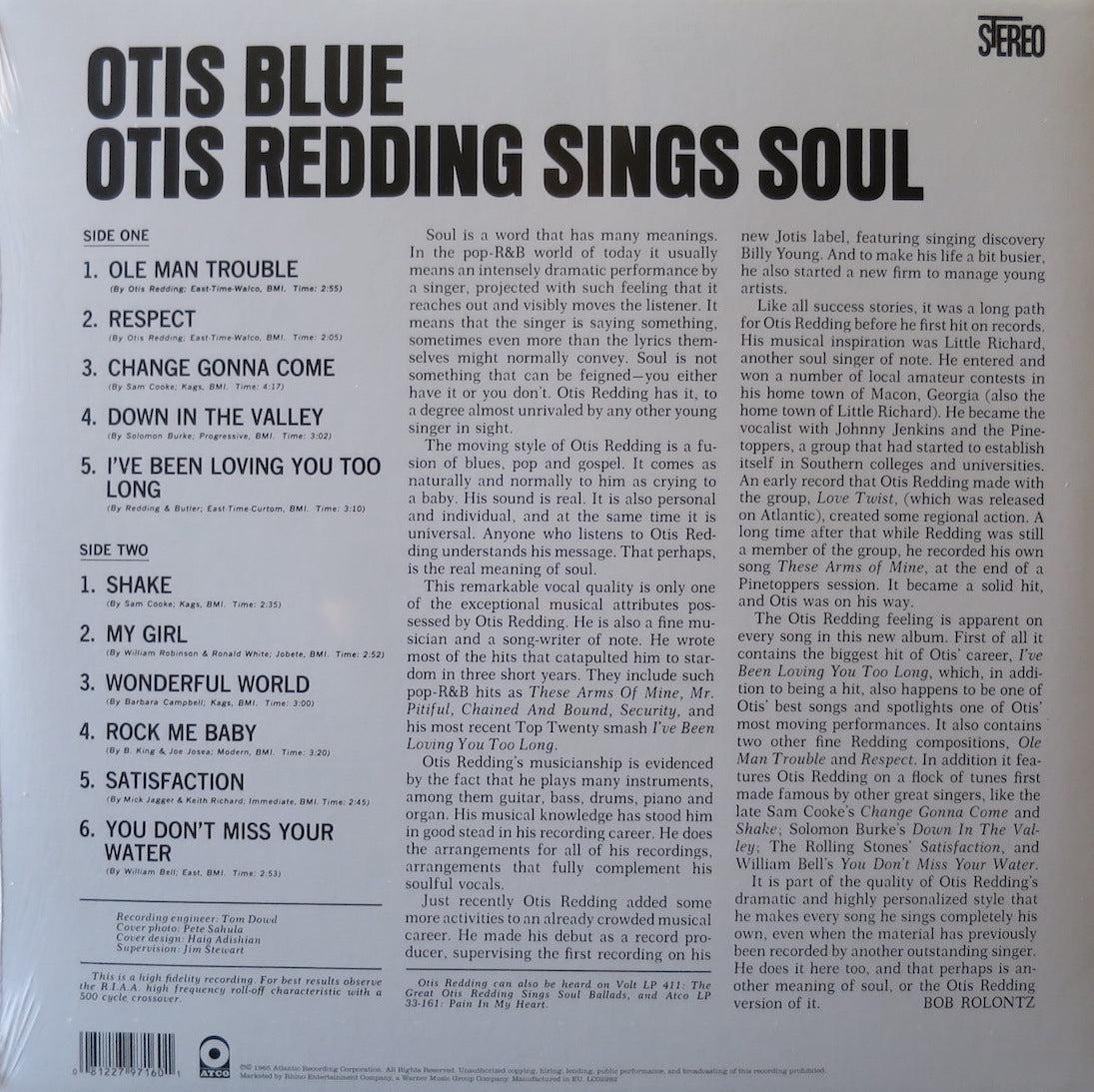
OTIS REDDING 'Otis Blue/Otis Redding Sings Soul' 180g BLUE Vinyl LP
$50.00
Quick buy
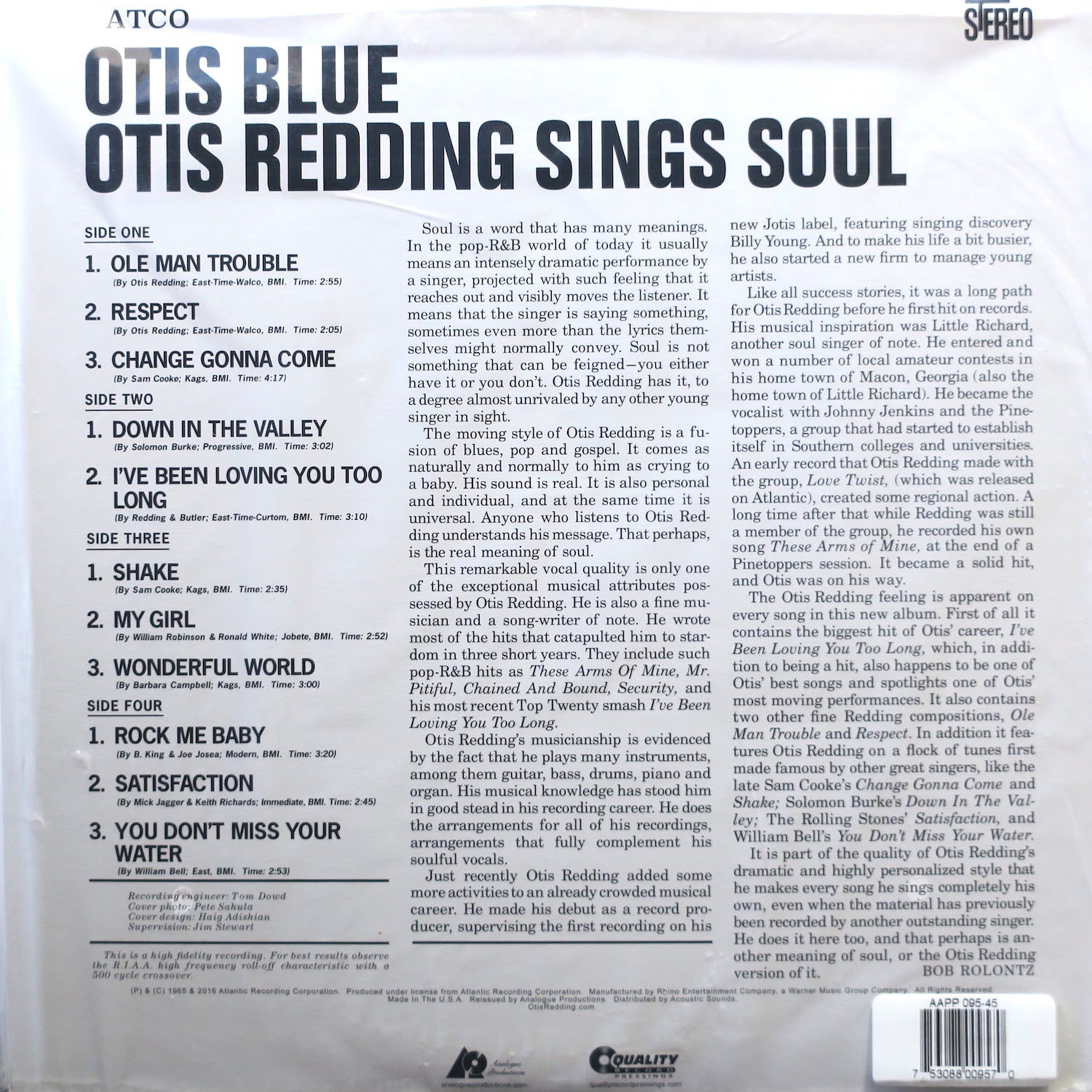
OTIS REDDING 'Otis Blue/Otis Redding Sings Soul' Analogue Productions 45rpm 180g Vinyl 2LP
$70.00
$120.00
Sale
Quick buy
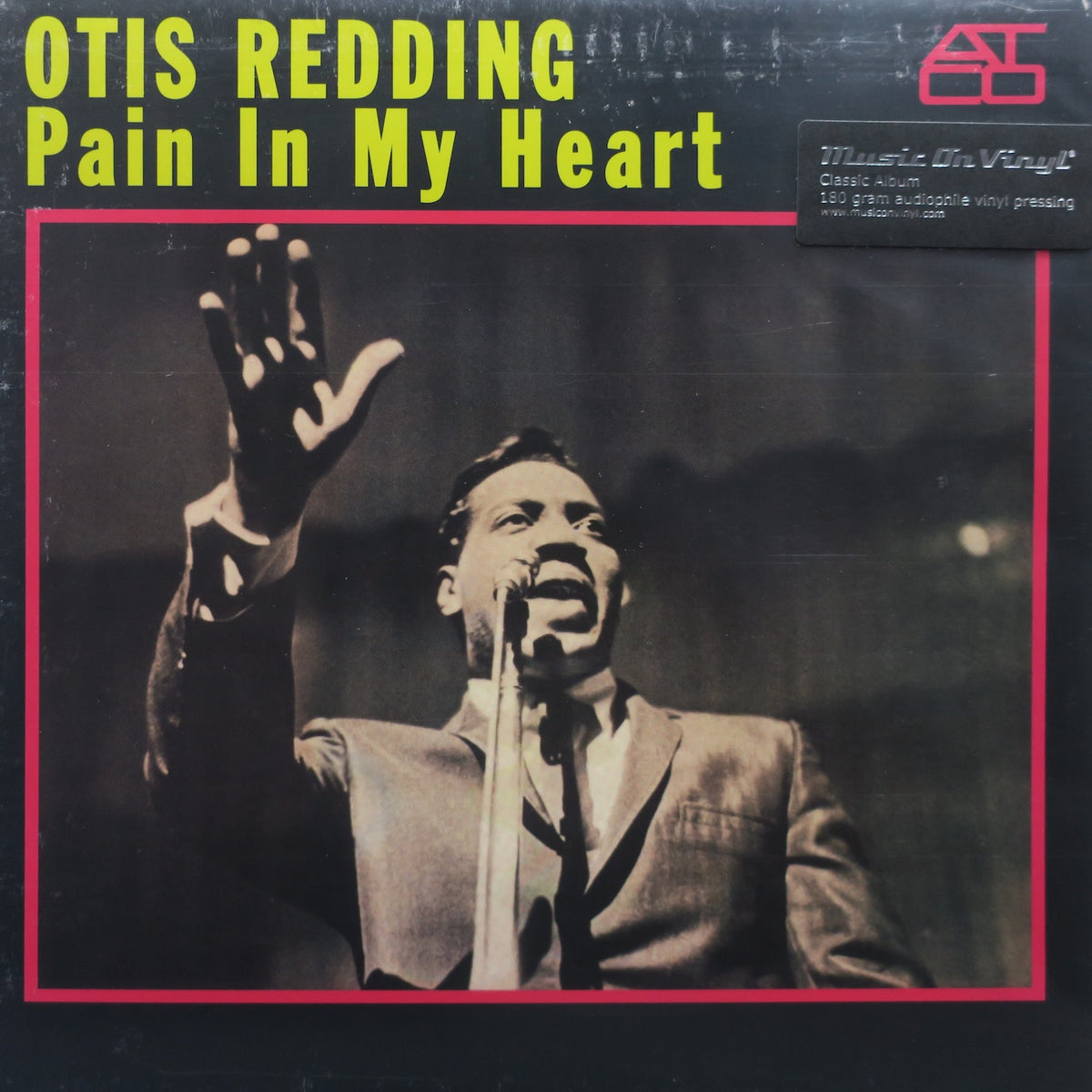
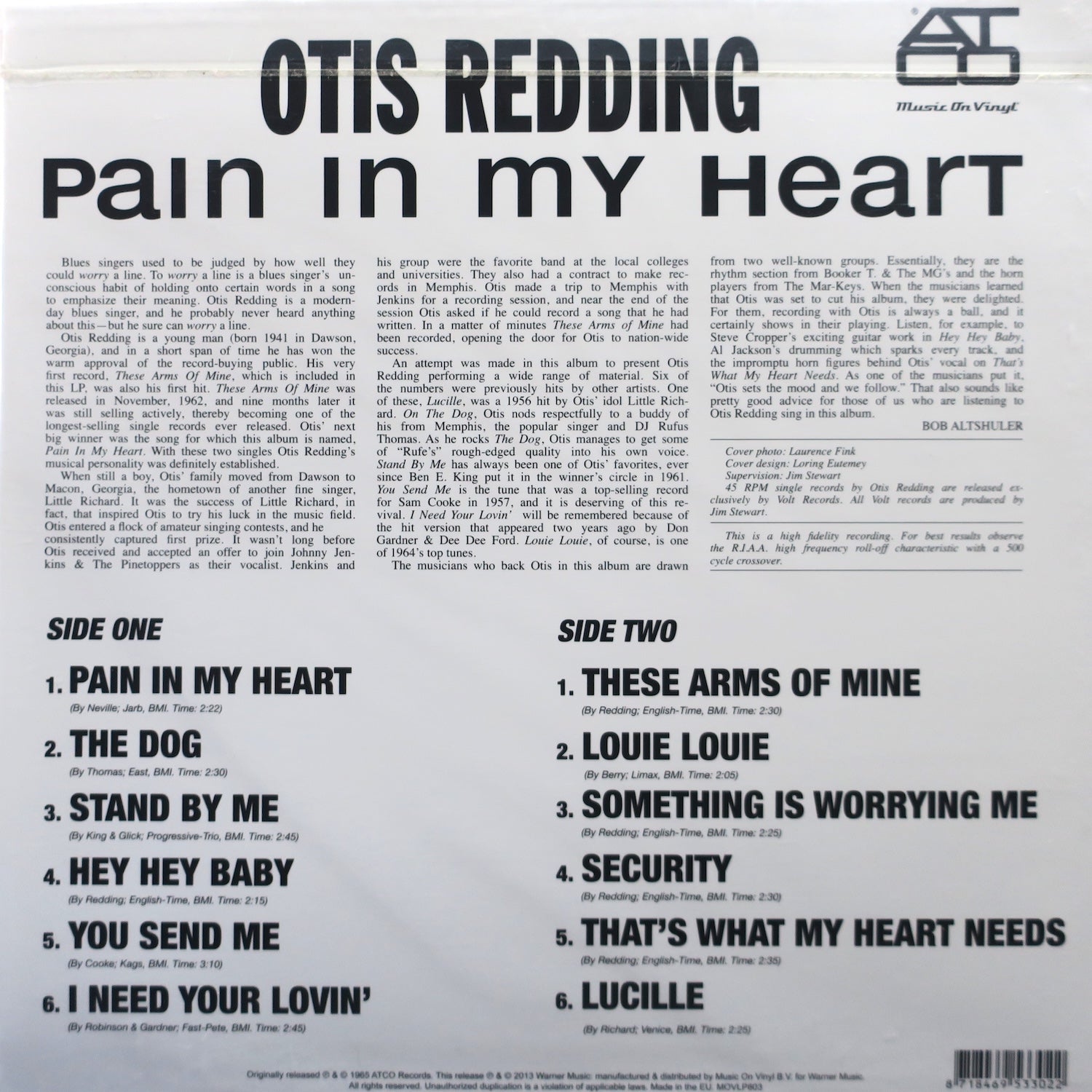
OTIS REDDING 'Pain In My Heart' 180g Vinyl LP
$55.00
Quick buy
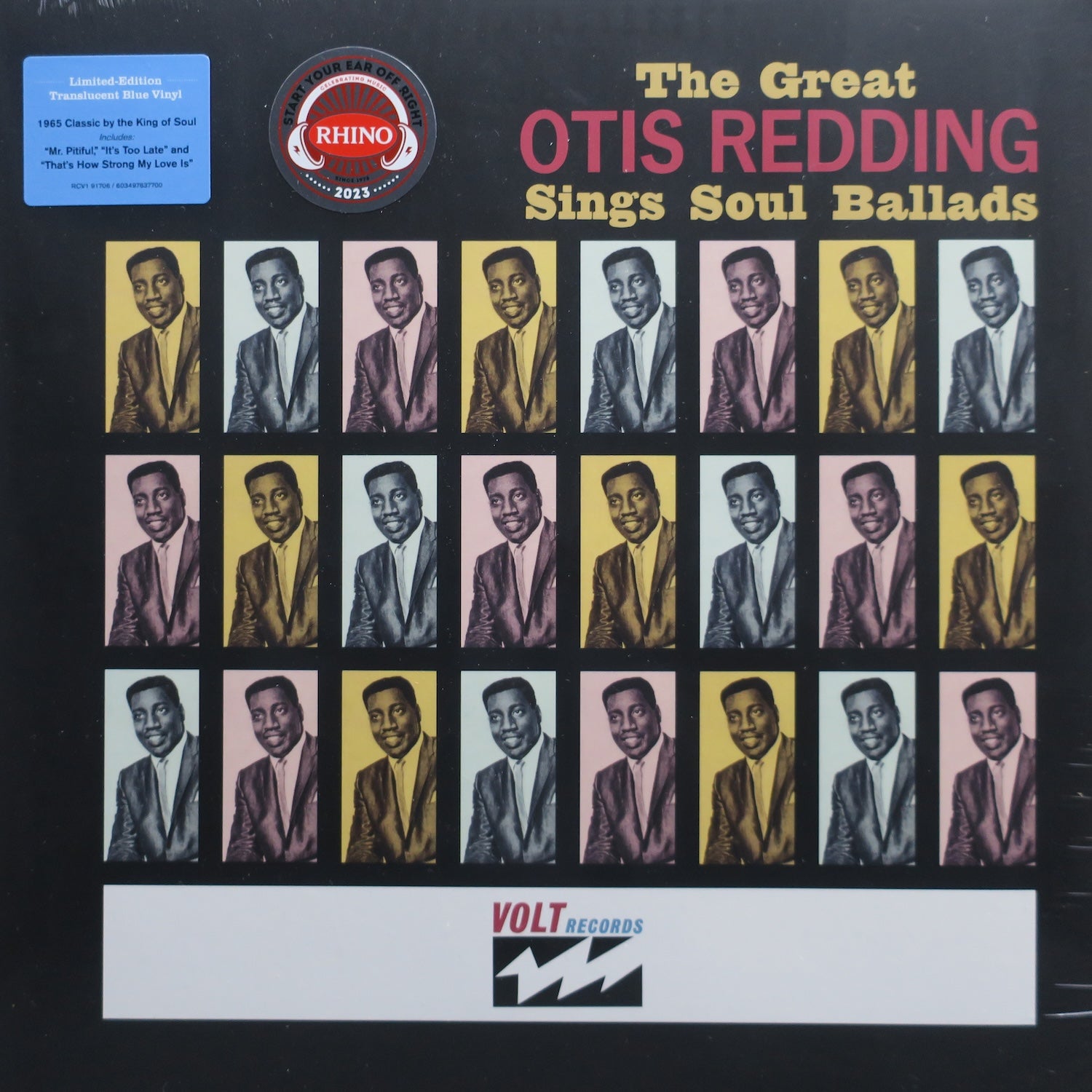
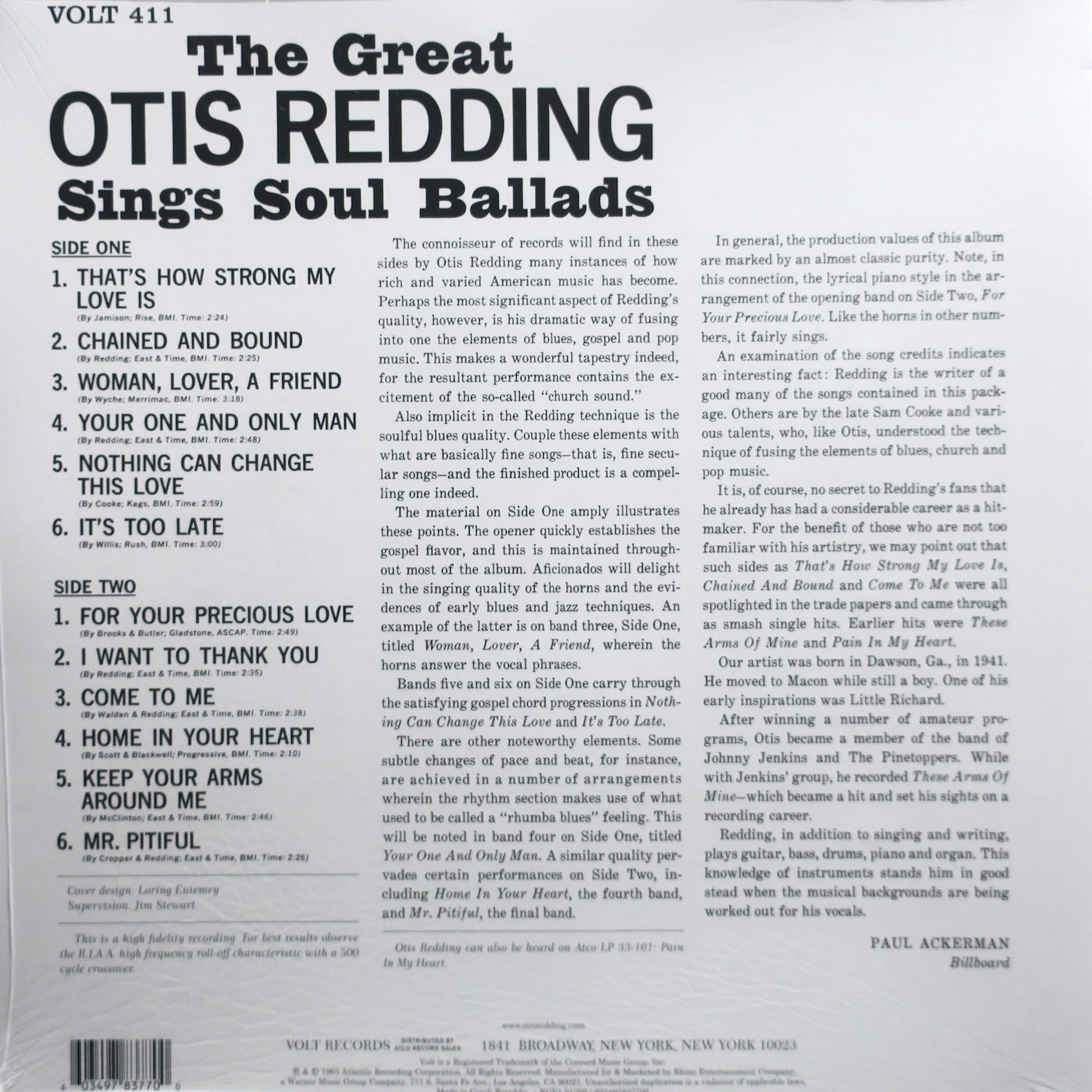
OTIS REDDING 'The Great Otis Redding Sings Soul Ballads' BLUE Vinyl LP
$47.50
Your cart
Close
Get 10% off all orders over $150
Close
Your cart is empty
Start shopping
Added to your
Cart