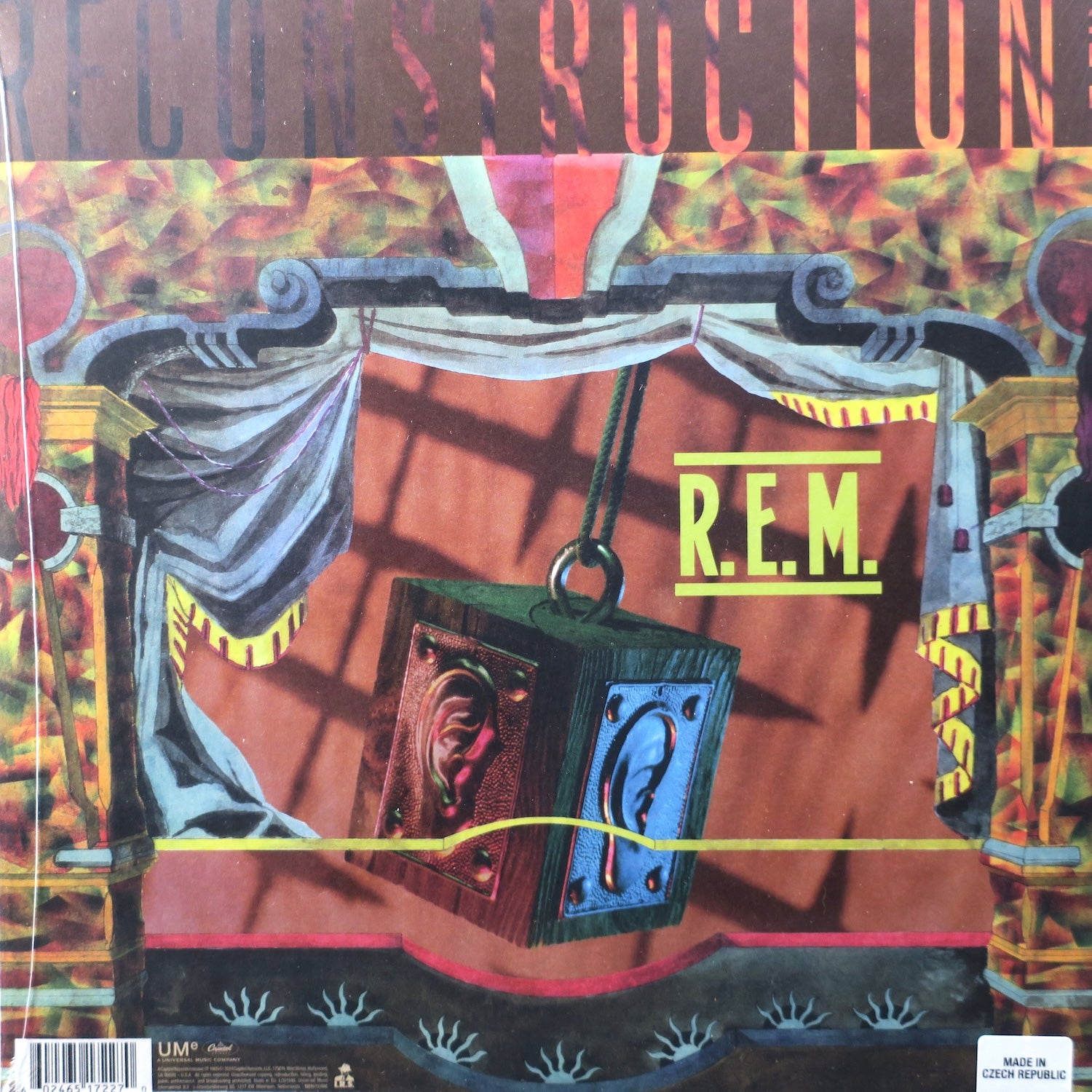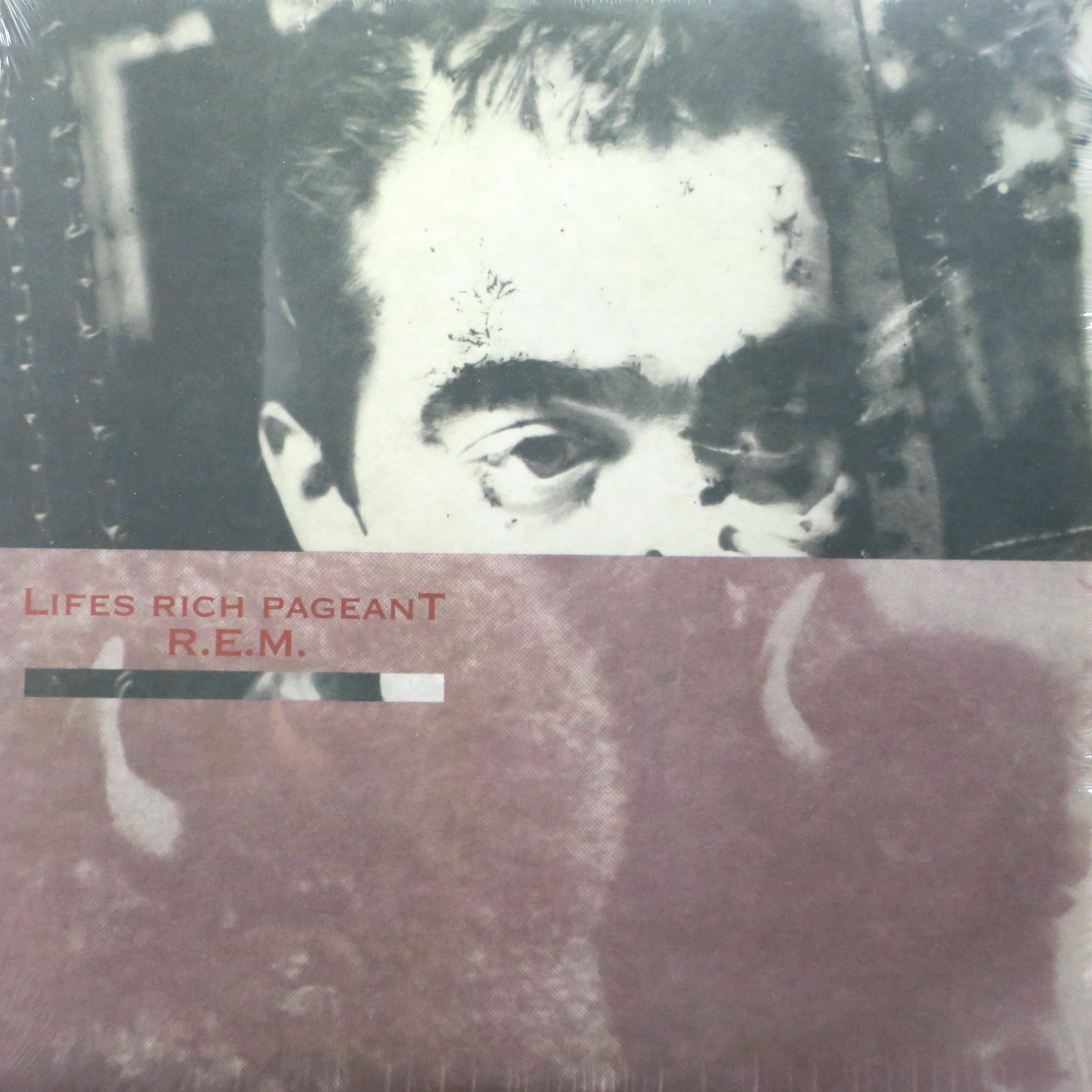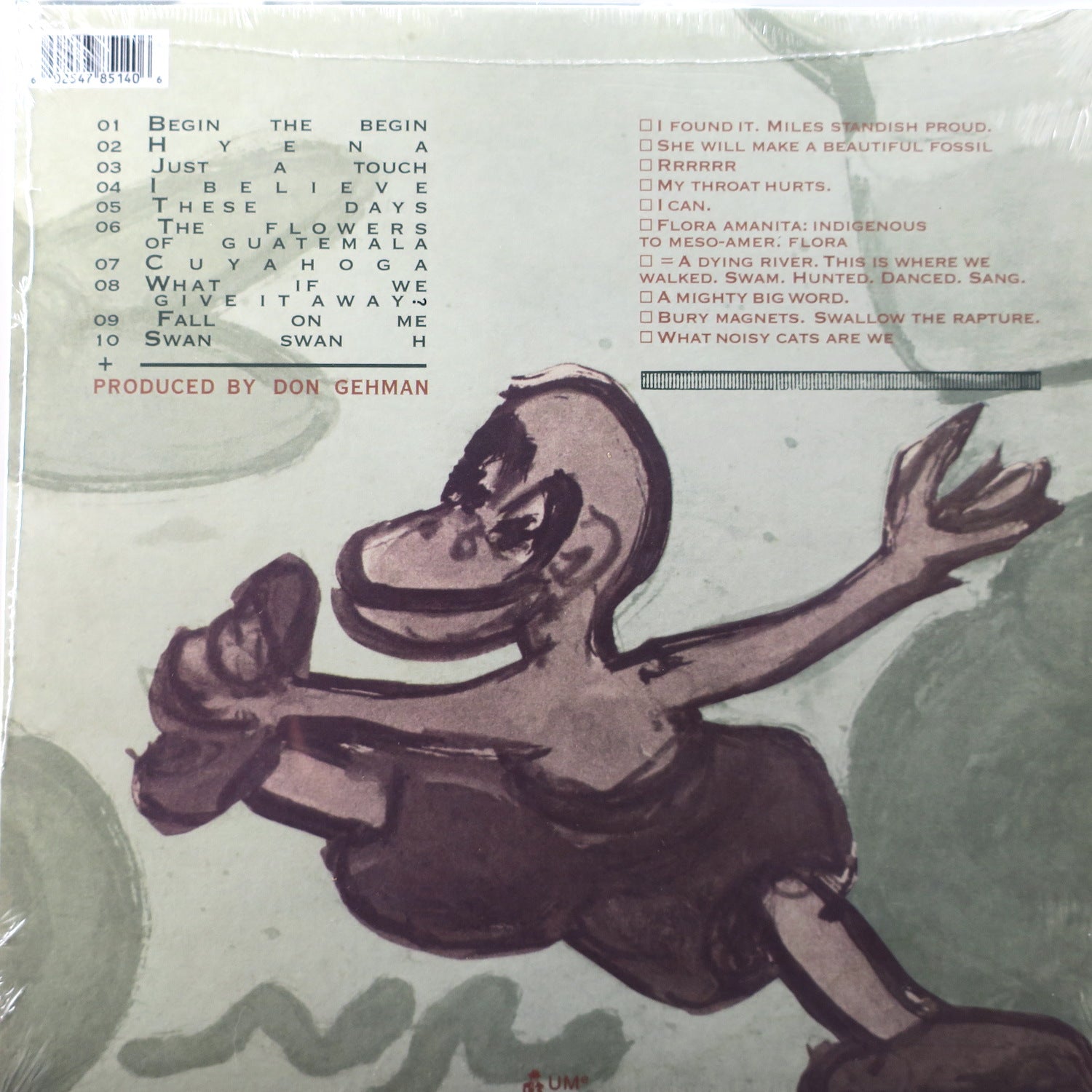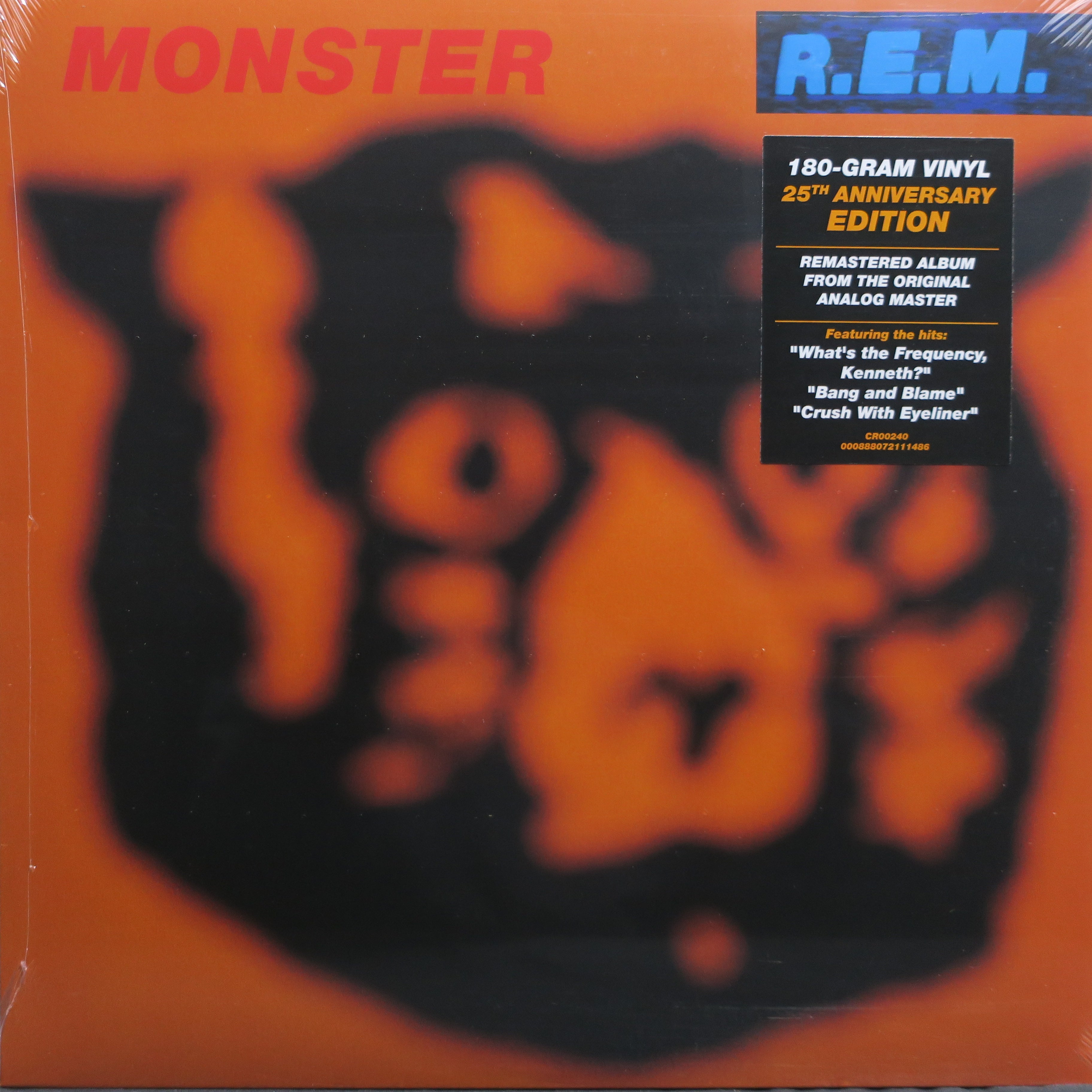
Rem
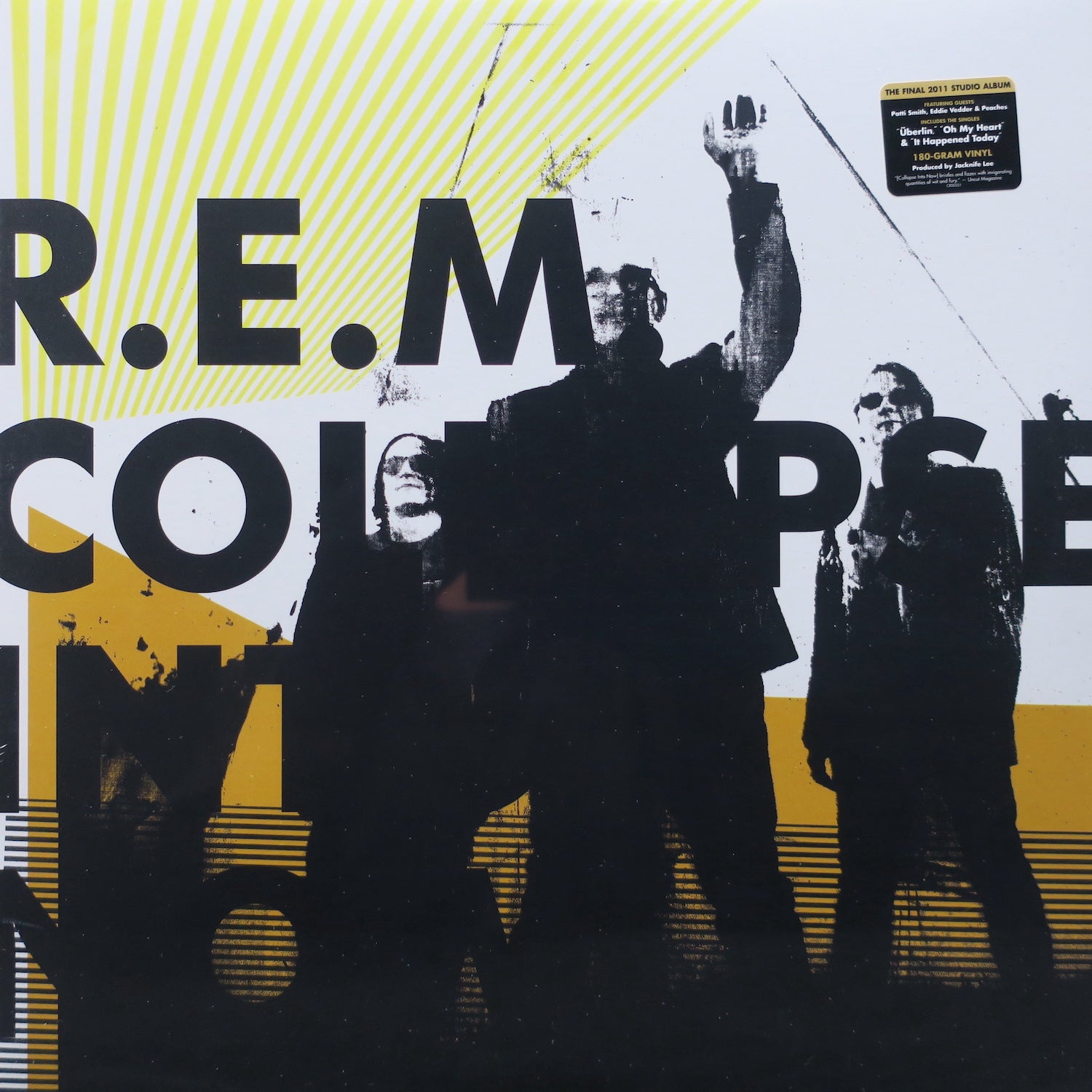
A single chiming guitar figure and an enigmatic vocal line turned into a new radio language long before alternative rock was a market category. Rem’s early sound — bright, minor-key guitars and Michael Stipe’s elliptical delivery — made songs that felt both intimate and mysterious, perfect for college radio and late-night listening.
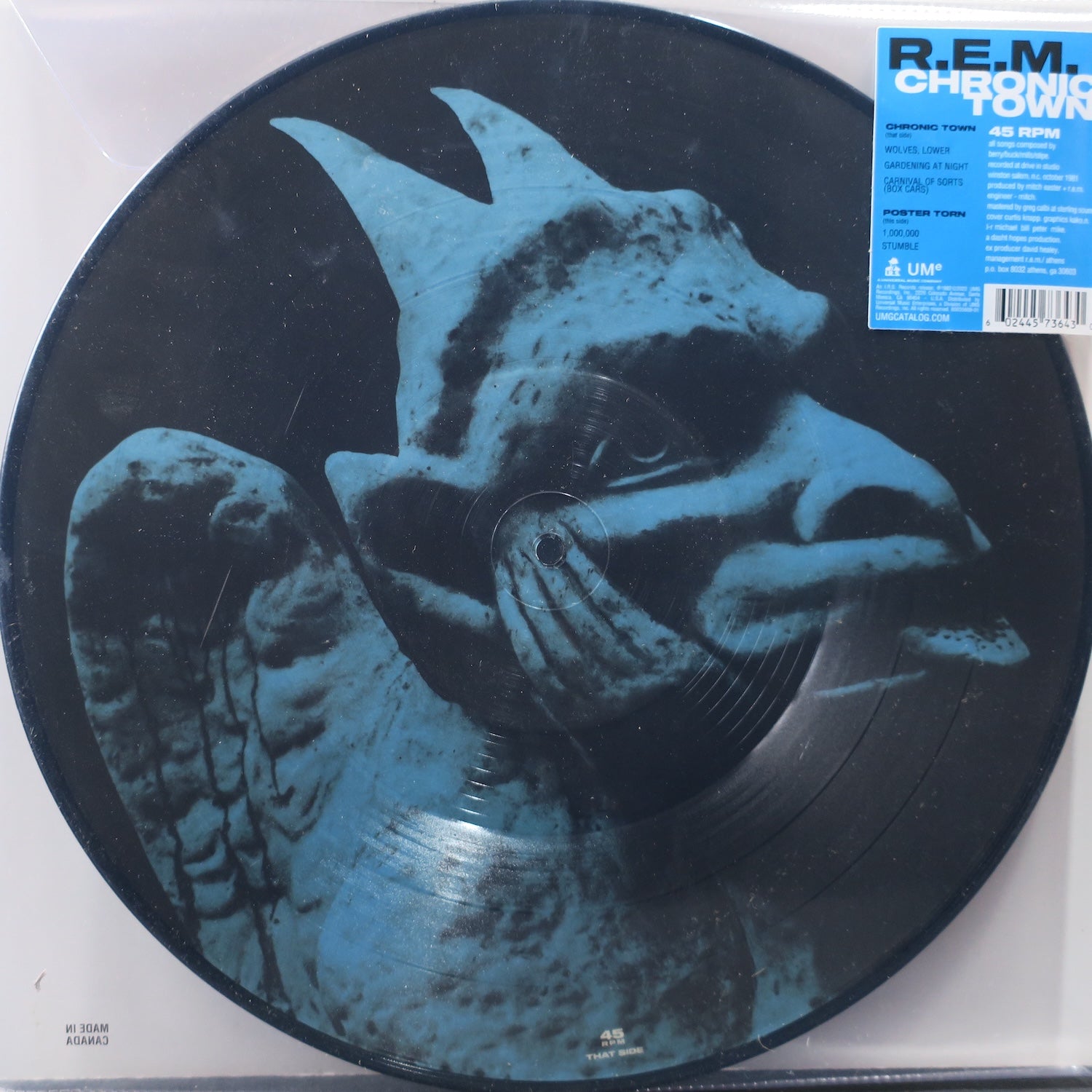
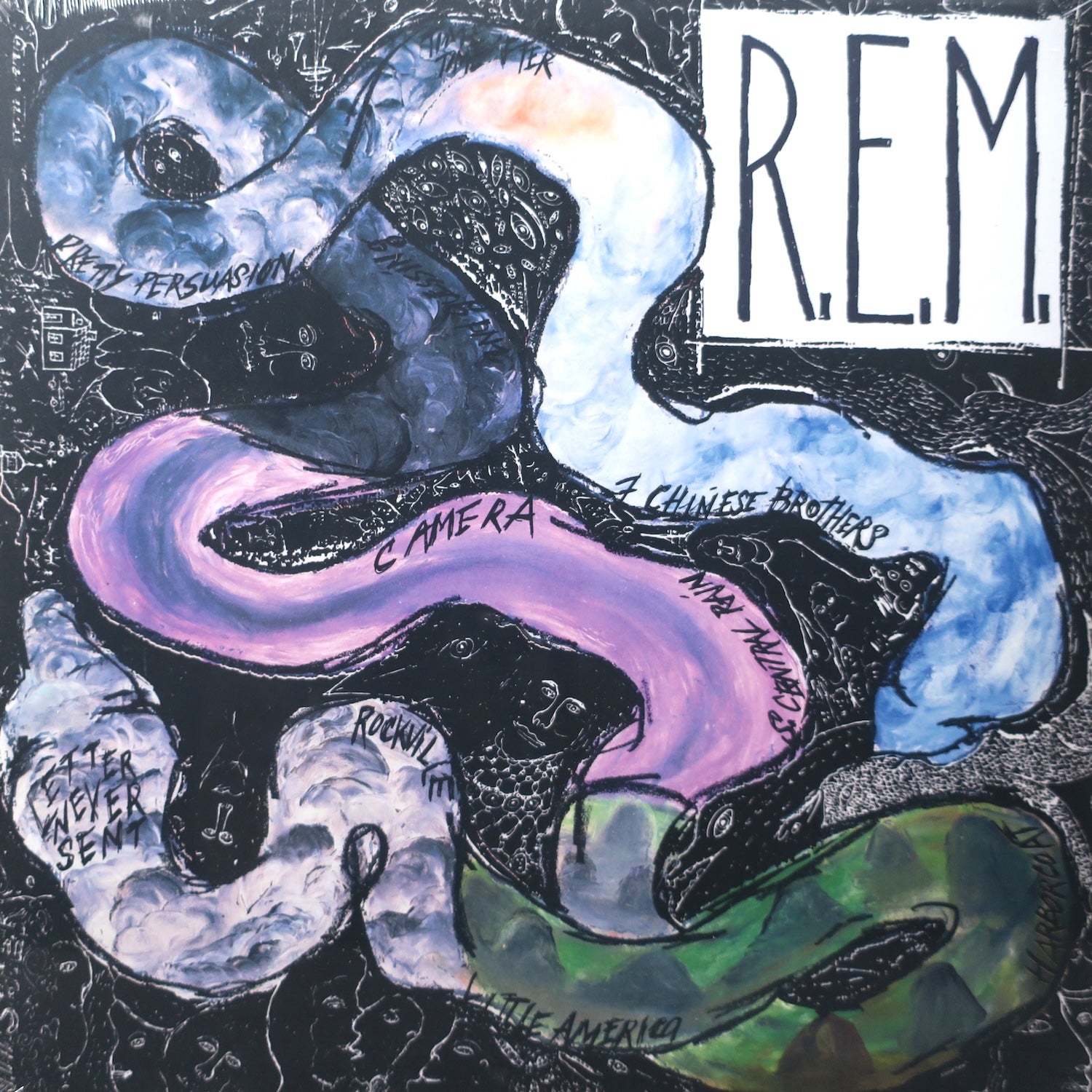
The band grew out of the Athens, Georgia scene that also produced the B-52s and Pylon. Their debut single and the album Murmur introduced a production style that favored space and texture over glossy polish; producers Mitch Easter and Don Dixon captured a band that sounded more like a mood than a catalogue of hooks. That approach helped singles circulate on college stations and built a devoted audience without conventional pop radio support.
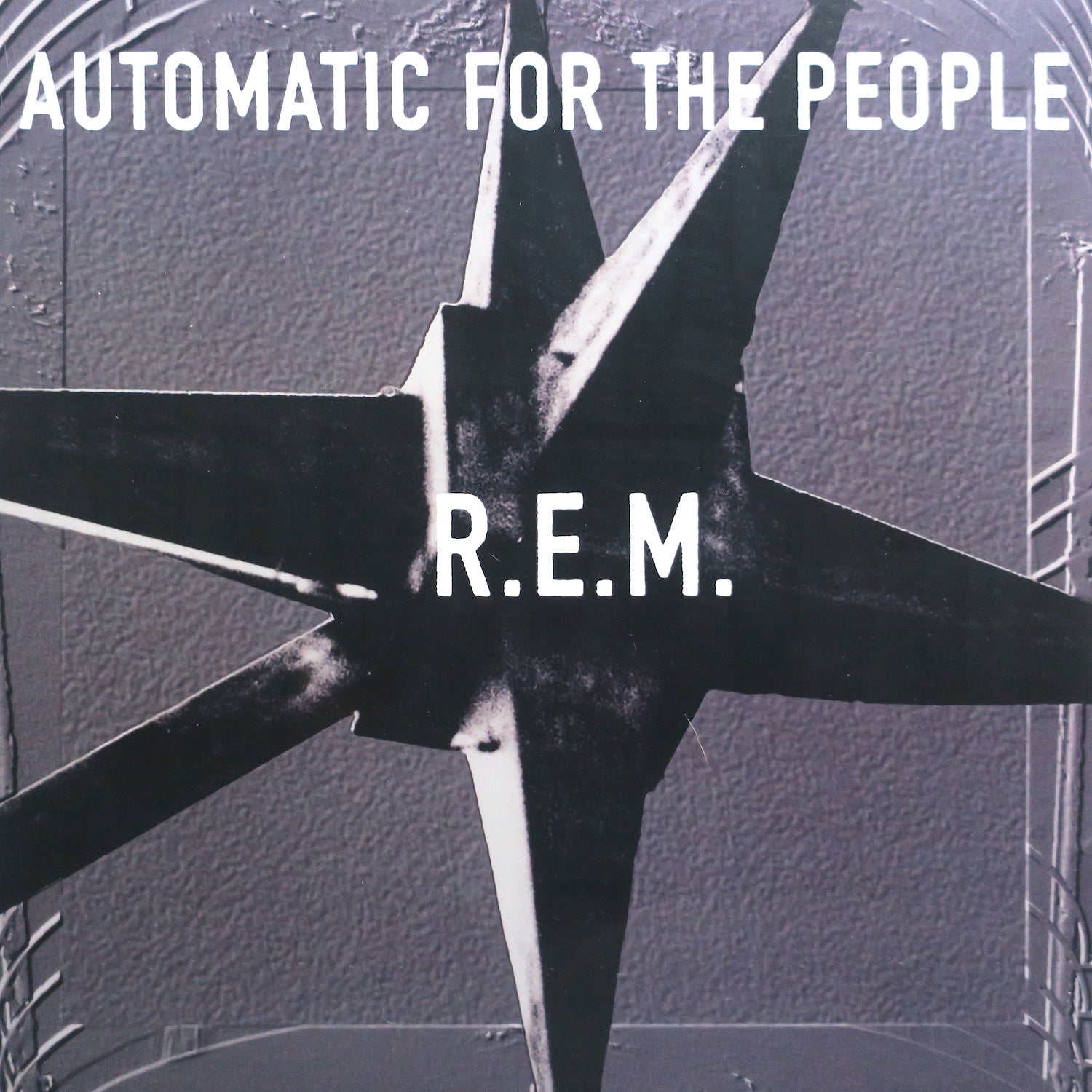
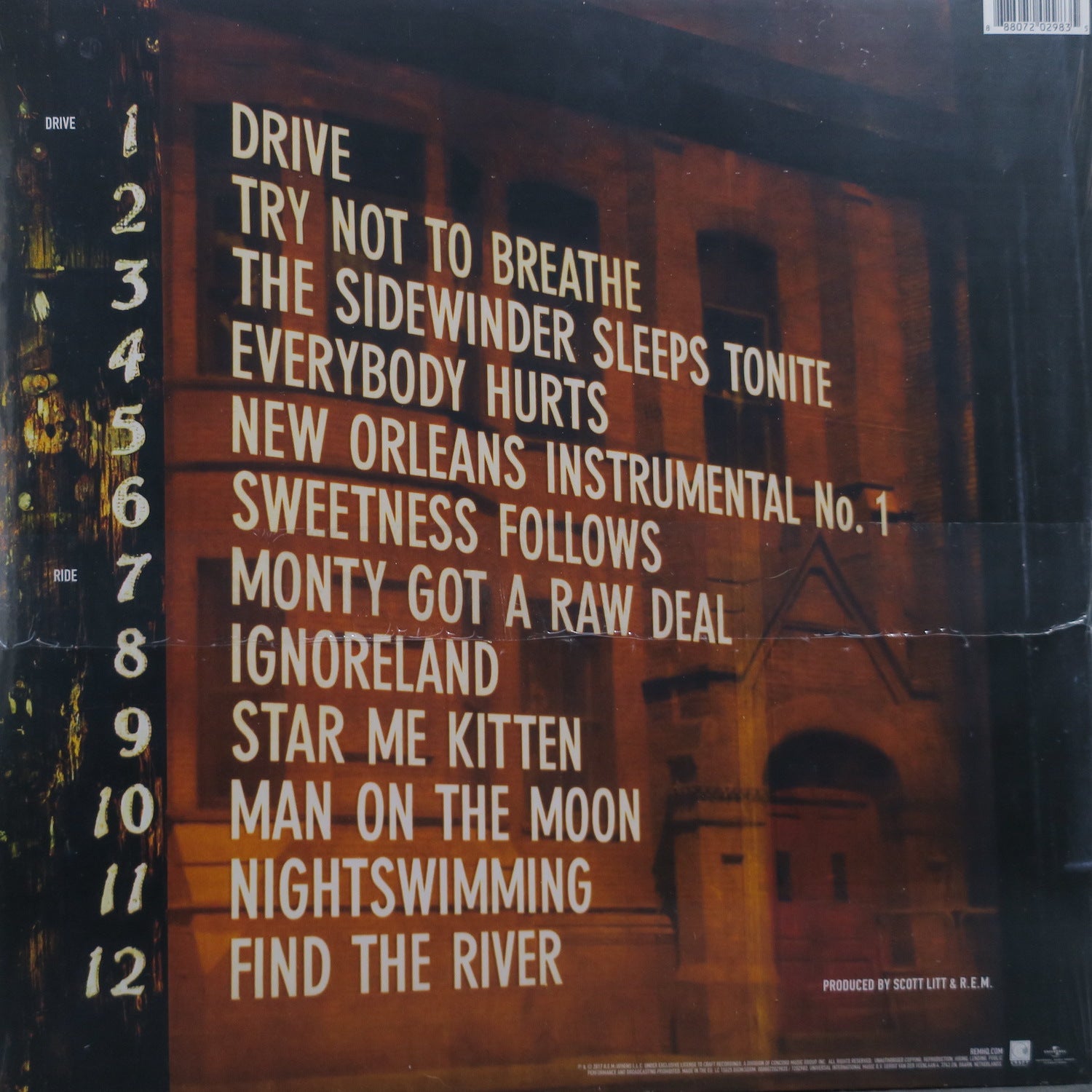
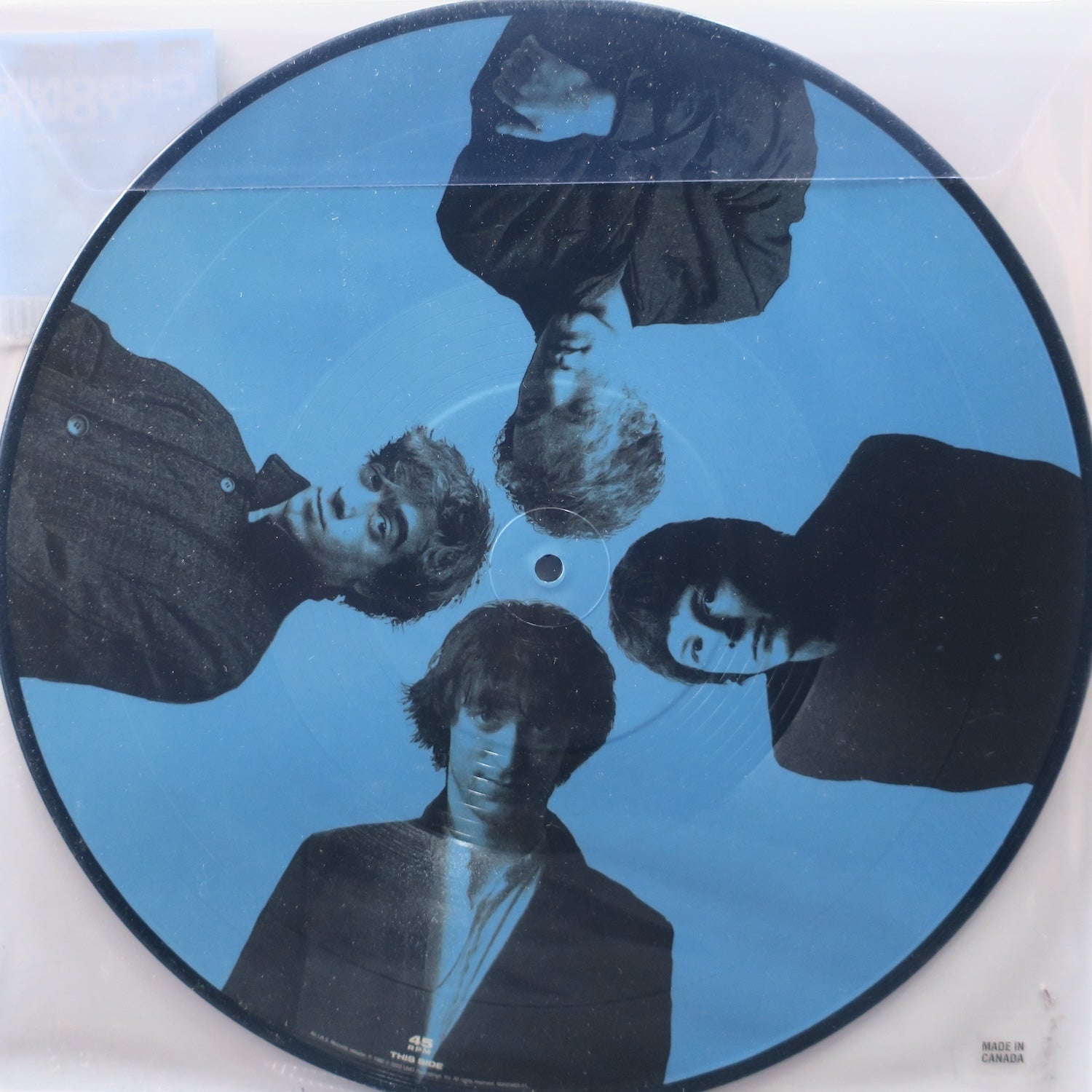
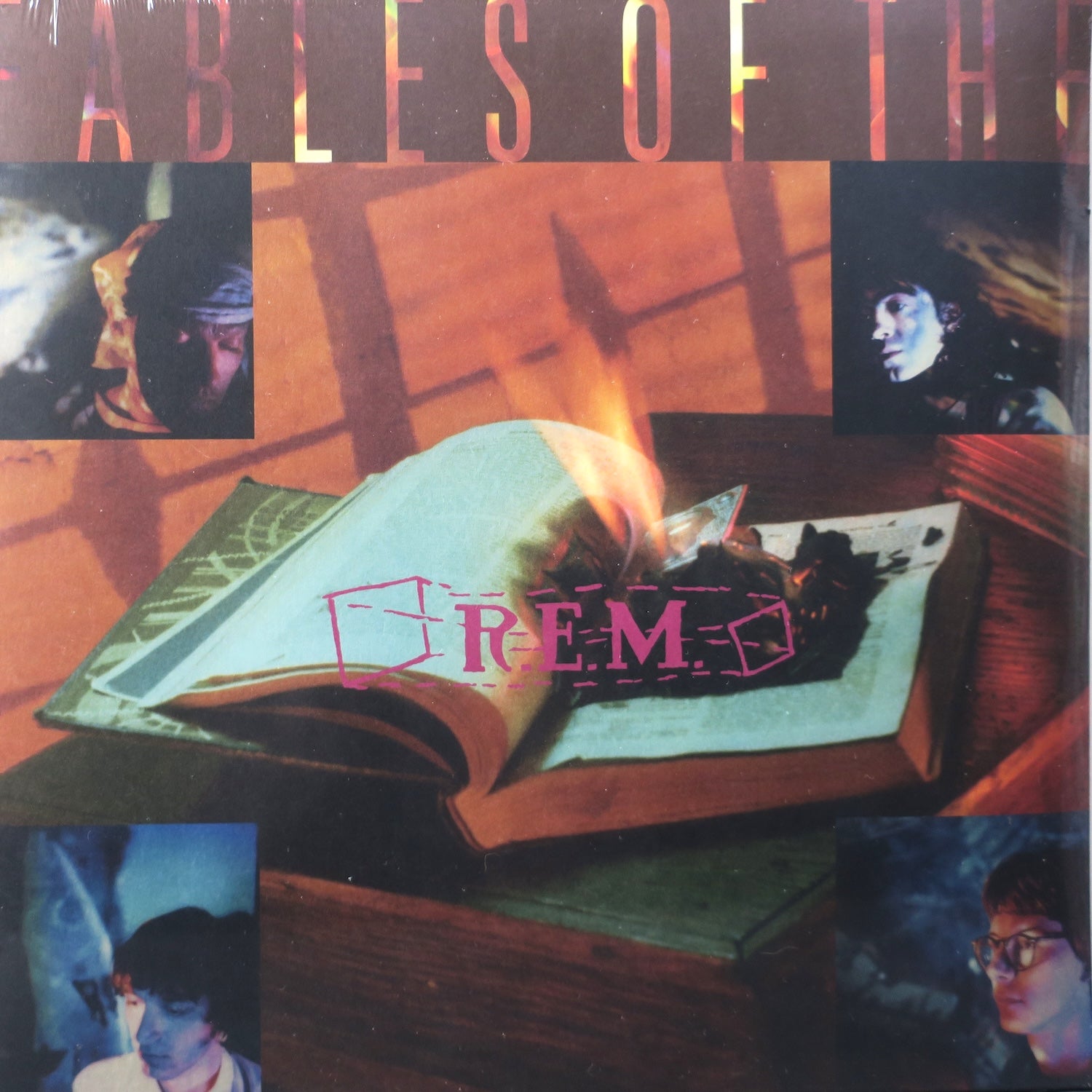
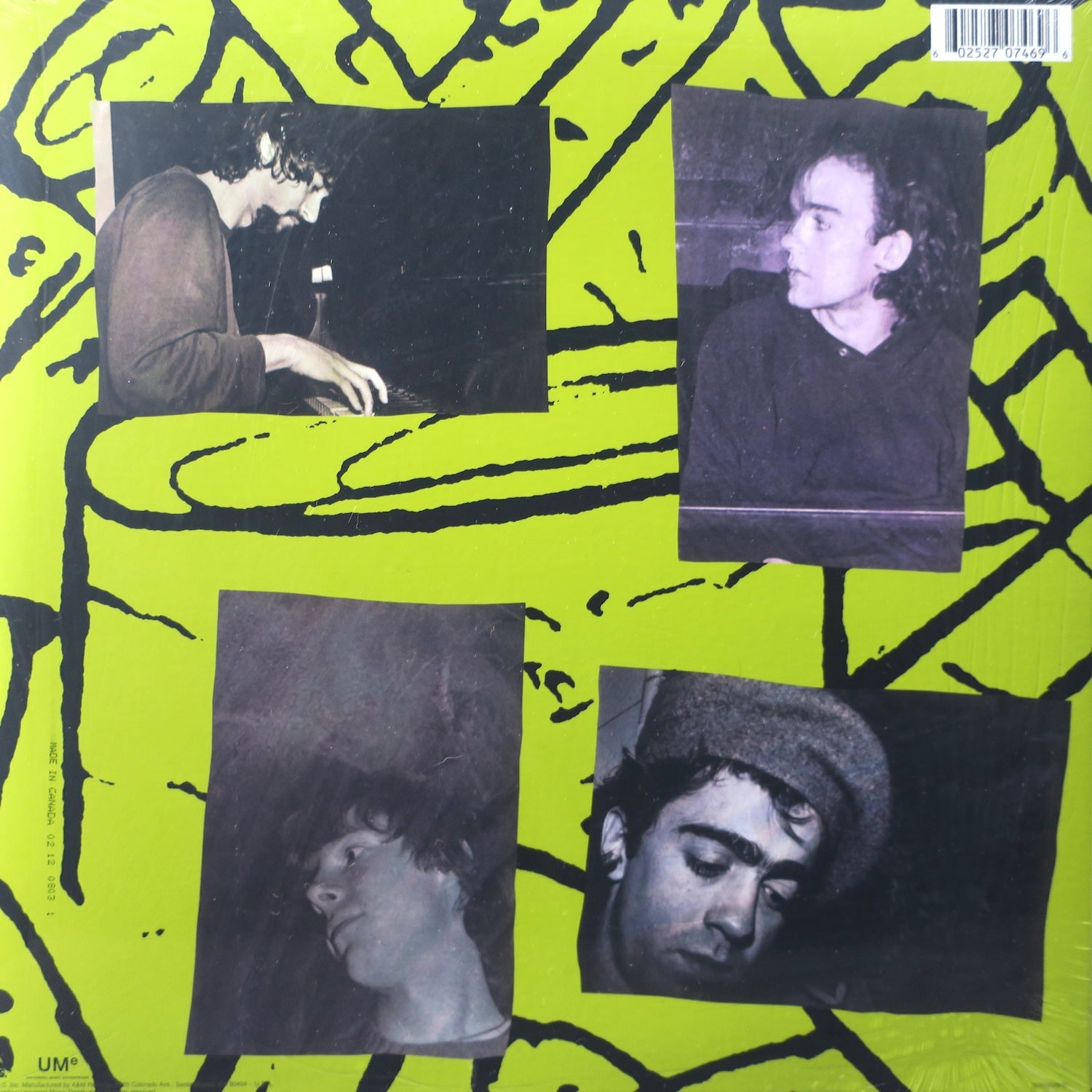
Rem’s personnel defined their sound. Peter Buck’s Rickenbacker-like jangle supplied melodic propulsion, Mike Mills added close-harmony vocals and melodic basslines, Bill Berry anchored the arrangements with steady, song-first drumming, and Michael Stipe supplied lyrics that rewarded repeated listening. As the band progressed into Document and Green they added sharper political edges and fuller arrangements; by Out of Time and Automatic for the People they were incorporating strings, chamber textures and more acoustic colors while keeping the core guitar clarity intact.
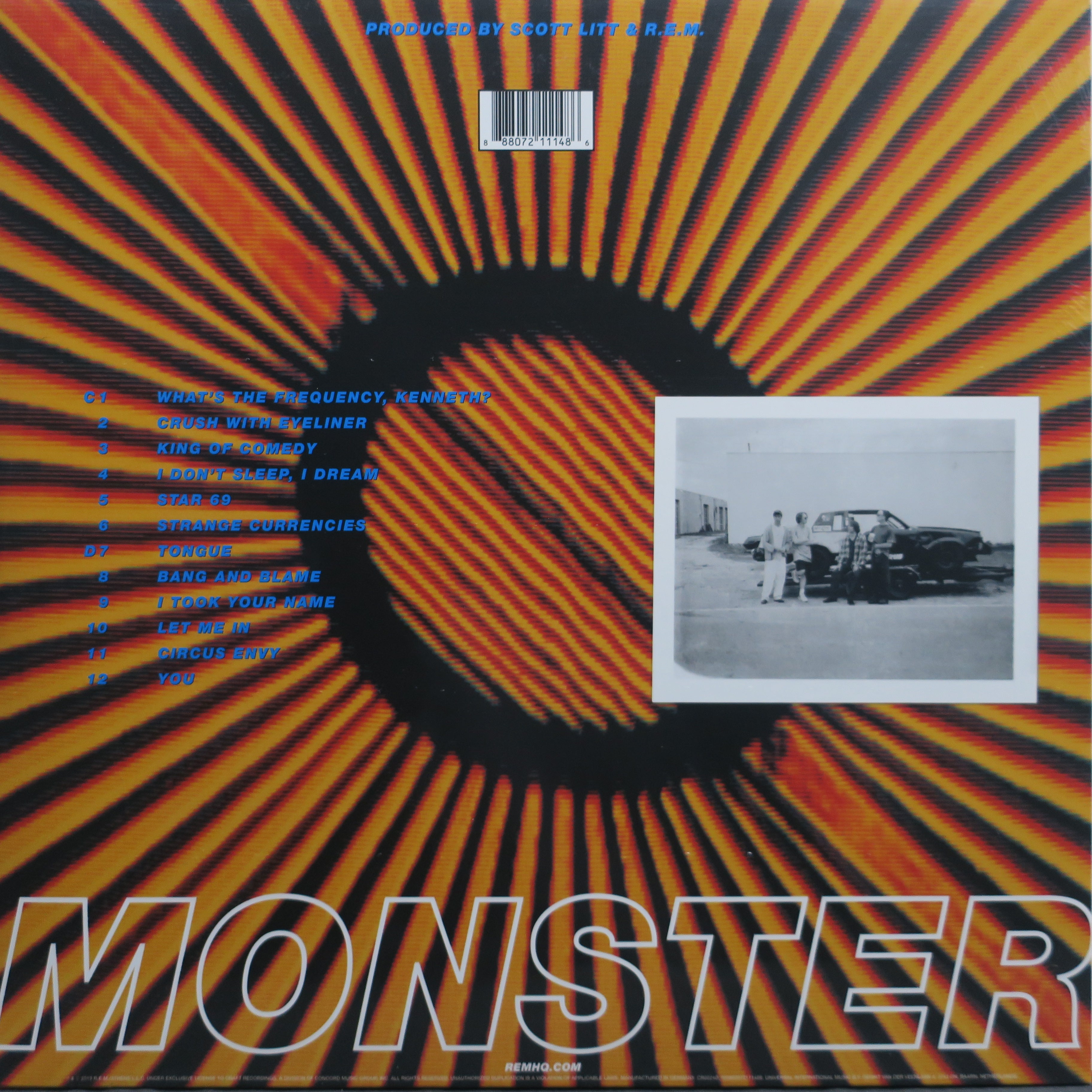
Producers and collaborators shaped how the band’s ideas landed. Scott Litt’s work with the group in the late 1980s and early 1990s smoothed some edges and widened their radio reach, but the band’s distinct interplay of guitar, harmony and voice remained the constant. Members later worked with other Athens artists — for example, collaborating with figures such as Vic Chesnutt — which reflected how the scene stayed interlinked even as Rem became an international act.
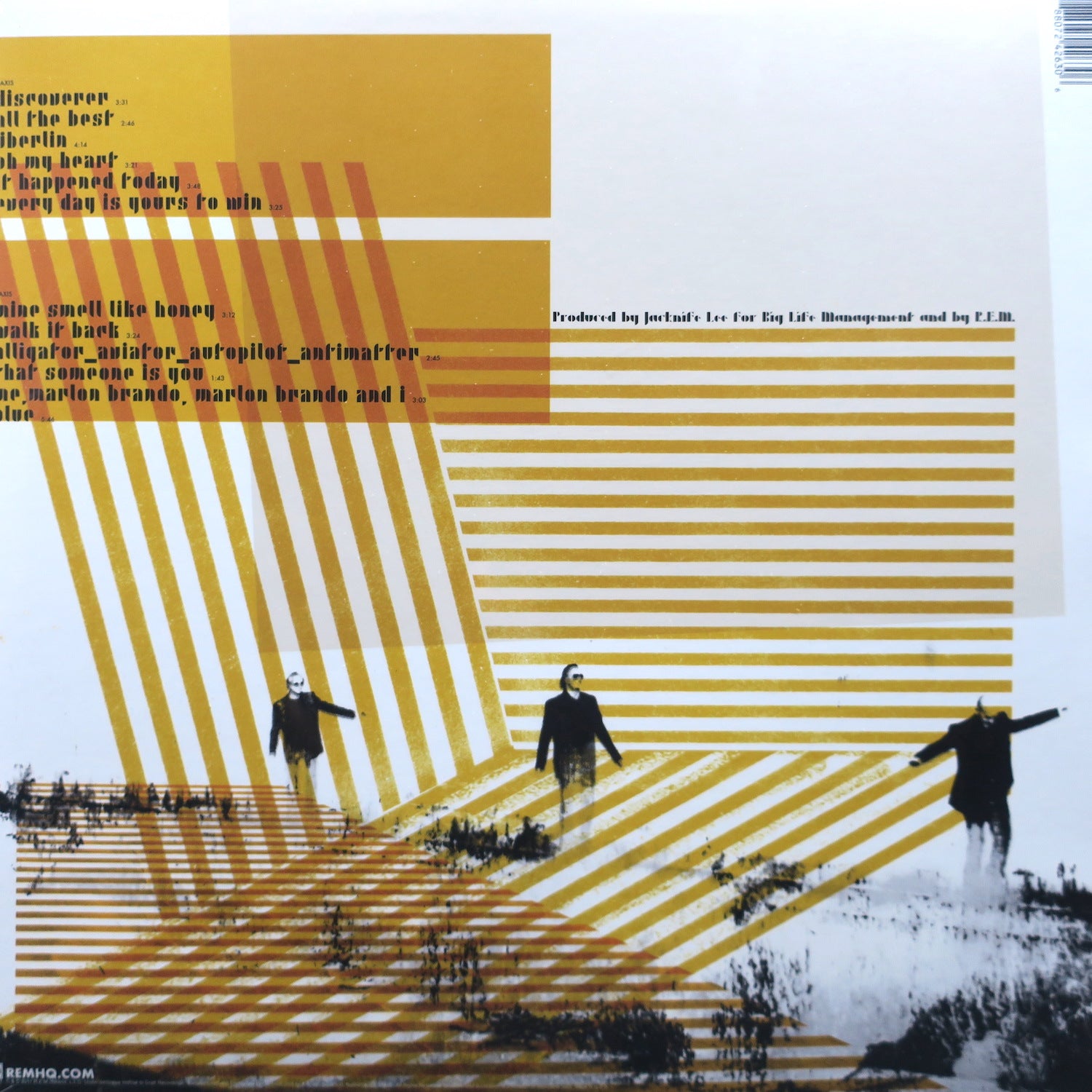
What matters about Rem today is the range: early albums reward close, almost secretive listening; later records show how an alternative band can expand arrangements without losing identity. For listeners curious about the roots of 1990s alternative rock or the art of melding literate lyricism with memorable guitar lines, albums from Murmur through Automatic for the People are a clear place to start.