Simon & Garfunkel
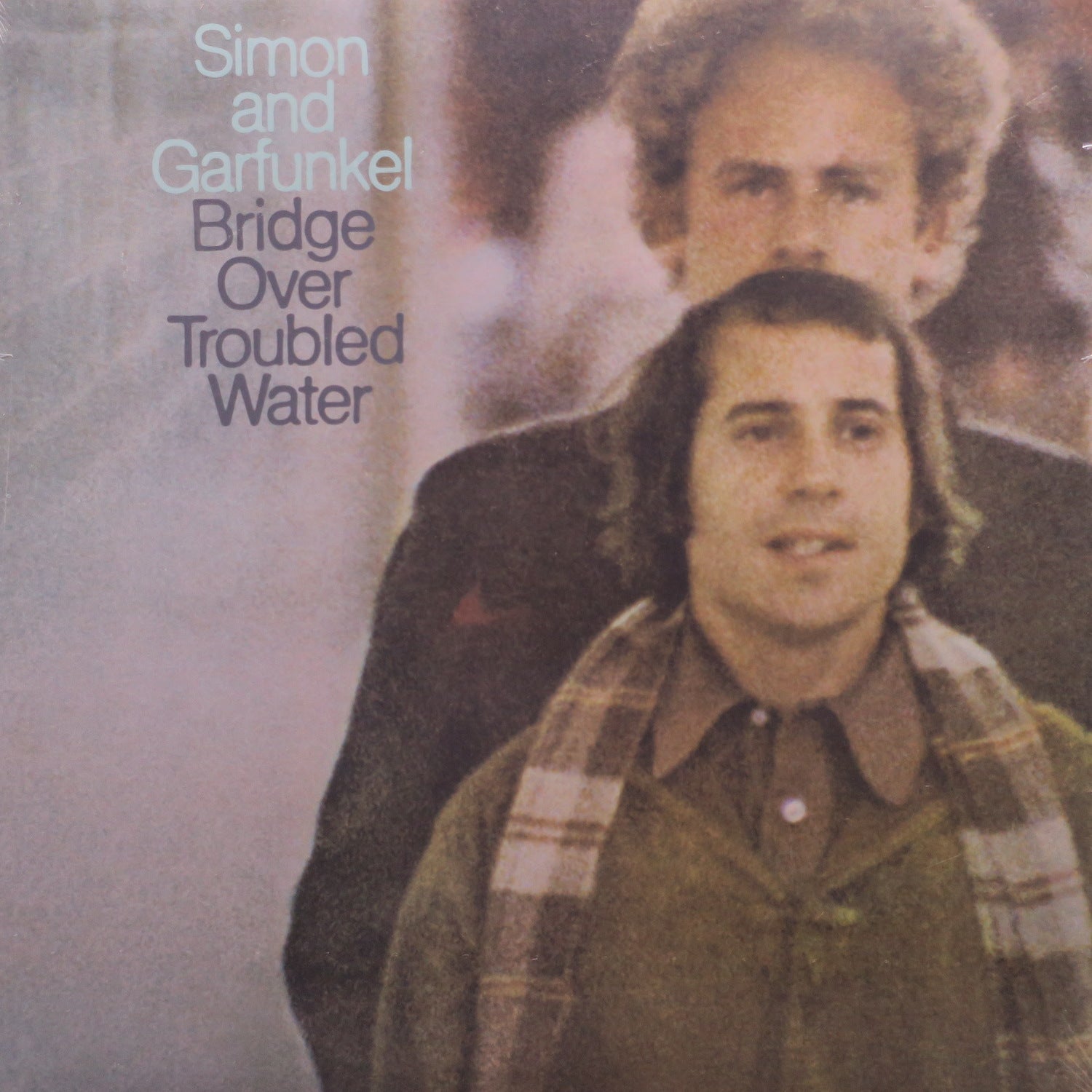
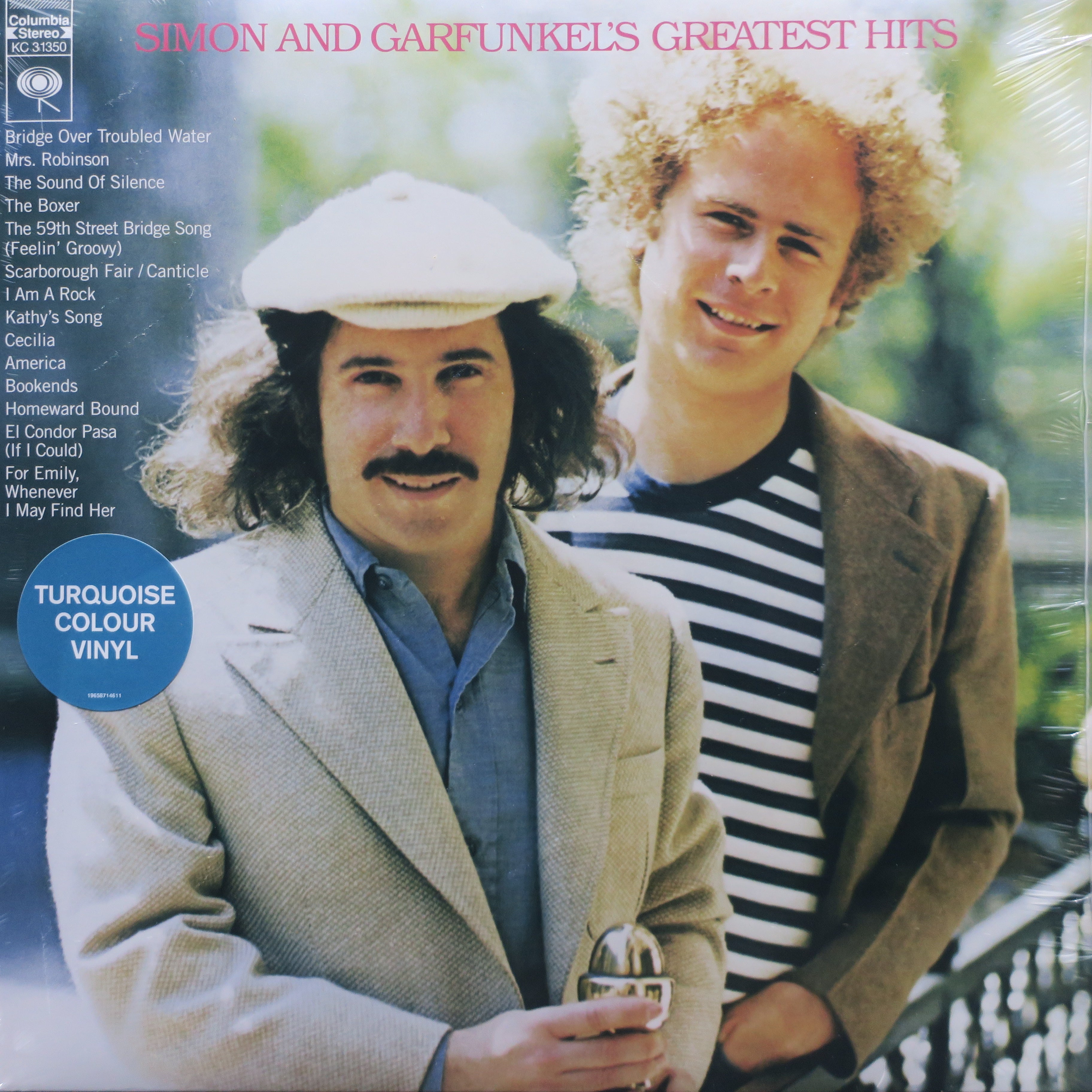
There is a specific tension in Simon & Garfunkel's best work: songs that feel intimately conversational but arrive sounding like epochal statements. That contrast—delicate fingerpicked guitars and close two-part harmony set against orchestral swells or stark urban imagery—made tracks like 'The Sound of Silence' and 'Bridge Over Troubled Water' feel much larger than their duo format.
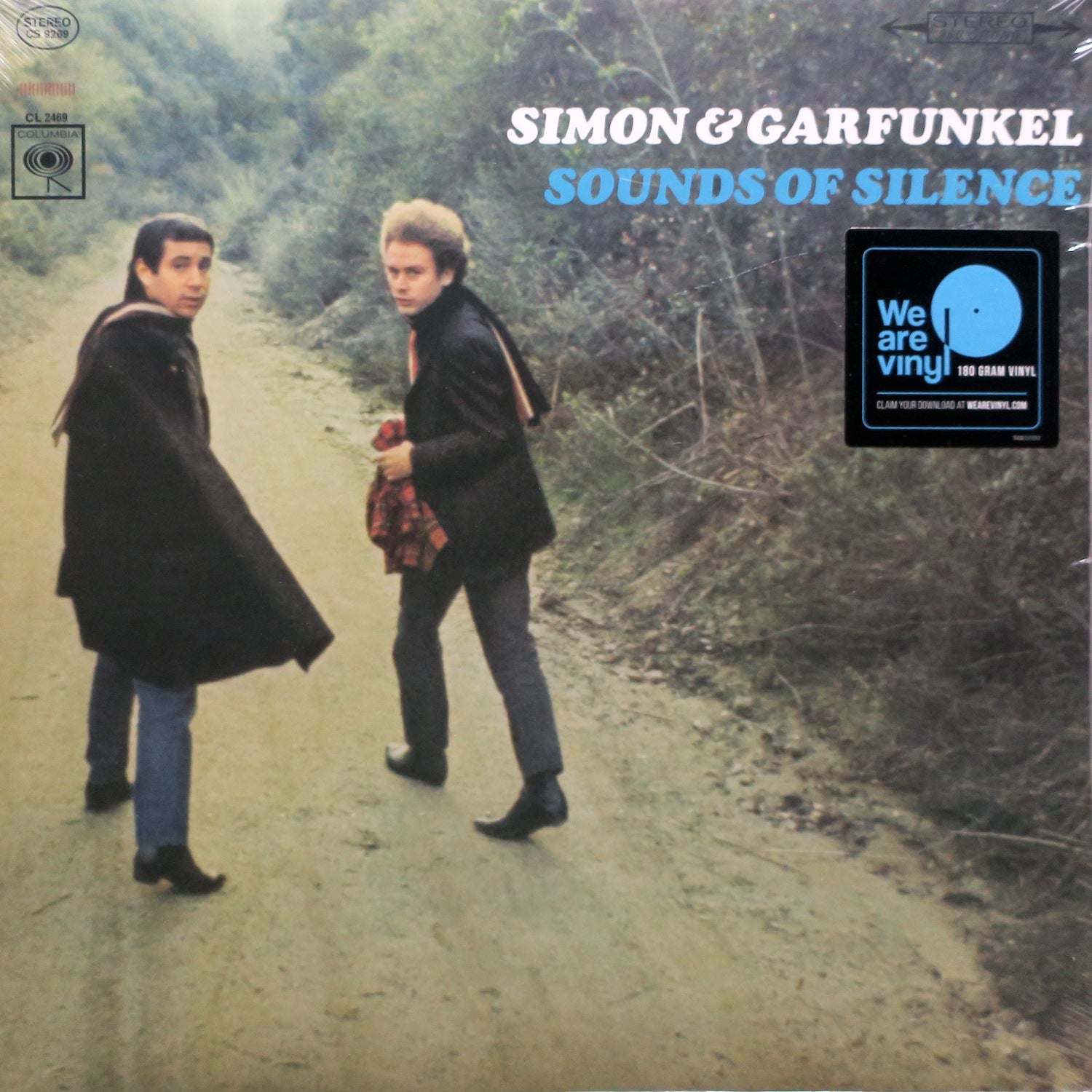
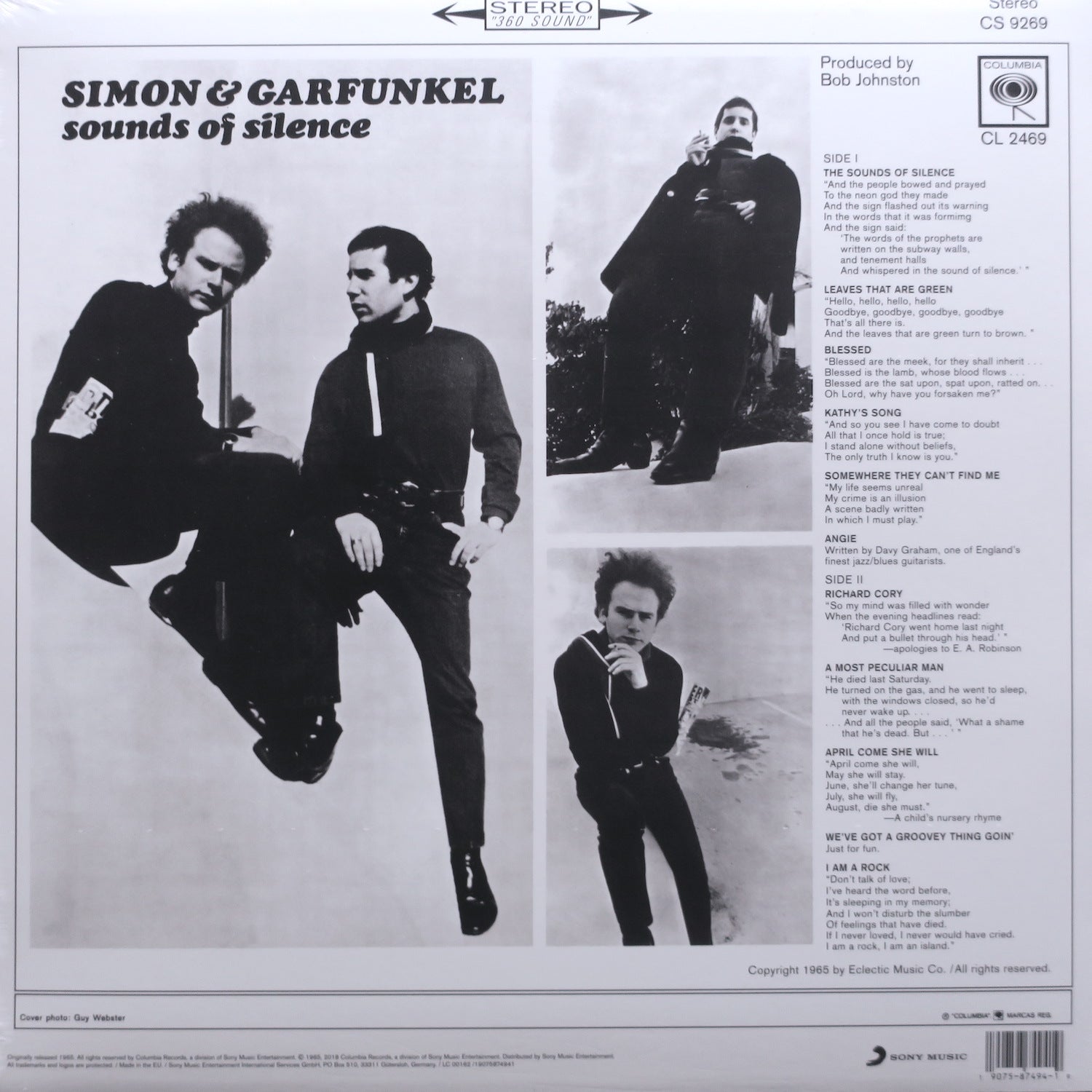
Rooted in the Greenwich Village folk scene, Paul Simon's songwriting and Art Garfunkel's luminous tenor were an unusual match. Early recordings on Wednesday Morning, 3 A.M. show raw folk clarity, but the career-turning moment came when producer Tom Wilson overdubbed electric instruments to their acoustic demo of 'The Sound of Silence'—a studio move that pushed them into the folk-rock mainstream and connected them to the same era as Bob Dylan and Peter, Paul and Mary. That blend of folk authenticity and pop ambition became their signature.
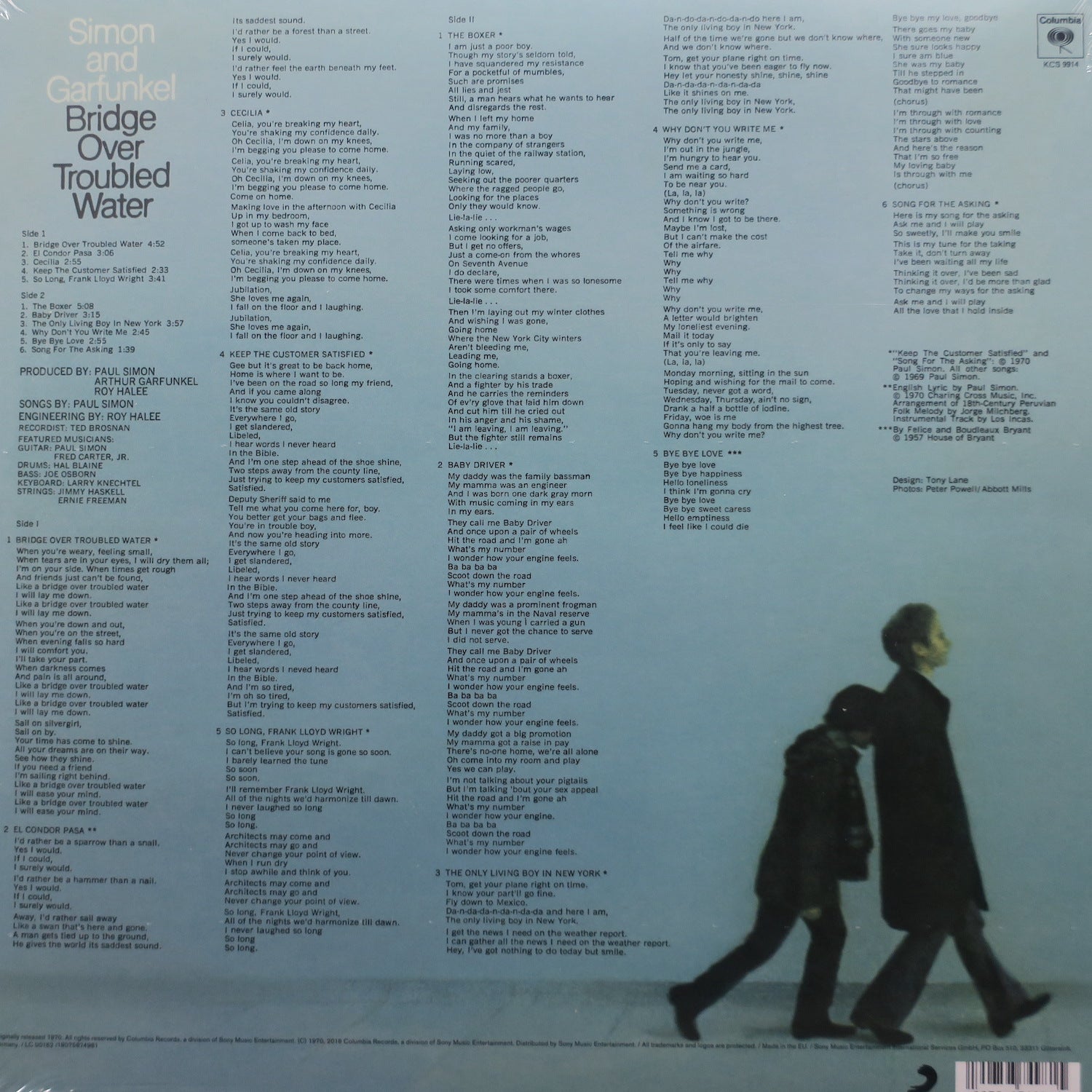
Across albums like Parsley, Sage, Rosemary and Thyme and Bookends the duo combined narrative songwriting with inventive arrangements. Roy Halee's engineering and production helped translate Simon's literate, image-rich songs into layered studio pieces—string charts, choral textures and subtle studio effects elevated otherwise spare songs without betraying their intimacy. The Everly Brothers' influence on close harmony can be heard in their phrasing, while traditional material such as 'Scarborough Fair' got reimagined rather than simply covered.
Tension between collaboration and individual impulse defined their later story: the breakup cleared the way for Paul Simon's solo explorations (notably Graceland, which expanded folk-pop into global rhythms) and for Art Garfunkel's quieter solo career and acting work. The scope of their songs is evident in the covers and interpretations that followed—Aretha Franklin's take on 'Bridge Over Troubled Water' shows how their material could cross stylistic borders.
For new listeners, begin with Sounds of Silence to hear the folk-to-folk-rock shift, then Bridge Over Troubled Water for the duo at full expressive reach. Their records remain compelling because they marry conversational songwriting with arrangements that push those conversations into something almost universal.