Vashti Bunyan
There are few musical comebacks that feel as quietly miraculous as Vashti Bunyan’s: a singer who made one delicate, weathered album, left music to live a rural life, and was rediscovered decades later when a new folk generation demanded to hear her work.
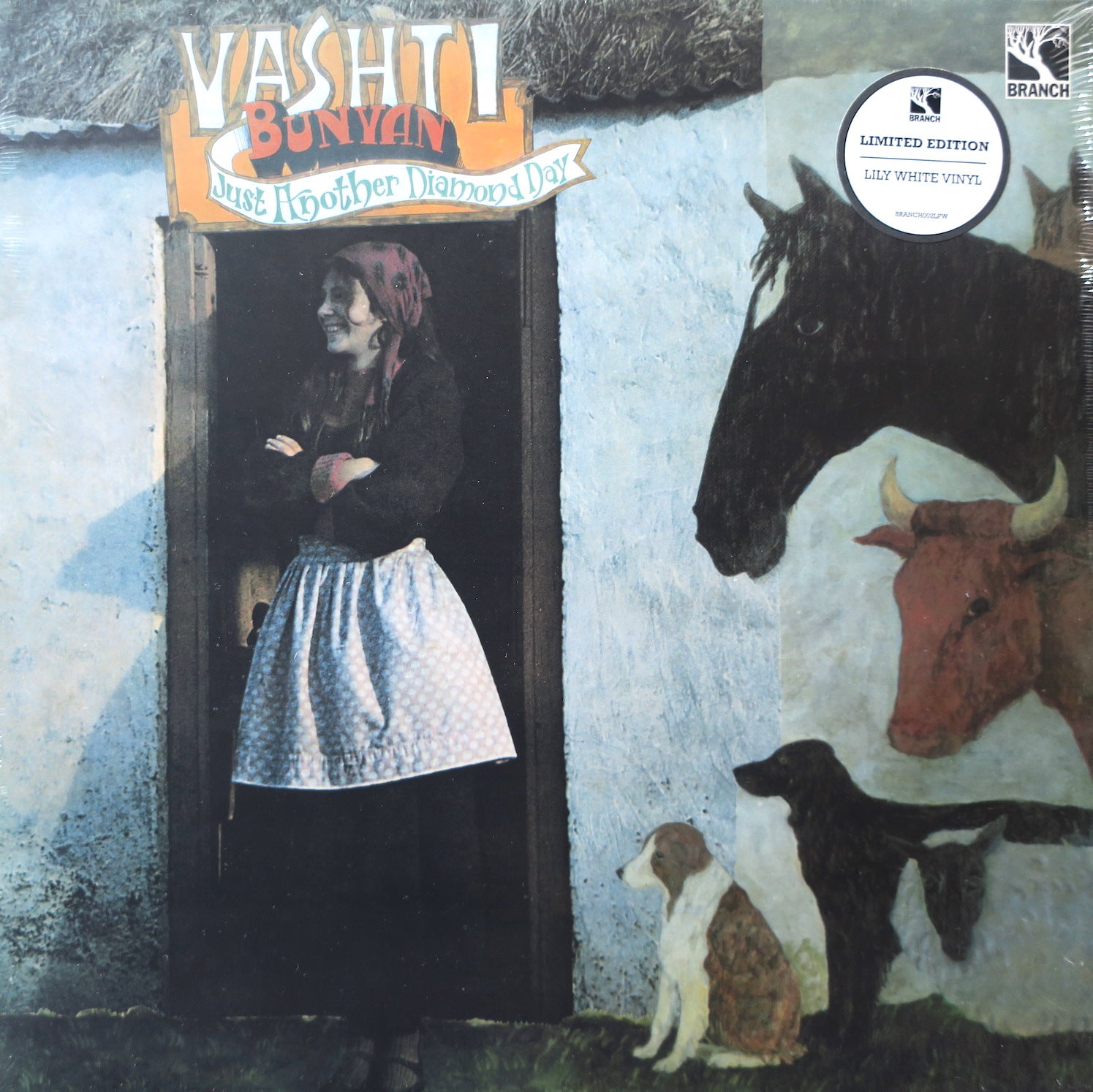
Just Another Diamond Day (1970) is at the heart of Bunyan’s story. Recorded after a horse-drawn caravan tour through the British countryside, the album’s lean arrangements, plainspoken lyrics and airy vocal delivery create a vivid sense of place — it reads like a travelogue set to guitar. Its failure to find an audience at the time turned Bunyan into an almost mythical footnote of the British folk scene, but those apparent shortcomings are part of what makes the record special: unvarnished songs that resist studio gloss and invite close listening.
The early single "Some Things Just Stick in Your Mind," written by Mick Jagger and Keith Richards, points to Bunyan’s odd position between mainstream pop and underground folk. She was never comfortably pigeonholed: her music sits somewhere between traditional acoustic balladry and the pastoral, slightly psychedelic approaches that other late-1960s British artists were exploring.
Bunyan’s revival in the 2000s says as much about changing audiences as it does about the material itself. Young artists such as Devendra Banhart and Joanna Newsom championed her work, and that attention led to a return to recording with Lookaftering (2005) and later Heartleap (2014). Those records keep her core qualities — intimate voice, spare arrangements, close attention to nature and memory — while embracing subtle modern production and sympathetic collaborators.
For newcomers, start with Just Another Diamond Day, then hear how Lookaftering translates the same sensibility through a 21st-century lens. Listeners who enjoy pastoral or psychedelic-tinged folk from both the 1960s and today will find Bunyan a connective, quietly powerful presence: a songwriter whose small, stubborn songs have quietly reshaped how many people hear modern folk.