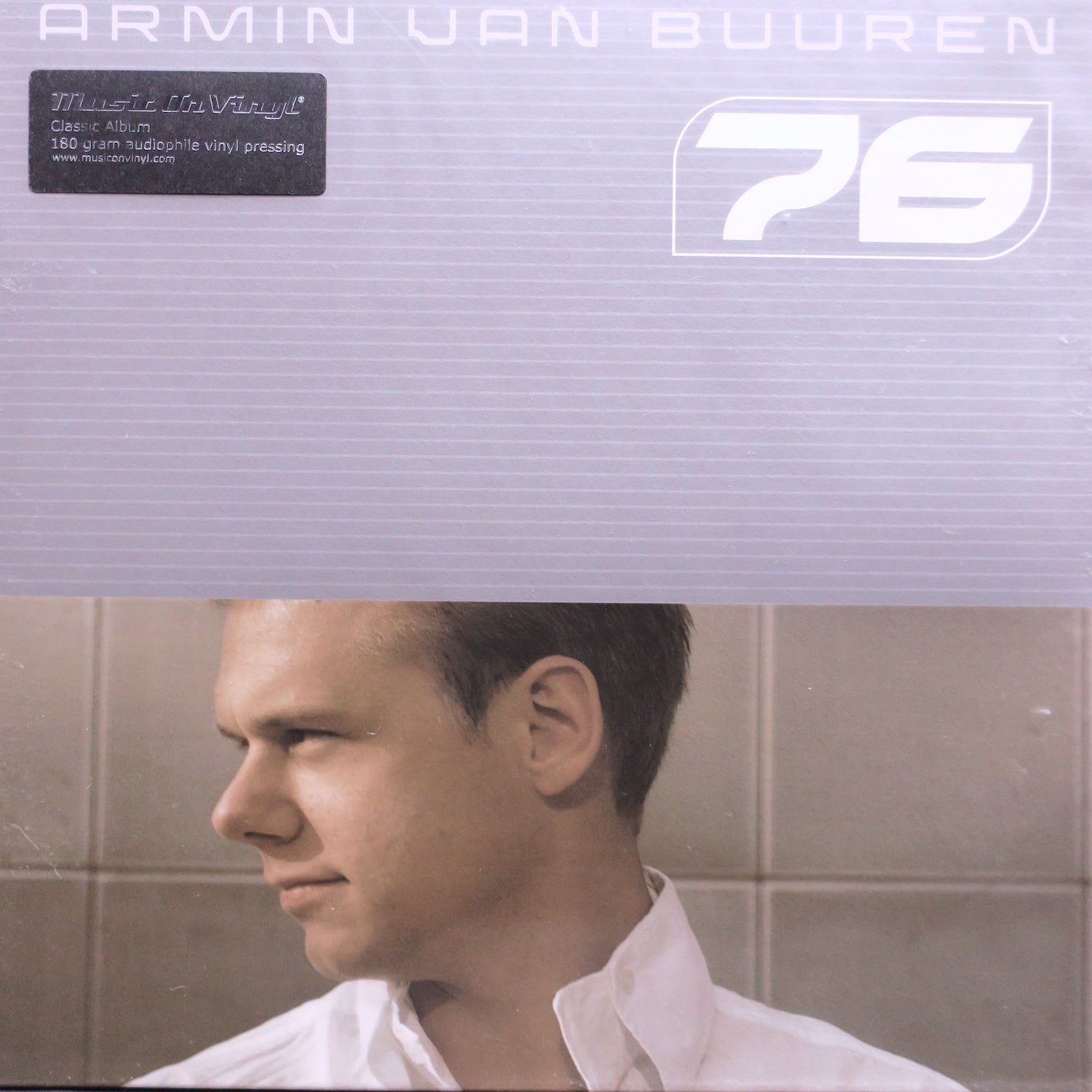
Armin Van Buuren
Armin van Buuren's career is as much about curation as it is about production: a weekly radio show, A State of Trance, became a global platform that shaped what millions think of as modern trance. That ability to translate a live-DJ energy into a narrative — building peaks, introducing vocal hooks, and threading melodic motifs through extended mixes — is what separates his records from one-off club singles.
Early albums such as 76 and Shivers show an artist learning to marry shimmering synth arpeggios with emotional songwriting. Imagine and Mirage mark Armin moving confidently between club-focused instrumentals and radio-ready vocal tracks; songs like "In and Out of Love" (featuring Sharon den Adel) and "This Is What It Feels Like" (featuring Trevor Guthrie) opened trance to pop audiences without losing the genre's uplifting drive. Those vocal collaborations are not throwaway pop moves but deliberate attempts to expand trance's storytelling possibilities.
Production-wise, Armin sits at the crossroads between trance purism and progressive house textures. His mixes often favor long builds and euphoric breakdowns, but there is also a careful ear for arrangement and pacing inherited from the Dutch trance scene. That scene — represented by peers and predecessors like Paul van Dyk, Ferry Corsten and Tiësto — provided both a competitive environment and a shared vocabulary: soaring pads, bright leads and dramatic crescendos.
Beyond studio albums, Armin's influence is institutional. Armada Music, the label he co-founded, plus the A State of Trance tours and festival stages, helped create a career model for DJs who wanted to be both tastemakers and headline acts. At the same time, acts like Above & Beyond show how melodic trance could be presented with anthemic songwriting and emotive live sets — a useful comparison when exploring Armin's more introspective moments.
For new listeners, start with Shivers or Imagine to hear the balance of club prowess and lyrical collaboration, then dive into Mirage and later compilations and A State of Trance mixes to understand his role as a curator. Those records reveal why Armin remains a central figure in trance: he builds experiences that work on the dancefloor and on repeat, long after a set ends.