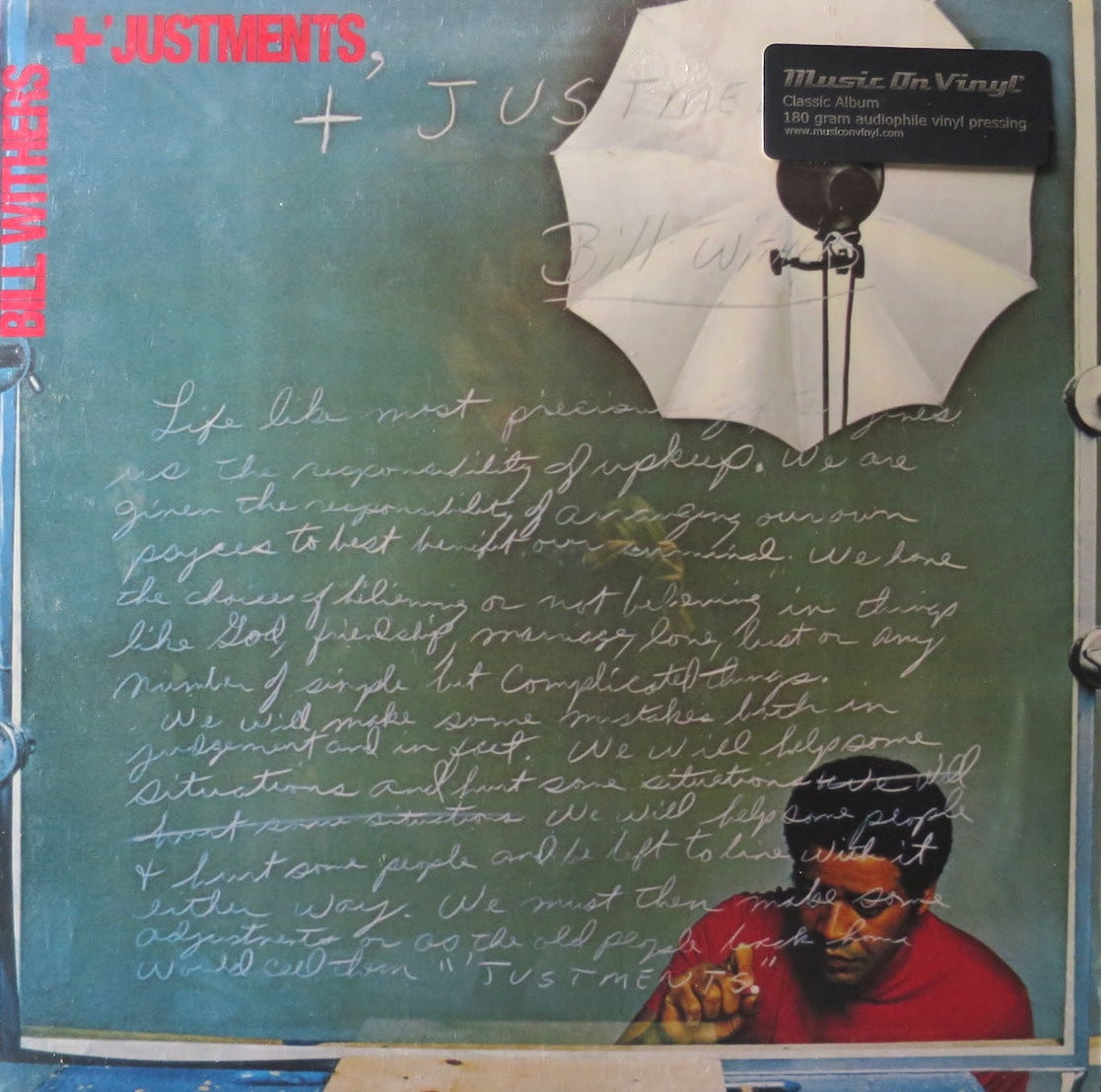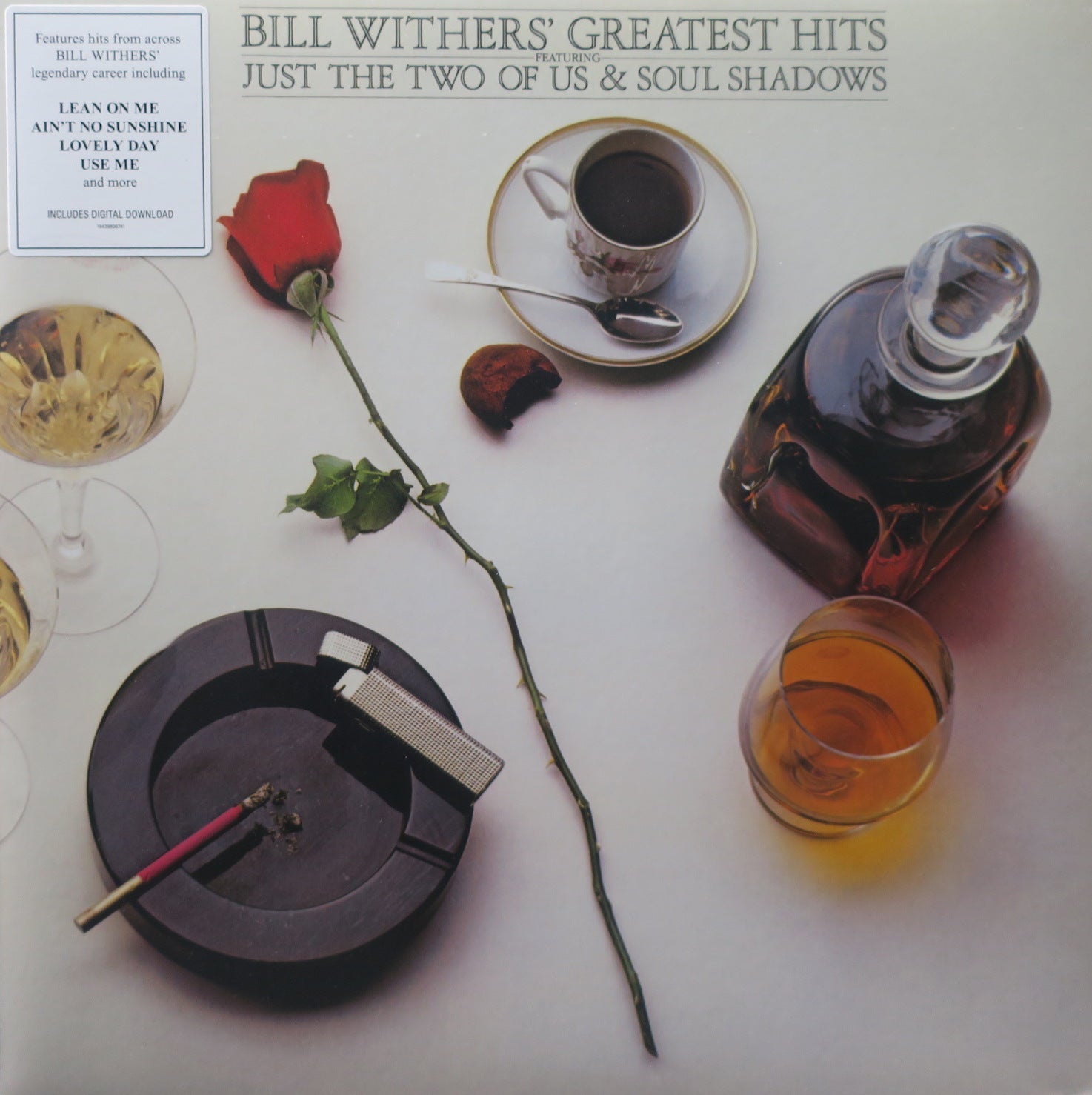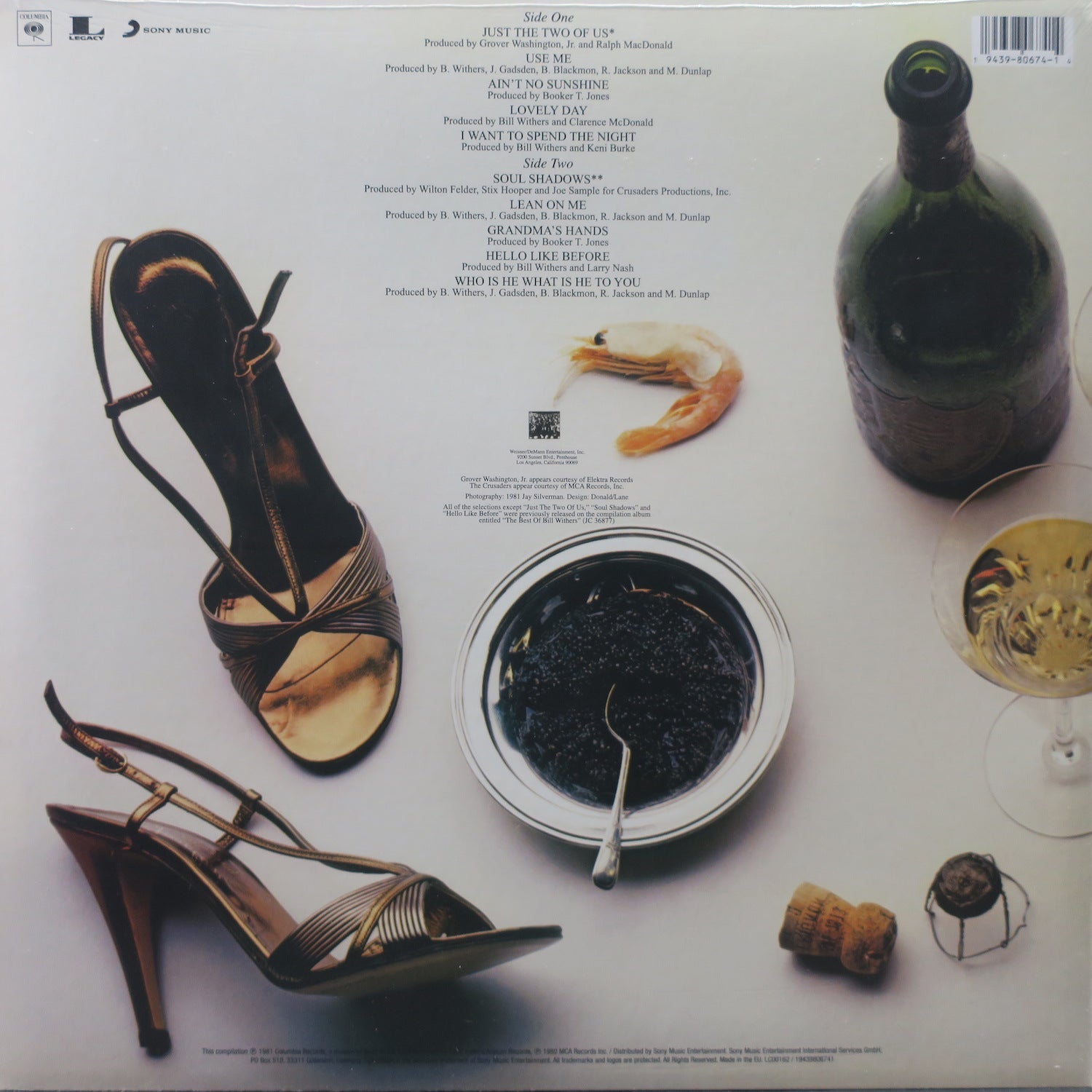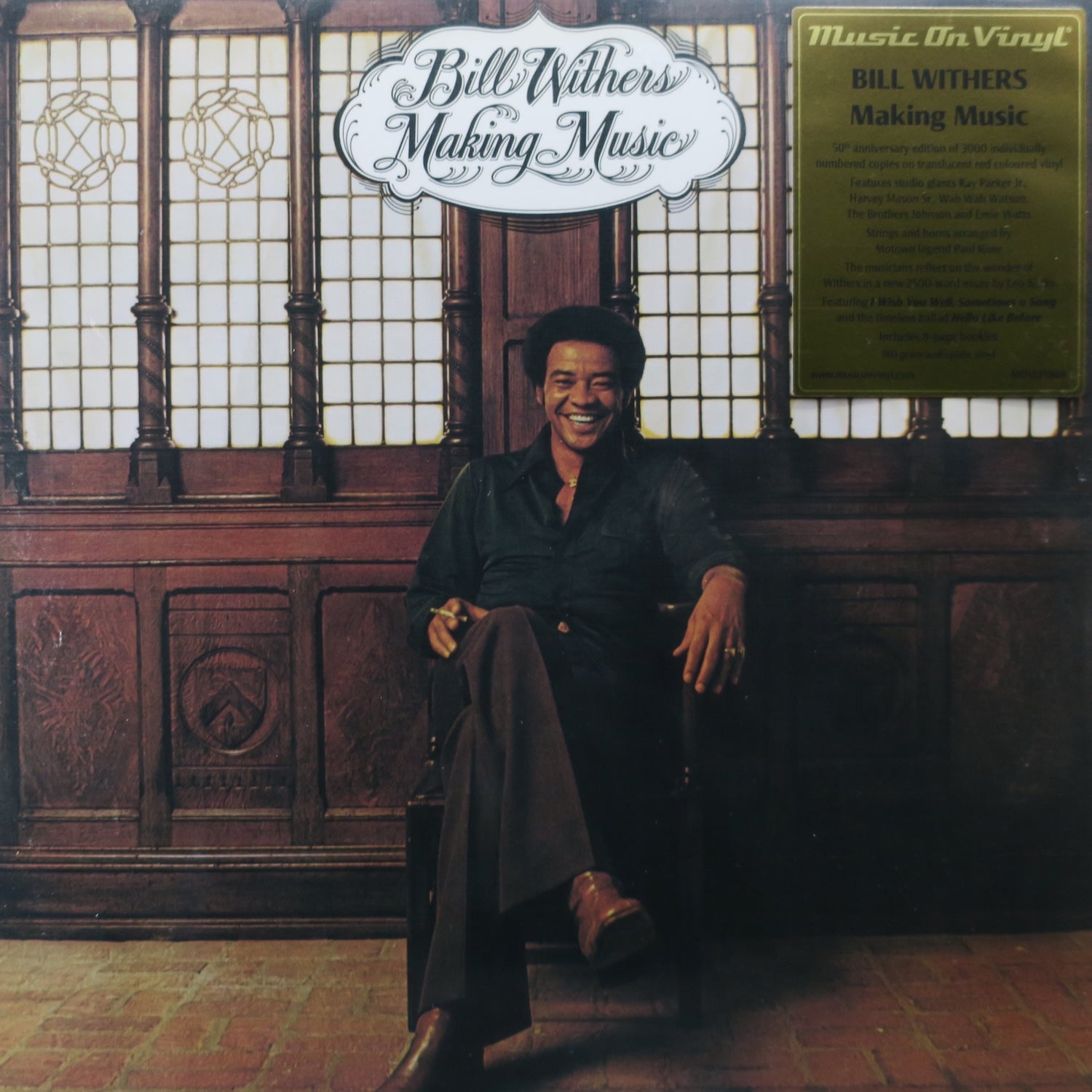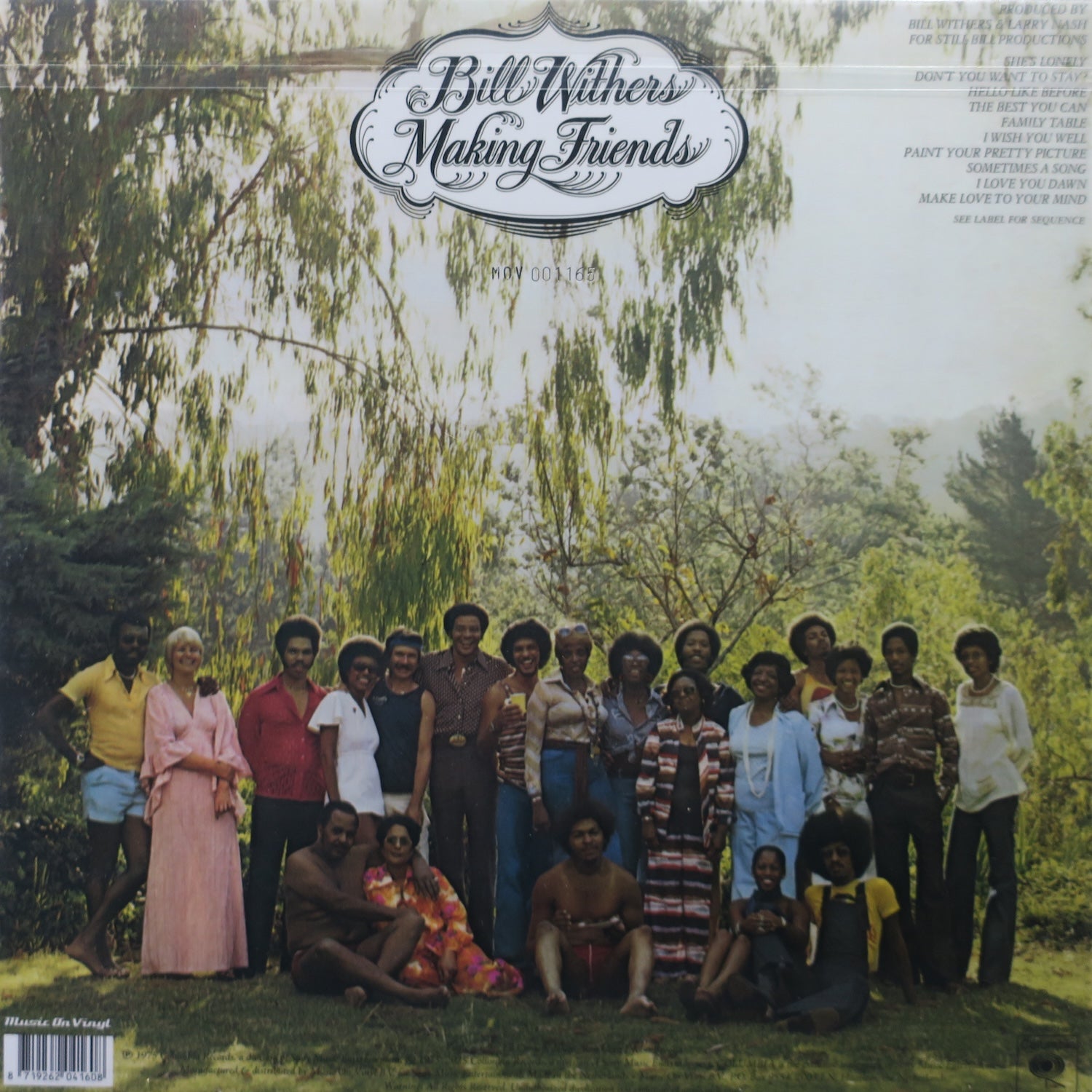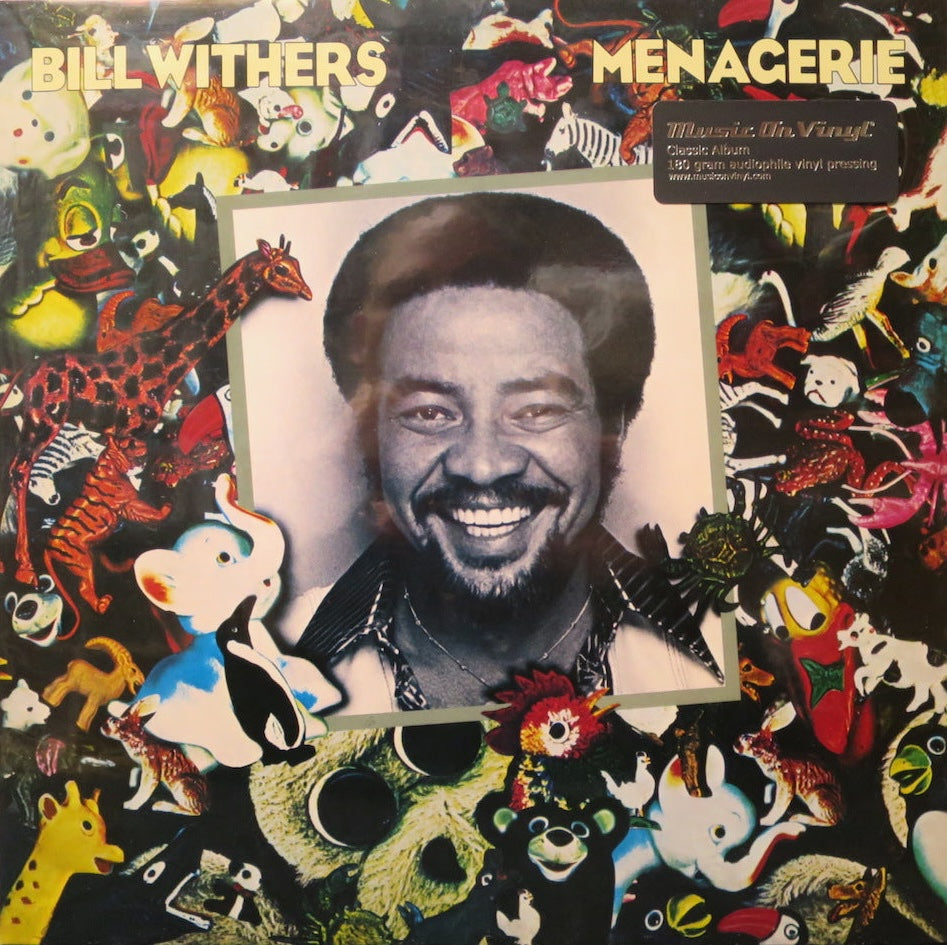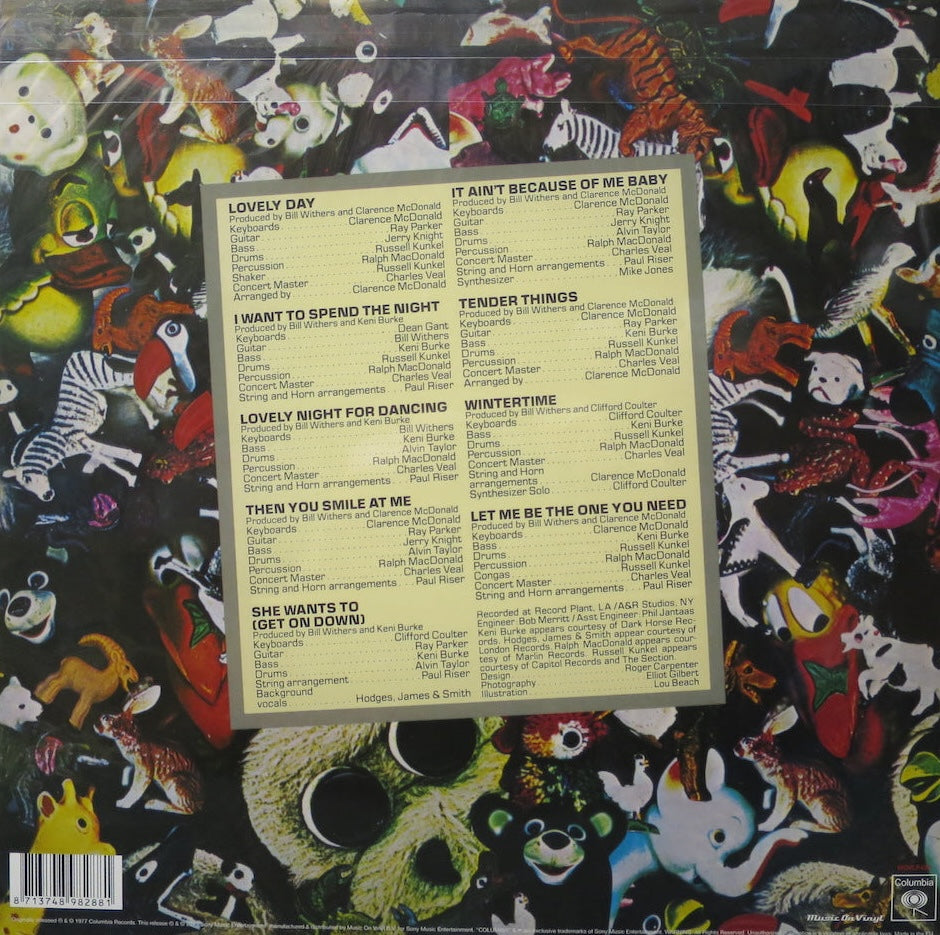
Bill Withers
A three-note vocal hook — the repeated 'I know' of 'Ain't No Sunshine' — captures Bill Withers' talent for turning tiny musical gestures into lasting emotional moments. That economy of phrase and the conversational intimacy of his delivery allowed Withers to bridge gospel-rooted soul, spare singer-songwriter storytelling and quietly funky grooves in a way few artists managed in the early 1970s.
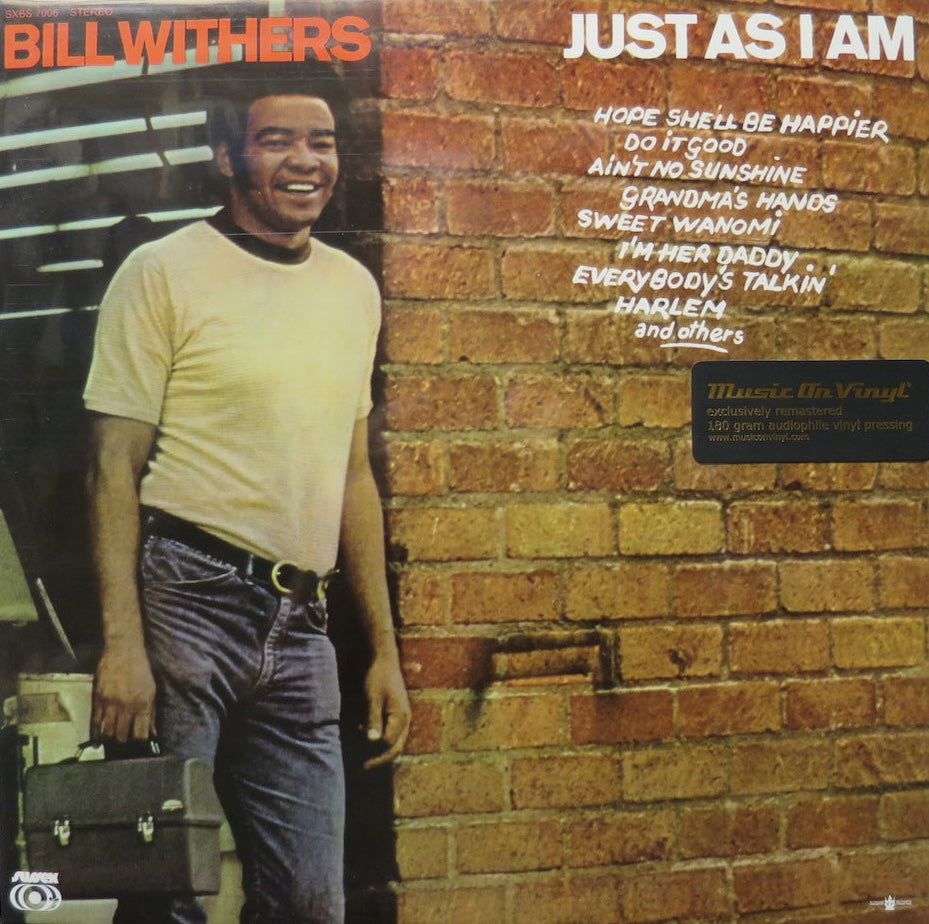
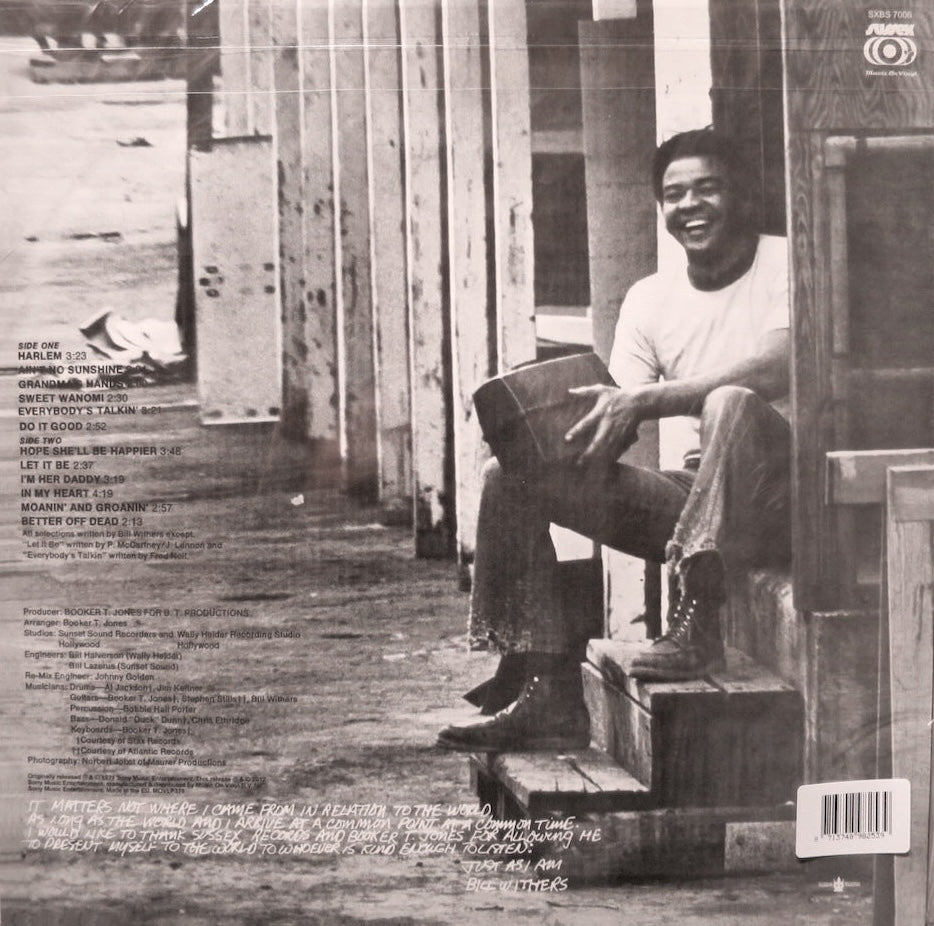
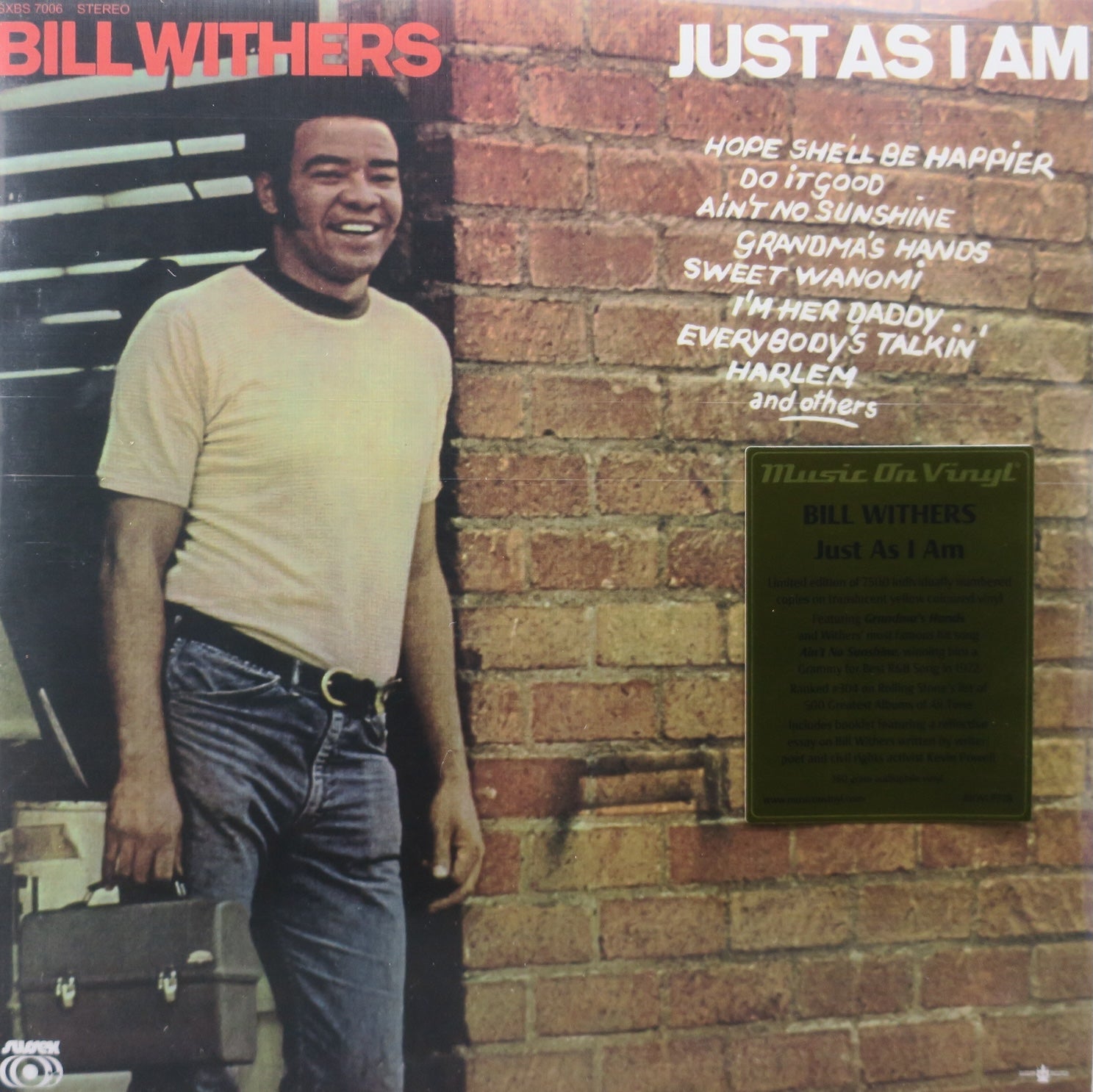
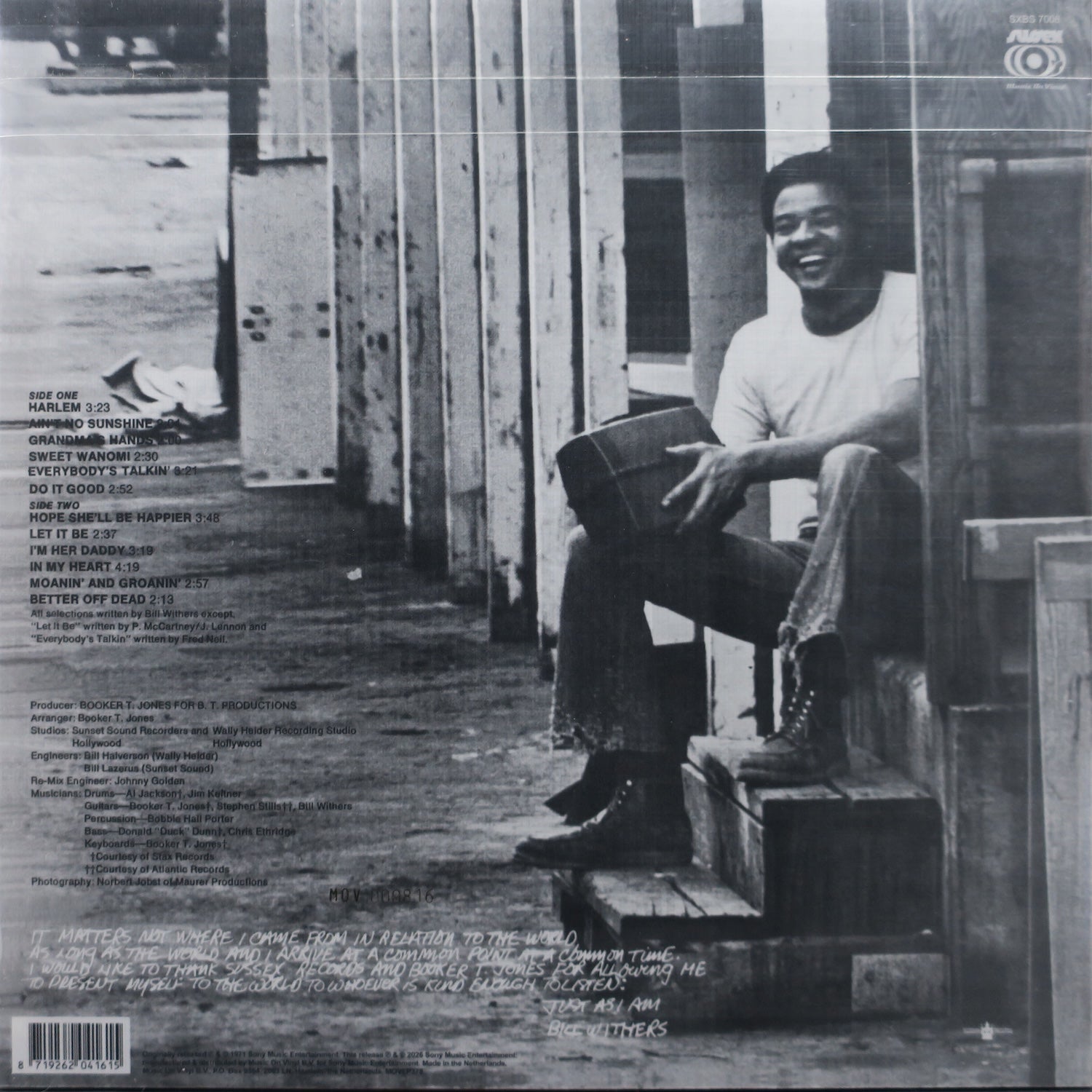
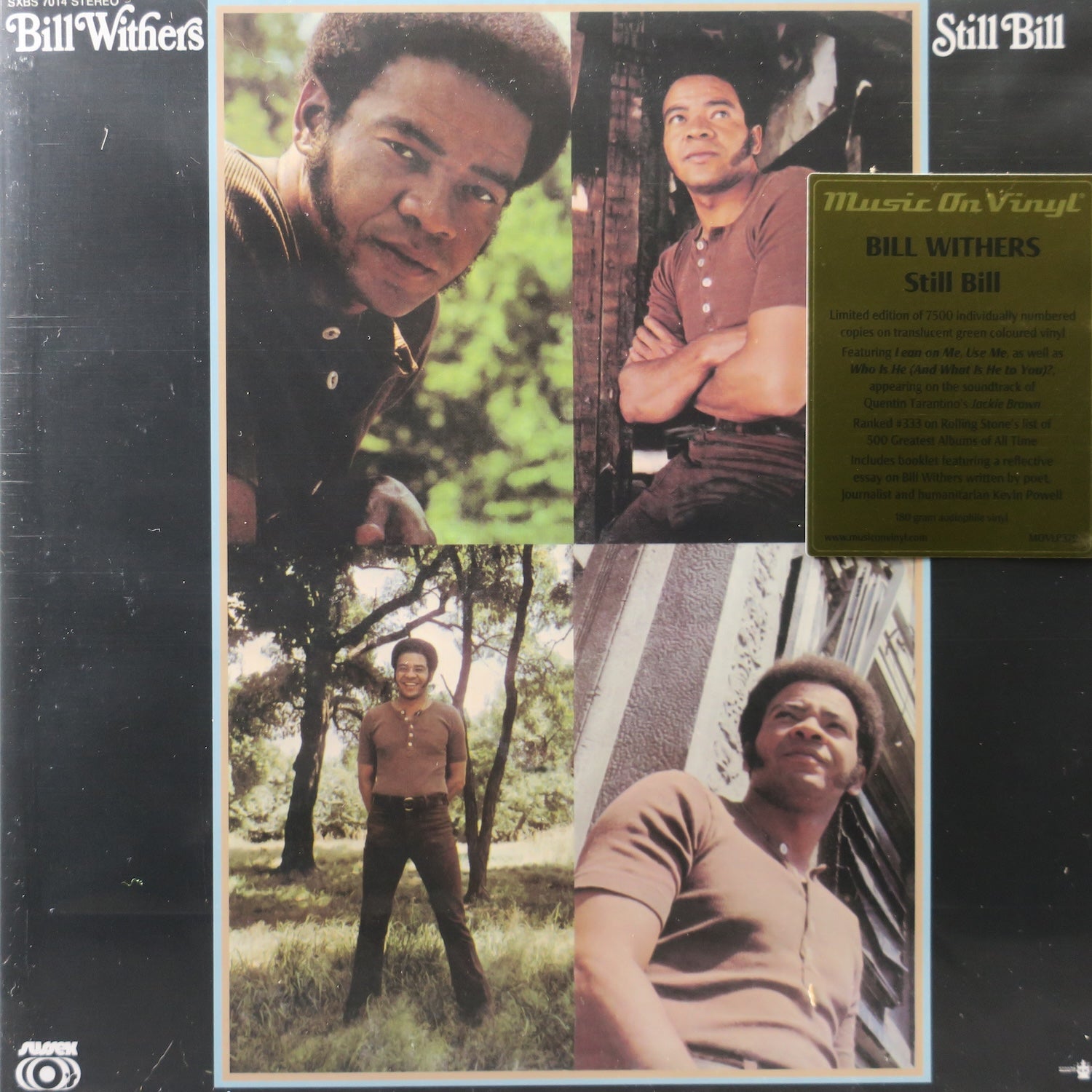
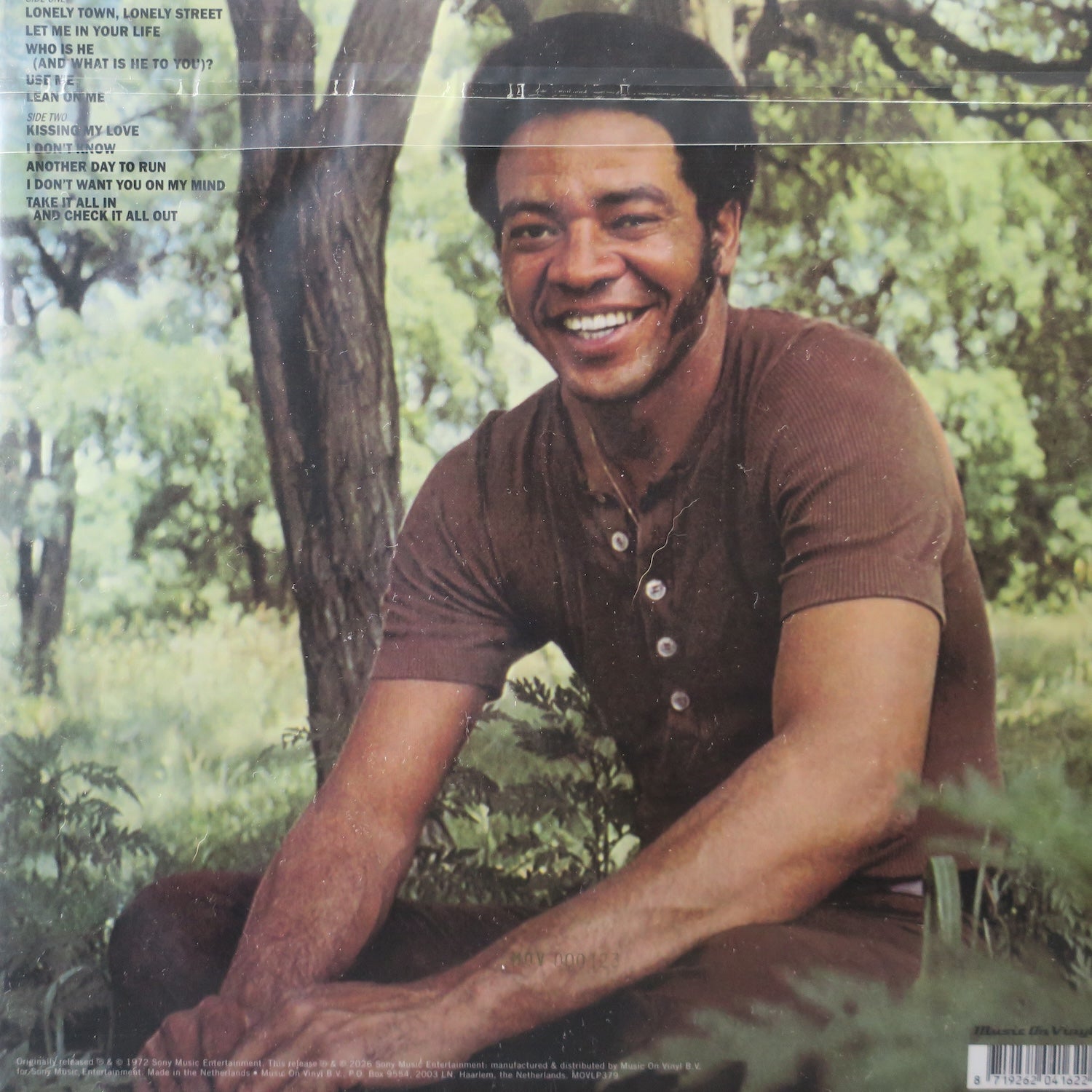
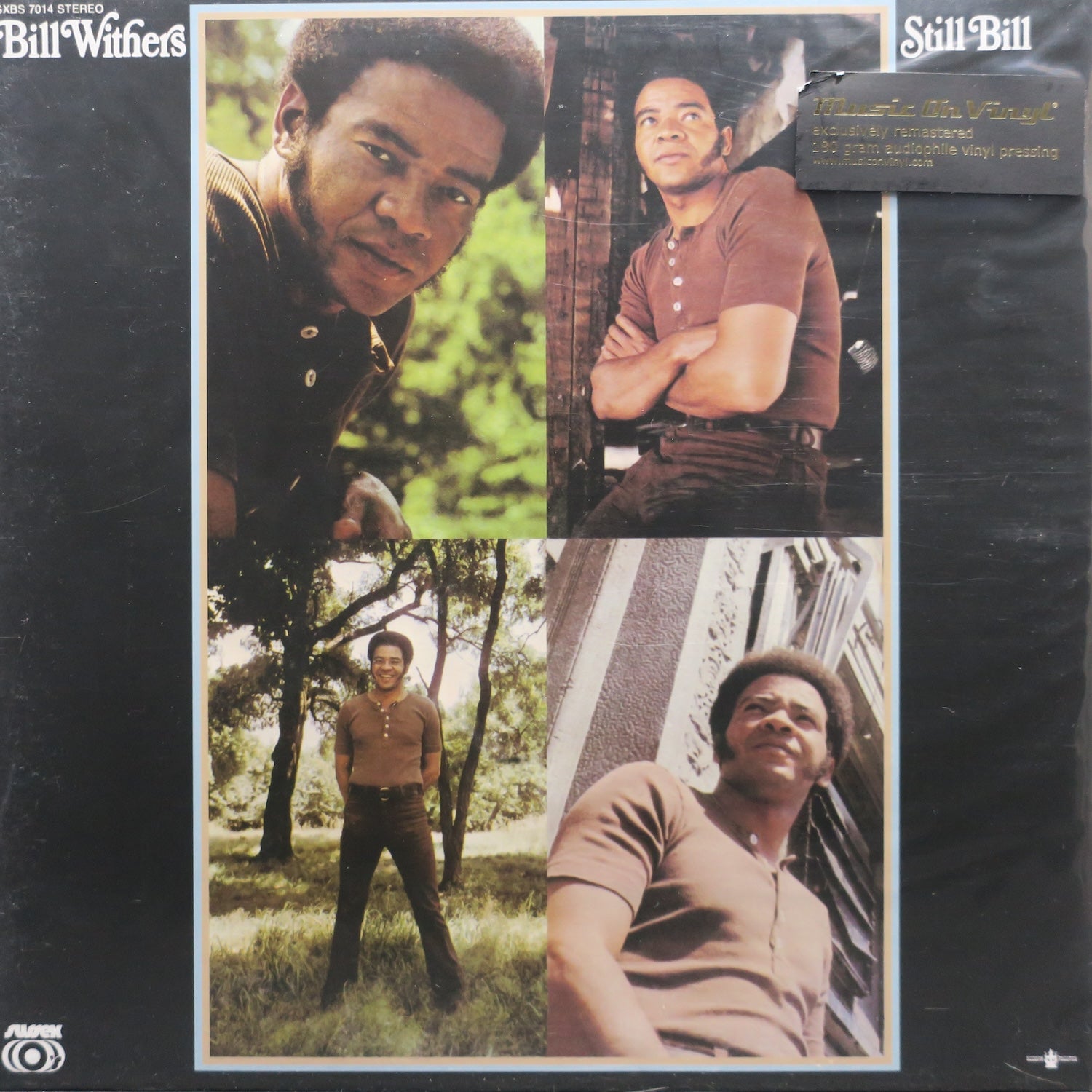
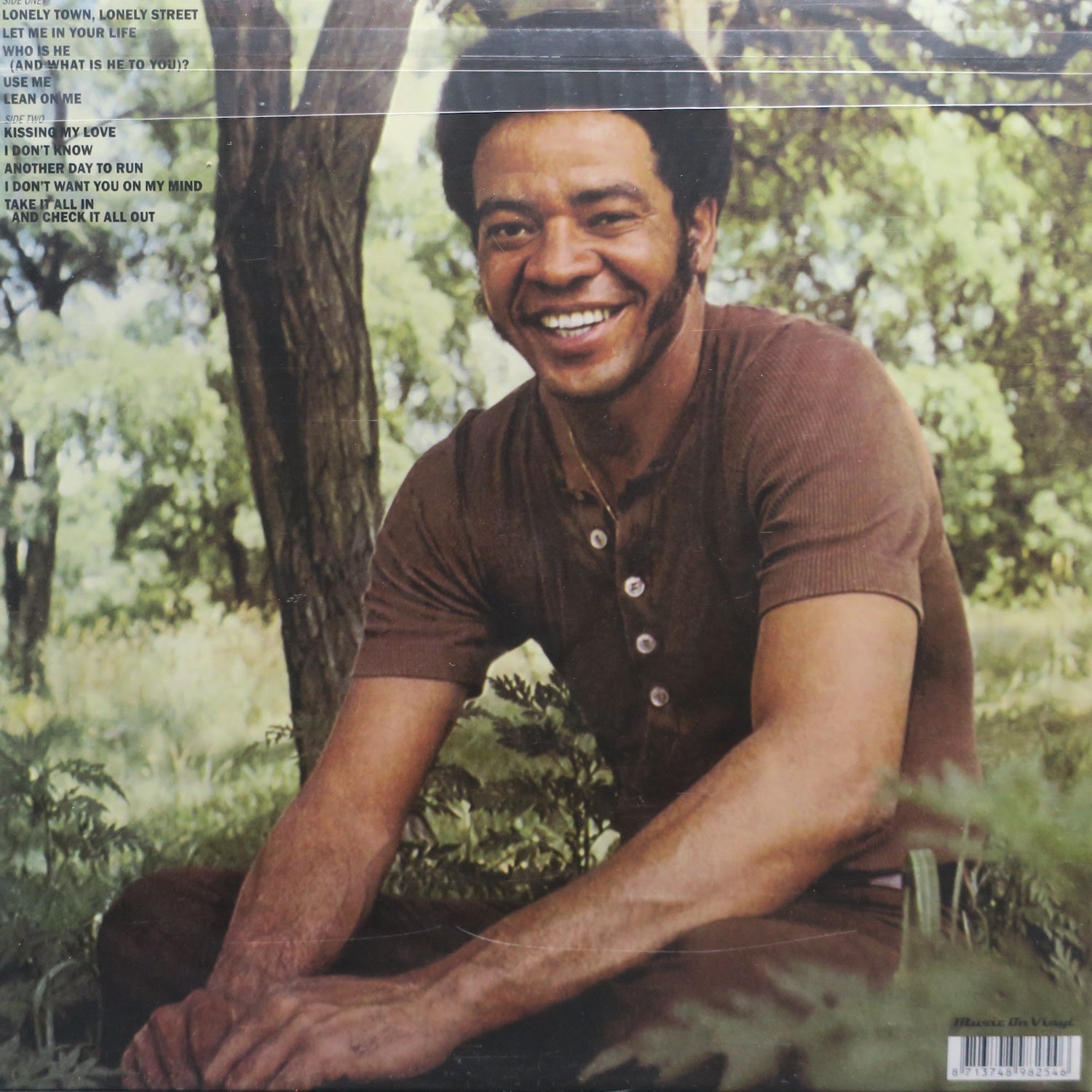
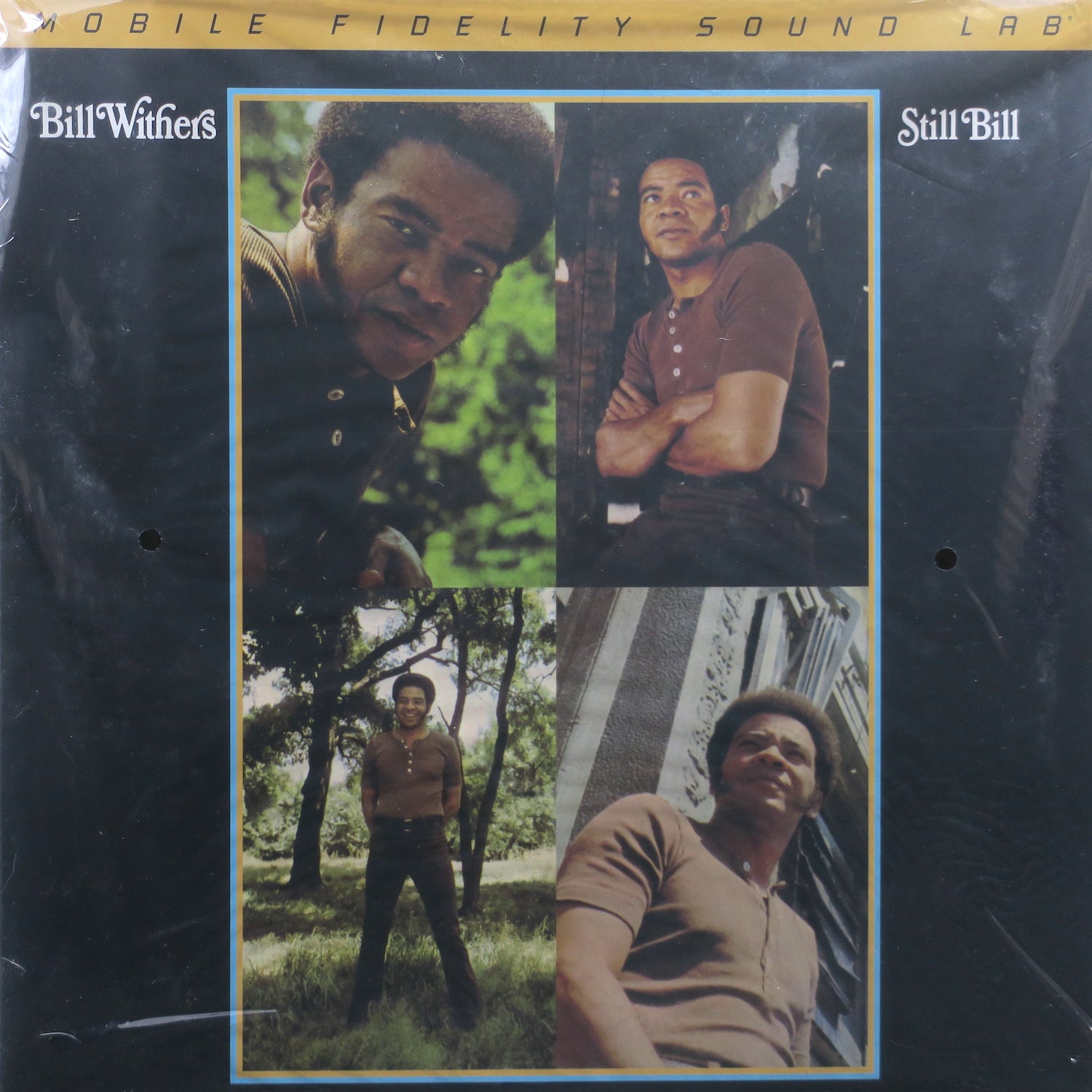
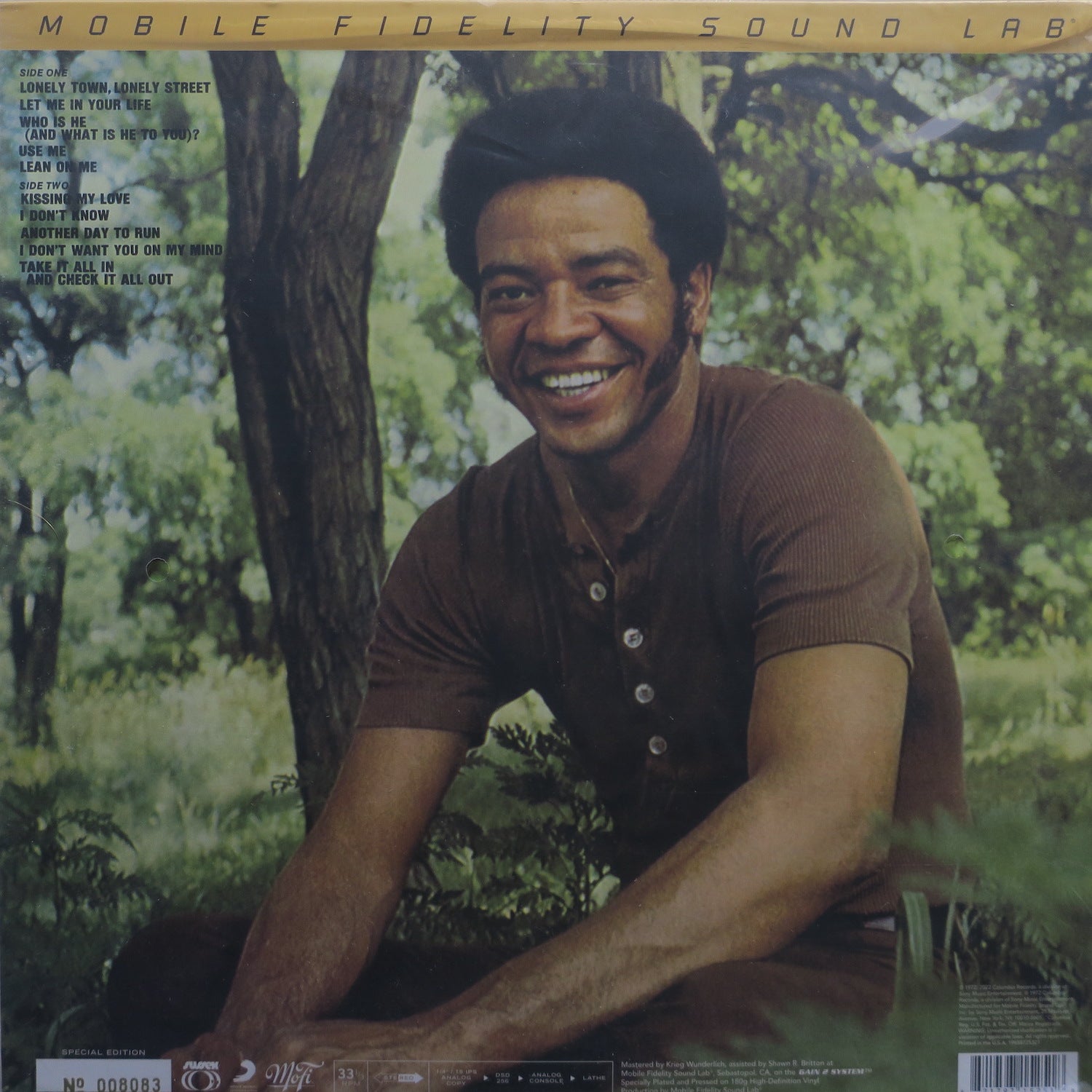
Withers didn't arrive through the usual industry channels: after a Navy stint and factory work, he recorded his debut, Just As I Am, with producer Booker T. Jones. The result felt lived-in rather than manufactured — songs like 'Ain't No Sunshine' and 'Grandma's Hands' sounded like memories turned into melody. On Still Bill, Withers leaned into rhythm and personality, producing enduring radio hits such as 'Lean on Me' and 'Use Me' that combined accessible choruses with tough-minded lyrical honesty.
Musically, Withers kept arrangements uncluttered. Tight grooves from players like drummer James Gadson and warm, melodic bass lines left room for Withers' baritone and sharp turns of phrase. Producer Booker T. Jones' understated touch on early records helped preserve that directness rather than overwhelm it with studio gloss. The result was a sound that crossed racial and generational boundaries: deeply rooted in soul and R&B but shaped by folk and pop songcraft.
Withers' songs have had a long afterlife — covered, sampled and reinterpreted across genres. Club Nouveau's 1987 version of 'Lean on Me' turned a small-town ballad into an R&B-pop hit for a new decade. Hip-hop artists and producers have sampled his grooves; generations of singer-songwriters have pointed to his plainspoken lyricism and melodic clarity as a model for writing songs that feel immediate and human.
More than a catalogue of hits, Withers' work matters because it demonstrates how restraint and emotional truth can create universal music. He wrote songs that sound effortless but are built from careful observation and a knack for melody. Exploring albums like Just As I Am and Still Bill — then following into live recordings and later work — reveals an artist who prioritized the song above all else and left a repertoire that keeps finding new listeners and new contexts.