Marvin Gaye
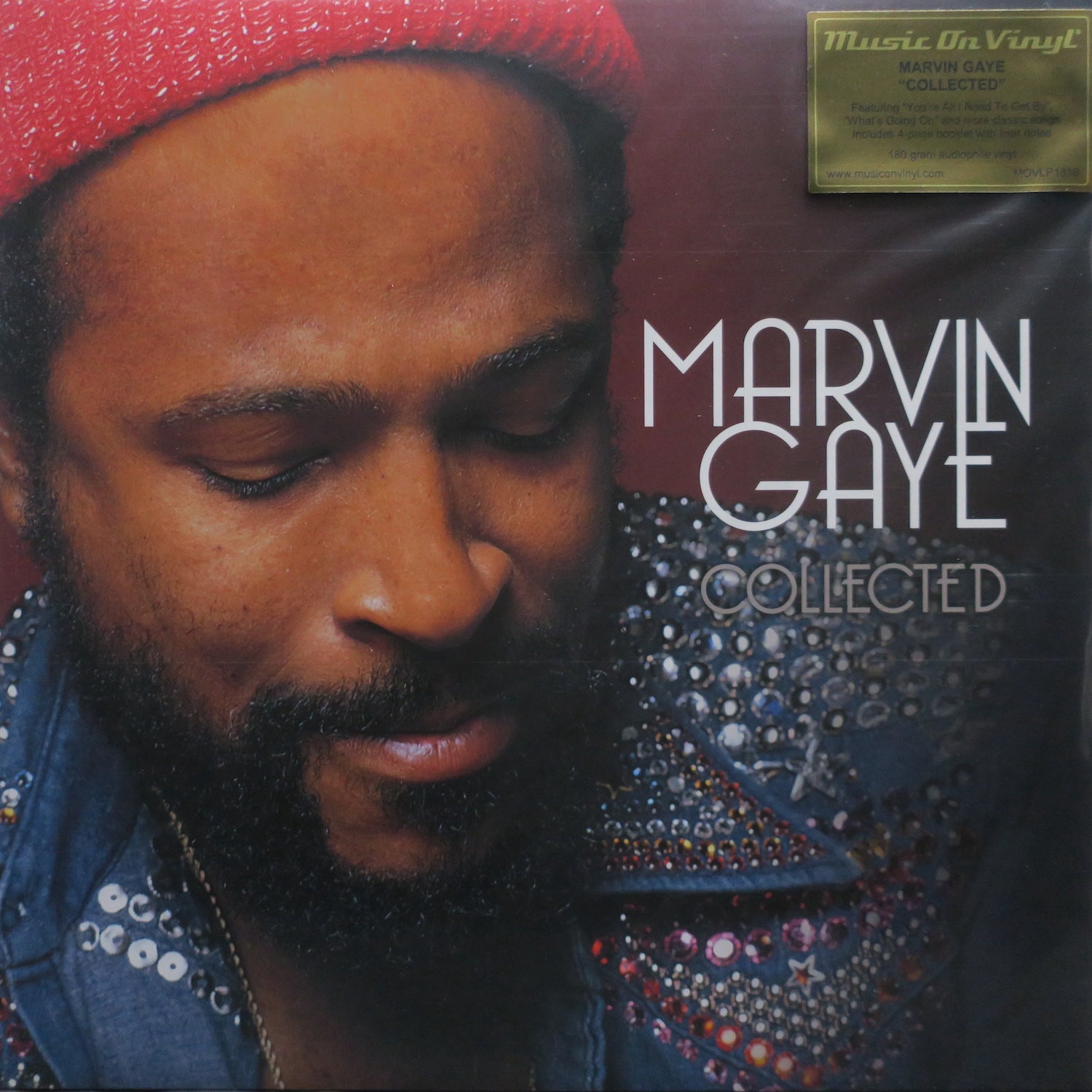
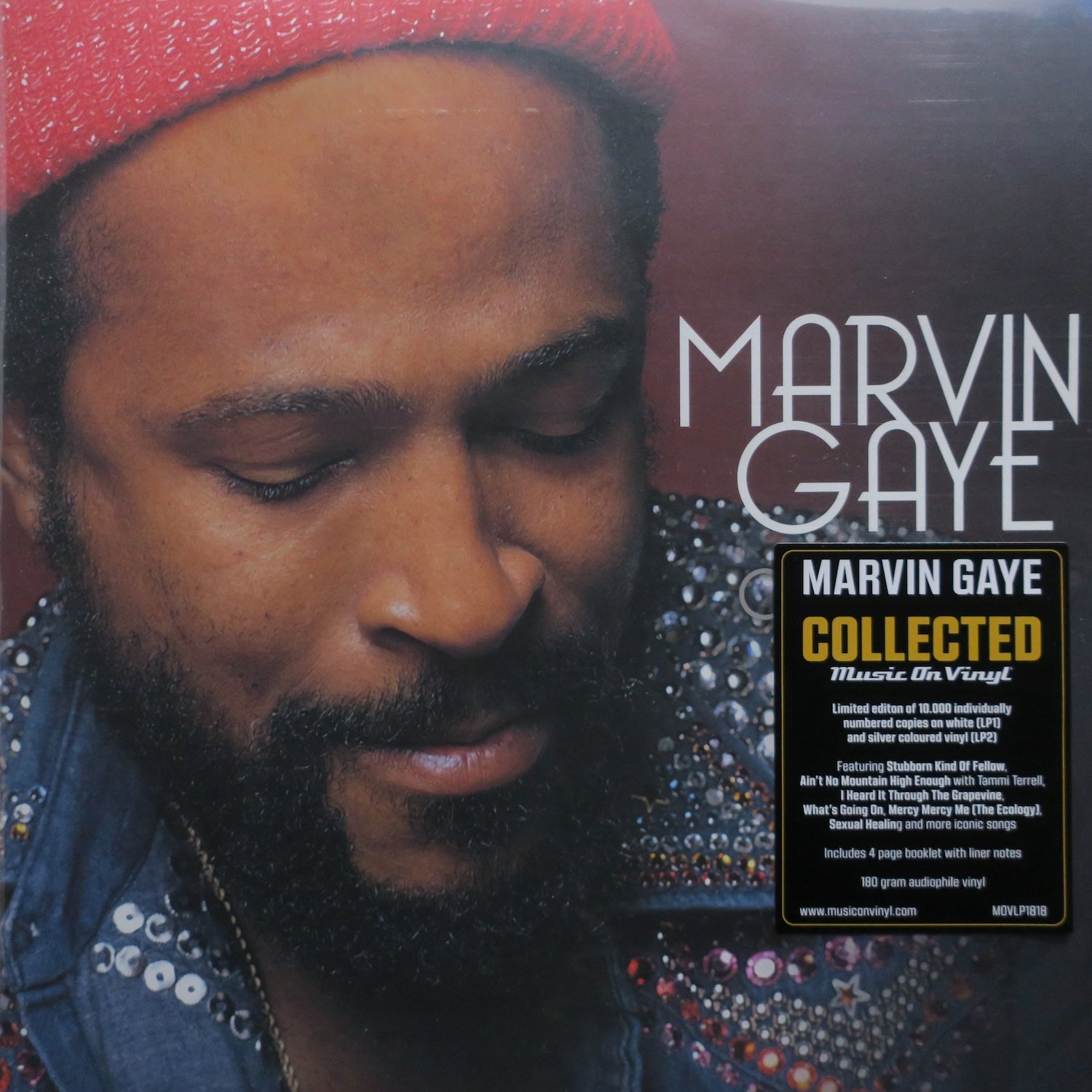
Few voices reorganize a room the way Marvin Gaye's did: a warm baritone that could melt into a breathy falsetto, and a phrasing that made private confession feel universal. That tension—between intimacy and wide social perspective—is what makes Gaye more than a catalog of hit singles. He moved Motown’s polished pop closer to personal politics and adult sensuality, reshaping what 1970s soul could say and who it could speak to.
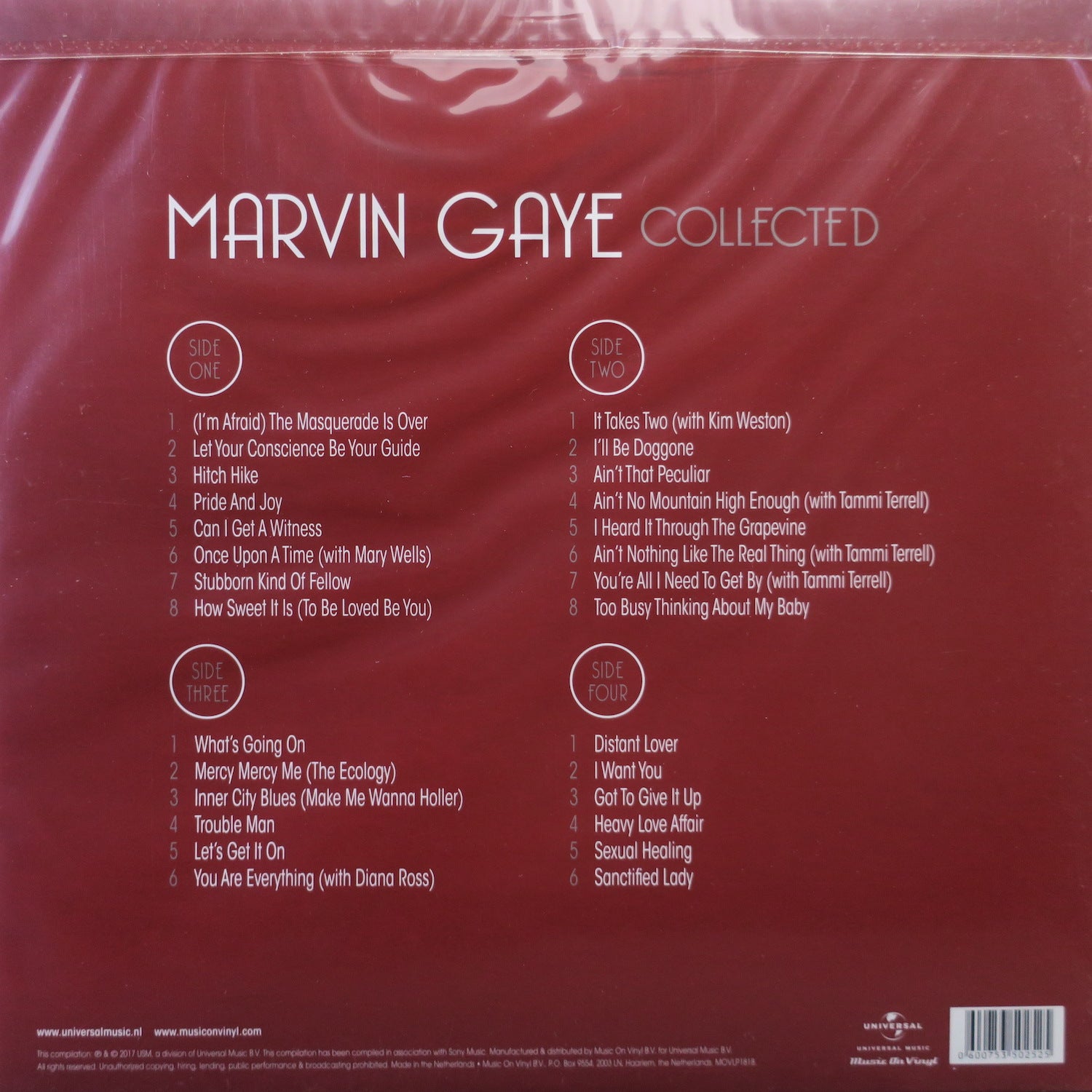
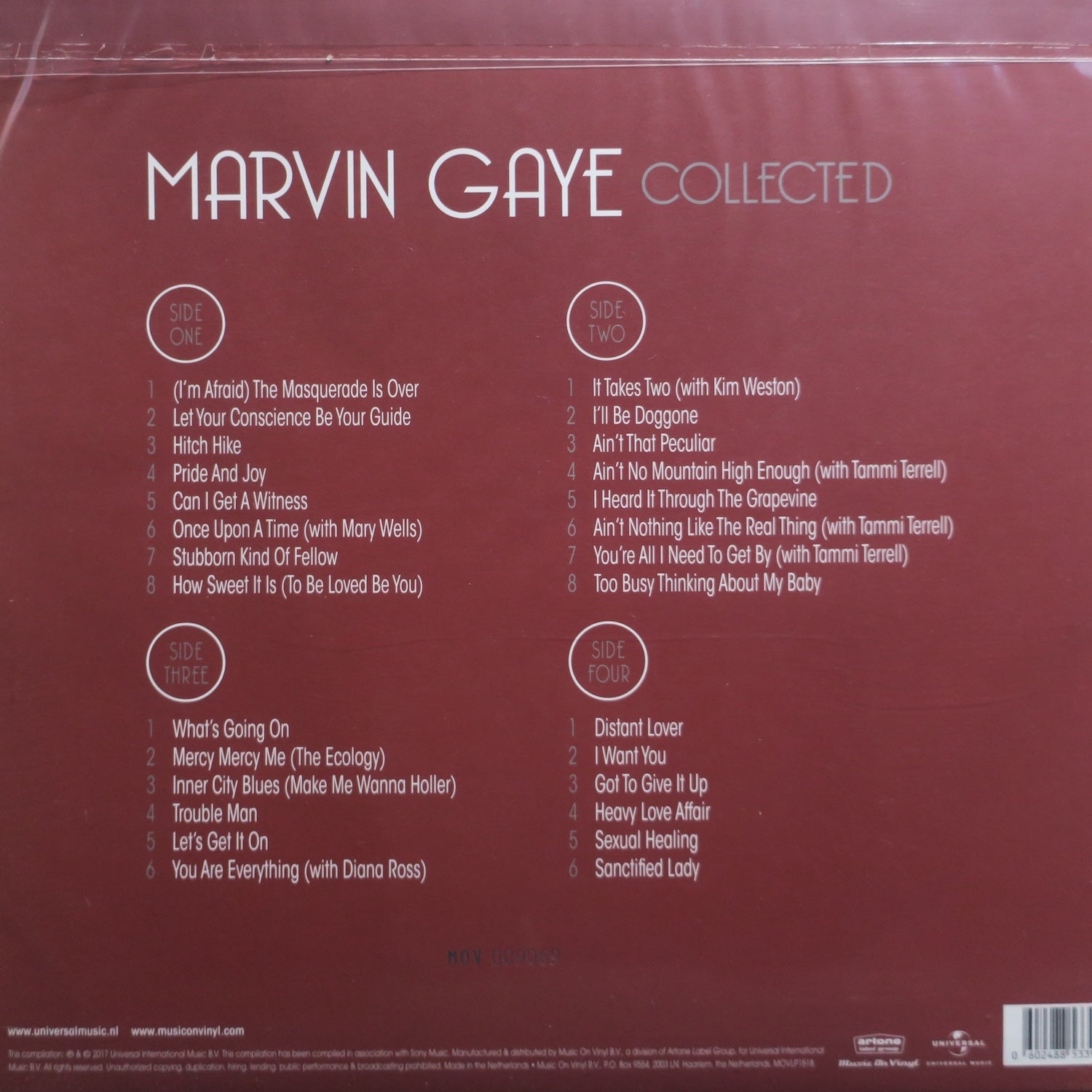
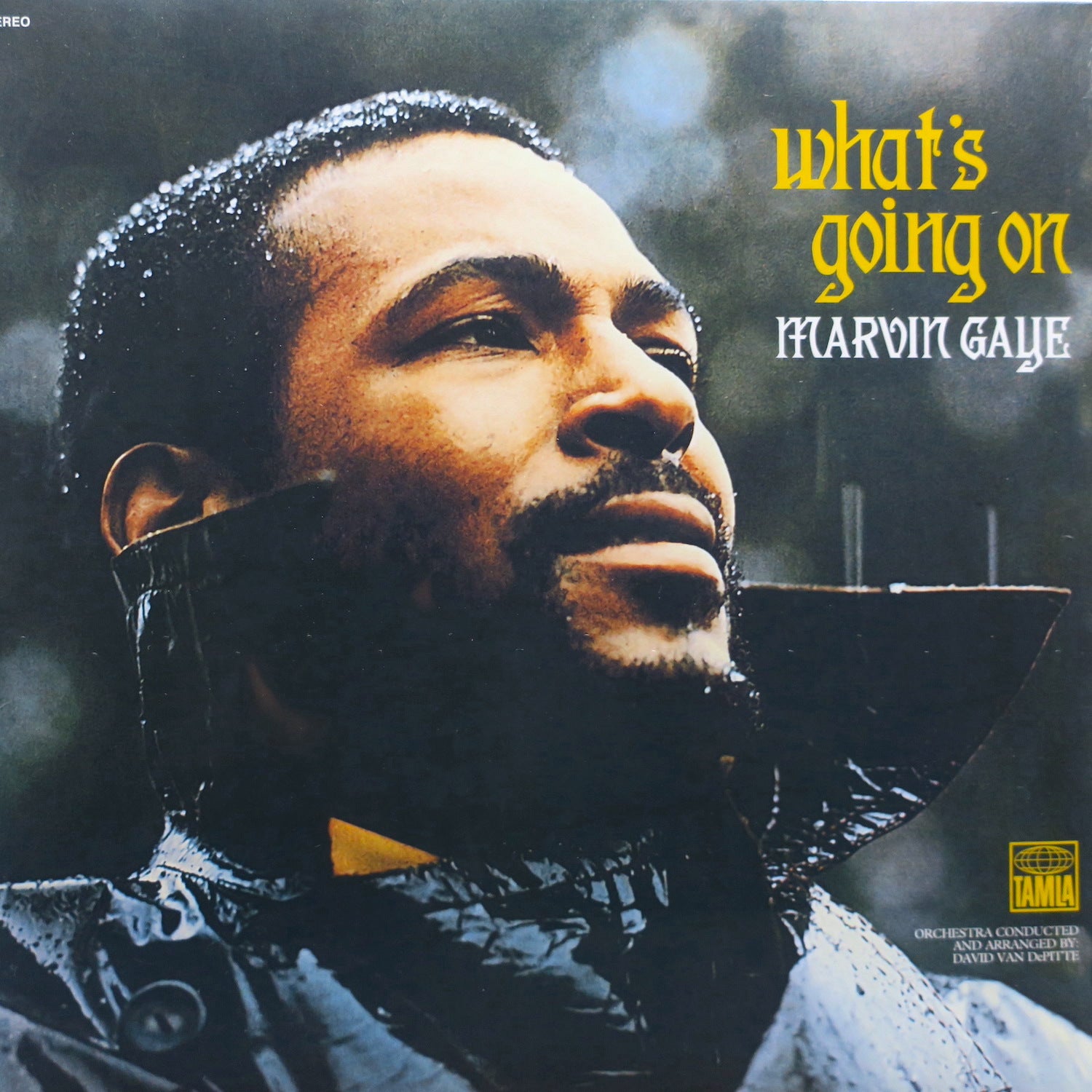
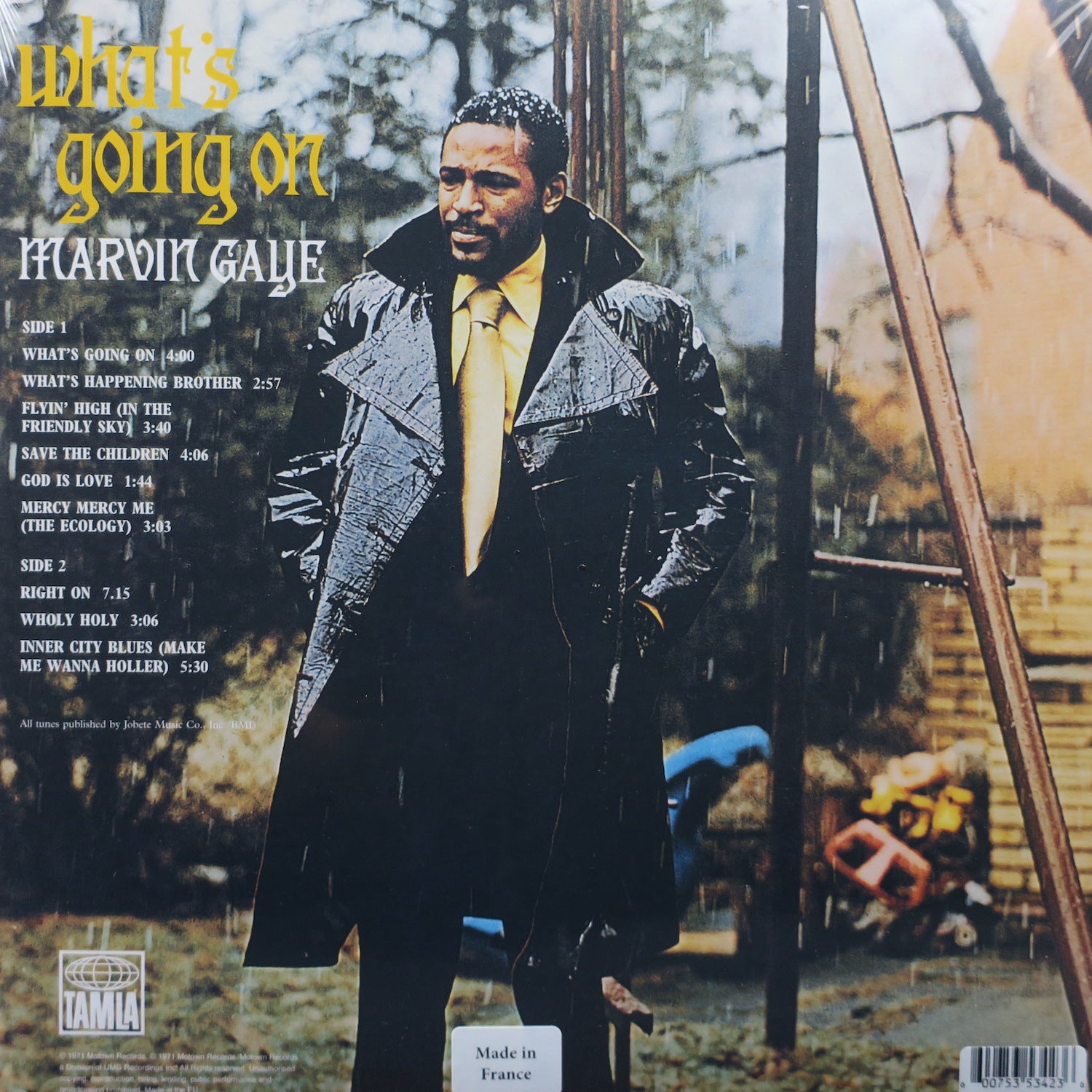
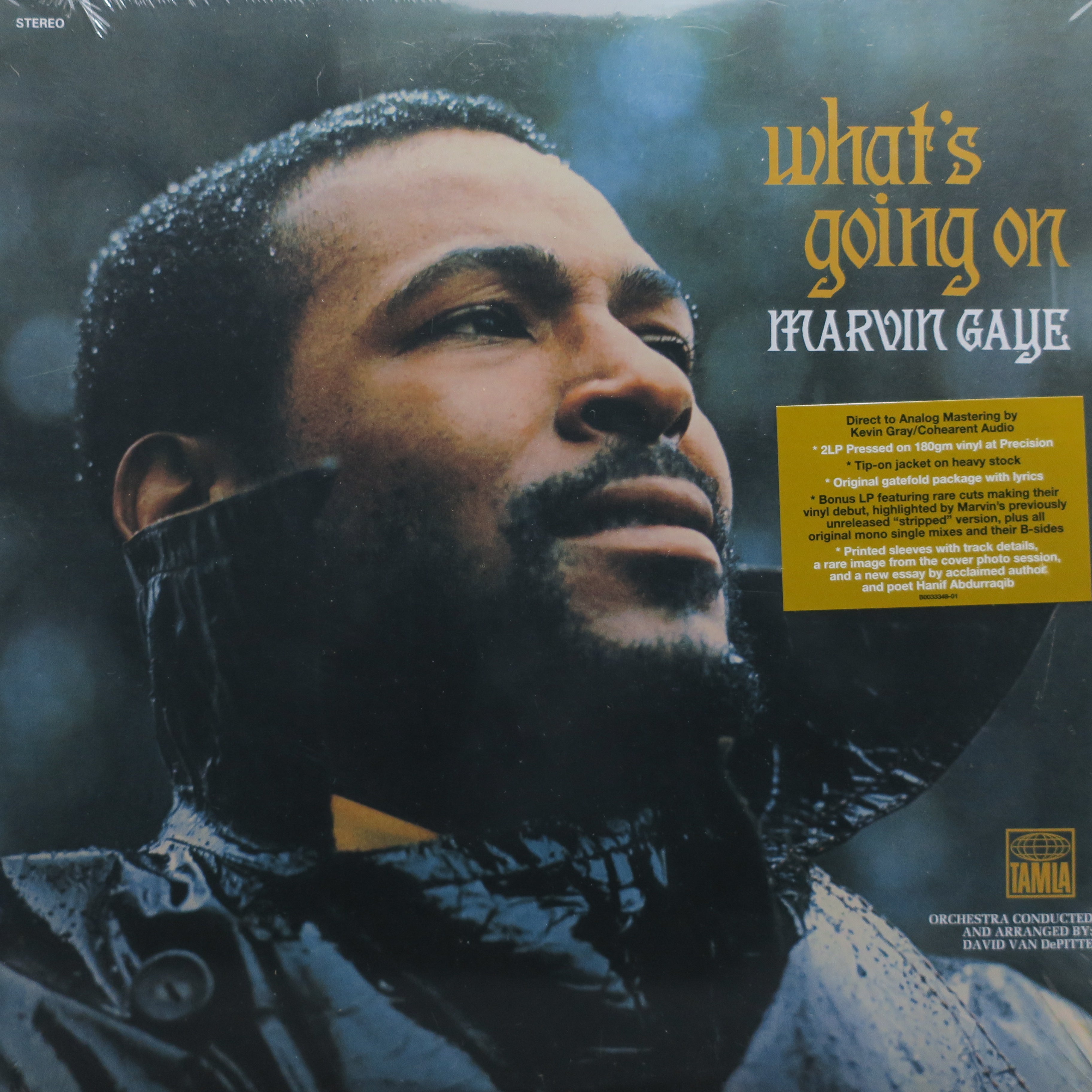
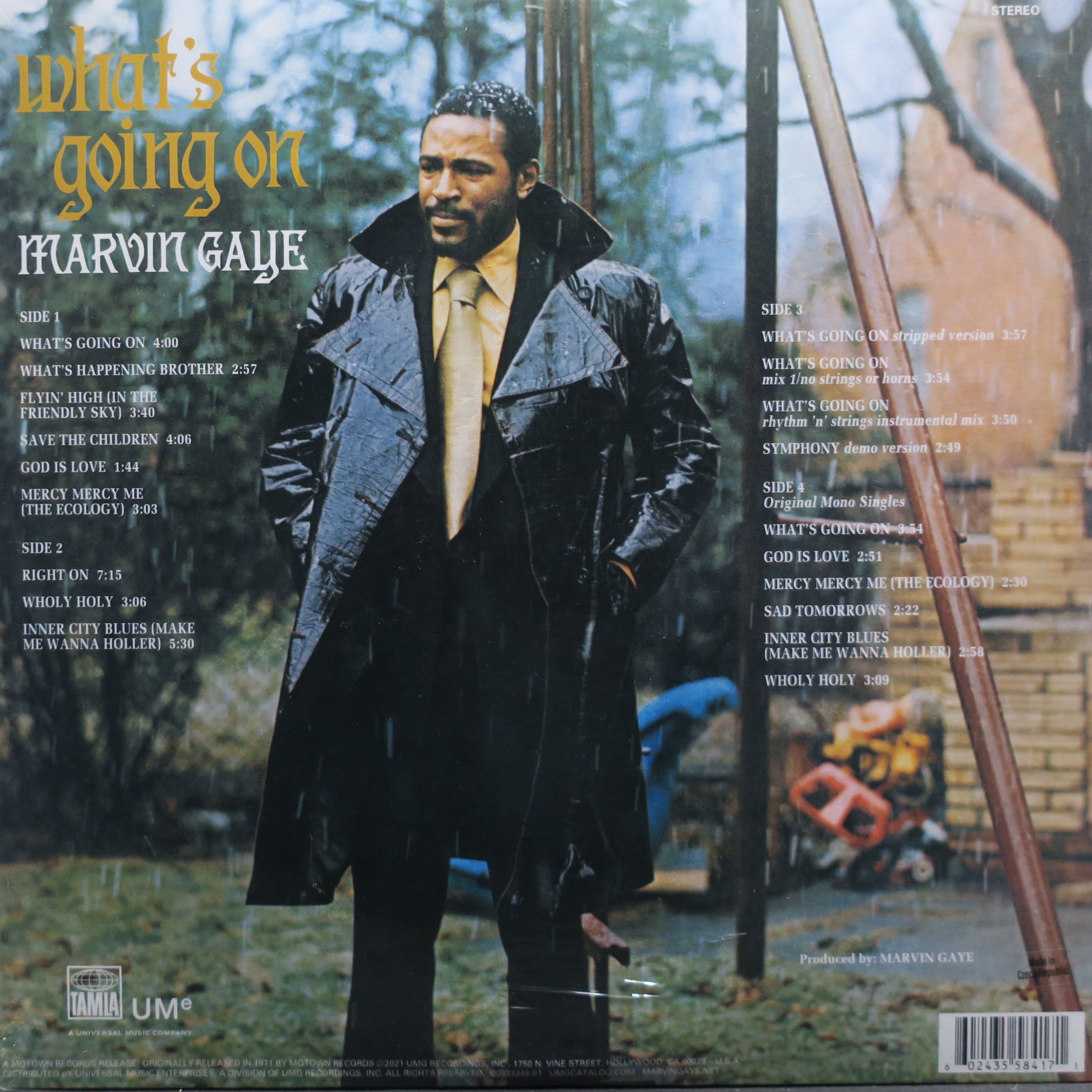
What's Going On is the turning point most listeners reach first. Gaye took the label's studio resources and turned them toward layered, orchestral soul: string charts, jazz-informed horn voicings and stacked vocal overdubs that put his voice both at the center and inside the band. The album reads like a series of meditations on war, environment and urban life, and its production—arrangements by David Van De Pitte and Gaye's assertive role as producer—helped convince record executives that soul could carry serious commentary without losing its groove.
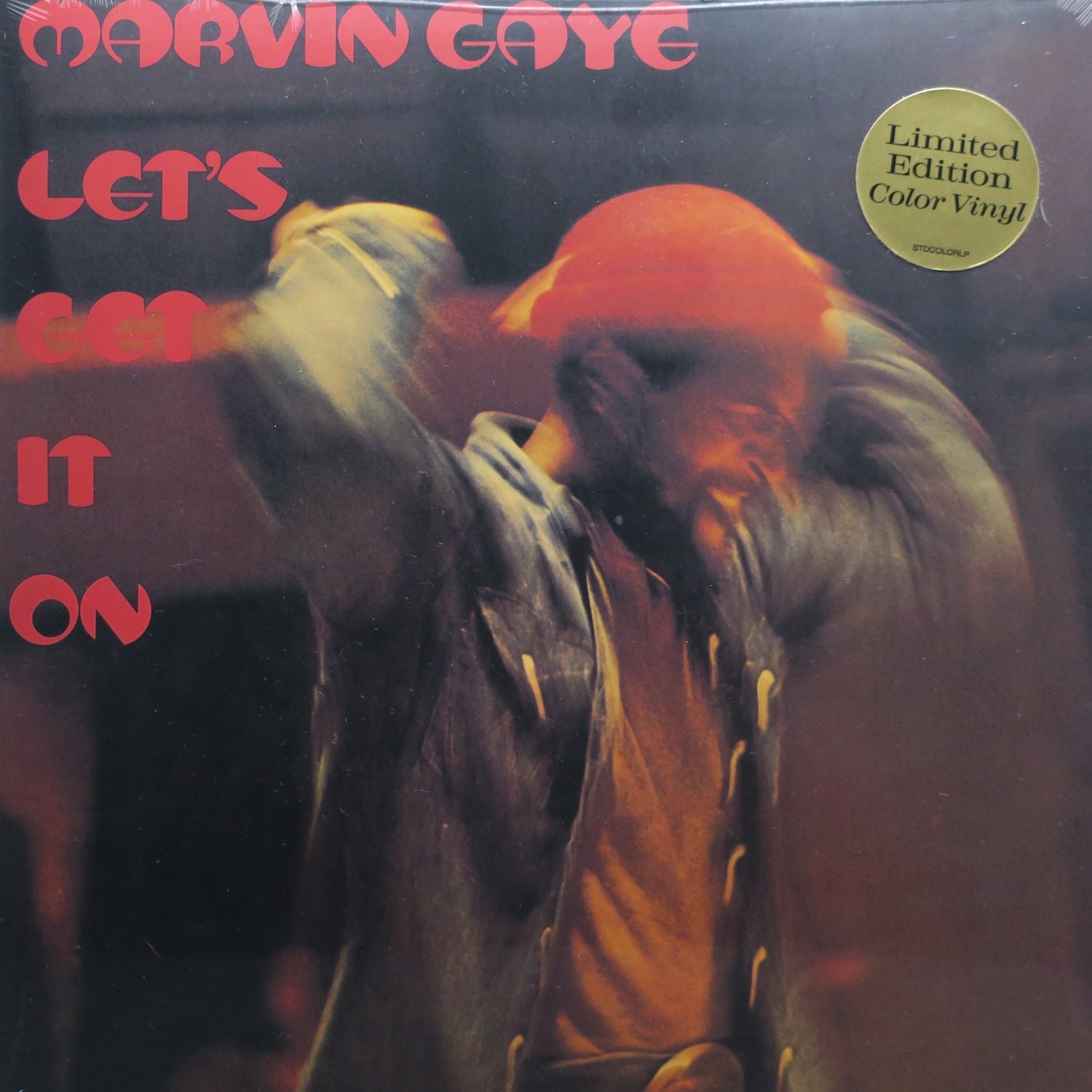
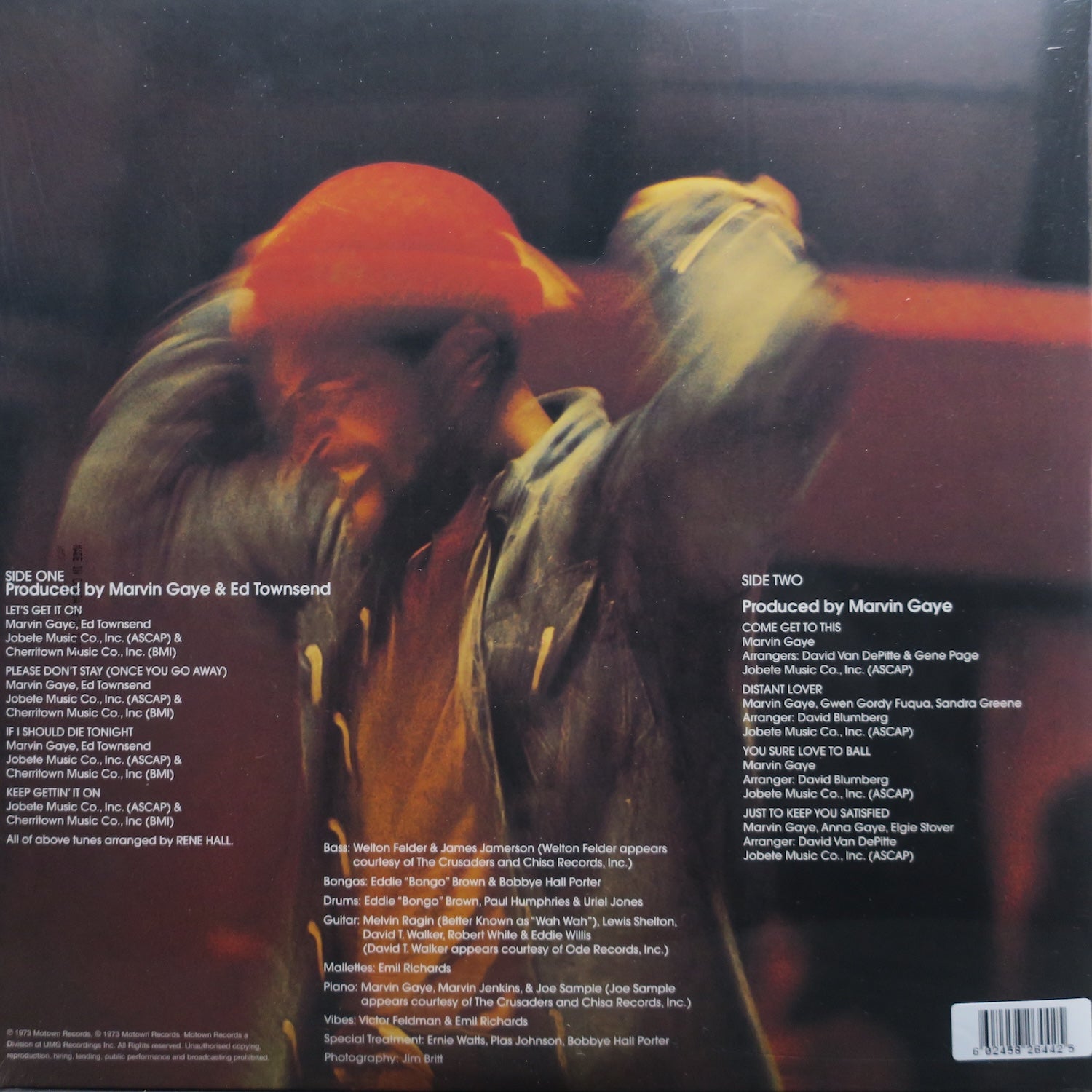
Between the social conscience of What's Going On and the raw sexuality of Let's Get It On and I Want You, Gaye kept redefining his public persona. Let's Get It On foregrounded sensuality with lush production and close-miked vocals that influenced later R&B and the quiet-storm radio format. Here, My Dear stands apart as a personal document: an unflinching, often uneven record made during a difficult divorce that nonetheless reveals his strengths as a songwriter and arranger.
Marvin's early work relied on Motown’s hit-making machine and his chemistry with duet partners, most notably Tammi Terrell; those records showcased his ability to share the spotlight and to turn simple love songs into emotional duets. Producers and executives at Motown—figures such as Berry Gordy and mentors like Harvey Fuqua—shaped the opportunities Gaye had, but his later records show an artist increasingly in control of studio choices and narrative voice.
Today Marvin Gaye's influence shows up across soul, neo-soul and pop: artists cite his blending of social themes and romantic confession, his vocal textures and his studio-as-instrument approach. For listeners new to his work, start with What's Going On for the statement, Let's Get It On for the sensual craft, and I Want You for the nocturnal, groove-first side of his artistry.