Prince
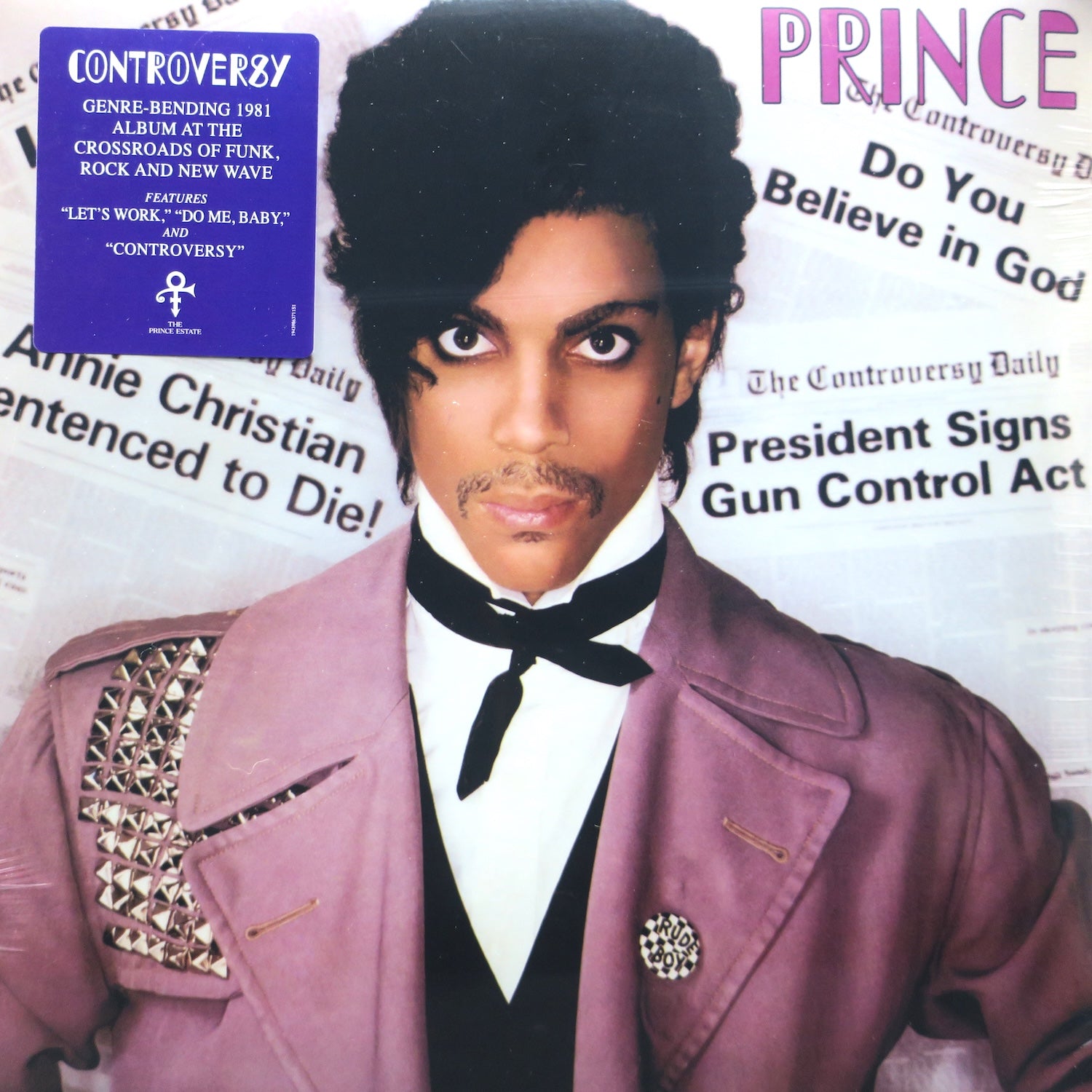
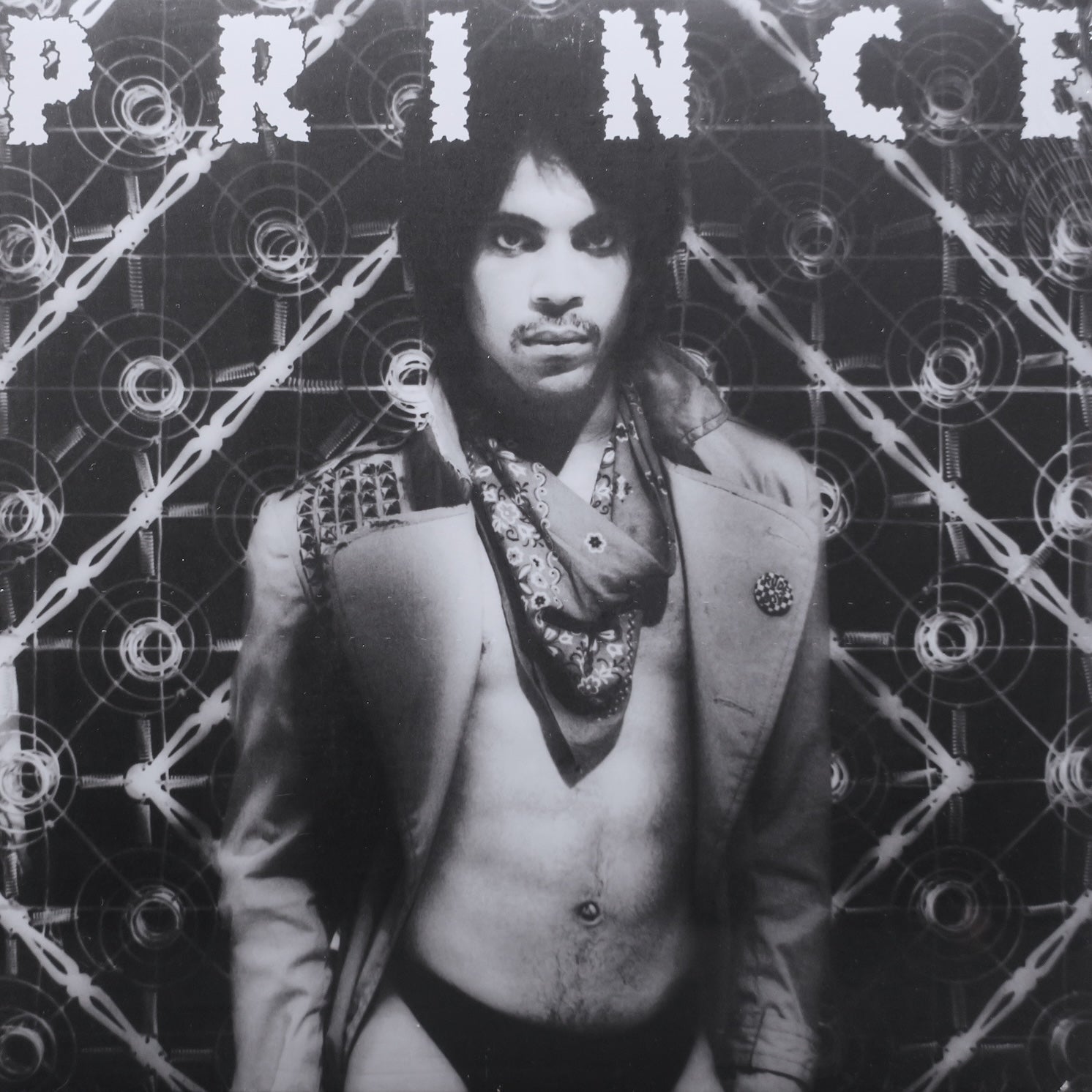
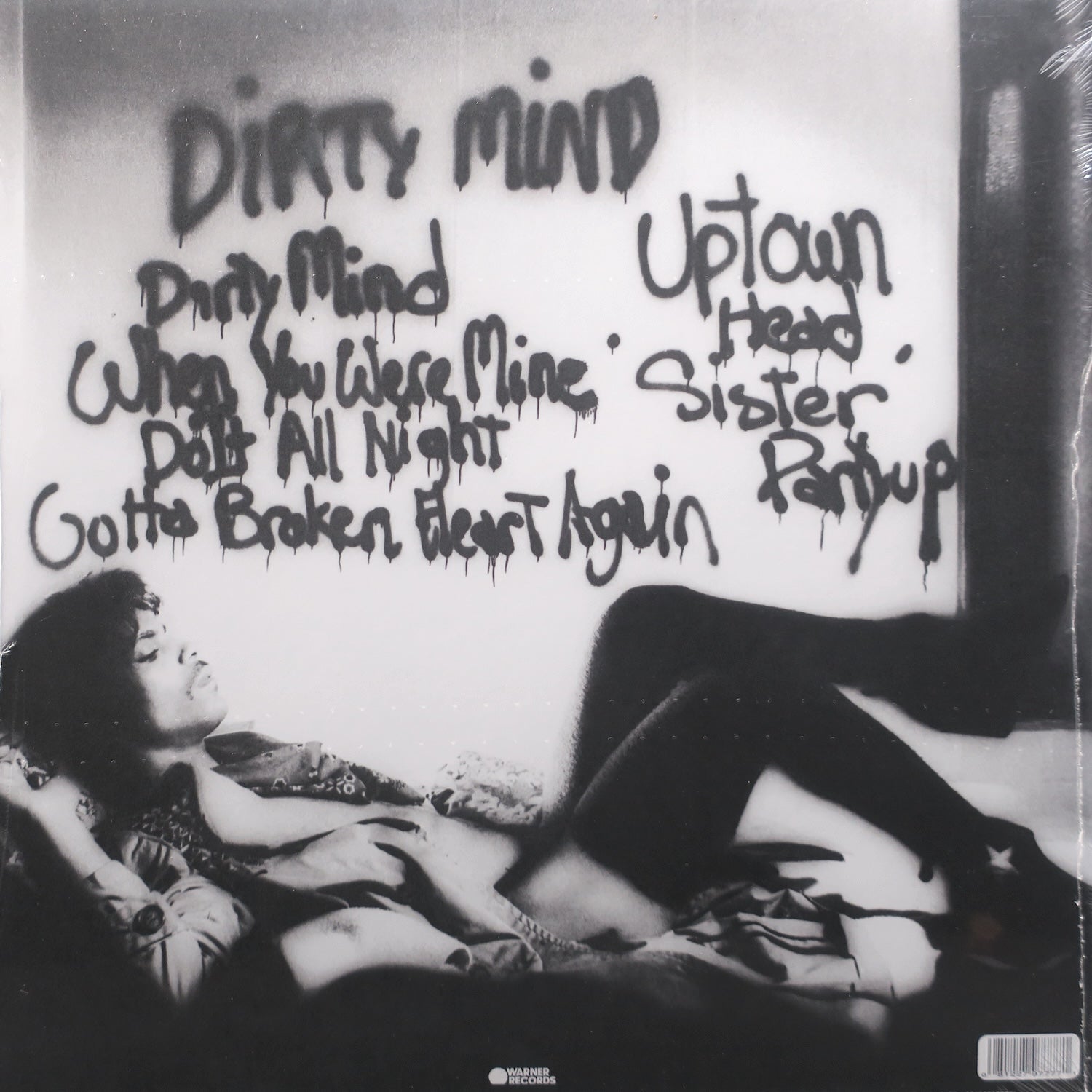
Prince's music often sounds like multiple artists in one body: a volcanic guitarist channeling Jimi Hendrix's intensity, a funk architect rebuilding James Brown grooves, and a pop melodist with an ear for irresistible hooks. That restless plurality is the first thing that jumps out on records from Dirty Mind to Purple Rain.
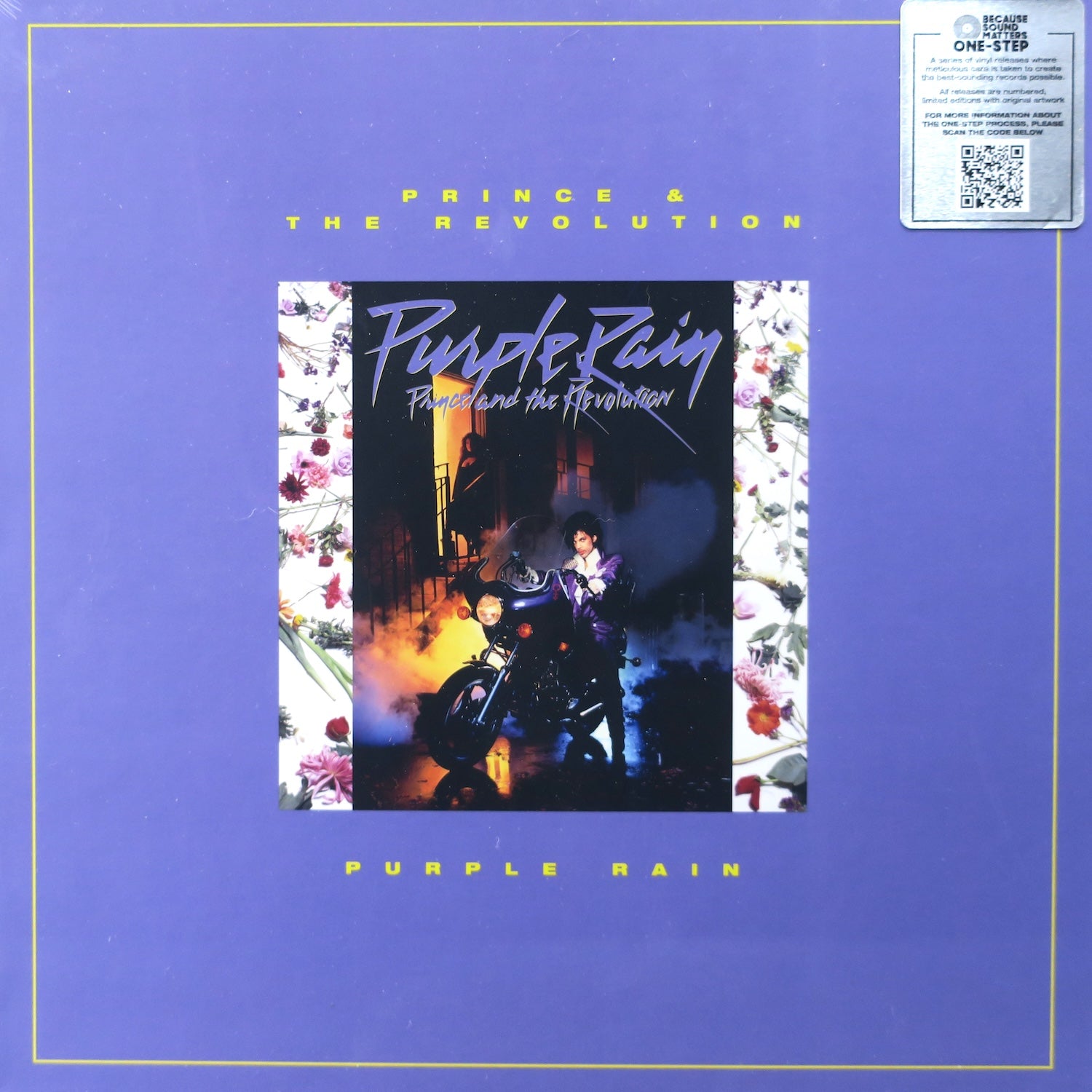
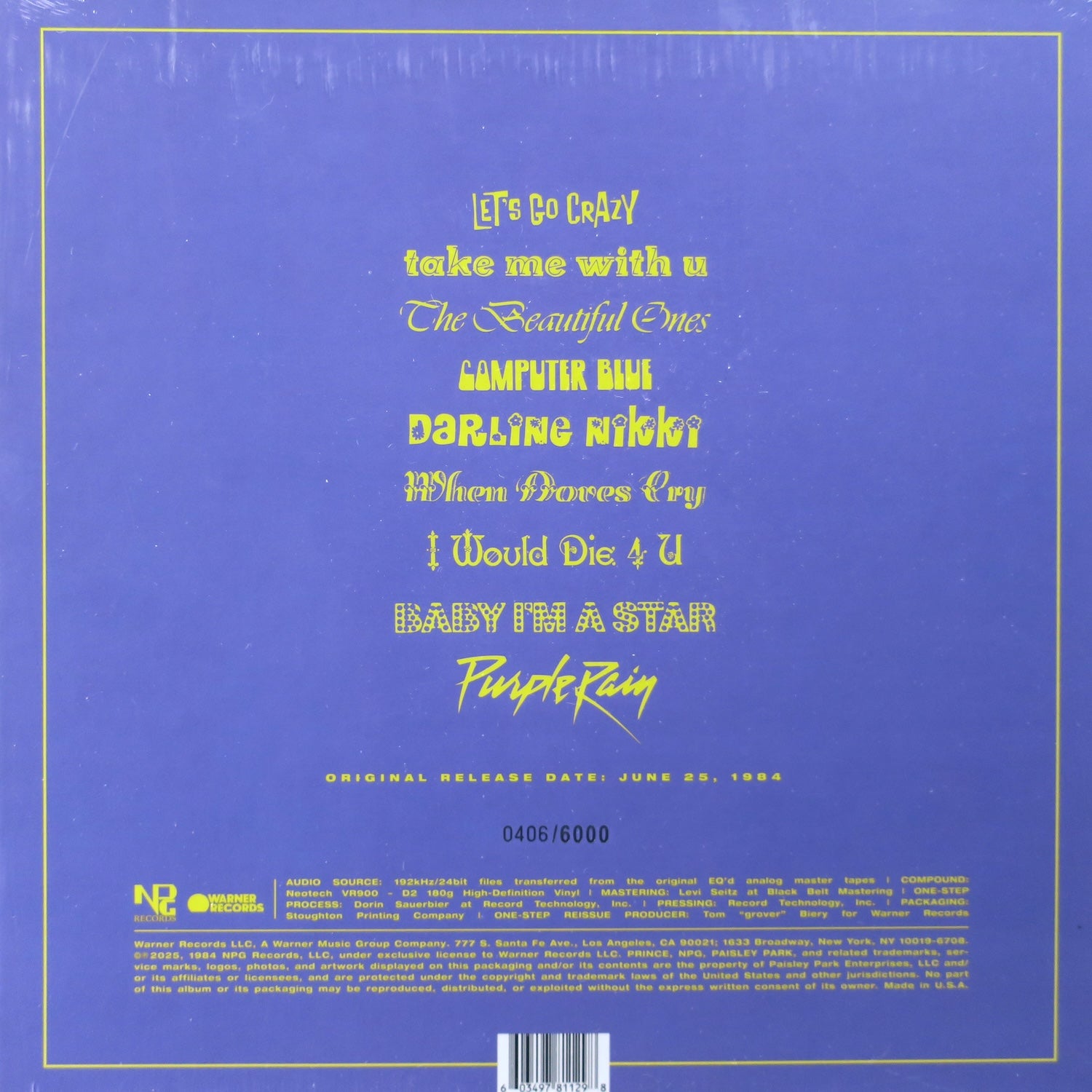
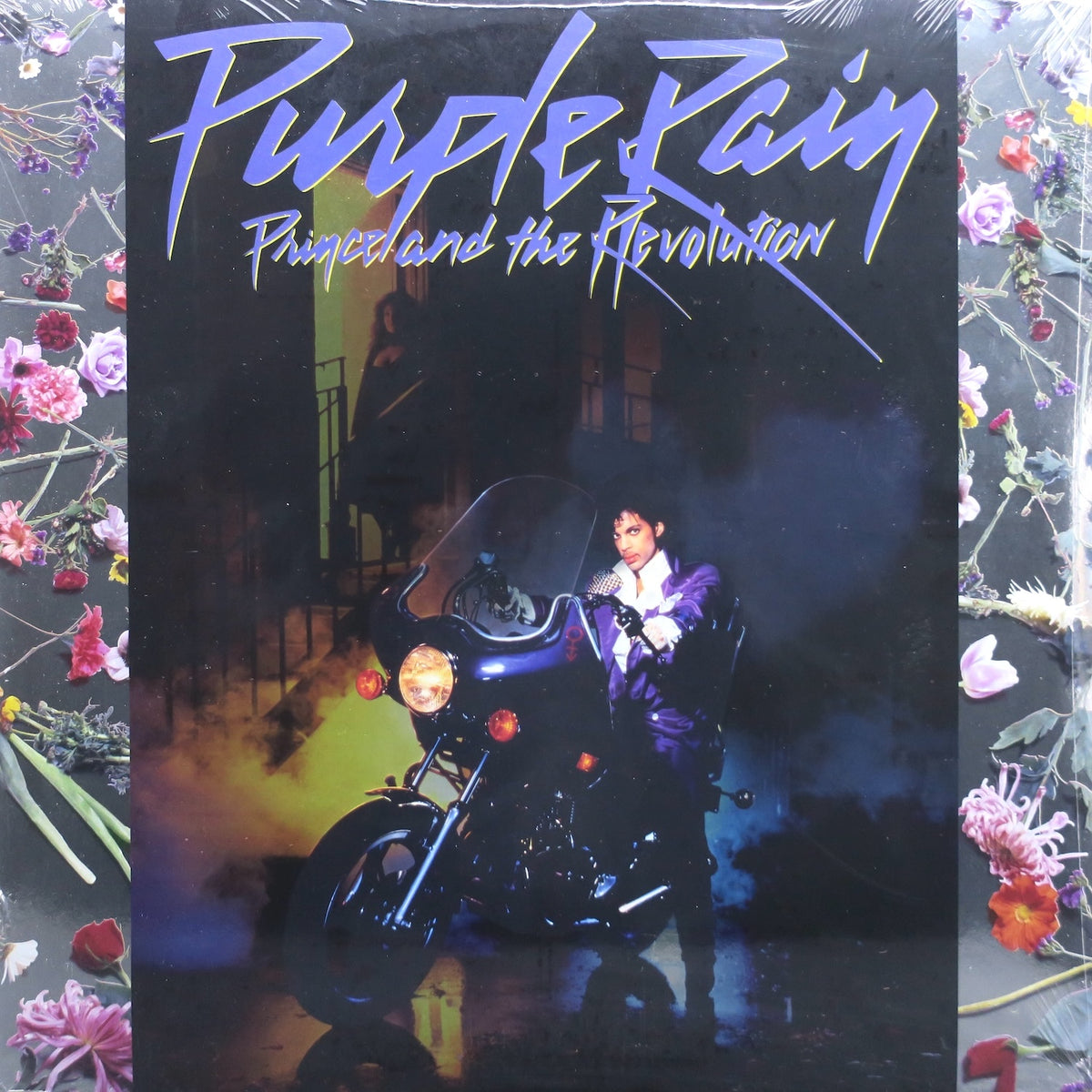
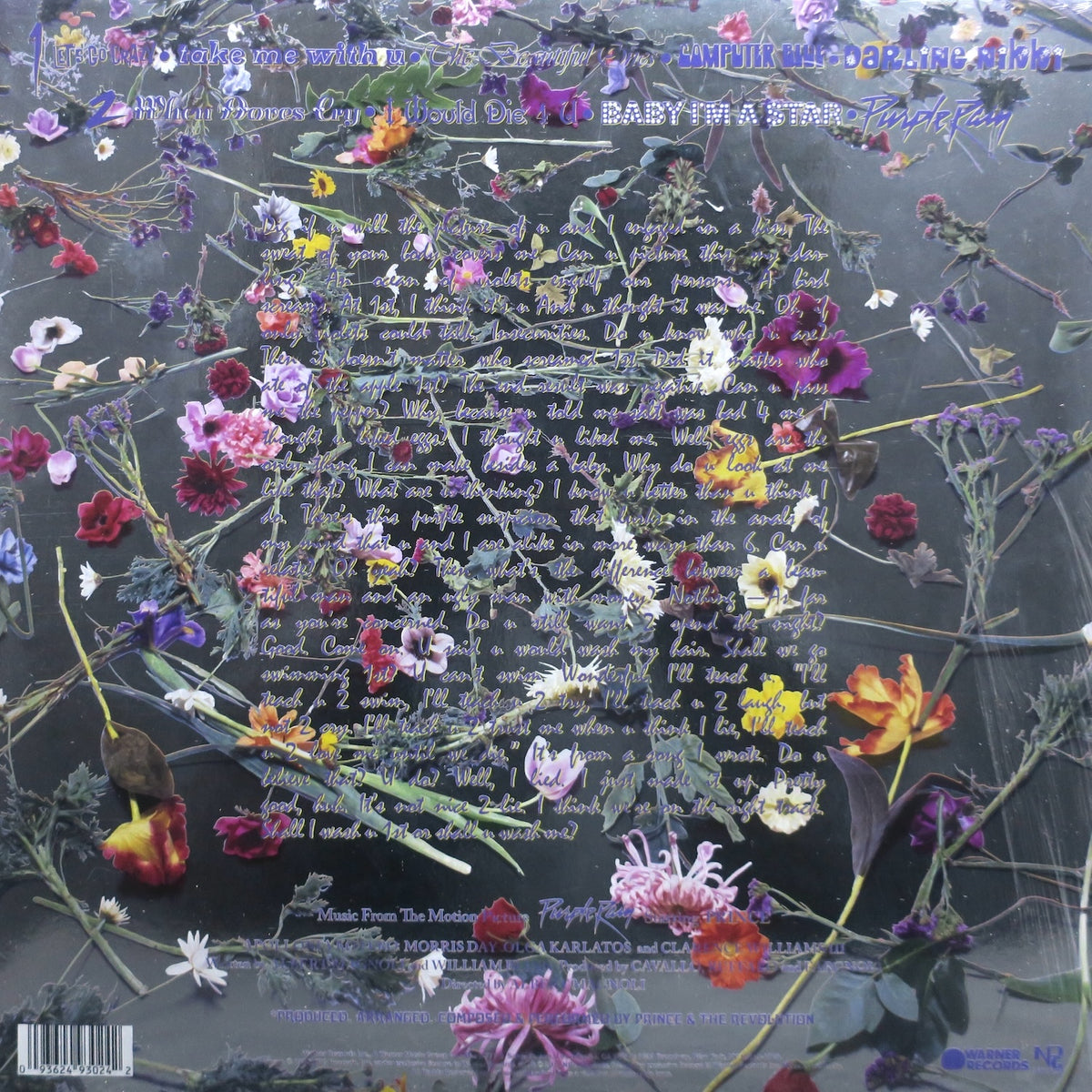
Prince came out of the Minneapolis scene but never stayed inside its lines. Early collaborators like André Cymone helped shape his lean, bass-driven arrangements; later he expanded into lush pop-soul with albums such as 1999 and the soundtrack Purple Rain. His production choices—sparse drum machines one moment, expansively arranged horn and string patches the next—show why he is often discussed alongside both funk and mainstream pop artists.
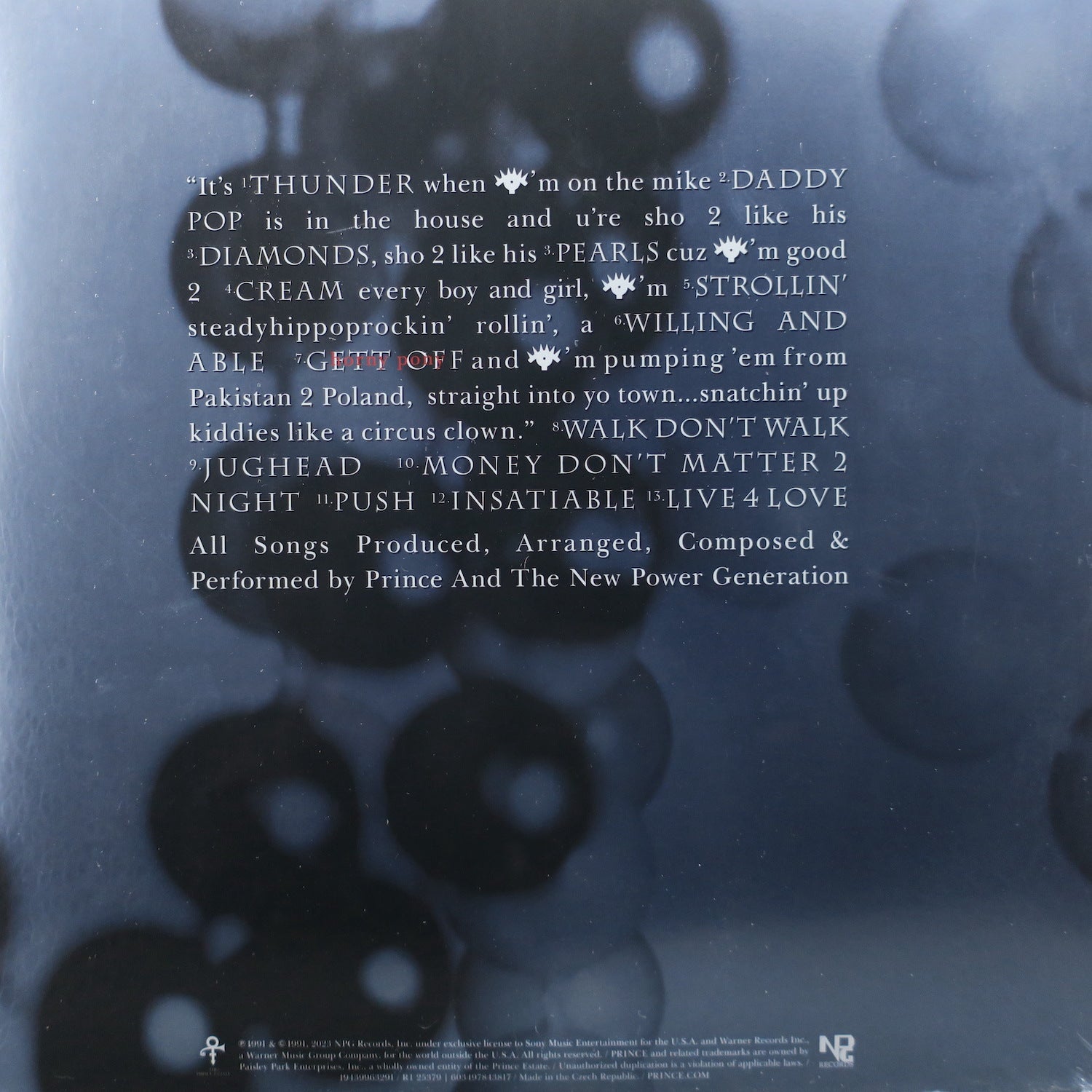
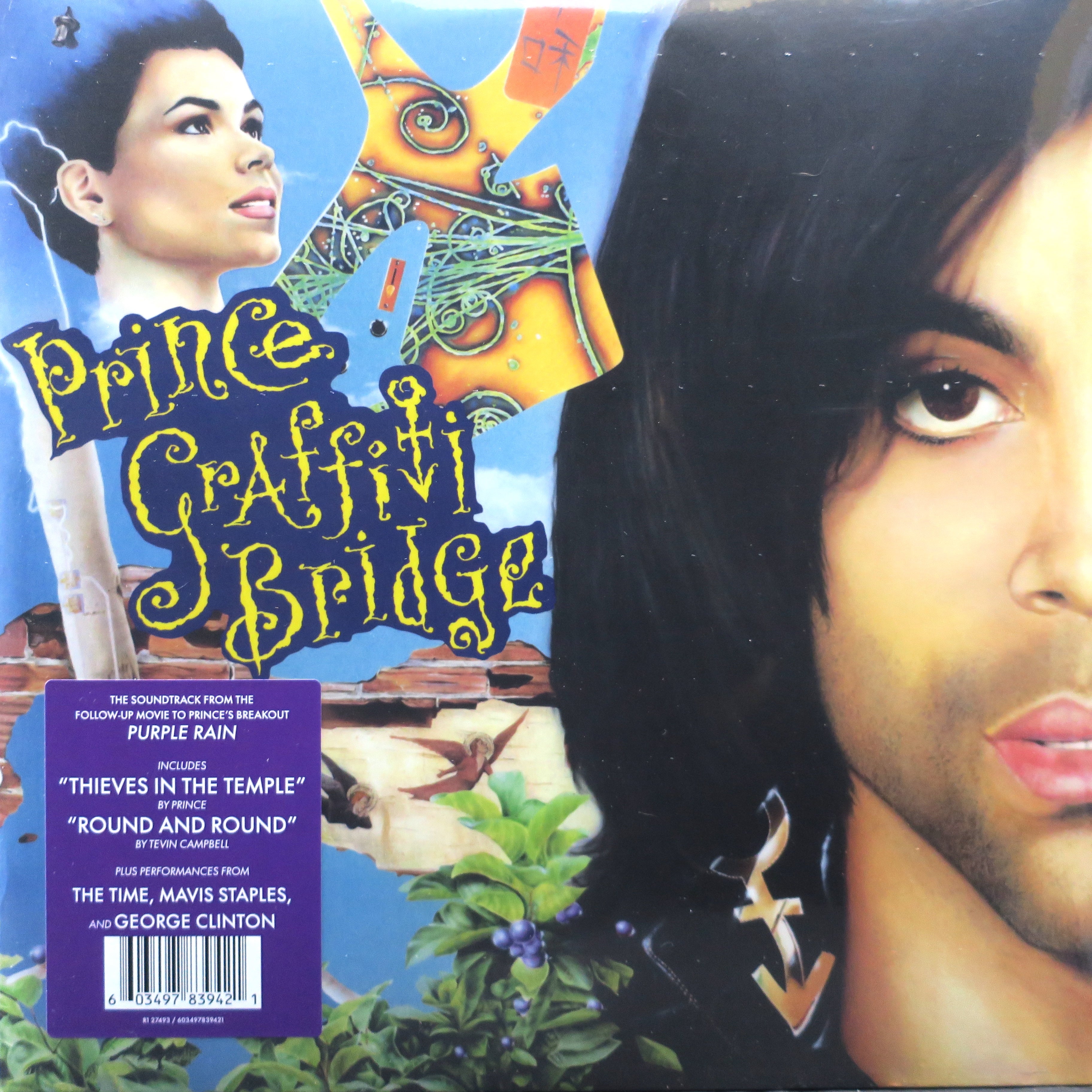
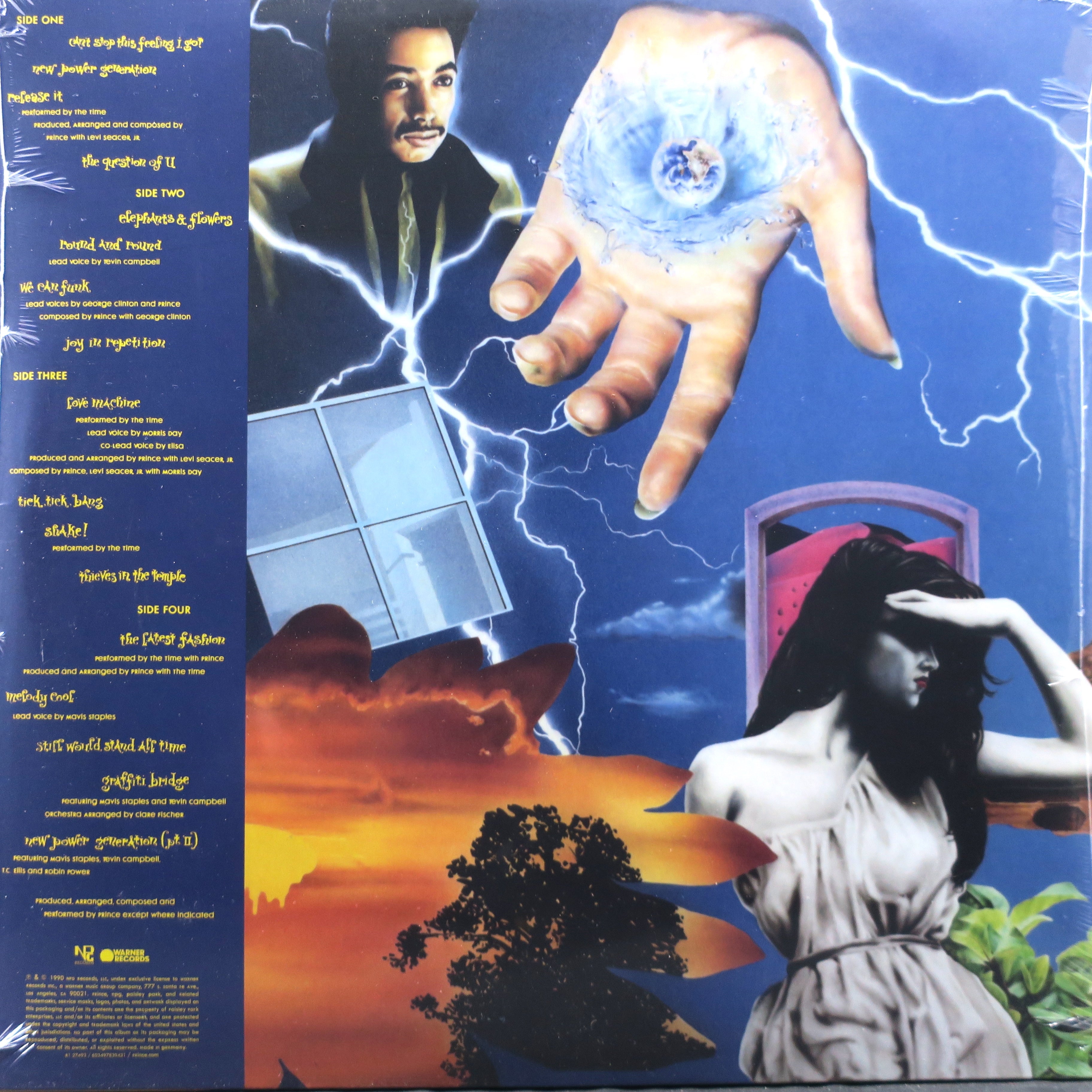
The Revolution, fronted on stage and on records by Wendy Melvoin and Lisa Coleman, marked one of Prince's most visible musical partnerships. With them he explored widescreen rock-pop and theatrical performance, turning songs into characters and movies into musical events. After that era he formed the New Power Generation and kept reinventing the backing band to match each new creative phase.
Songwriting mattered as much as performance. Prince wrote hits for other artists and transformed careers: "Nothing Compares 2 U" became a global phenomenon when Sinead O'Connor covered it, a reminder that his compositions could be reframed in radically different voices. He also developed and produced acts such as Vanity 6 and Apollonia 6, shaping the image and sound of protégés as readily as his own records.
Beyond technique, Prince's stagecraft and gender-fluid persona changed how pop stars could present themselves—sex, spirituality and virtuosity mixed onstage in ways that pushed mainstream boundaries. Those choices reverberate in modern pop; artists from Beyoncé to modern R&B and pop producers cite his catalog as a template for blending genre and persona.
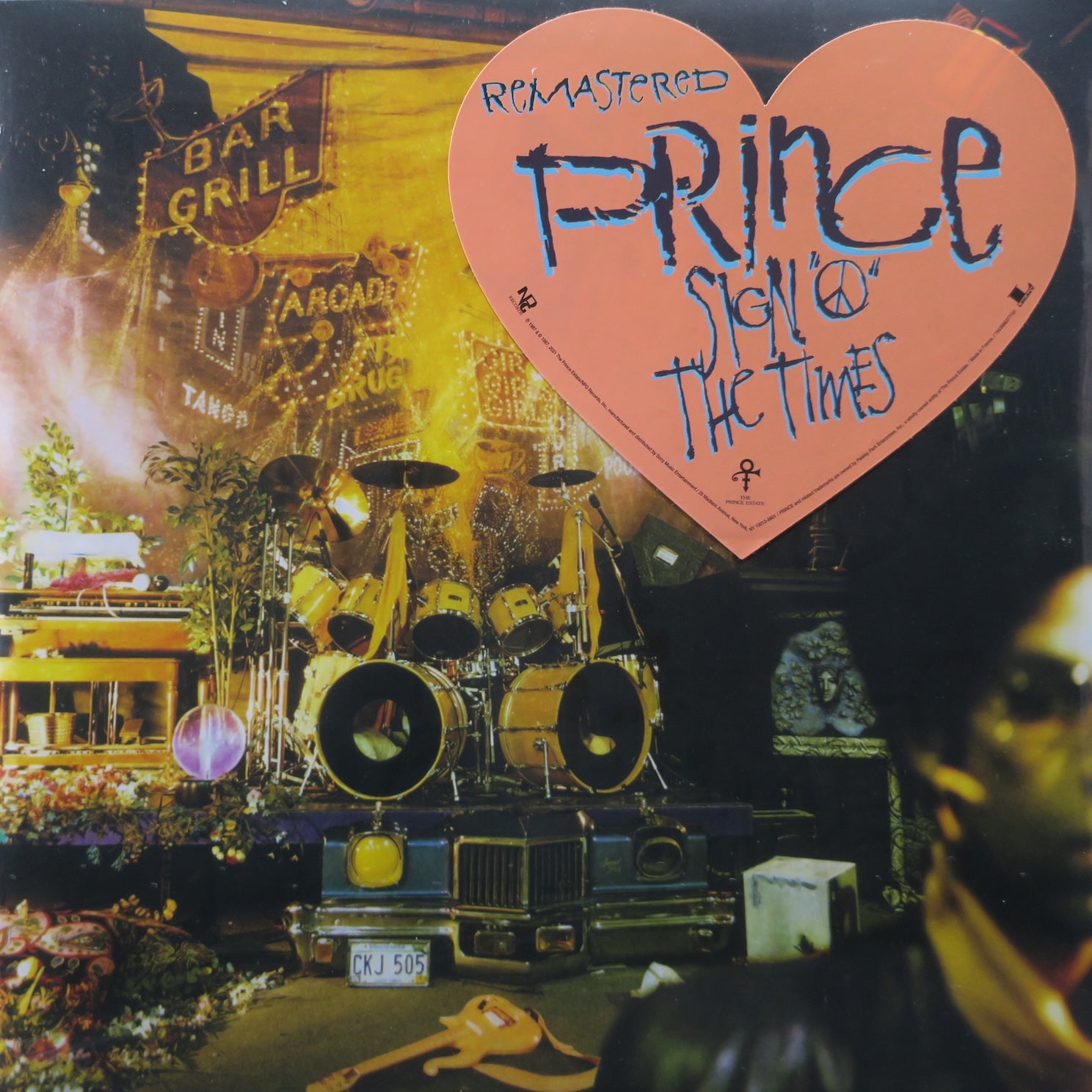
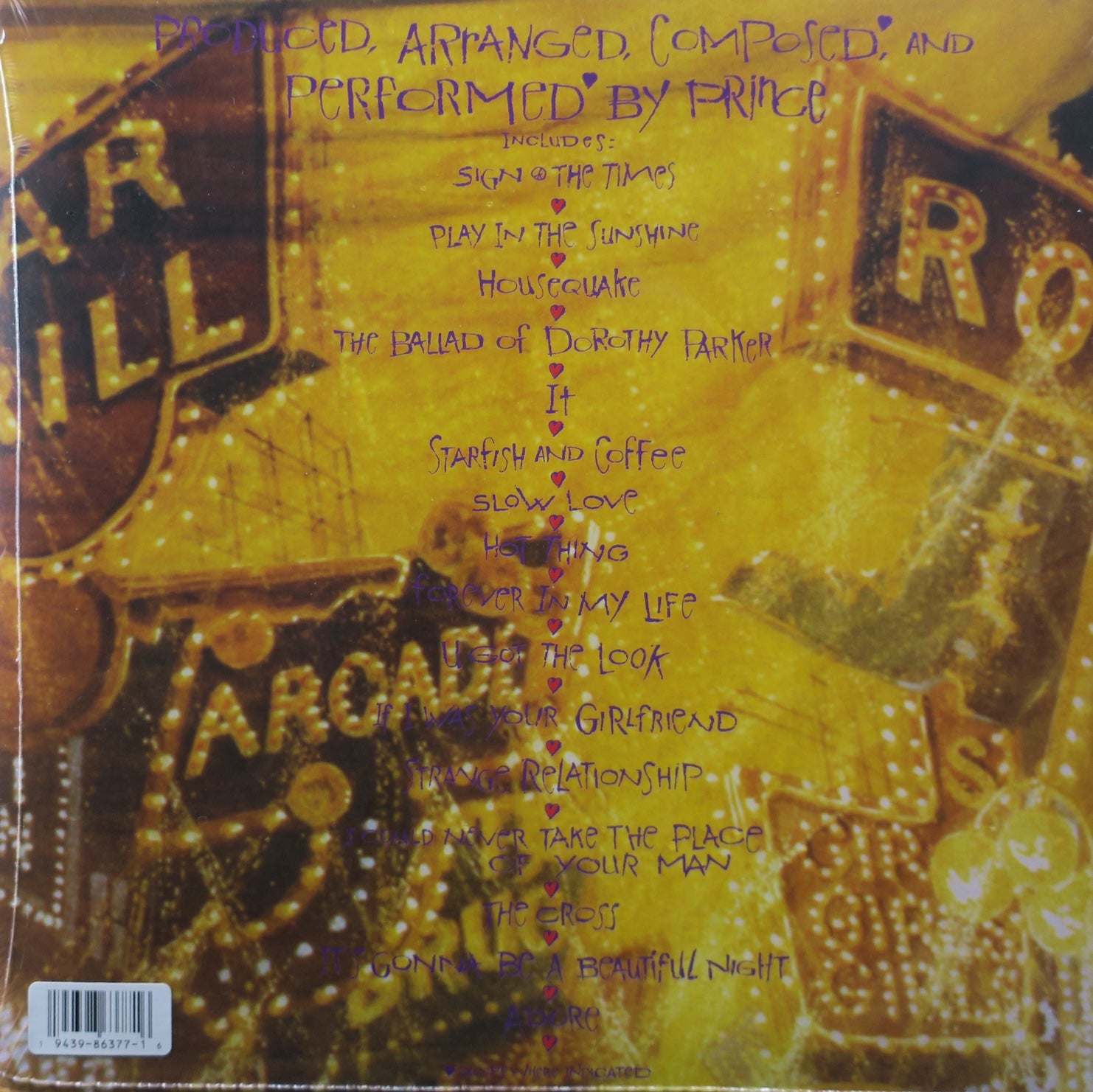
Decades on, Prince's records remain fascinating because they reward repeated listening: a guitar fill that sounded like bravado at first might reveal a lyric shift or production trick on the next play. Start with Purple Rain, 1999 and Sign o' the Times and then trace backward and forward—there is always another detail to find.