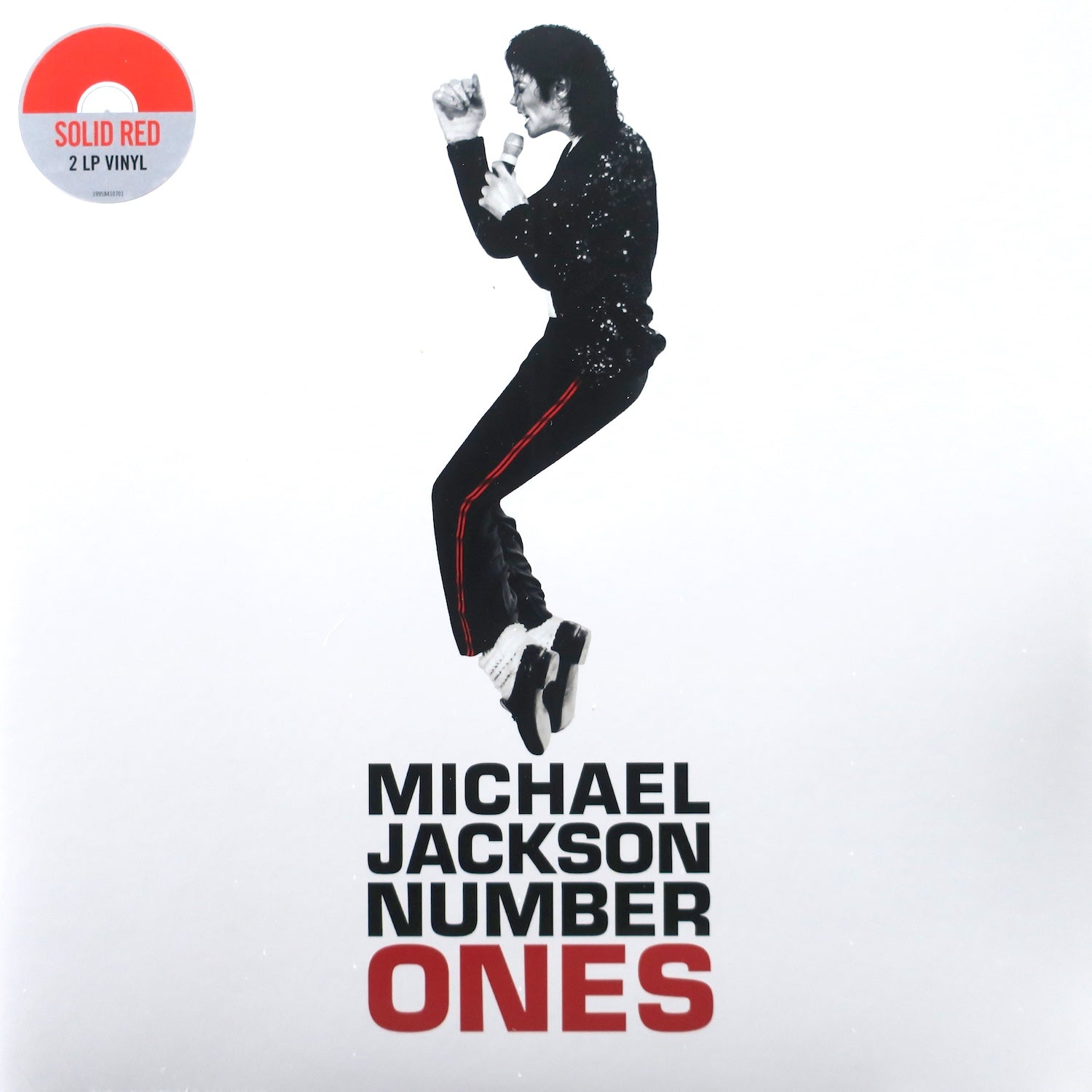
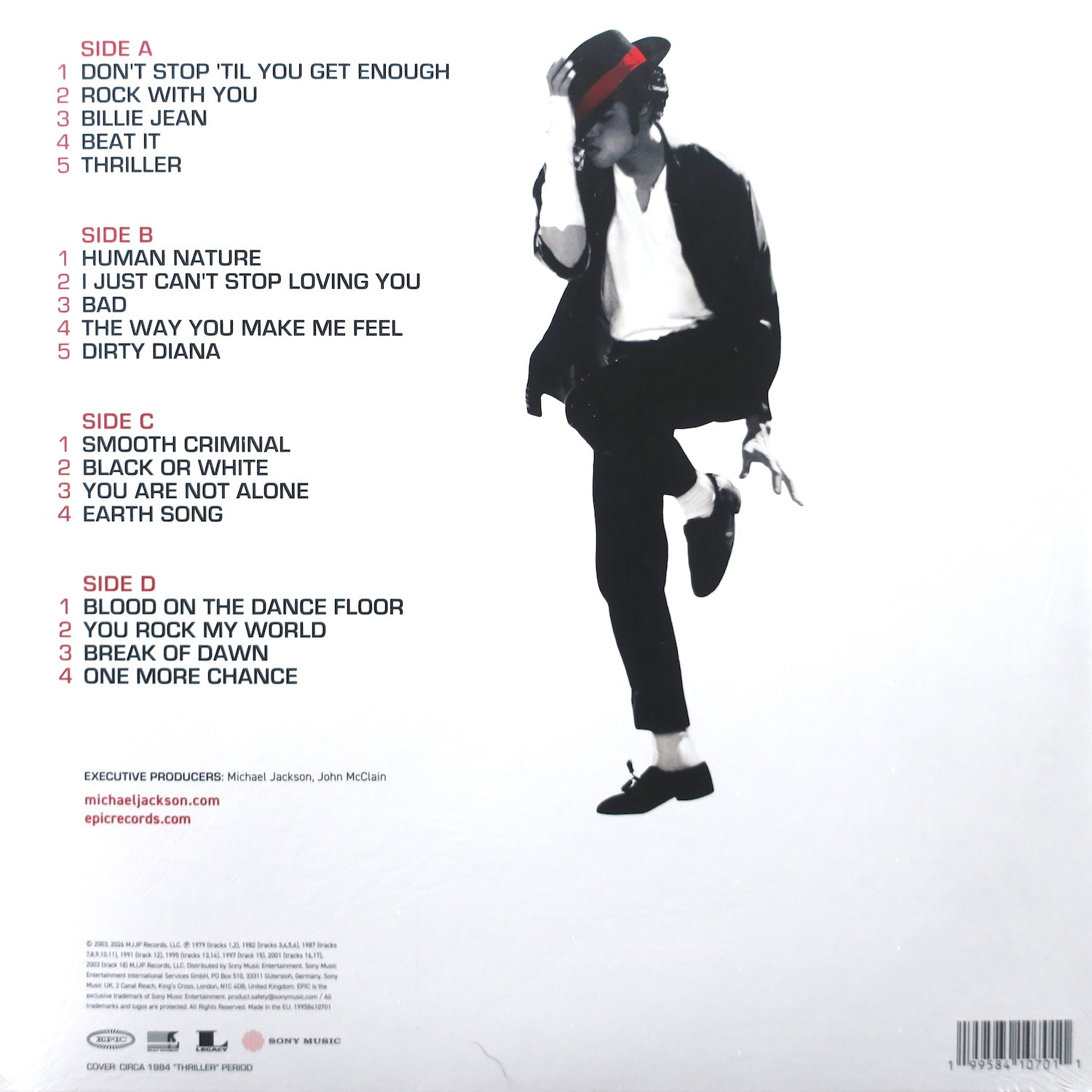
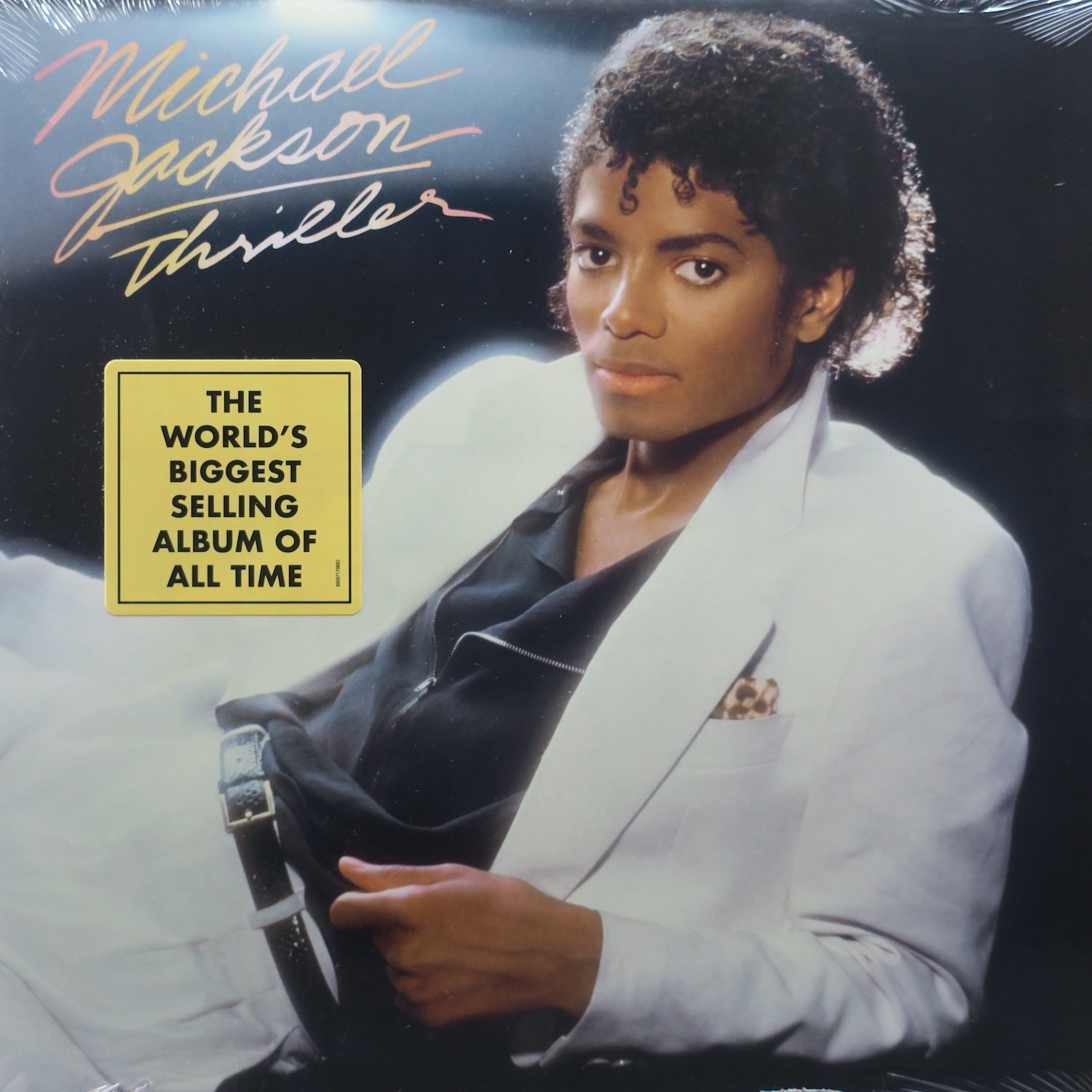
Michael Jackson
A single drum loop, a whispered vocal and a choreographed pause: across Thriller and beyond Michael Jackson turned studio craft and rhythm into a universal language. That ability to translate production choices into emotional hooks is why his records became milestones — not just because of sales, but because they rewired how pop could sound, move and look on television.
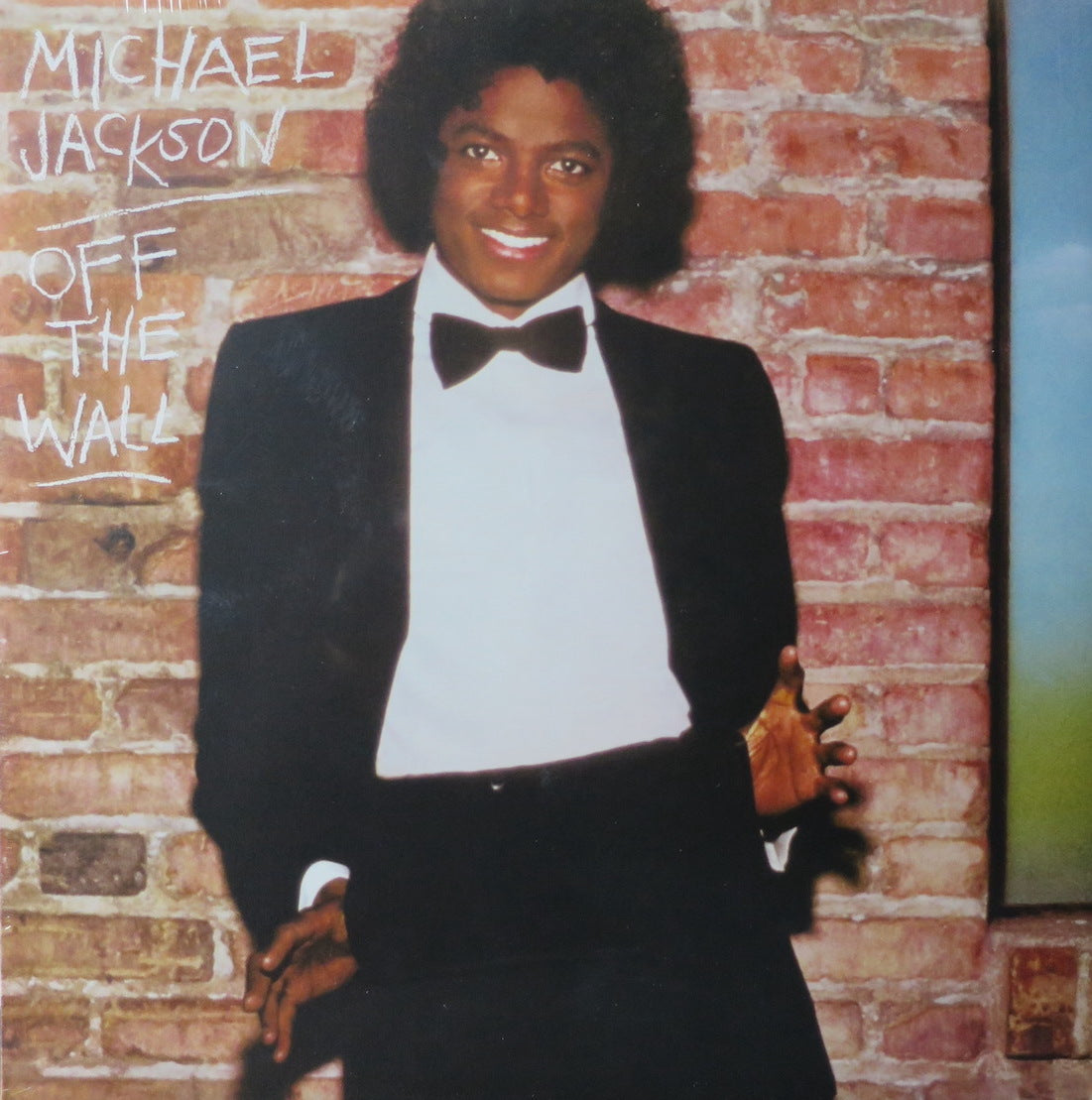
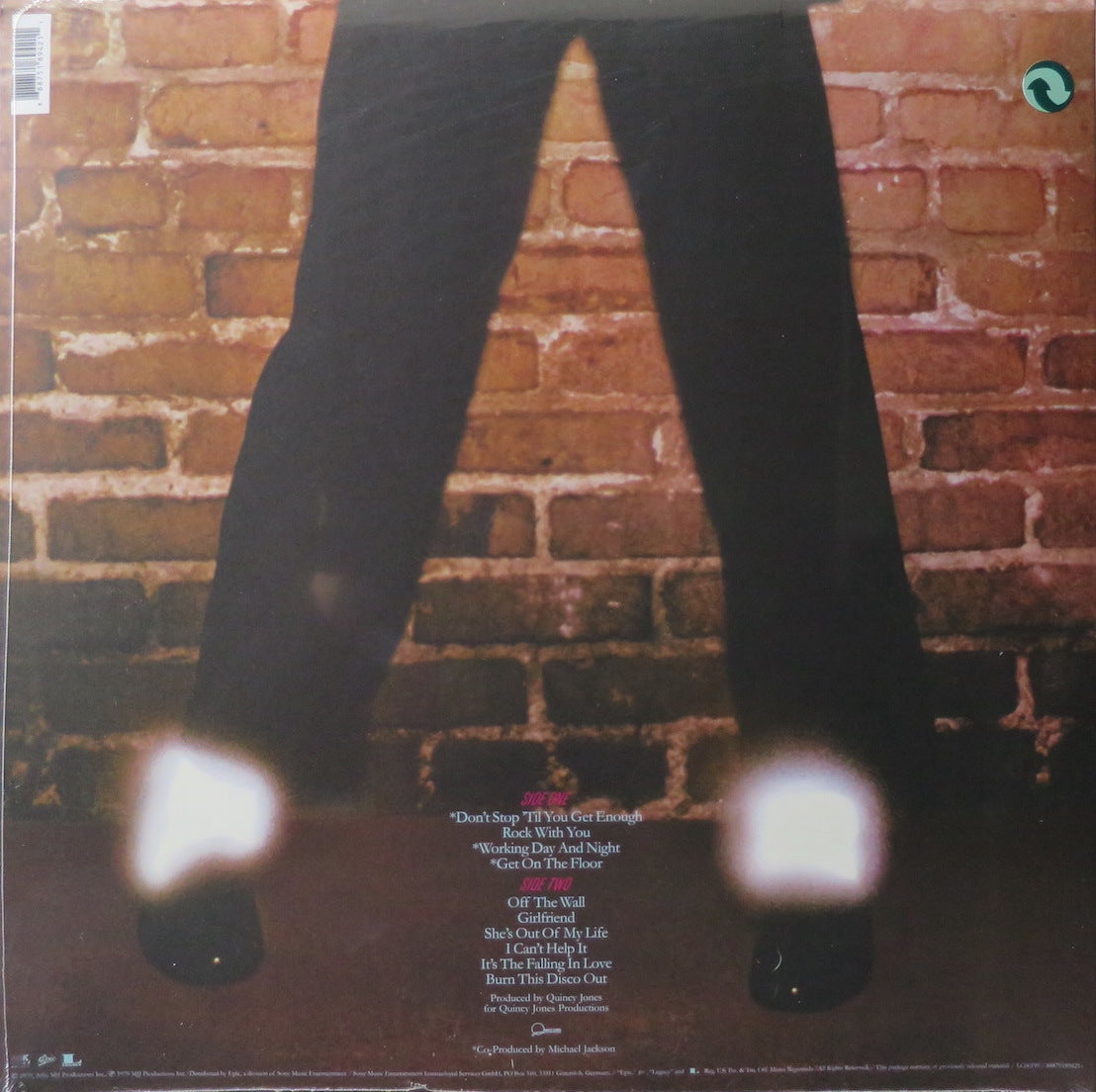
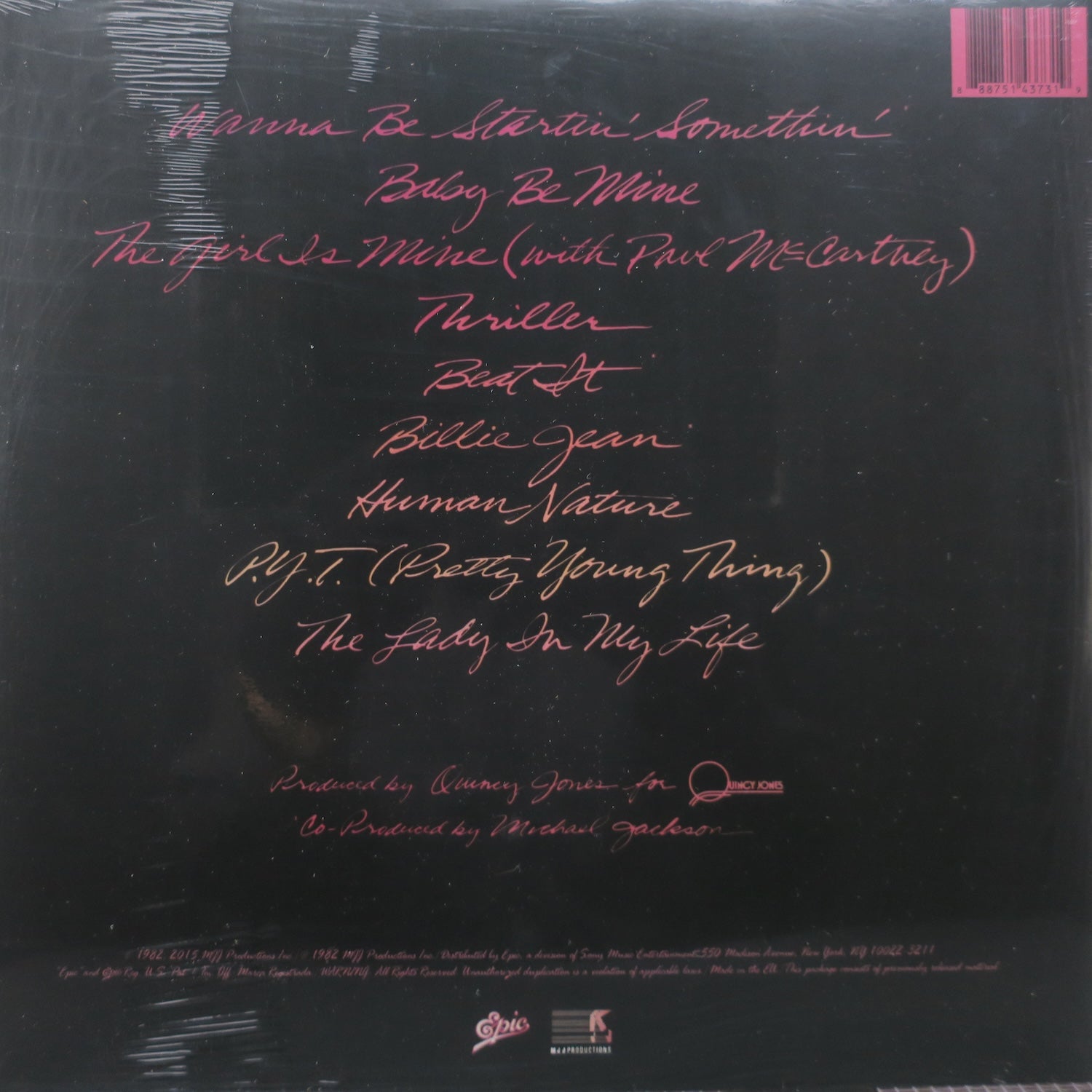
The story begins as a child star with The Jackson 5, where raw Motown energy sharpened Michael’s timing, falsetto and showmanship. Moving into adulthood he teamed with producer Quincy Jones to marry slick studio modernism with soul and funk. Off the Wall showed that combination working; Thriller exploded it, mixing Rod Temperton’s thriller-story songwriting, Eddie Van Halen’s startling rock solo on "Beat It" and immaculate arrangements into a pop template that crossed radio formats worldwide.
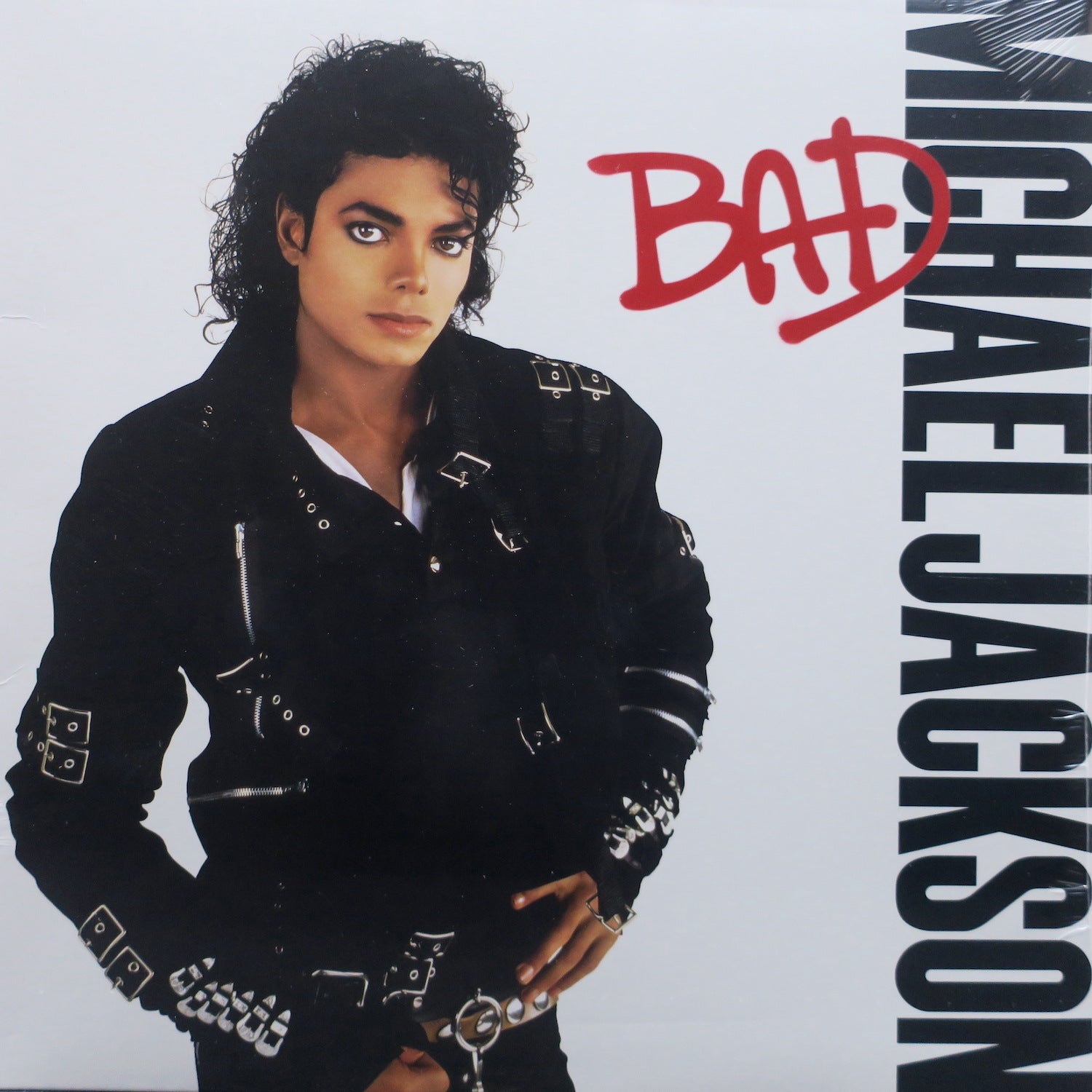
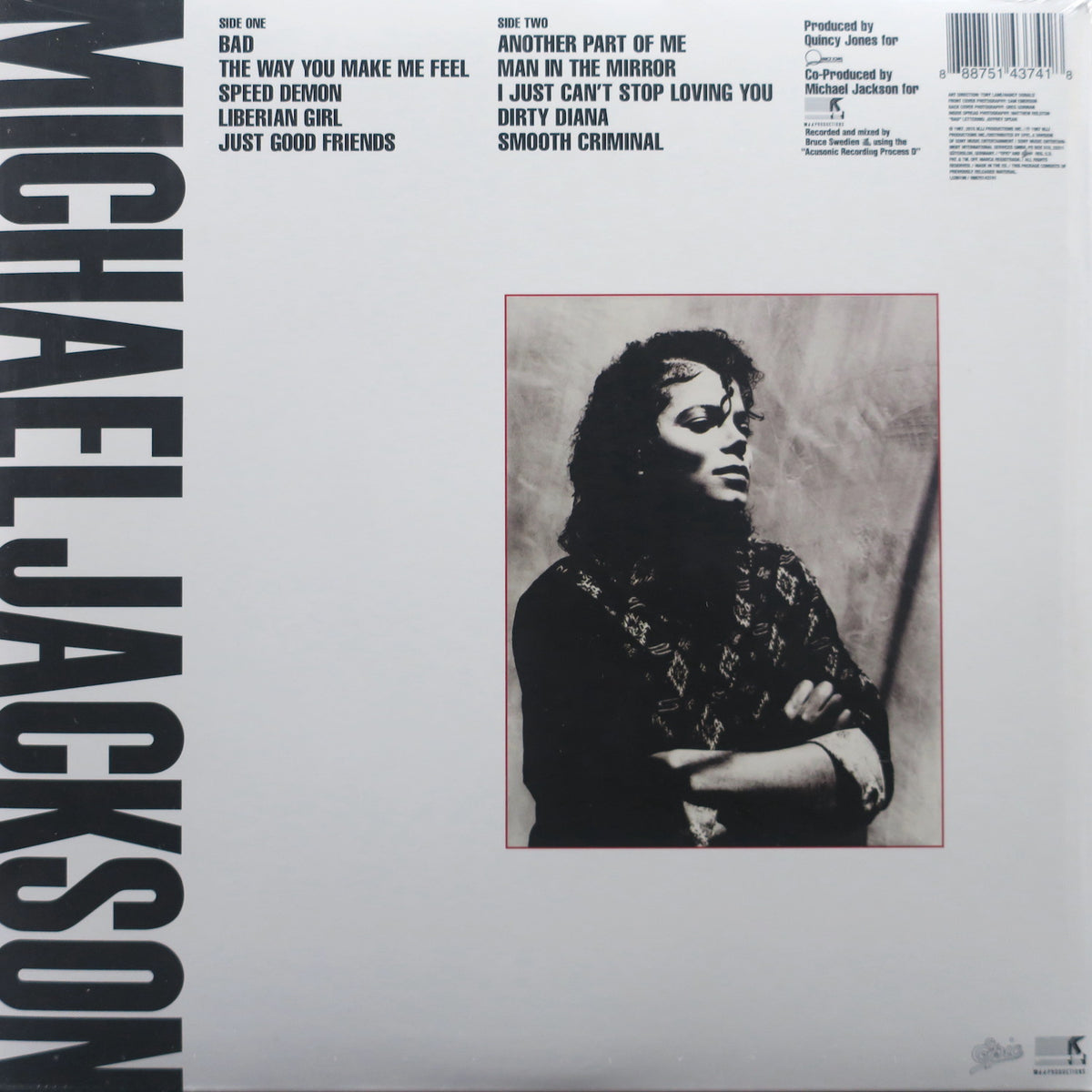
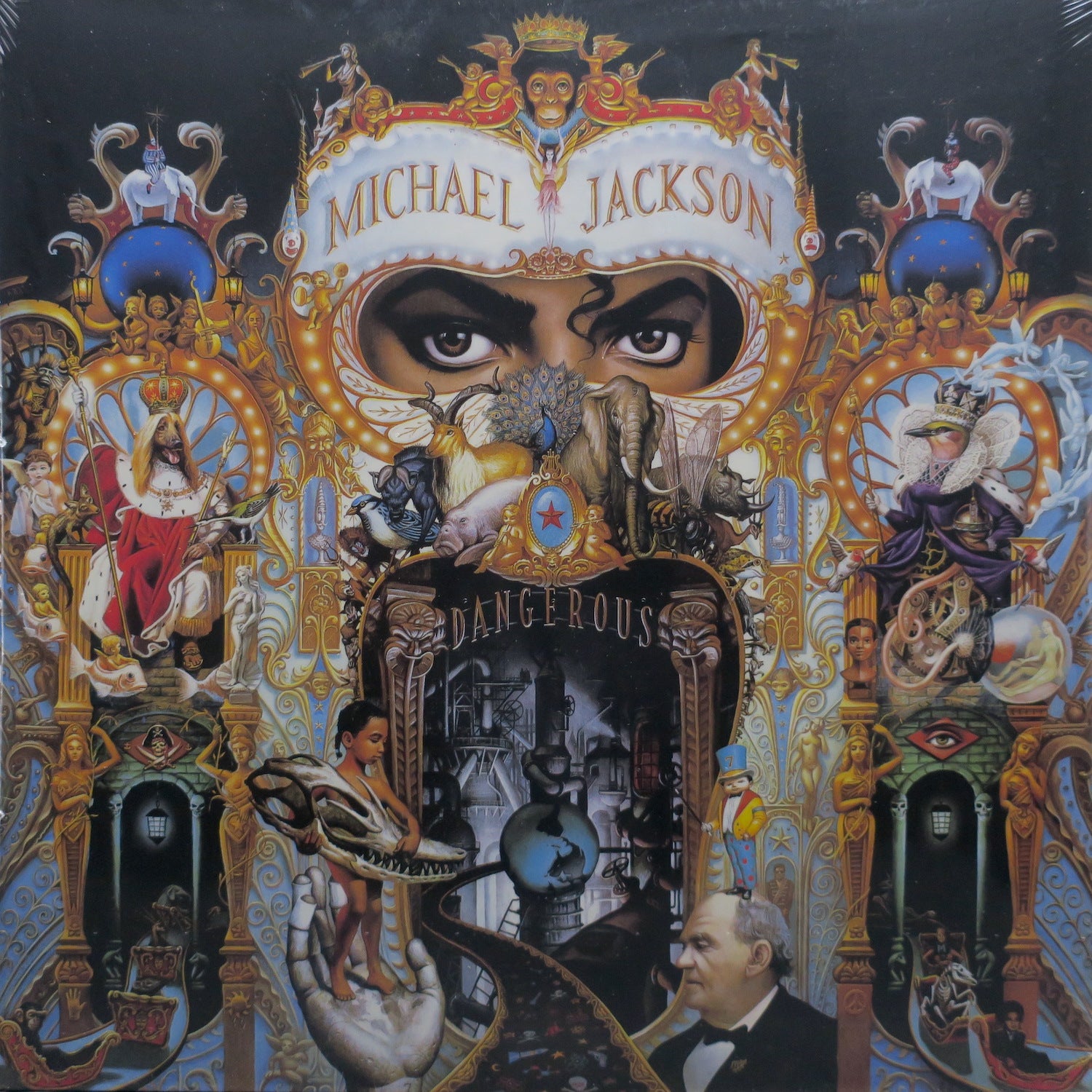
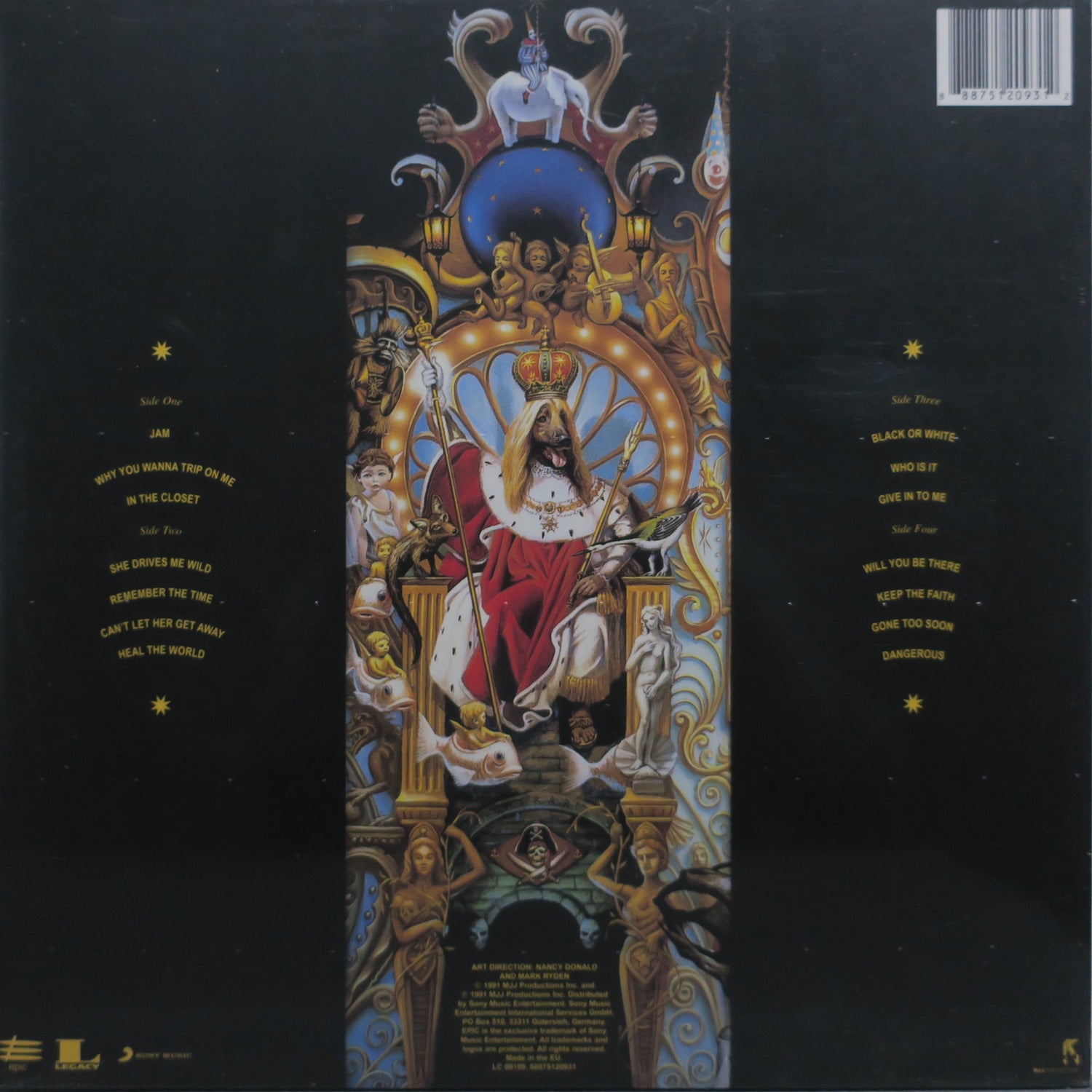
Michael’s career is also a record of reinvention. Bad pushed a harder, streetwise persona and stadium choreography; Dangerous leaned into New Jack Swing textures with Teddy Riley’s modern production; HIStory and Invincible revealed an artist alternating between personal confession, protest and high-gloss spectacle. Those shifts mattered because they kept Jackson at the centre of pop’s changing sound while each era introduced new collaborators, techniques and dancers who copied and adapted his moves.
Performance-wise, Michael drew openly on James Brown’s percussive delivery and on classic soul phrasing, but he translated those roots into music videos, stagecraft and global pop rituals — moonwalks, dips and dramatic camera moments that made songs into visual events. At the same time family ties mattered: early fame with The Jackson 5 and later comparisons and collaborations with siblings such as Janet Jackson helped set a template for pop dynasties.
Listening now, the records that matter are the ones that show how songs were assembled as much as written: Off the Wall’s groove, Thriller’s cinematic sequencing, Bad’s aggression, Dangerous’s rhythmic edge and HIStory’s ambition. Those albums explain why Michael Jackson remains a central figure in conversations about how pop is produced, performed and consumed.
Recommended Artists: Prince, Beyoncé, Stevie Wonder, Madonna