Erykah Badu
Erykah Badu arrived with a voice and aesthetic that reframed late-1990s R&B: warm, conversational phrasing set against sparse, often jazz-inflected grooves. That mix made songs feel intimate and expansive at once, turning album tracks into spaces where mood, poetry and rhythm mattered as much as hooks.
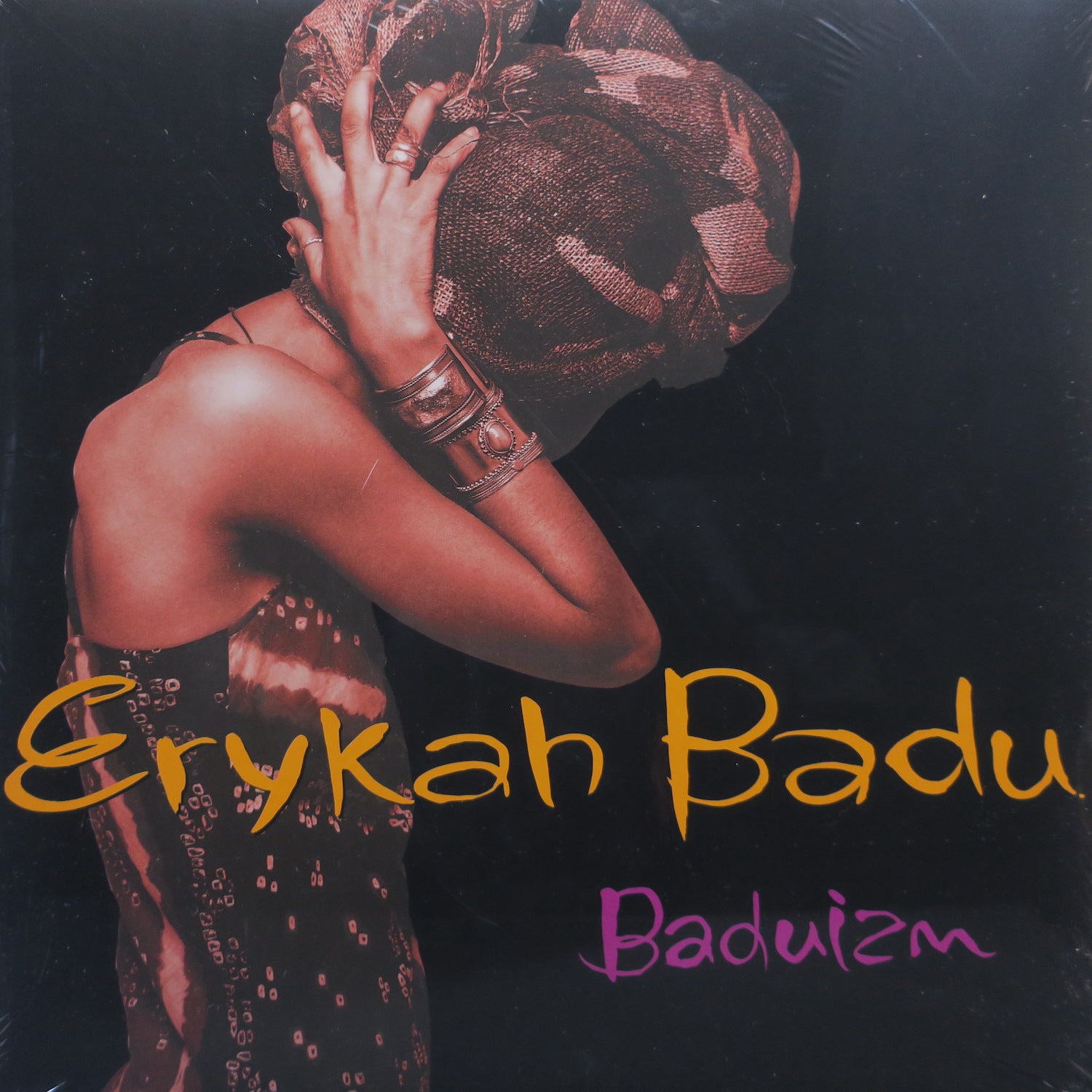
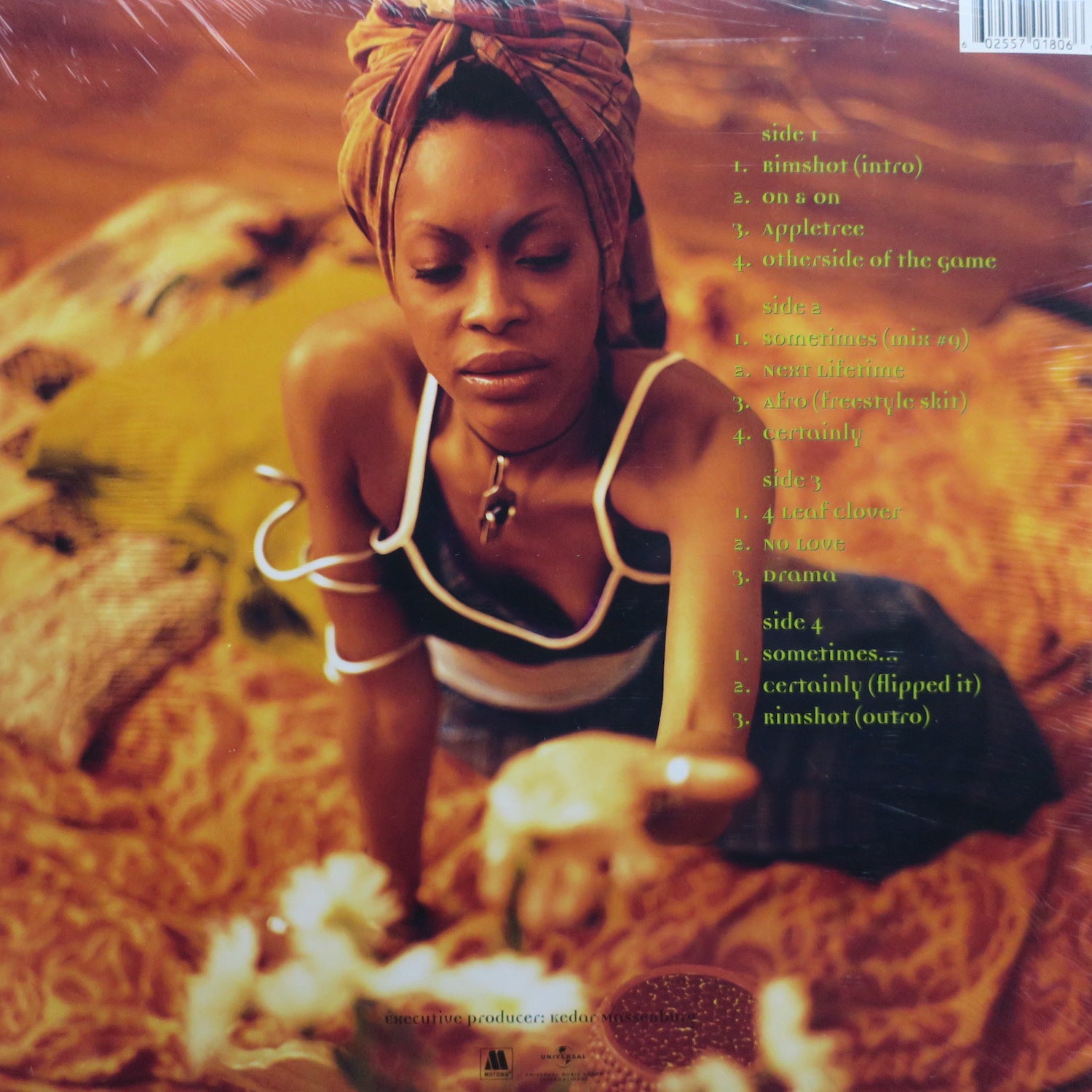
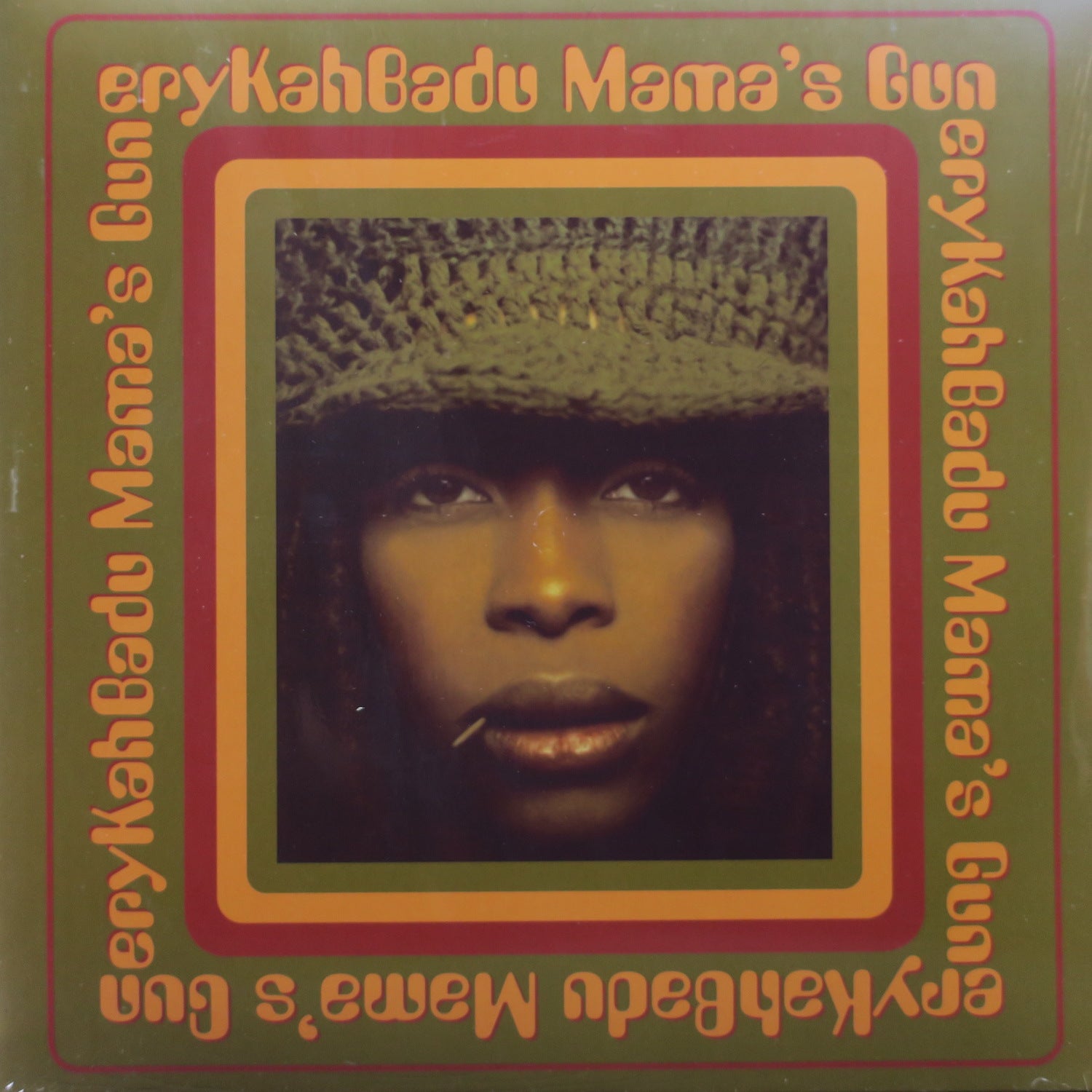
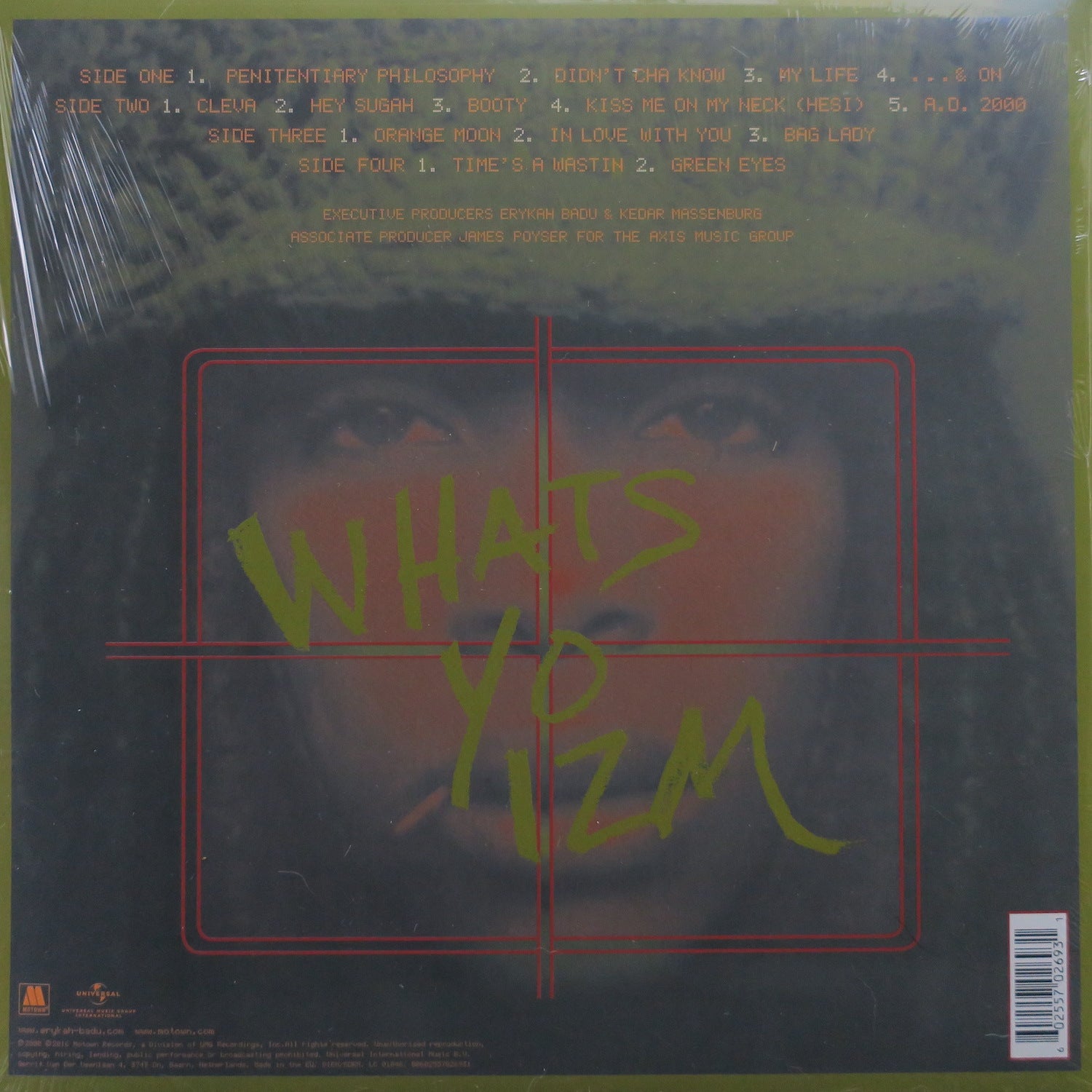
Baduizm and Mama's Gun map the first phase of her career—songs that blend soul jazz, hip-hop beats and Afrocentric lyricism. Baduizm introduced the deadpan, honeyed delivery that became her signature; Mama's Gun showed a looser, band-oriented approach and sharper political observations. Later New Amerykah Part One and Part Two pushed her into denser, more experimental territory, marrying electronic textures with social commentary.
The people around Badu shaped that sound. Sessions with members of the Soulquarians—producers and musicians who included Questlove, James Poyser and contemporaries like D'Angelo and J Dilla—gave her records a live, improvisational feel while keeping a hip-hop sensibility at the core. Those collaborators helped keep Badu's music rooted in musicianship rather than glossy studio polish, which is why tracks from Worldwide Underground alongside New Amerykah records still feel immediate.
Vocally she borrows from jazz and spoken-word traditions: phrasing that owes as much to Billie Holiday and Nina Simone as to contemporary R&B singers. That lineage matters because it explains why Badu's songs often function like personal sermons—introspective but socially aware, intimate but tuned to a wider cultural conversation.
Her influence shows up across modern alternative R&B and soul. Artists such as Janelle Monáe and Solange, among others, have taken cues from Badu's genre-bending production choices, theatrical persona and willingness to tackle political themes. At the same time, her collaborations with rappers, producers and bands kept her connected to hip-hop's evolving beat culture, making her records frequent points of reference for musicians who want both depth and groove.
For listeners exploring Erykah Badu today, the rewards are in the details: her phrasing, the conversational interludes, the ways a single groove can host political urgency and private confession. Those qualities are what keep her records worth returning to, whether the goal is a late-night listening session or tracing the roots of contemporary soul.
Related Artists: D'Angelo · Nina Simone