Kendrick Lamar
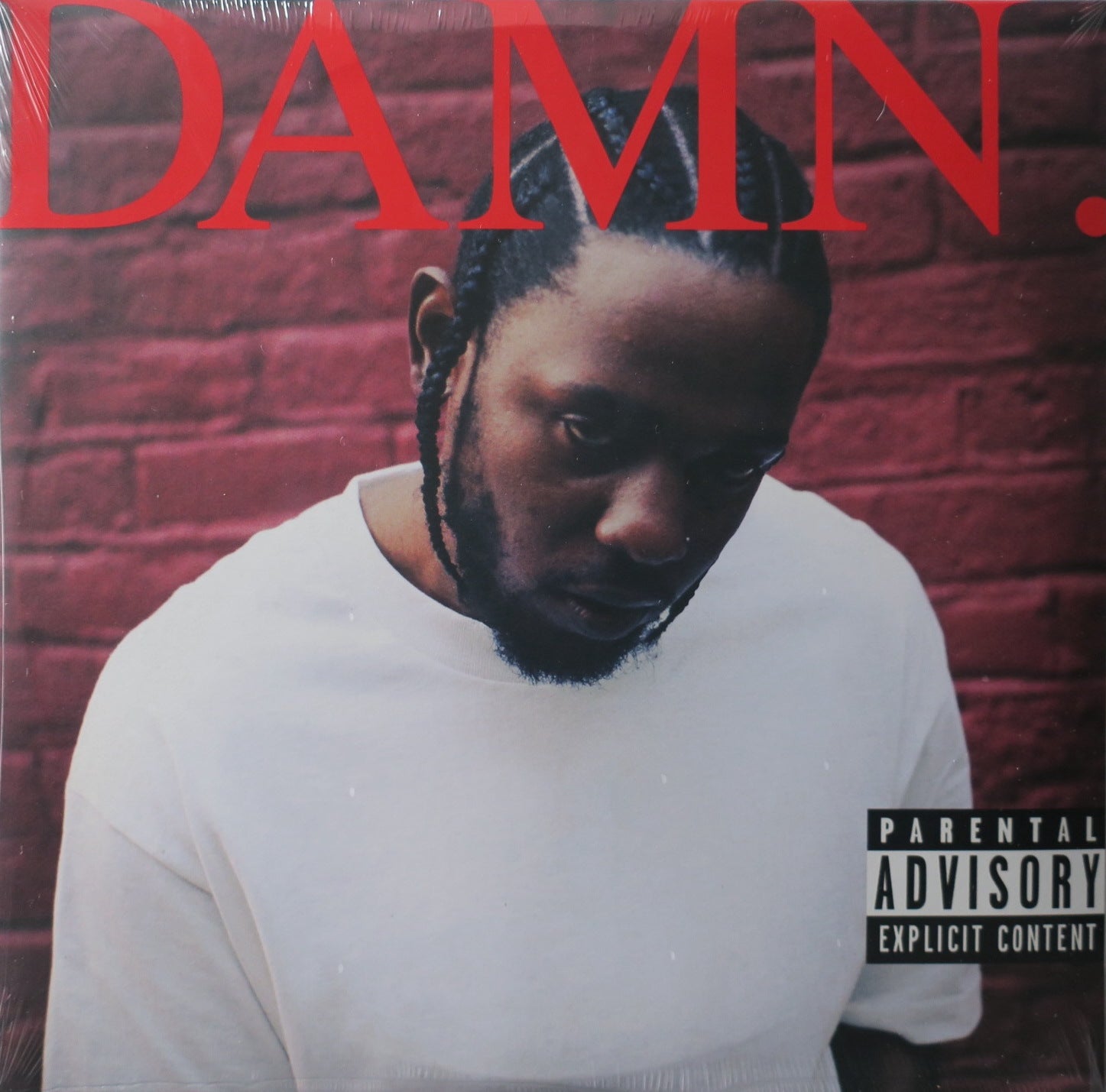
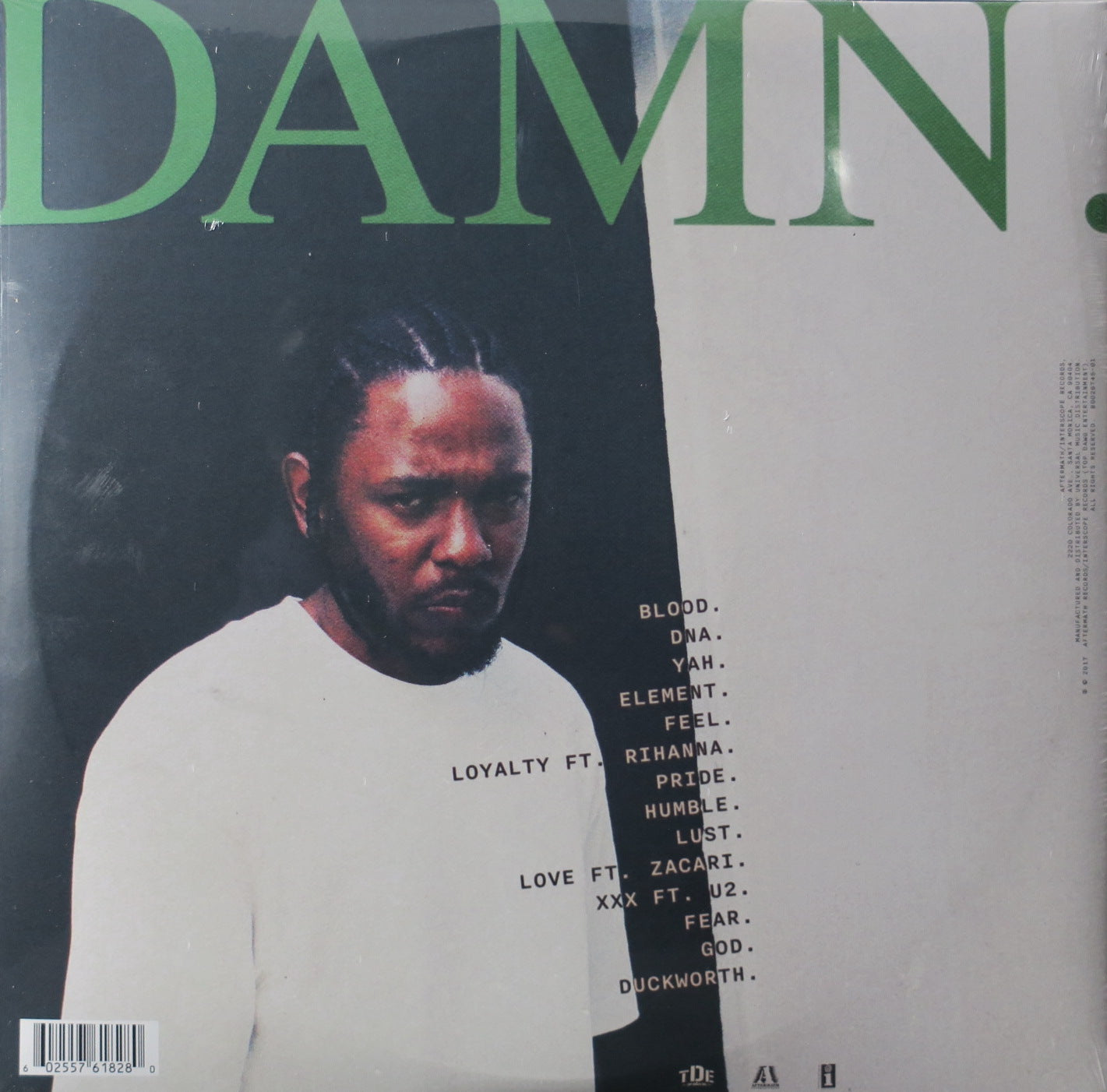
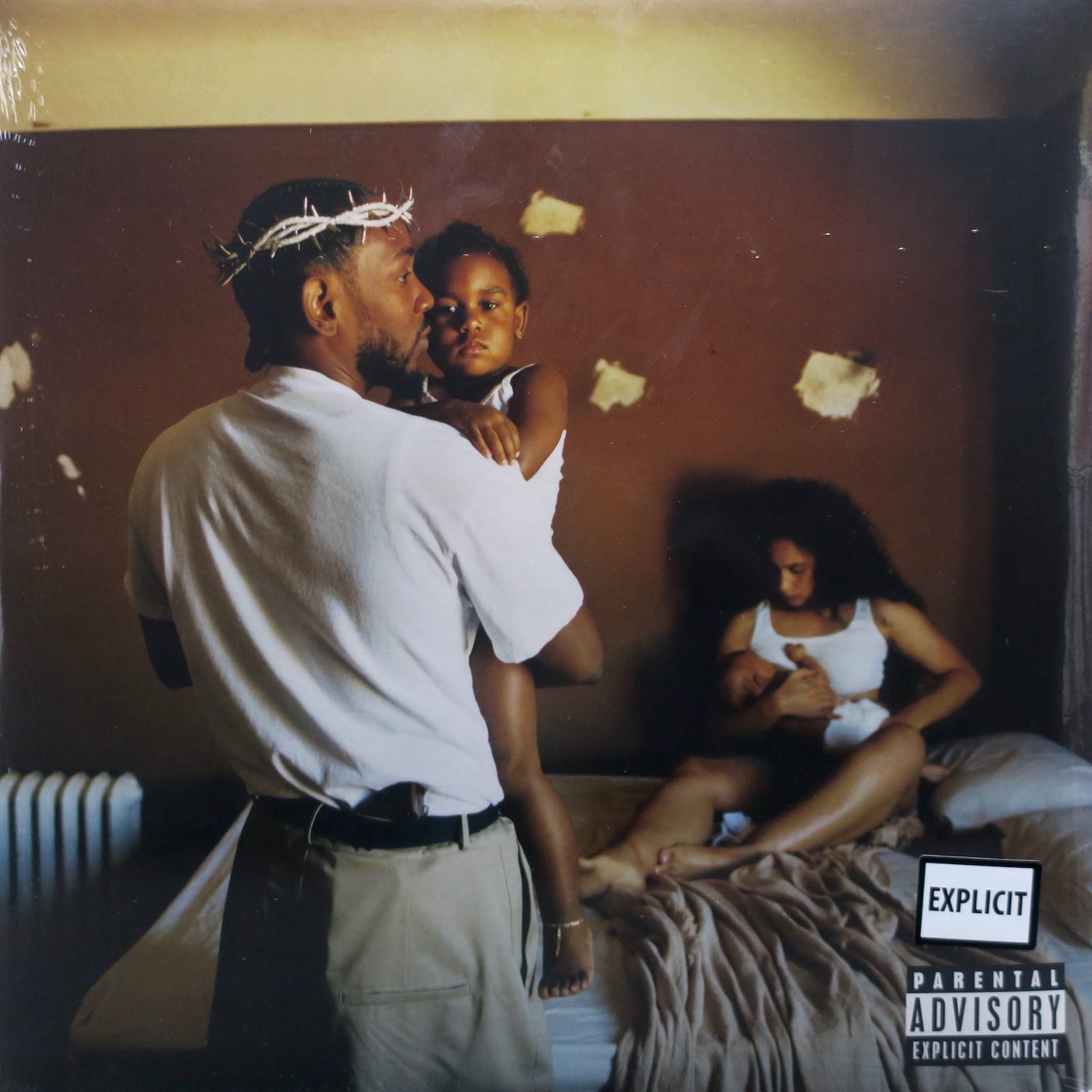
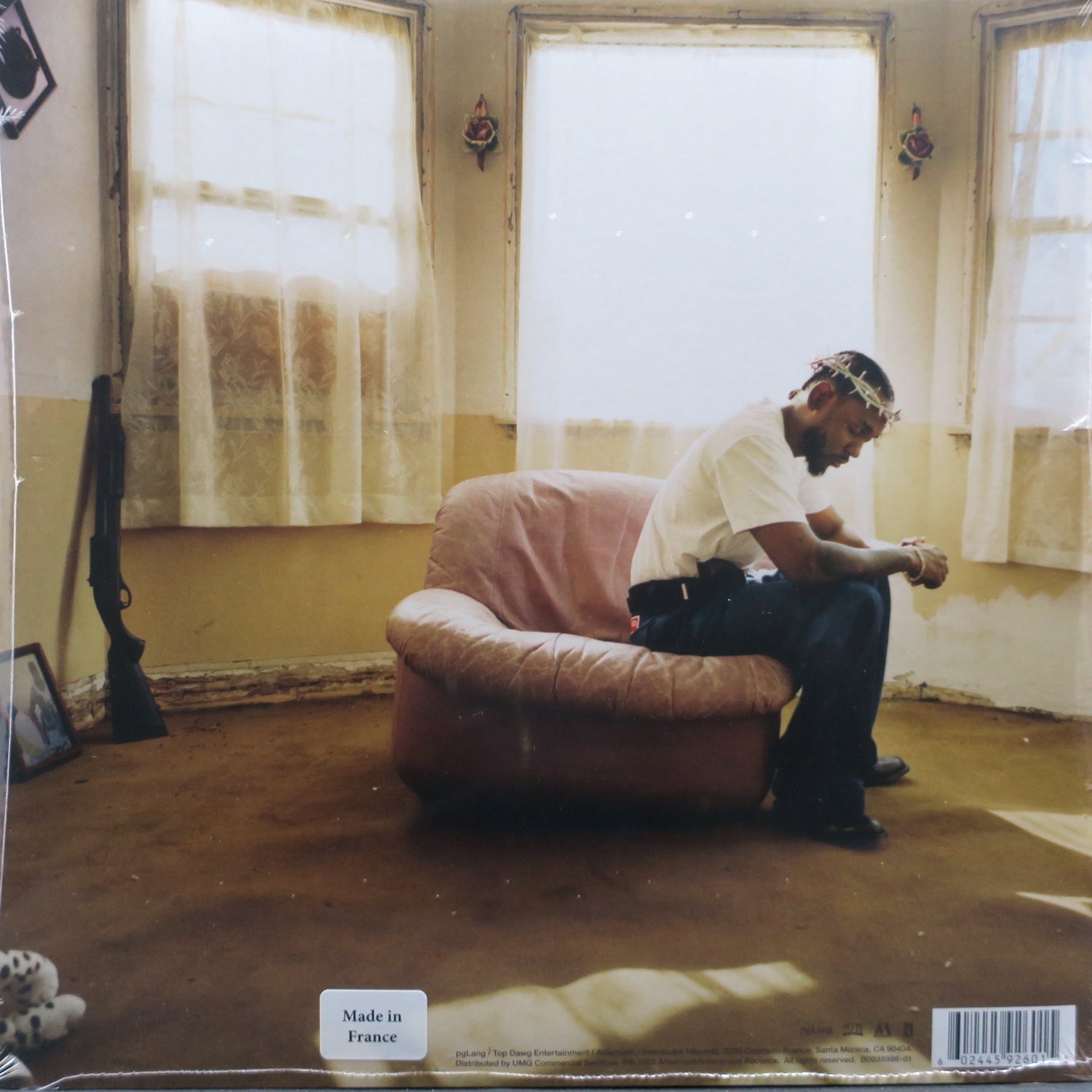
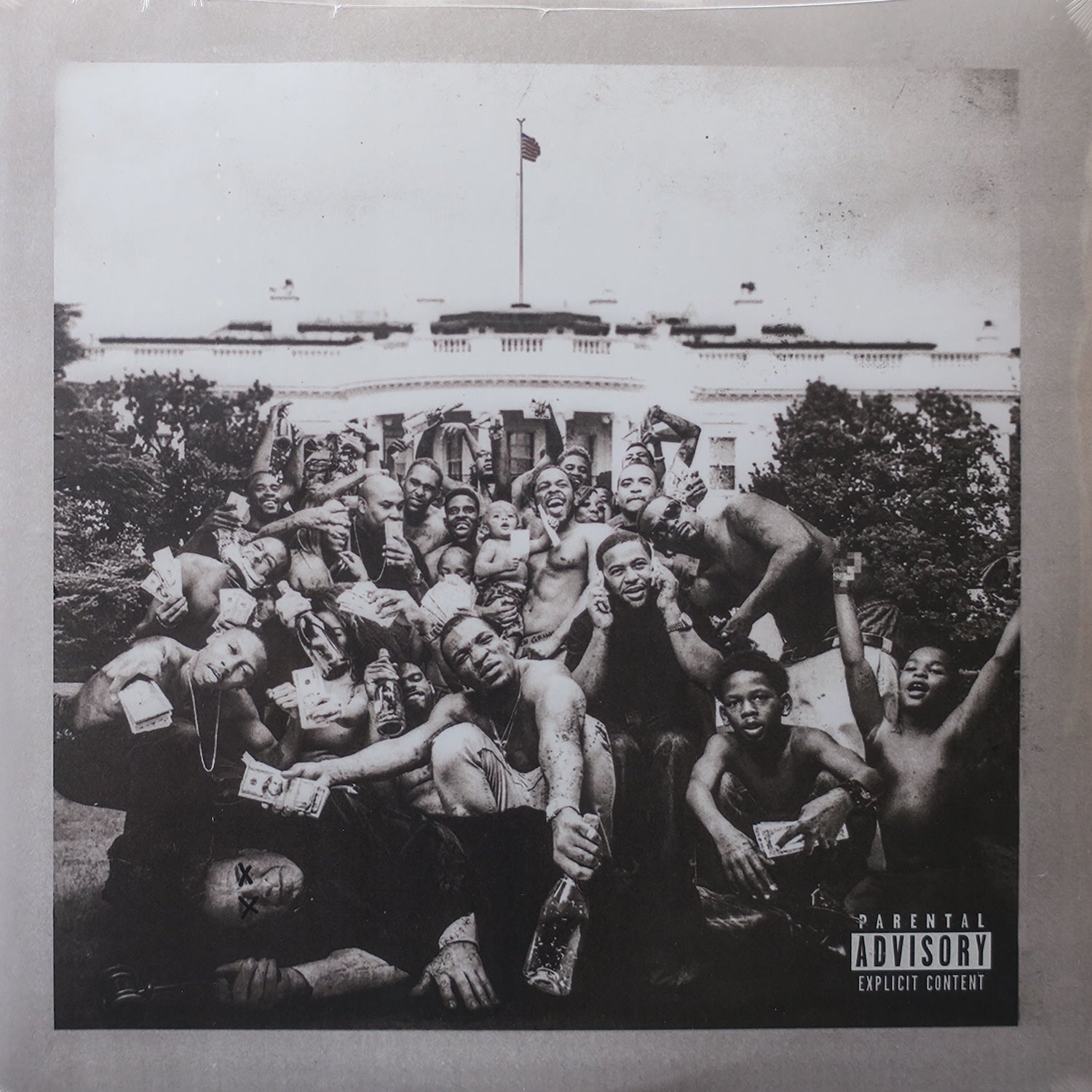
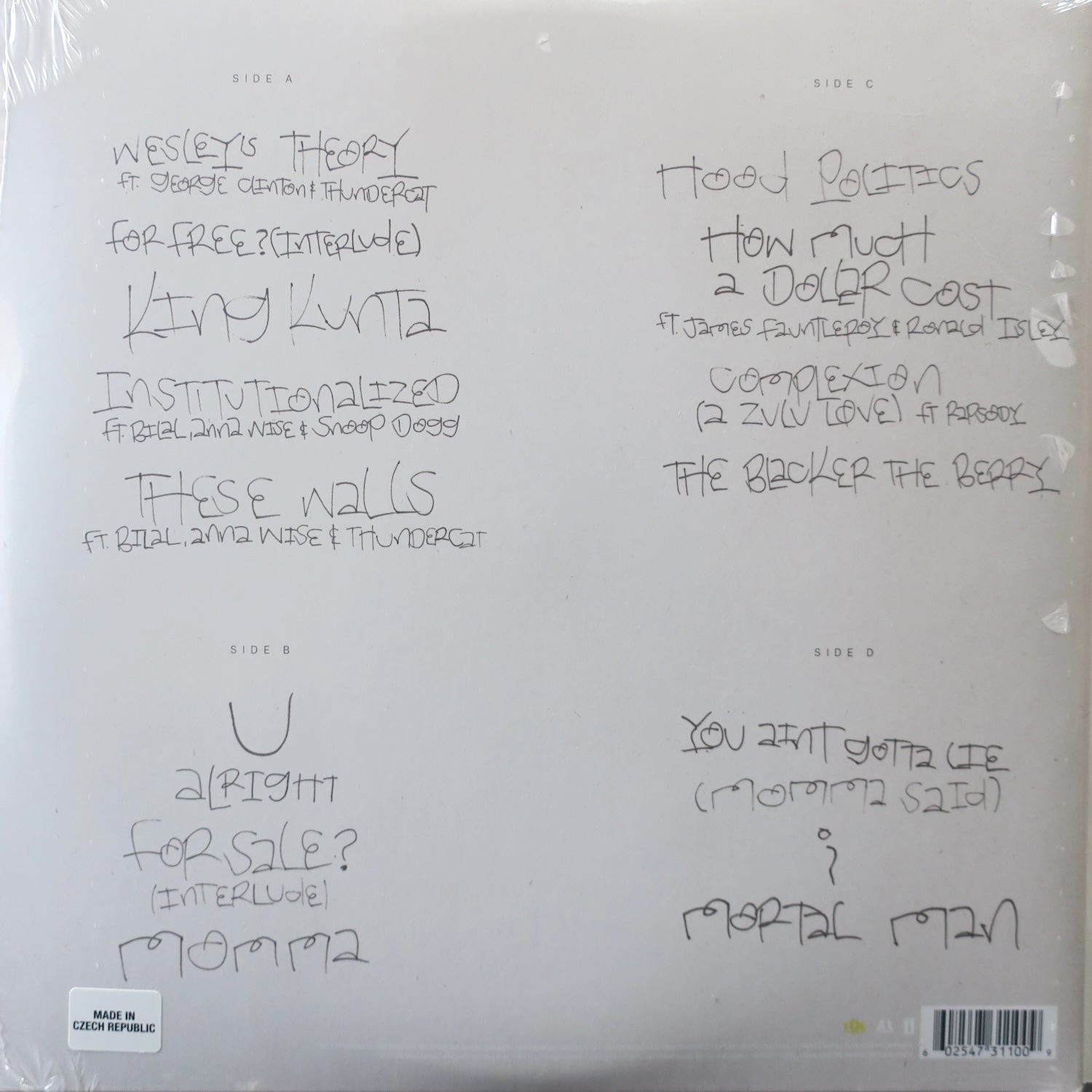
Kendrick Lamar turned the concept album into a public conversation, using tightly written characters, choir-backed refrains and abrupt production shifts to make personal stories feel nationally important. Instead of standalone singles, his records present arcs: a boy in Compton getting pulled into violence and choices on good kid, m.A.A.d city; a bruising reckoning with race and self on To Pimp a Butterfly; and the taut, chart-topping twists of DAMN., which carried a Pulitzer Prize for music. Those high points show why Kendrick matters beyond sales—his albums ask listeners to follow moral dilemmas and sonic experiments at the same time.
Musically, Kendrick moves between neighborhoods of hip hop. His early work leaned on West Coast rhythm and cinematic skits; later albums folded in jazz, funk and gospel textures, with players like Thundercat and Terrace Martin turning rap songs into small-band pieces. In-house producers from Top Dawg Entertainment, notably Sounwave, helped shape his signature sounds: sudden tempo changes, layered vocal takes and beat choices that amplify a lyric instead of merely backing it. That balance of dense lyricism and adventurous production is what set Kendrick apart from many mainstream acts and encouraged other rappers to treat albums as unified statements.
Kendrick's central collaborators are also part of his story. Black Hippy labelmates Jay Rock, Schoolboy Q and Ab-Soul formed the crew that amplified his early profile and provided a creative feed of rivalry and support. On the production side, Sounwave and Terrace Martin helped translate Kendrick's narratives into precise musical settings, while guest musicians like Thundercat brought a live-instrument looseness to songs on To Pimp a Butterfly.
Thematically, Kendrick has been unafraid to address police violence, systemic racism, fame's contradictions and personal accountability. His technique—switching voices, staging internal dialogues, and arranging albums so that a single bar can echo across multiple tracks—rewards repeated listening. That is why fans return to different albums for different reasons: storytelling craft on good kid, m.A.A.d city, radical sonic reinvention on To Pimp a Butterfly, and compact, hook-savvy intensity on DAMN.
Even as his sound continues to evolve, Kendrick Lamar remains a demanding but accessible presence: an artist who asks listeners to keep up, then offers new details on every replay.