Skip to content
Facebook
Instagram
10% off orders over $150 . . . Flat rate shipping within Australia
Search
BUY STUFF
SELL YOUR RECORDS & CDs
VINYL FLATTENING
GIFT VOUCHER
CONTACT
Account
Search
Cart
BUY STUFF
SELL YOUR RECORDS & CDs
VINYL FLATTENING
GIFT VOUCHER
CONTACT
Mac Miller
2007–2018
Hip Hop
If you like Mac Miller you should check out:
Anderson .Paak
,
Childish Gambino
,
Kendrick Lamar
Filter
9 products
Sort by
Alphabetically, A-Z
Most relevant
Best selling
Alphabetically, A-Z
Alphabetically, Z-A
Date, old to new
Date, new to old
Filters
Sort by
Most relevant
Best selling
Alphabetically, A-Z
Alphabetically, Z-A
Date, old to new
Date, new to old
Apply
Quick buy
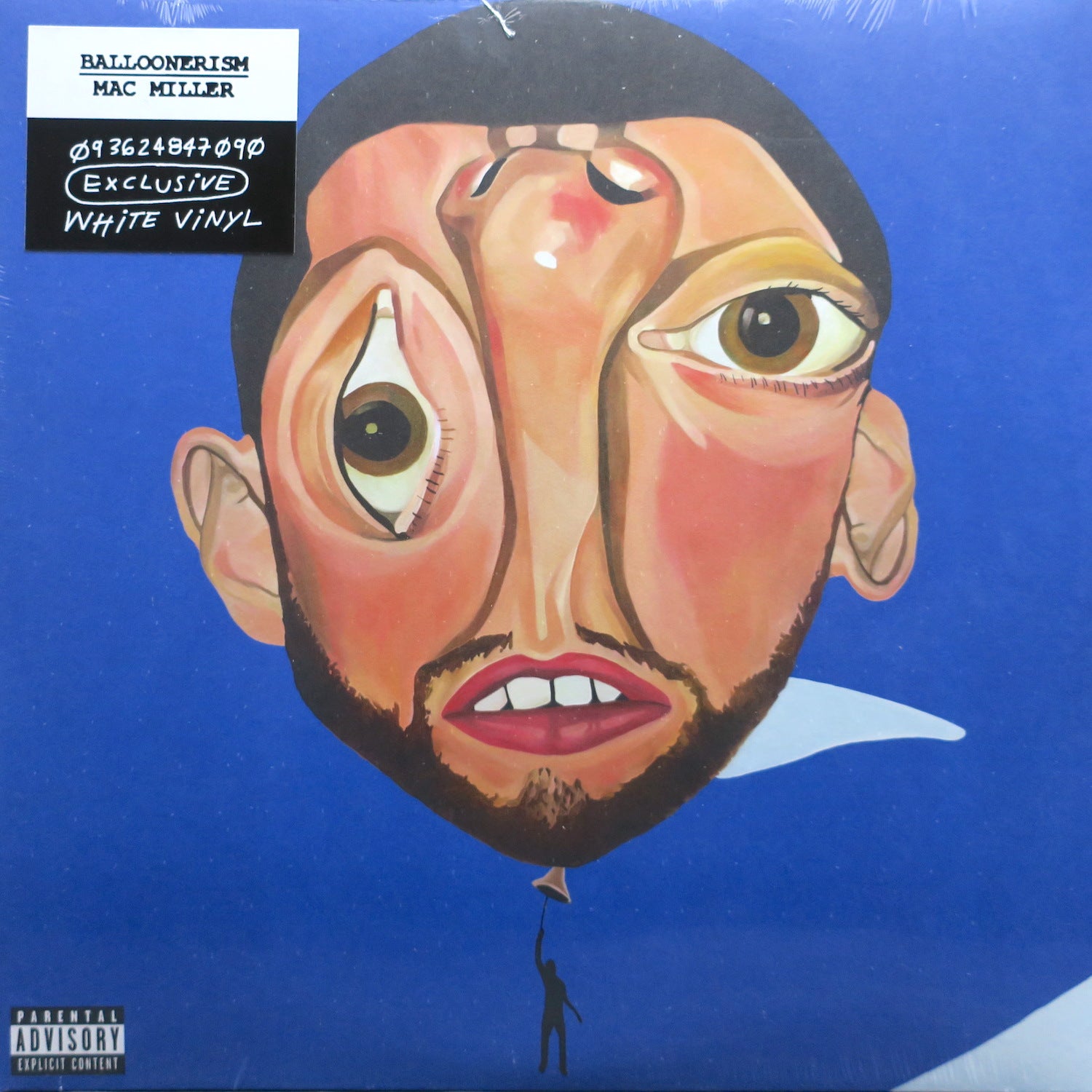
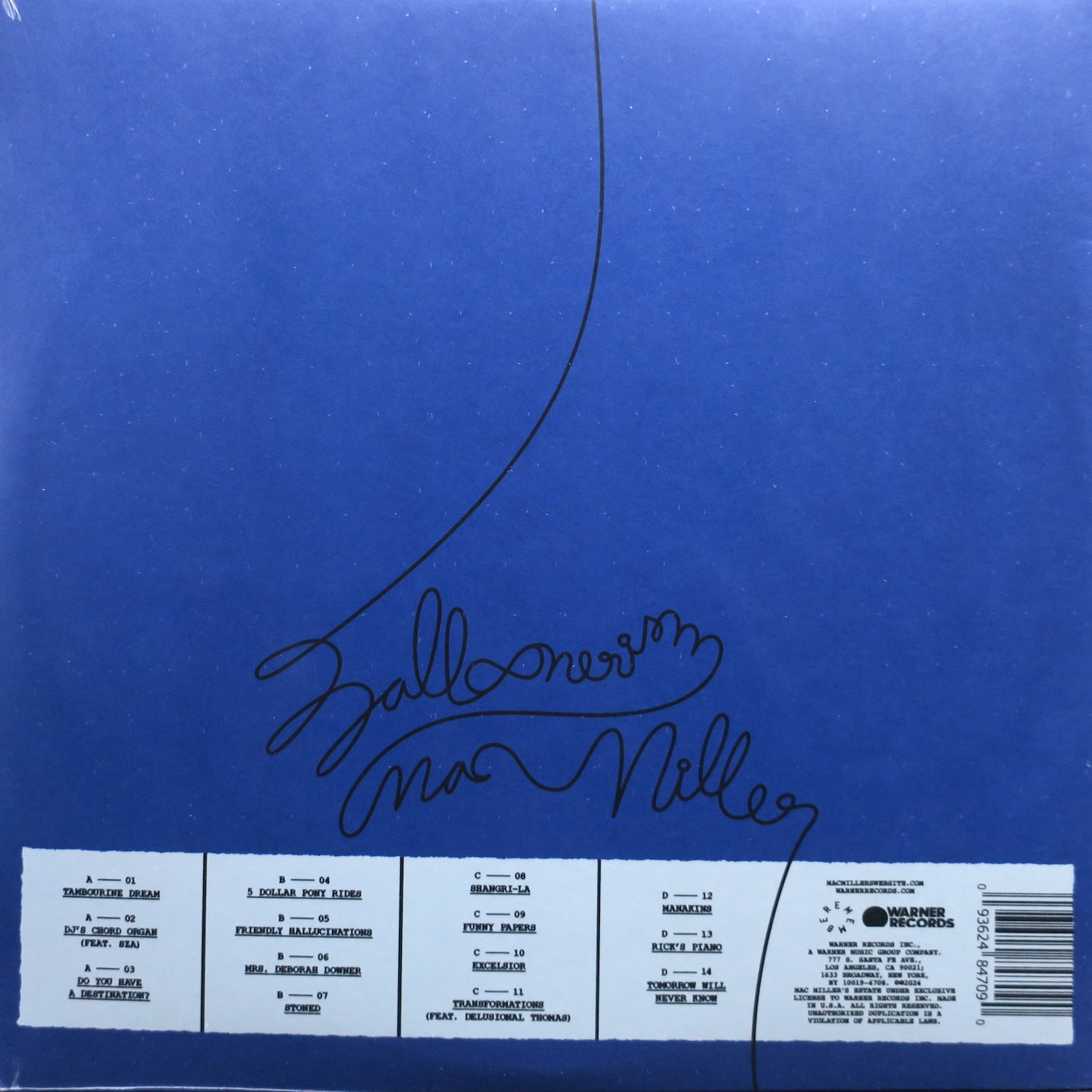
MAC MILLER 'Balloonerism' WHITE Vinyl 2LP
$85.00
Quick buy
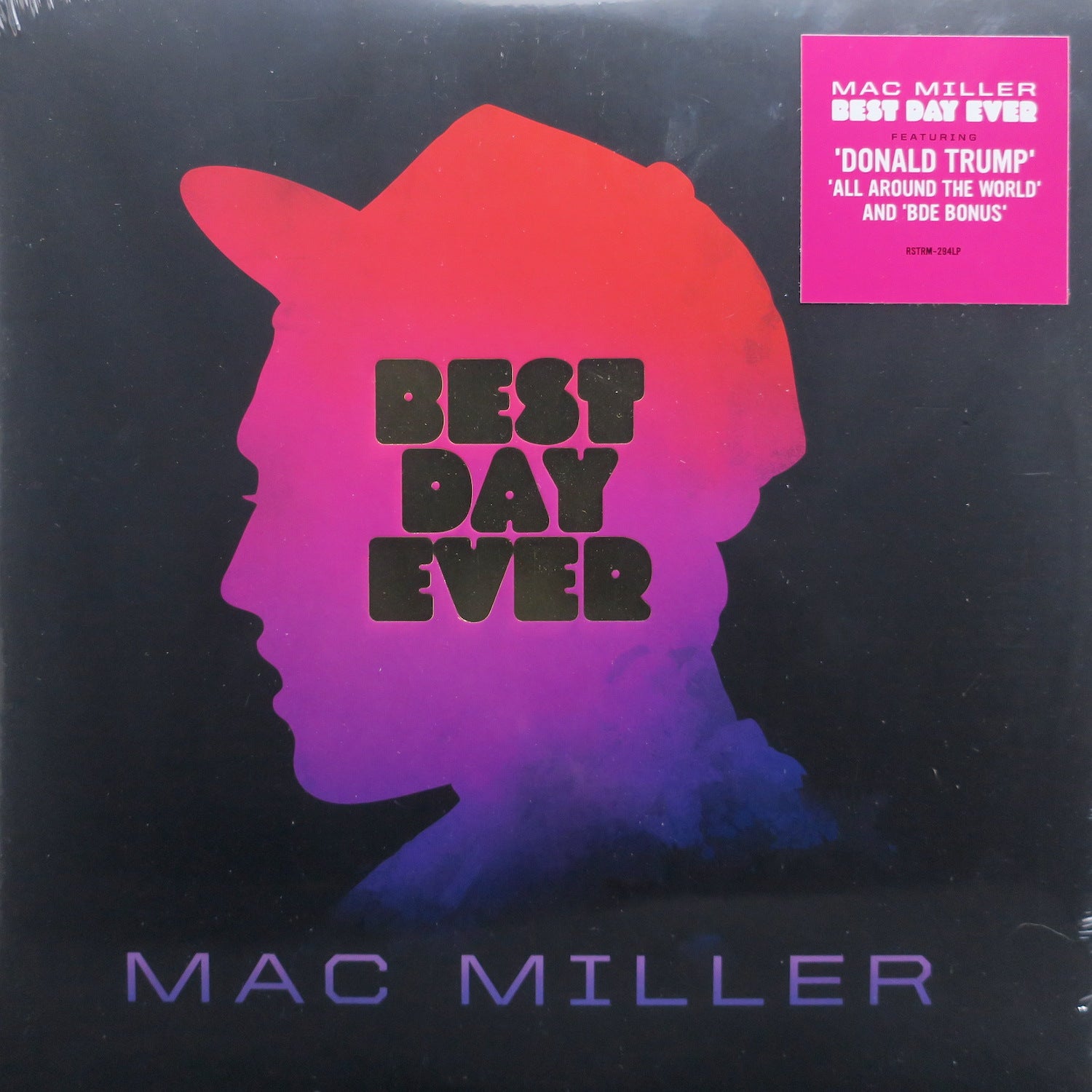
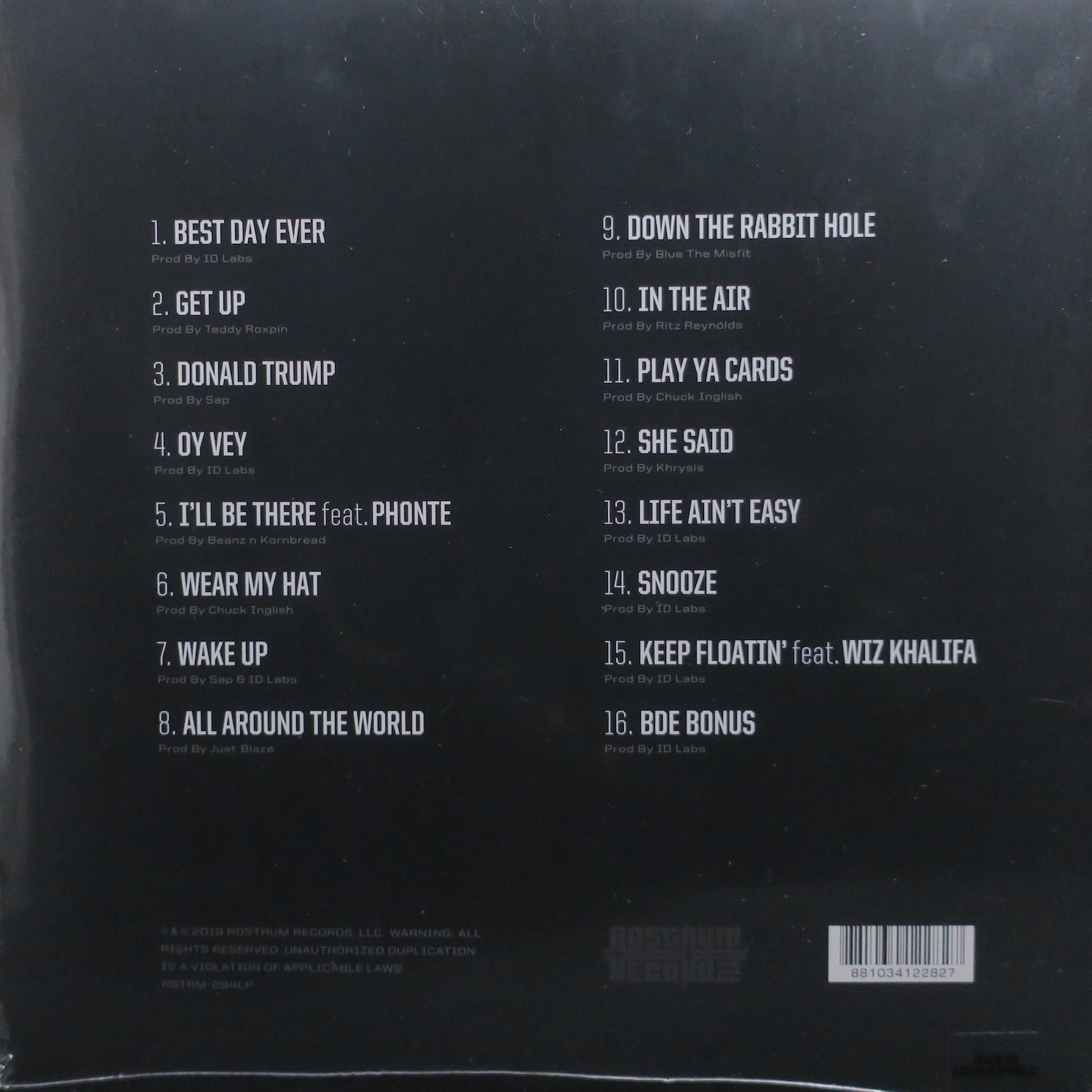
MAC MILLER 'Best Day Ever' Vinyl 2LP
$40.00
$55.00
Sold out
Quick buy
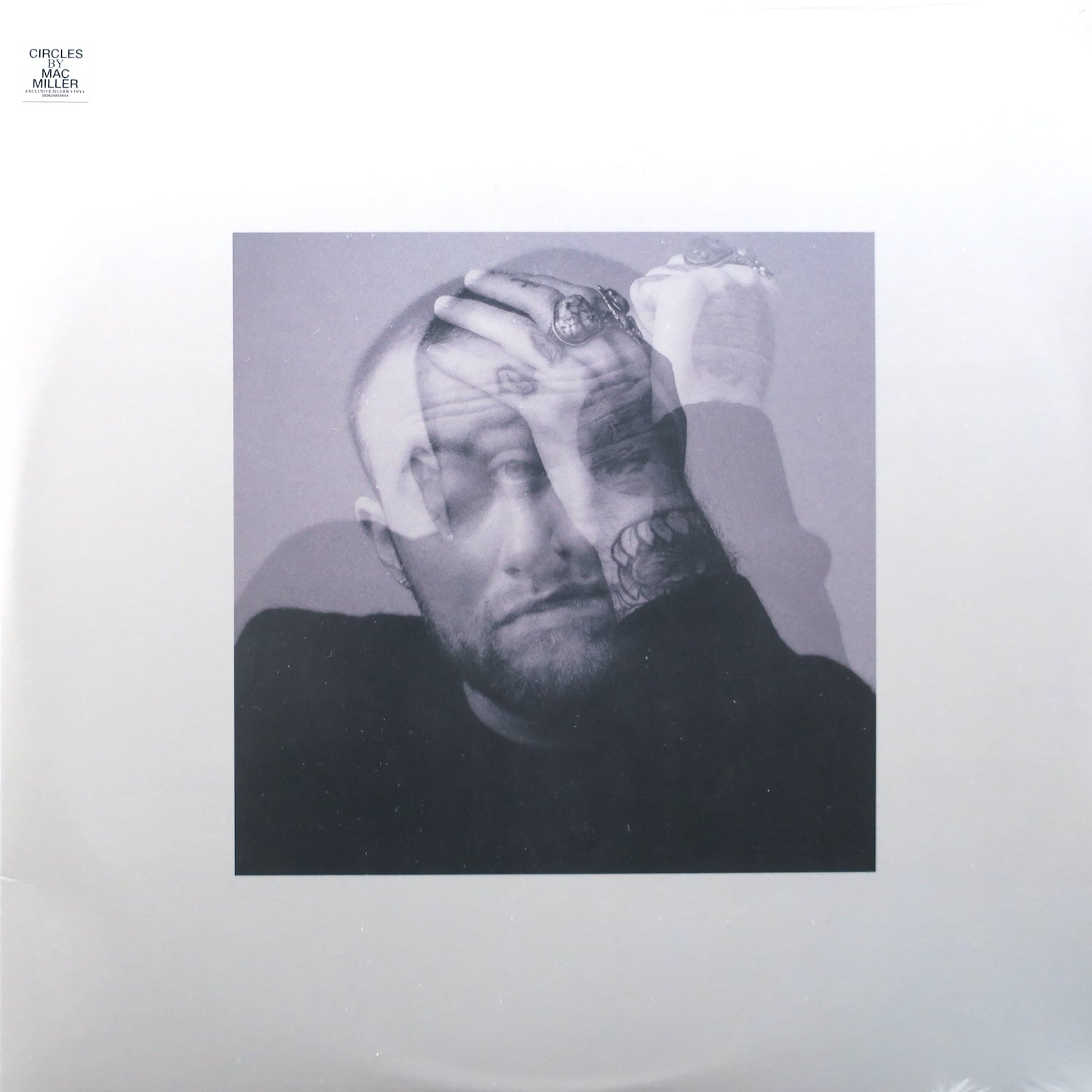
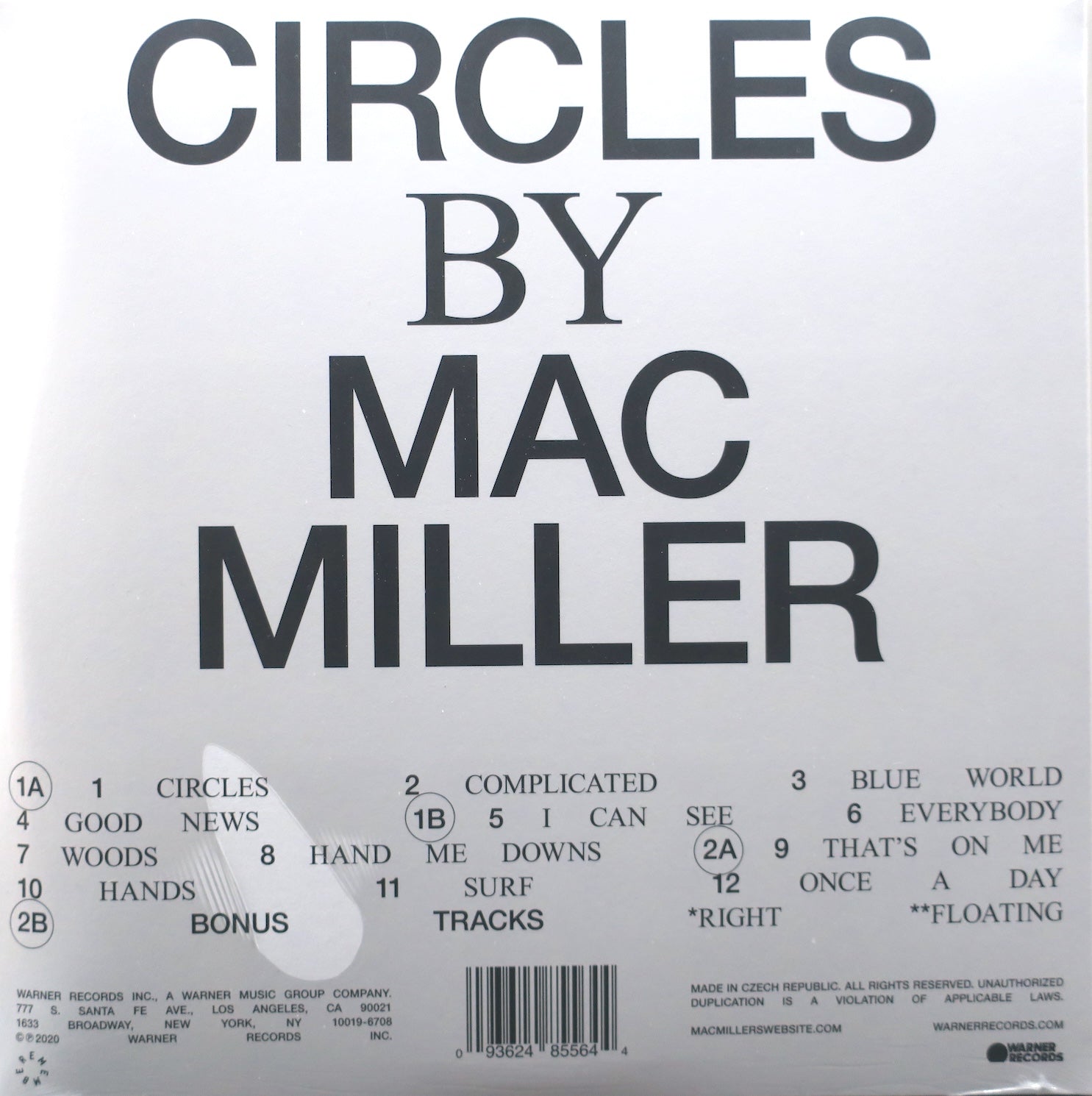
MAC MILLER 'Circles' SILVER Vinyl 2LP + Poster
$90.00
Quick buy
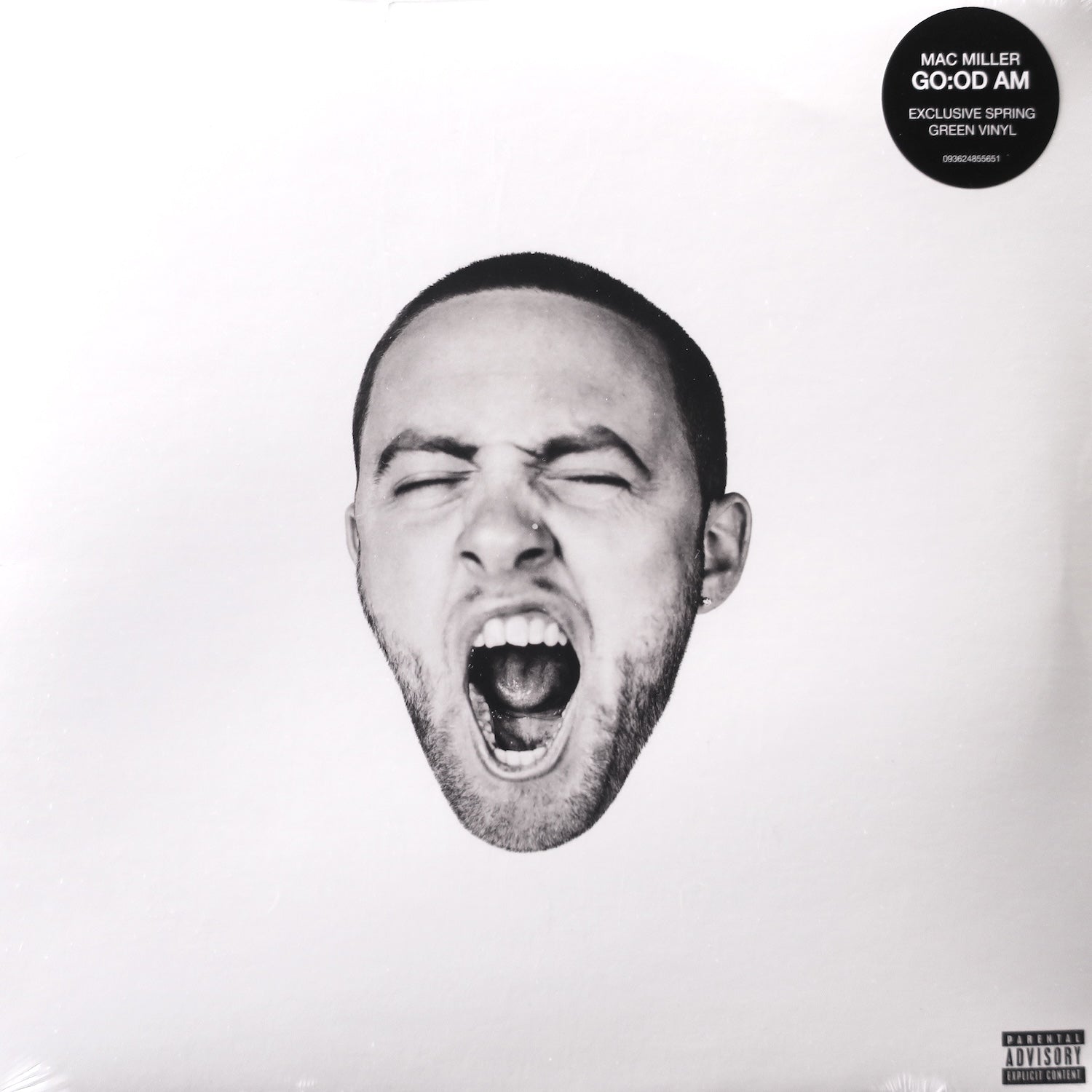
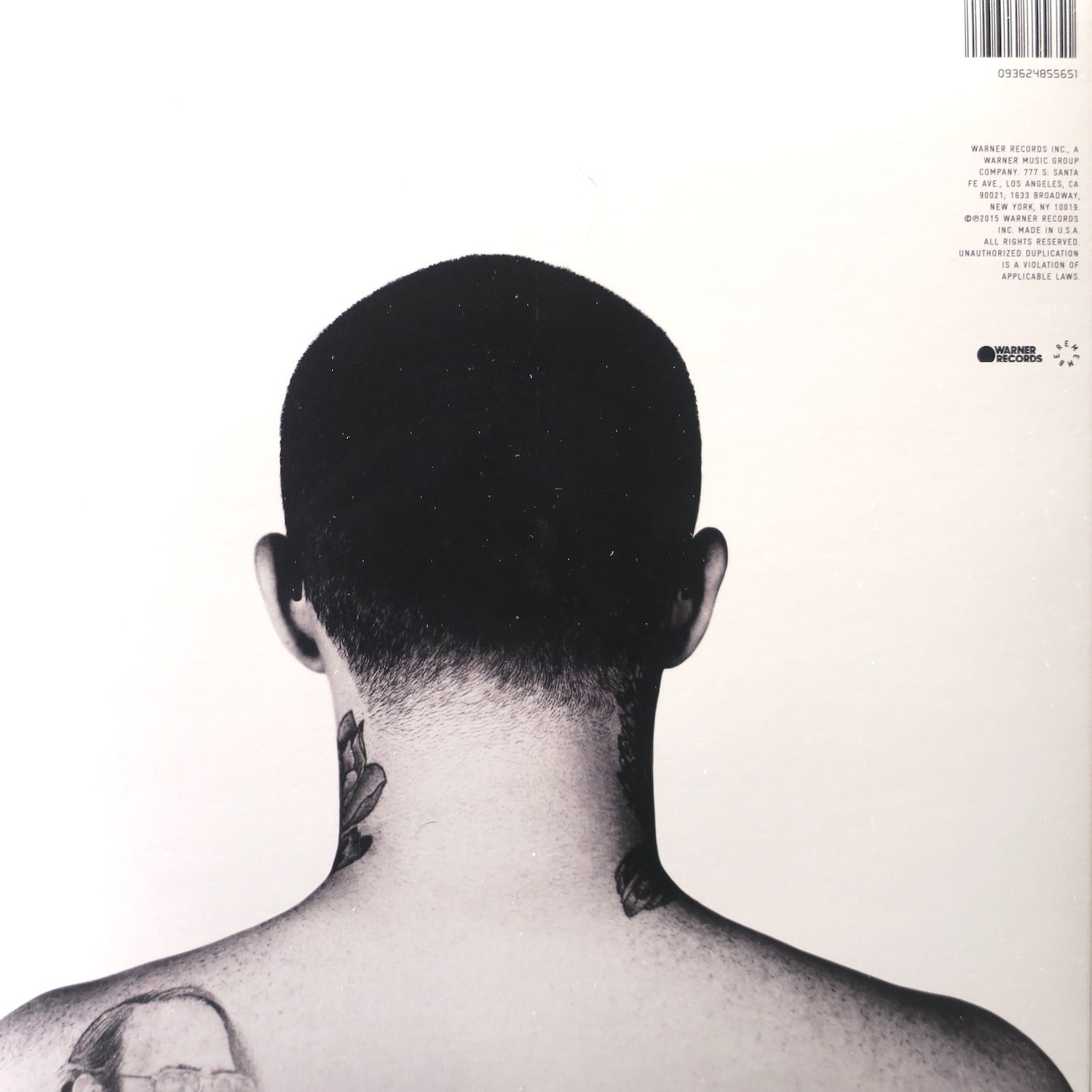
MAC MILLER 'GO:OD AM' SPRING GREEN Vinyl 2LP
$70.00
Quick buy
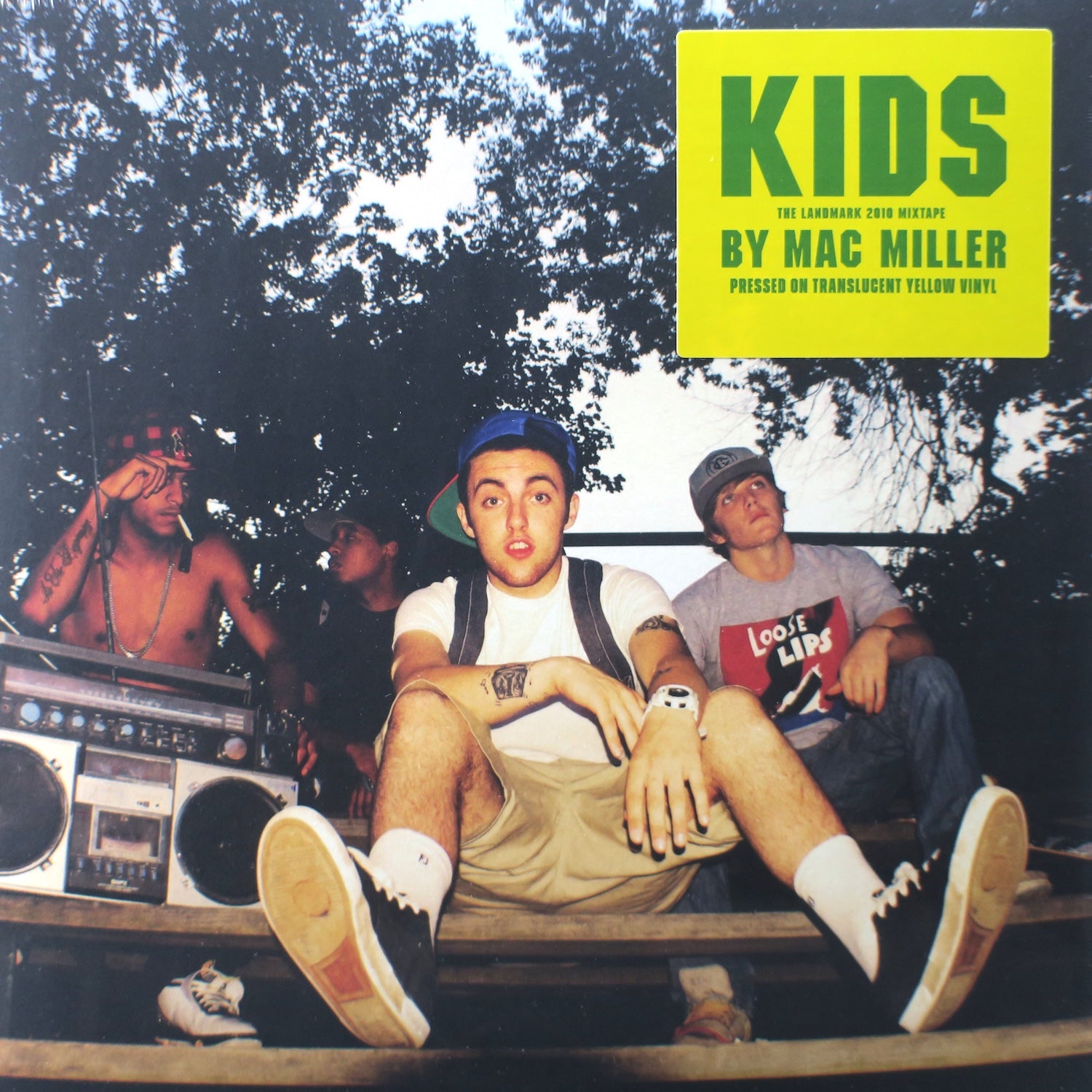
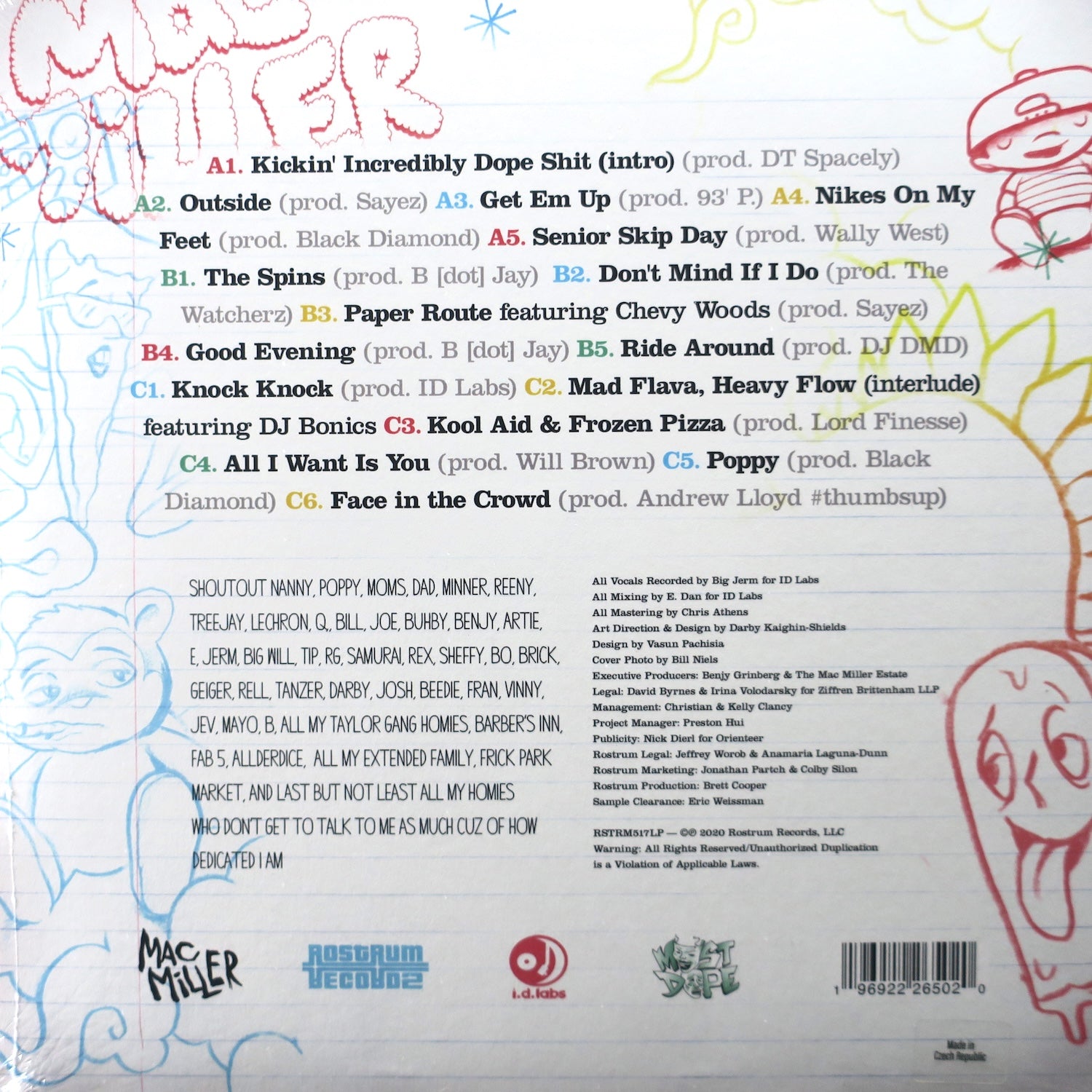
MAC MILLER 'K.I.D.S.' YELLOW Vinyl 2LP
$75.00
Quick buy
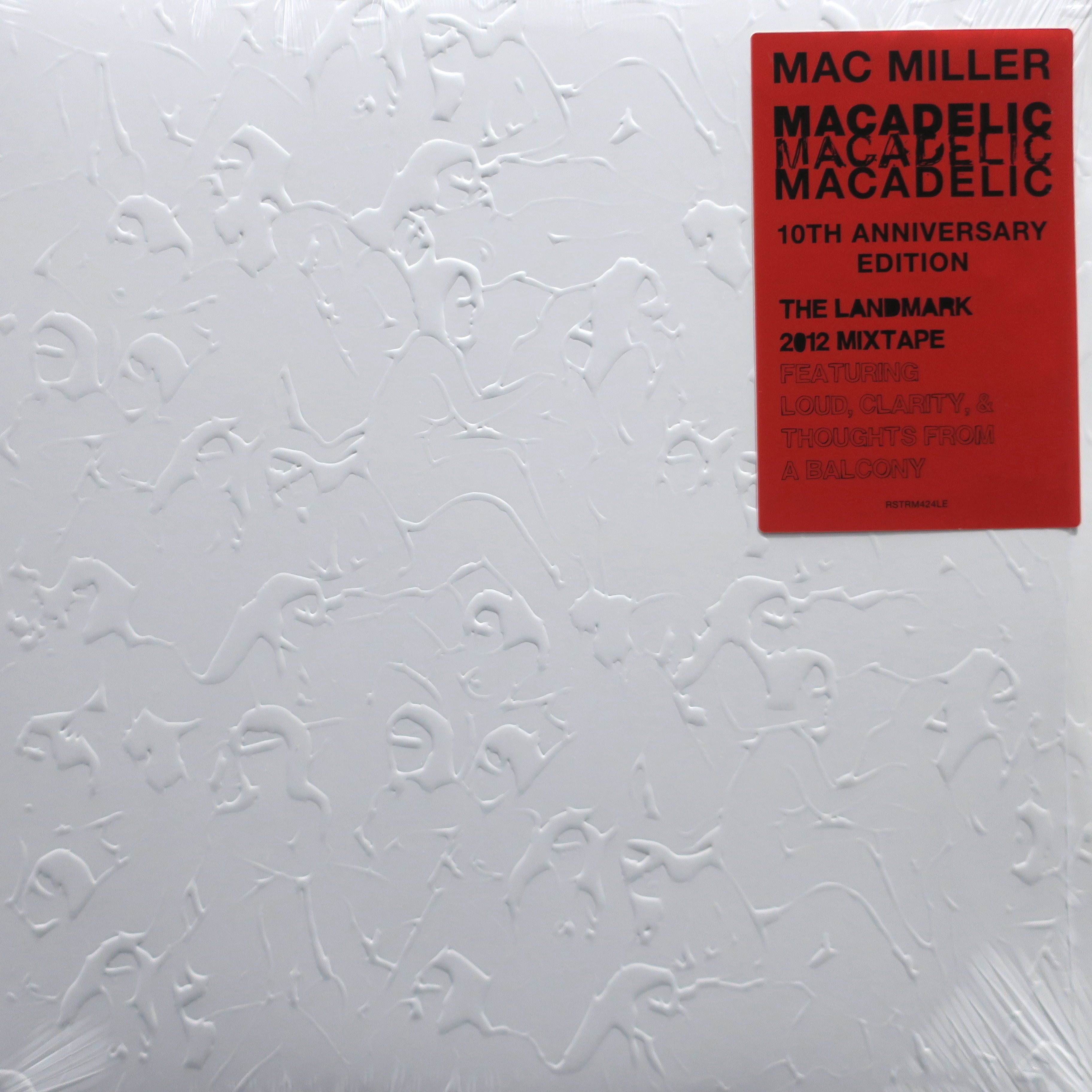
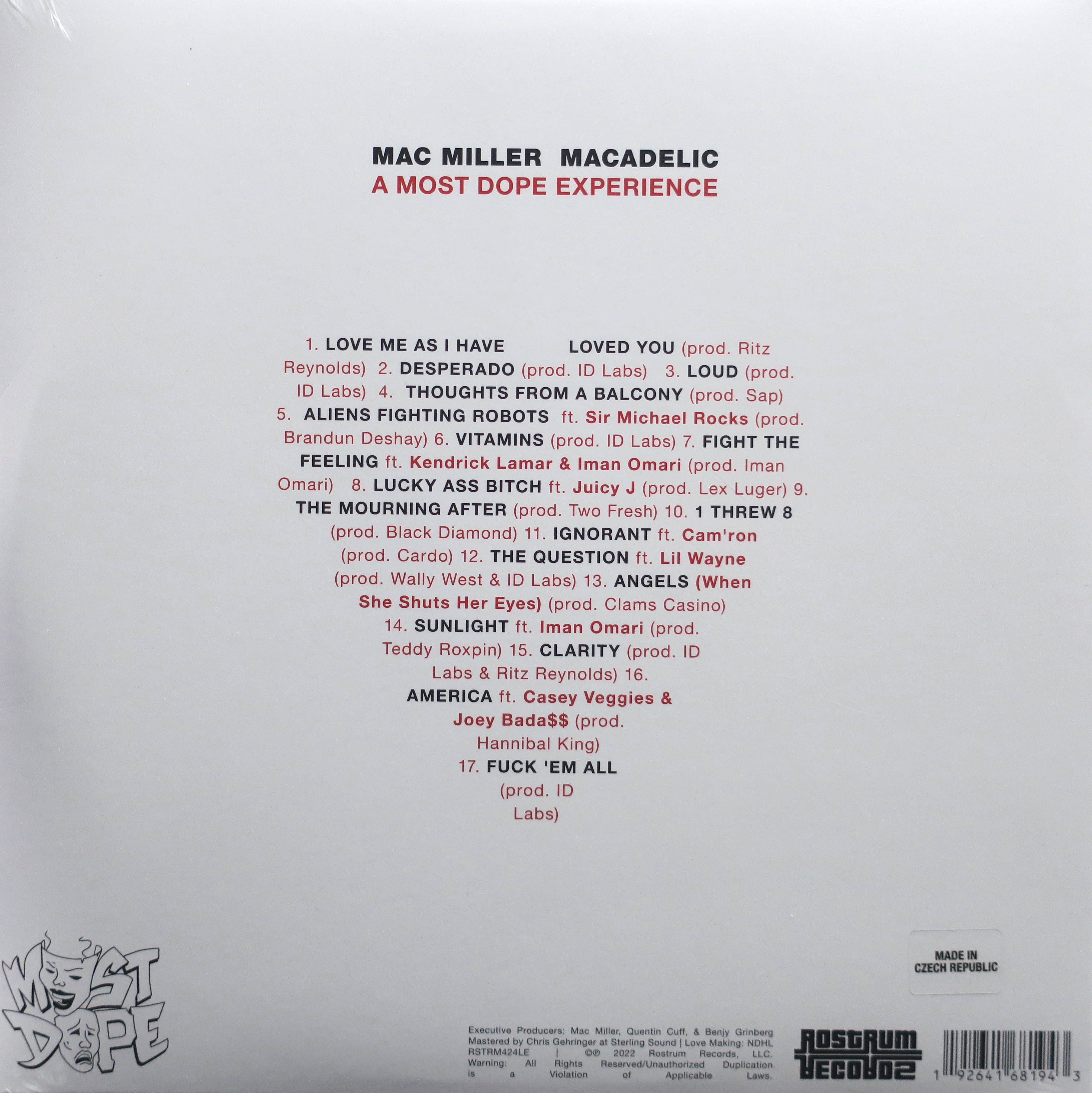
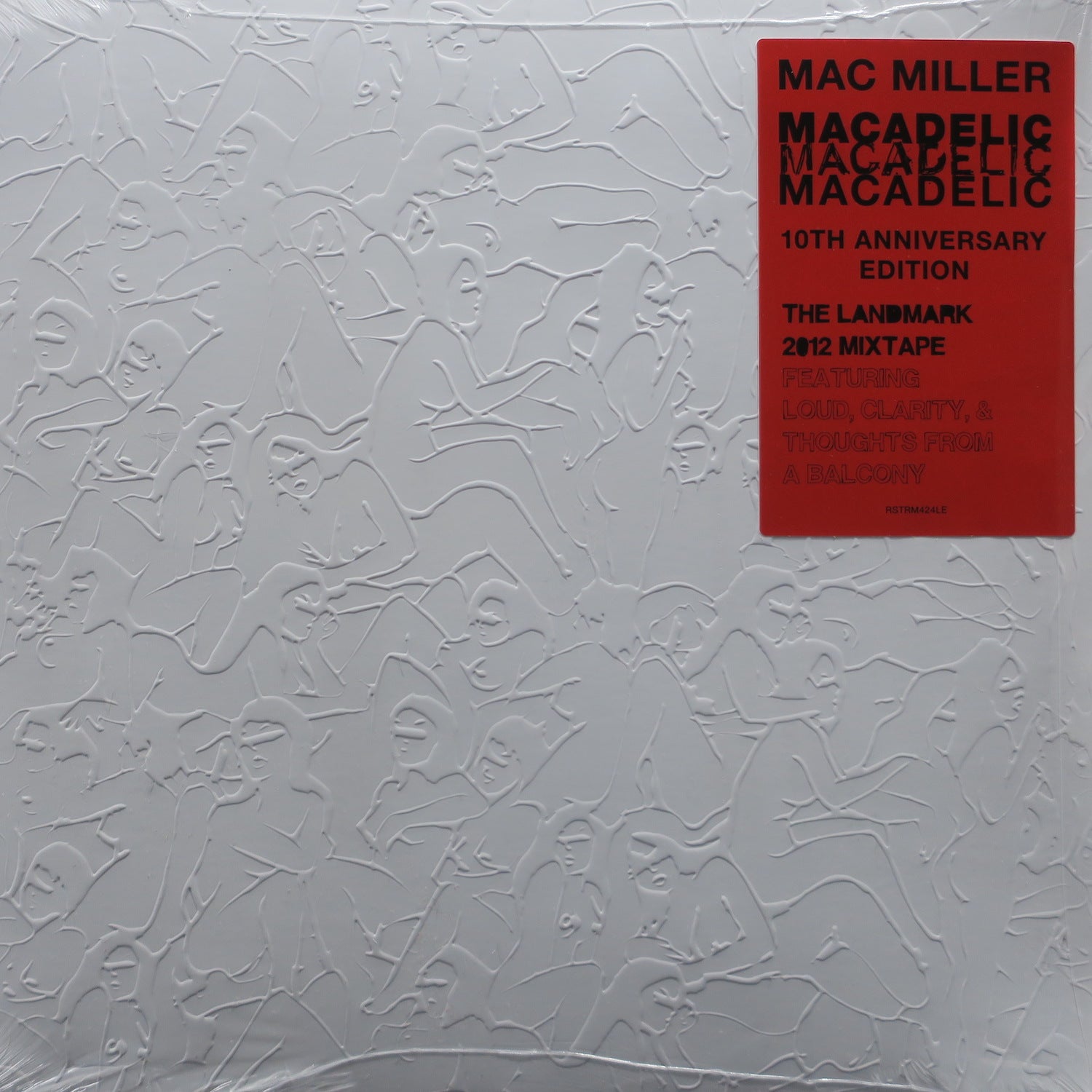
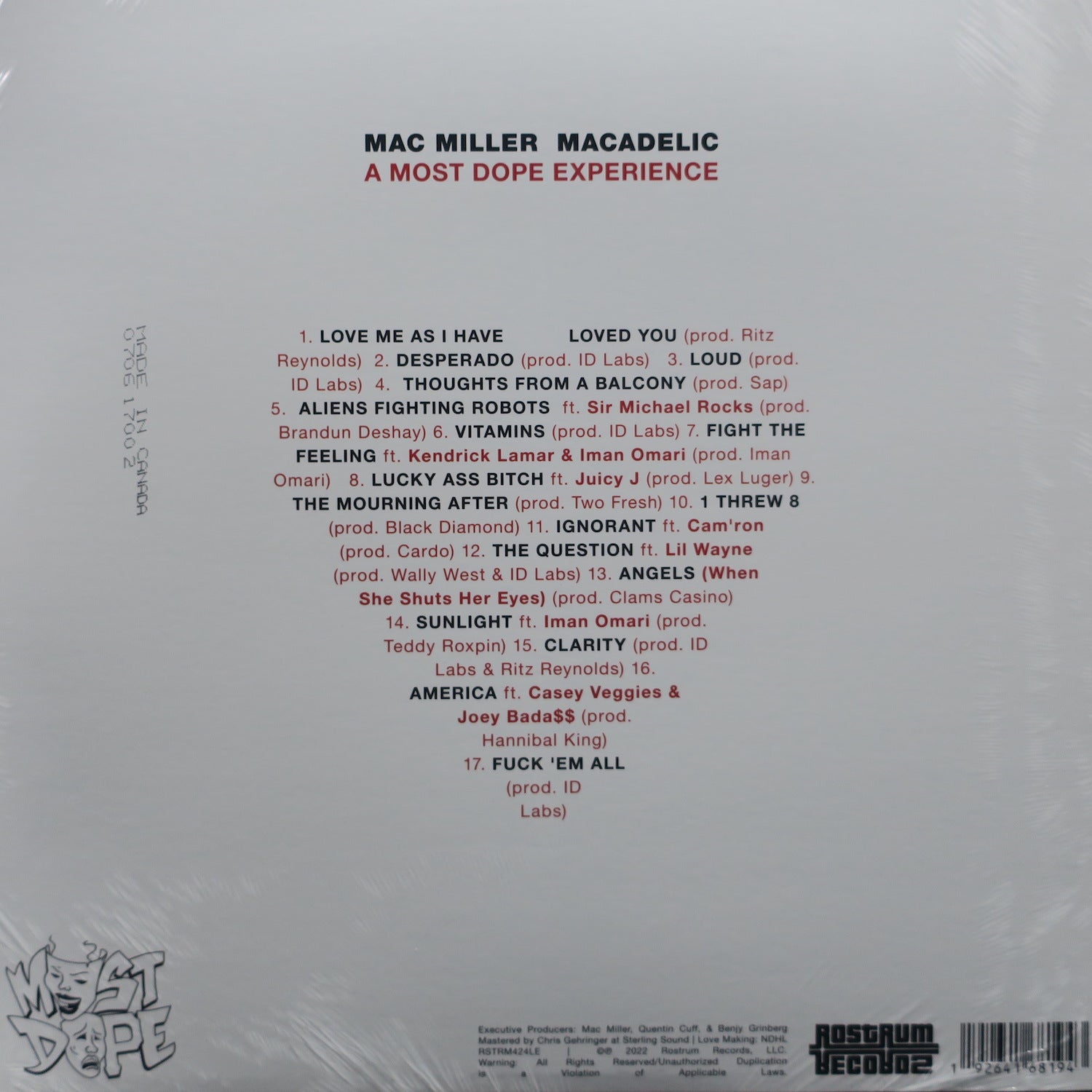
MAC MILLER 'Macadelic' 10th Anniversary SILVER Vinyl 2LP
$70.00
Quick buy
MAC MILLER 'Macadelic' Vinyl 2LP (2012 Hip Hop)
$65.00
Quick buy
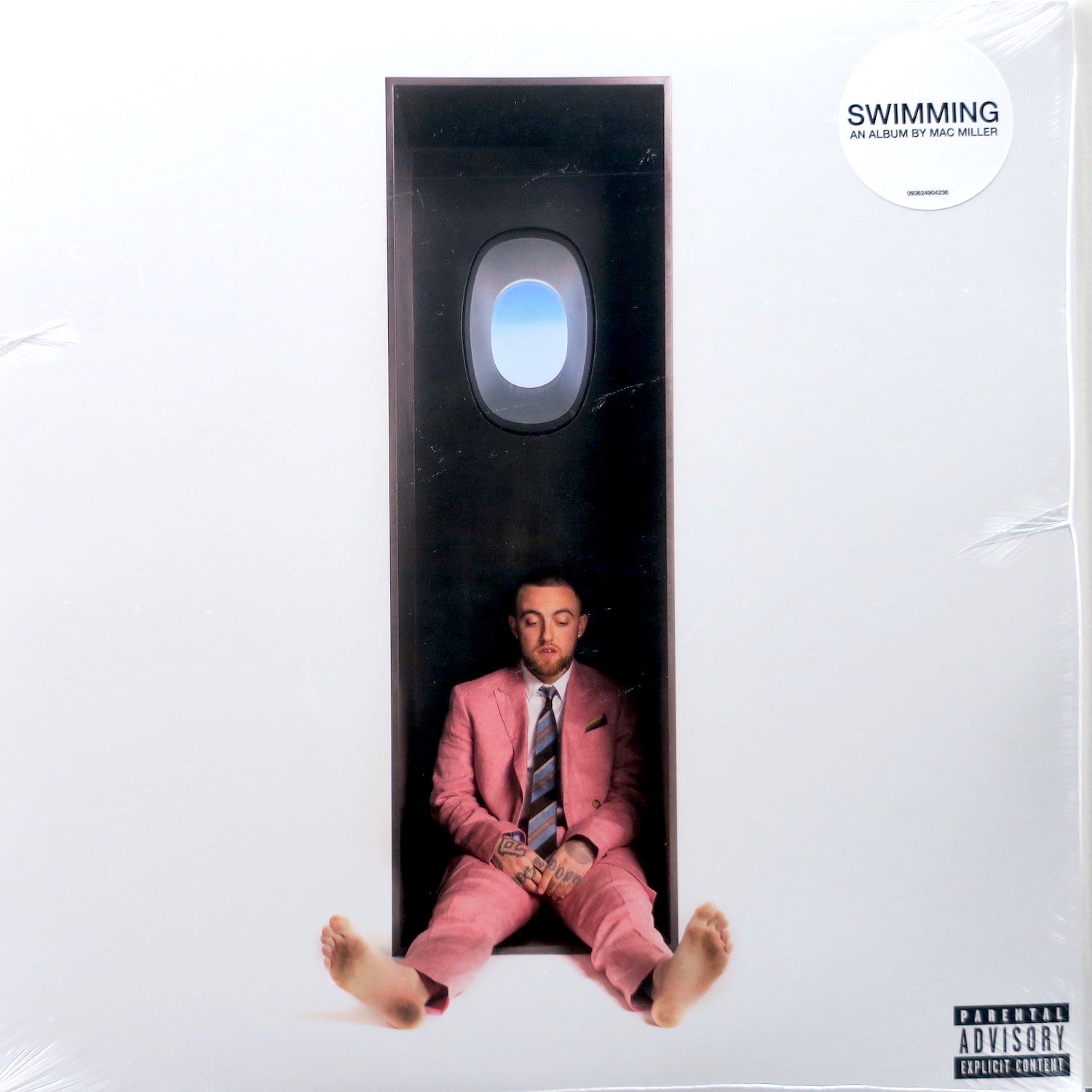
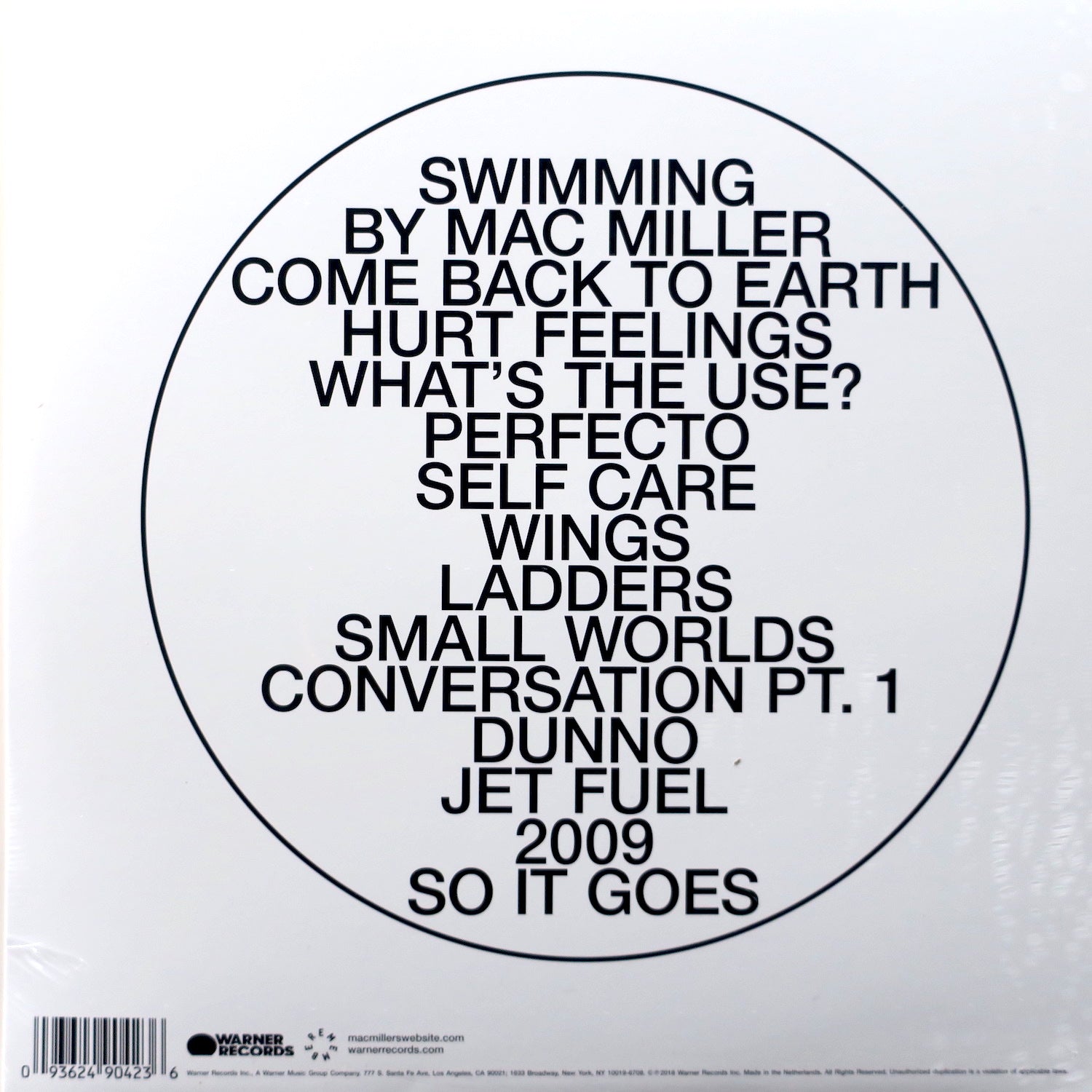
MAC MILLER 'Swimming' Vinyl 2LP
$80.00
Quick buy
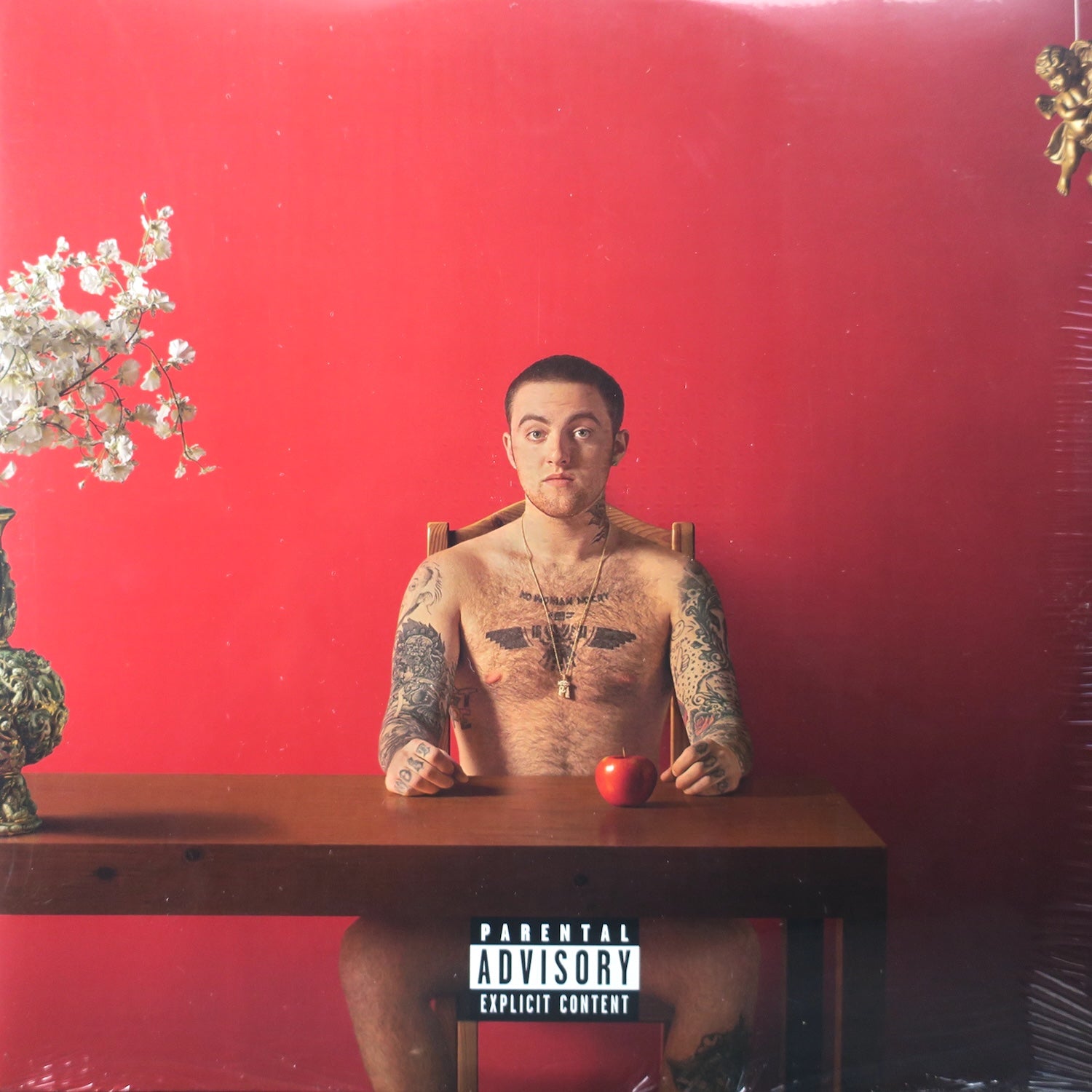
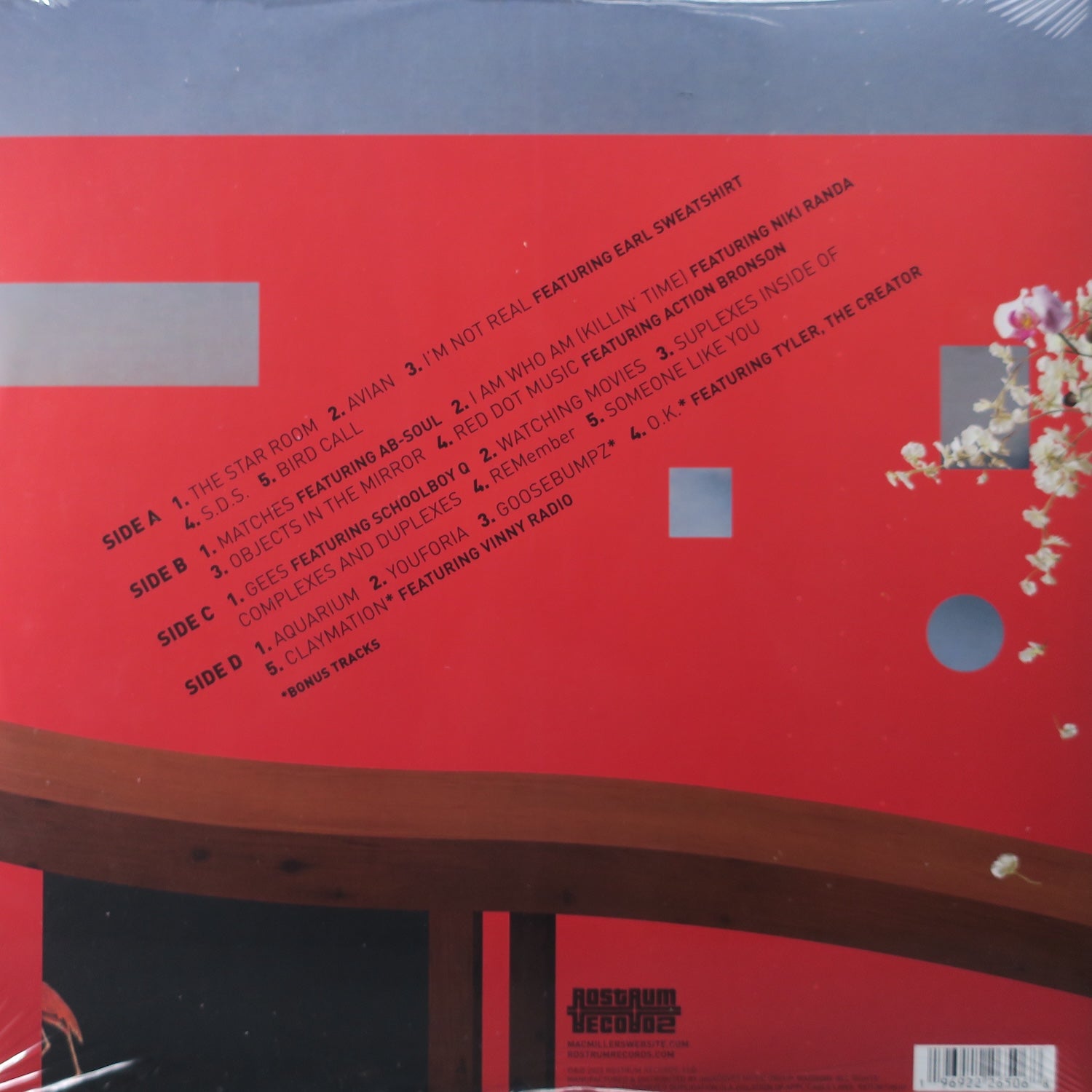
MAC MILLER 'Watching Movies With The Sound Off' Vinyl 2LP
$67.50
Your cart
Close
Get 10% off all orders over $150
Close
Your cart is empty
Start shopping
Added to your
Cart