Notorious B.i.g.
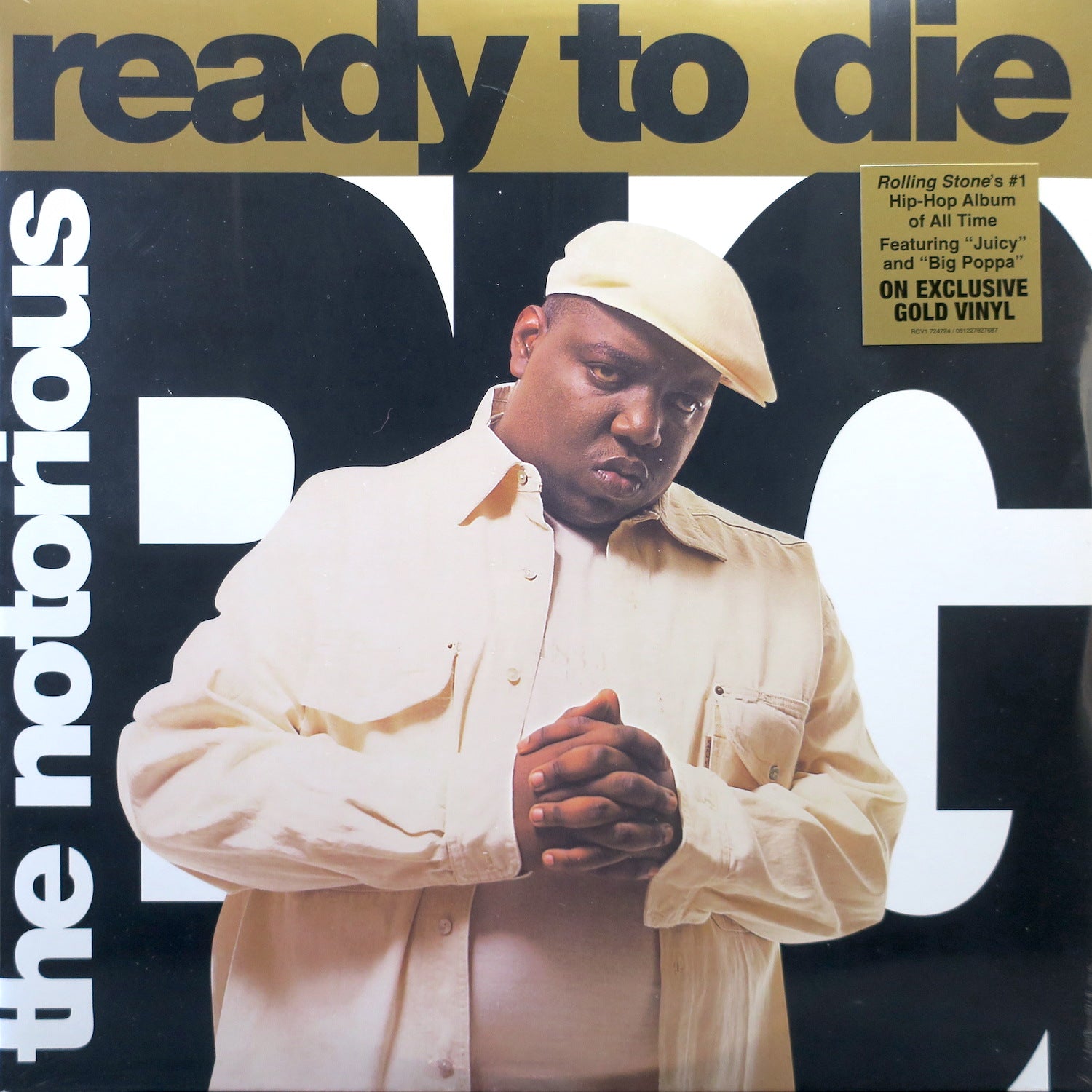
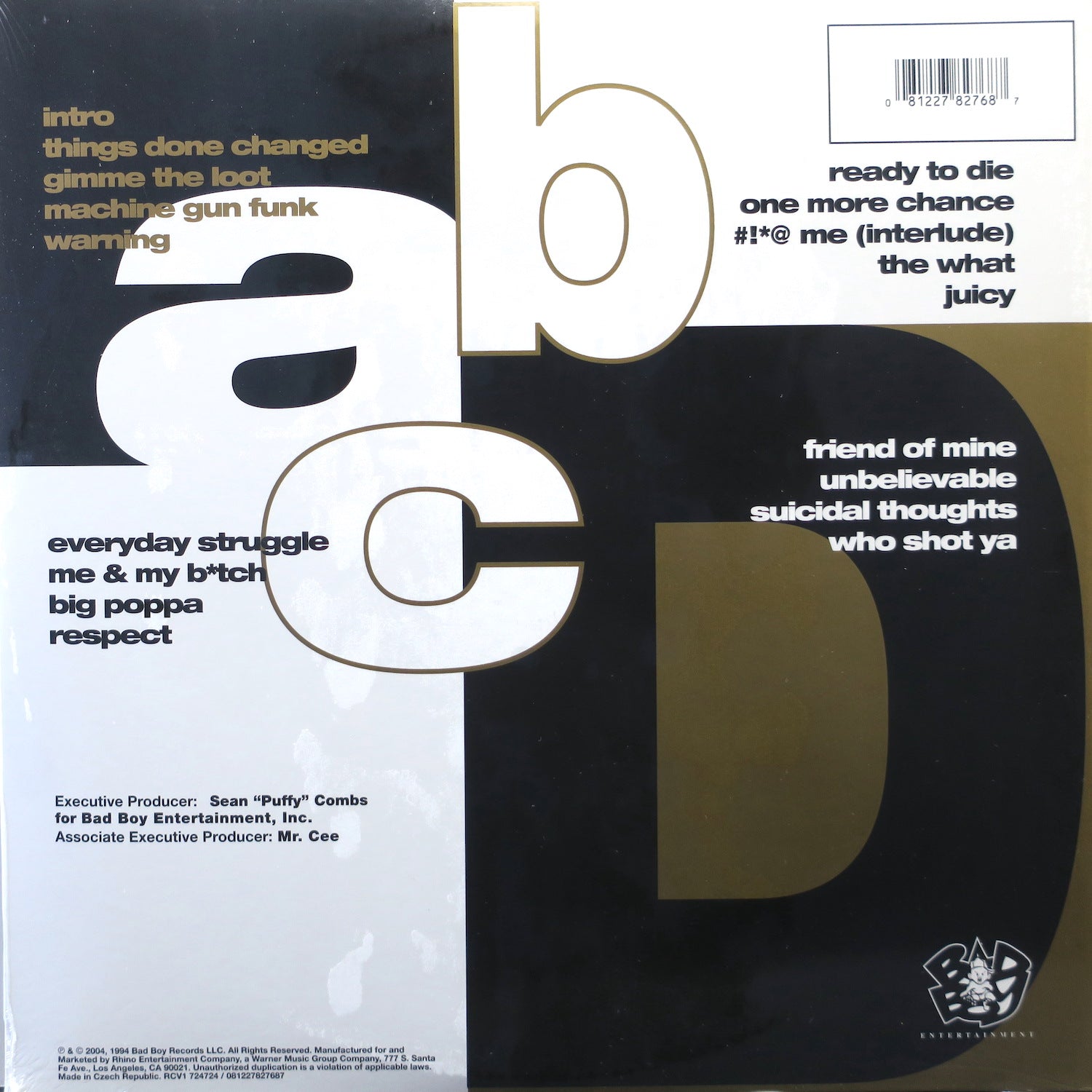
Notorious B.I.G. arrived with a voice and a cadence that made storytelling in rap feel cinematic. Songs like "Juicy" and "Big Poppa" turned street detail into widescreen narratives — lush, melodic hooks over hard-hitting production — and that blend became a template for 1990s hip-hop.
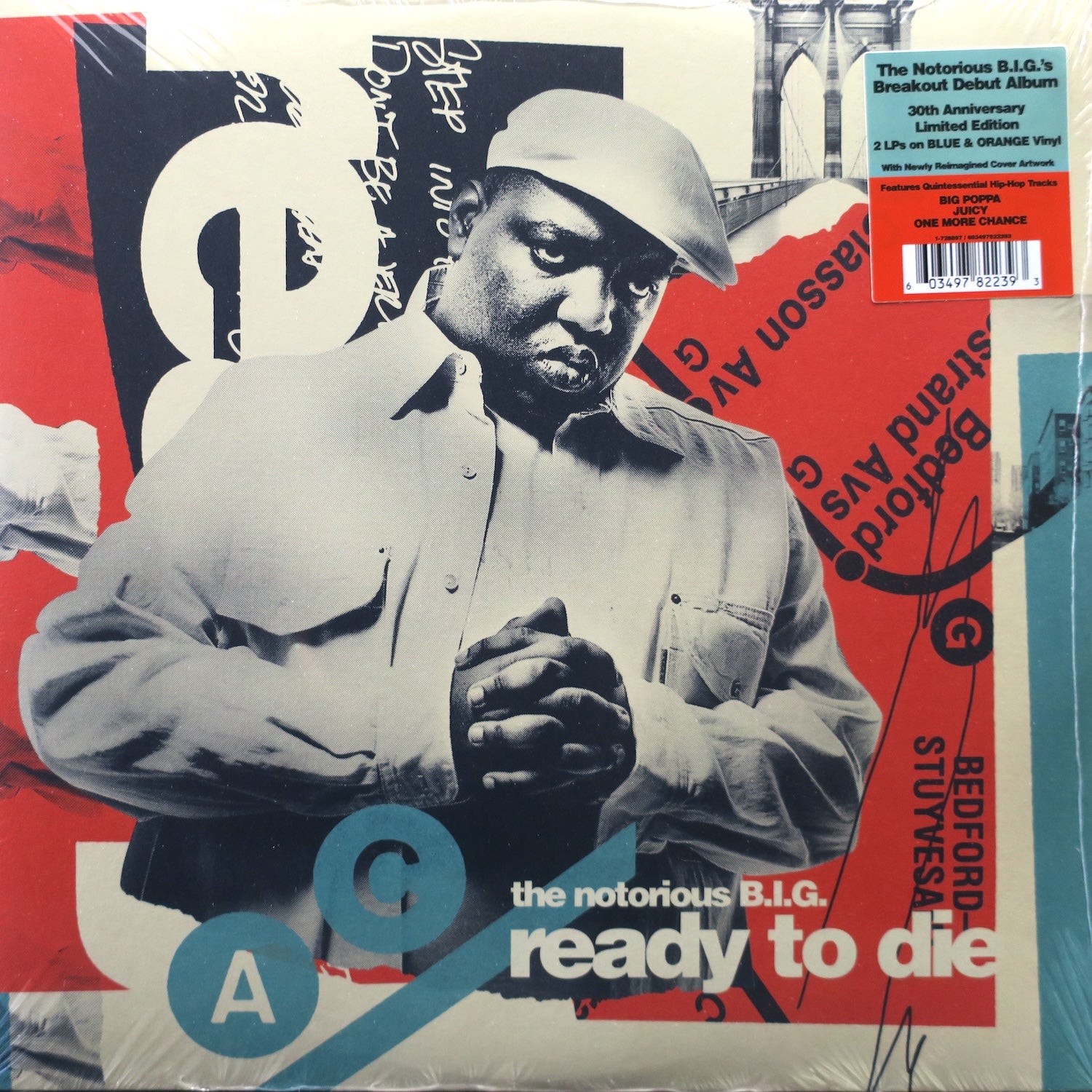
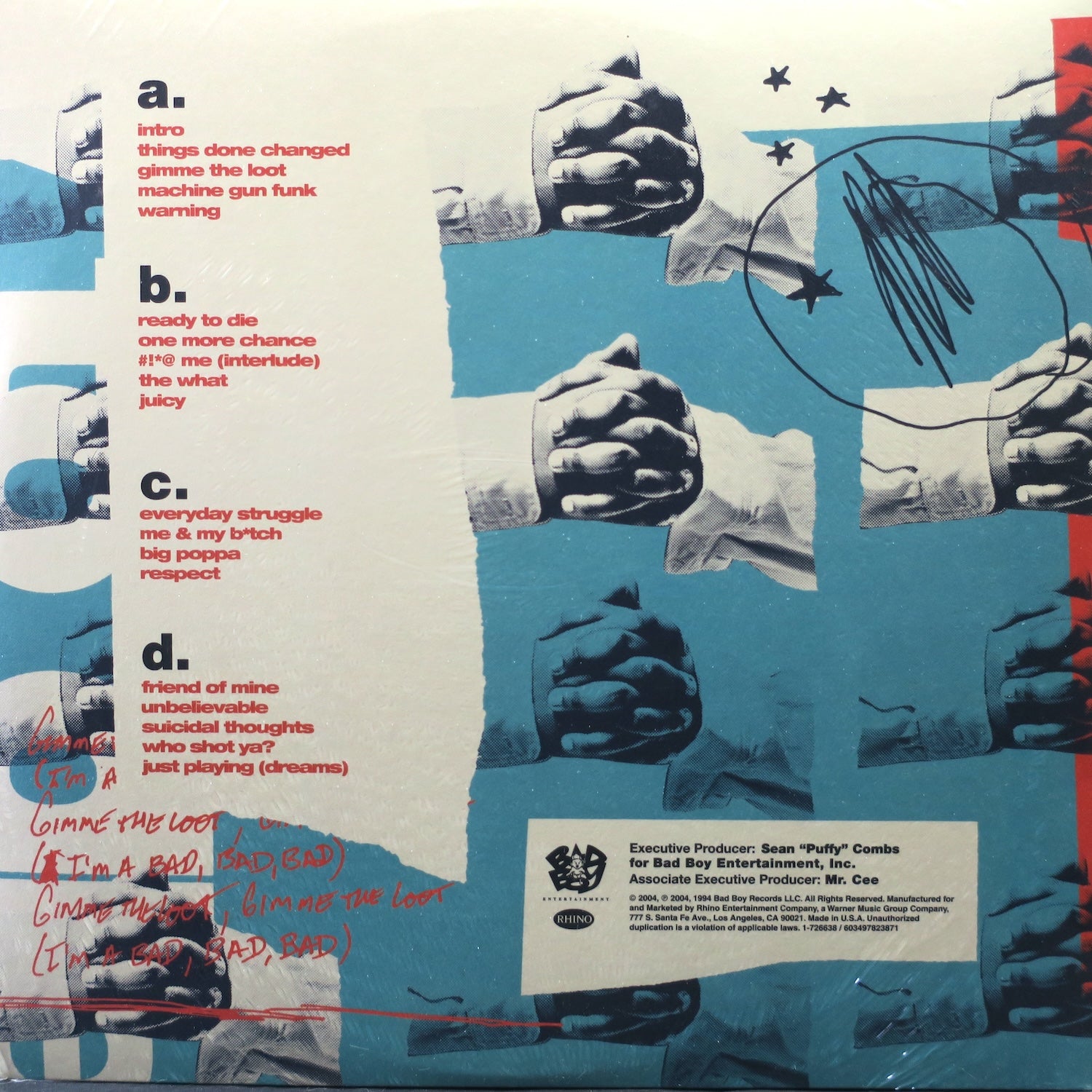
Brooklyn's Bed-Stuy was more than a birthplace: it was a character in Biggie's records. Ready to Die reads like a neighborhood novel, balancing vulnerability and bravado. On Life After Death the scope widened: cinematic beats, ornate samples and larger-than-life arrangements that paired Biggie's bar-for-bar virtuosity with Sean "Puff Daddy" Combs' glossy pop-rap instincts. That tension between gritty storytelling and radio-smash ambition helped rap cross into mainstream pop without losing its narrative core.
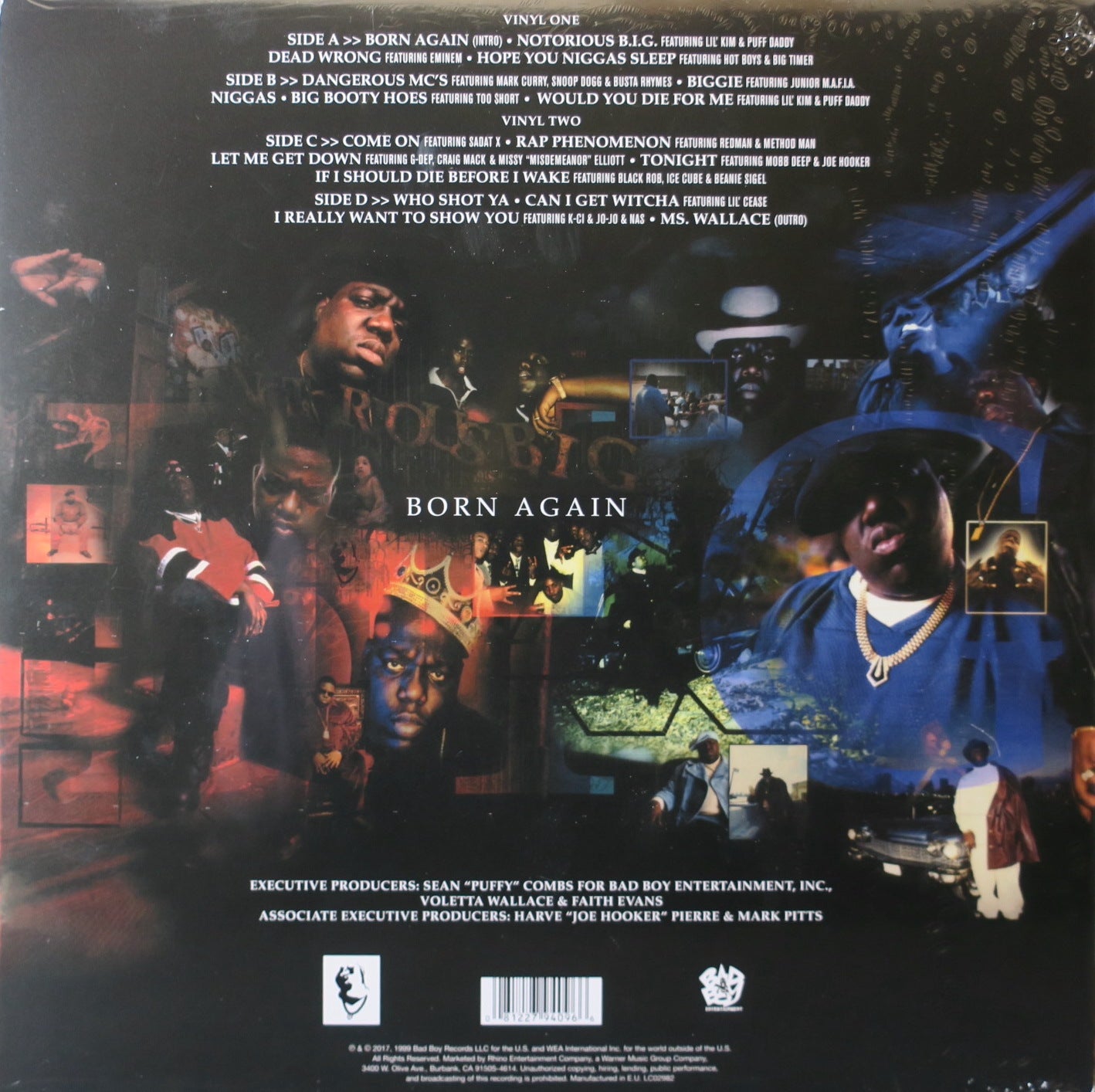
Collaboration and crew were central. Biggie built Junior M.A.F.I.A., elevating protégés like Lil' Kim and Lil' Cease while creating hits that showcased collective chemistry. His duets and features — from Faith Evans' R&B hooks to Mase and Puff Daddy's chart-ready verses — illustrate how his music blurred lines between hardcore street rap and pop crossover, paving the way for future artist-run collectives and label-driven mainstream rap.
The East Coast–West Coast rivalry with Tupac Shakur is unavoidable in any account of Biggie's career. That conflict amplified media attention and sharpened public perception of what rap could mean culturally and commercially in the 1990s. Whatever else the feud was, it underscored how both artists shaped competing narratives about authenticity, violence and fame in hip-hop.
Producers such as Easy Mo Bee and the Hitmen collective helped craft Biggie's signature sound — roomy, sample-forward backdrops that gave his flow space to breathe. His influence shows up in later storytellers and bar-for-bar technicians: Jay-Z cites Biggie's economy of phrase and phrasing as a key model, and countless rappers since have tried to match that balance of detail, cadence and charisma.
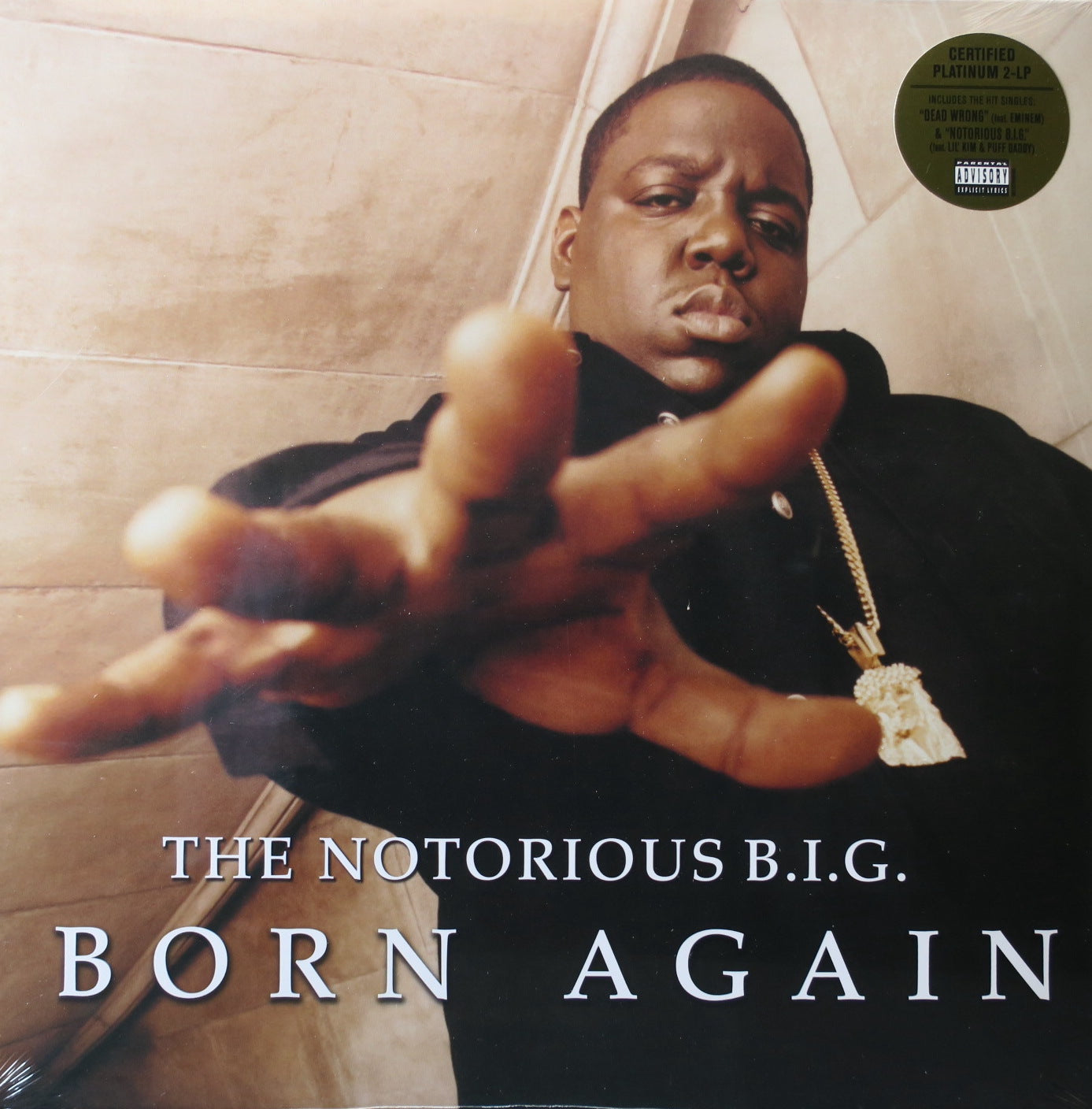
Even with a career cut tragically short, Notorious B.I.G.'s records remain a study in how voice, place and production can combine to expand what rap could be. Listening across Ready to Die, Life After Death and the posthumous releases reveals both the precision of his craft and the wide cultural footprint he left behind.