A Tribe Called Quest
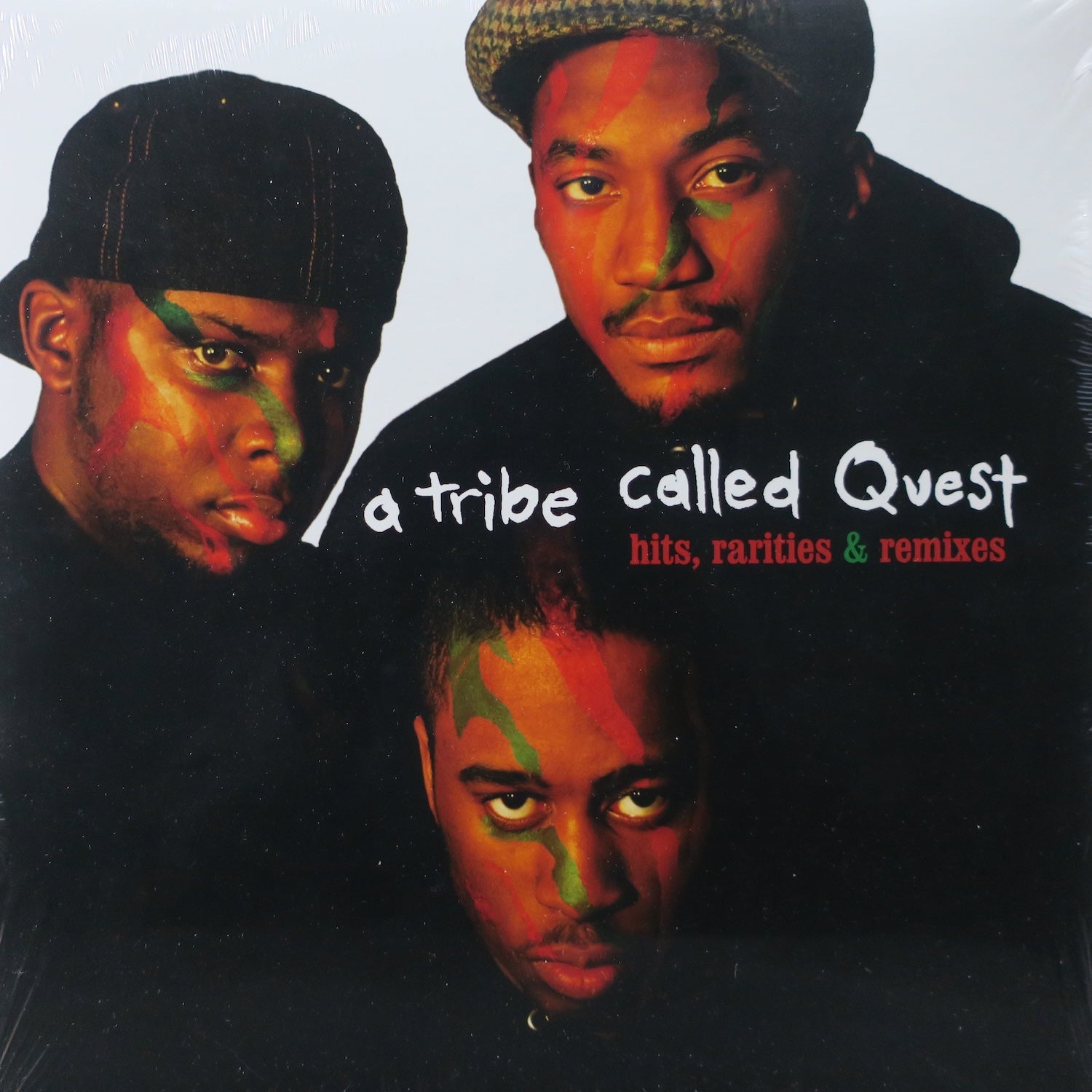
Few hip-hop acts made the act of listening feel like entering a smoky record-stacked room the way A Tribe Called Quest did. Their music foregrounded warm, jazz-inflected basslines and conversational verses, turning samples of upright basses and brushed snares into grooves that foregrounded both musicianship and wordplay.
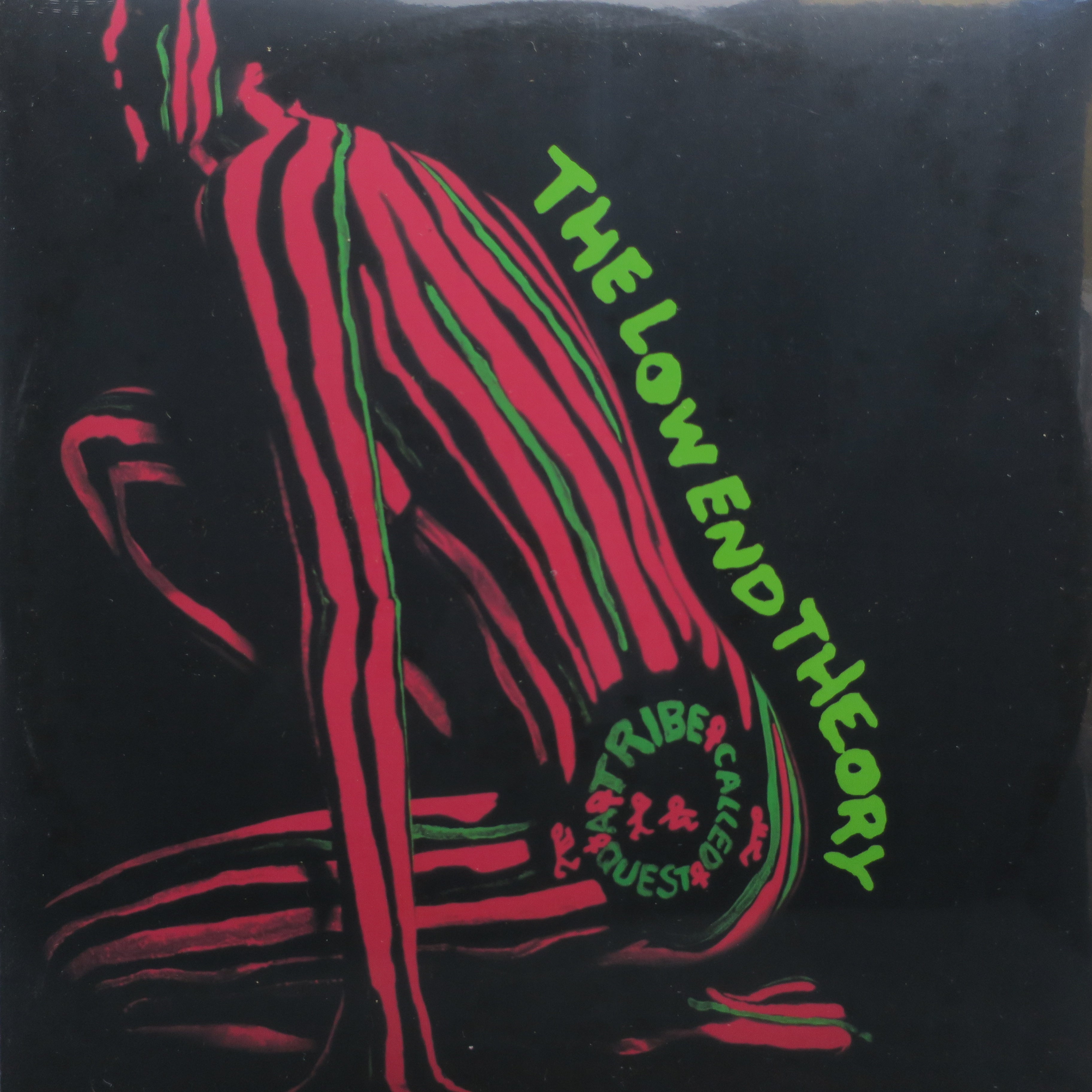
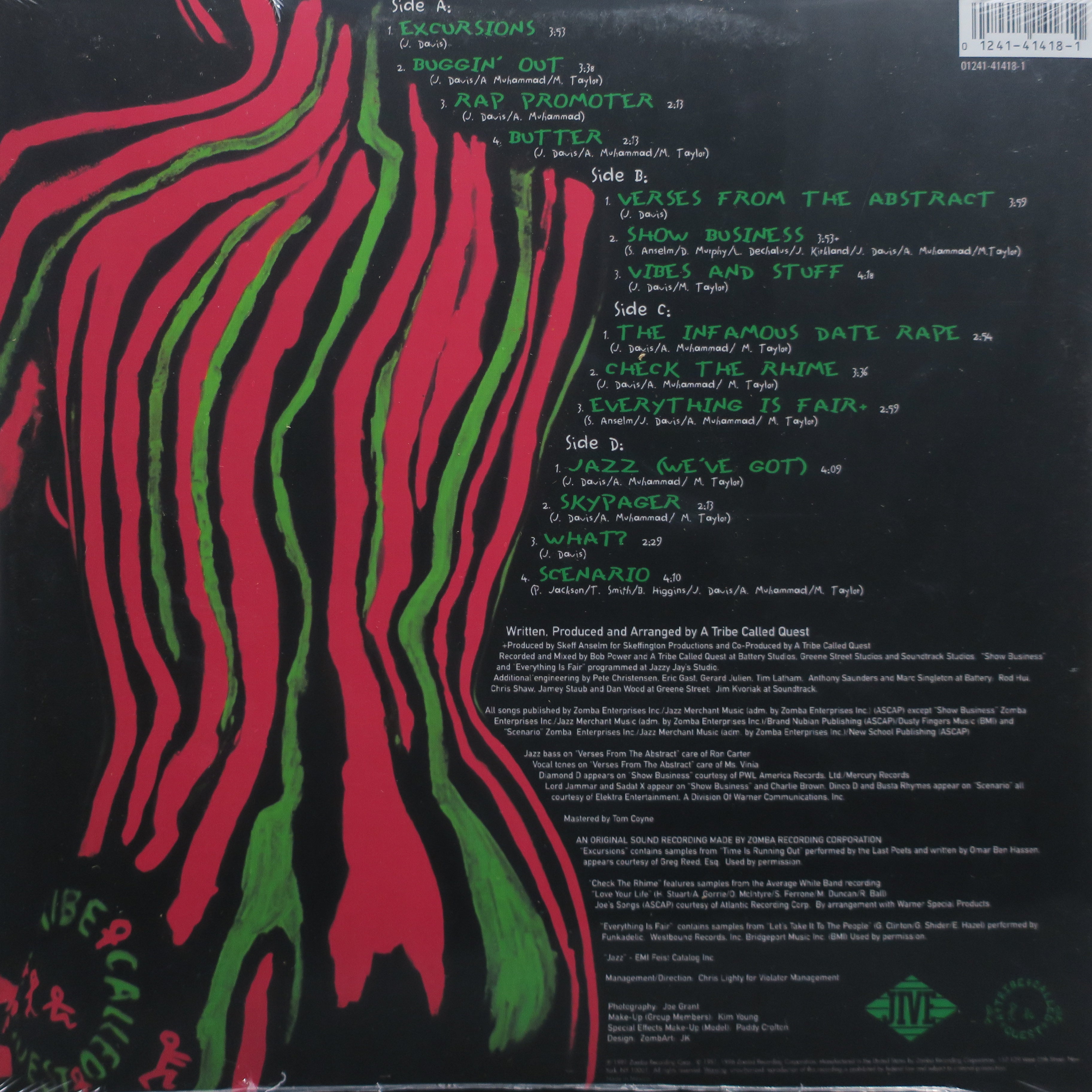
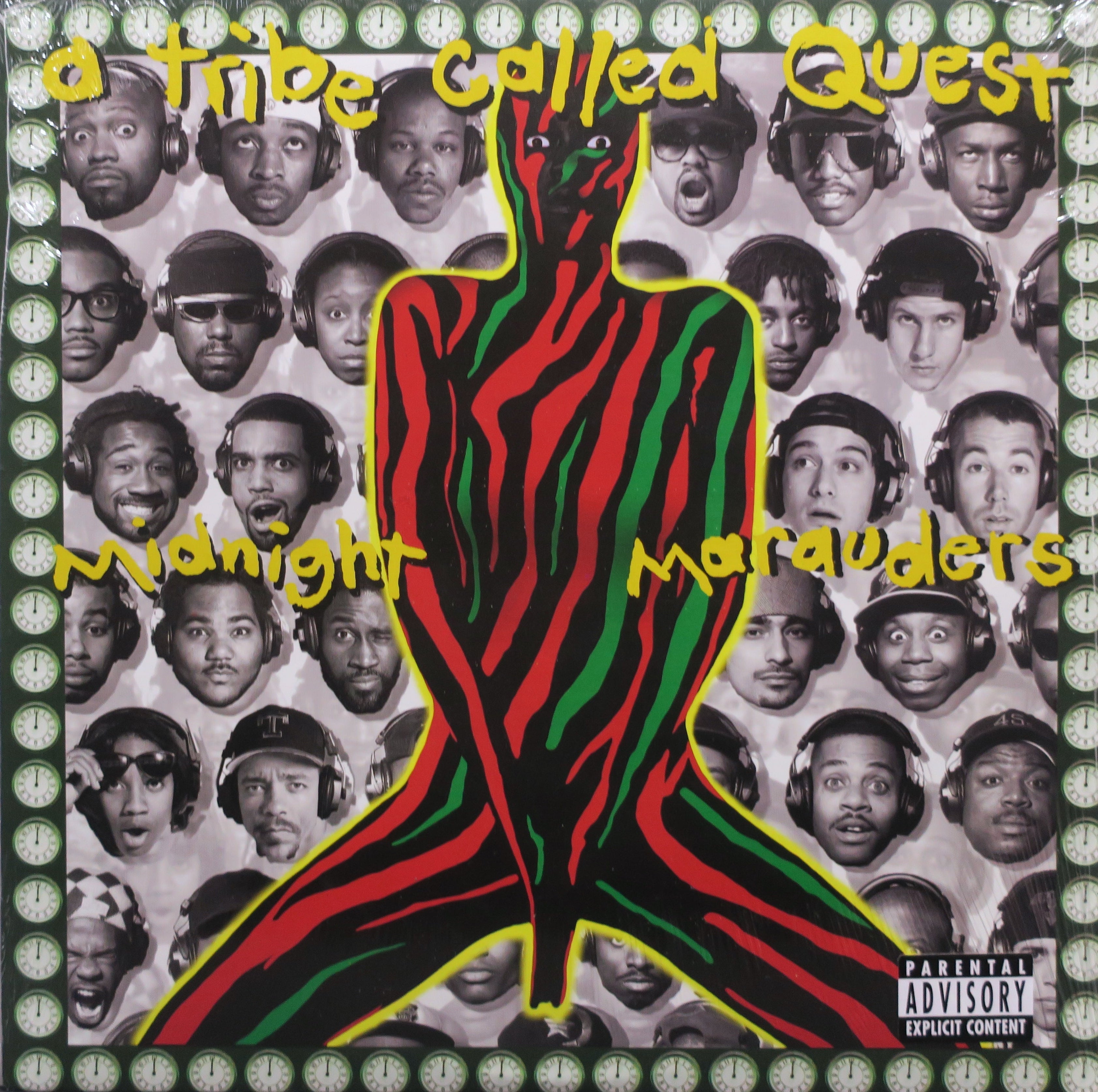
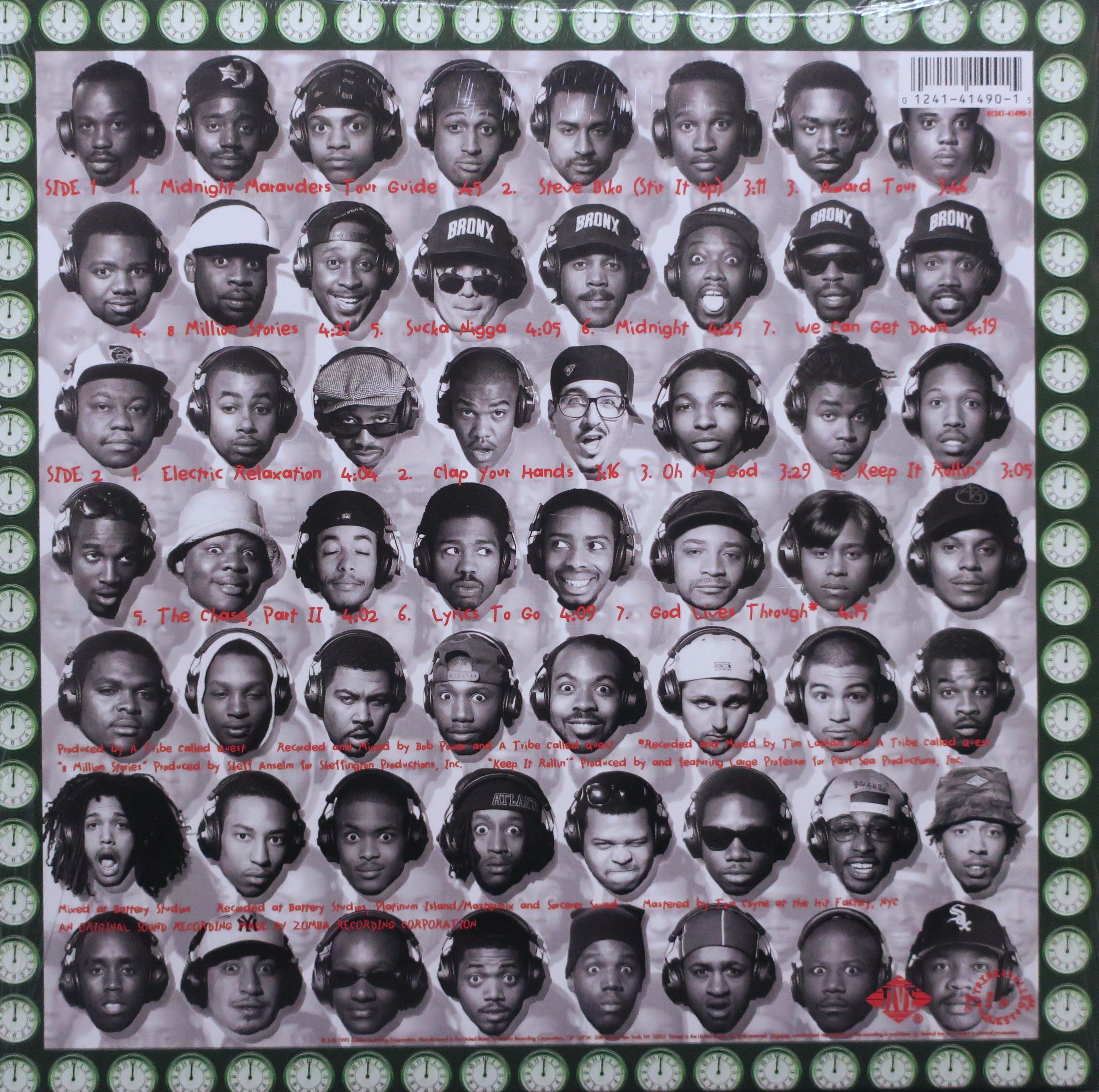
The group's distinct sound grew from the interplay between Q-Tip's laid-back, melodic cadences and Phife Dawg's punchy, quick-fire rebuttals. Those two voices rode productions shaped by DJ and co-founder Ali Shaheed Muhammad; occasional songwriting contributions from Jarobi White helped expand the band's textures early on. That balance — thoughtful, jazz-derived production with approachable, witty lyricism — is why albums such as The Low End Theory and Midnight Marauders still read as blueprints for a certain strand of hip-hop.
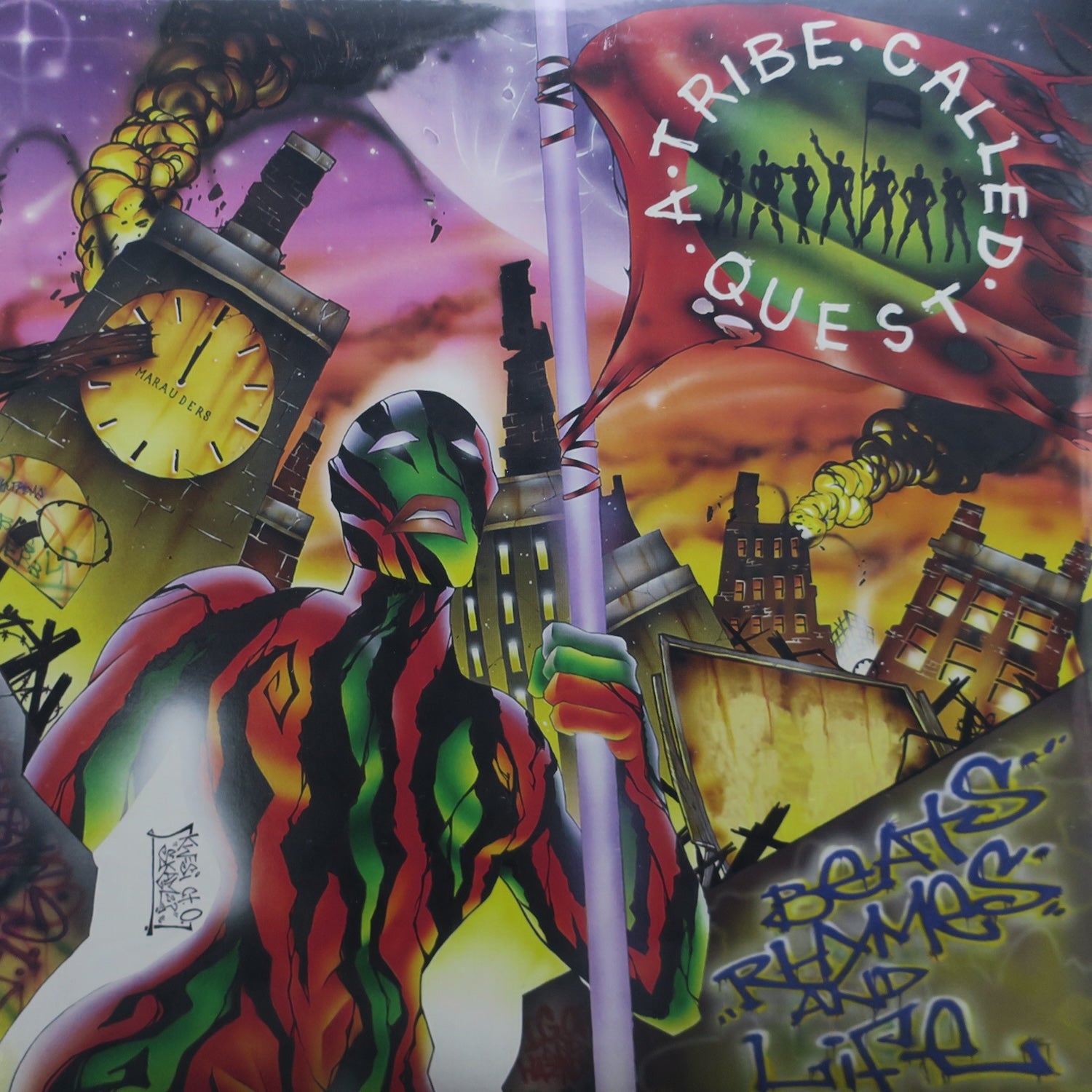
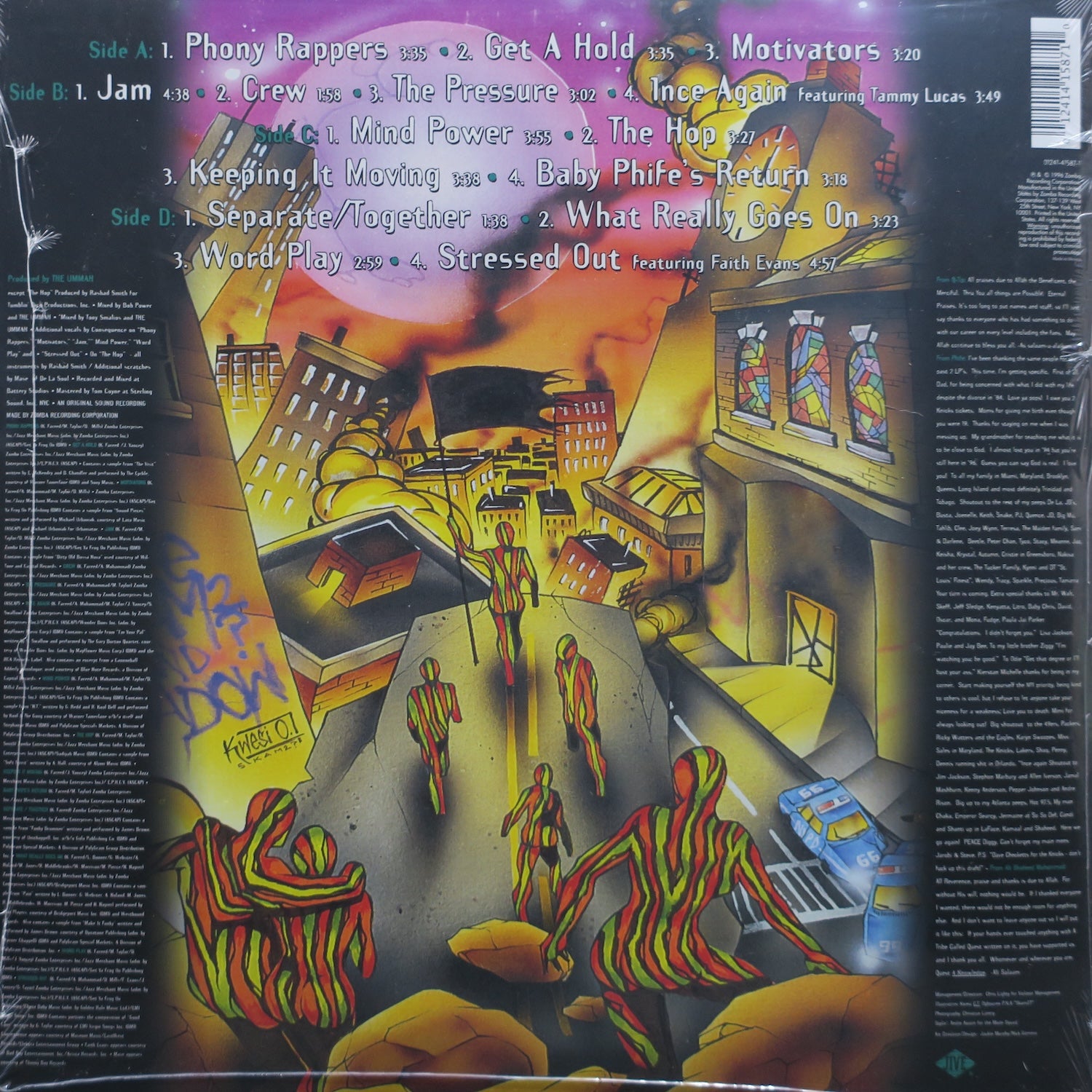
A Tribe Called Quest came up inside the Native Tongues collective alongside De La Soul and Jungle Brothers, a scene that emphasized eclectic sampling, positive-minded lyrics and a willingness to trade braggadocio for creative curiosity. Production on later records drew on The Ummah, the collective that included Q-Tip, Ali Shaheed Muhammad and producer J Dilla; that partnership introduced subtler drum programming and a slightly darker palette on Beats, Rhymes and Life and subsequent releases.
Beyond production choices, the group mattered because it broadened what mainstream hip-hop could reference. Jazz records — from upright bass lines to horn stabs — weren't just ornaments; they became structural elements that changed how beats were built. That approach influenced later artists who merged live instrumentation with hip-hop phrasing, and it helped open doors for neo-soul and alternative rap scenes. Tracks like Check the Rhime and Scenario also showcased an ease with cross-crew collaboration and cameo-driven single moments.
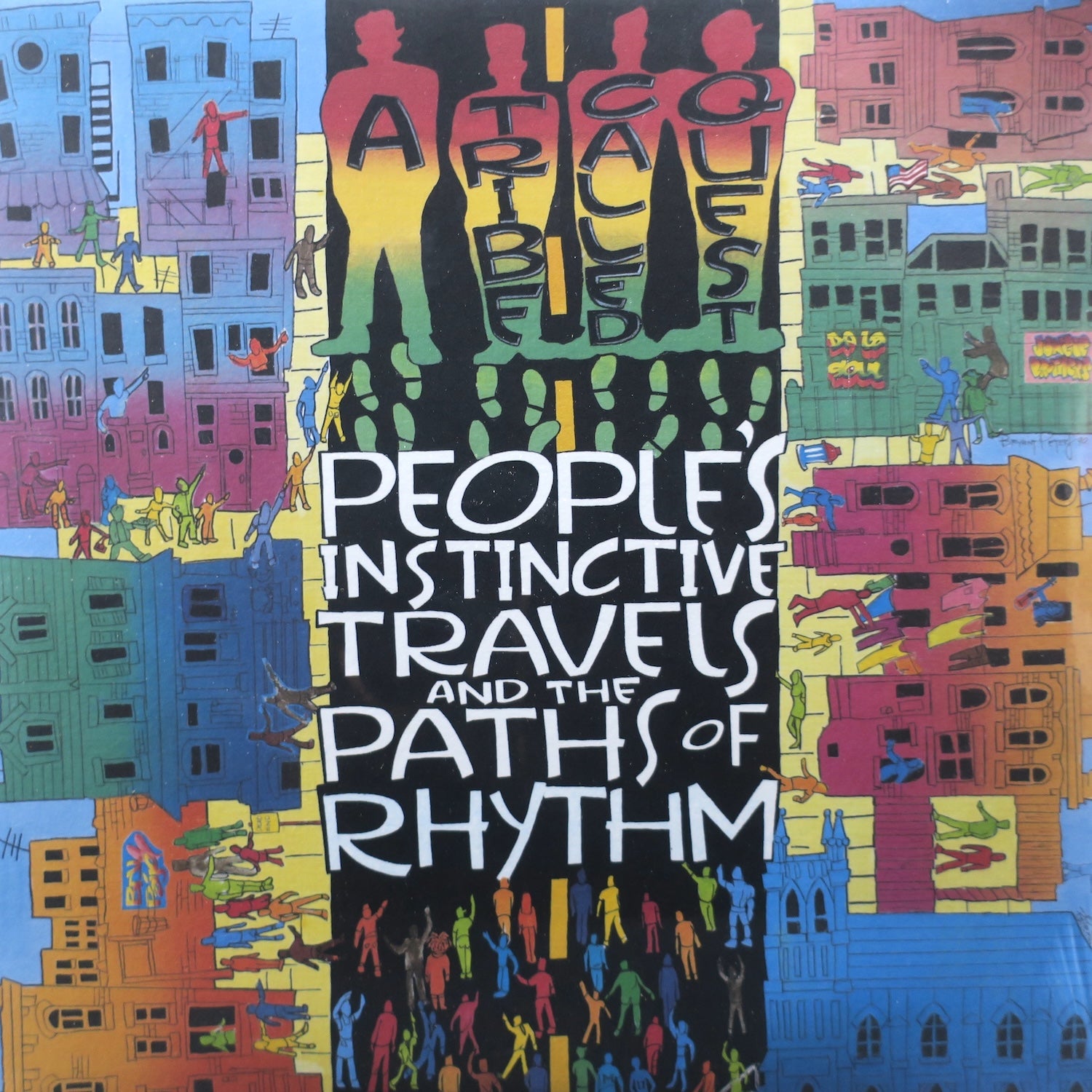
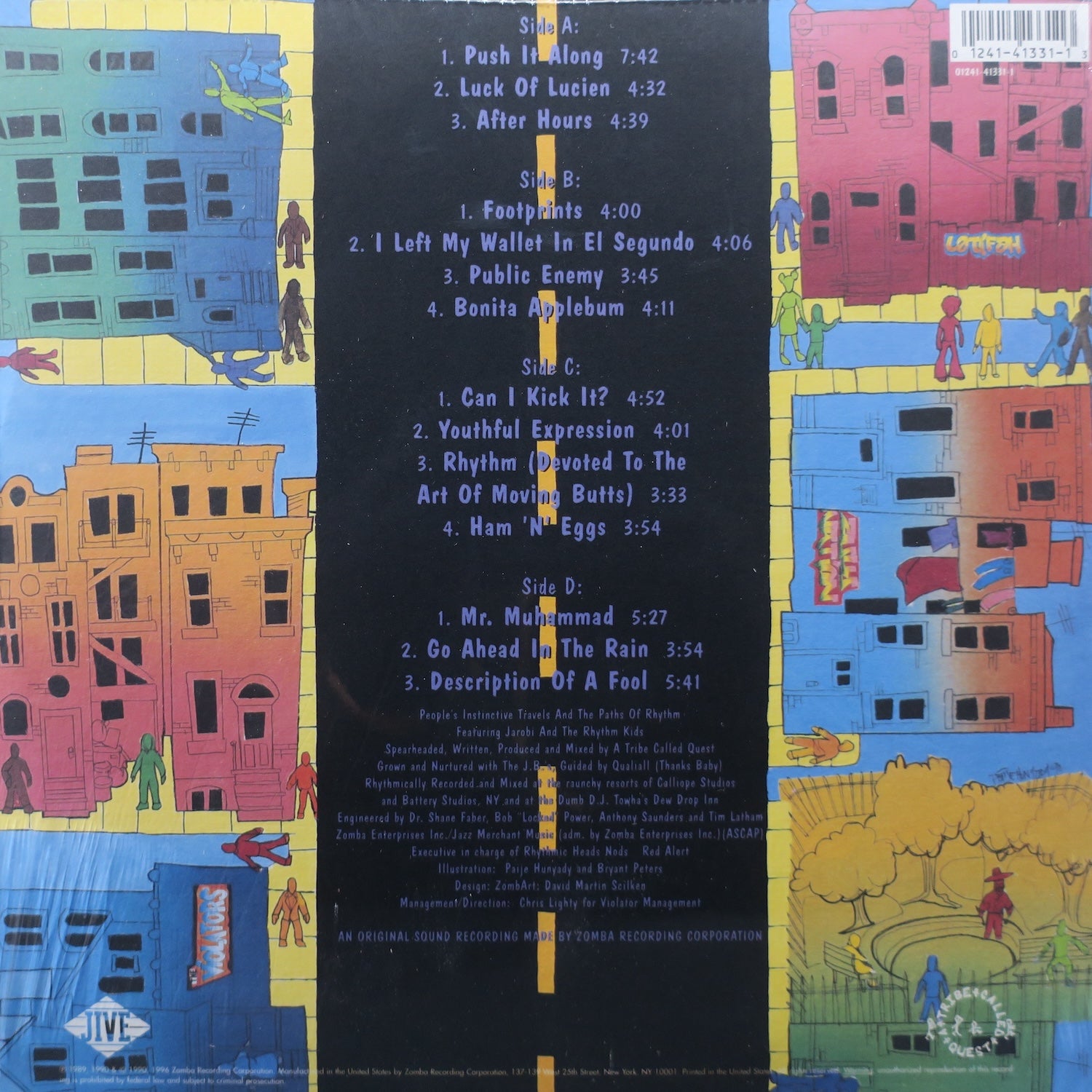
The band’s catalog is a useful roadmap: People’s Instinctive Travels and the Paths of Rhythm captures a loose, experimental charm; The Low End Theory tightens the groove around bass and space; Midnight Marauders refines that confidence into one of their most accessible records; Beats, Rhymes and Life and the posthumous We got it from Here... Thank You 4 Your Service reflect later evolution and reunion. For listeners curious about how jazz sensibilities and hip-hop lyricism can coexist without compromise, A Tribe Called Quest remains a rewarding place to start.