Beastie Boys
What happens when downtown punk energy meets obsessive record-collector crate-digging? For the Beastie Boys the collision became a creative engine: abrasive humor and three-part vocal attack riding dense, referential production that pushed how rap could sound.
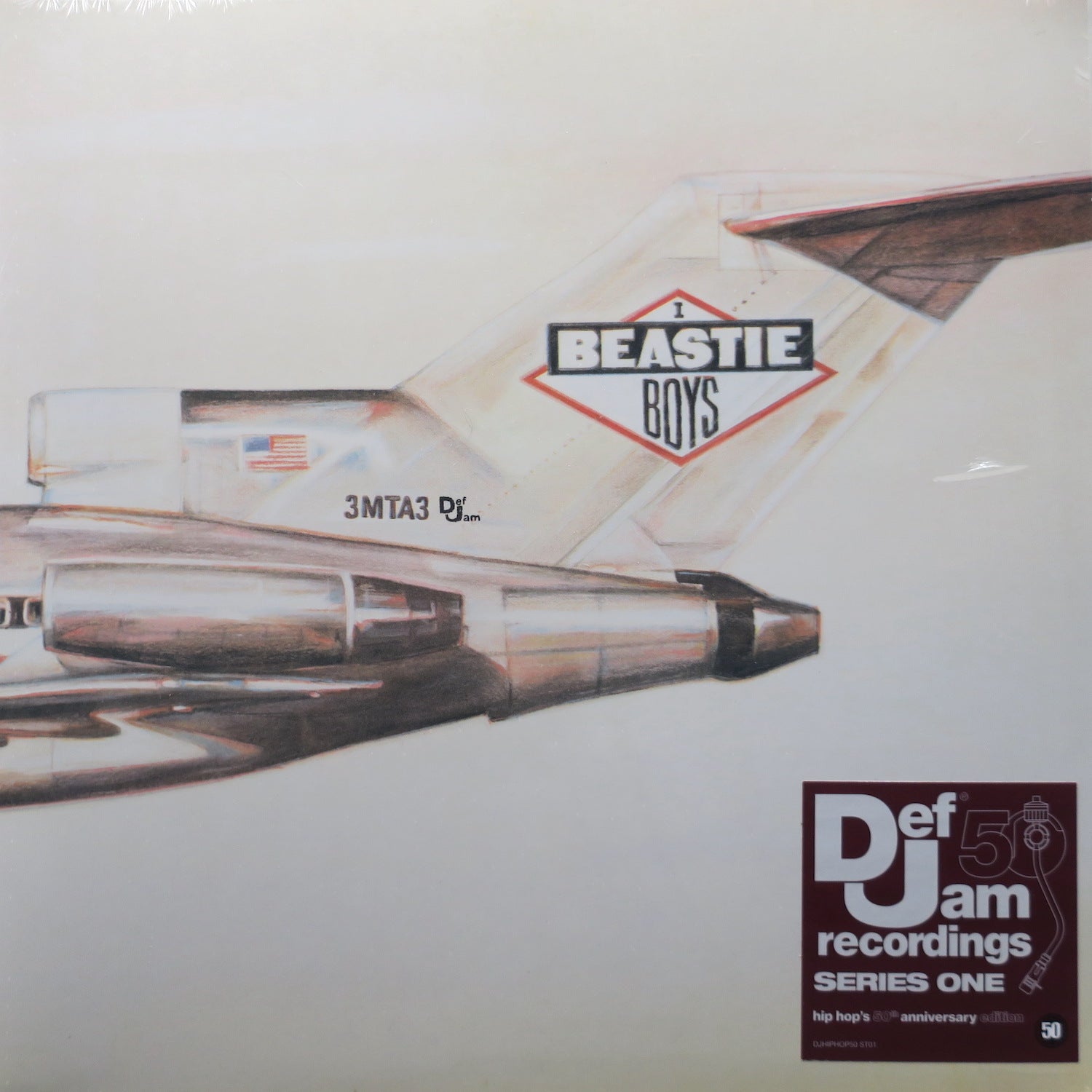
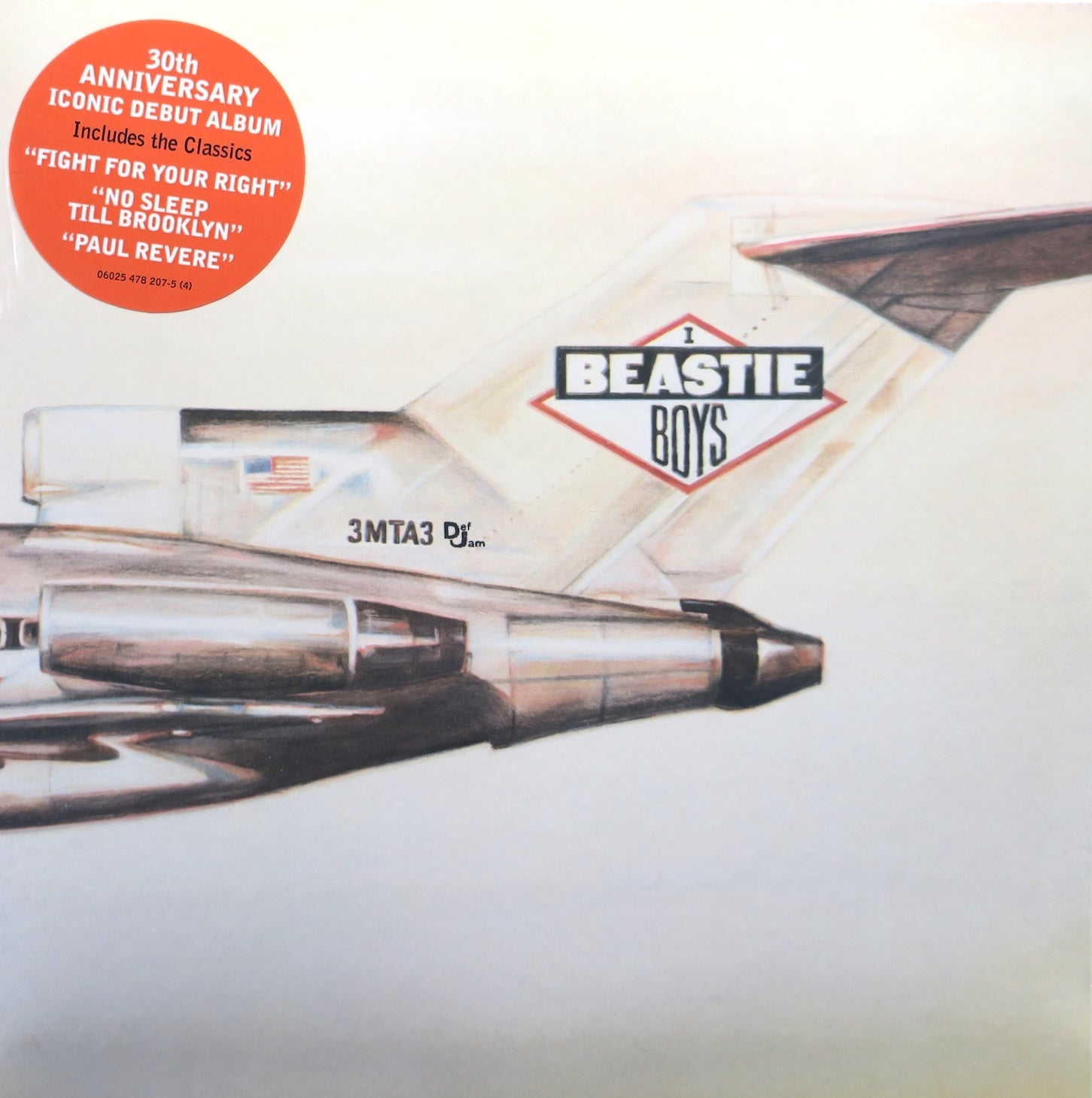
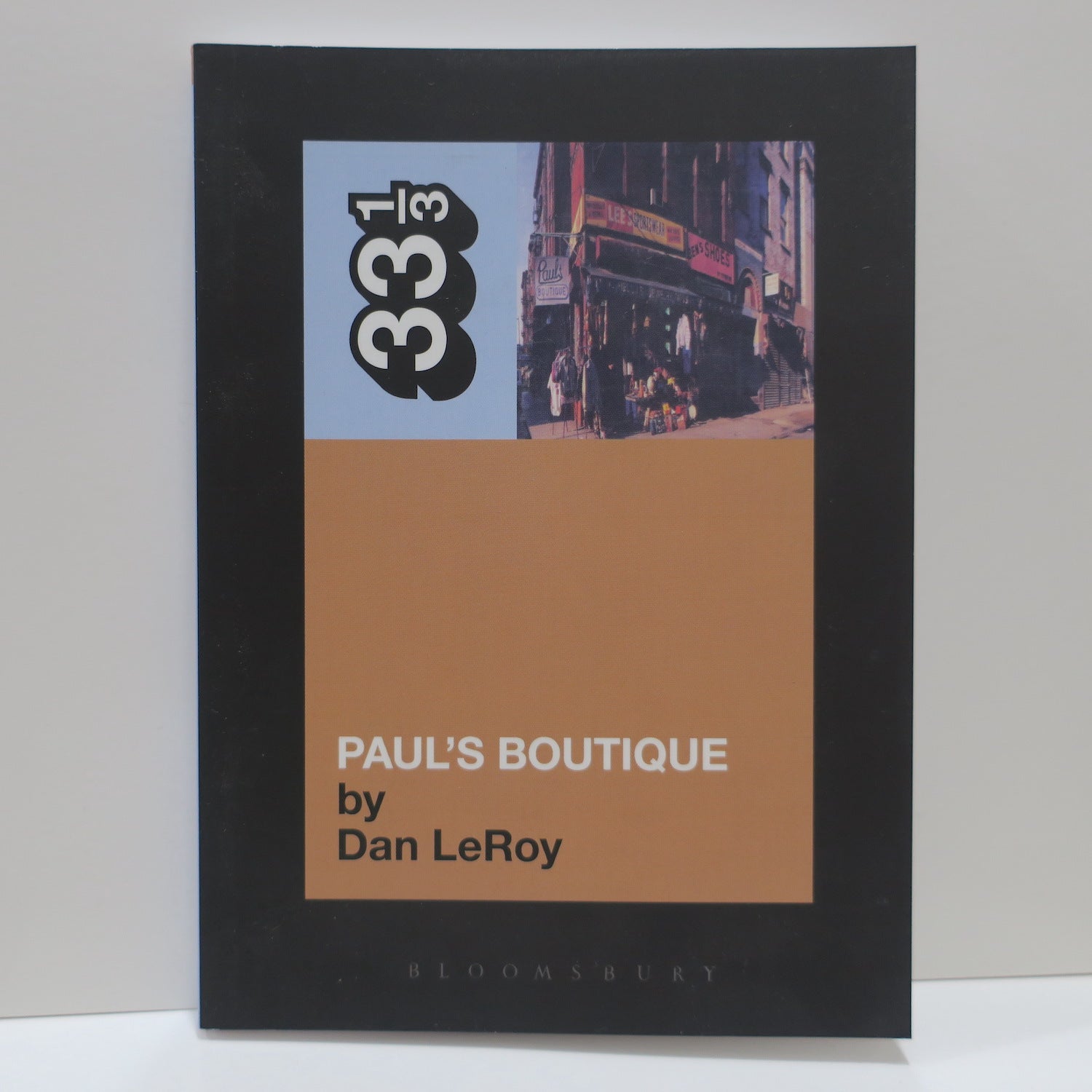
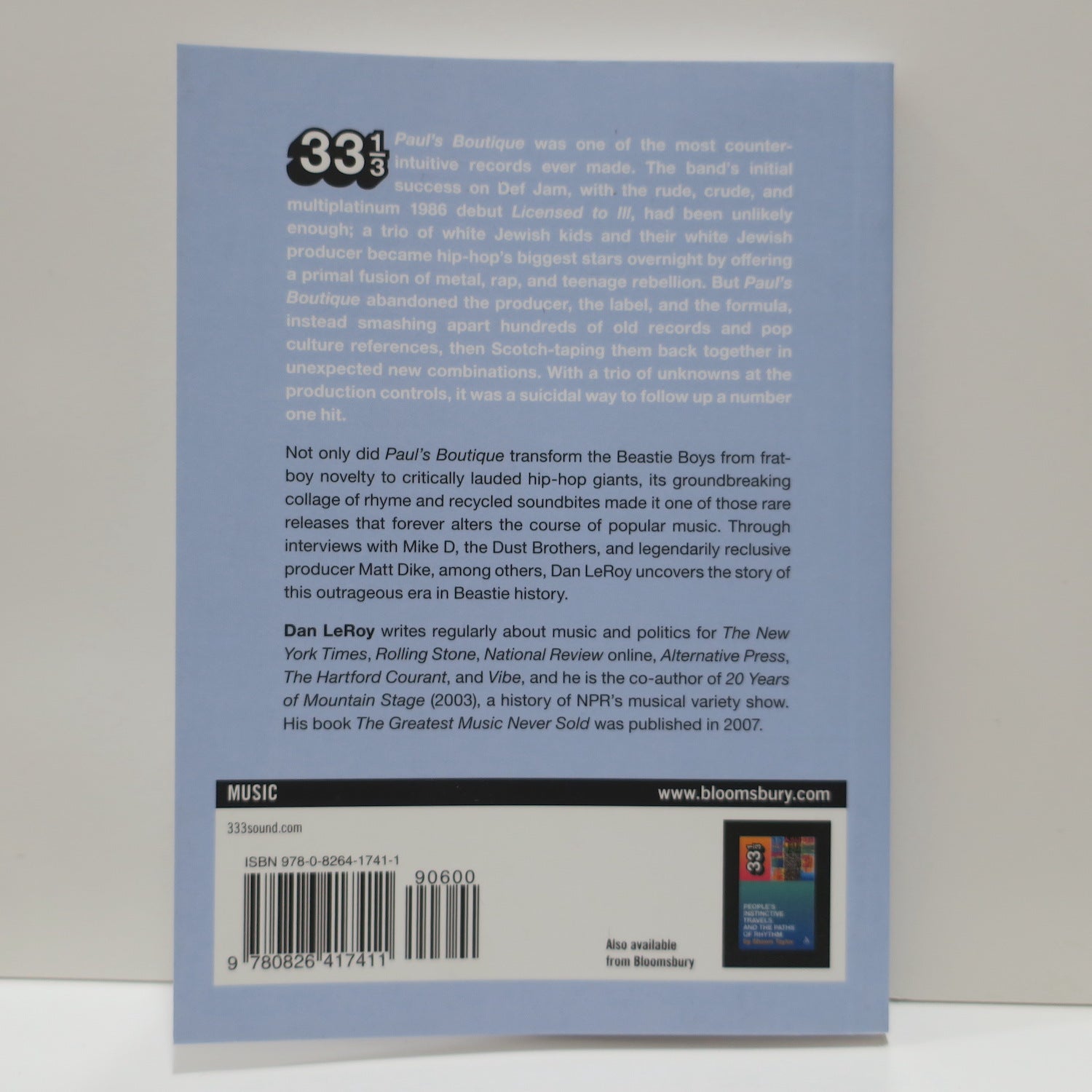
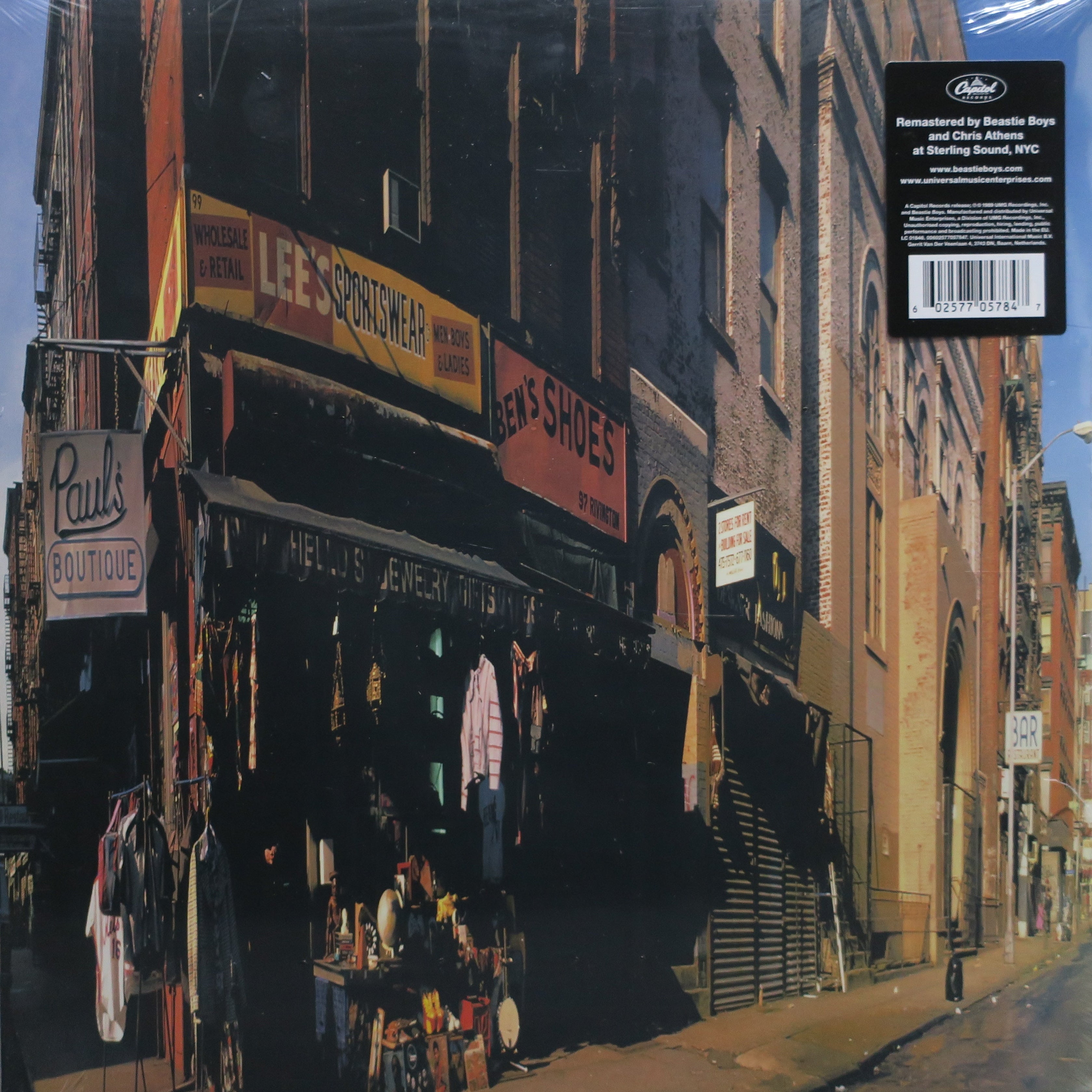
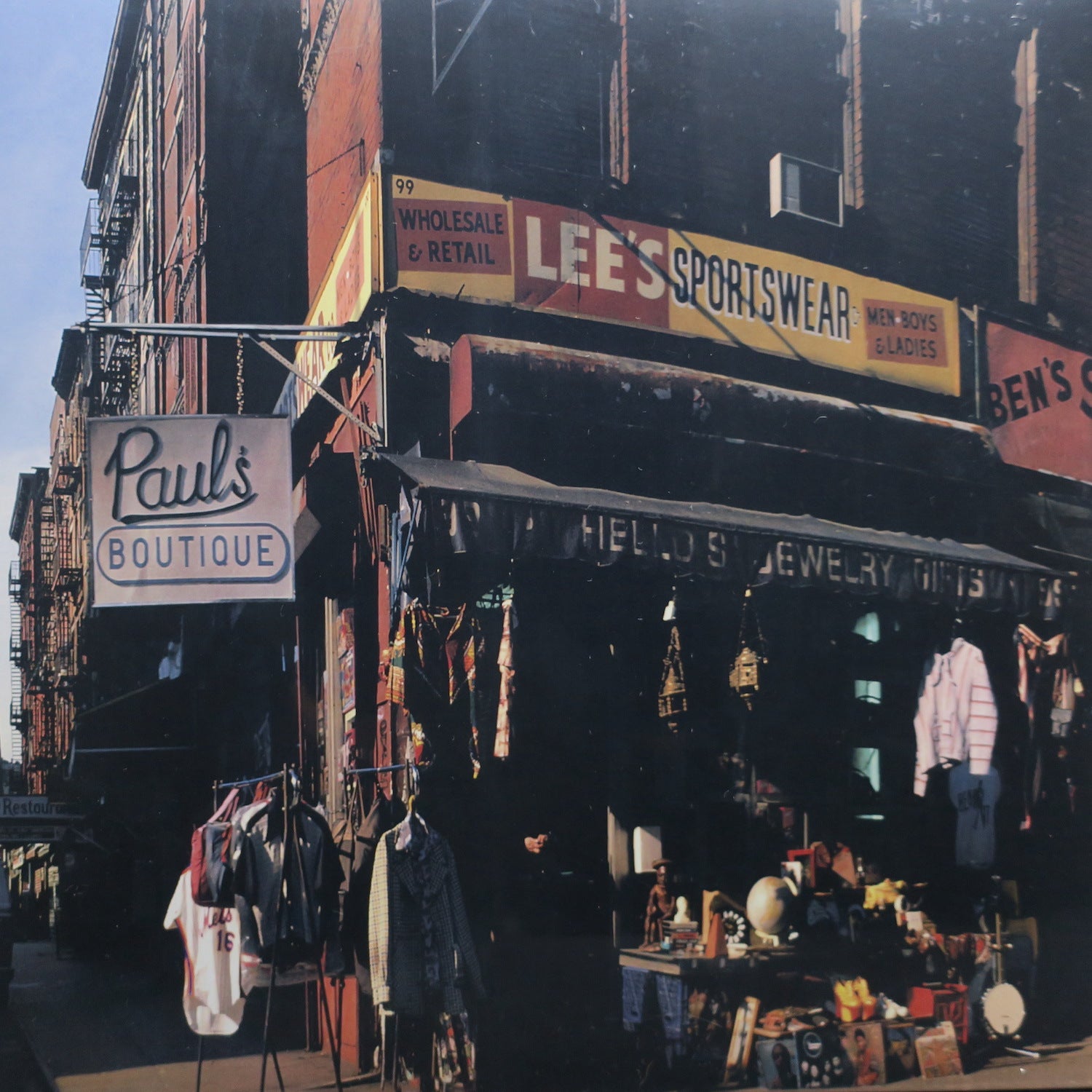
Early attention came from a party-ready, rock-infused approach on Licensed to Ill, produced with Rick Rubin and the Def Jam team—an unlikely pop-rap smash that became the first hip‑hop album to top the Billboard 200. That record introduced the group's brash persona, but the follow-up Paul's Boutique flipped the script: produced with the Dust Brothers, it stitched a dizzying mosaic of samples into long-form, studio-as-sound-collage tracks. Paul's Boutique was initially misunderstood by some listeners and executives, yet it later came to be prized for its adventurous sampling and layered humor—and for arriving just before stricter sample-clearance practices changed hip‑hop production.
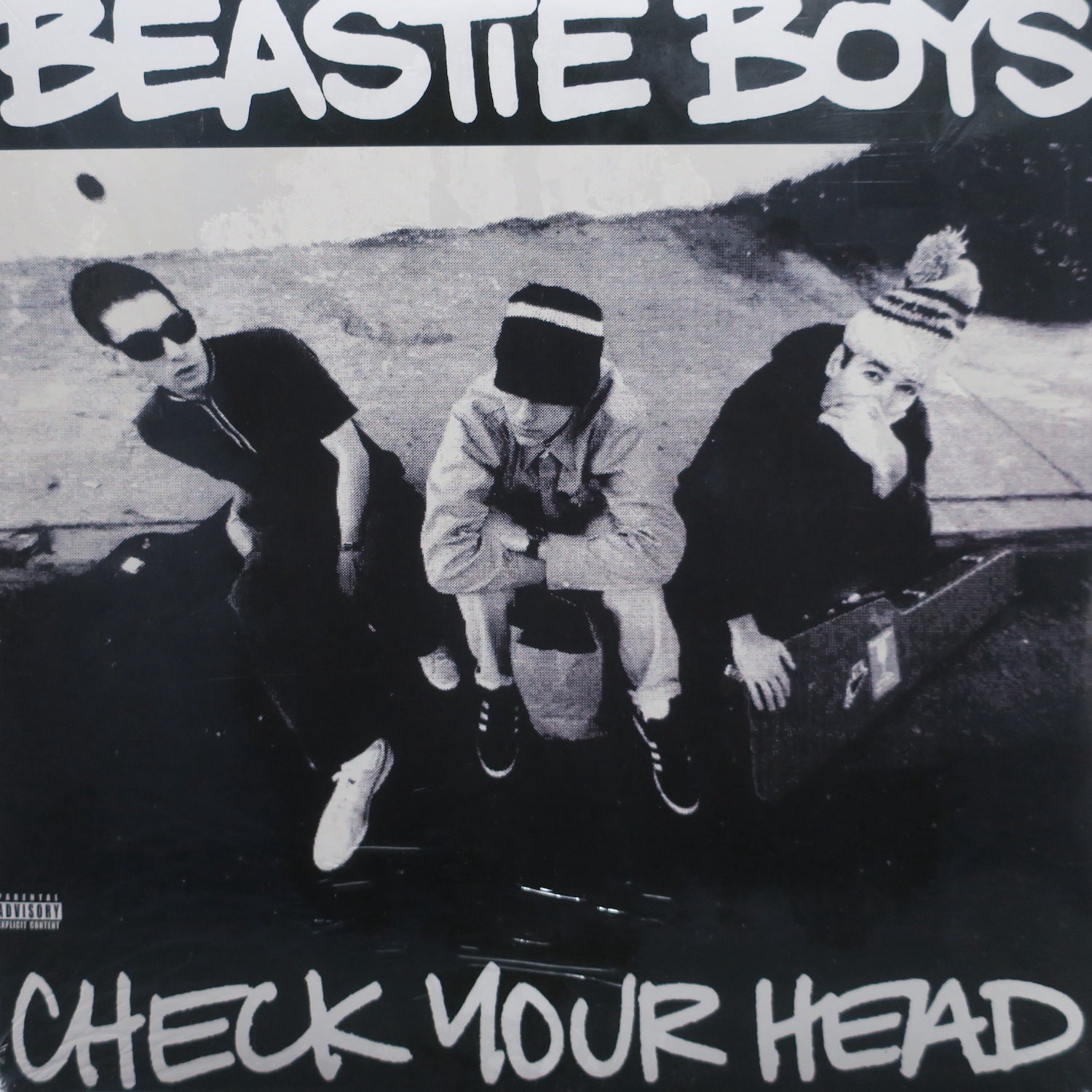
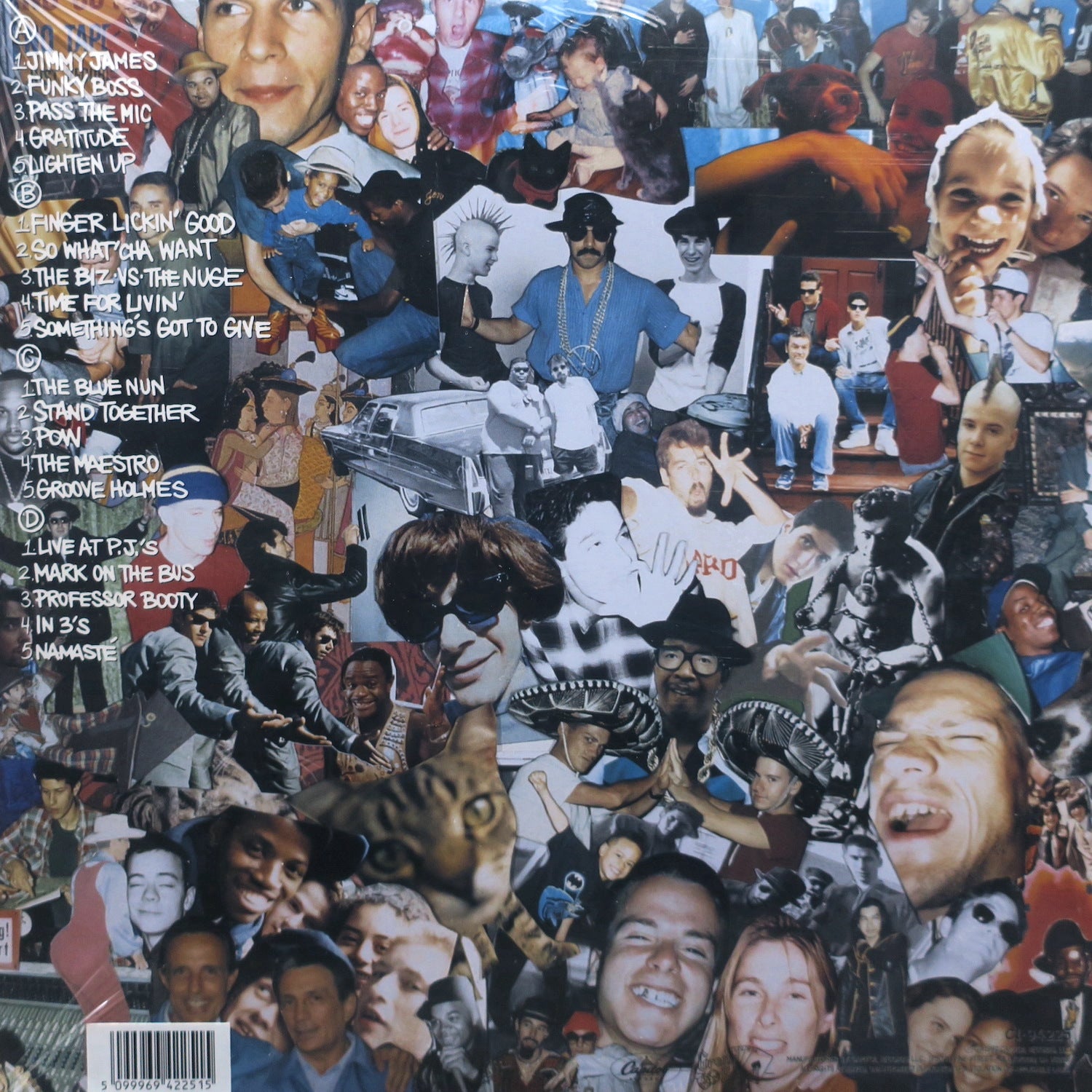
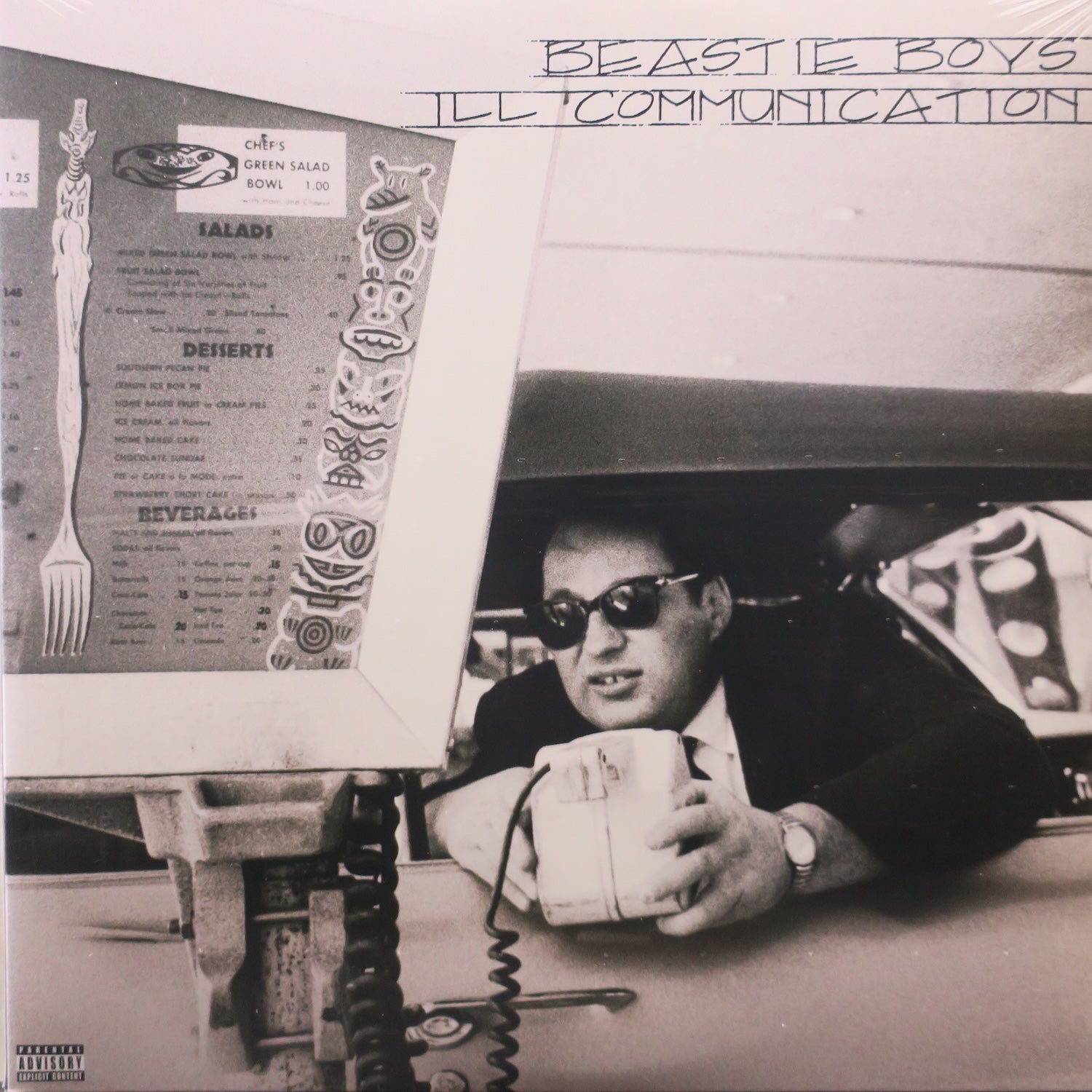
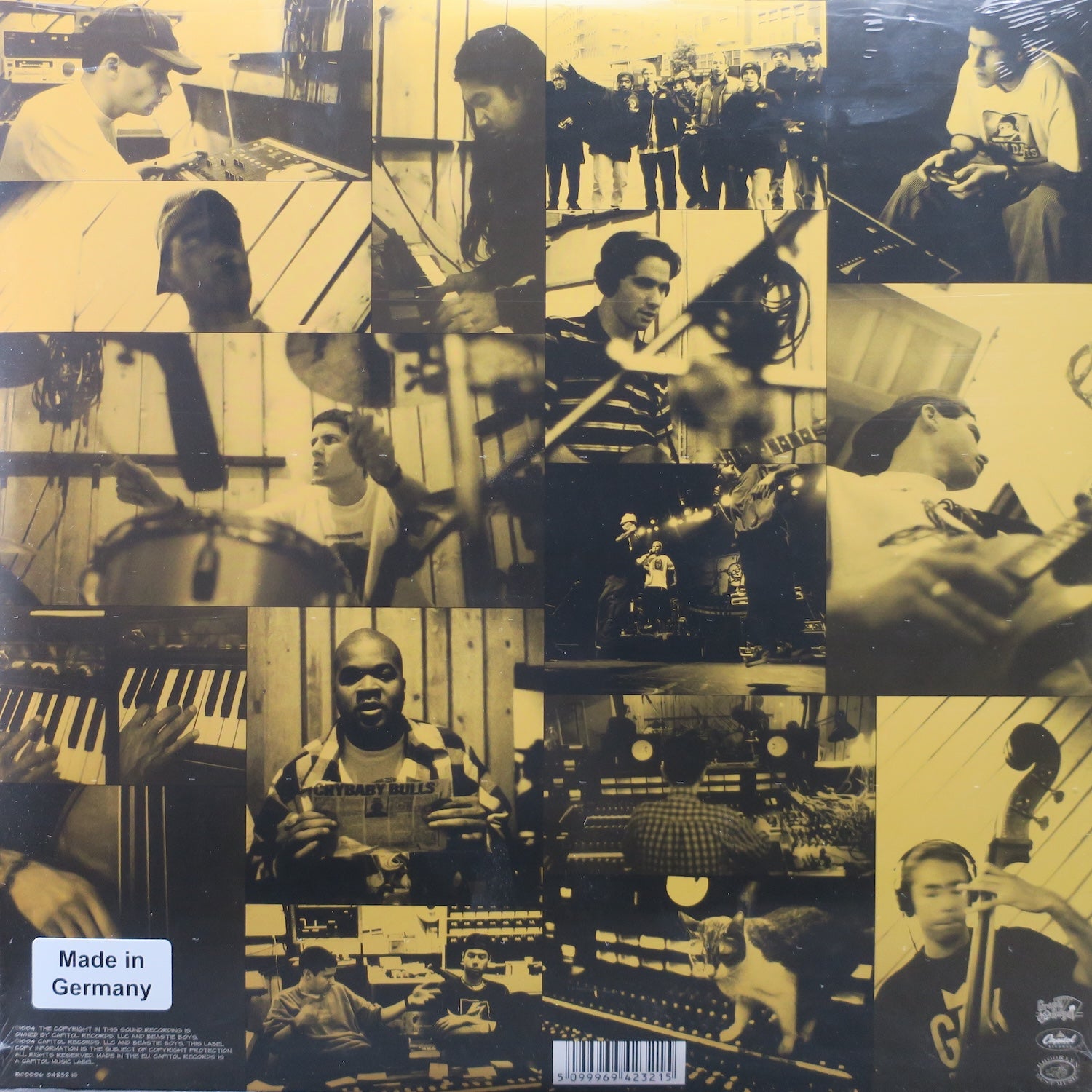
By the early ’90s the band had reclaimed control of their sound and image. On Check Your Head and Ill Communication the three core members returned to instruments—guitar, bass and drums—mixing punk, funk, jazz and hip‑hop rhythms in ways that broadened what a rap group could be on stage and on record. Key collaborators and producers across their career—Rick Rubin, the Dust Brothers, and Mario Caldato Jr.—helped the group shift textures while preserving their irreverent voice.
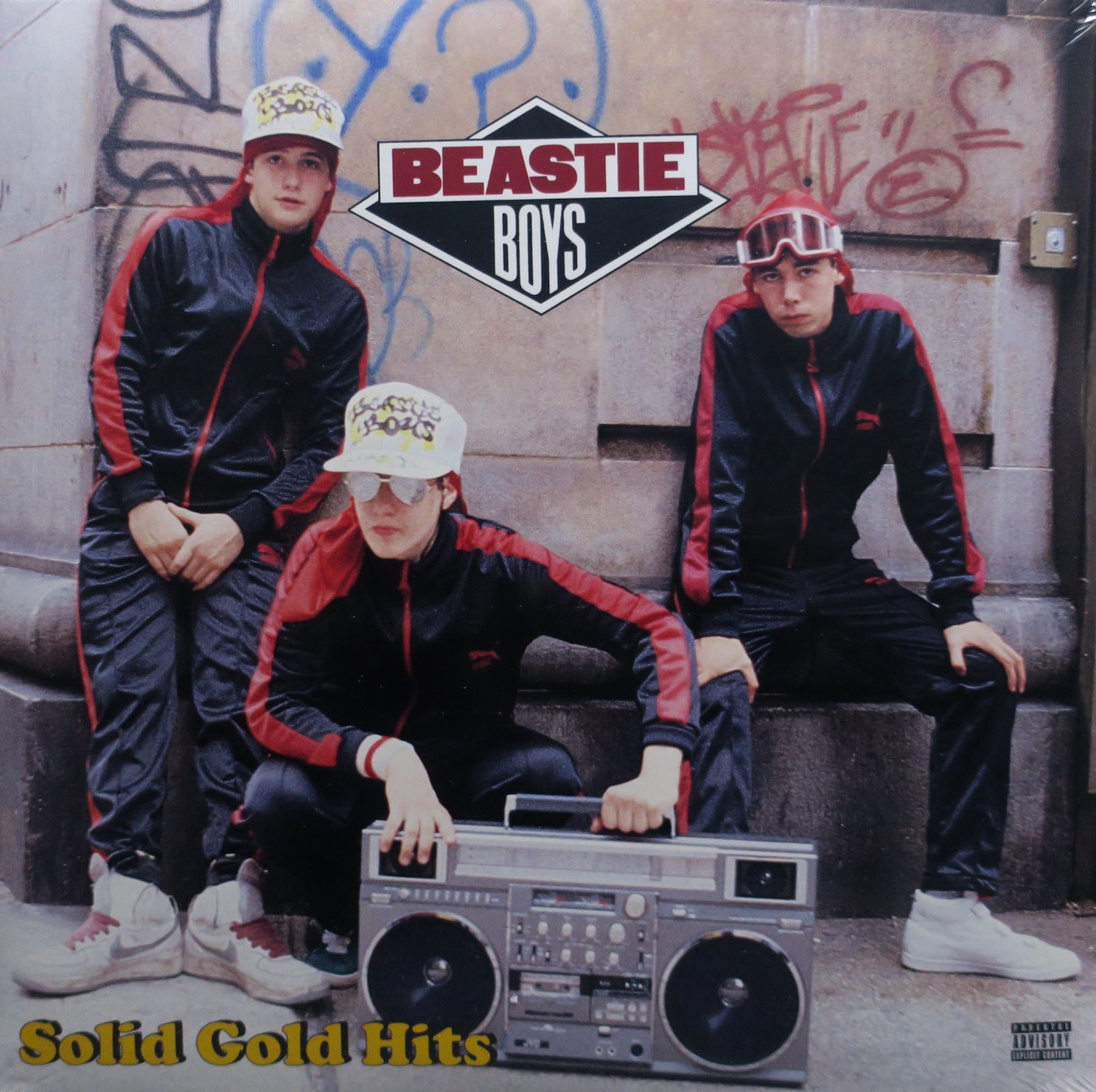
Central to the story are Michael “Mike D” Diamond, Adam “MCA” Yauch and Adam “Ad‑Rock” Horovitz. Their chemistry as vocalists and songwriters anchored radical shifts in production and presentation: from frat-house anthems to politically aware work and experimental studio pieces. Outside the music, the band’s activism—most visibly MCA’s work on the Tibetan Freedom Concerts—added unexpected public dimensions to a group often thought of first for its humor.
The Beastie Boys matter because their catalog captures transitions in hip‑hop production, performance and culture: party tropes and punk attitude, sample-era studio invention, and a later turn toward musicianship and political engagement. That range is why Licensed to Ill, Paul’s Boutique, Check Your Head, Ill Communication and Hello Nasty still invite close listening—each album reveals different tactics for mixing genres, textures and ideas.
Exploring their records uncovers not just a series of hits but a map of changing studio practices and subcultural cross-pollination—music that rewards both casual listeners and obsessive crate-diggers.