Cypress Hill
Cypress Hill made the smell of marijuana as central to a pop-rap identity long before cannabis culture went mainstream, turning blunt-themed party anthems into stadium-ready hooks without losing a streetwise edge. That tension—between high-energy club tracks and a darker, moodier undercurrent—explains why their records still get played across very different playlists.
The group's sonic signature comes from a simple trio: B-Real's reedy, high-register delivery, Sen Dog's deeper baritone counterpoint, and DJ Muggs' dusty, sample-heavy production. Muggs favored murky loops, ominous piano stabs and percussion that gave early Cypress Hill a spooky, cinematic feel; that production approach made songs like "How I Could Just Kill a Man" and "Insane in the Brain" sound immediate and slightly off-kilter compared with contemporary boom-bap.
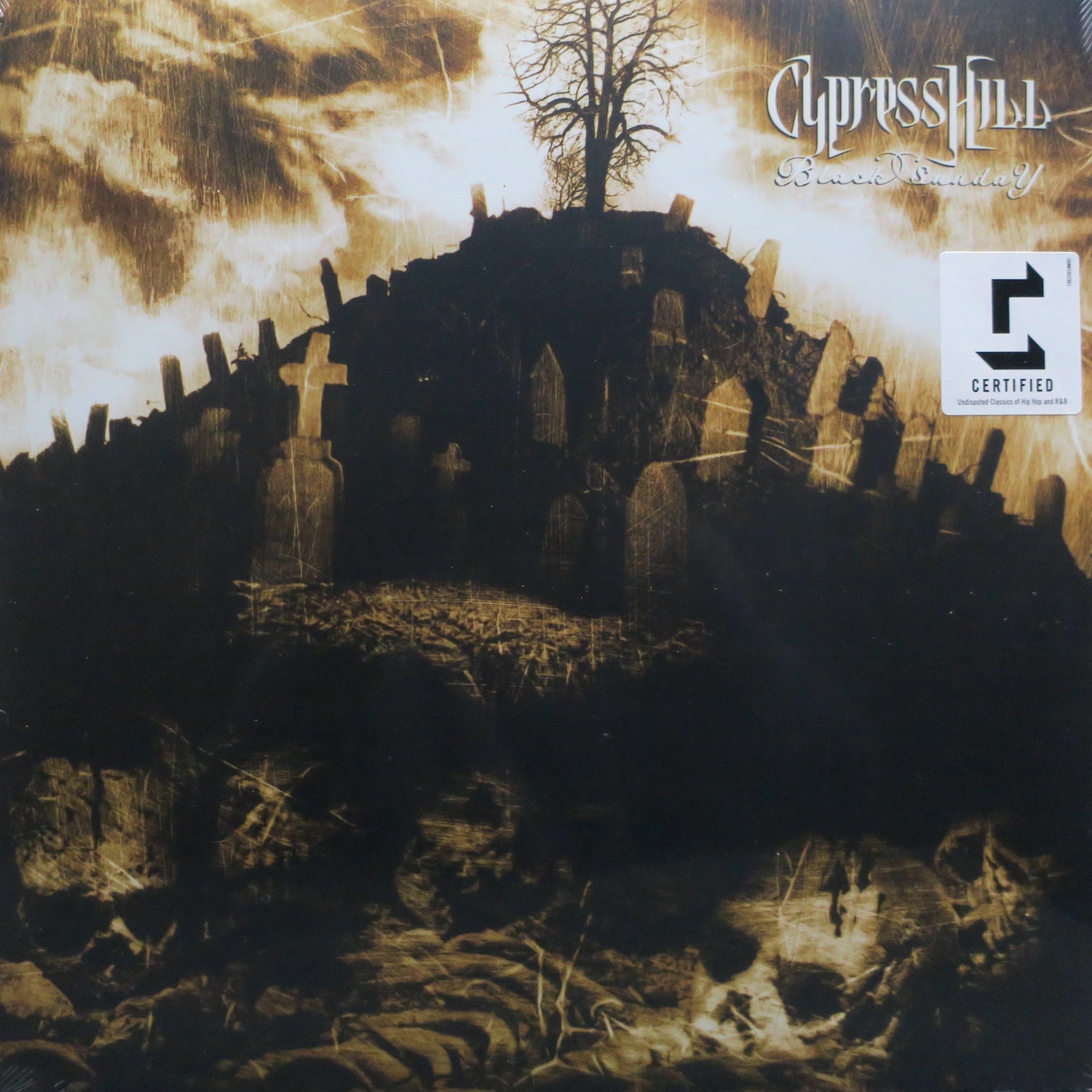
Black Sunday, released at the crest of their early fame, turned the group's aesthetic into a mainstream moment. The album's singles amplified their crossover reach and introduced a wider audience to their lyrical mix of neighborhood grit, blunt celebration and street humor. The follow-up records — especially III: Temples of Boom — kept the moodier elements and showed a willingness to slow down and deepen the atmosphere rather than simply replicate party hits.
By the late 1990s and into Skull & Bones, Cypress Hill leaned into rock textures, splitting the album between rap and rap/rock sides. That move placed them alongside bands experimenting with genre collapse and helped bridge their fan base to audiences who followed rap-metal and alternative rock. The group's willingness to work across those boundaries influenced later rap-rock and nu-metal acts and made them a frequent presence at mixed-genre festivals.
Personnel choices mattered: Eric Bobo's conga and percussion work introduced Latin-flavored rhythms that married well with West Coast grooves, while Muggs' production choices defined their aural identity. That combination made Cypress Hill a touchstone for West Coast alternative hip hop and for Latin American representation within mainstream U.S. rap scenes.
Mentioning peers and lines of influence helps place Cypress Hill: they rose alongside alternative hip-hop acts such as the Beastie Boys, grew out of the same sample-driven lineage that groups like Public Enemy helped define, and later shared audiences with rap-rock acts like Rage Against the Machine. Those connections show how Cypress Hill occupied a crossroads between hardcore hip hop, club-ready singles and rock-leaning crossover, which is why their early albums remain good starting points for exploring their catalog.