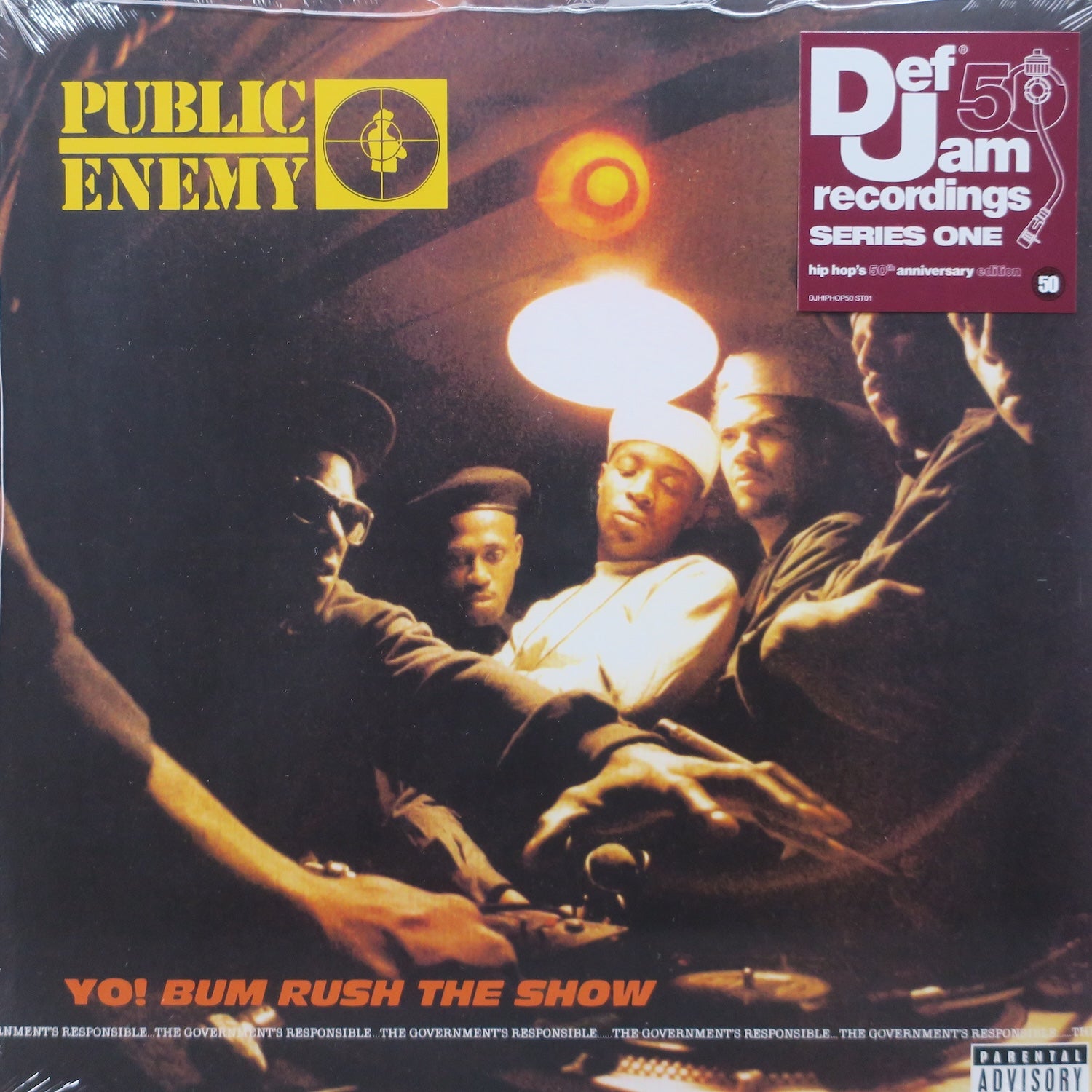
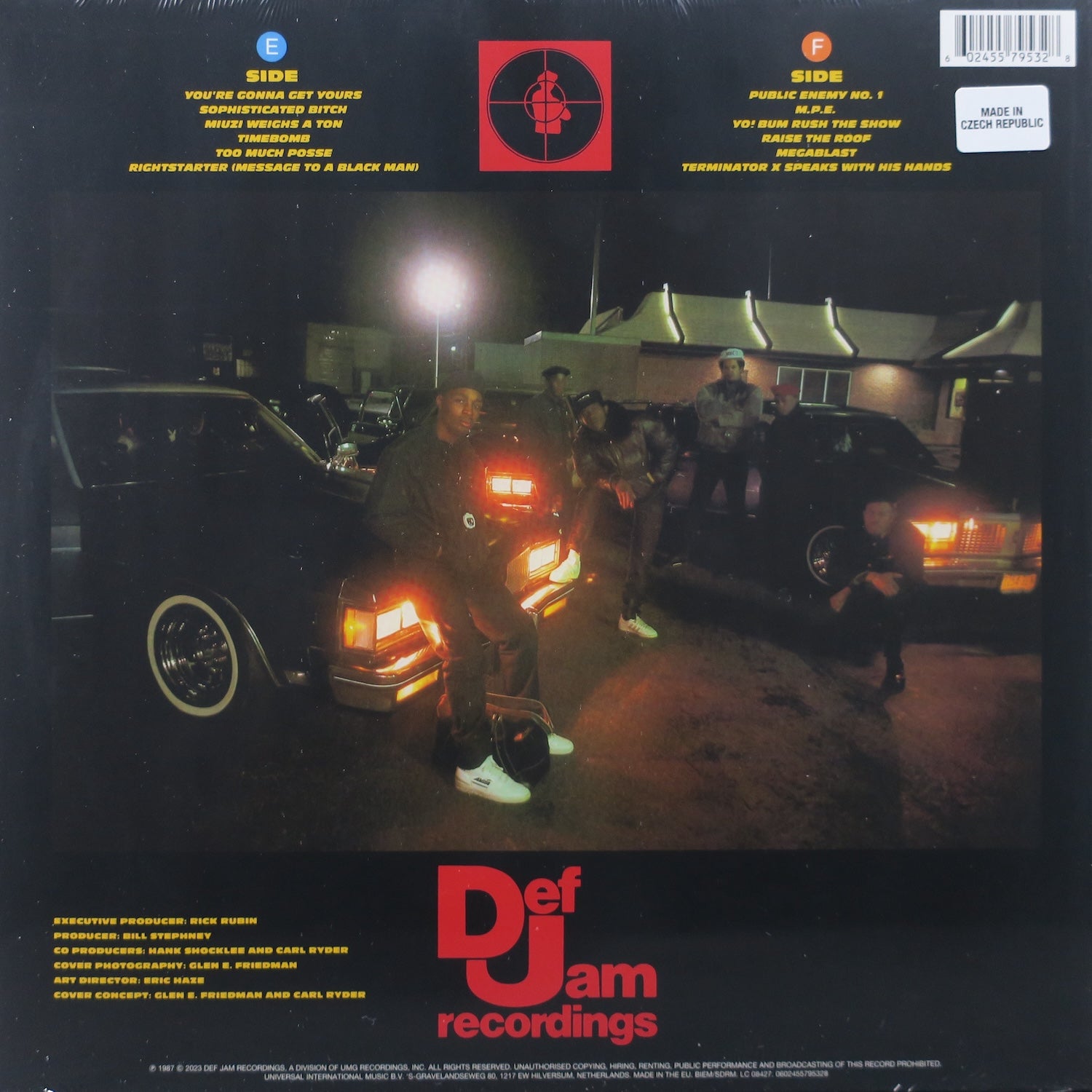
Public Enemy
Public Enemy turned studio production into a political weapon, using dense, abrasive sound collages to match Chuck D’s declarative baritone and Flavor Flav’s wild-stage counterpoint. That contrast—serious, spoken-word urgency versus theatrical hype—made their music feel like a public forum: impossible to ignore and designed to start conversations as much as moves on the dancefloor.
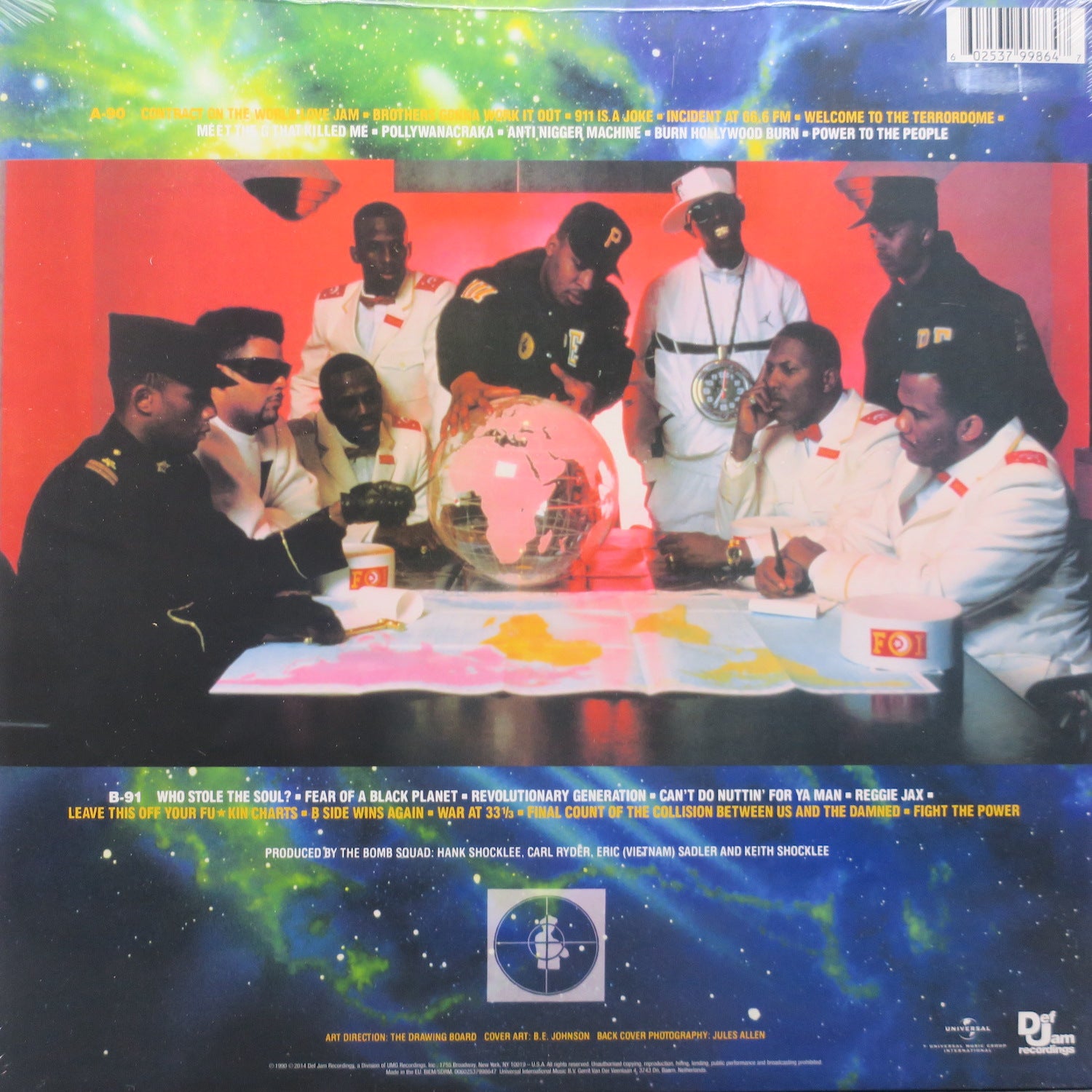
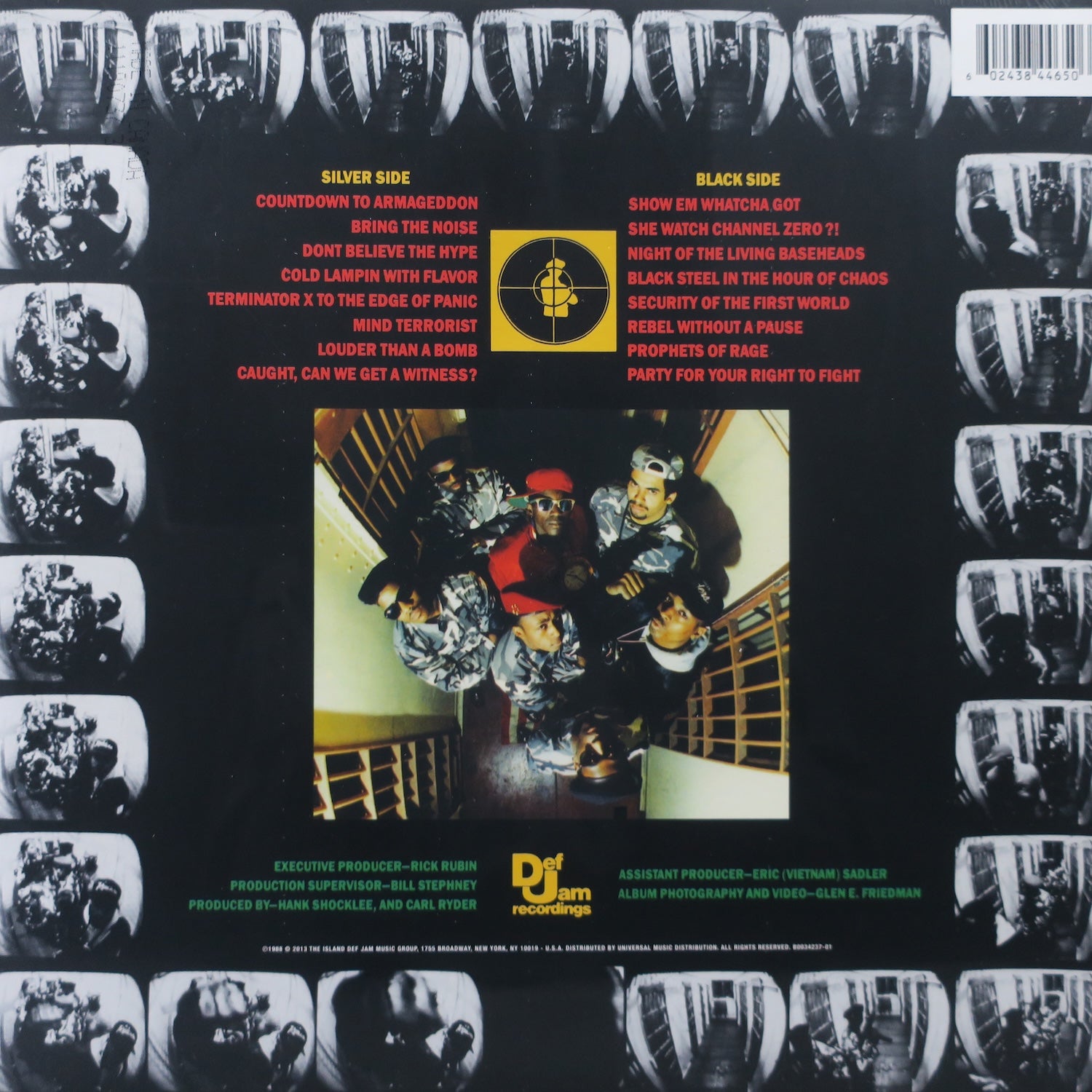
The group’s sonic signature came from The Bomb Squad, a production collective that layered samples, sirens and found sound into a white-noise wall. That approach reframed what hip hop beats could do: not just provide grooves but create an atmosphere of urgency and disorientation that reinforced songs such as “Bring the Noise,” “Fight the Power” and “Don’t Believe the Hype.” Chuck D wrote much of the intellectual backbone — framing systemic critique in blunt, memorable lines — while Flavor Flav supplied cadence, humor and a performative foil. Terminator X’s cuts and Professor Griff’s role as the group’s self-appointed minister of information helped complete a picture of a crew that treated every record as a public statement.
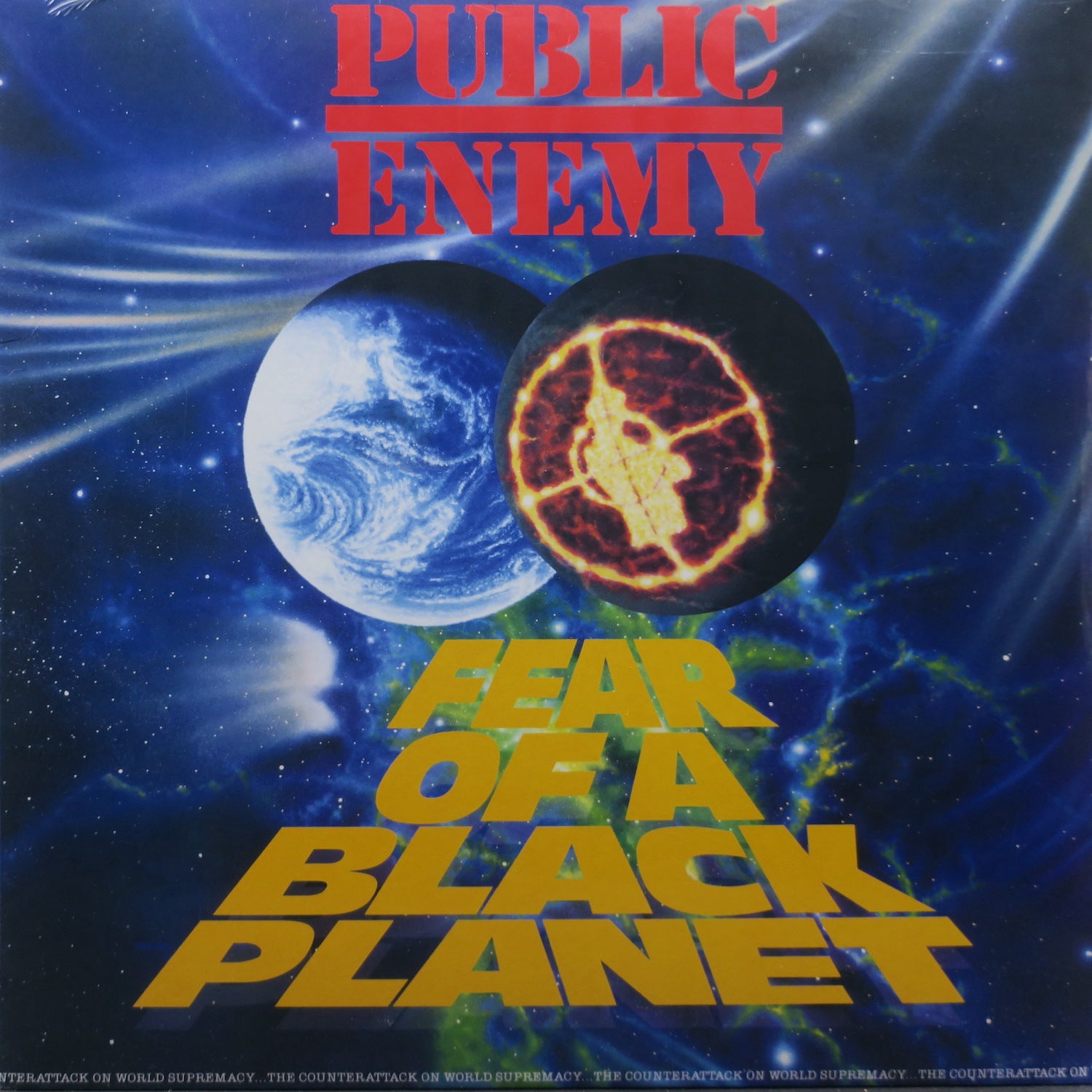
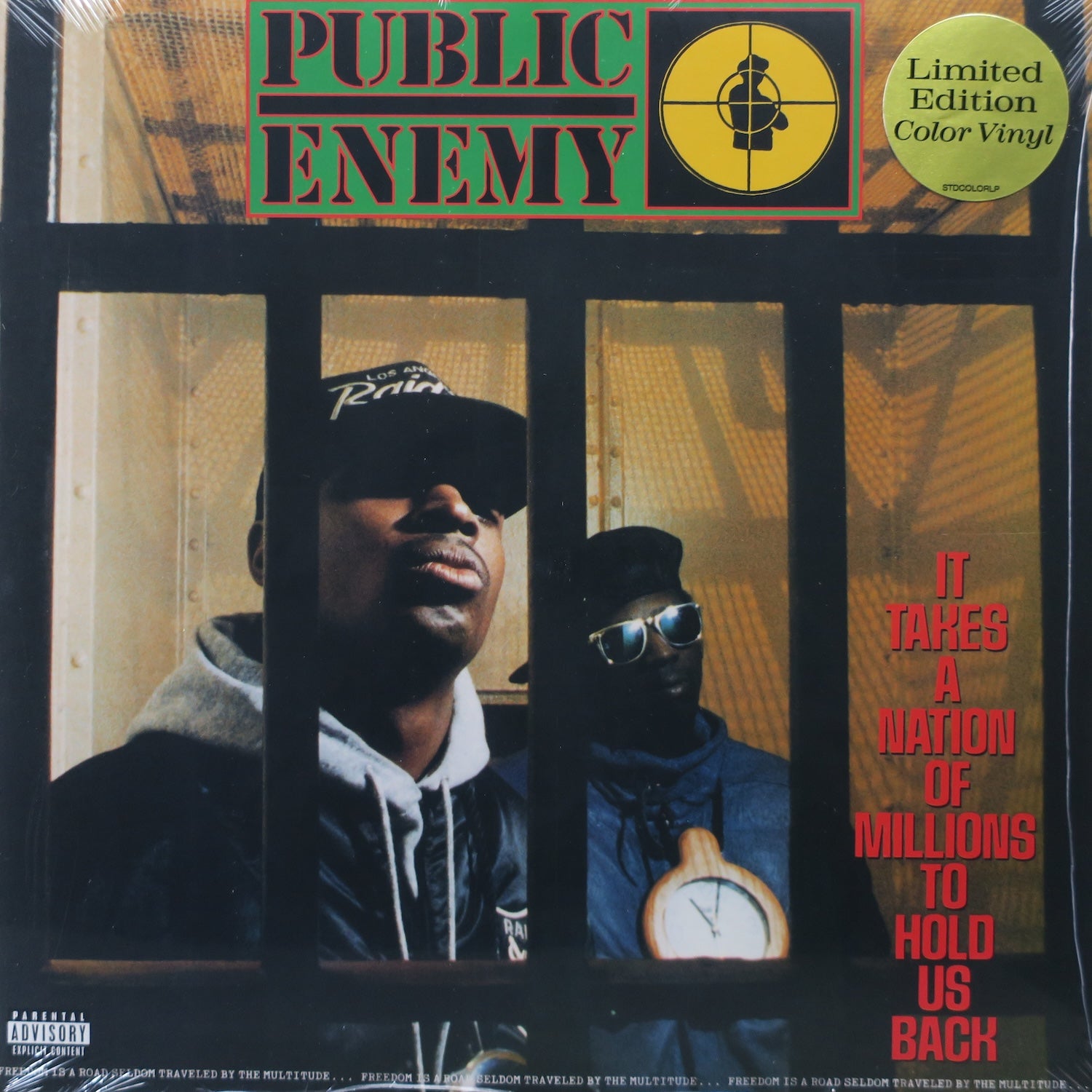
Public Enemy matter because they pushed rap into explicitly political terrain while simultaneously expanding production vocabulary. It Takes a Nation of Millions to Hold Us Back (1988) and Fear of a Black Planet (1990) are frequently cited for their cultural reach: tracks from those records moved beyond clubs into radio, film soundtracks and protest spaces. That reach wasn’t accidental; Public Enemy’s rhetoric drew on older Black spoken-word traditions—think Gil Scott-Heron and the Last Poets—while their willingness to sound confrontational opened doors for cross-genre collaborations, most famously with Anthrax on a metal reworking of “Bring the Noise.”
The group existed inside the late-1980s/early-1990s New York hip hop scene alongside peers such as Eric B. & Rakim and KRS-One, but their combination of agitprop lyricism and maximalist production set them apart. Subsequent artists and bands—from rap-metal acts to contemporary politically minded rappers—have referenced the group’s template for marrying message and machinery.
Even decades on, Public Enemy’s records remain potent listening: they document a moment when production technique and political rhetoric were deliberately fused, and they still reward close attention to both lyrics and the often-overlooked noise that surrounds them.