Beck
Beck's music often feels like two records at once: one built from thrift-store fragments, turntable scratches and hip-hop beats; the other a plain, trembling singer-songwriter record. That tension — playful collage versus private confession — is what makes his catalog unexpectedly rich and continually surprising.
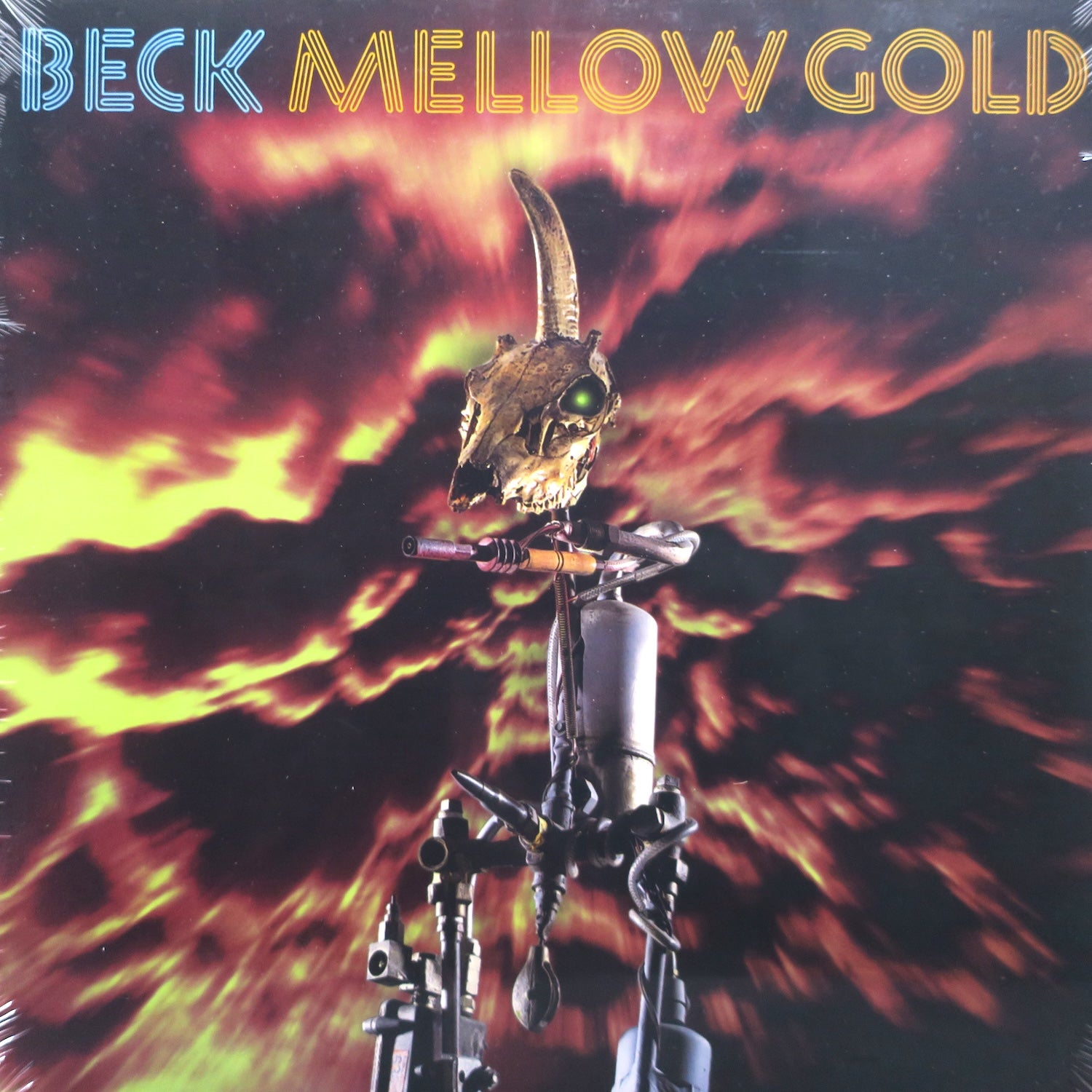
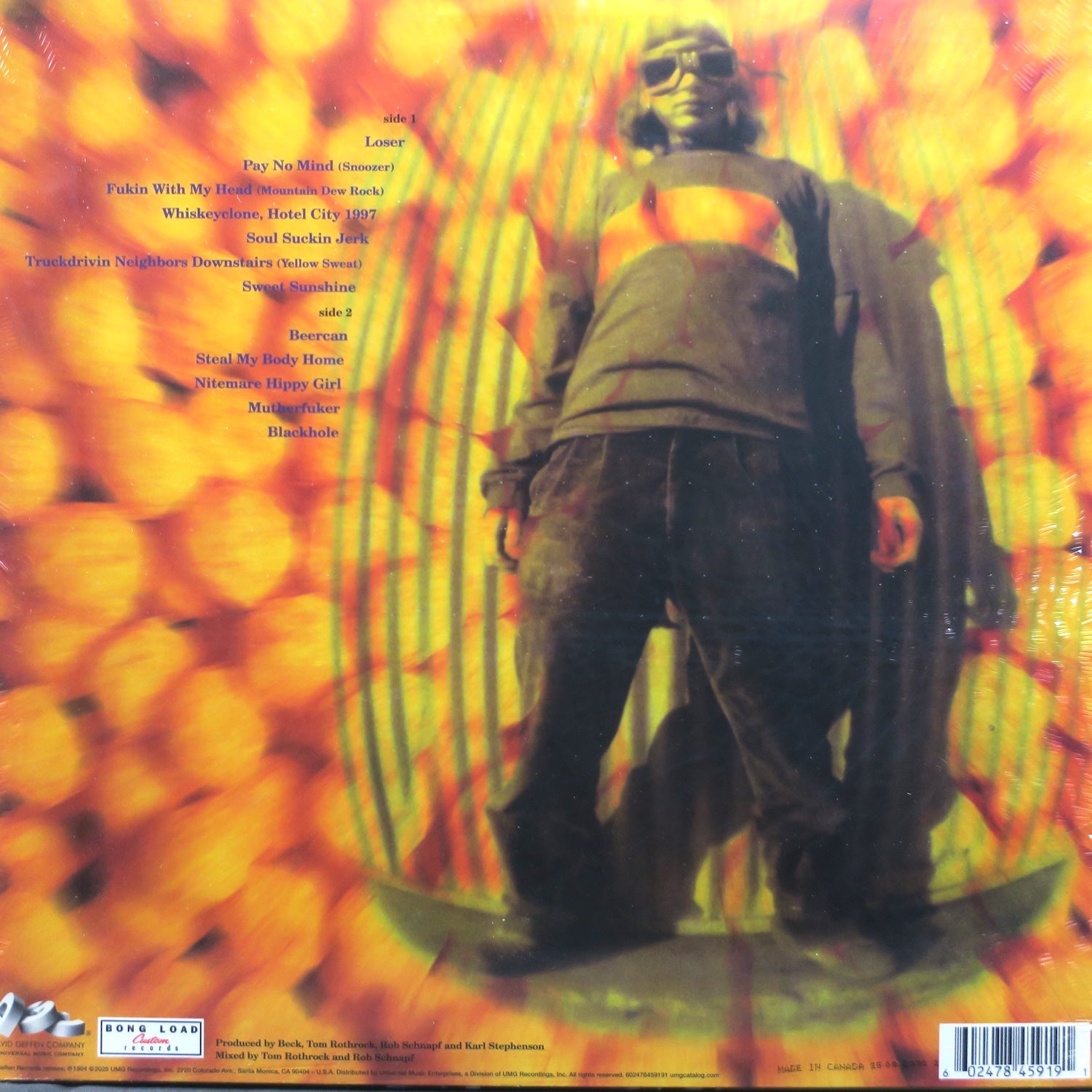
Early hits like 'Loser' and the album Mellow Gold captured a slacker-era wit, but the production approach mattered as much as the jokes. Working with producers and collaborators who treated samples and loops as instruments — most famously the Dust Brothers on Odelay — turned what could have been a throwaway novelty into tightly arranged pop with a restless, genre-bending agenda.
By the time of Sea Change, the persona shifted. Heartache and acoustic arrangements replaced irony; Nigel Godrich's moody, spacious production helped reshape Beck into a modern folk-rock voice. That album revealed a different strength: the ability to write direct, aching songs without sacrificing subtle arrangement choices — a move that set Sea Change apart from his sample-heavy work and won respect from listeners who had dismissed earlier antics.
Across the 1990s and 2000s Beck kept moving: Mutations and Midnite Vultures explored glam, soul and left-field pop; Morning Phase returned to the pastoral mood of Sea Change with a late-career compositional maturity that earned him broader recognition. Collaborators such as Carl Stephenson (whose work on the early single 'Loser' was pivotal) and producers who bridged alternative rock and studio experimentation helped Beck avoid turning style into gimmick.
What matters about Beck now is less a single sound than his restless method. He showed that lo-fi collage could coexist with intimate songwriting, and that a pop record could be both clever and emotionally honest. That approach connects him to acts who play with production as part of personality — from sample-minded alternative hip-hop to modern indie songcraft — and makes albums like Odelay and Sea Change good entry points from different angles.
For listeners new to Beck, pick an era and follow it: the rough humor of Mellow Gold and Odelay, the reflective sweep of Sea Change and Morning Phase, or the genre-hopping detours in between. Each reveals a different way a songwriter can use the studio as an instrument, and why Beck's records keep rewarding repeated listens.