Flaming Lips
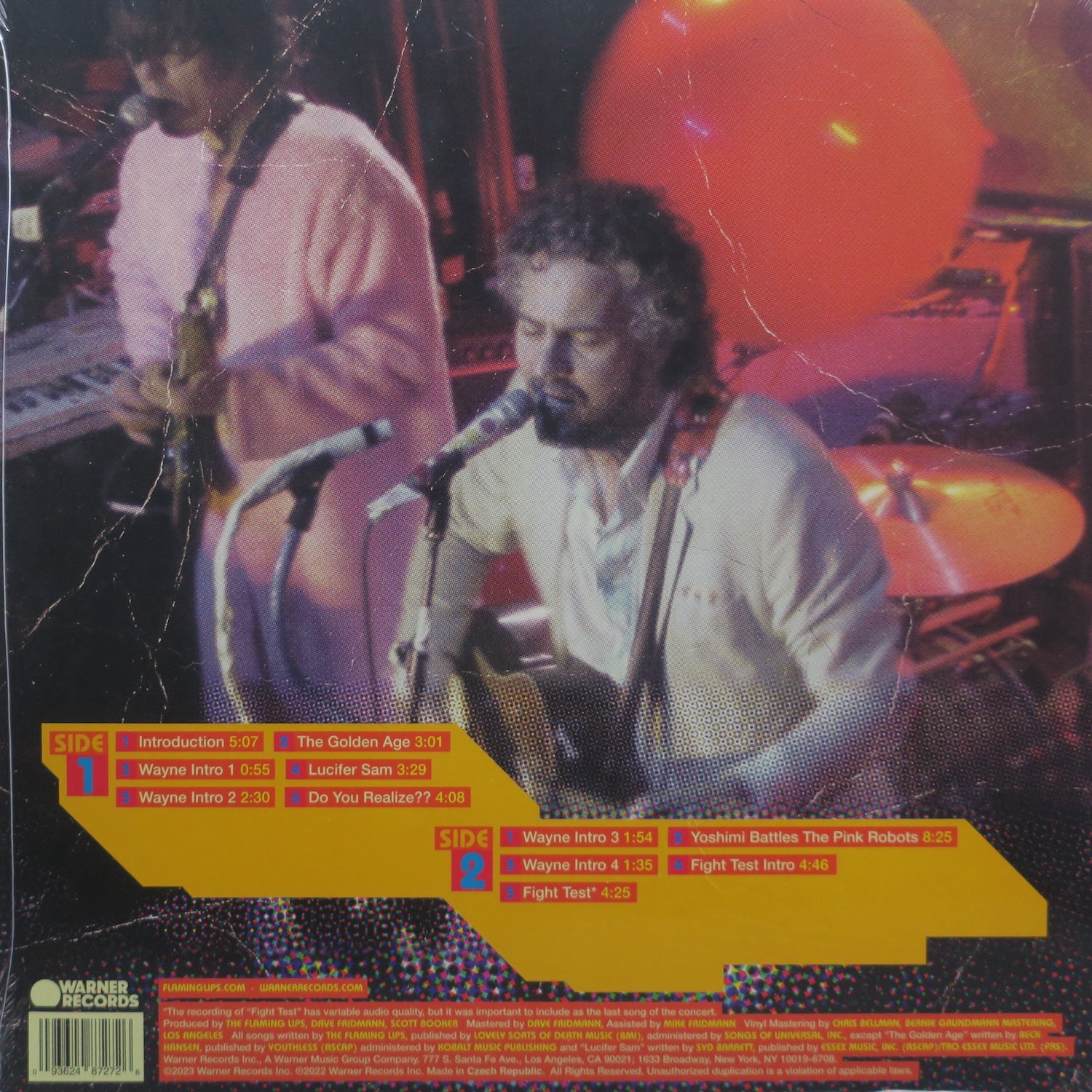
Few bands pair confetti-splattered arena spectacle with the kind of fragile, orchestral pop found on late-career records; that tension is central to what makes the Flaming Lips compelling. Their concerts can feel like communal ritual—giant plastic bubbles, audience members carried above the crowd—while their studio work often pares live chaos down to carefully arranged melodies and unusual sonic textures.
The core of the group’s sound comes from the interplay between Wayne Coyne, the band's frontman and conceptual driver, and Steven Drozd, a multi-instrumentalist whose arrangements and studio work expanded the group beyond garage-psych roots. Bassist Michael Ivins provided a steady low-end and studio presence for decades, helping the band translate elaborate ideas into records. Producer Dave Fridmann, a frequent collaborator, is another essential figure: his approach to compression, orchestration and color helped shape albums such as The Soft Bulletin into warm but unnerving listening experiences.
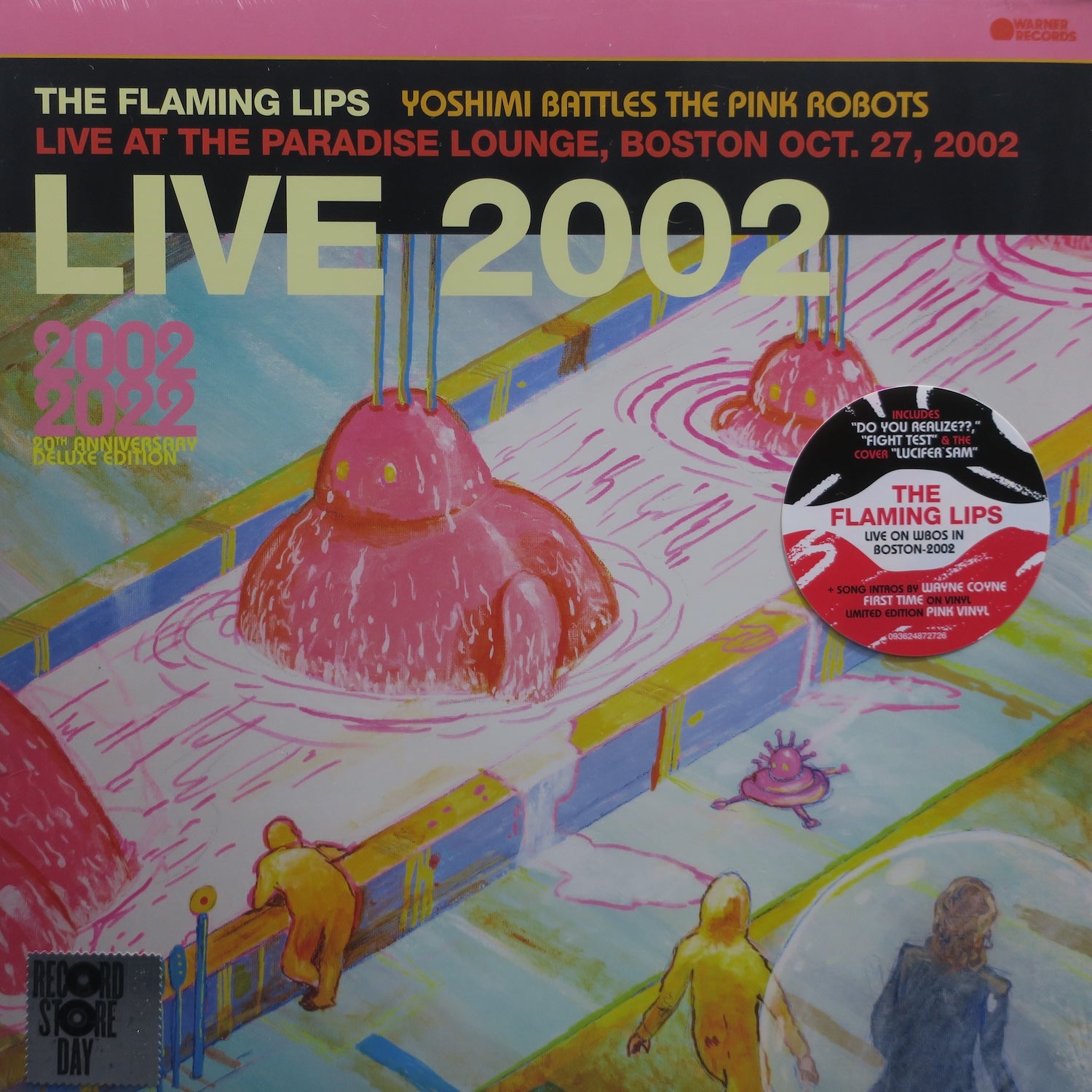
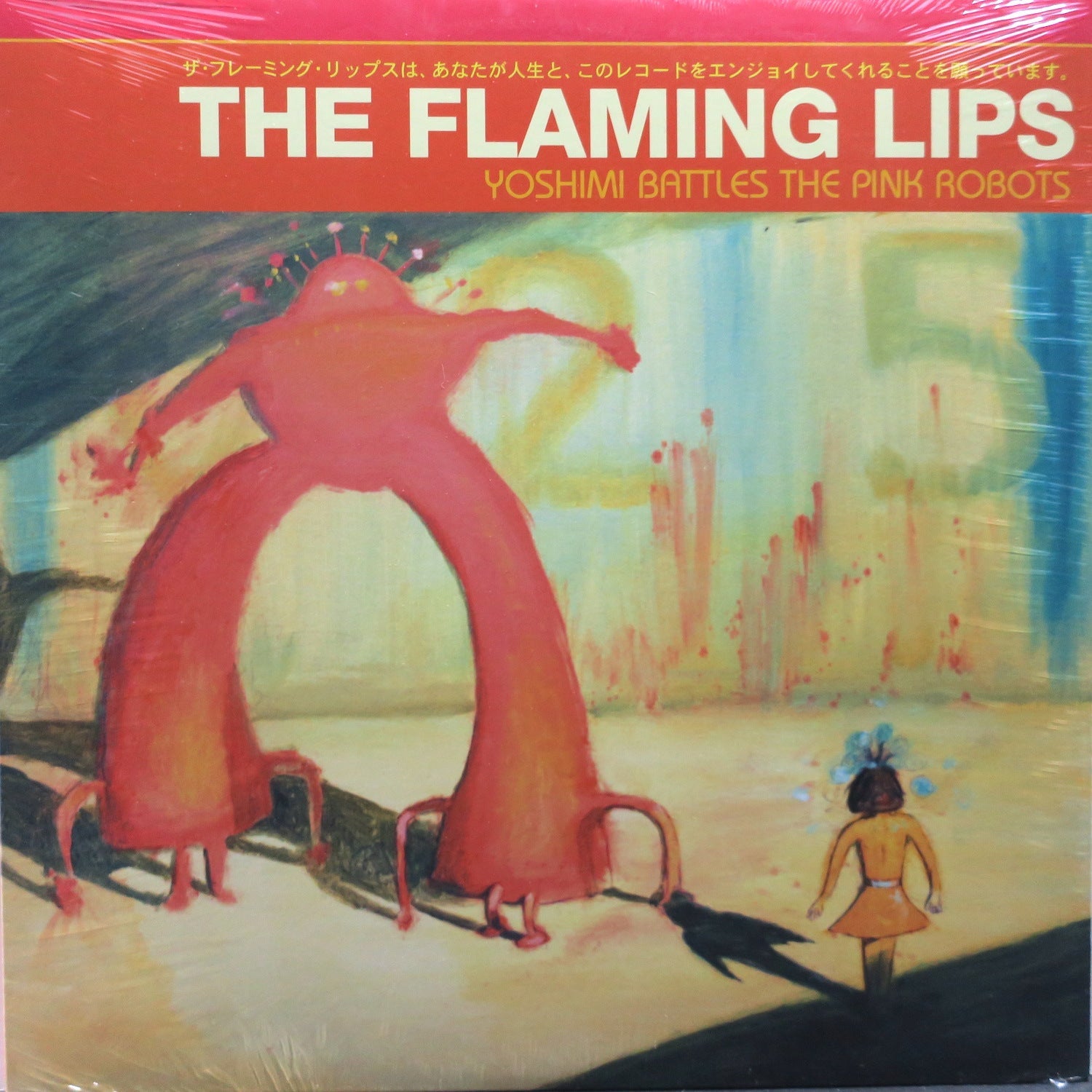
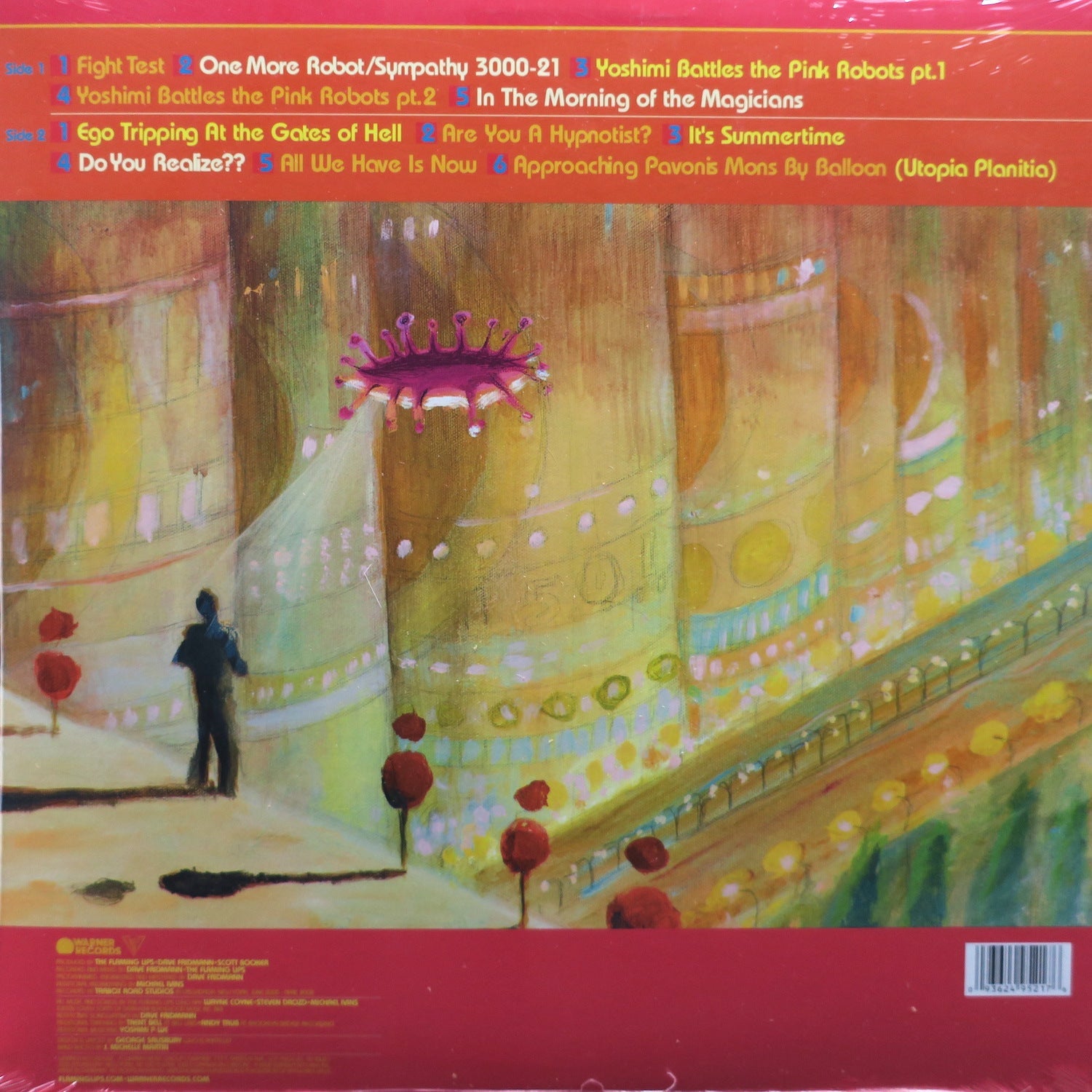
Studio milestones map a clear arc. Clouds Taste Metallic captures the band still flirting with rawer alternative rock textures; Transmissions from the Satellite Heart contains their first wide-reaching singles and a sense that the group could balance oddball humor with tuneful hooks. The Soft Bulletin is the pivot—lush, melancholic and arranged like a modern chamber-pop record—while Yoshimi Battles the Pink Robots brought those cushions of sound into a more accessible, melodic pop framework without sacrificing experimental edges. At War with the Mystics continued the push into electronic and symphonic territory, marrying psych tropes to political and personal lyric moments.
Musically, the Flaming Lips sit at the intersection of 1960s psychedelia and late-20th-century alternative rock: the sonic curiosity of Pink Floyd and the melodic willingness of The Beatles filtered through modern studio experimentation. That lineage shows up in both the band’s love of concept and in their willingness to cover and rework other artists. Newer psych-leaning acts have pointed to the Lips’ late-'90s and 2000s albums as a touchstone for combining texture with popcraft.
Listening to the Flaming Lips now is an invitation to experience both spectacle and intimacy. Their records reward repeat listens, revealing production choices and arranging decisions that explain why so many fans find the band endlessly surprising and emotionally resonant.