Pink Floyd
Few rock bands treated the studio as an instrument the way Pink Floyd did: turning tape loops, tape effects and sprawling keyboards into whole environments where songs could breathe. That insistence on sonic space — from the whimsical psychedelia of early singles to the dense, theatrical constructions of The Wall — is the clearest reason the band still draws listeners to full-album listening sessions.
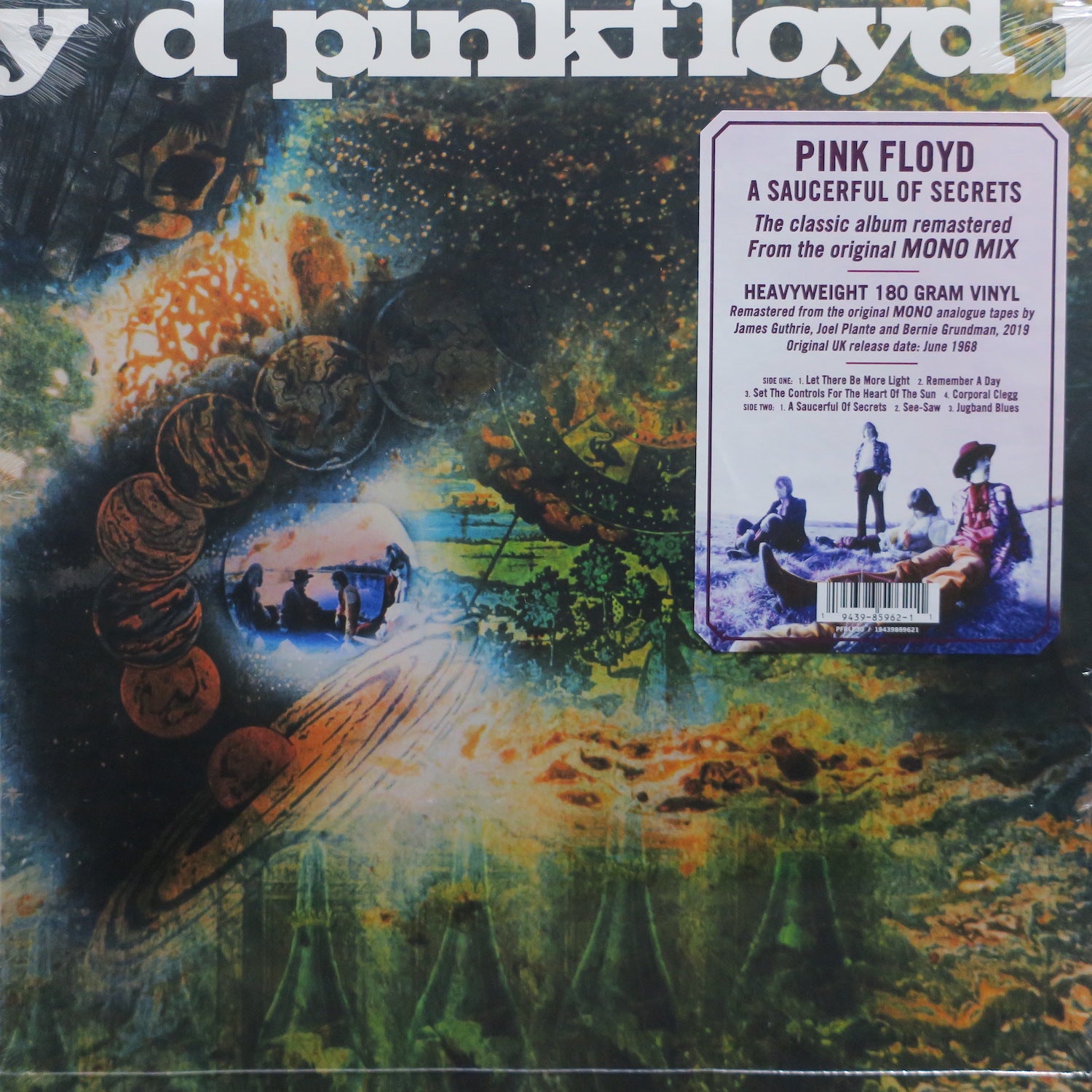
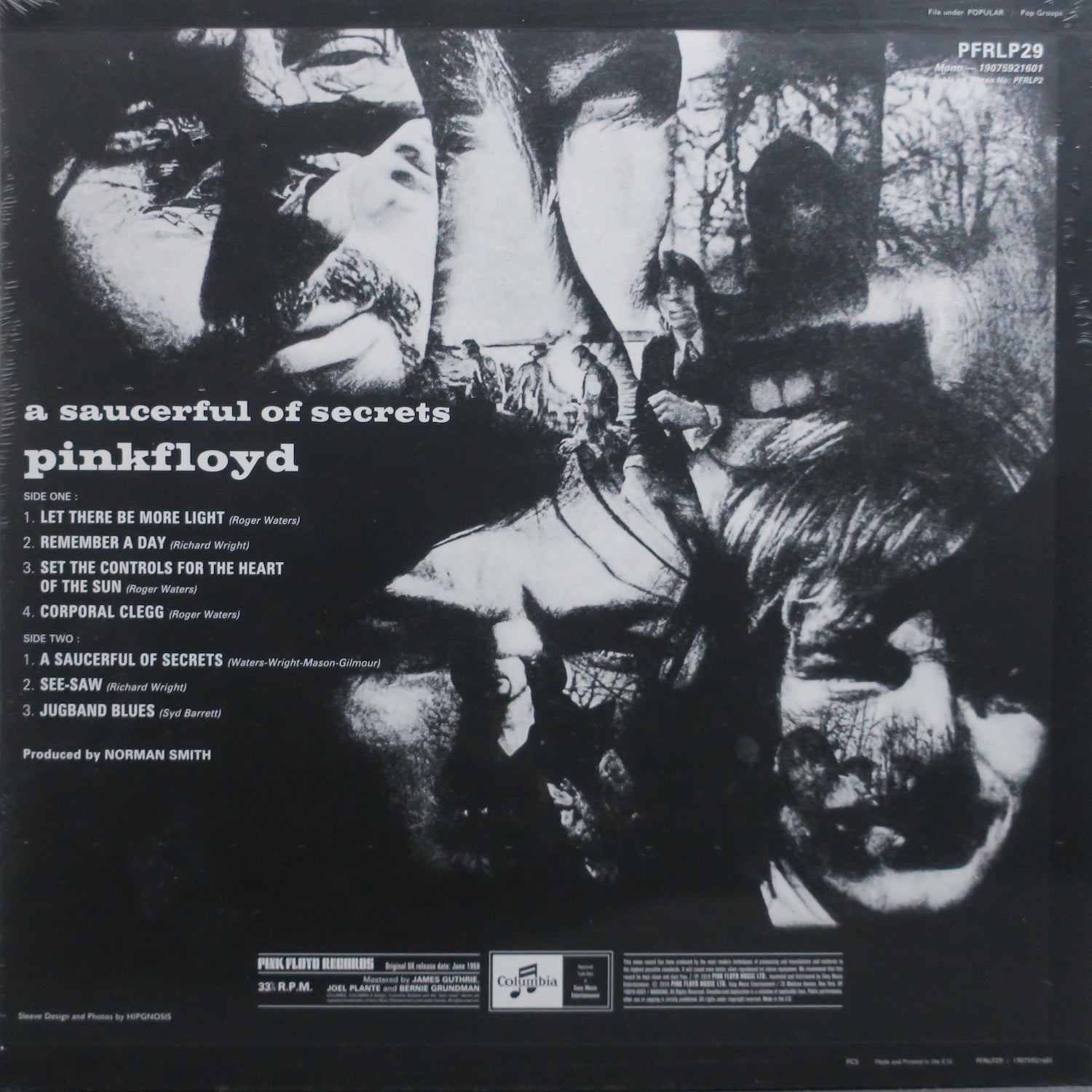
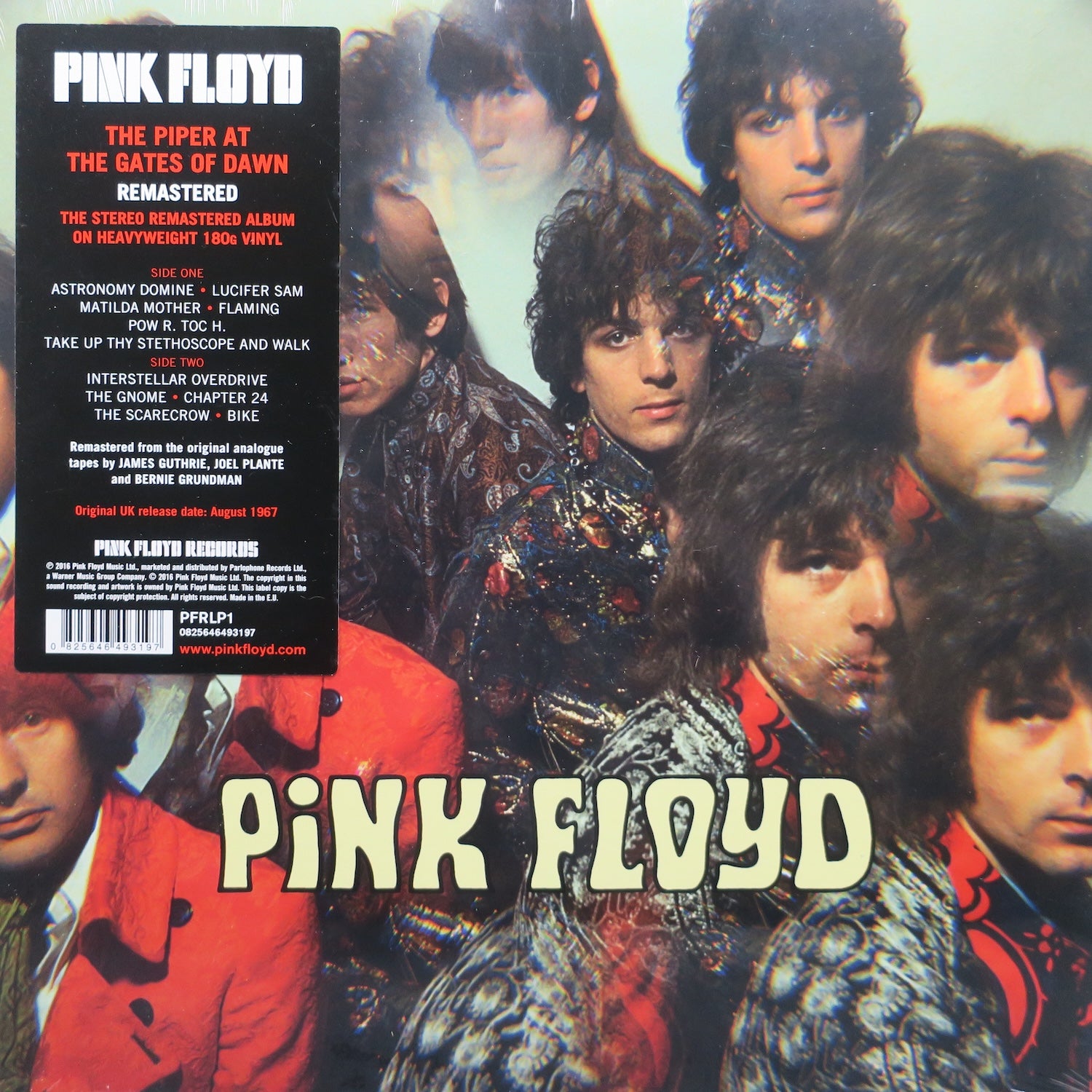
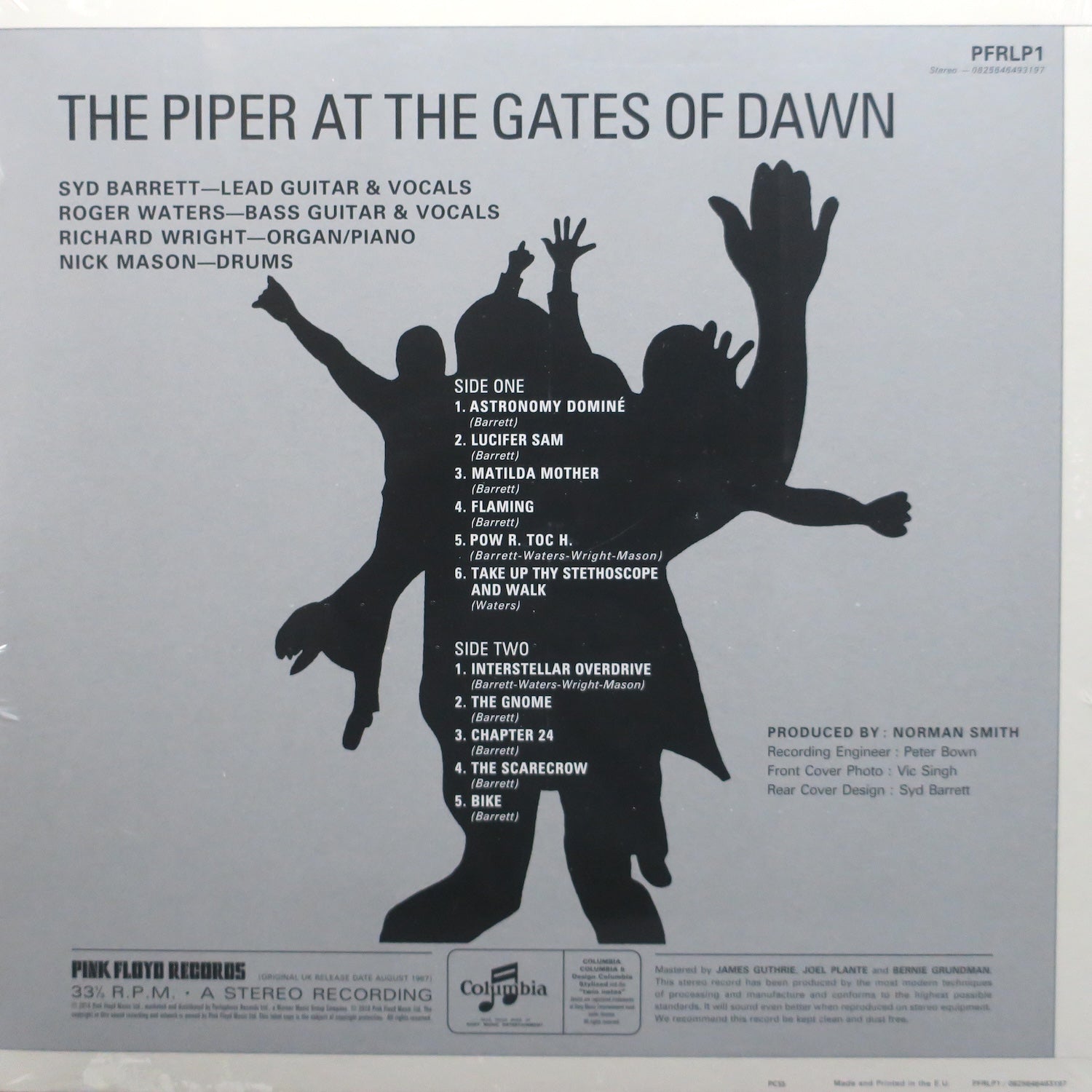
Early Pink Floyd, steered by Syd Barrett, was playful, surreal and keyed to the London underground; Barrett’s songs on Piper at the Gates of Dawn remain compact pockets of strange melody and lyric imagery. Barrett’s later decline and departure forced a major musical pivot: Roger Waters assumed the narrative voice and conceptual center, David Gilmour’s arrival provided a more fluid, lyrical guitar approach, and Richard Wright’s keyboards and Nick Mason’s steady drumming framed increasingly ambitious sonic architecture.
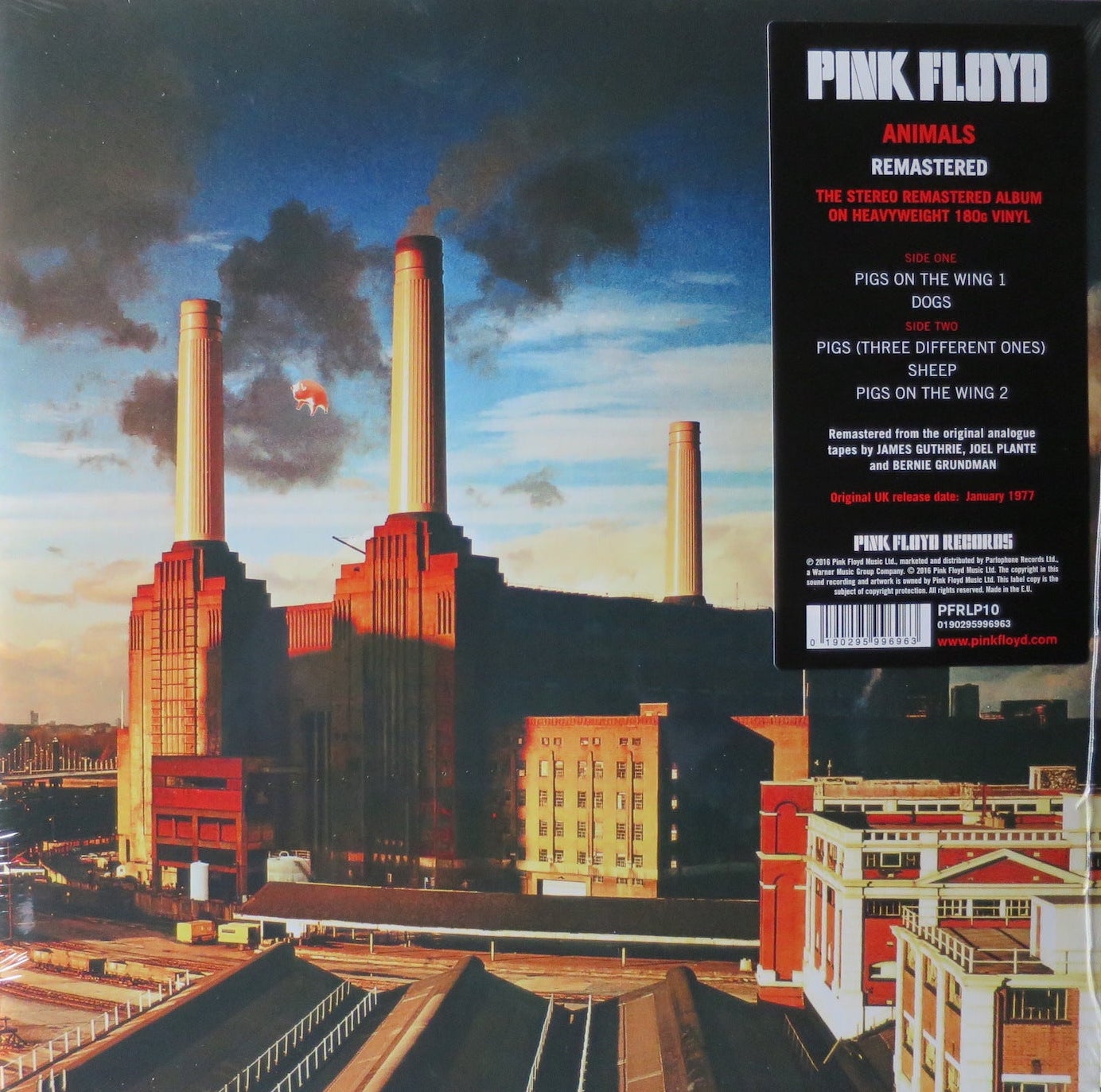
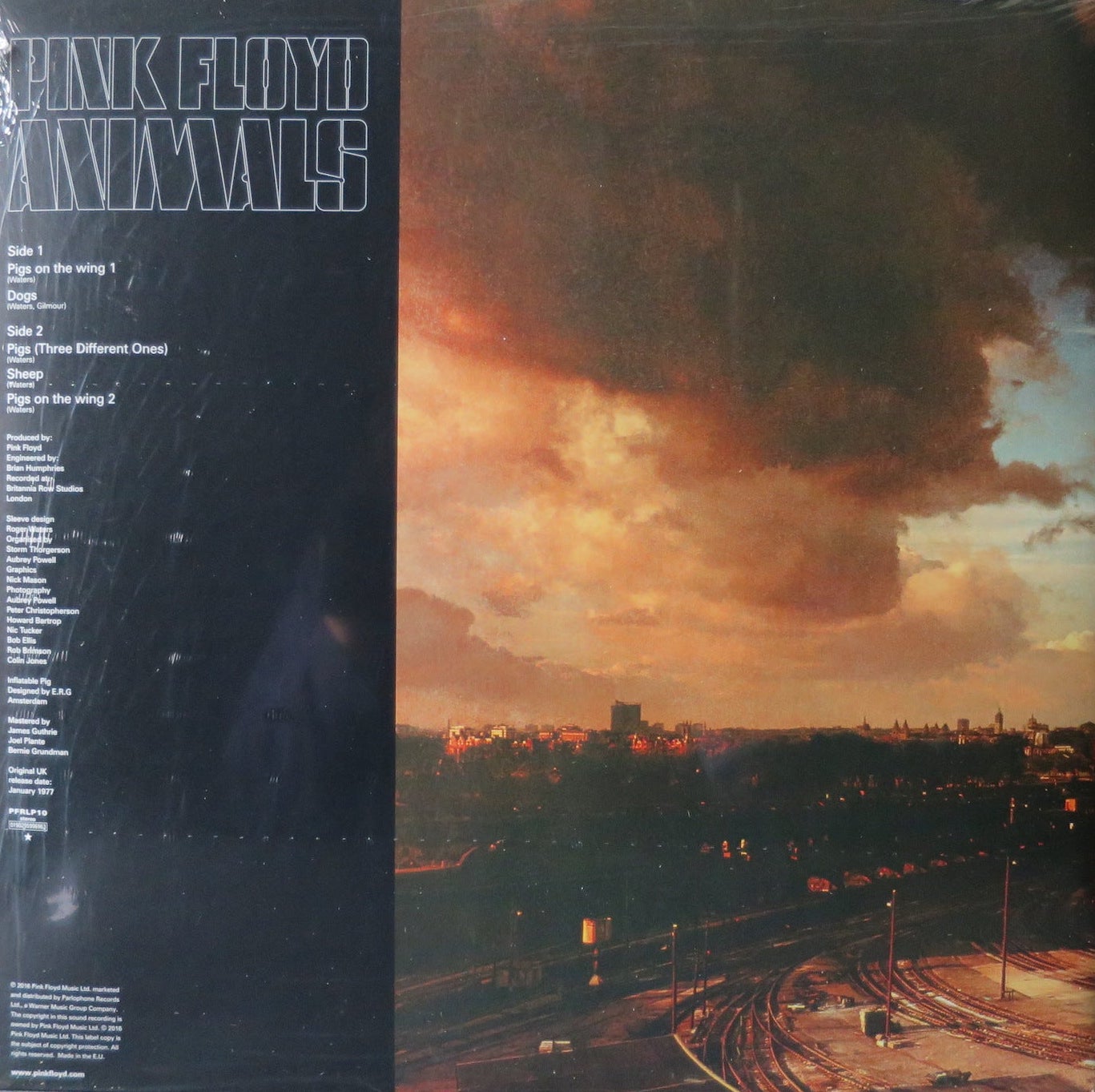
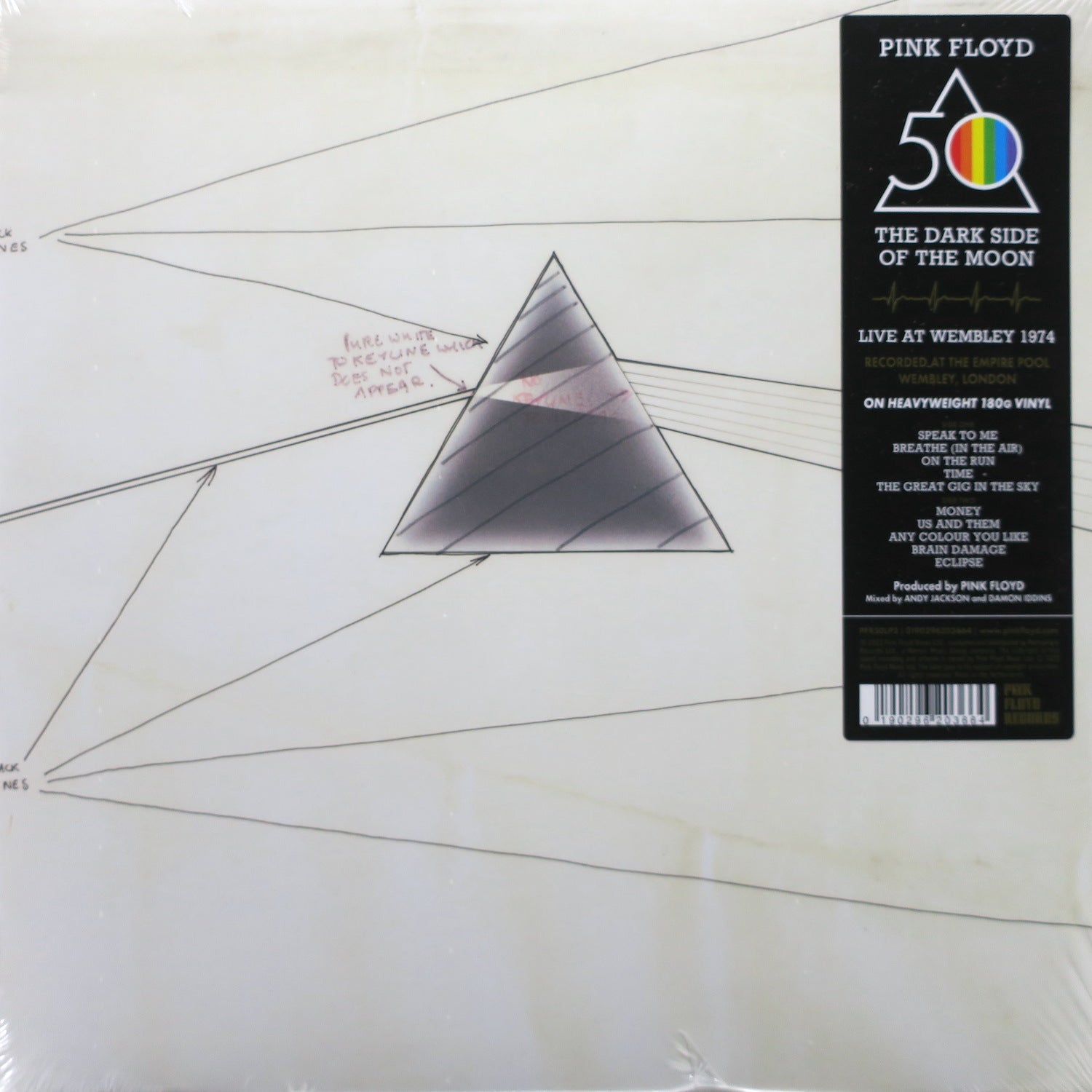
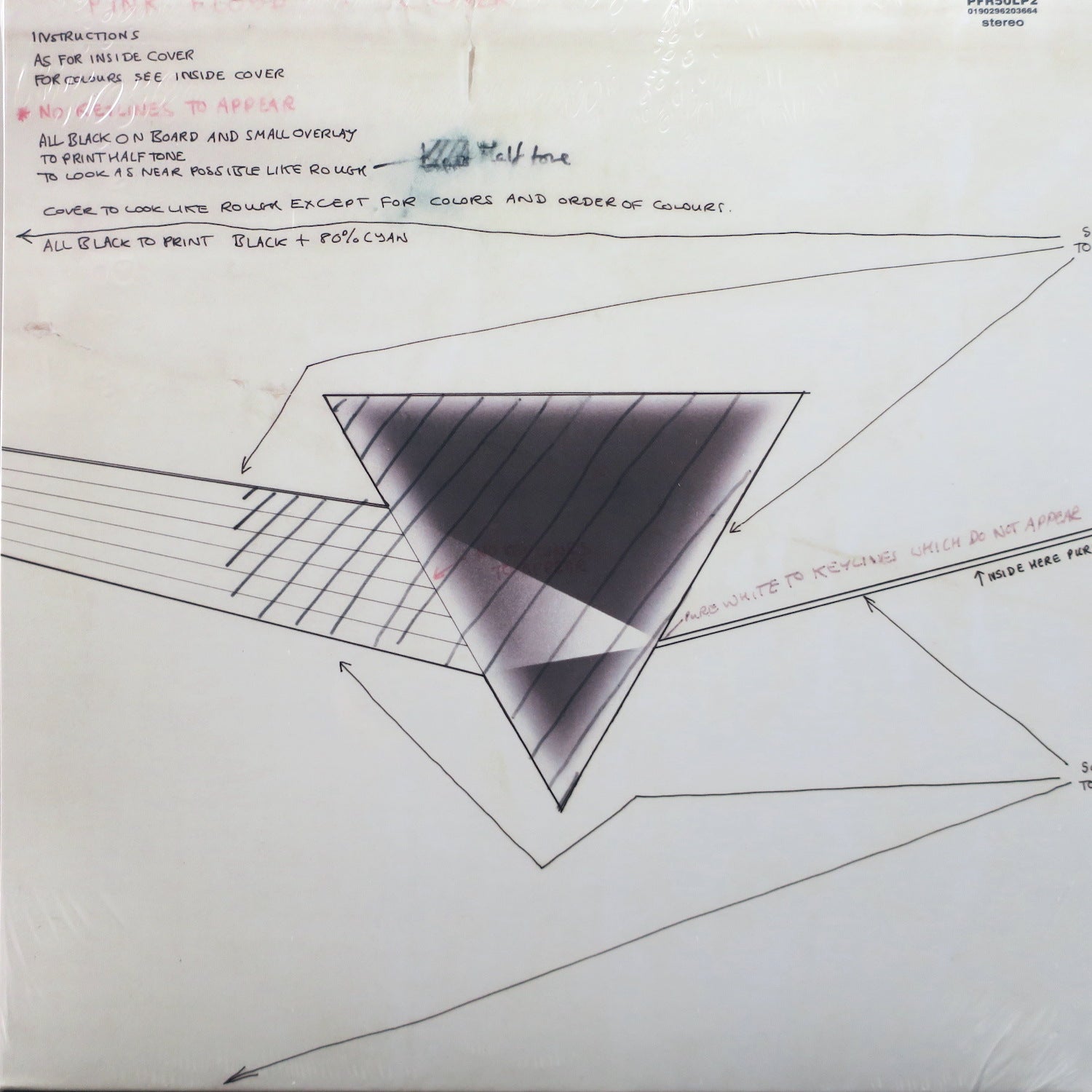
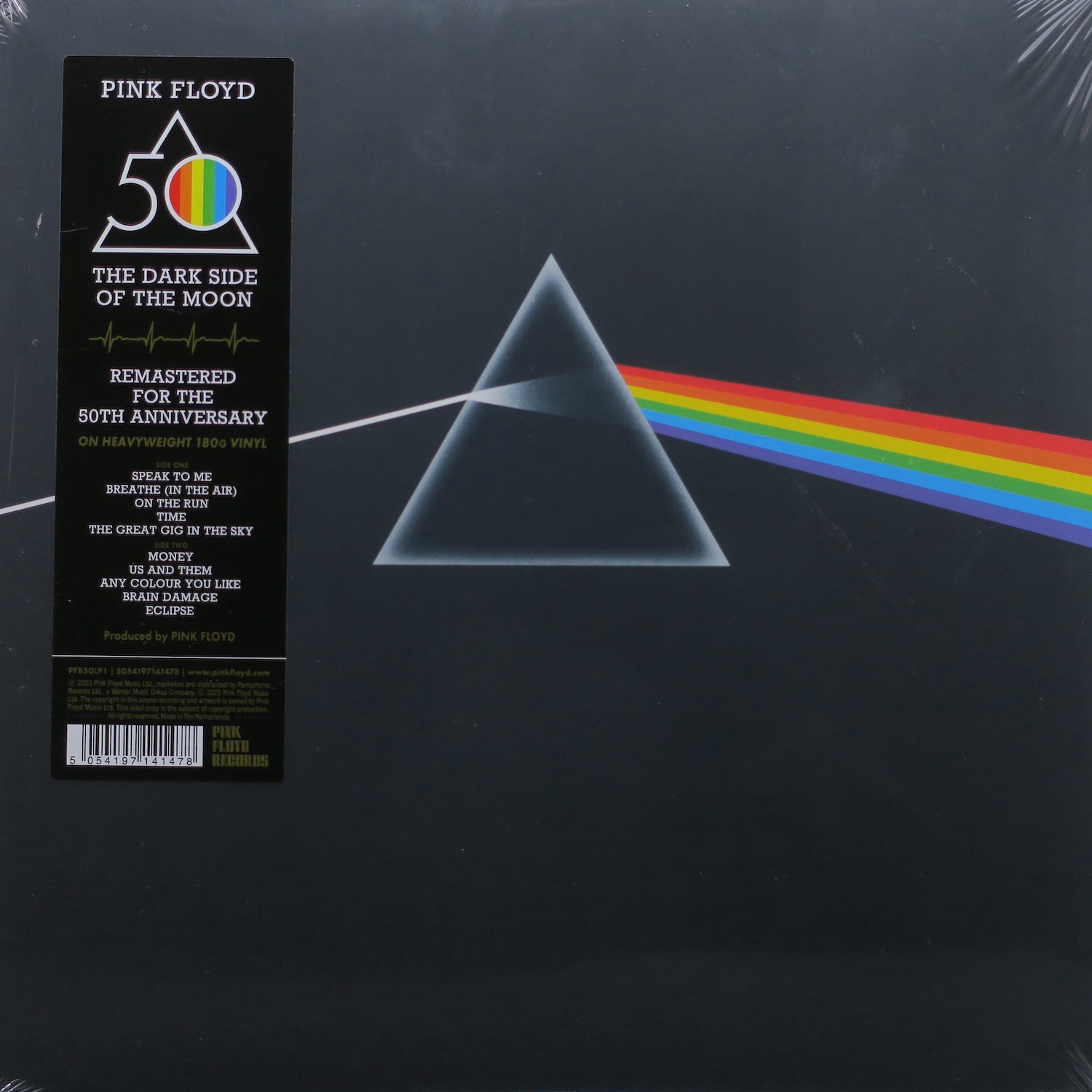
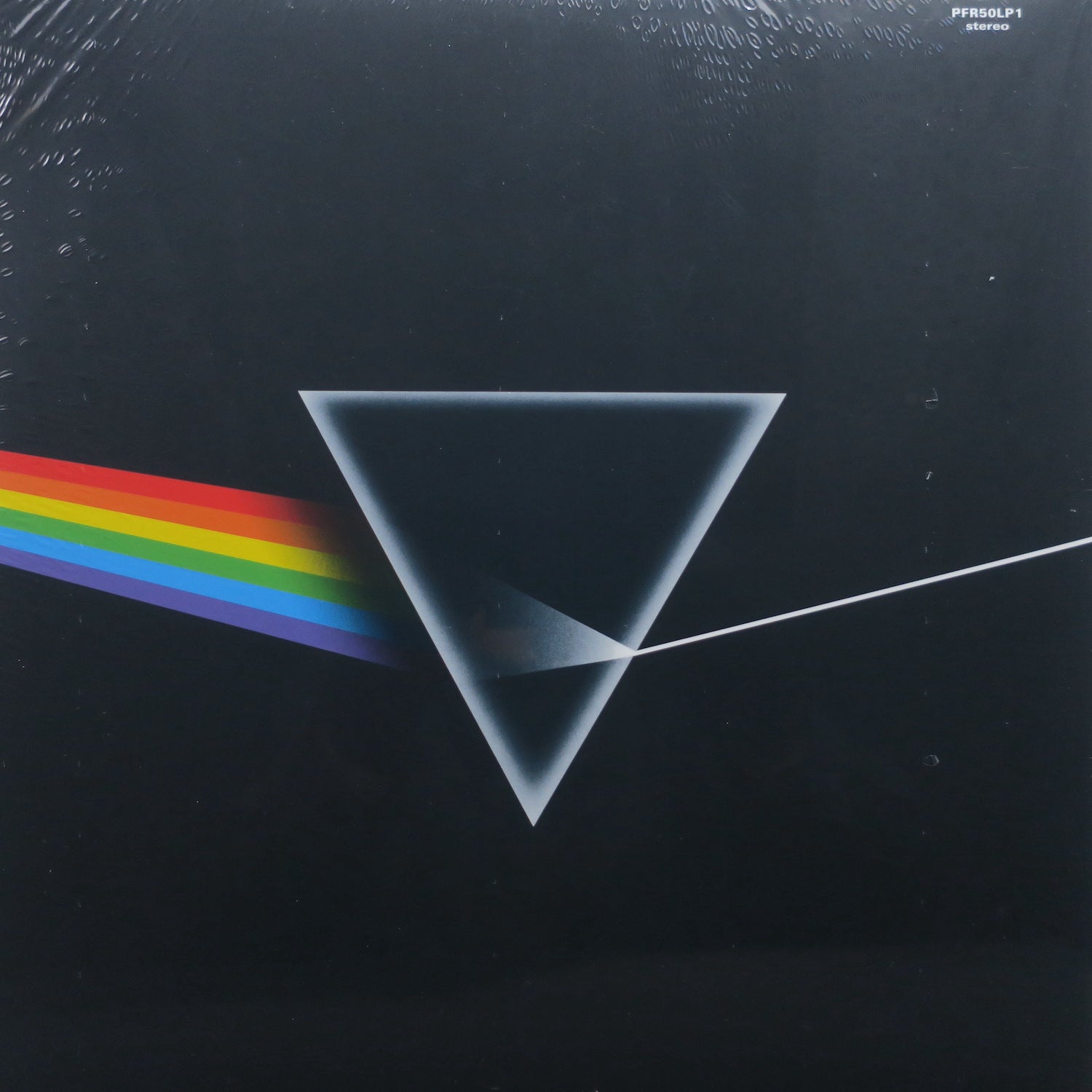
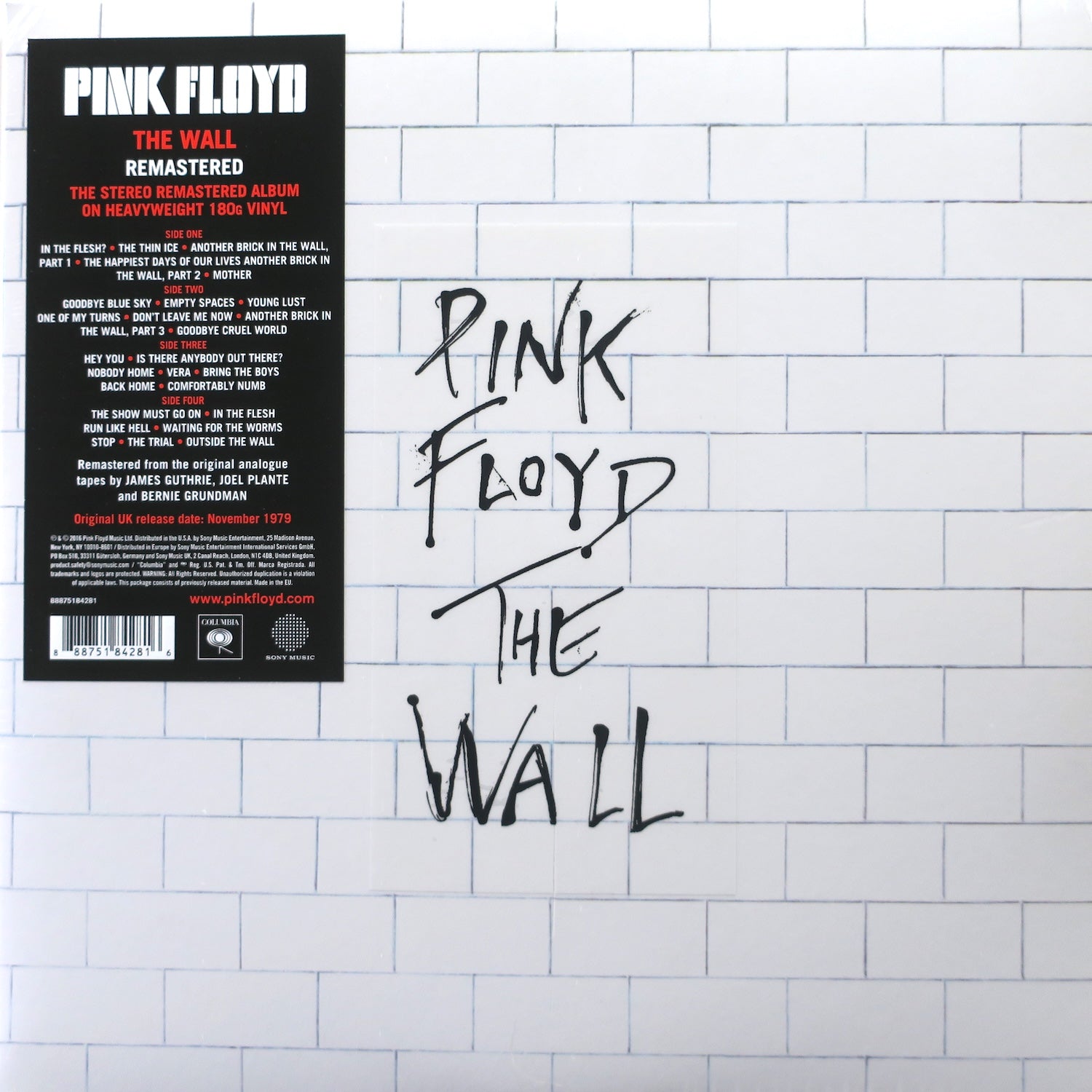
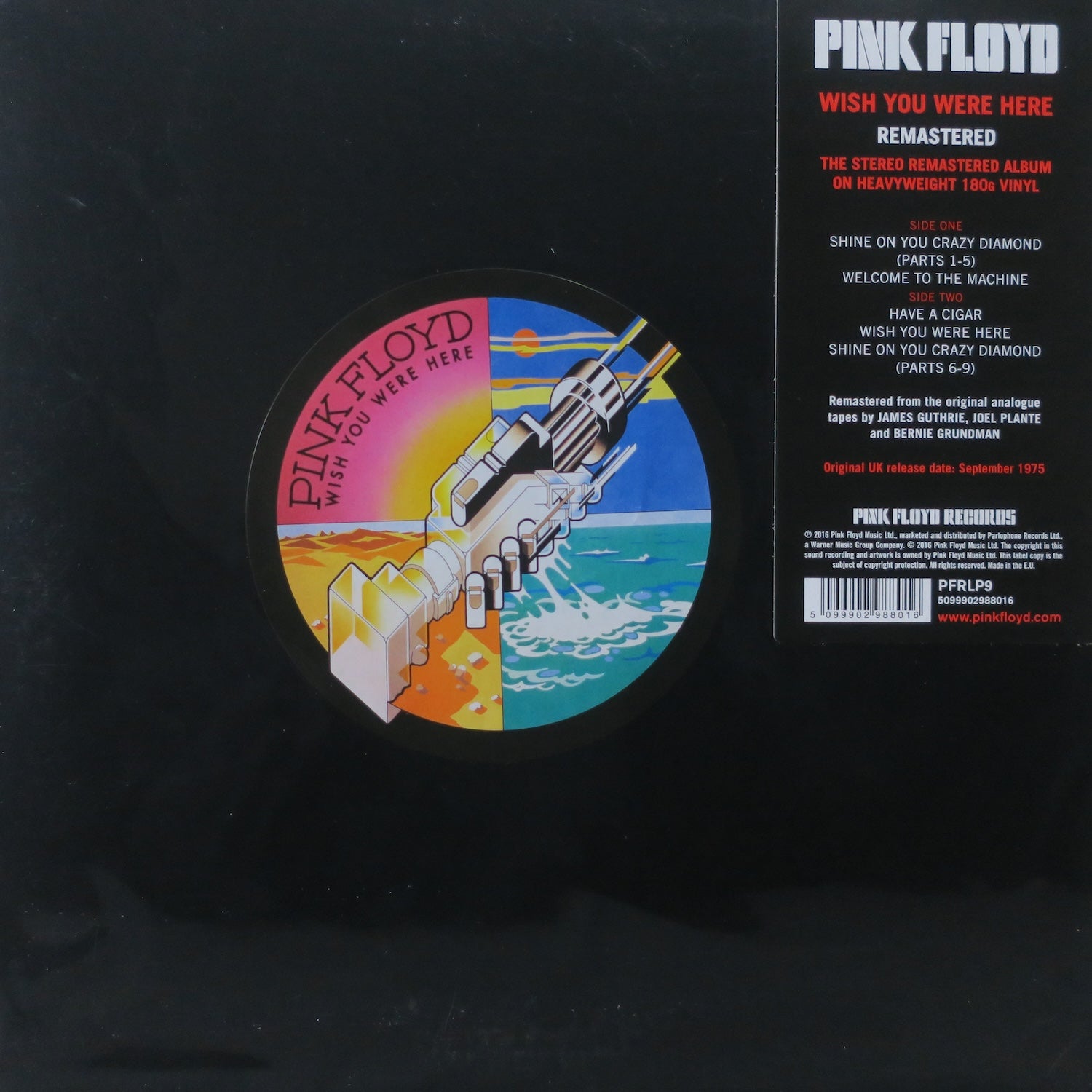
The Dark Side of the Moon (1973) crystallized their approach: tightly produced concept, seamless sequencing, and studio craft (engineer Alan Parsons’s work on the record is a frequent talking point) that rewarded pressing and playback fidelity. Wish You Were Here (1975) and Animals (1977) continued thematic exploration — absence, commodification, social critique — while The Wall (1979), produced with Bob Ezrin, pushed the band into a theatrical realm where album, film and stage show intersected.
Musically, Pink Floyd moved between psychedelic rock and progressive/art-rock. Their strengths were patience and texture: lengthy instrumental passages, harmonic restraint, and the use of negative space so that a single Gilmour guitar line or Wright organ chord could carry emotional weight. Lyrically, Waters brought an often bleak moral focus — alienation, loss, the machinery of power — that gave late-period albums a narrative drive uncommon in rock.
That blend of studio experimentation and thematic ambition helped open paths for later artists. Bands such as Porcupine Tree and solo artists like Steven Wilson have acknowledged Pink Floyd’s template for modern progressive soundscapes; Radiohead’s use of atmosphere and concept albums also traces a line back to Floyd’s willingness to make concept and texture central.
Returned to again and again by collectors and listeners, Pink Floyd’s records reward uninterrupted plays: they are less a catalogue of singles than a set of immersive statements. Whether discovering Barrett’s oddball psych pop or tracing the arc from Dark Side to The Wall, there is a clear through-line — a fascination with how sound and story can combine to shape a listener’s emotional space.