Orb
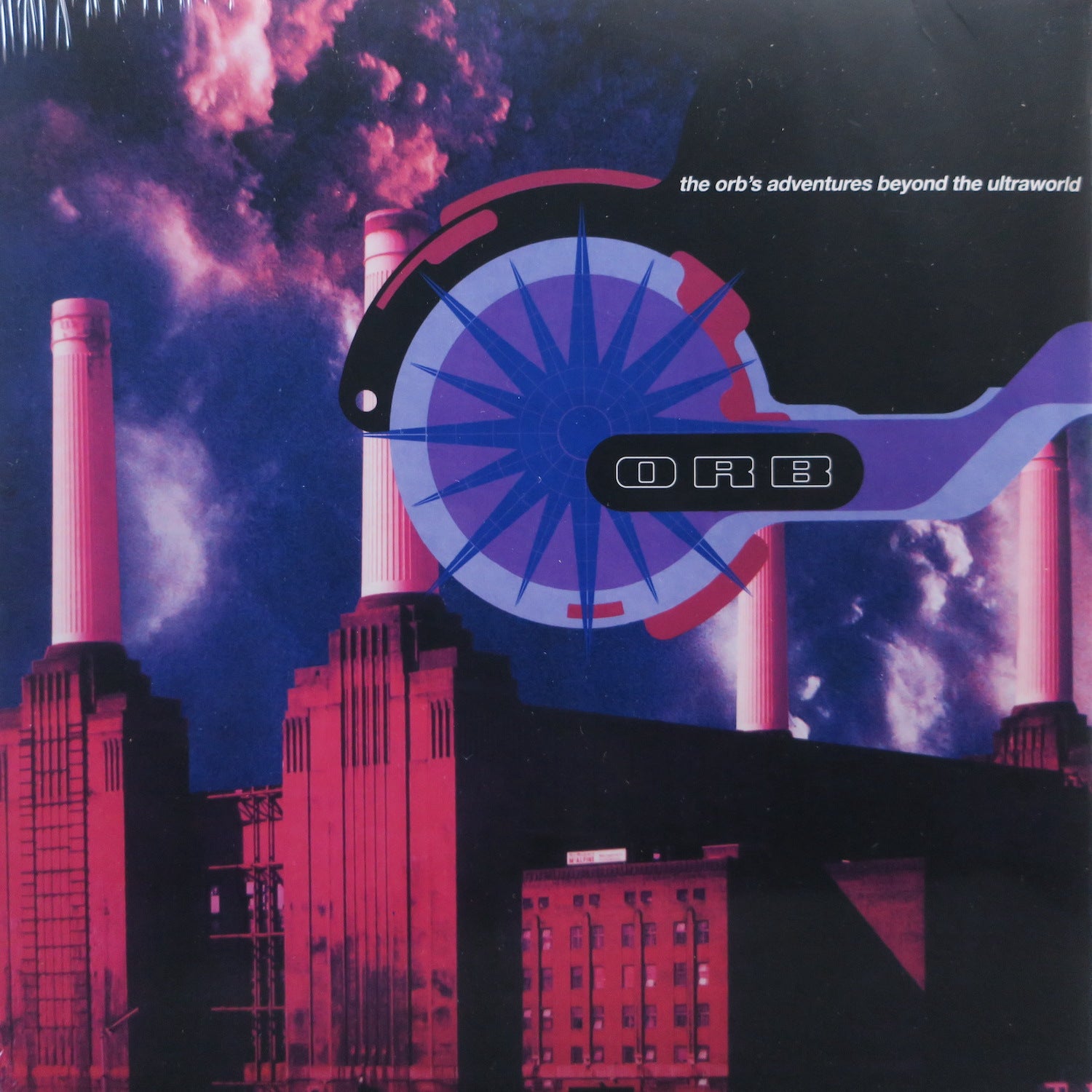
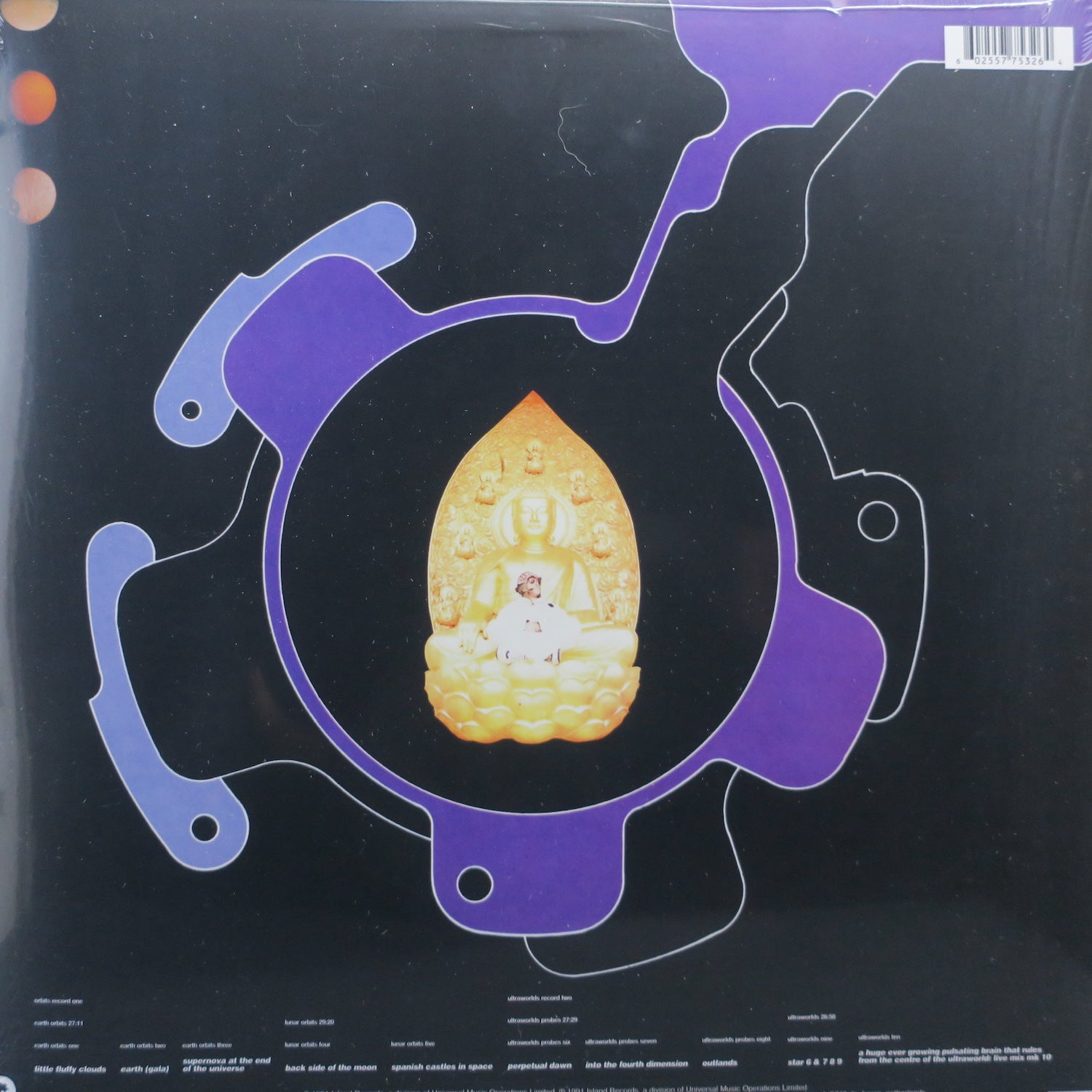
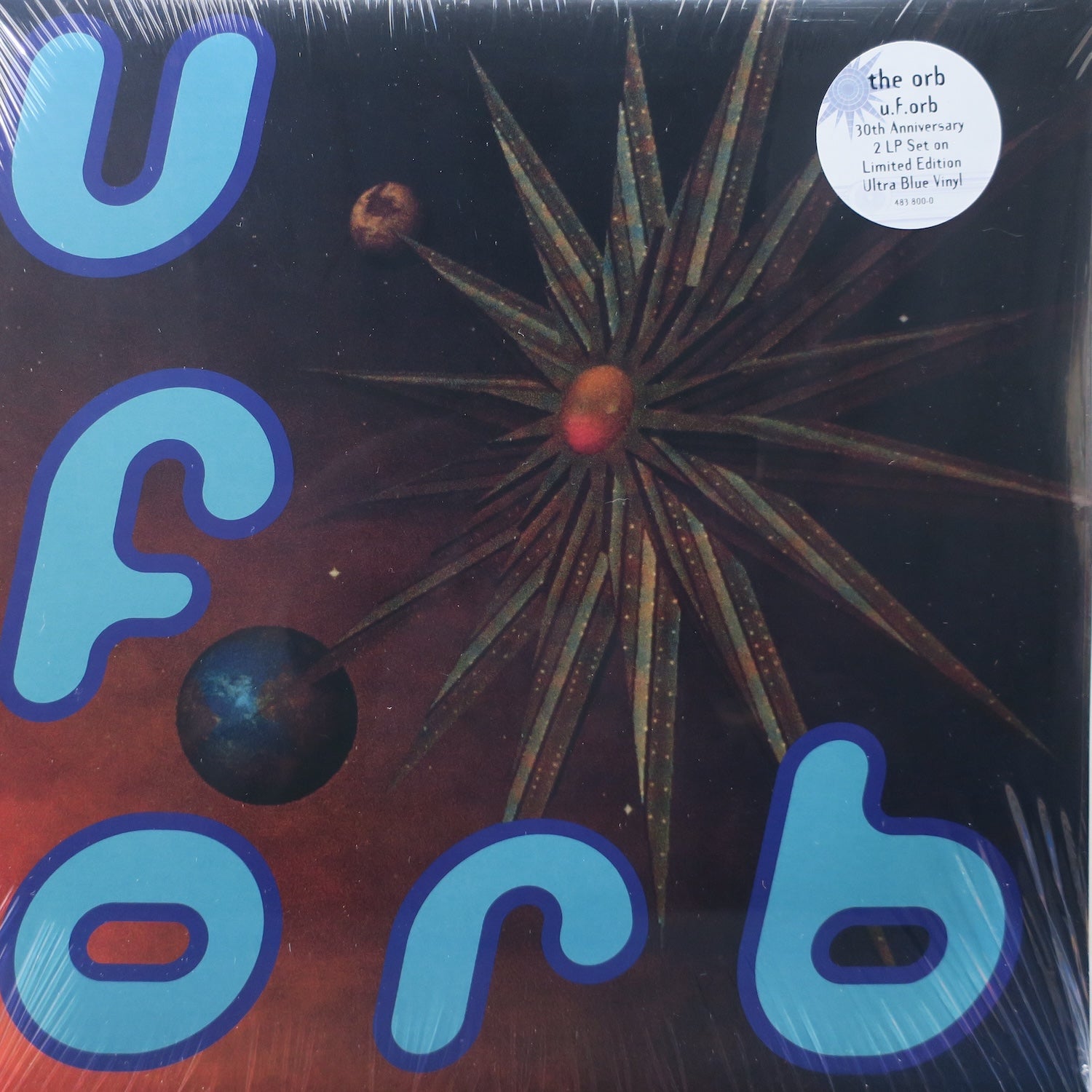
The Orb turned the idea of a club track inside out: instead of insisting on nonstop beats, they stretched grooves into long, drifting soundscapes where samples, spoken fragments and slow-moving rhythms create a kind of cinematic chill. That approach—sometimes called ambient house—made early albums like The Orb's Adventures Beyond the Ultraworld and U.F.Orb feel less like collections of songs and more like immersive listening environments for late-night headphones or relaxed dancefloors.
What made the Orb distinctive was the way production felt improvisatory yet meticulously textured. Found-sound collage, dub delay, and long-form structural arcs gave the music the sense of being assembled in real time. Early co-founder Jimmy Cauty brought a cut-and-paste art-pop sensibility before returning to his work with the KLF; Kris Weston (credited as Thrash) handled much of the hands-on studio engineering that turned jams into epic tracks. Later, Thomas Fehlmann emerged as a central creative partner, steering the group into denser, more electronic territory without losing the Orb’s signature looseness.
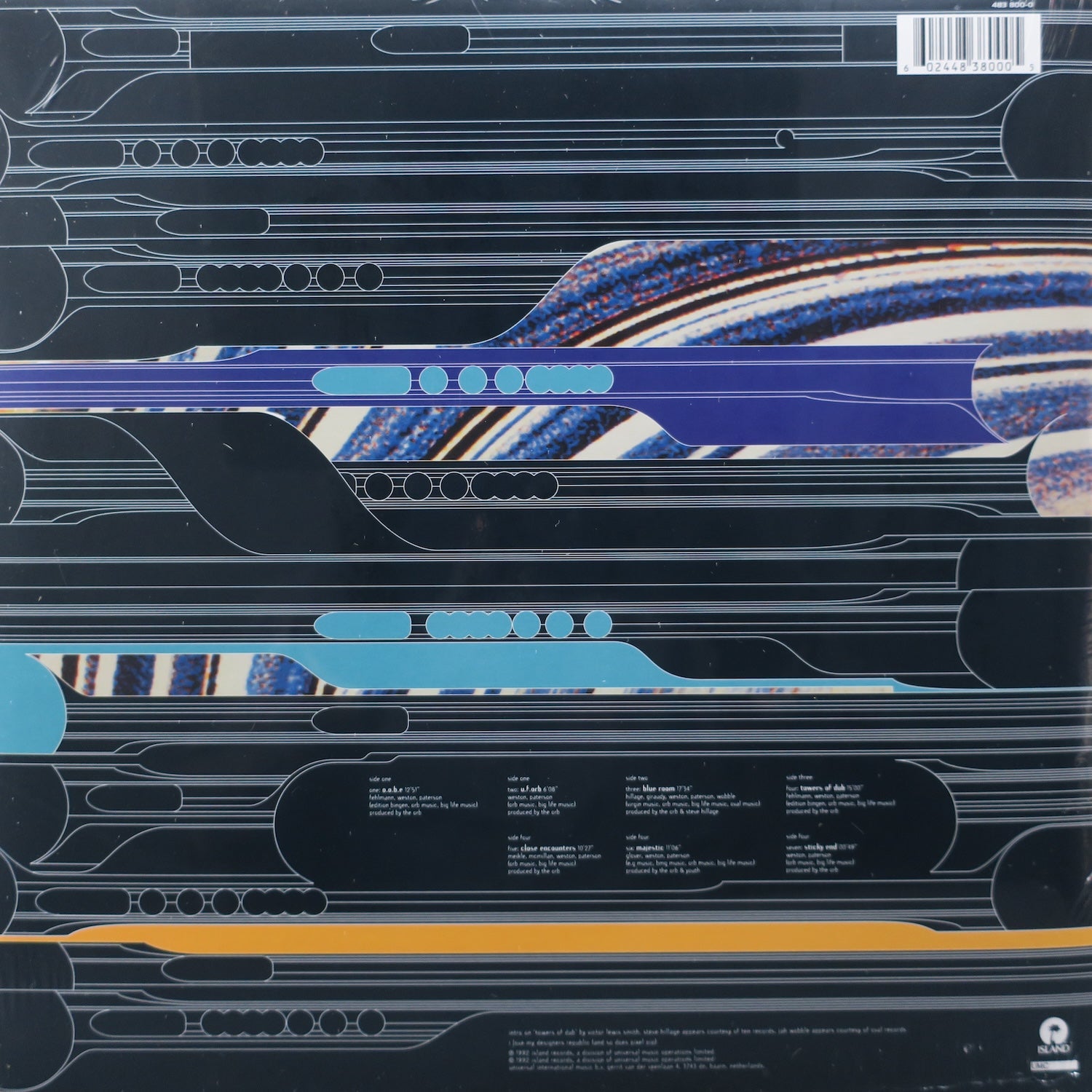
The Orb inhabited both club culture and the album-listening world. U.F.Orb topped the U.K. albums chart in 1992 and proved that ambient-inflected electronic music could reach a mainstream audience. Pomme Fritz and Orblivion show the group adjusting to changing tastes—folding in rougher textures, guest voices and occasional hooks—while still prioritizing atmosphere over conventional songcraft.
The project's lineage links back to ambient pioneers like Brian Eno and the mechanized melodicism of Kraftwerk; at the same time the Orb shared a scene with acts such as Future Sound of London and Aphex Twin, who were exploring similar terrain from different angles. Collaborations with producers like Youth and long-standing partnerships with electronic musicians helped the Orb stay adaptive: the name became less a fixed lineup than a living studio project centered on Alex Paterson’s curatorial vision.
For listeners who expect albums to be journeys rather than playlists, the Orb’s catalog rewards deep dives. The records map a particular moment when club technology met ambient aesthetics—and kept pushing that meeting point into stranger, more generous territory.