Shpongle
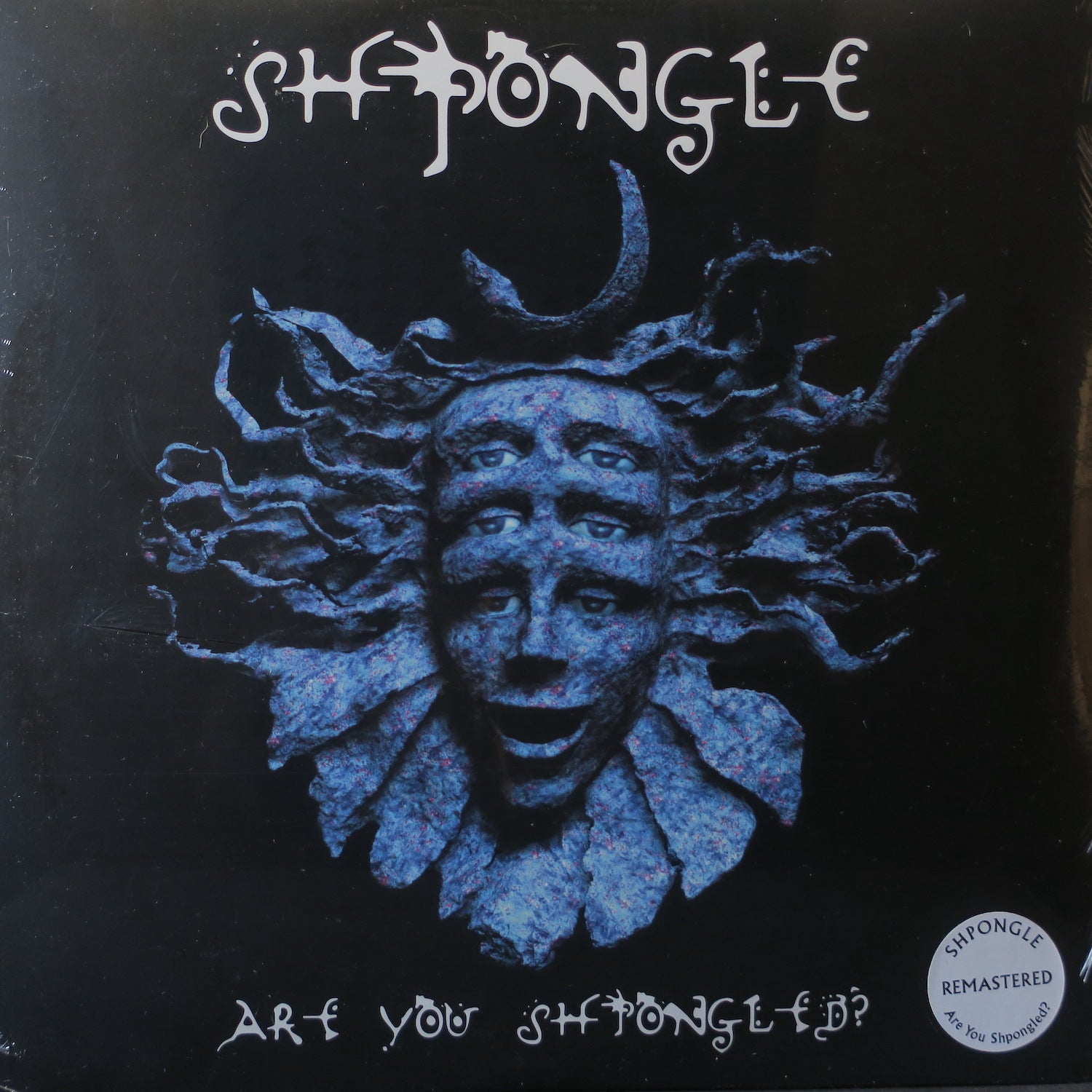
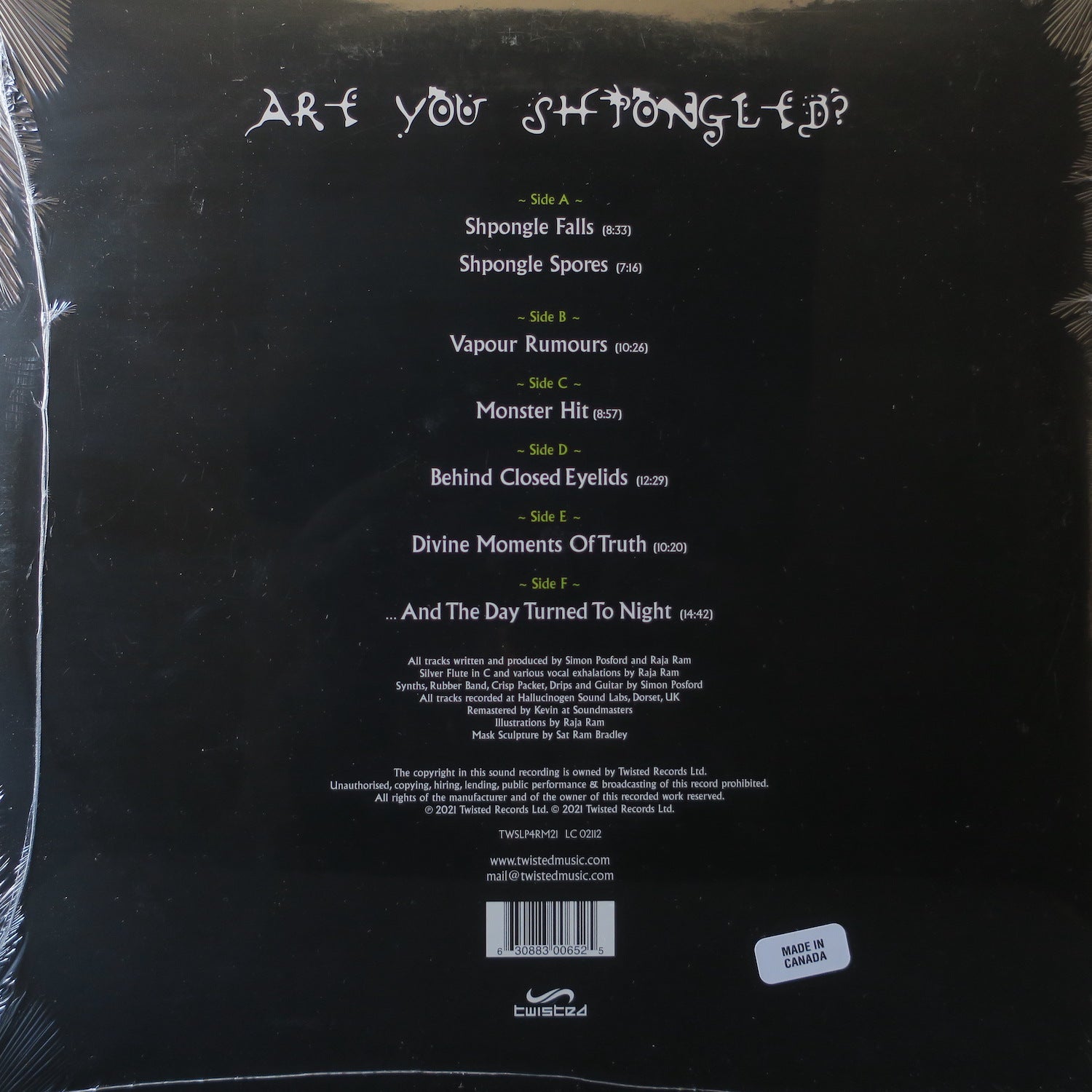
Shpongle began as an idea about texture: what happens when studio craft, global samples and a love of psychedelia collide to make music meant more for the imagination than the dancefloor. That sensibility—rich, layered and deliberately strange—is what sets Shpongle apart from straightforward electronic acts and helps explain why albums like Are You Shpongled? still get discovered by listeners who don’t fit tidy genre boxes.
At the centre of the project are Simon Posford and Raja Ram. Posford brings studio virtuosity and a background in trance (his Hallucinogen work is essential listening for anyone tracing Shpongle’s DNA); Raja Ram contributes flute, Indian-psychedelic sensibilities and a lifetime of involvement in Goa and psytrance scenes, including his earlier work with The Infinity Project. The combination produces tracks that feel like miniature soundworlds—loops, field recordings, ethnic instrumentation, playful voices and Posford’s meticulous production.
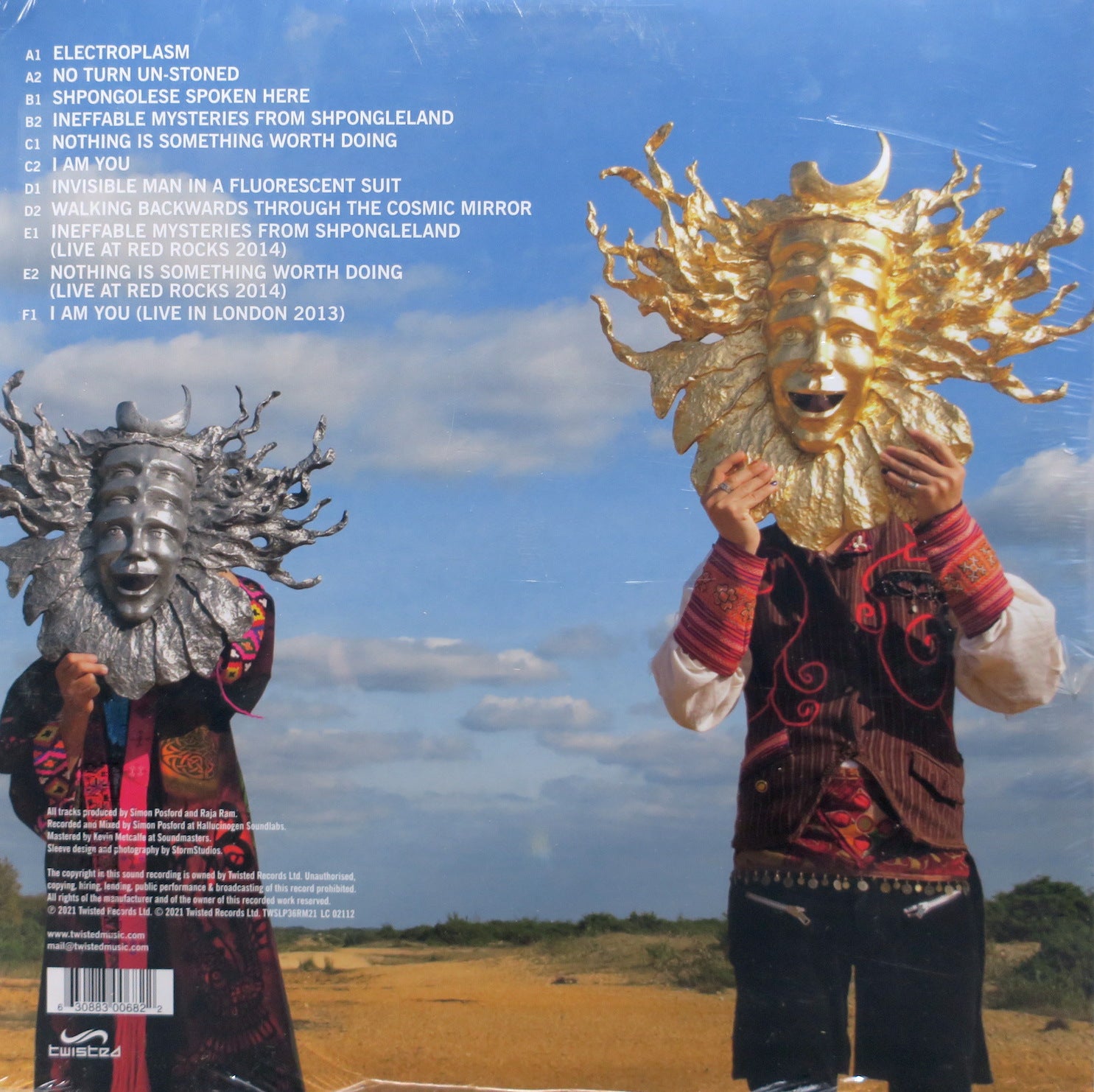
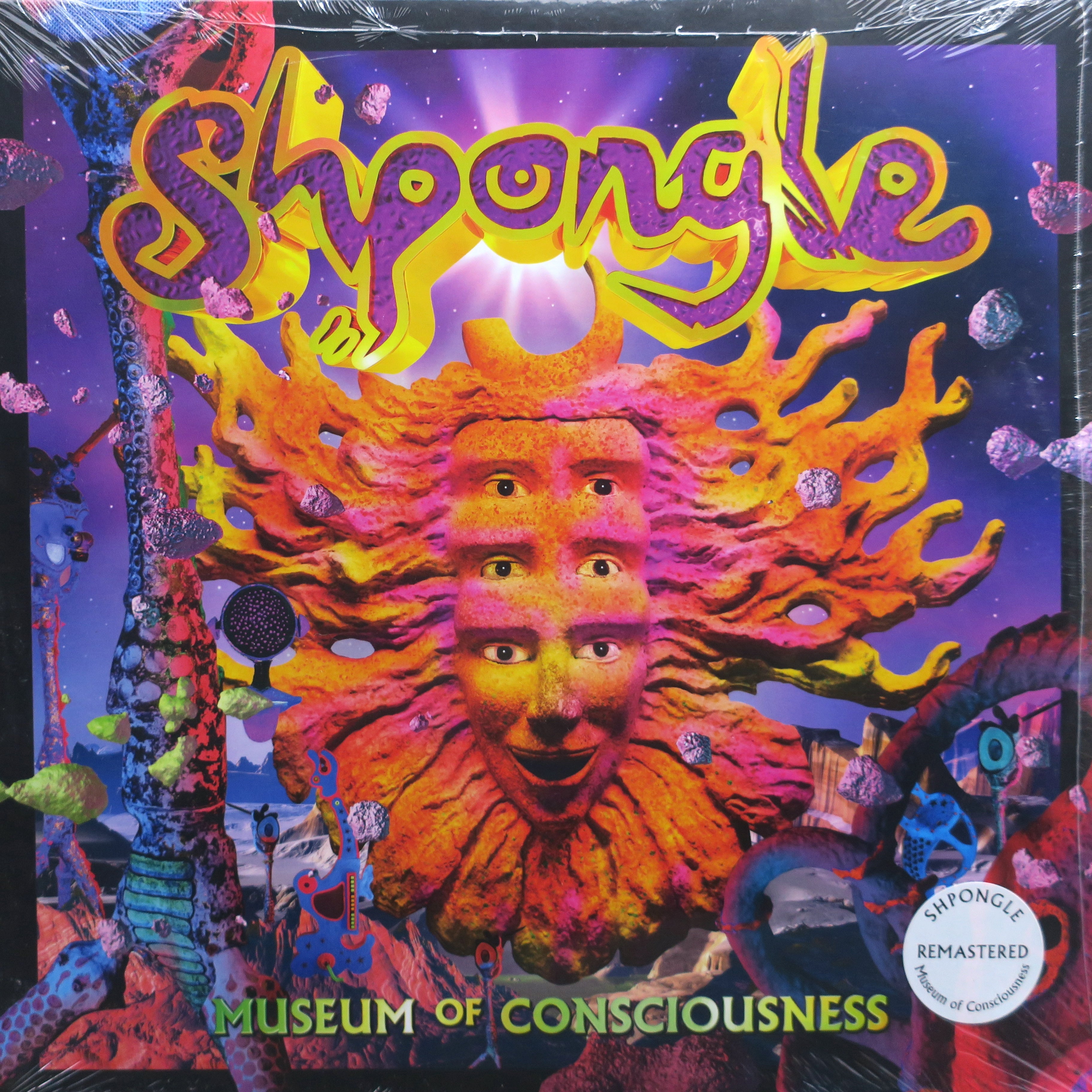
Across its early records—Are You Shpongled?, Tales of the Inexpressible and Nothing Lasts... But Nothing Is Lost—Shpongle pushed the idea that electronic music could be cinematic and warm rather than machine-cold. Later albums such as Ineffable Mysteries from Shpongleland and Museum of Consciousness expanded the palette: longer compositions, orchestral touches and live arrangements that translate the studio complexity into an immersive concert experience.
Collaboration and community are part of the story. Producer/remixer Ott has been a frequent creative partner, helping shape the mix and live versions that brought Shpongle to festival stages. The group’s sound sits beside acts like The Orb historically, while a newer wave of psybient artists—Entheogenic and Banco de Gaia among them—owe a clear aesthetic debt to Shpongle’s fusion of world music textures and studio psychedelia.
For a curious listener, the best entry points are the debut and Tales of the Inexpressible—each showcases the playful maximalism and emotional warmth that keep Shpongle relevant. Their records reward repeat listens: new details appear, and the line between electronic production and organic instrumentation continues to feel less like a boundary and more like a playground.
Recommended Artists: Ozric Tentacles