Boards Of Canada
Boards Of Canada make music that feels like a memory of a sunrise: warm, slightly degraded, and quietly unsettling. Rather than courting the high-tech gloss of some late-90s electronic peers, their tracks lean on analog synths, tape wobble, dusty samples and childlike melodies to create an emotional register that sits somewhere between pastoral ambient and uneasy nostalgia.
Michael Sandison and Marcus Eoin are the duo at the heart of Boards Of Canada. Their production style privileges texture over virtuoso displays: slow-moving chord progressions, off-kilter rhythms and looped fragments of voice or nature sounds that suggest a world beyond the speakers. This approach made albums such as Music Has the Right to Children and Geogaddi feel like curated artifacts—records that reward repeated, focused listening because small details reveal themselves gradually.
Emerging alongside other late-90s experimental electronic acts on labels like Warp, Boards Of Canada share a kinship with artists such as Aphex Twin and Autechre, but their music is less about abrasive innovation and more about mood and documentary tangibility. The duo's compositions often reference educational media, film-score tropes and analog synthesisers—a lineage traceable to composers like John Carpenter or the ambient school of the 1970s—while remaining distinctly modern in texture and arrangement.
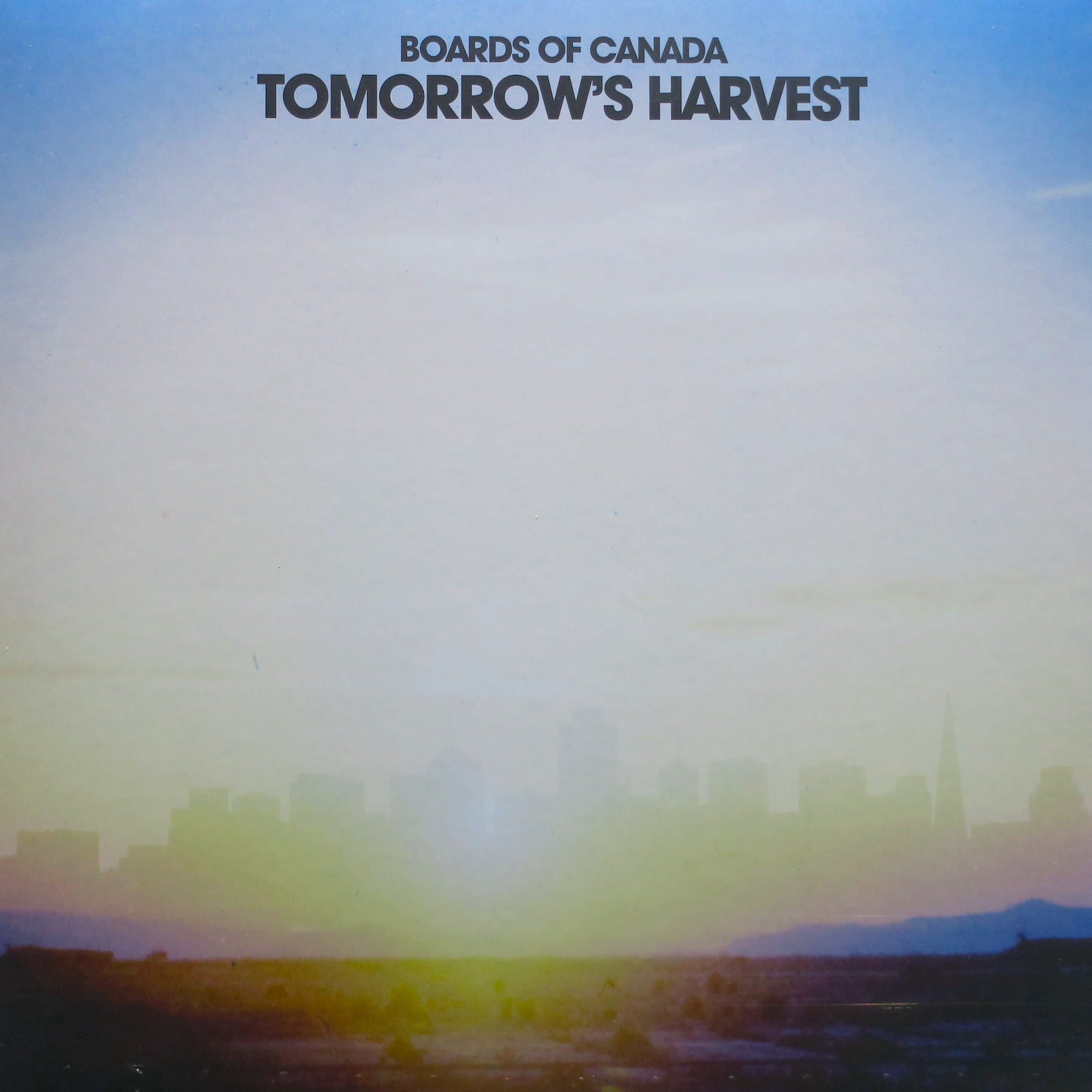
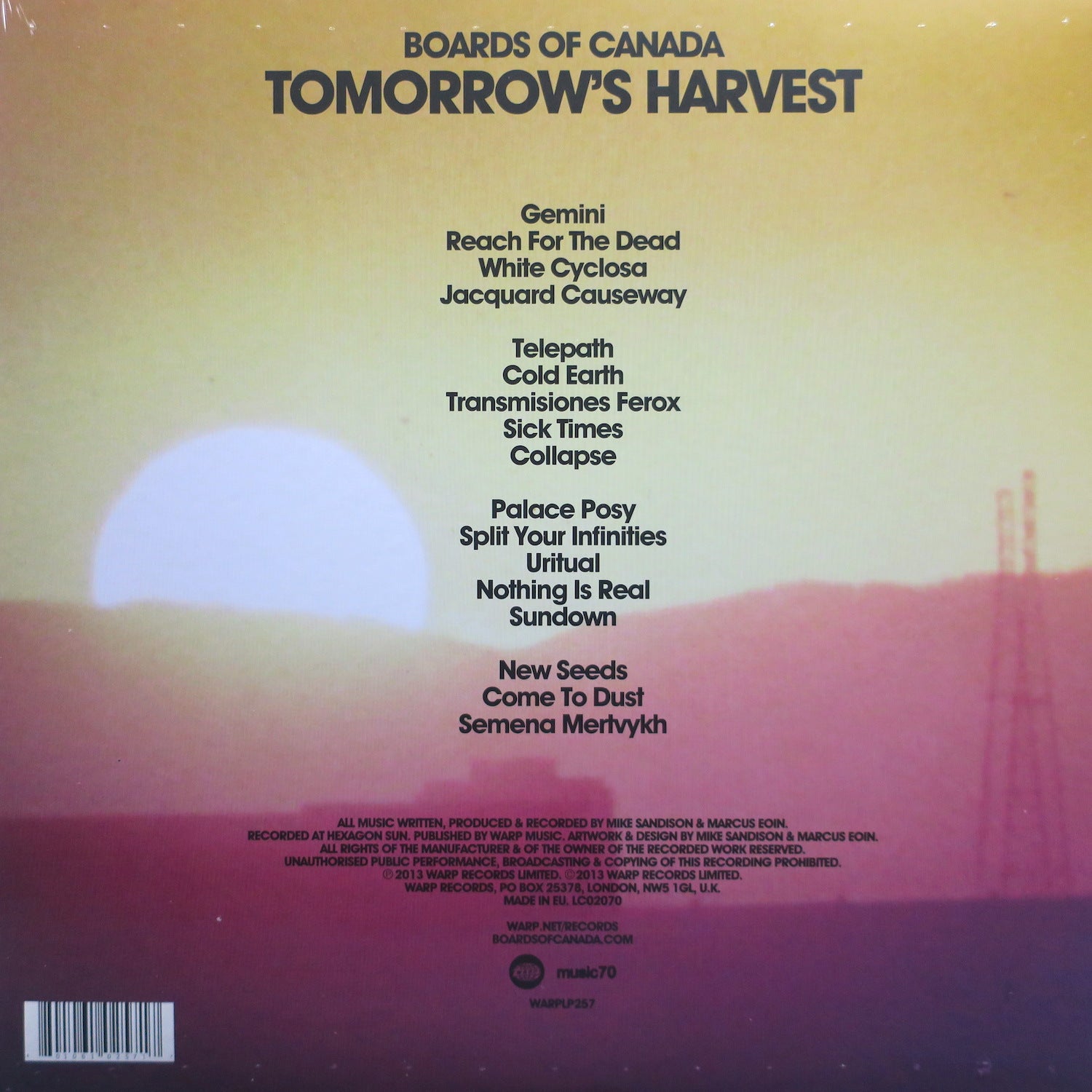
Part of the band's appeal is how they turn limitation into personality: tape saturation, pitch drift and constrained melodic material become expressive tools rather than technical flaws. Where The Campfire Headphase leaned toward warmer, guitar-inflected melodies, Tomorrow's Harvest amplified a cinematic, sometimes ominous atmosphere—showing the duo's range within a unified aesthetic. Their restraint and mystery also made them unusually influential: later ambient and downtempo artists borrowed Boards' sense of space, lo-fi sheen and melancholic nostalgia without imitating their precise sound.
Boards Of Canada rarely sought the spotlight beyond their music, which helped cultivate a mystique around releases and artwork. That reticence belies a clear contribution to how contemporary ambient and IDM audiences understand mood and memory in electronic music. For listeners curious about textured, emotionally nuanced soundscapes—music that sounds lived-in rather than polished—Boards Of Canada remains a rewarding and singular destination.