Air
Air often sounded like a film that never existed: warm analog synths, slow-motion grooves and bittersweet melodies arranged with the patience of a composer scoring a late-night cityscape. That cinematic quality—equal parts 1960s pop, library music and electronic minimalism—made their early work feel vividly familiar and quietly new at the same time.
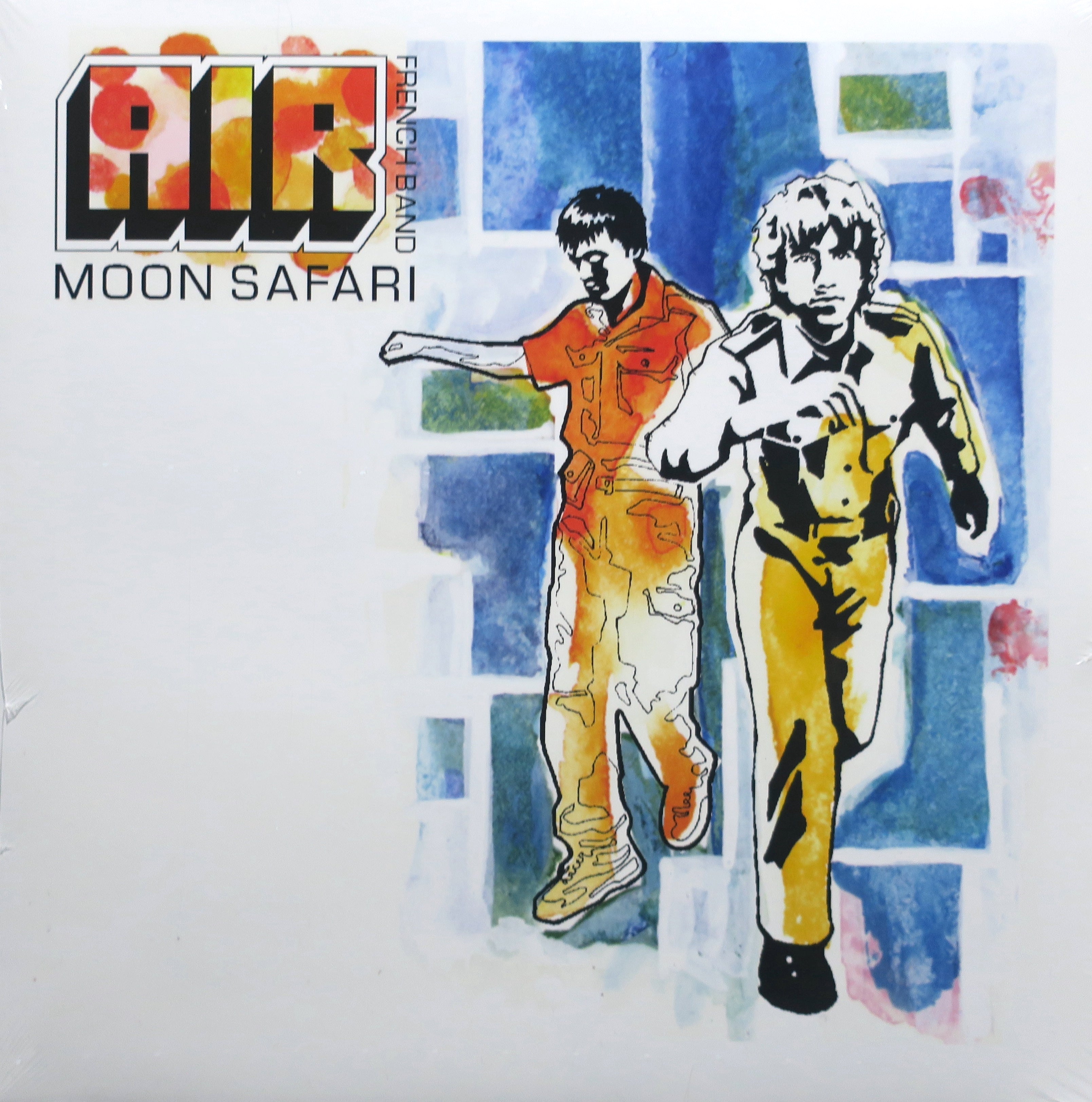
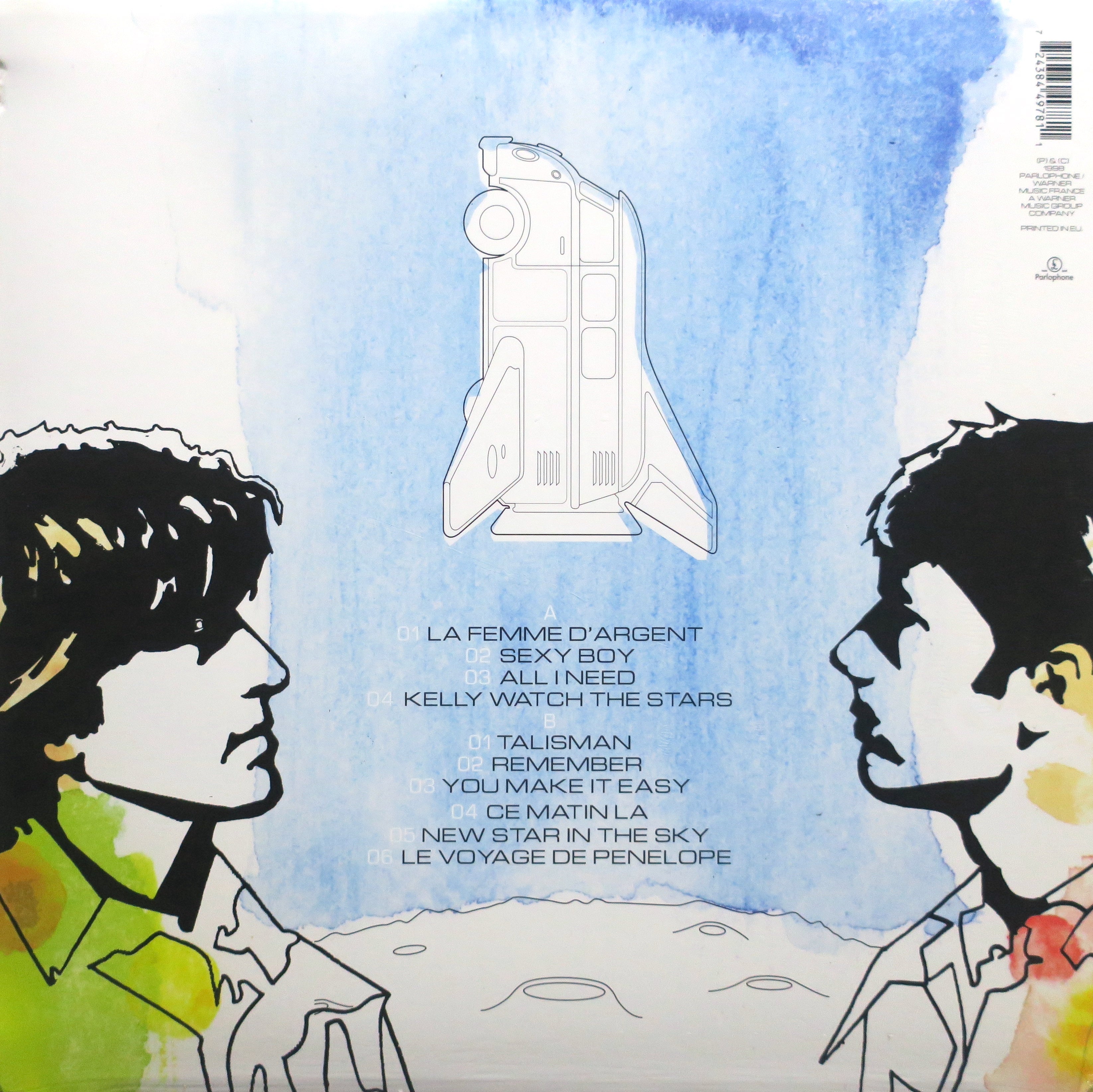
Moon Safari (1998) is the record most listeners reach for first. Its soft, melodic singles and lush production distilled downtempo electronica into songs that still play as radio-ready yet intimate; tracks like "Sexy Boy" and "All I Need" showed how a duo of keyboards and tasteful percussion could create pop that felt like a memory. The album's success opened a pathway from chillout rooms to mainstream playlists without sacrificing a taste for subtle detail.
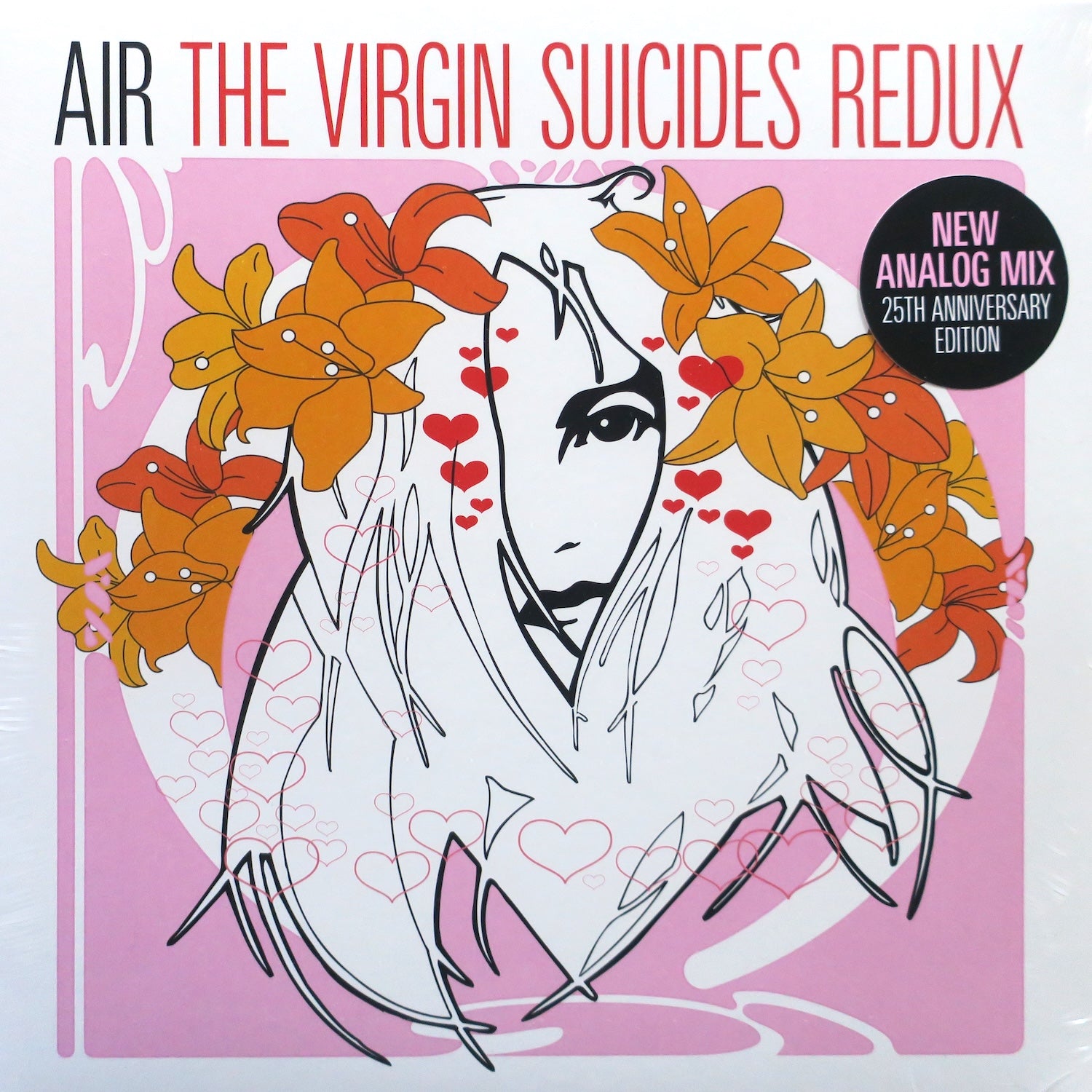
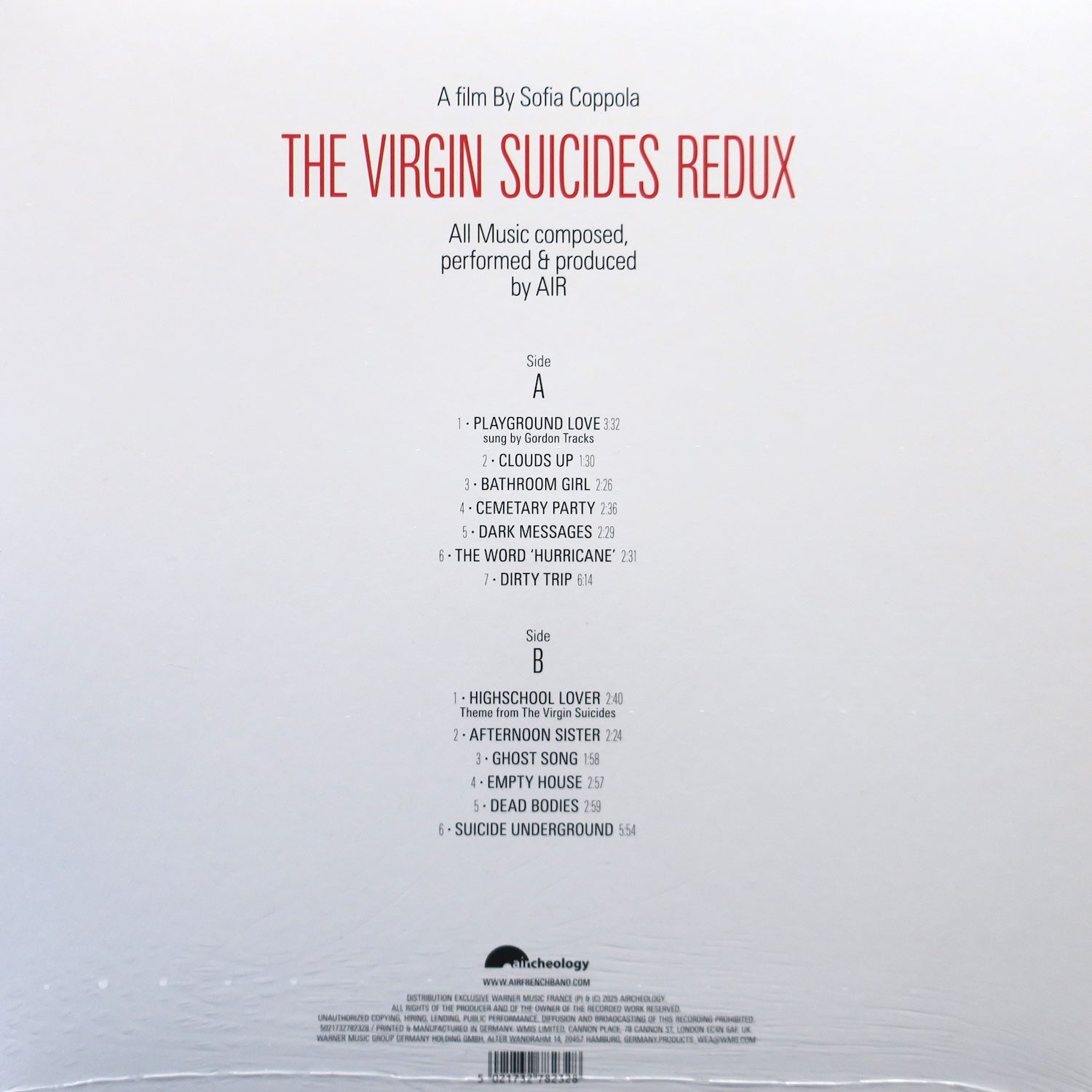
Scoring Sofia Coppola's The Virgin Suicides in 1999 extended that cinematic instinct into actual soundtrack work. The album made the duo's textures function as narrative voice, not just atmosphere, and helped position Air as natural collaborators for film and visual projects. Later soundtrack and concept projects reinforced the idea that the group's music works as mood-setting architecture as much as it does songcraft.
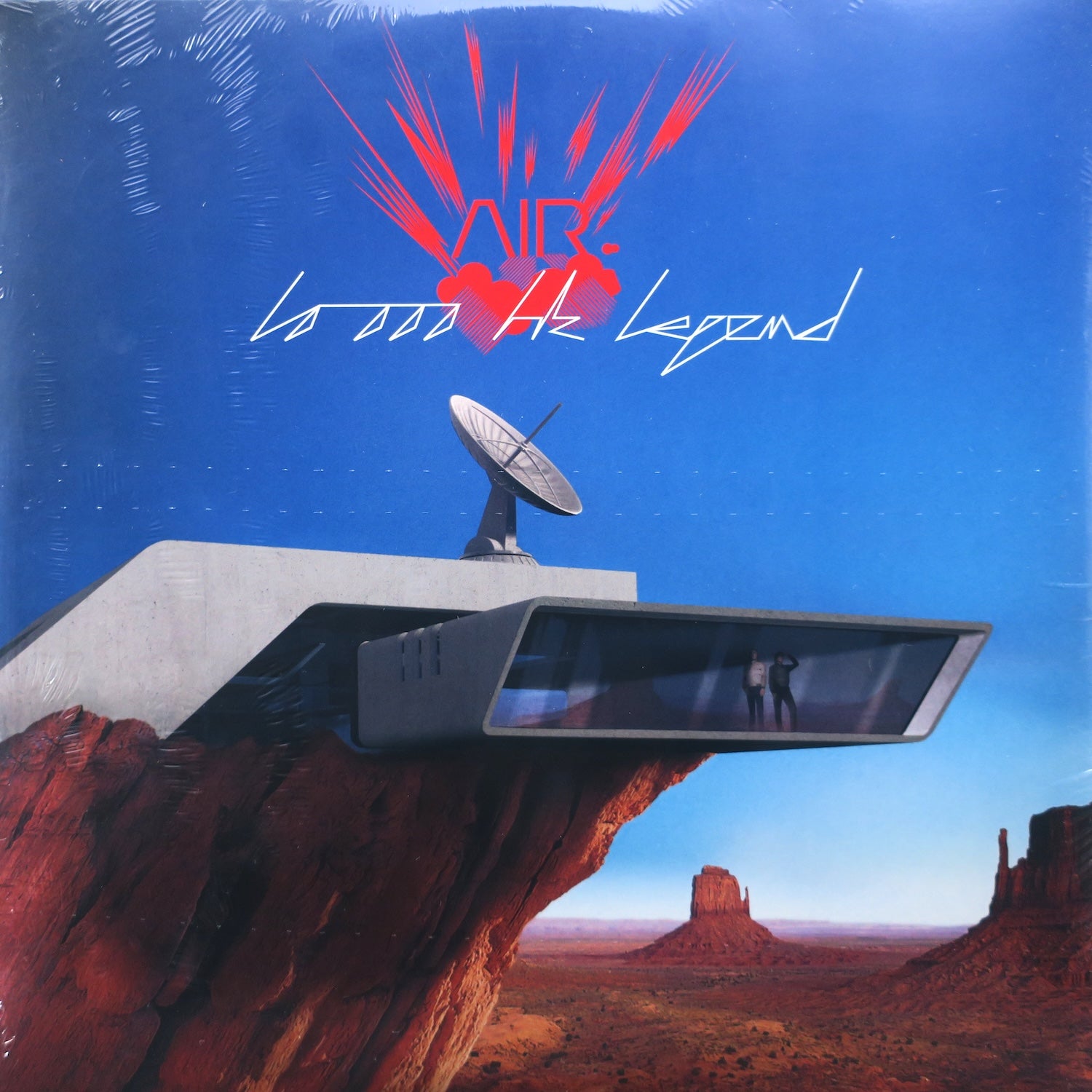
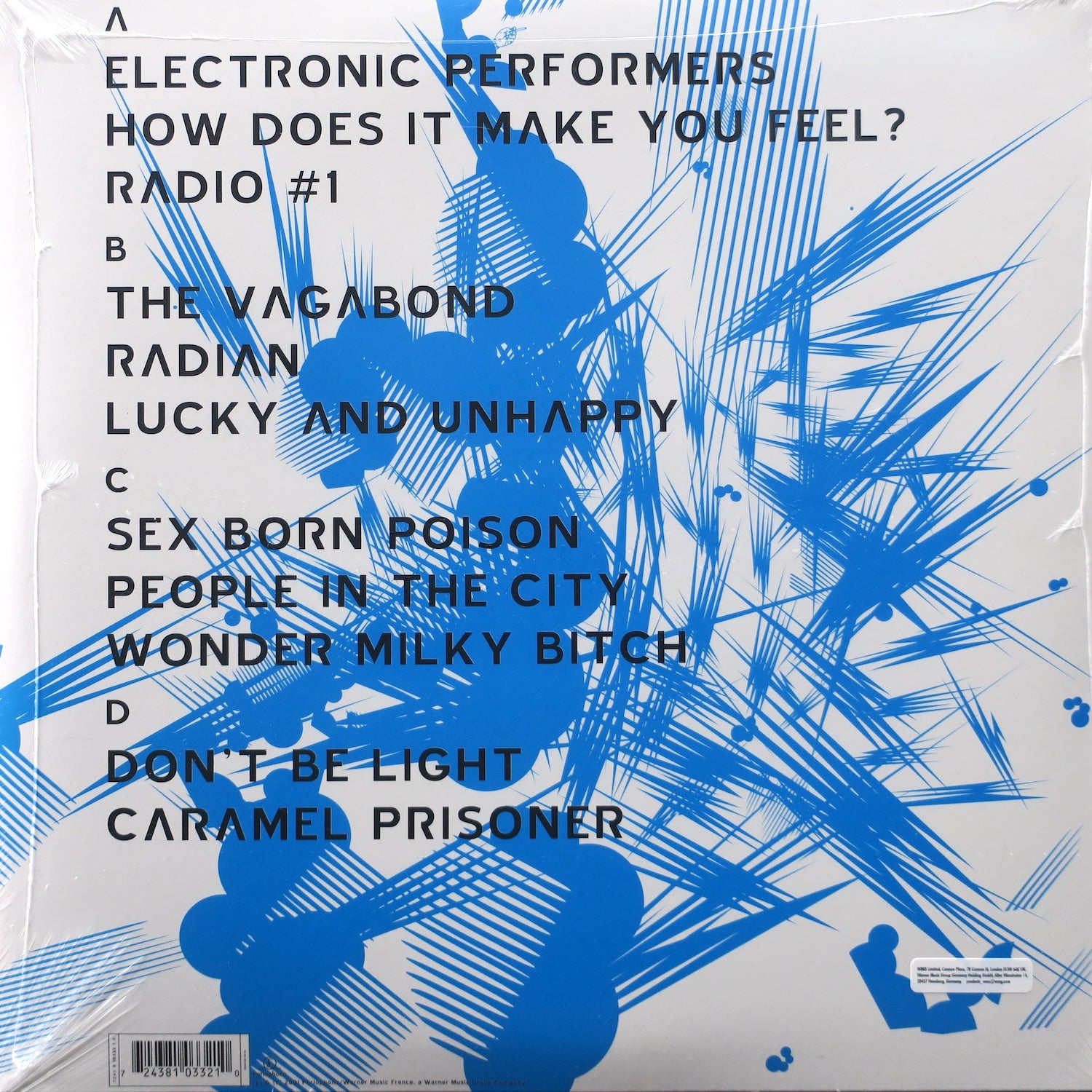
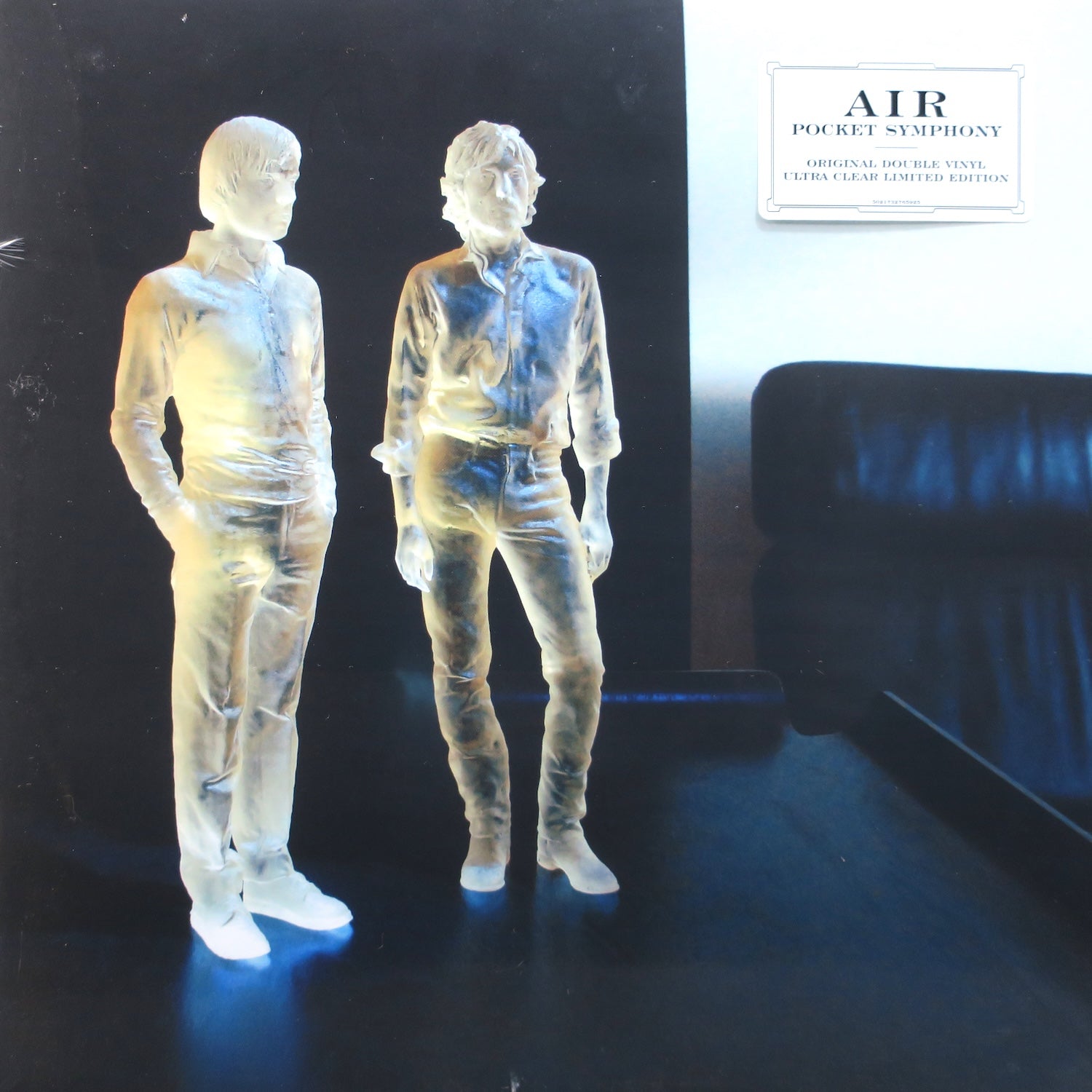
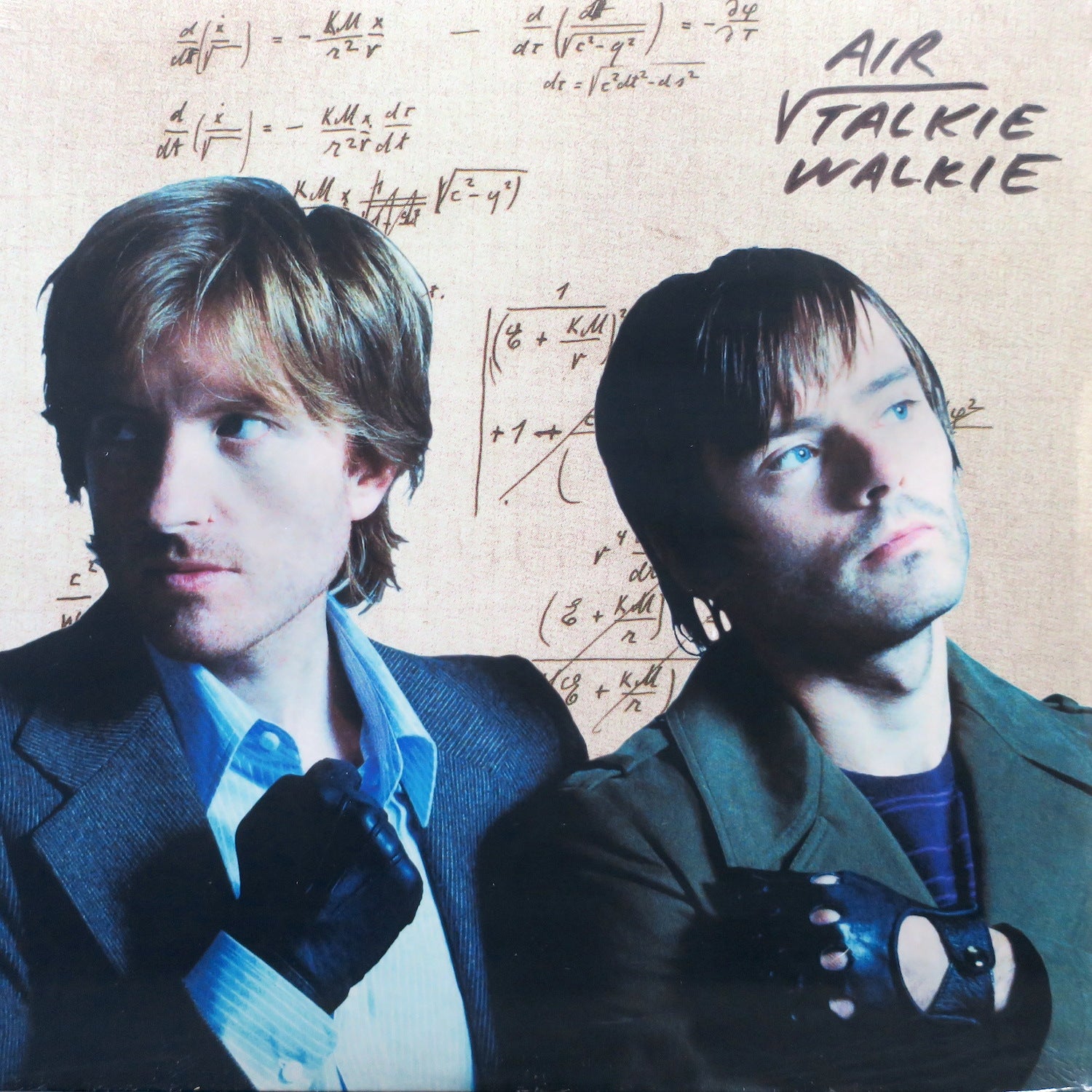
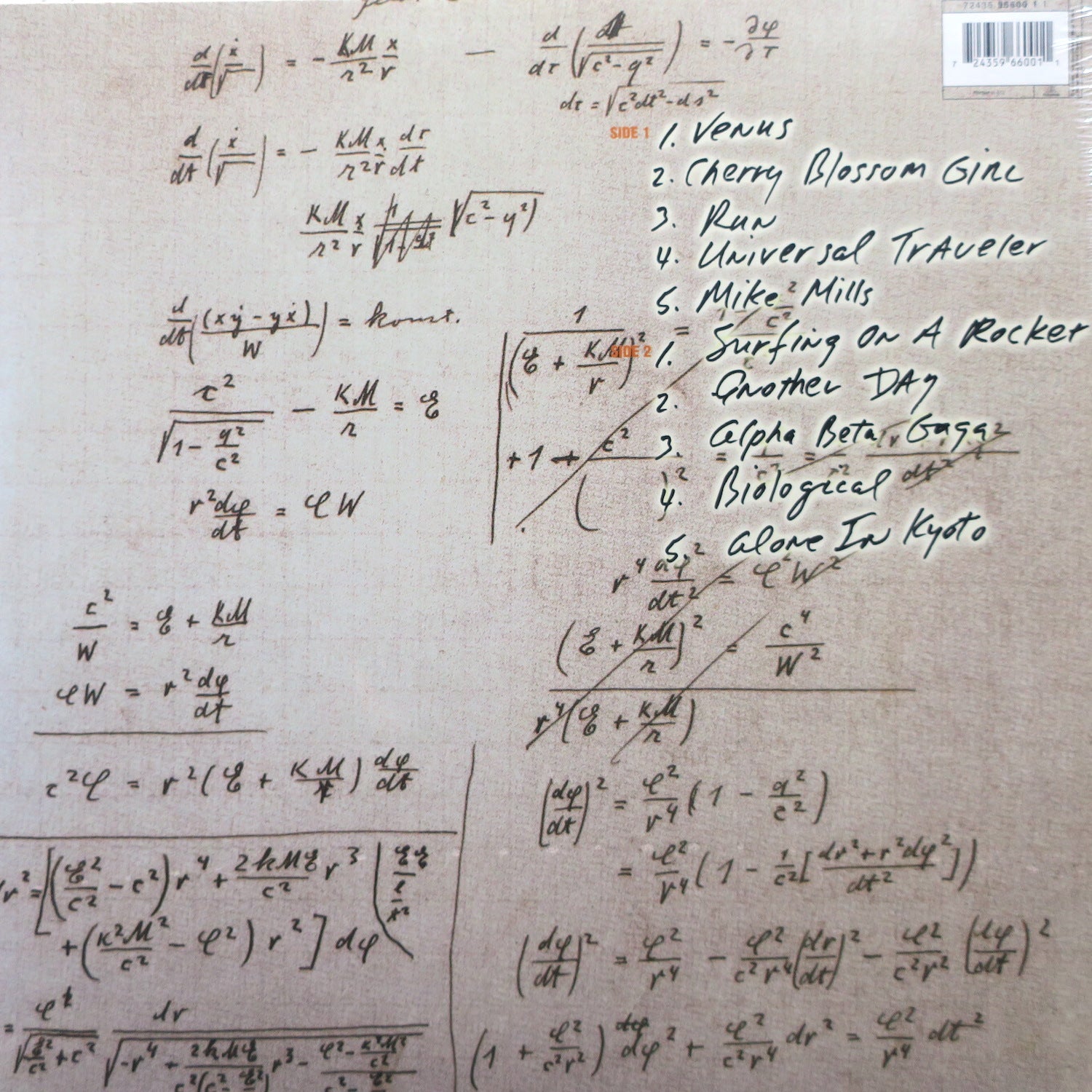
Nicolas Godin and Jean-Benoît Dunckel are central to how Air sounds: Godin's melodic guitar and bass instincts counterbalance Dunckel's synth lines and chordal colors. The two trade roles fluidly, producing arrangements that linger on a single tonal idea and explore its shades. As their albums progressed—from the keyboard-fueled detours of 10 000 Hz Legend to the more intimate Talkie Walkie and Pocket Symphony—Air experimented with orchestration, found sounds and collaborations while retaining a distinctive restraint.
Air's palette draws on 1960s French pop, library and lounge records, and European electronic thinkers, which helps explain why listeners often link them to artists like Serge Gainsbourg and Stereolab. Their approach to melody and texture also helped clear space for later downtempo and chillwave acts, including Zero 7 and Röyksopp, who took similar mixes of vintage sounds and modern production into new contexts.
For listeners who enjoy music that rewards focused listening, Air offers subtlety over spectacle: records that reveal small pleasures on repeat plays and that sound consistent whether played on headphones or as the score to a late-night drive. That mix of filmic mood and pop craftsmanship is why Air remains a fruitful place to return when looking for the softer edges of electronic music.