Massive Attack
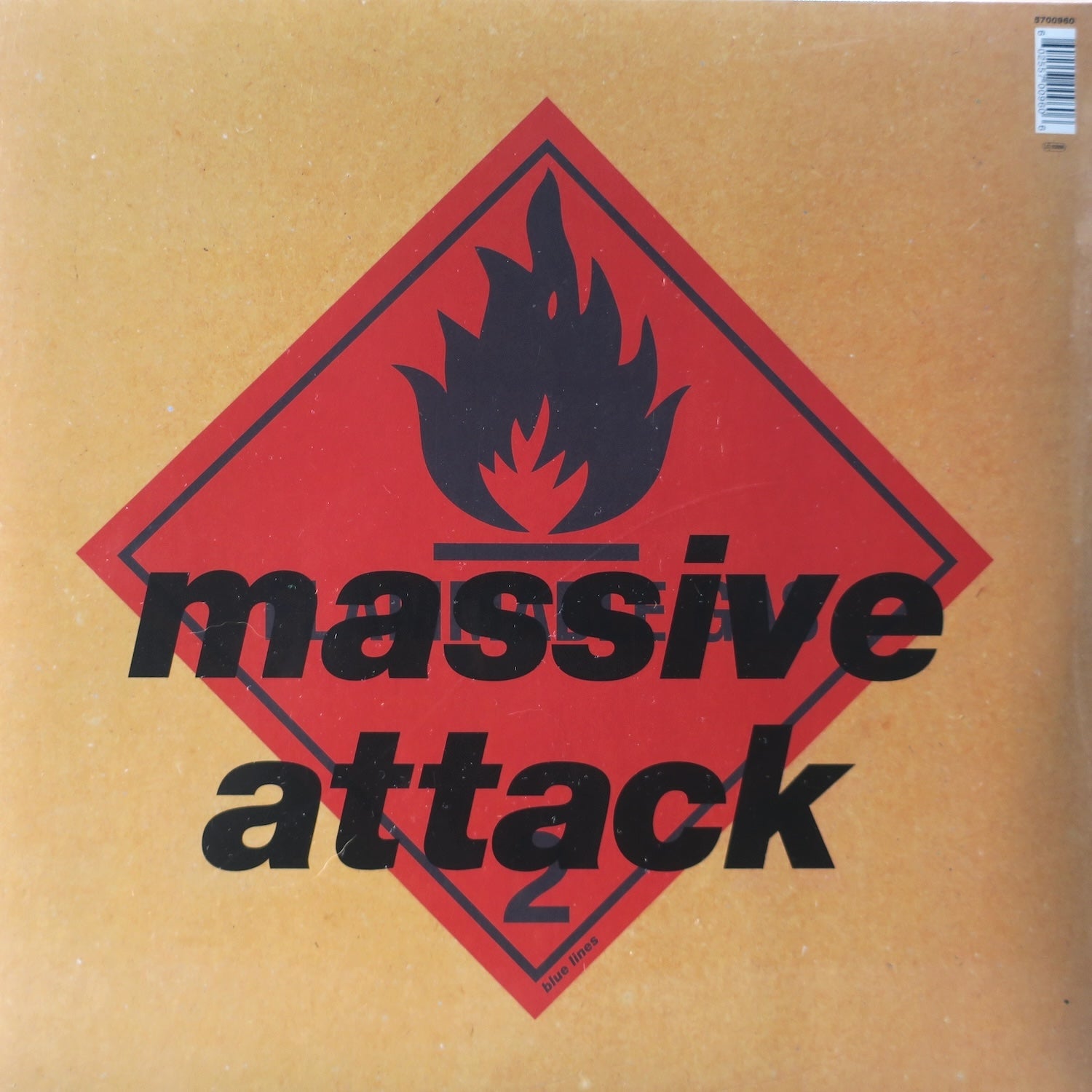
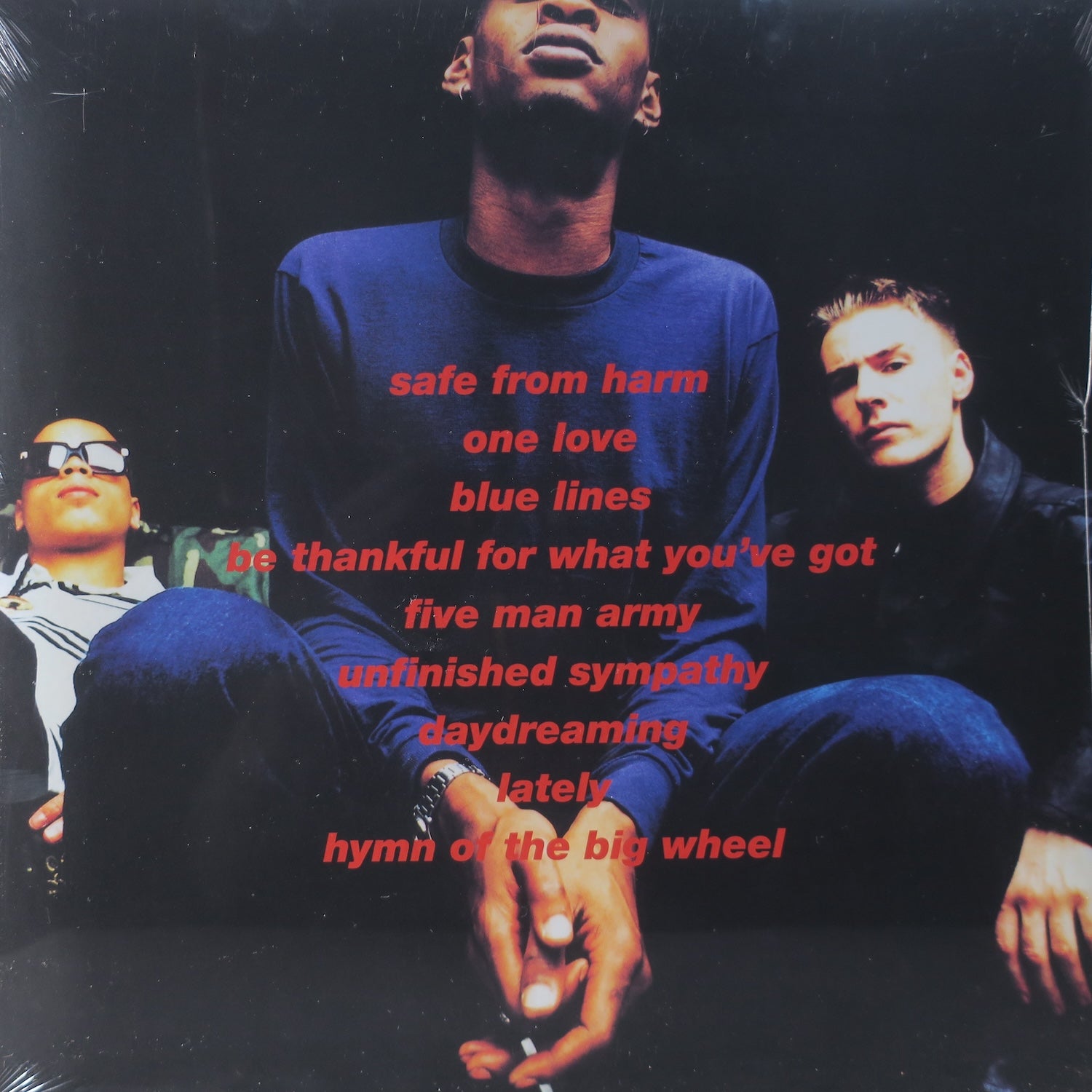
Massive Attack's music often feels like a city at night: humid, shadowed and electric. Rather than announcing a movement, their early work rewired popular electronic music by folding dub bass, hip-hop beats and soulful vocalists into cinematic arrangements; Blue Lines introduced that template and made what became known as trip hop feel like a believable, living genre.
The group's core creative personalities—Robert Del Naja, Grant Marshall and Andrew Vowles—came out of Bristol’s sound-system culture and the Wild Bunch collective. That background explains Massive Attack’s taste for deep bass, sampled fragments and slow-burning grooves; it also meant the band treated singers as full collaborators rather than frontpeople. Shara Nelson’s voice on early singles and Horace Andy’s recurring presence turned tracks into unforgettable emotional anchors, while later contributions from Tracey Thorn and Elizabeth Fraser gave Protection and Mezzanine distinctive colors.
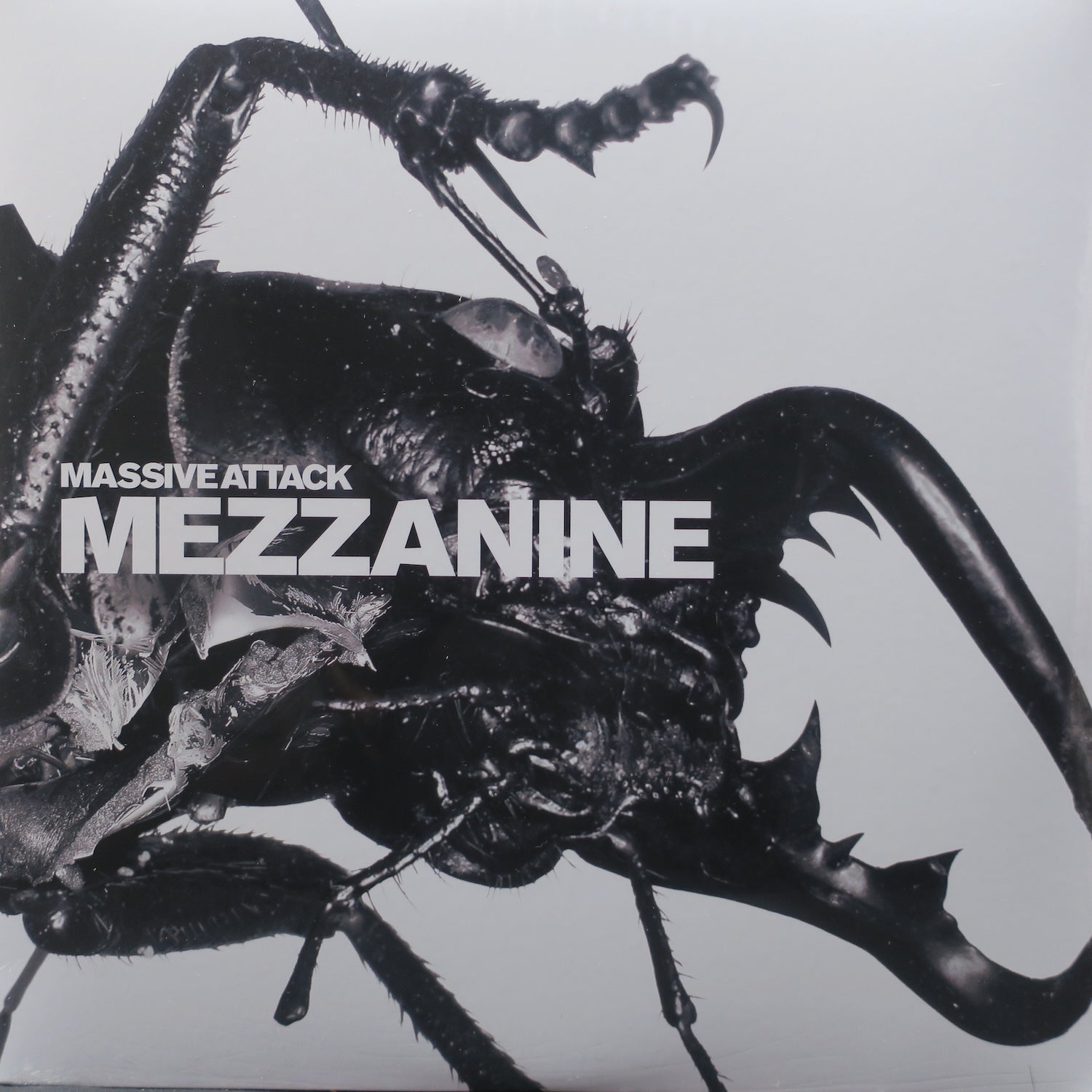
Production choices shaped Massive Attack’s identity as much as the singers. Early work with Nellee Hooper emphasized space and texture, while Mezzanine pushed the band into darker, guitar-laced territory that brought them mainstream attention without smoothing away their noir instincts. Between those poles, 100th Window and Heligoland show how the group kept reinventing the template—sometimes more anxious and digital, sometimes lush and intimate.
Massive Attack’s importance comes from a mixture of place and practice: Bristol’s melting pot of reggae, punk and hip-hop, plus a commitment to collaboration with unusual voices, created songs that work equally well in clubs, on headphones and in film. Tricky’s split from the band and solo work extended trip hop in an uneasy, thrilling direction, while contemporaries like Portishead explored parallel routes from the same city streets.
For a new listener, start with Blue Lines for the origin story, Protection for its warm, song-focused approach, and Mezzanine to hear how the band made tension and atmosphere into pop-scale drama. Those records reveal why Massive Attack remains a reference point for producers and singers who want mood, depth and texture instead of simple hooks.