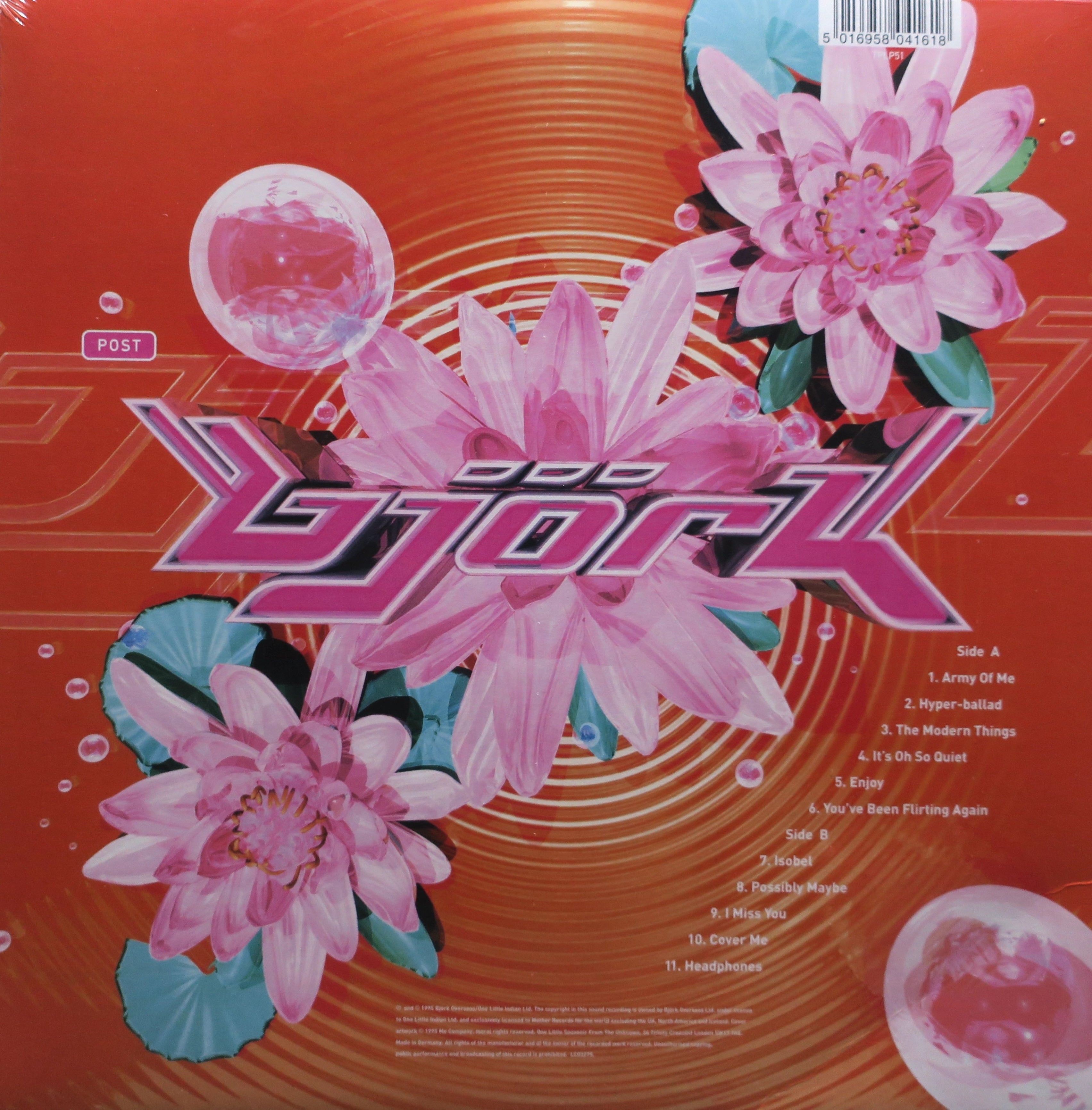
Bjork
A single voice that can sound both intimate and elemental sits at the center of Björk’s work: an instrument that bends electronic production, orchestral sweep and imagination into songs that defy easy categorization. That tension — human expression routed through unfamiliar textures — is why her records reward repeated listening.
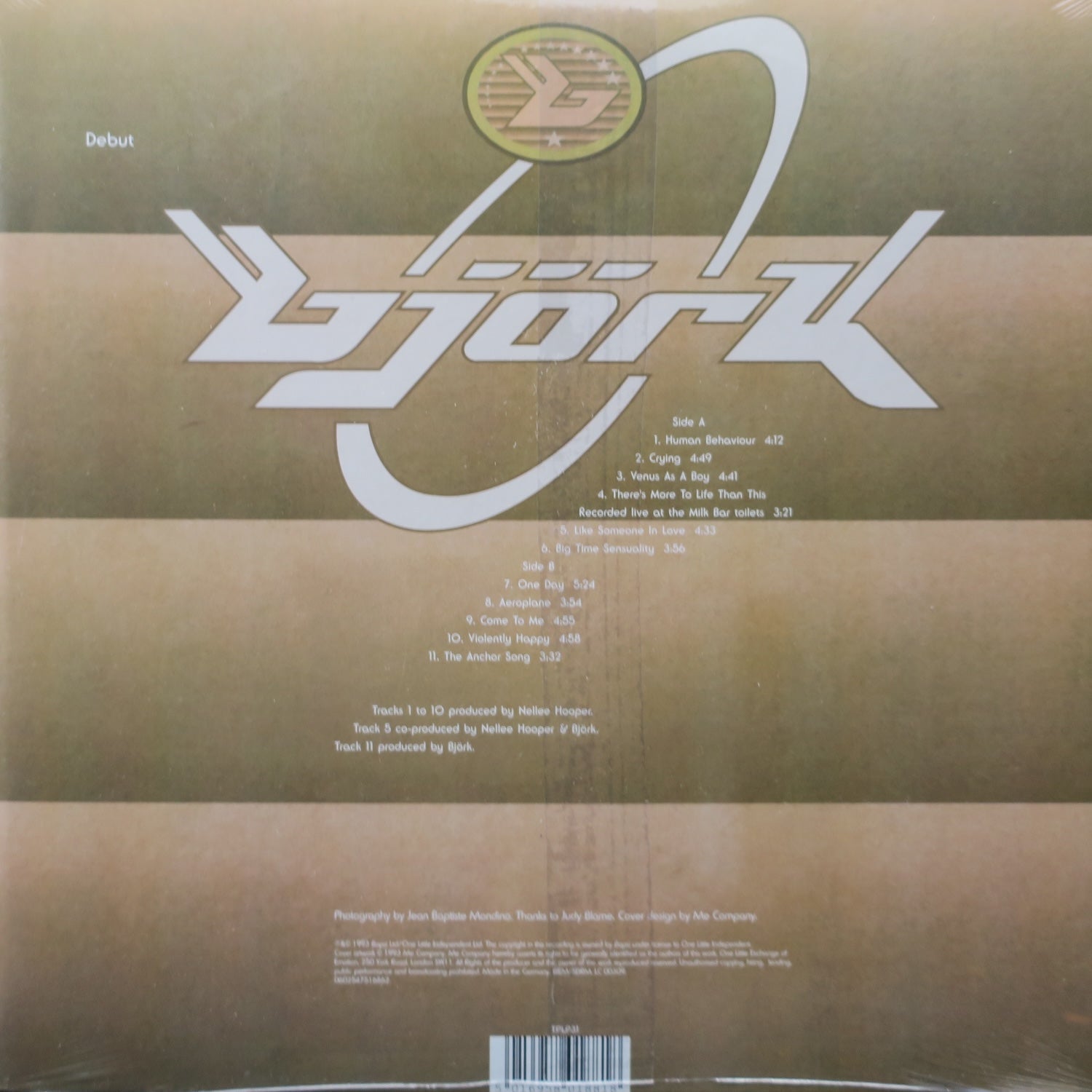
After emerging as the singer of the Sugarcubes, Björk used her solo albums to rethink pop production. Debut and Post married club rhythms and house-influenced beats with her unruly melodies; on Homogenic she brought together granular electronic programming and sweeping strings to create a stark, volcanic mood. Vespertine pulled inward, using microbeats, chamber-like arrangements and close-miked vocals to make private, domestic detail sound monumental. Later albums such as Vulnicura and Utopia continued to explore loss, healing and sonic reinvention with collaborators who pushed her sound into darker and then more ecstatic territories.
Producers and collaborators are central to Björk’s sound. Nellee Hooper helped translate her early ideas into song-focused, radio-friendly landscapes on Debut and Post; Mark Bell and his LFO sensibility shaped Homogenic’s muscular electronics; Matmos contributed tactile, sample-based textures to Vespertine; and Arca’s fractured, emotional production is a throughline on recent work. Vocal technique and Icelandic musical traditions also give her phrasing a distinct character, while adventurous music-video directors and designers helped make her visual presentation an extension of the music.
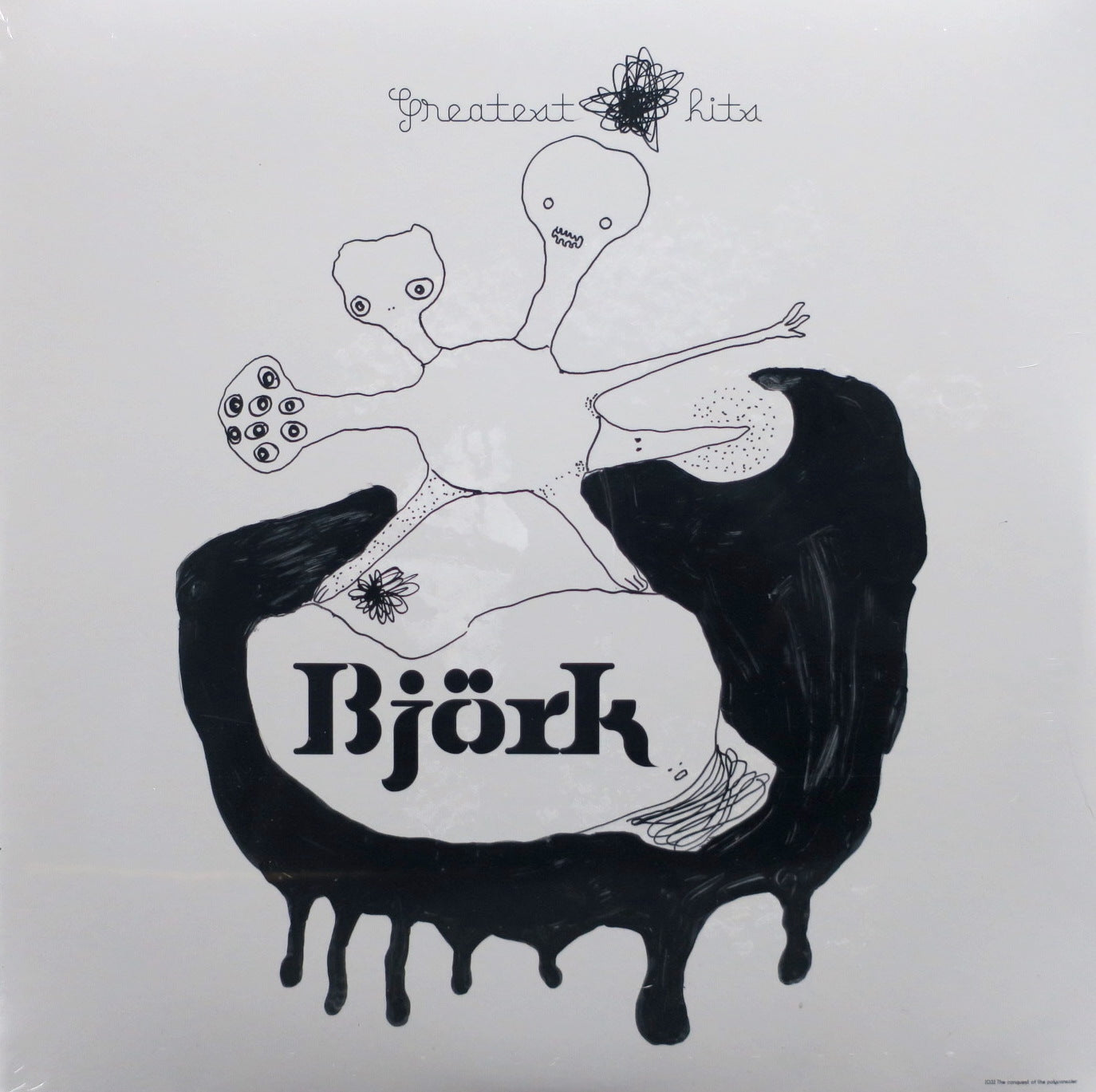
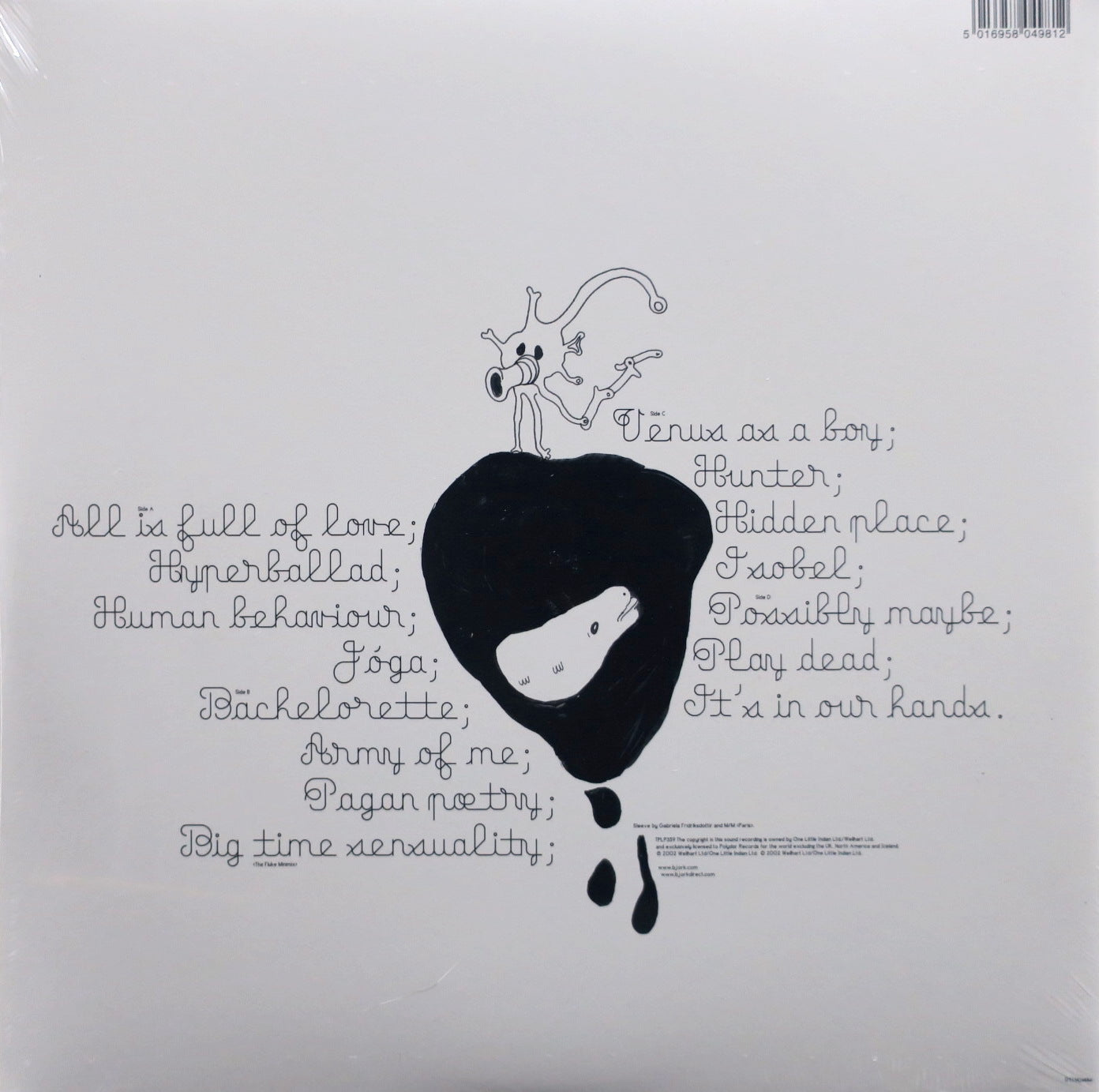
Björk’s importance lies less in a single style than in an ongoing method: taking pop’s immediacy and subjecting it to experimental processes until the result sounds new but emotionally immediate. That approach has given younger artists — from FKA twigs to Arca and beyond — a model for combining confessional songwriting with electronic abstraction. She also reached wider audiences with covers and unusual singles (the big-band-alike take on “It’s Oh So Quiet” remains one of her most surprising hits).
Even for listeners unfamiliar with the full catalog, beginning with Debut, Homogenic or Vespertine reveals the breadth of Björk’s ambitions: songs written for bodies and for strange machines, sung with an unmistakable voice that keeps reinventing what pop can be.