Thom Yorke
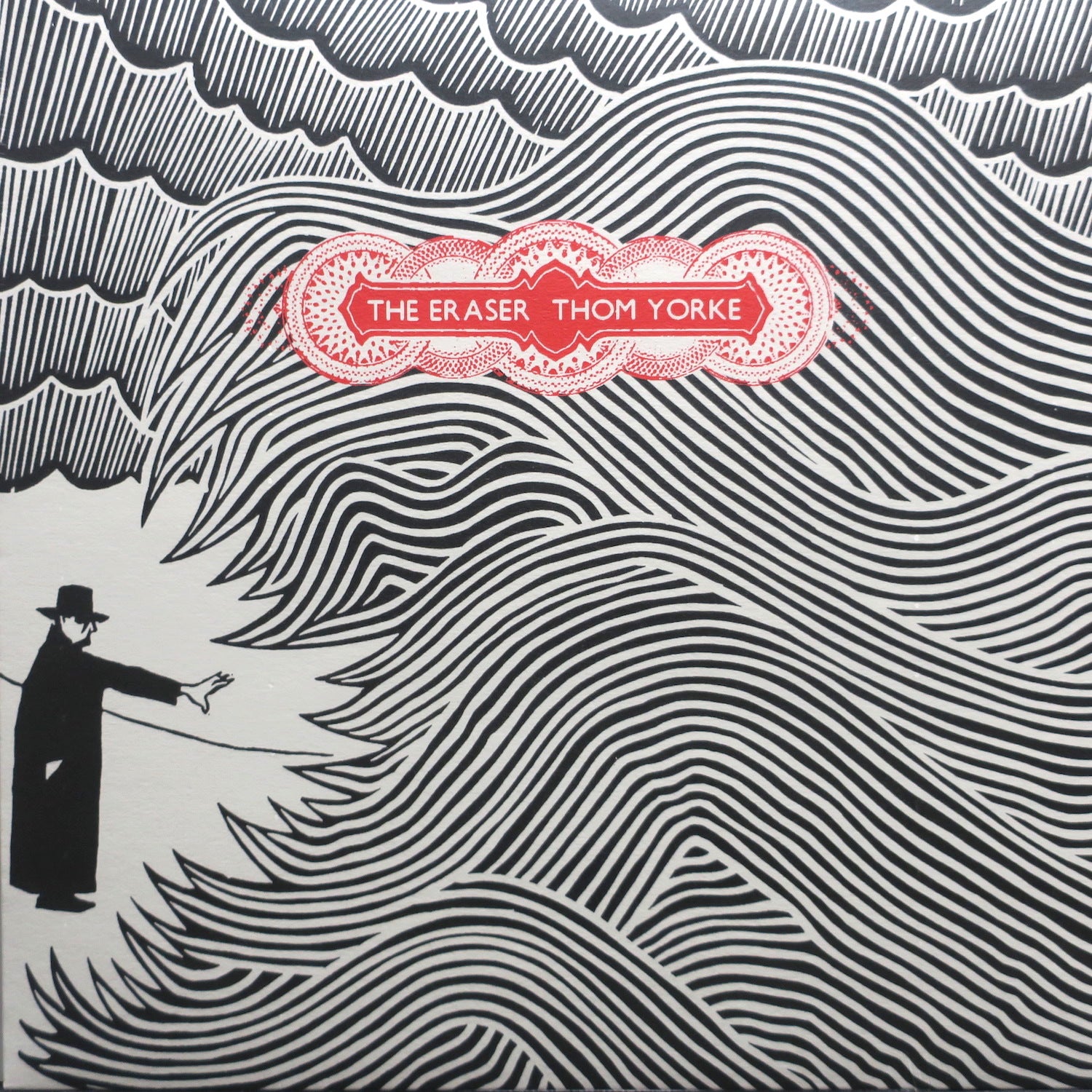
Thom Yorke’s solo work takes the restless, politicized heart of Radiohead and pushes it deeper into electronic shadowplay: sparse beats, fractured melodies and a voice that can be fragile and accusatory in the same breath. The Eraser announced that Yorke’s songwriting could survive—and thrive—outside the band, using laptop textures and minimal piano to foreground lyric and mood.
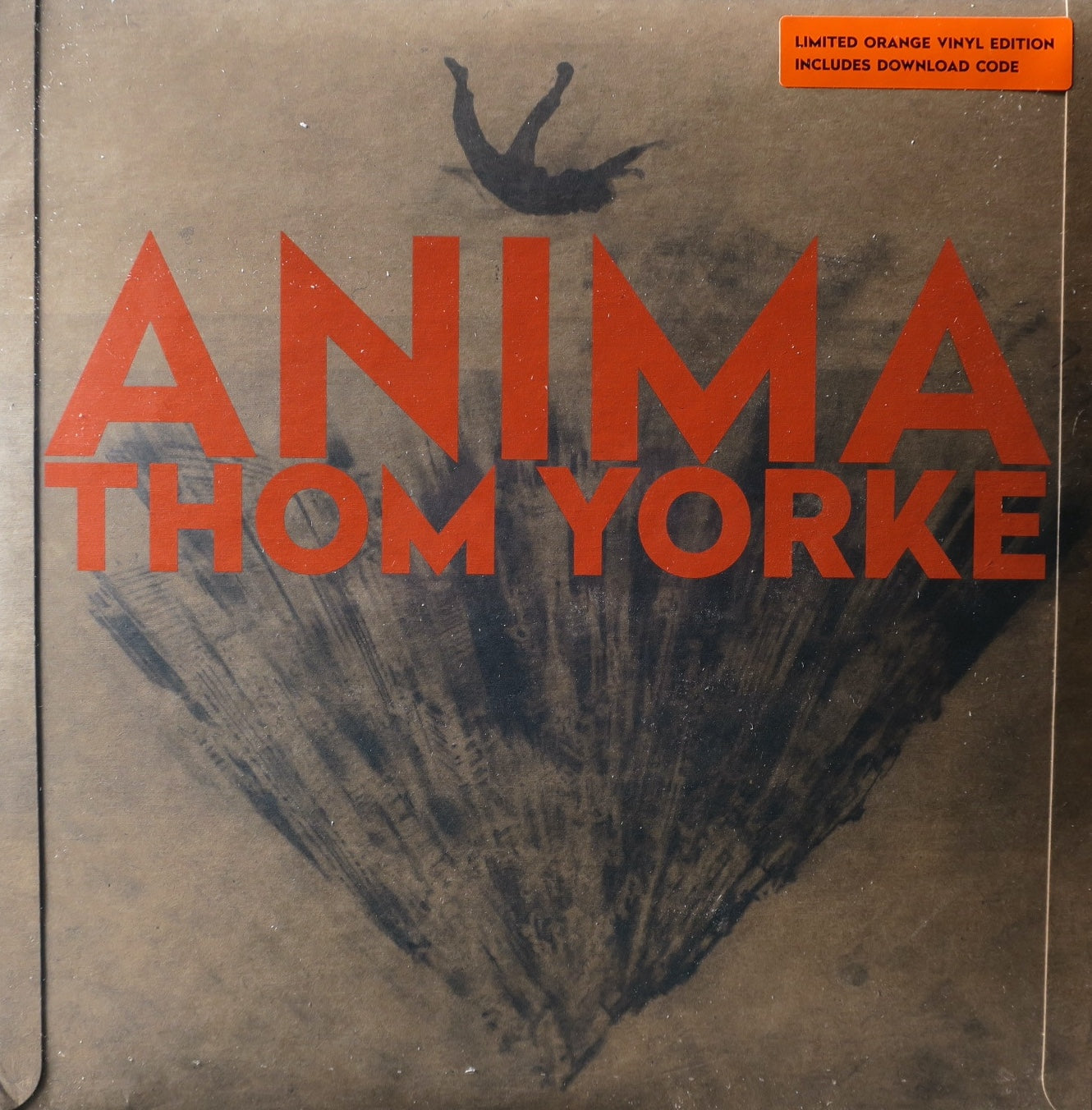
Yorke’s solo records matter because they make different parts of his musical personality audible. Tomorrow's Modern Boxes and ANIMA expand the toolkit: modular synths, motoric grooves and claustrophobic production that nod to IDM while remaining song-forward. These albums aren’t just Radiohead B-sides; they’re deliberate, tightly curated statements about technology, loneliness and political unease.
Collaboration is central to how Yorke operates. Nigel Godrich’s production has been a throughline from Radiohead sessions to Yorke’s solo records, helping translate experimental ideas into coherent, emotionally potent arrangements. The Atoms for Peace project—featuring Flea on bass alongside Yorke, Godrich and percussionists—brought live muscle to electronic sketches and revealed how Yorke’s songs change when played by players steeped in rock and funk.
Influences and friendships also explain the textures Yorke favors. The abrasive, inscrutable rhythms of Aphex Twin and other IDM artists gave Yorke permission to treat rhythm as an alien instrument rather than a metronome; that curiosity underpins his sampling choices and his tendency to let songs collapse into atmosphere. On the other end, longtime bandmate Jonny Greenwood’s orchestral experiments and dissonant guitar work create a sibling conversation between Yorke’s solo minimalism and Radiohead’s larger sonic canvases.
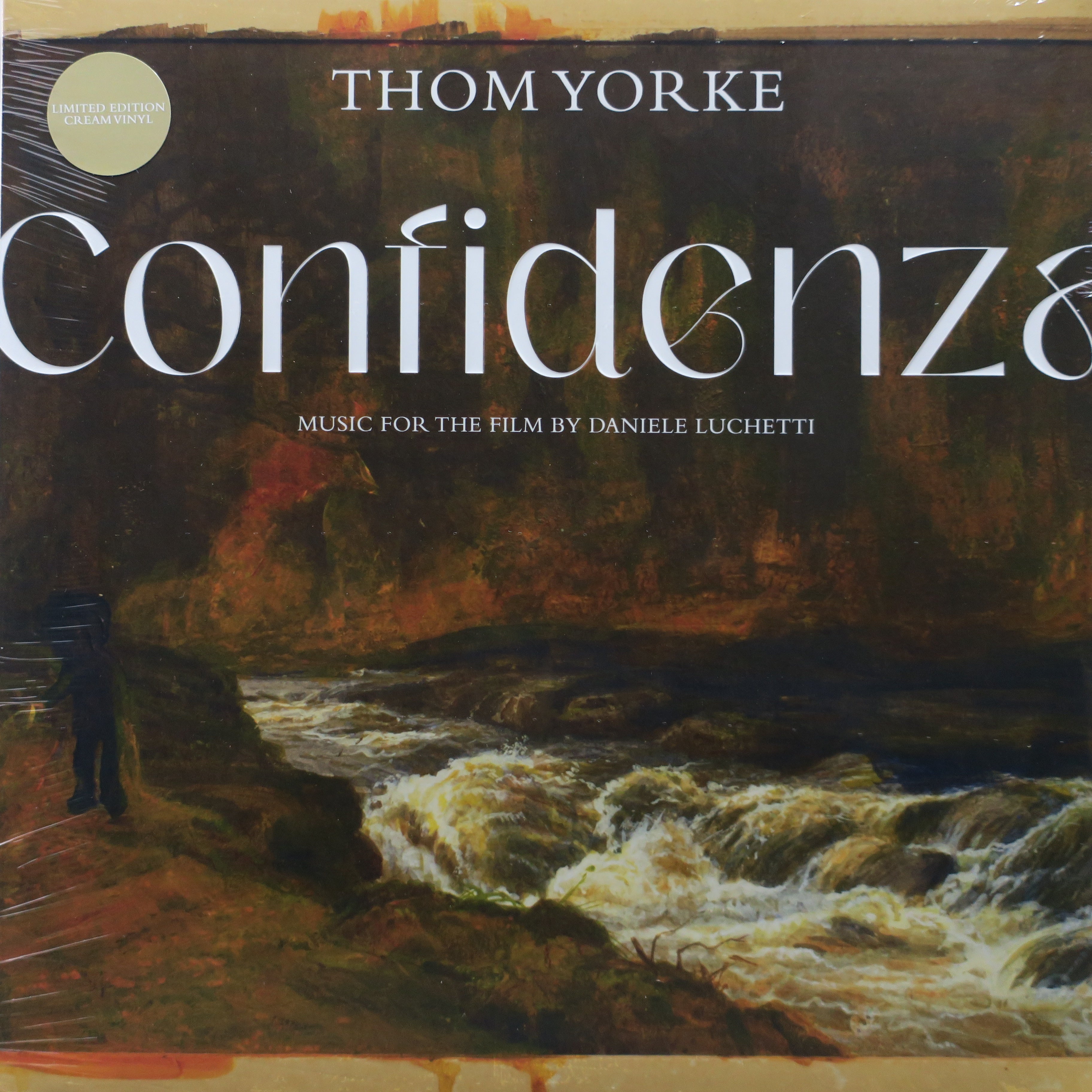
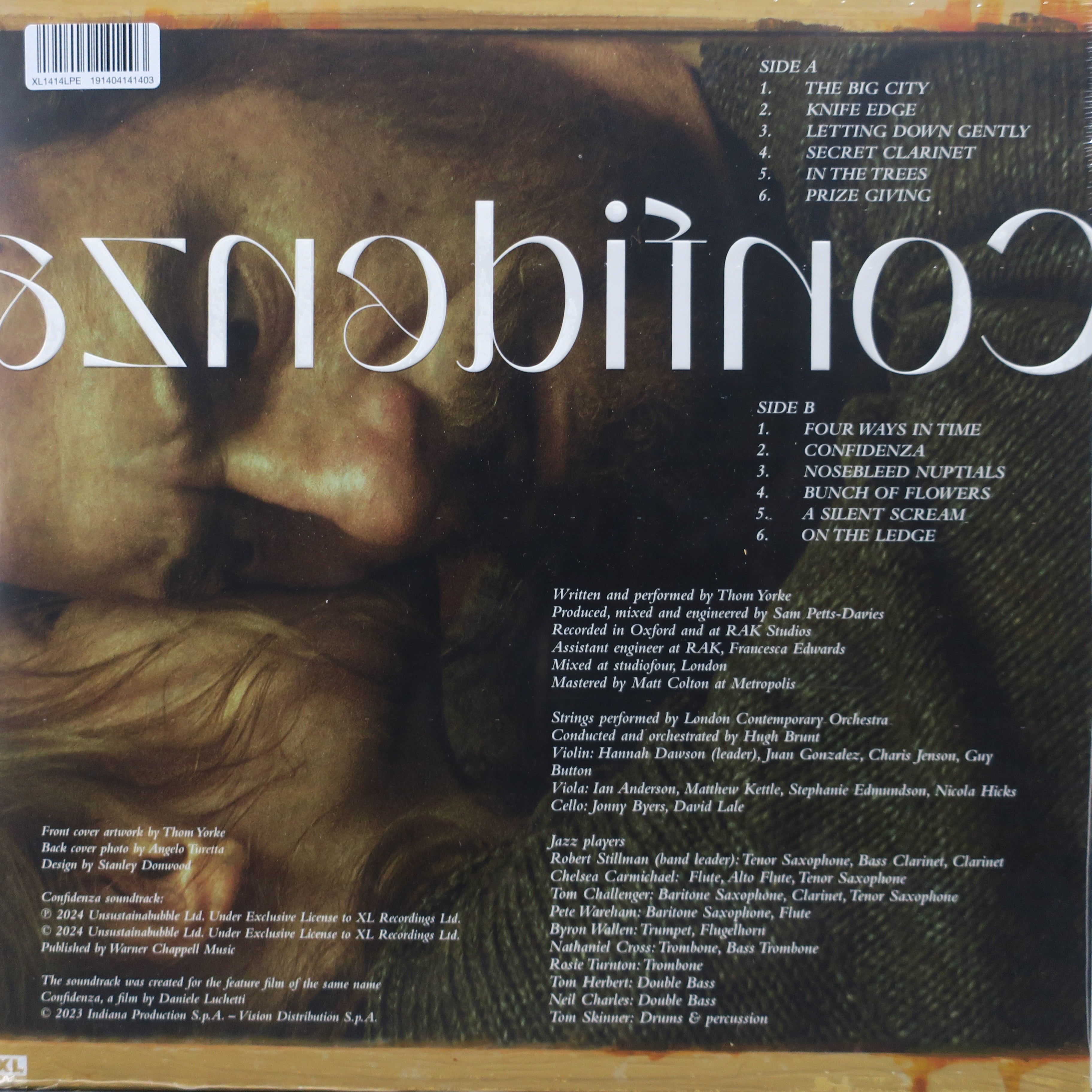
Yorke’s soundtrack work, notably for Suspiria, shows another facet: scoring for dread and beauty using strings and processed electronics. For listeners who know him as a voice in Radiohead, his solo catalogue offers a concentrated view of the composer’s obsessions—technology, vulnerability and formal risk—rewarding repeated, careful listening and cross-connecting back to the band’s wider output.