Radiohead
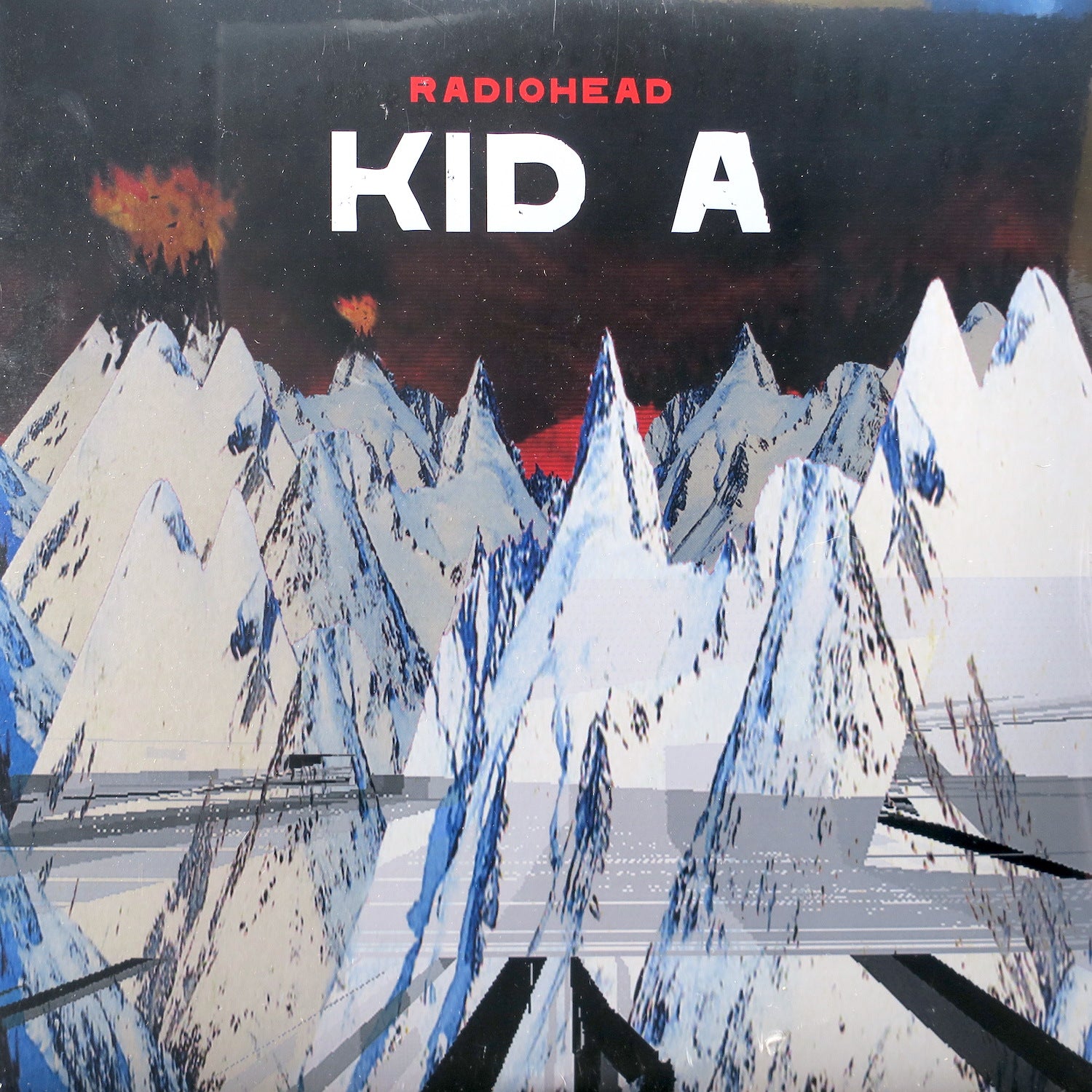
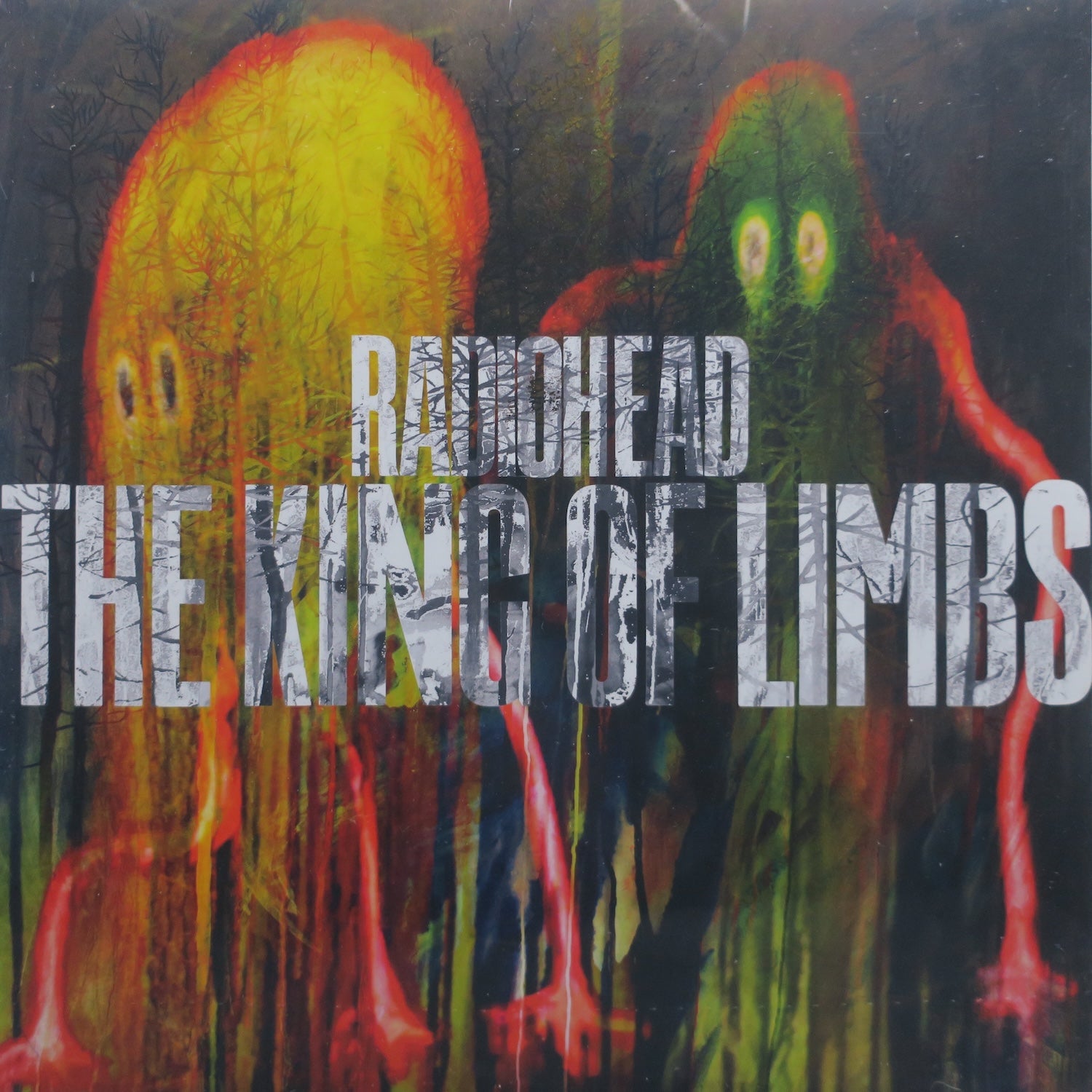
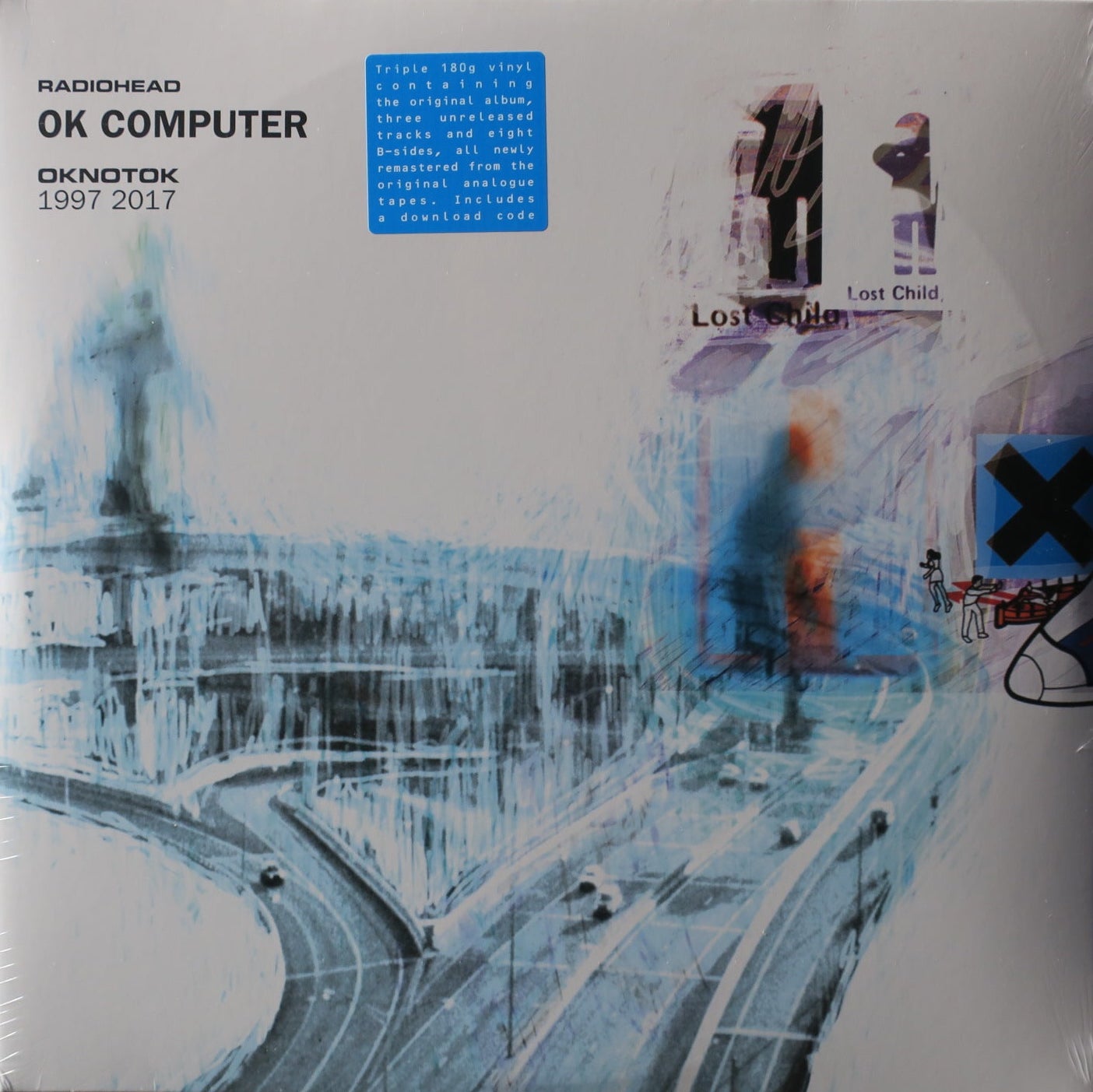
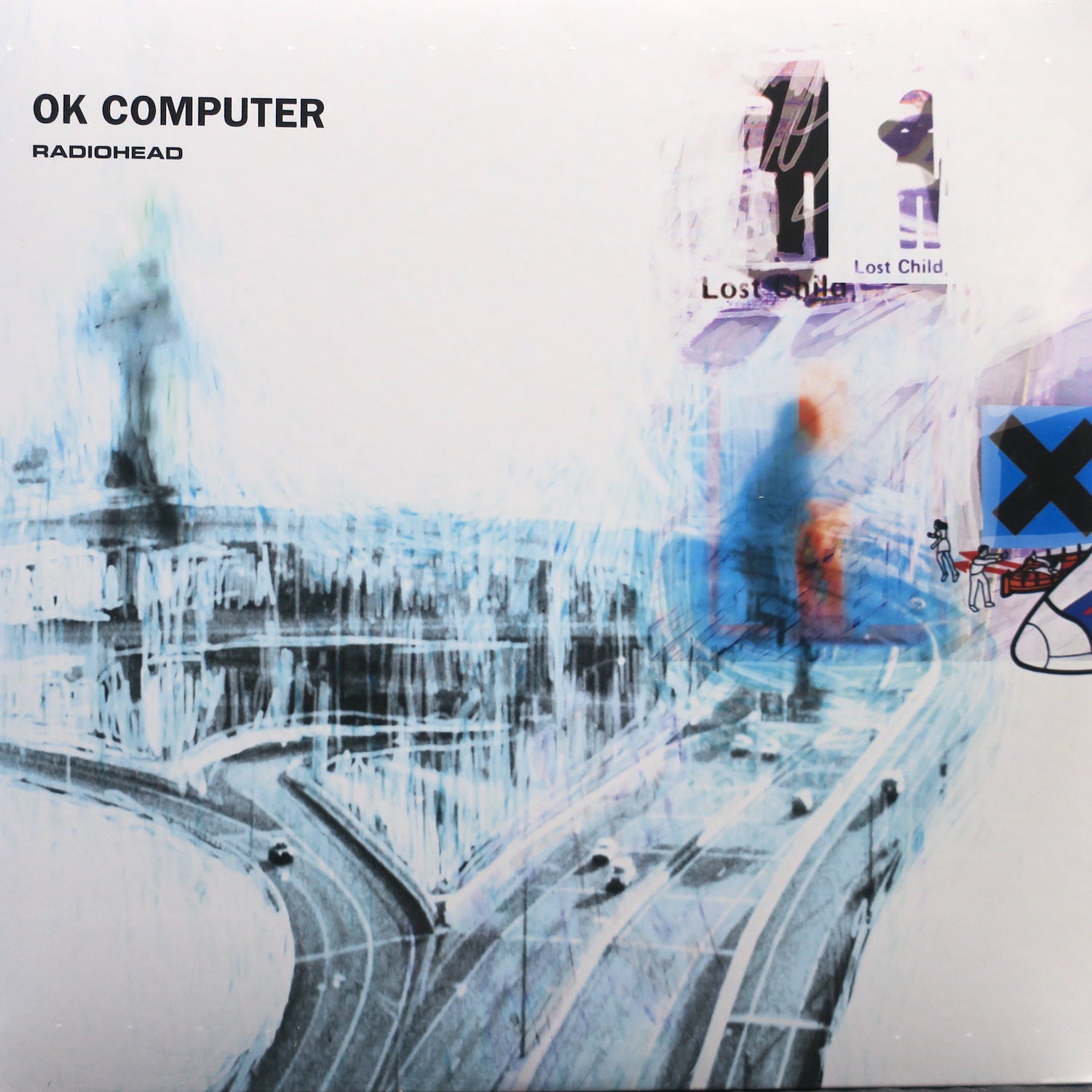
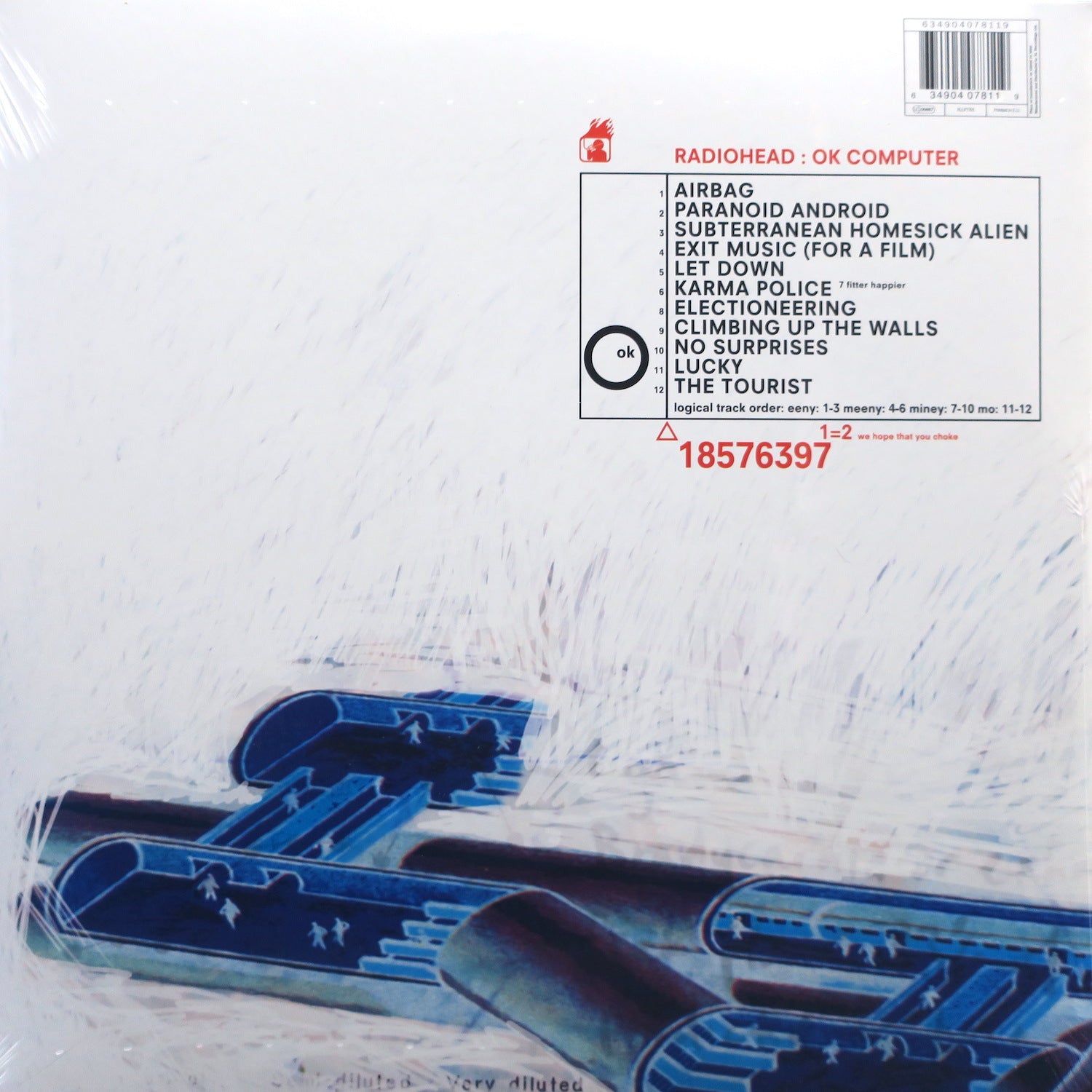
Radiohead began as a band whose guitar-driven anthems suggested a straightforward path to alternative-rock success, but their real signature is the studio as a place of continual reinvention. OK Computer captured a moment of widescreen alienation; Kid A then rewired that language with electronic textures and fractured song forms. Hearing those two albums back-to-back reveals why Radiohead matters: they treat songwriting and studio technology as a single instrument.
The early period—Pablo Honey and especially The Bends—showcases taut melodies, dramatic dynamics and Thom Yorke’s anxiously resonant voice. Those records established the band’s knack for combining emotional immediacy with unusual chord choices and Jonny Greenwood’s jagged, expressive guitar work. From OK Computer onward Nigel Godrich became more than a producer: his long-running collaboration helped shape Radiohead’s move toward spacious arrangements, odd meter and dense sonics without losing the songs beneath.
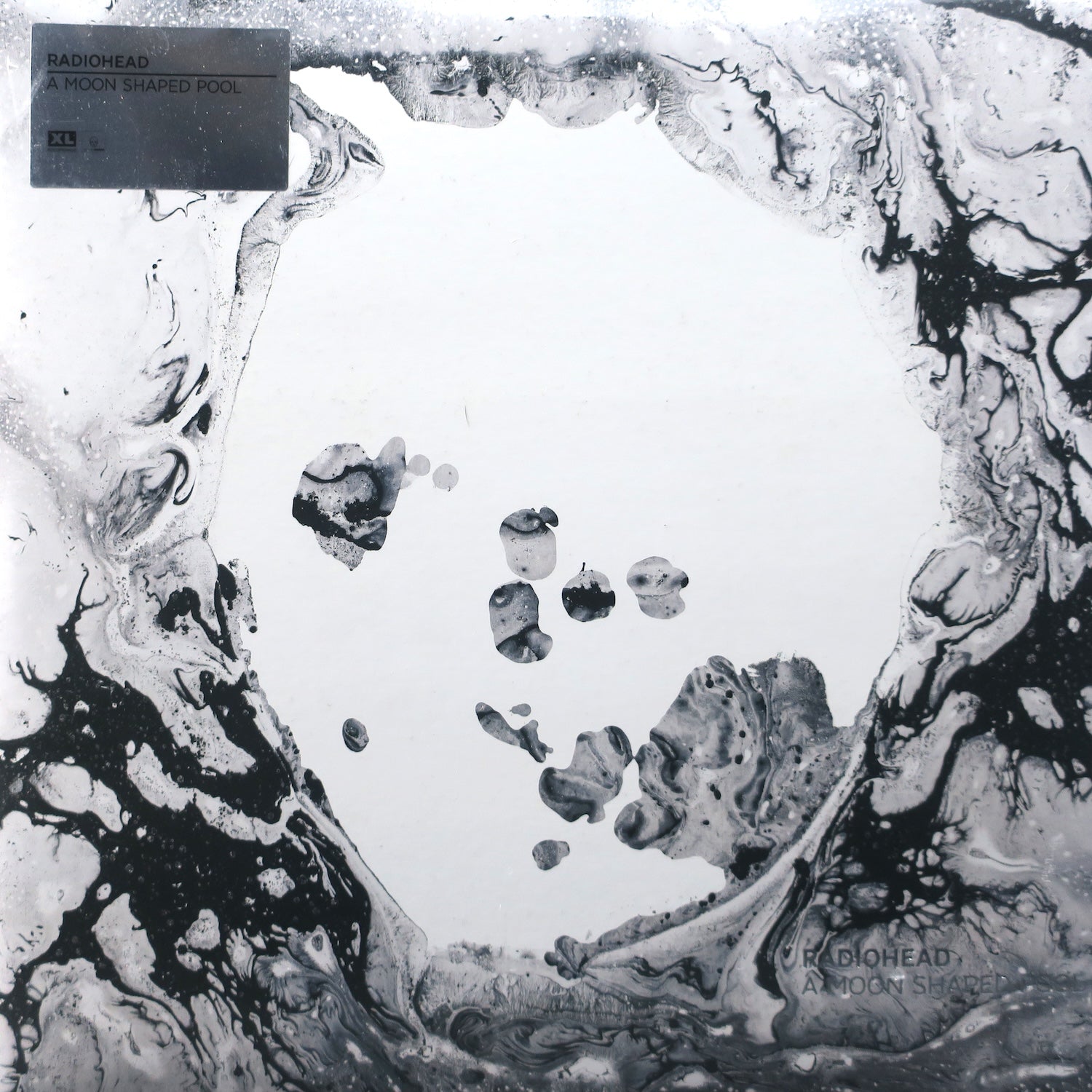
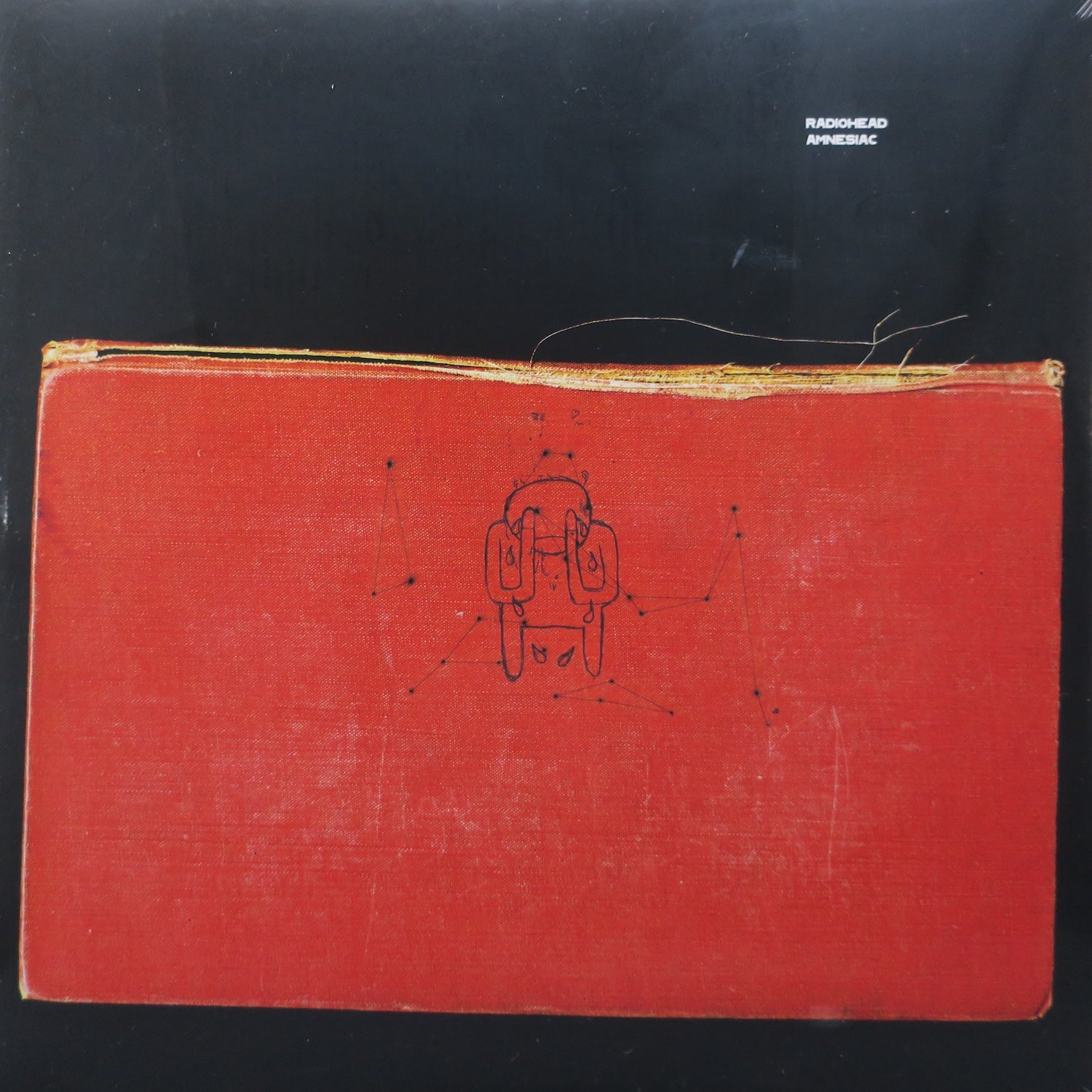
By Kid A and Amnesiac Radiohead embraced electronics, ambience and classical instrumentation; their work folded in the silence and dynamic restraint often associated with Talk Talk and the panoramic studio atmosphere that draws comparisons to later Pink Floyd. That shift wasn’t a rejection of rock so much as an expanded vocabulary—synths, found sound, modular approach to texture and the decision to let songs dissolve into mood as part of their structure.
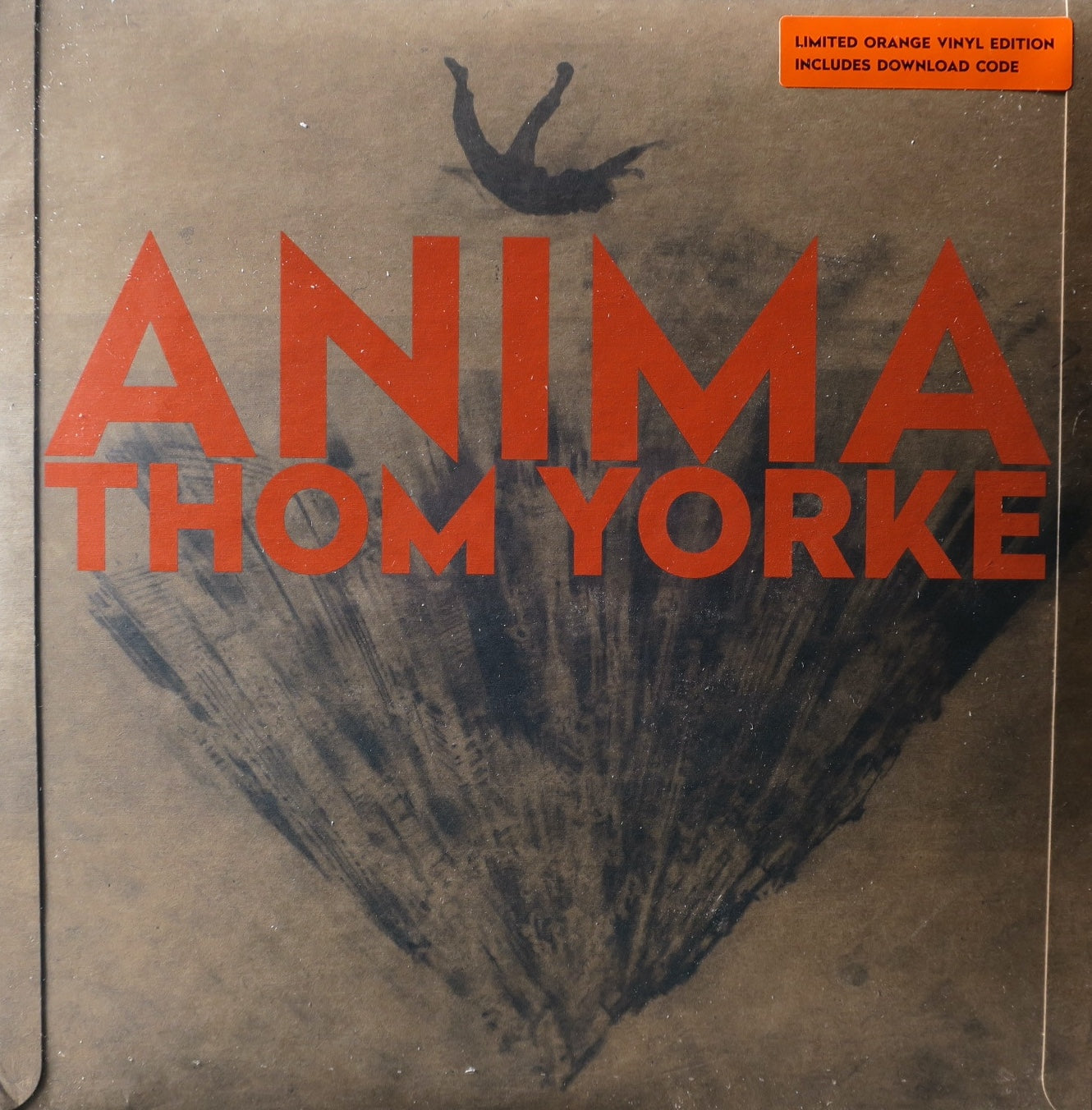
Members have taken those experiments outward. Thom Yorke’s solo work and the band project Atoms for Peace foreground beats and loop-based songcraft, while Jonny Greenwood’s film scores and the more direct rock of The Smile show different facets of the same restless creativity. Those side projects make it easier to hear how individual band members push and pollinate Radiohead’s main output.
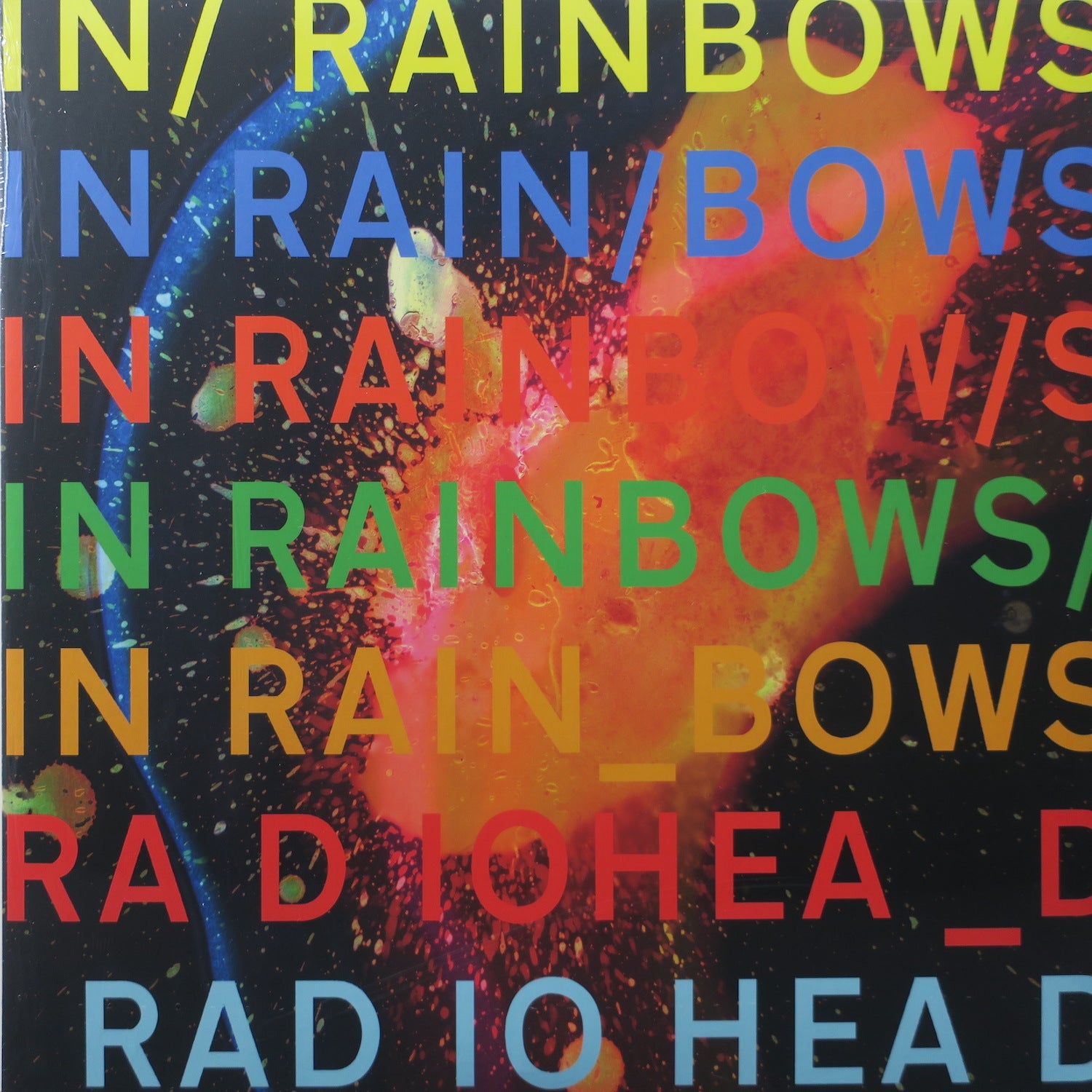
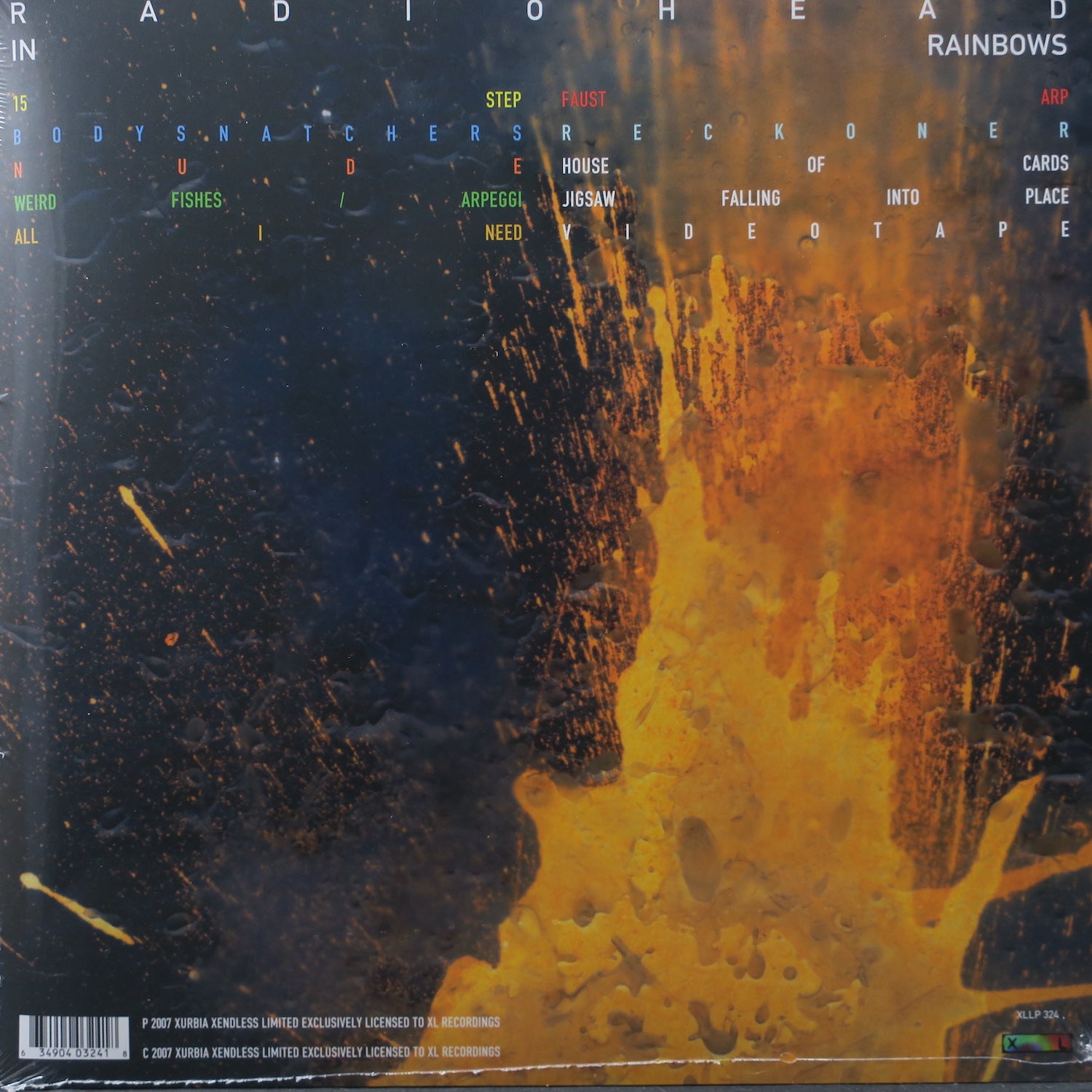
Radiohead’s willingness to recalibrate influenced a generation: bands like Muse and Coldplay absorbed ideas about dynamics, orchestration and how a rock record could aim for cinematic scope. Start with The Bends, move to OK Computer, then Kid A and In Rainbows to taste the arc—each album opens a different door into why Radiohead keeps rewarding close listening.