Arcade Fire
Arcade Fire built a sound by treating rock band instrumentation like a small orchestra: layered vocals, chiming guitars, brass and strings arranged so that intimate lyrics felt huge without losing emotional detail.
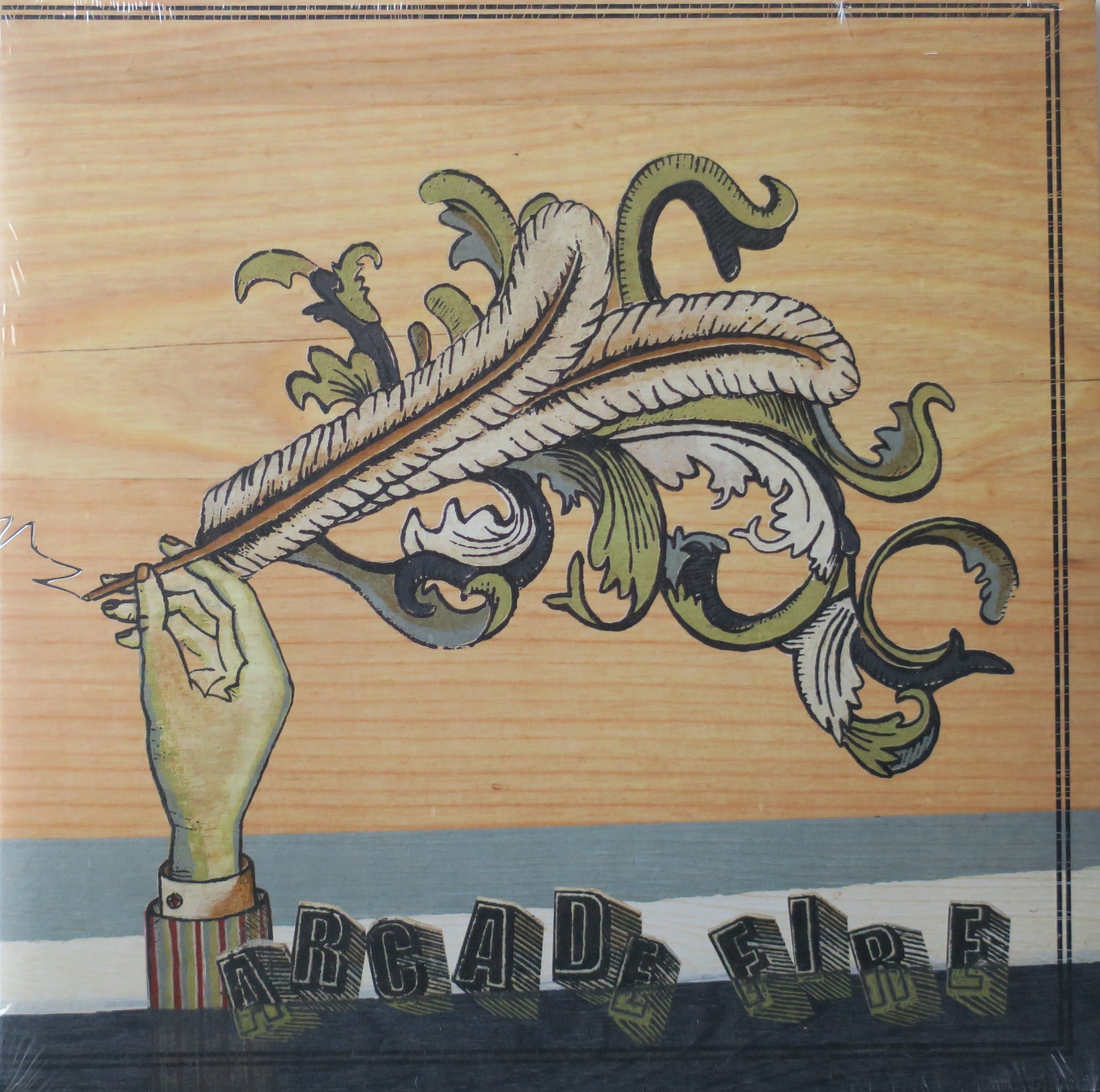
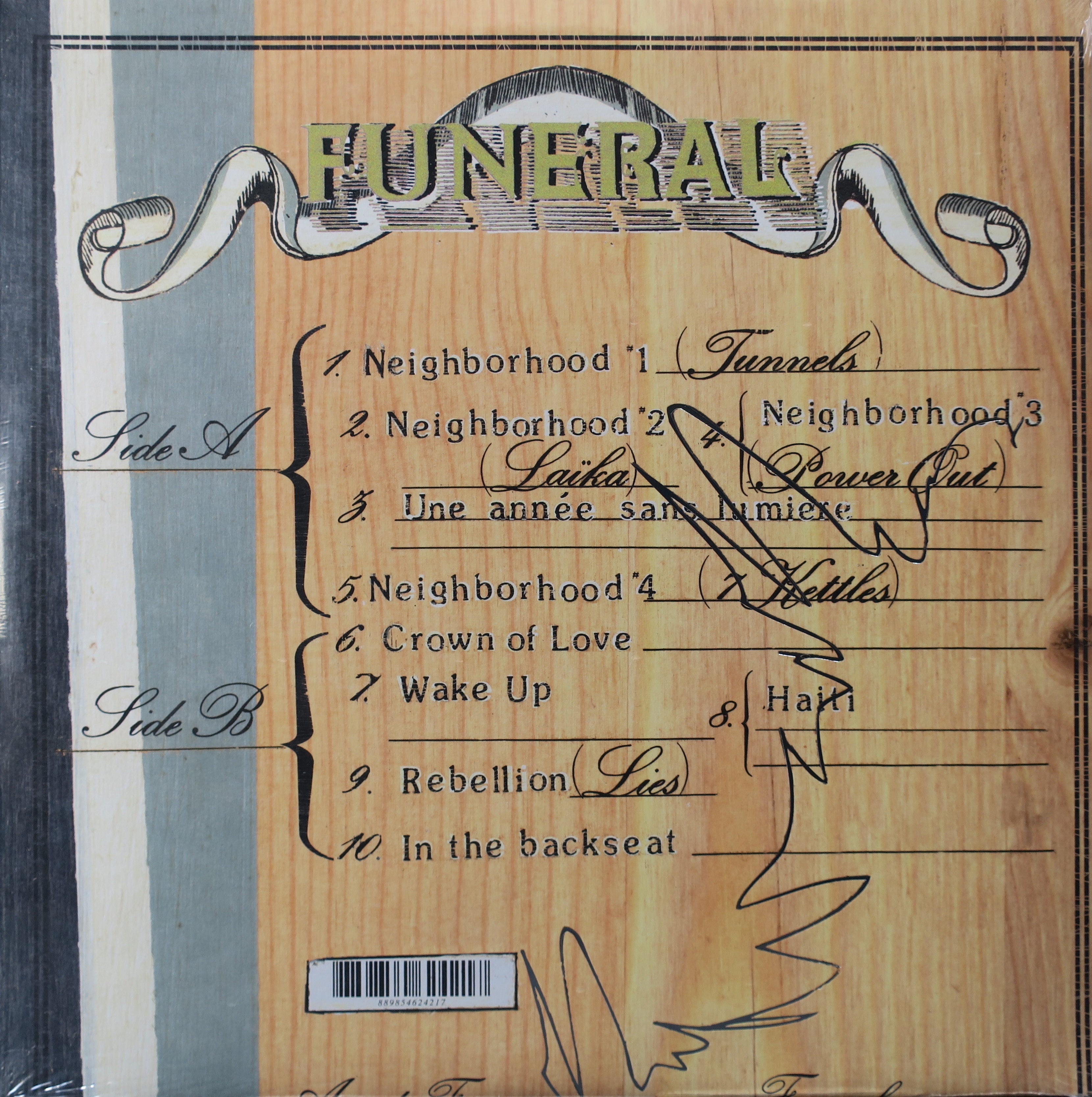
Funeral announced that approach in a visceral way. The band's 2004 debut mixed grief and communal catharsis across songs such as "Neighborhood #1 (Tunnels)" and "Rebellion (Lies)," turning personal loss into singalong passages that still sound urgent on headphones or a packed room. That record made listeners notice how the group balanced hymn-like choruses with jagged indie-rock energy.
Leadership from Win Butler (vocals, guitar) and Régine Chassagne (vocals, piano, percussion, accordion) shaped both the songwriting and theatrical character of the band. Their partnership—romantic and musical—helped the band move between tender, domestic moments and widescreen arrangements. Richard Reed Parry, Sarah Neufeld, Tim Kingsbury and drummer Jeremy Gara expanded the palette on stage and on record, adding multi-instrumental textures that kept songs unpredictable.
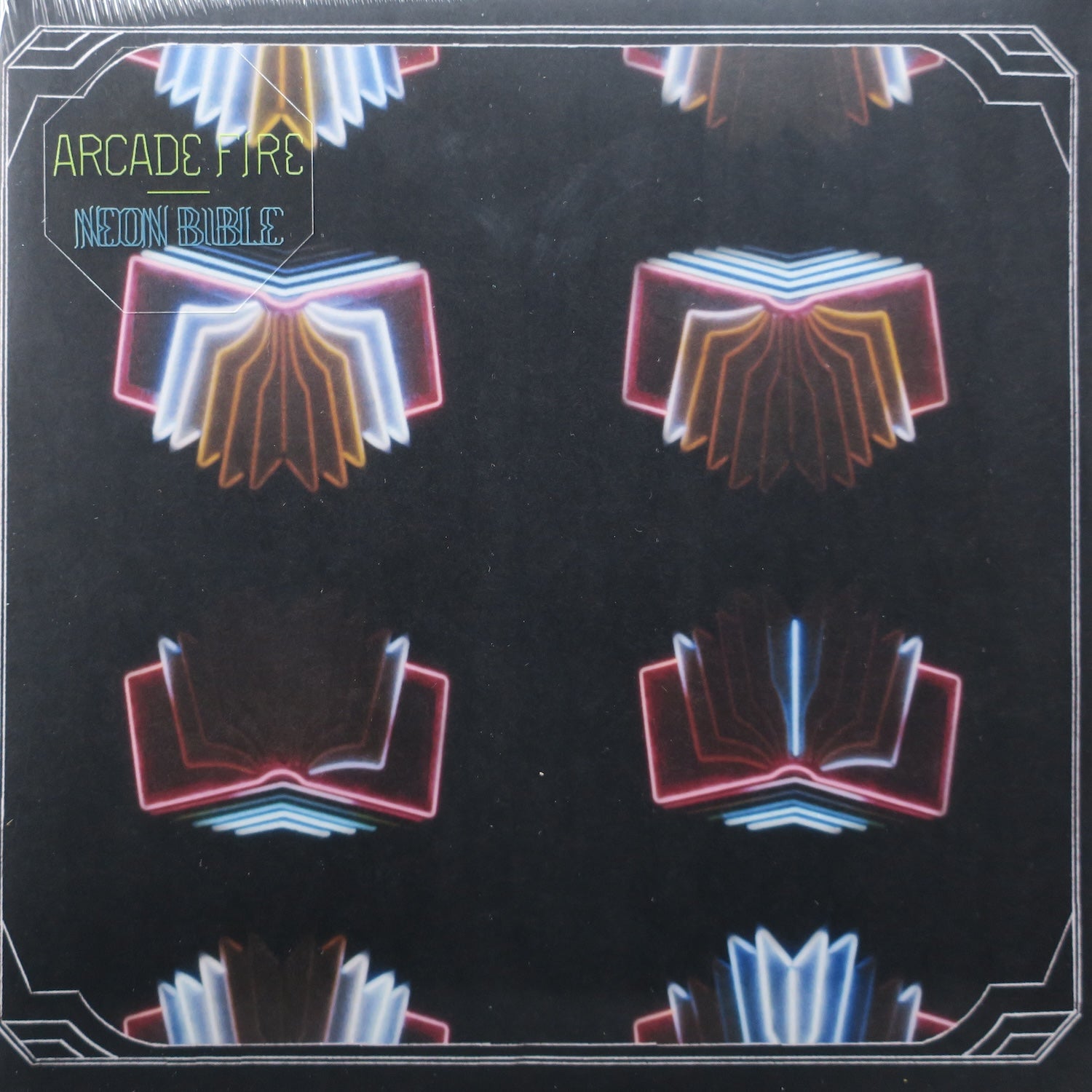
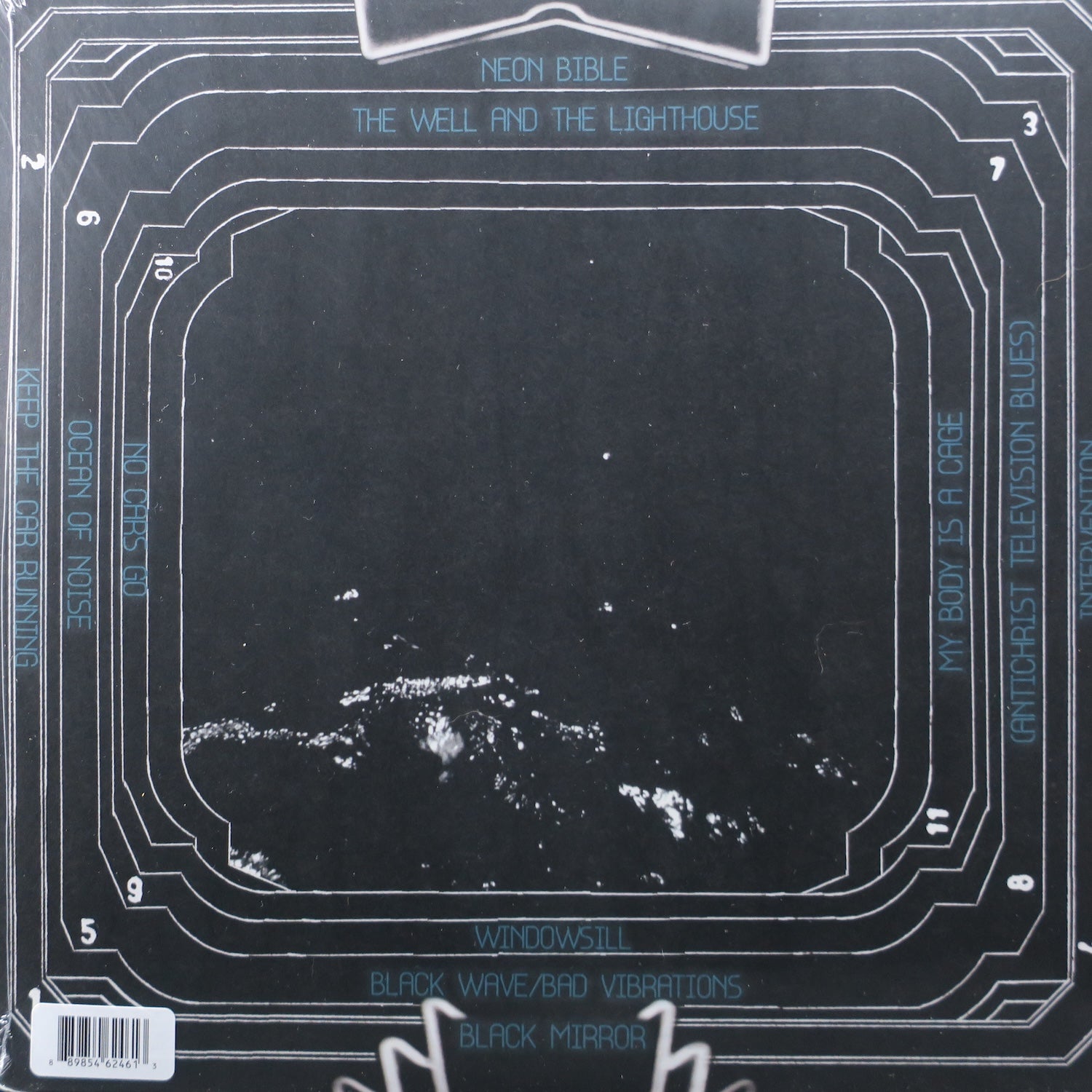
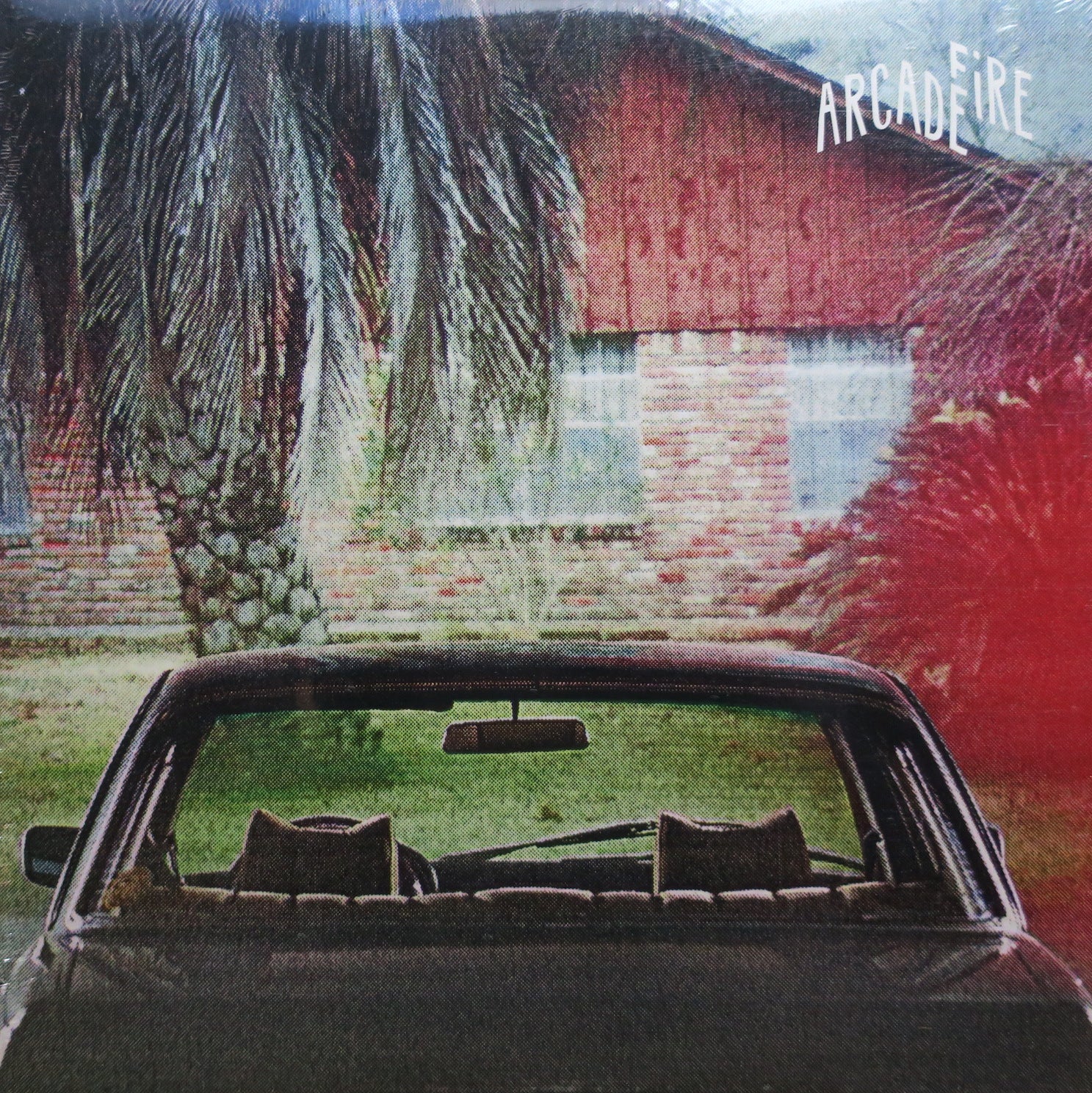
Across Neon Bible and The Suburbs Arcade Fire widened its frame: the orchestral tendencies became more architected, and themes shifted to cultural anxiety, suburban ennui, and memory. The Suburbs in particular married concise pop songwriting to sprawling arrangements, making it a rare record that plays well in small living rooms and large arenas. On Reflektor the band leaned into dance rhythms and production flourishes, working with James Murphy of LCD Soundsystem to bring a more percussion-forward, disco-tinged energy to their art-pop instincts.
Arcade Fire's place in the early-2000s indie ecosystem is best understood alongside peers. The band emerged from and around a fertile Canadian scene that included groups such as Wolf Parade and artists associated with Broken Social Scene; those connections help explain the loose, collaborative spirit in their arrangements. On a stylistic level, the band sits near acts like The National for brooding, orchestral rock, while the rhythmic experiments on Reflektor nod to the art-pop legacy of Talking Heads.
What continues to make Arcade Fire interesting is the tension between intimacy and scale. Songs can feel like communal rituals one moment and sharply observed vignettes the next. That duality—poetic lyrics set against hands-thrown-up choruses and unusual instrumentation—keeps their catalog worth revisiting, whether starting at Funeral or tracing the shifts through The Suburbs and Reflektor.