Yeah Yeah Yeahs
Few early-2000s bands married theatrical frontmanship and jagged guitar as dramatically as Yeah Yeah Yeahs. Karen O's confrontational vocal delivery — alternately wounded, feral and playful — turned songs like "Maps" into emotional touchstones, while Nick Zinner's angled riffs and Brian Chase's taut drumming gave the trio a sound that could feel both dangerous and oddly intimate.
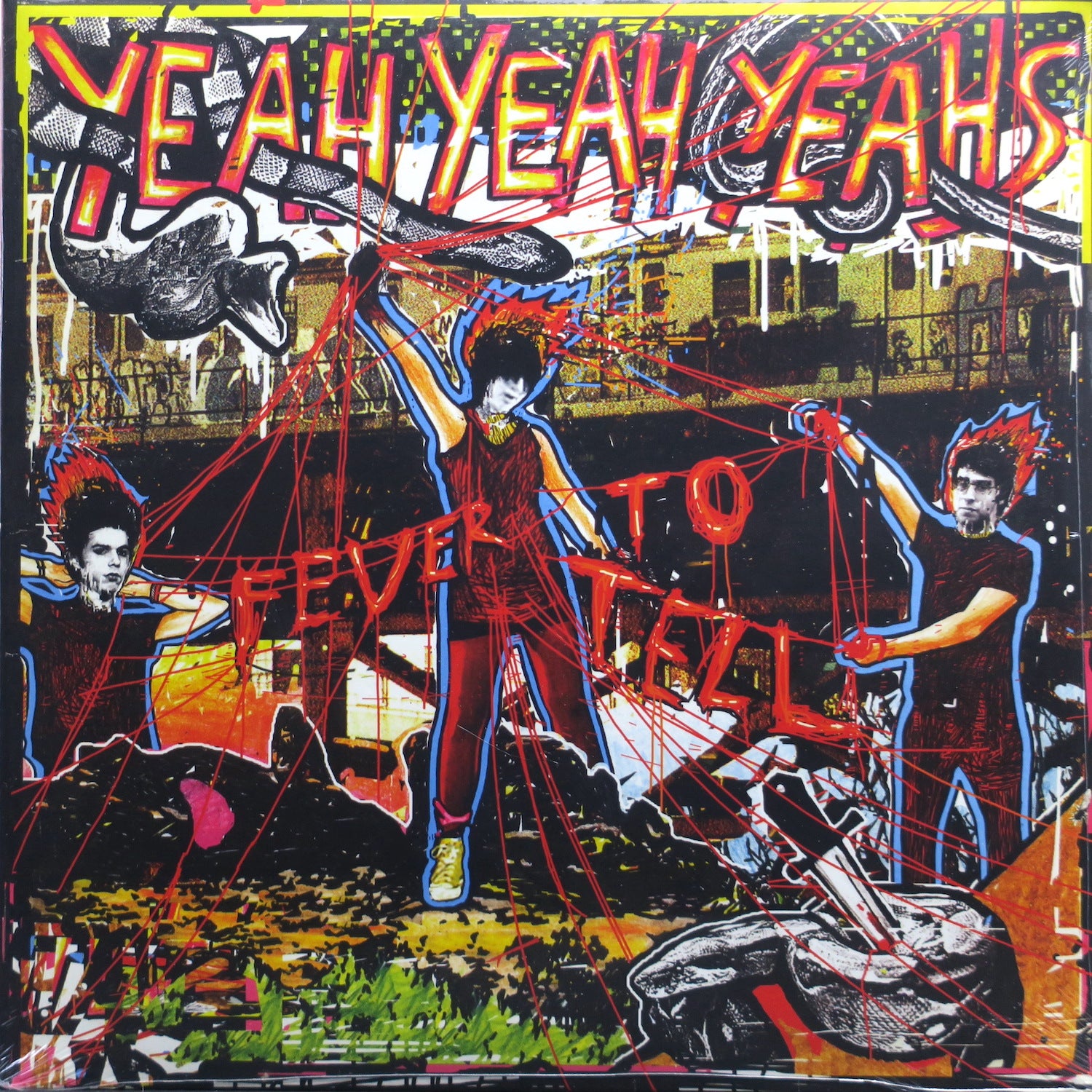
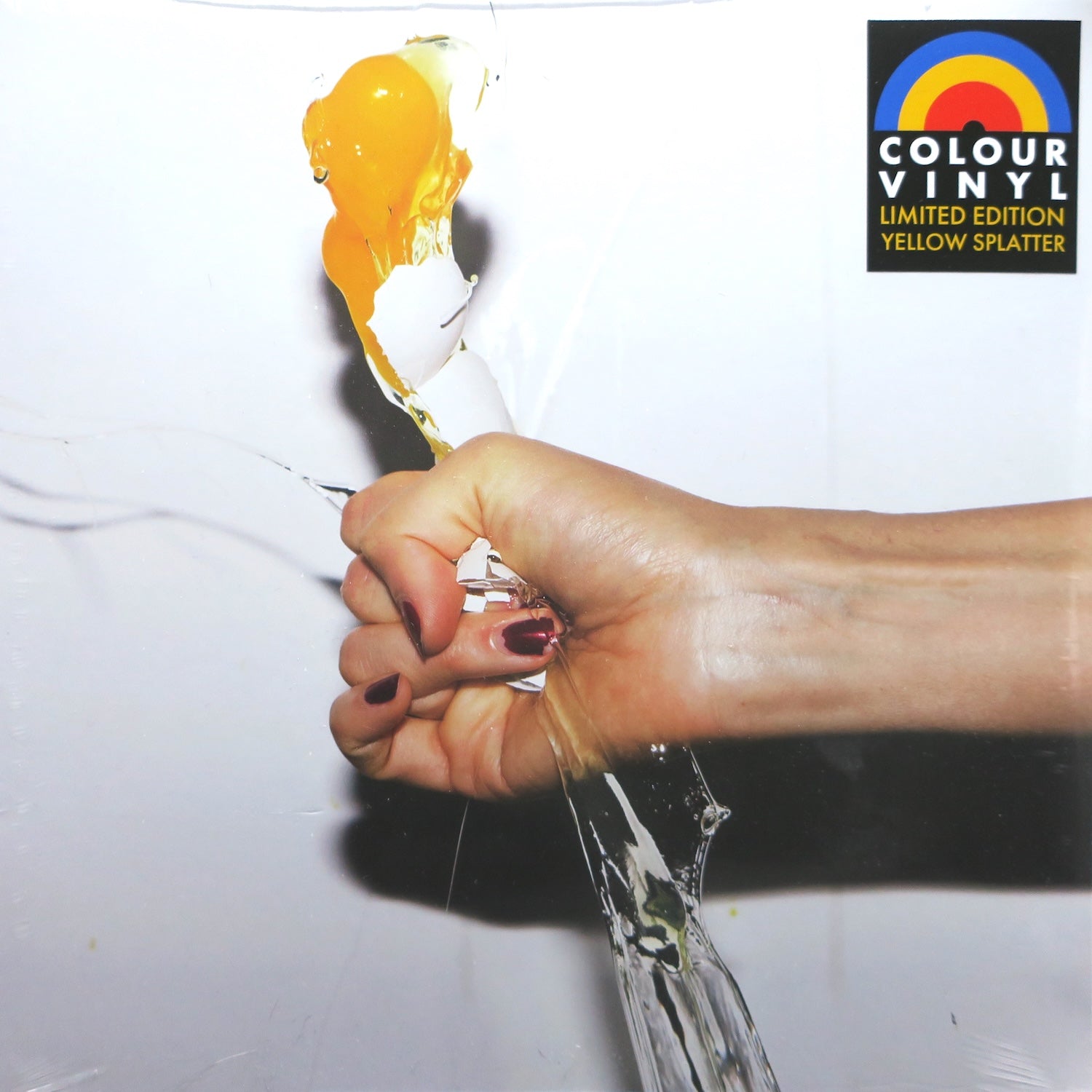
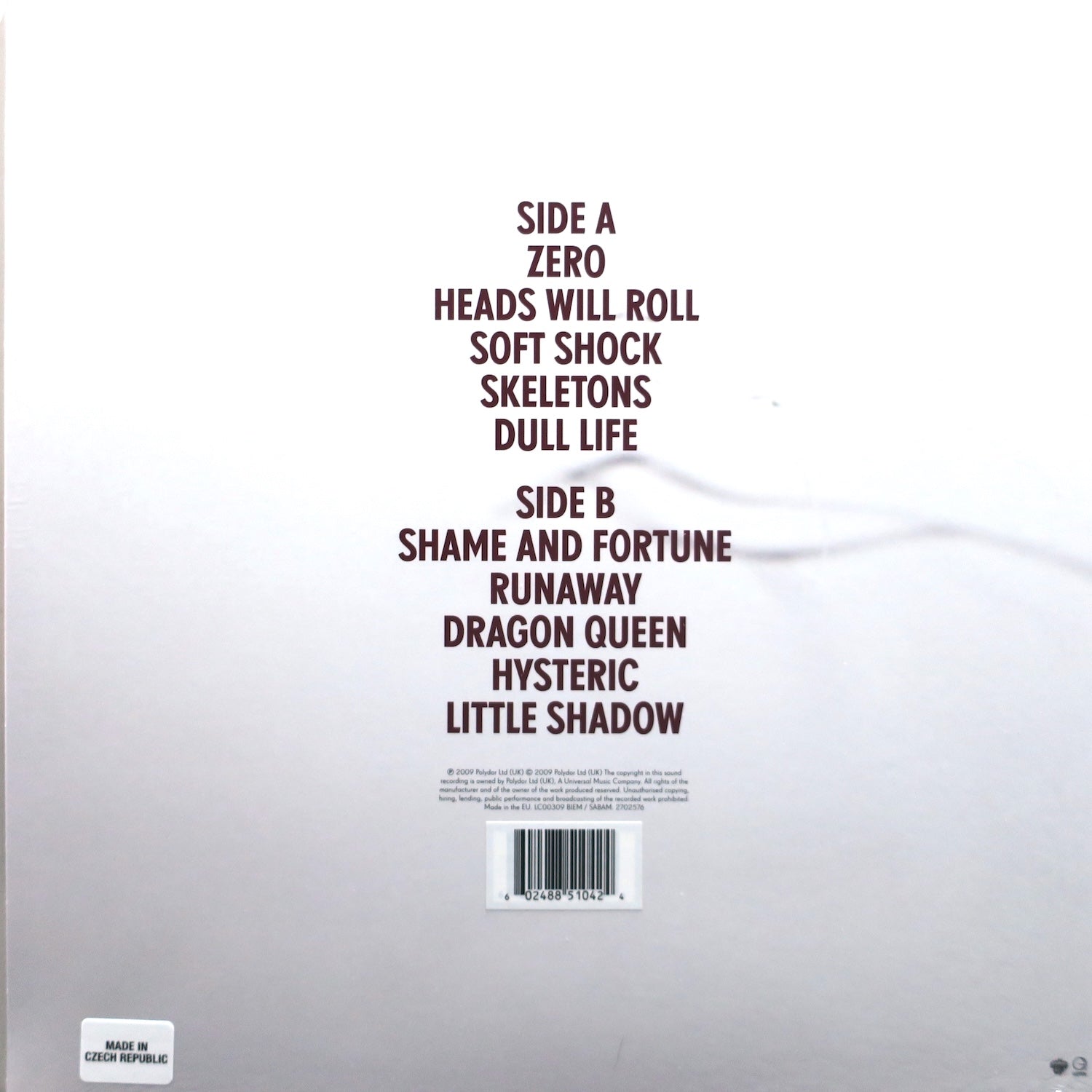
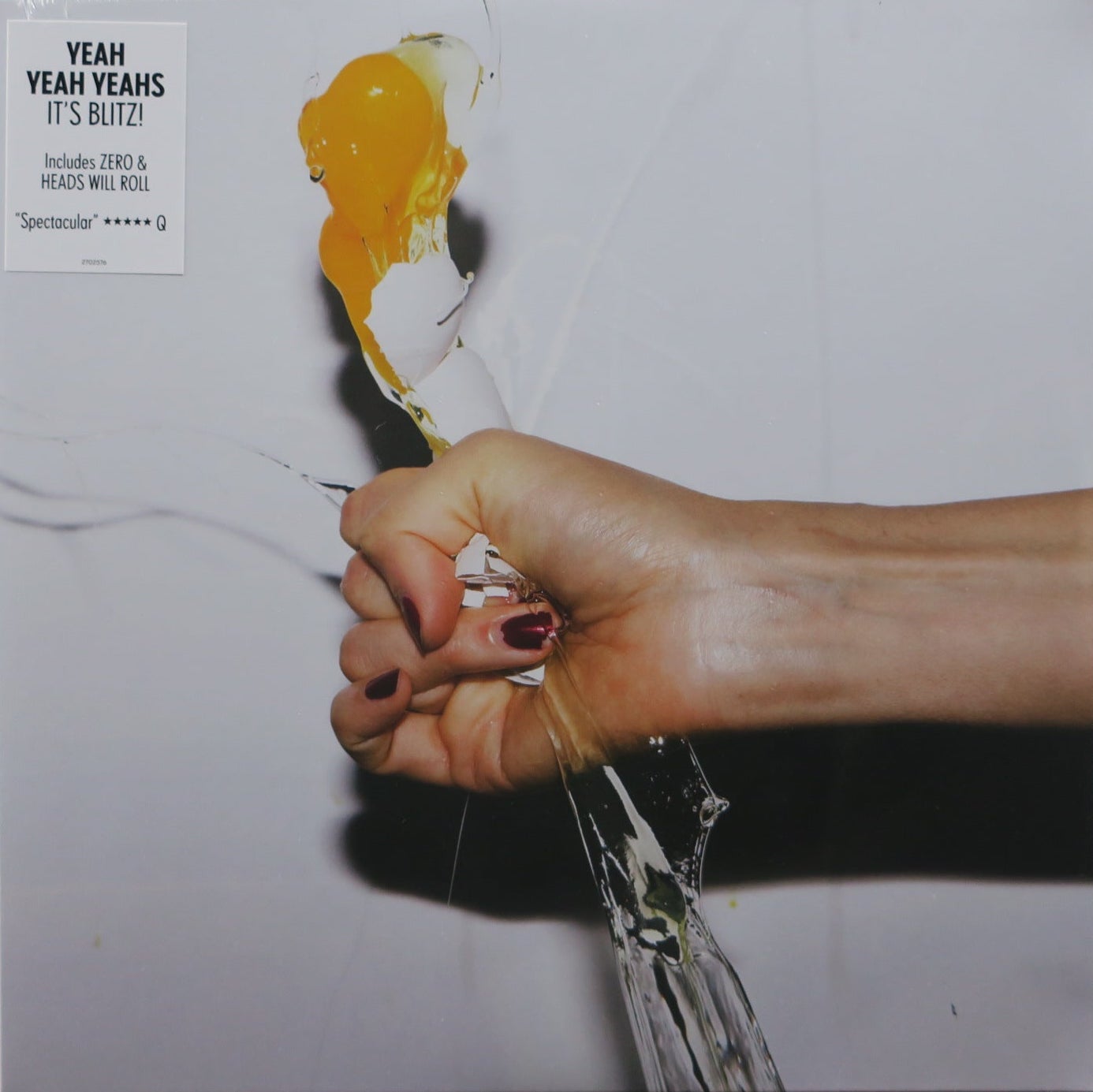
Fever to Tell captures the band's first impulse: urgent, lo-fi garage-punk that still left room for melody and a memorable hook. That record made the band a name in the Manhattan scene alongside peers such as The Strokes and Interpol, but the Yeah Yeah Yeahs never repeated themselves. Show Your Bones trimmed some of the raw edges into more structured songwriting, while It's Blitz! embraced synth textures and dance rhythms without losing the group's theatrical intensity.
Part of what set the band apart was an art-school sensibility — songs could explode into noise, then fold back into popcraft — and a willingness from Karen O to take on projects outside the band. Her work composing and performing music for film broadened the band's cultural footprint; those film collaborations also highlighted how the group's members could shift between rock immediacy and cinematic mood.
Musically, the Yeah Yeah Yeahs draw lines back to post-punk and art-rock forebears: the tension and showmanship of Siouxsie and the Banshees, the raw New York legacy of The Velvet Underground, and the emotional directness of artists like PJ Harvey are easy touchstones. At the same time the band's evolution toward synths and dance grooves connected them to contemporaries in the Brooklyn and NYC scene, including TV on the Radio.
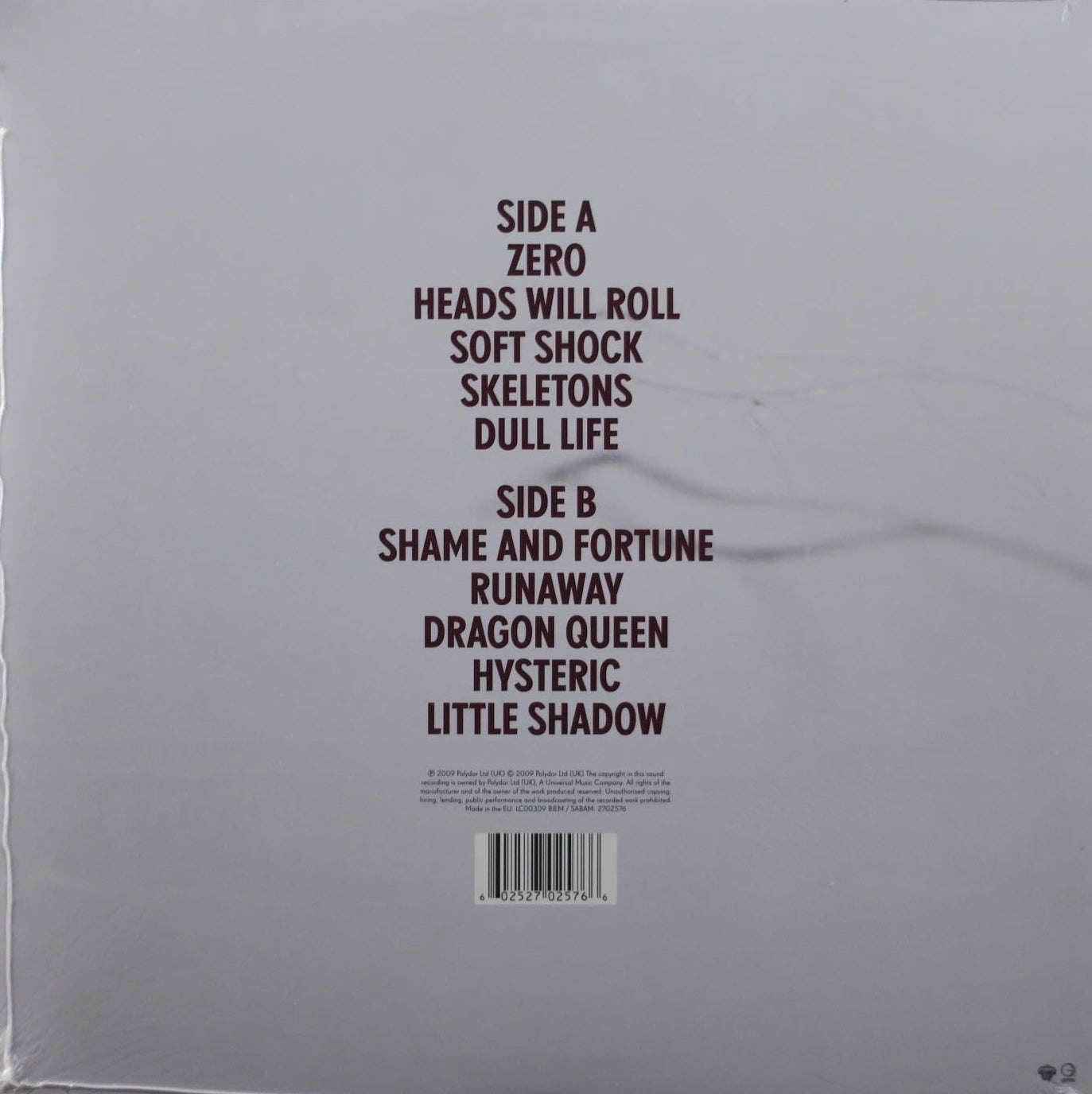
For new listeners, start with Fever to Tell to feel the original spark, then move to It's Blitz! to hear how they translated that energy into a different vocabulary. Across those records the band demonstrates how personality, texture and smart songwriting can keep a three-piece sounding unpredictable and alive.