White Stripes
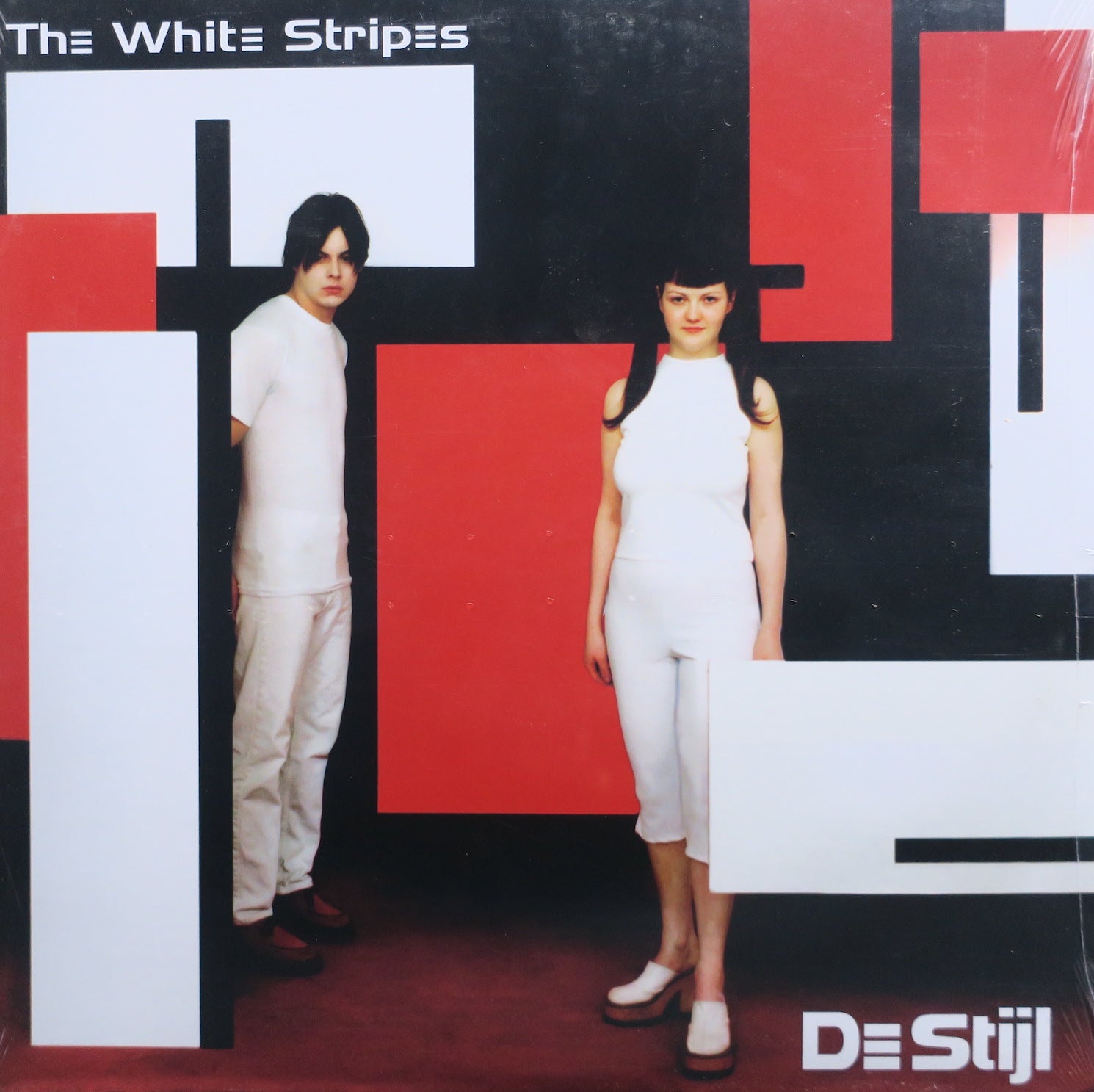
Two voices, one guitar and a drum kit: the White Stripes made that spare setup sound like a full-scale uprising. A single three-note riff from "Seven Nation Army" became a stadium chant, but the band’s real achievement was turning minimalism into character—stripped-down arrangements, a strict red-white-black aesthetic and songs that sounded both ancient and immediate.
The music leaned on Delta blues and early rock ’n’ roll but refused to be nostalgic. Jack White mined Son House and Robert Johnson for phrasing and emotional bluntness, then crank‑up the amp and play the same truths with punk impatience. Meg White’s drumming was primitive by design—a blunt, heartbeat pulse that let Jack’s raw guitar and theatrical vocal delivery do the storytelling. That dynamic came into focus on White Blood Cells, the record that moved them from underground buzz to mainstream attention.
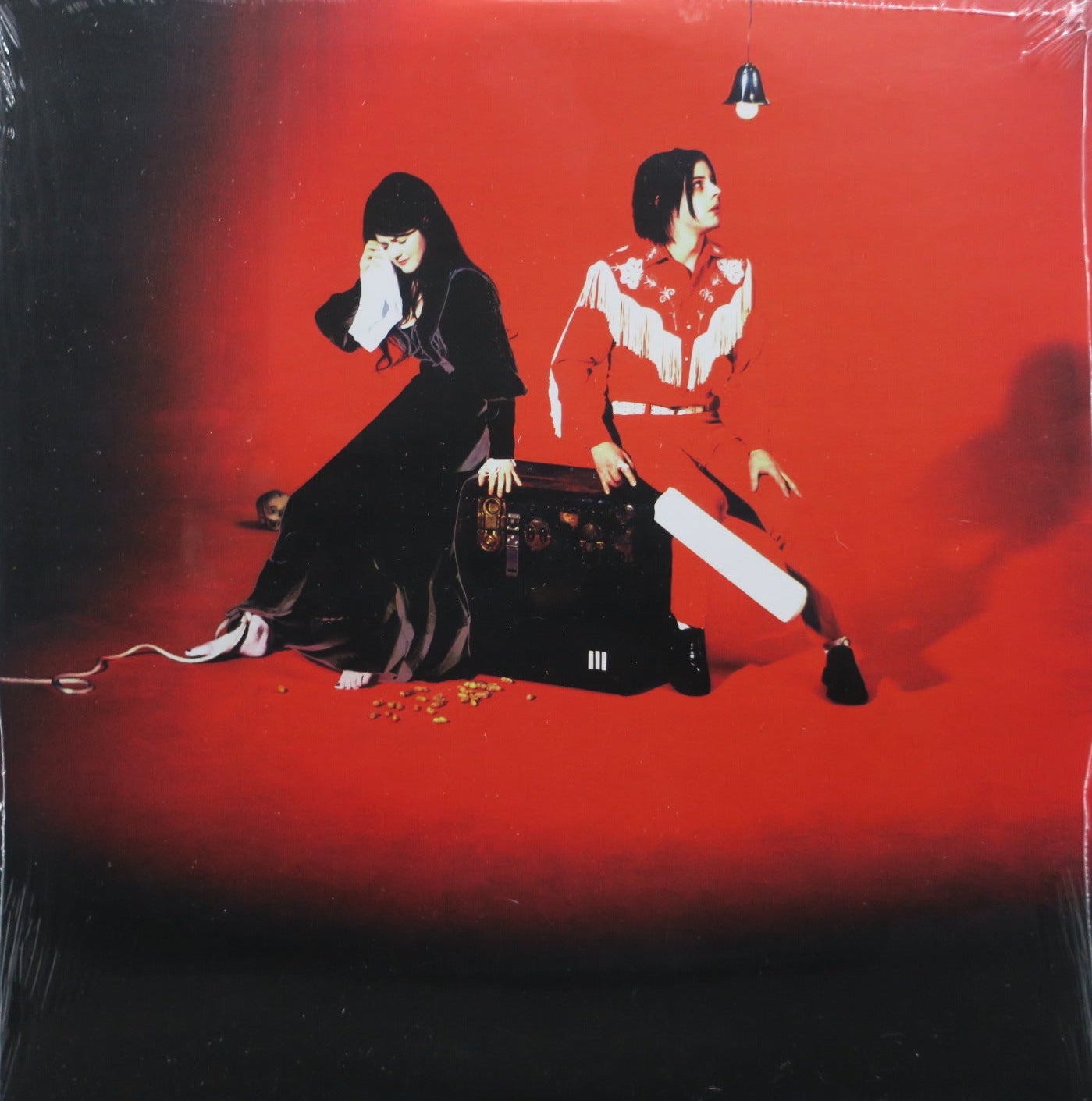
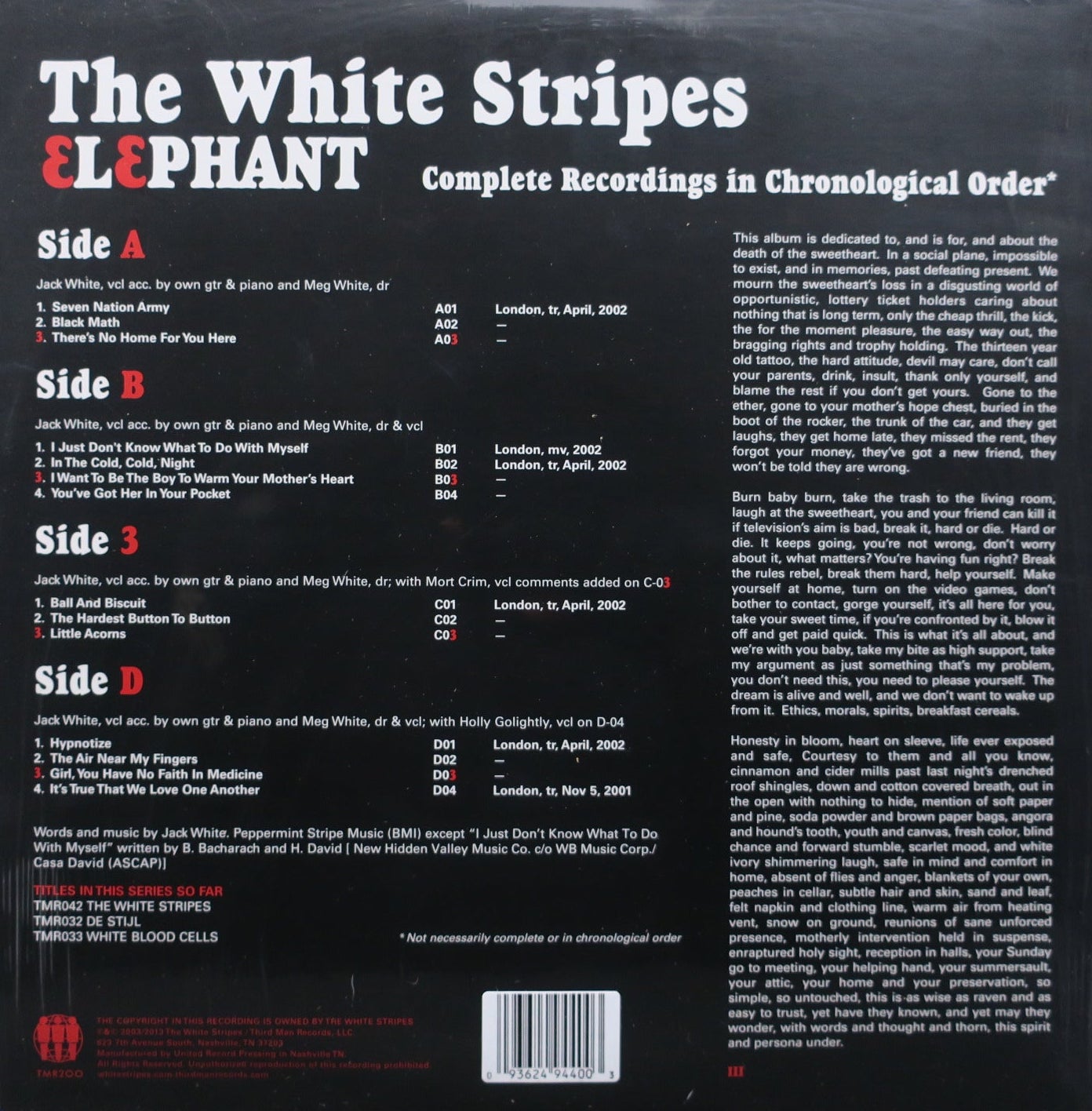
Elephant turned that attention into anthems: widescreen production, a stadium-sized riff in "Seven Nation Army" and a willingness to use silence as force. After Elephant, Get Behind Me Satan showed the band could pivot—piano, marimba and subtler textures replaced some of the fuzz, revealing the songwriting underneath the thunder. Across those albums the White Stripes kept making choices that mattered: economy of parts, high-contrast imagery and a knack for reworking blues and garage tropes into something immediate.
Outside the duo’s catalogue, Jack White’s later projects—The Raconteurs and the Dead Weather—and his production work with artists such as Loretta Lynn extended the band’s influence into indie rock, alternative country and modern blues revivalism. That cross-pollination helped inspire peers and successors like The Black Keys, while contemporaries such as The Hives shared the garage-revival spotlight. Looking back, the White Stripes matter because they proved a tiny lineup could make music that sounded enormous, honest and oddly democratic: anyone with a guitar and conviction could stake a claim.
Explore their records to hear how raw blues, punk urgency and a theatrical sense of restraint combined to change early-2000s rock—each album is a different angle on the same simple, stubborn idea.