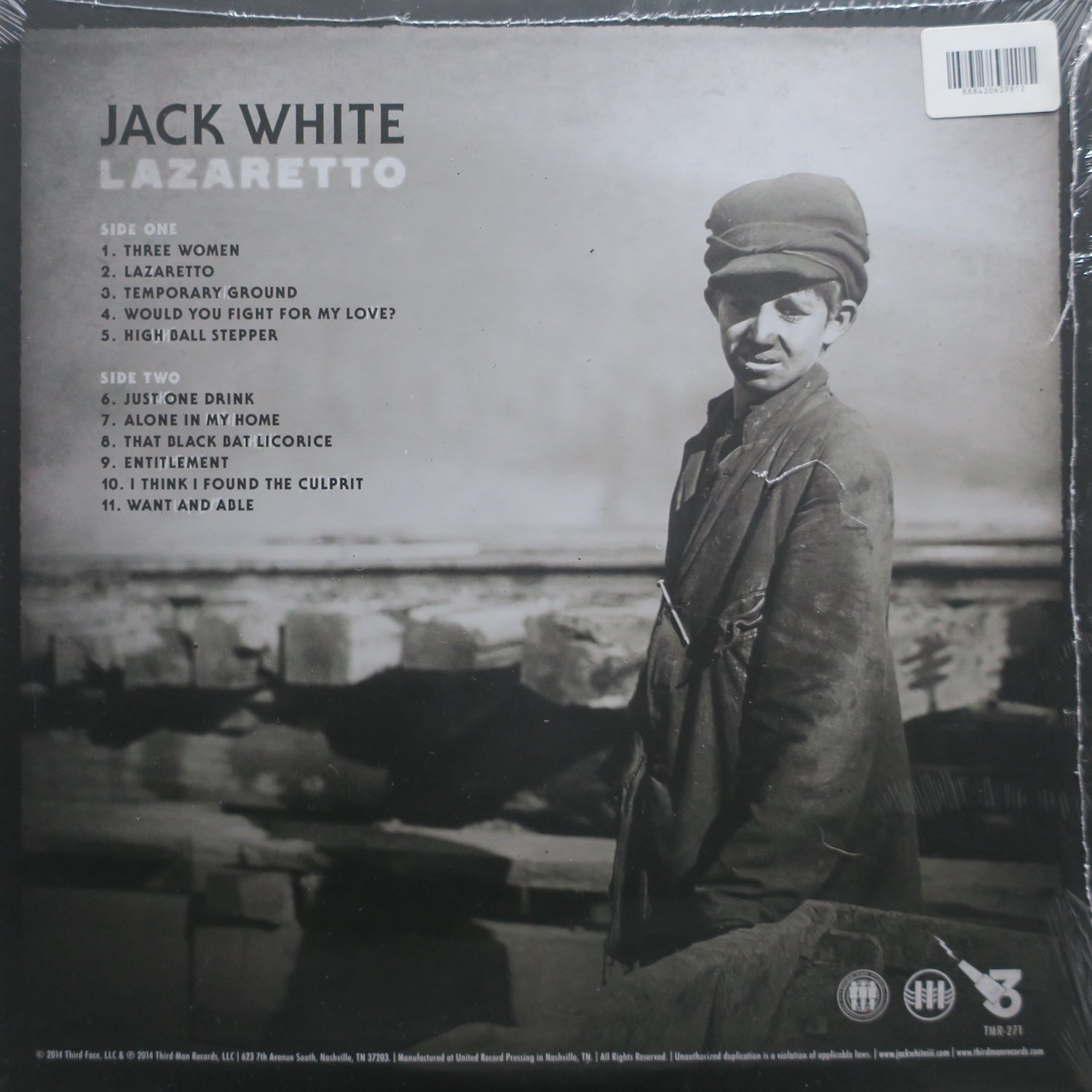
Jack White
What makes Jack White interesting isn't just the guitar tone or the white suit—it's the way he treated the past as raw material. Early success with The White Stripes transformed delta and electric blues into spare, urgent songs that sounded both ancient and immediate, and that approach carried into his solo records where vintage recording techniques meet modern restlessness.
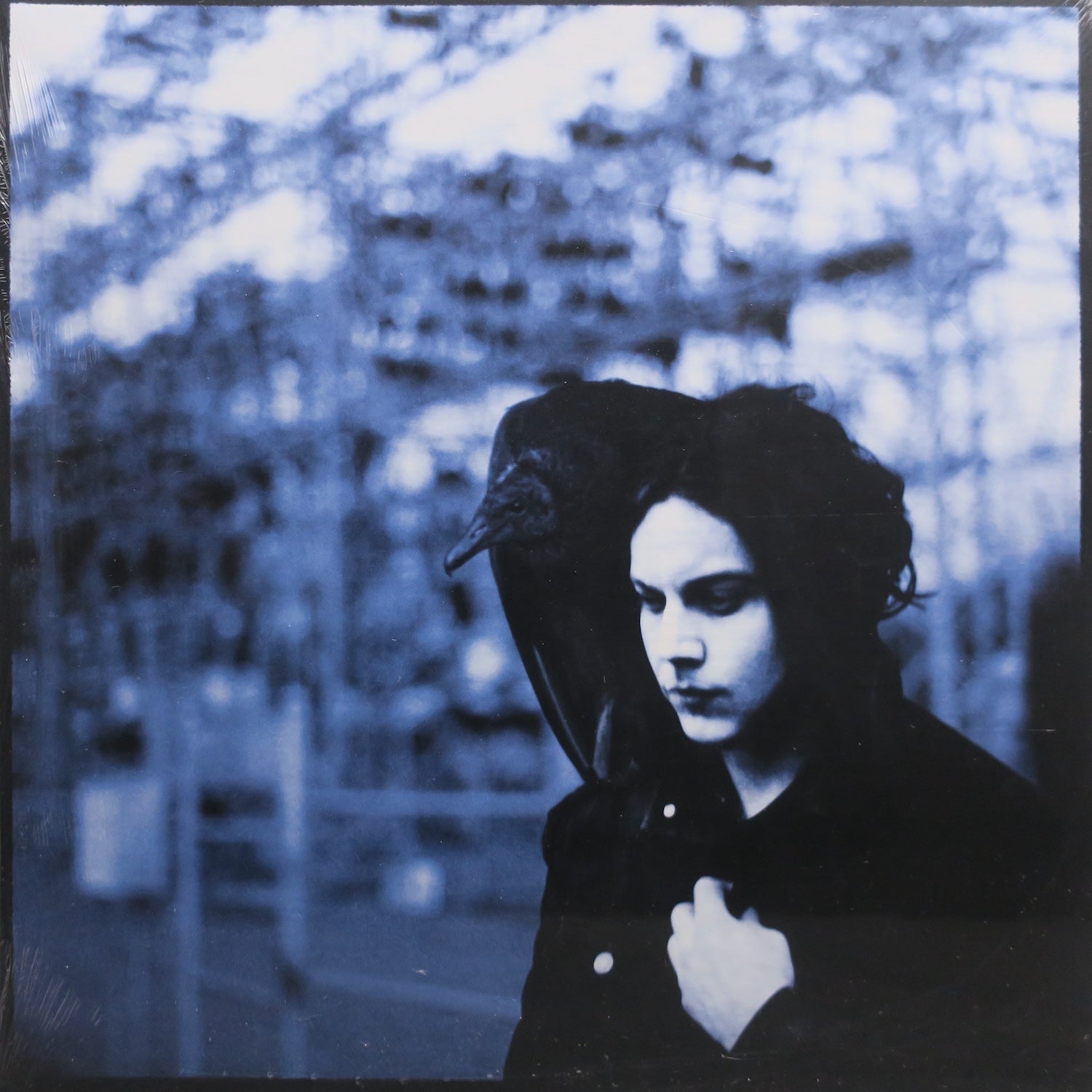
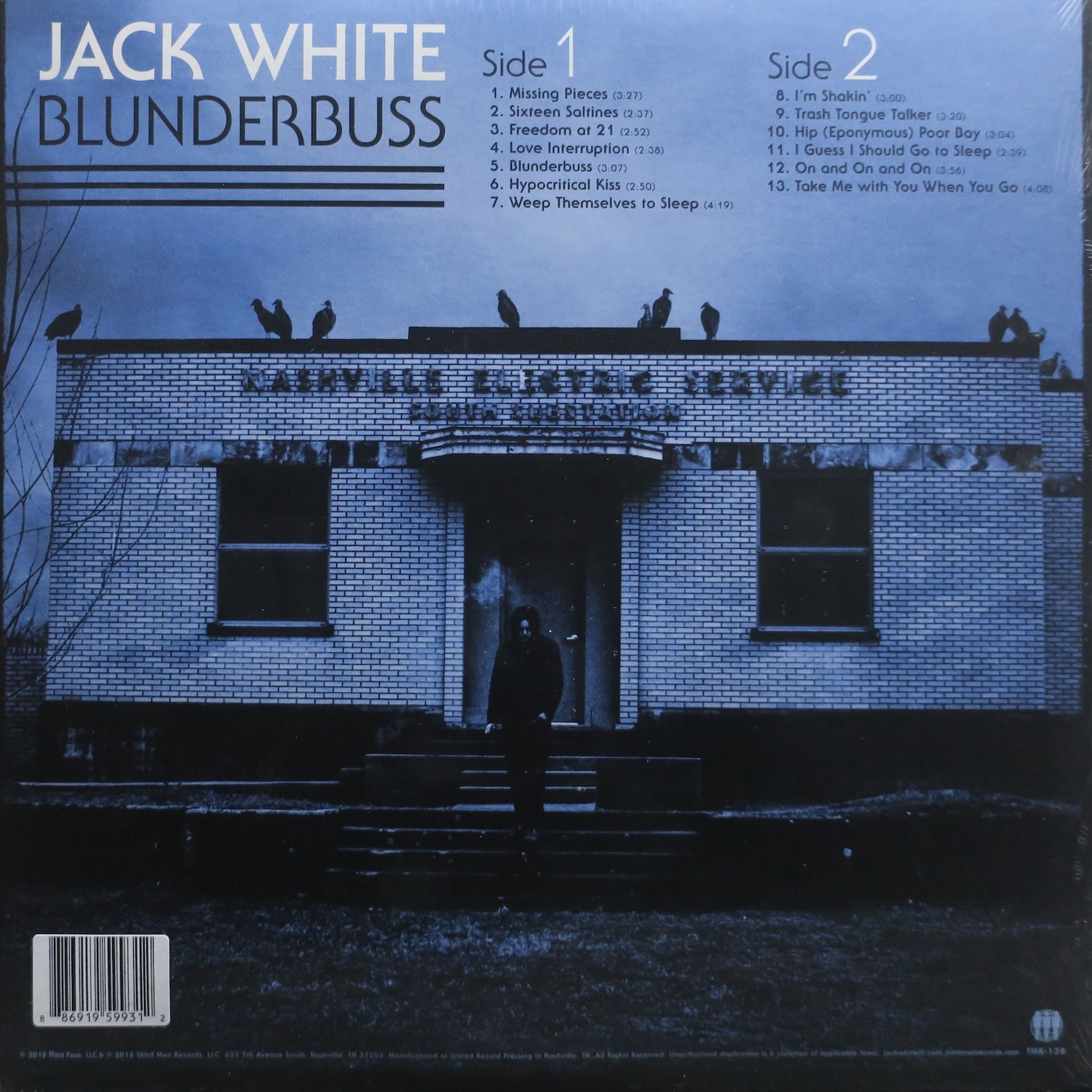
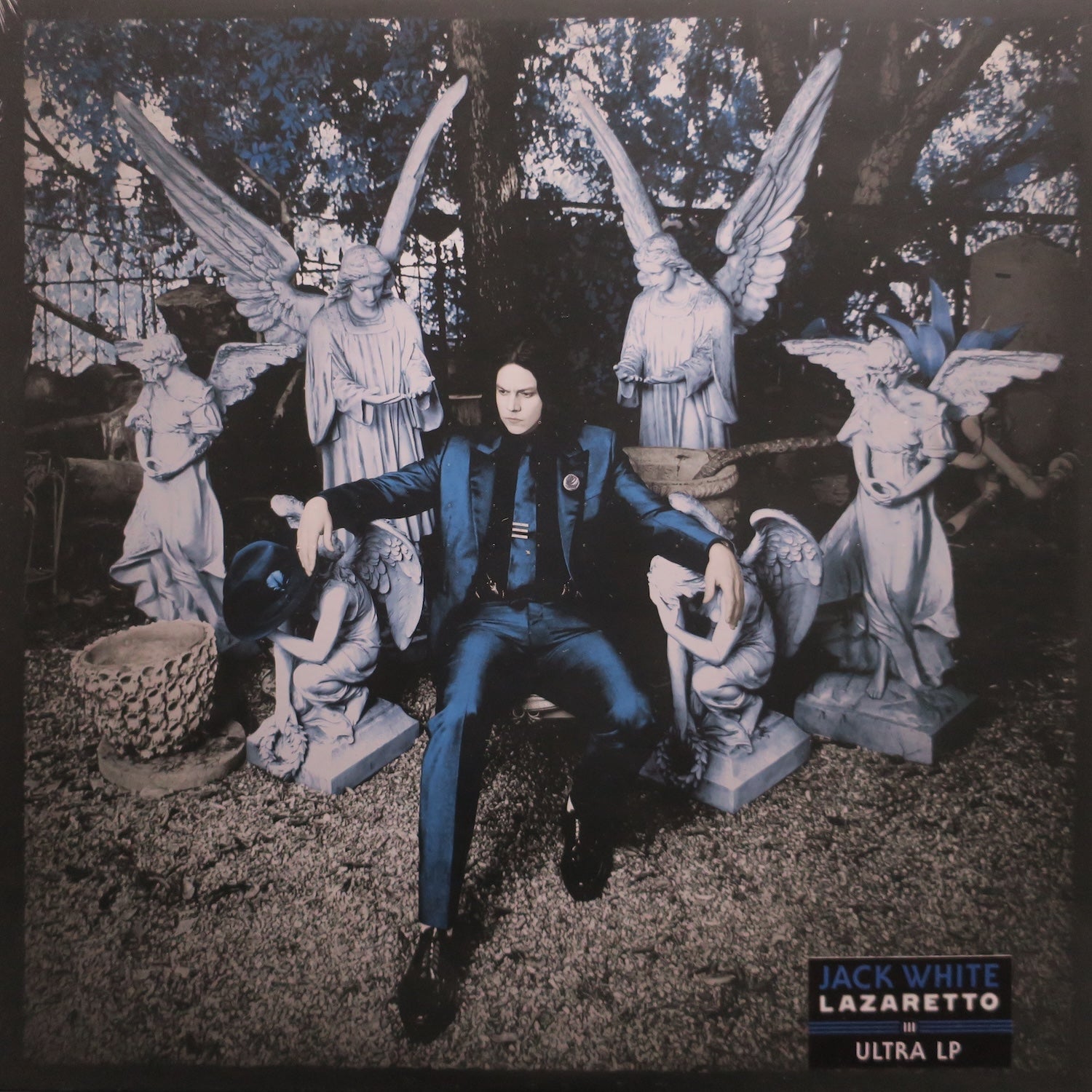
Solo albums like Blunderbuss and Lazaretto show a willingness to expand beyond two-chord garage rock into widescreen arrangements, odd meters and studio tricks without losing the bite of a rough-hewn riff. That tension—between analog warmth and deliberate eccentricity—explains why White's records reward repeated spins: there are immediate hooks but also idiosyncratic production choices and touches of country, punk and R&B hiding under the surface.
Side projects matter here. The Raconteurs allowed a more collaborative, classic-rock songwriting approach alongside Brendan Benson, while Dead Weather let Jack play noisy, textural drums and confront darker, more aggressive sounds with Alison Mosshart. Those bands show different facets of the same restless creativity: one part songwriter, one part collector of old sounds, one part provocateur in the studio.
Production and partnerships have broadened his reach too. Producing Loretta Lynn's Van Lear Rose is a clear example: White helped an elder country legend make a record that sounded contemporary without erasing her voice. His Third Man Records label and his preference for analog tracking reflect a wider commitment to the tactile aspects of recording and vinyl culture.
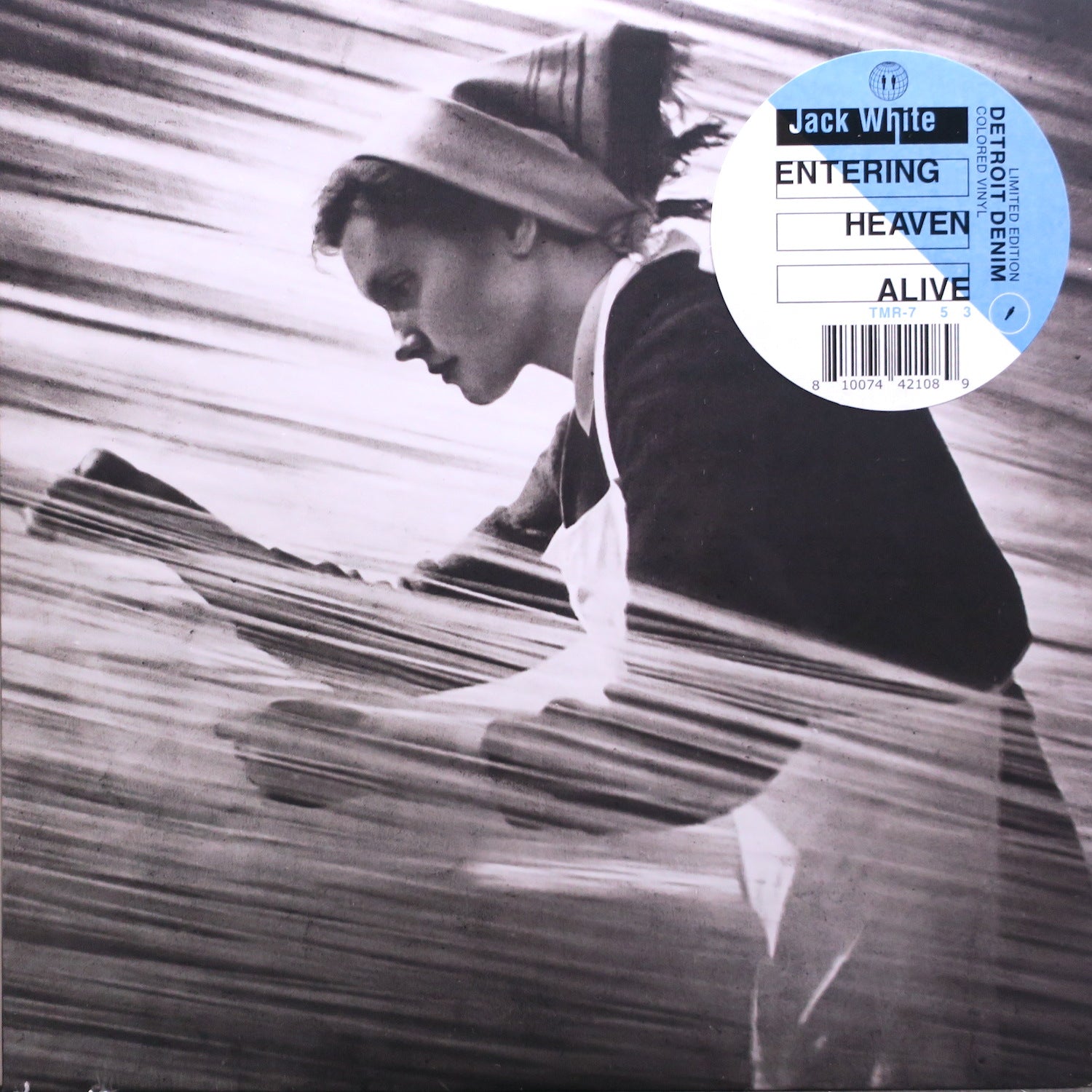
For new listeners, start with Blunderbuss to hear his arrival as a solo artist, Lazaretto for bravado and studio invention, then explore The White Stripes' Elephant to understand the raw duo format that launched him. Listening across those records reveals why White keeps drawing interest: he continually reframes old American music through a modern, sometimes confrontational lens.