Skip to content
Facebook
Instagram
10% off orders over $150 . . . Flat rate shipping within Australia
Search
BUY STUFF
SELL YOUR RECORDS & CDs
VINYL FLATTENING
GIFT VOUCHER
CONTACT
Account
Search
Cart
BUY STUFF
SELL YOUR RECORDS & CDs
VINYL FLATTENING
GIFT VOUCHER
CONTACT
Queens Of The Stone Age
1996–present
US
Indie/Alt. Rock
,
Metal
If you like Queens Of The Stone Age you should check out:
Foo Fighters
,
Soundgarden
,
Alice In Chains
Filter
6 products
Sort by
Alphabetically, A-Z
Most relevant
Best selling
Alphabetically, A-Z
Alphabetically, Z-A
Date, old to new
Date, new to old
Filters
Sort by
Most relevant
Best selling
Alphabetically, A-Z
Alphabetically, Z-A
Date, old to new
Date, new to old
Apply
Quick buy
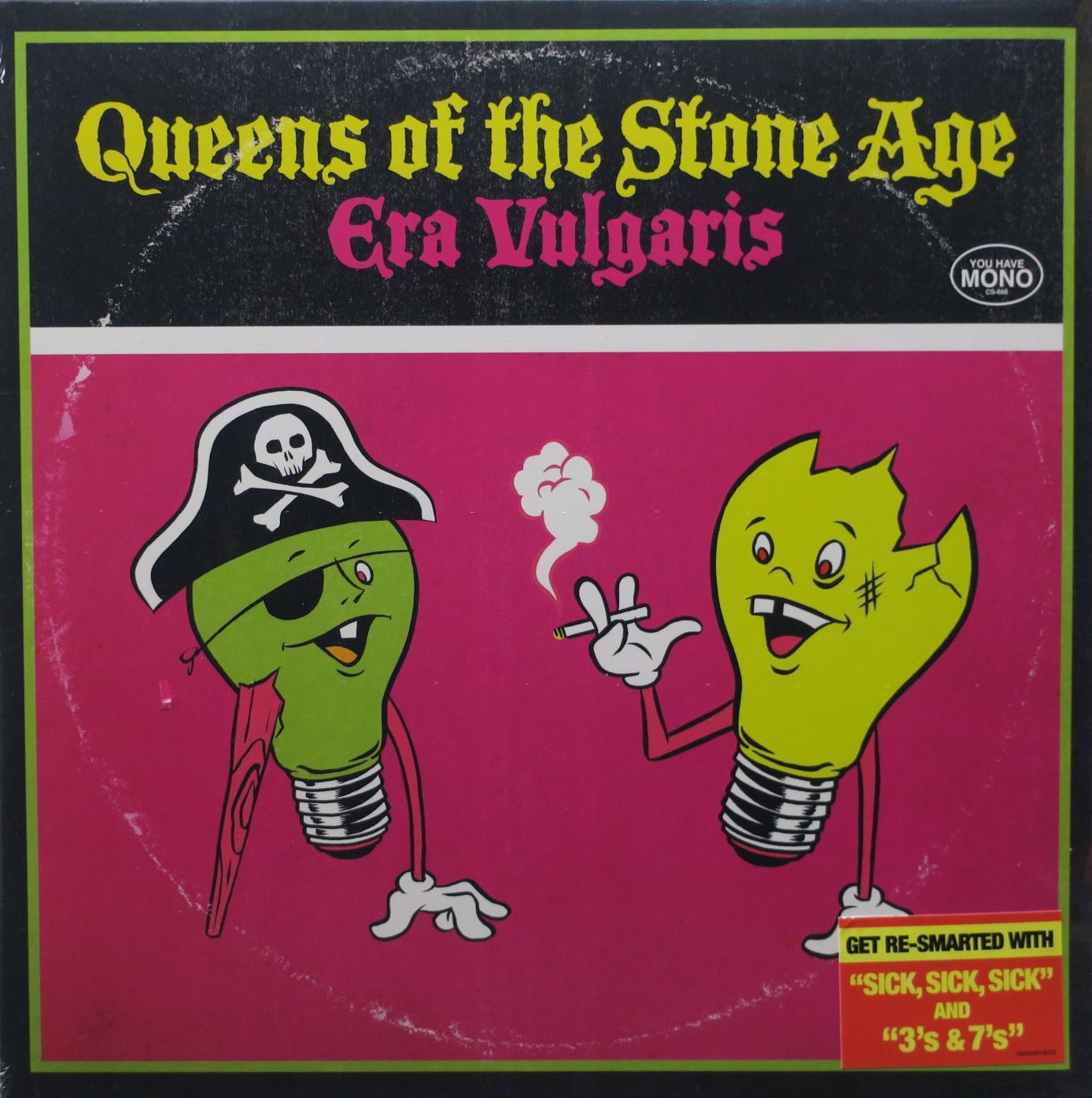
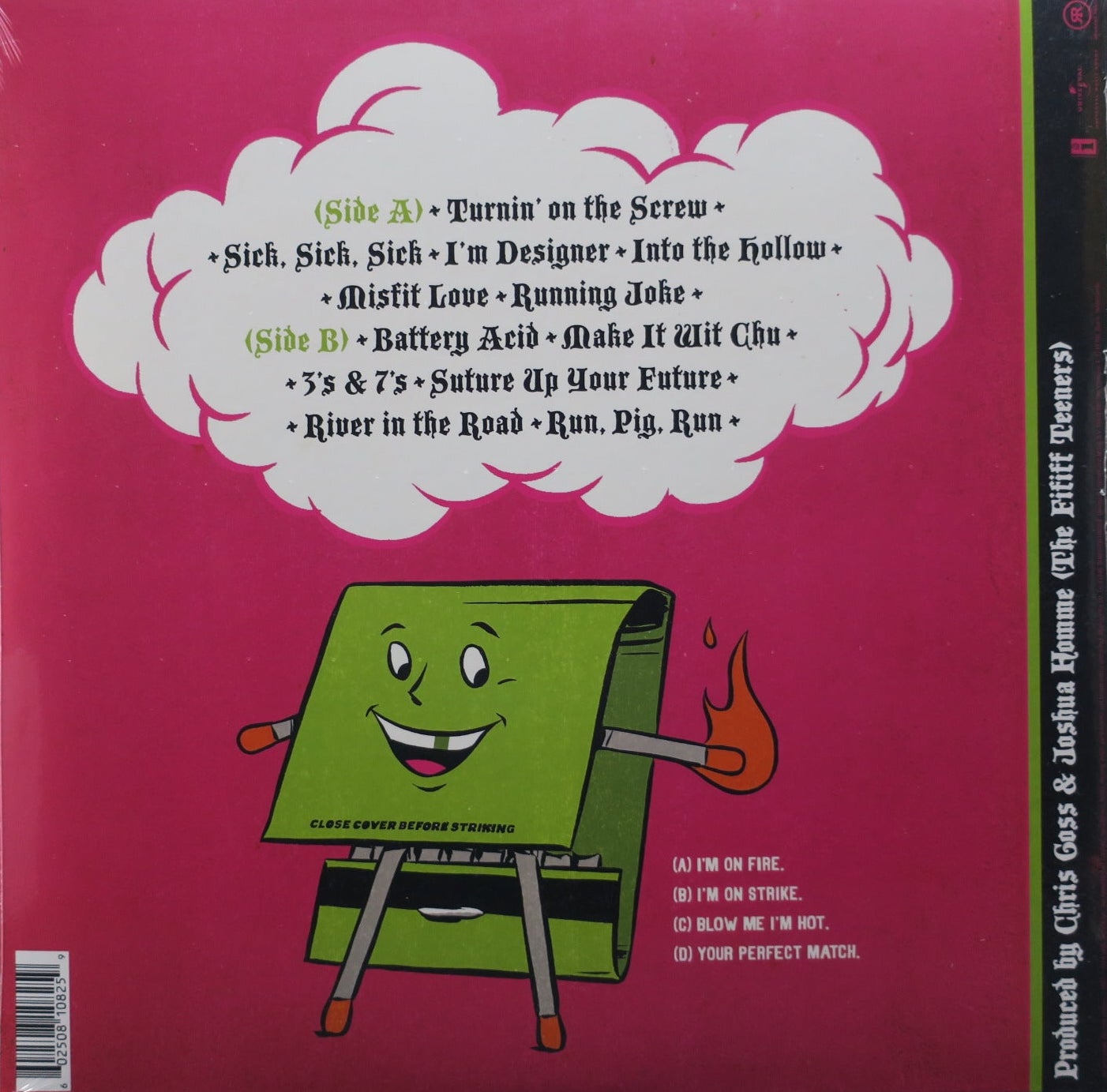
QUEENS OF THE STONE AGE 'Era Vulgaris' 180g Vinyl LP
$65.00
Quick buy
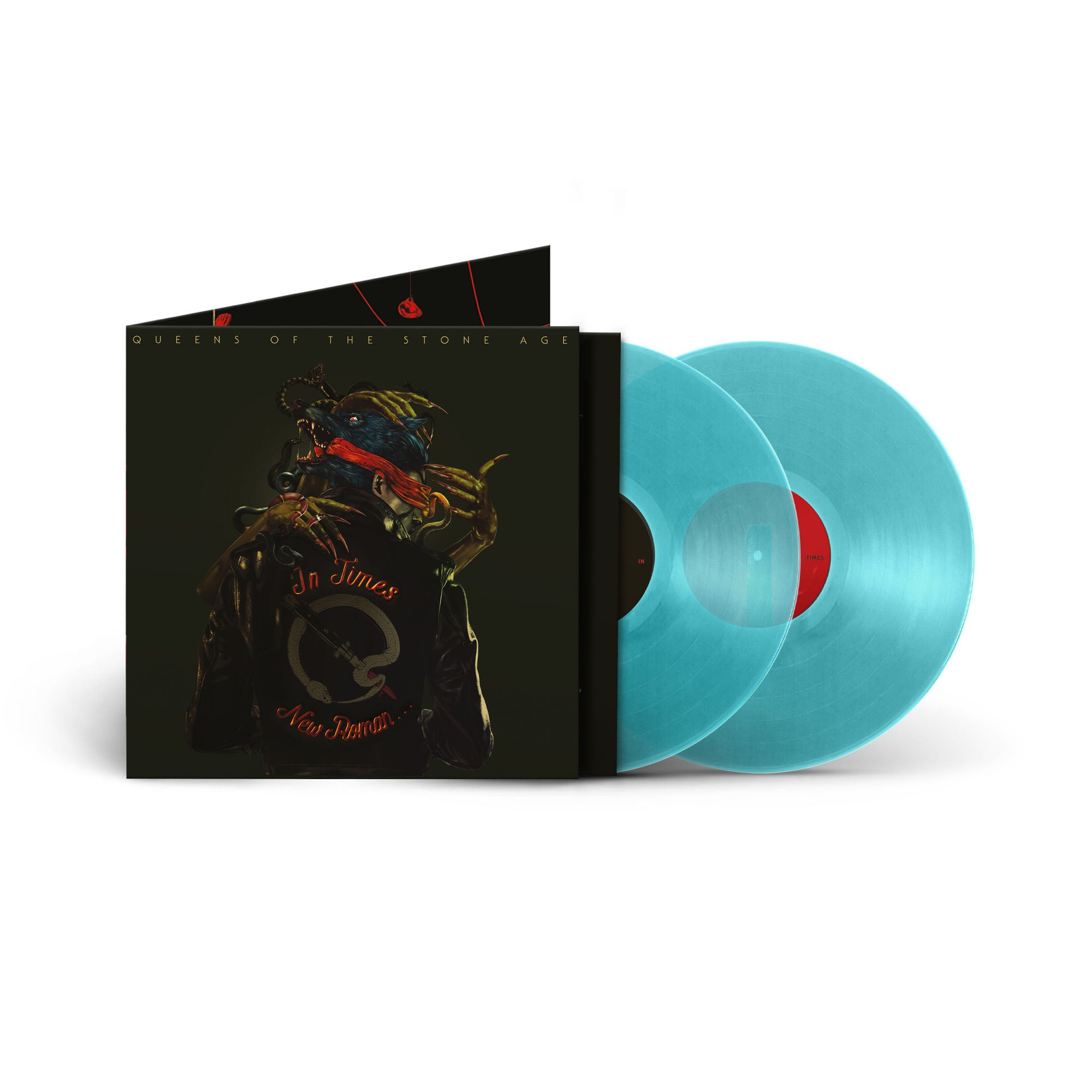
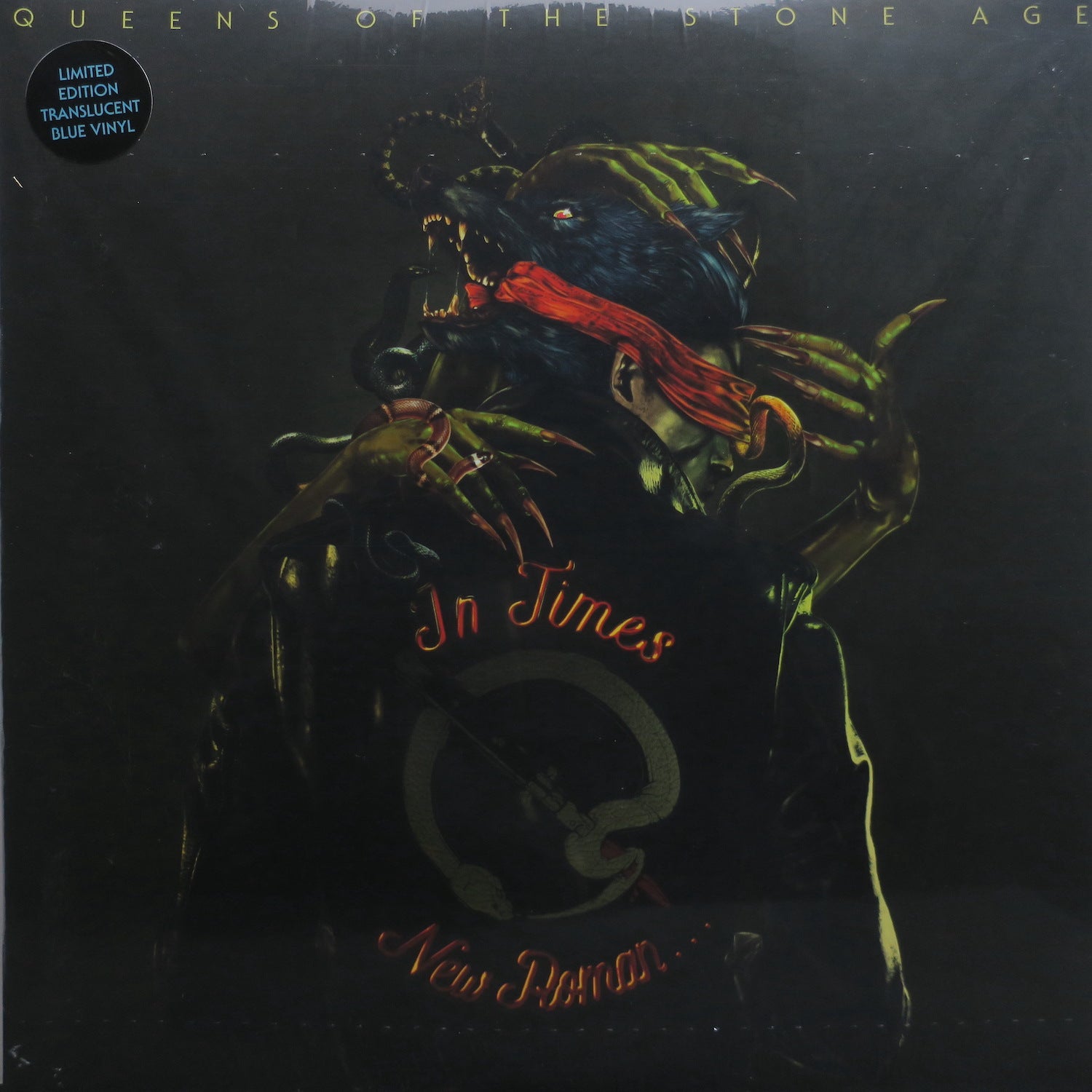
QUEENS OF THE STONE AGE 'In Times New Roman...' BLUE Vinyl 2LP
$70.00
Quick buy
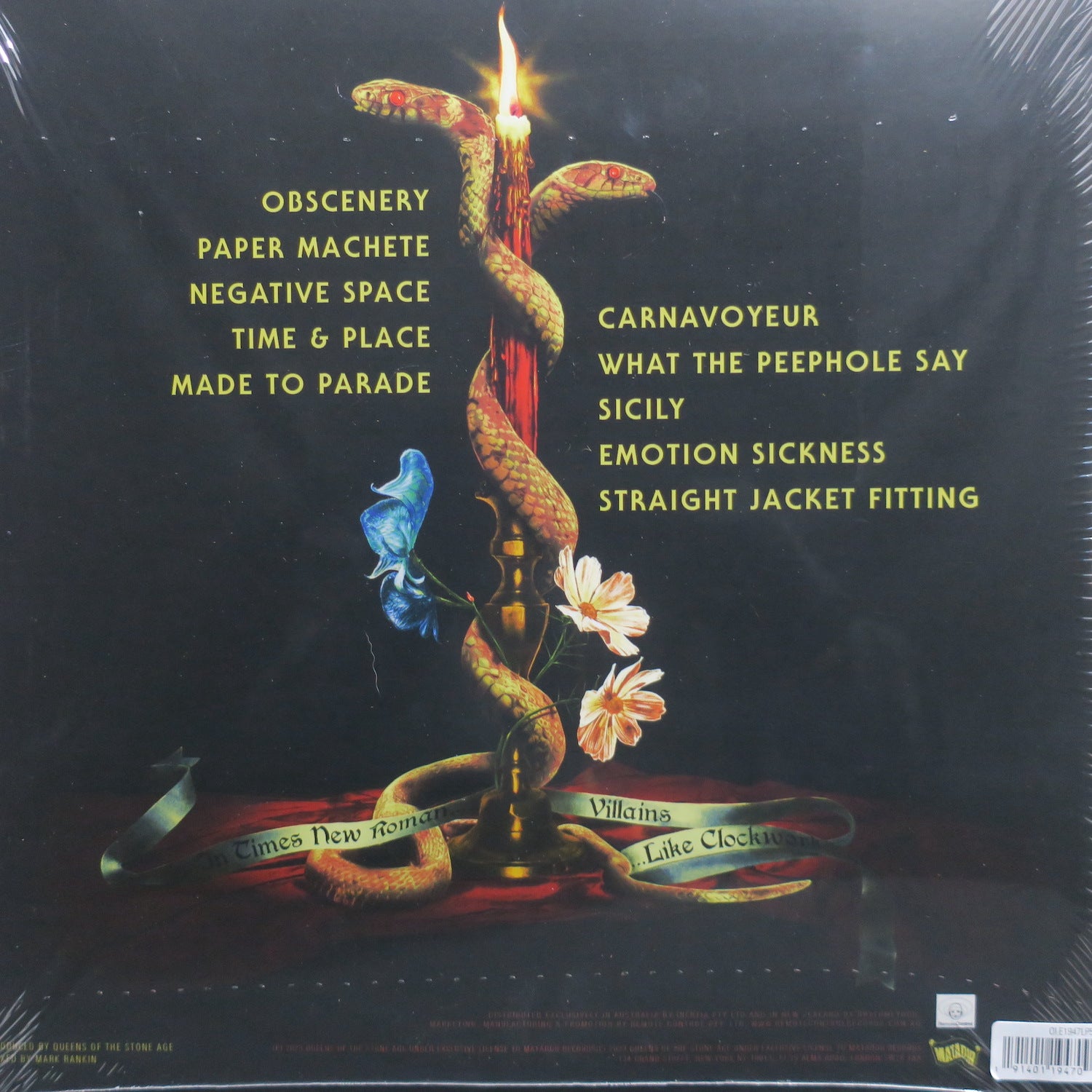
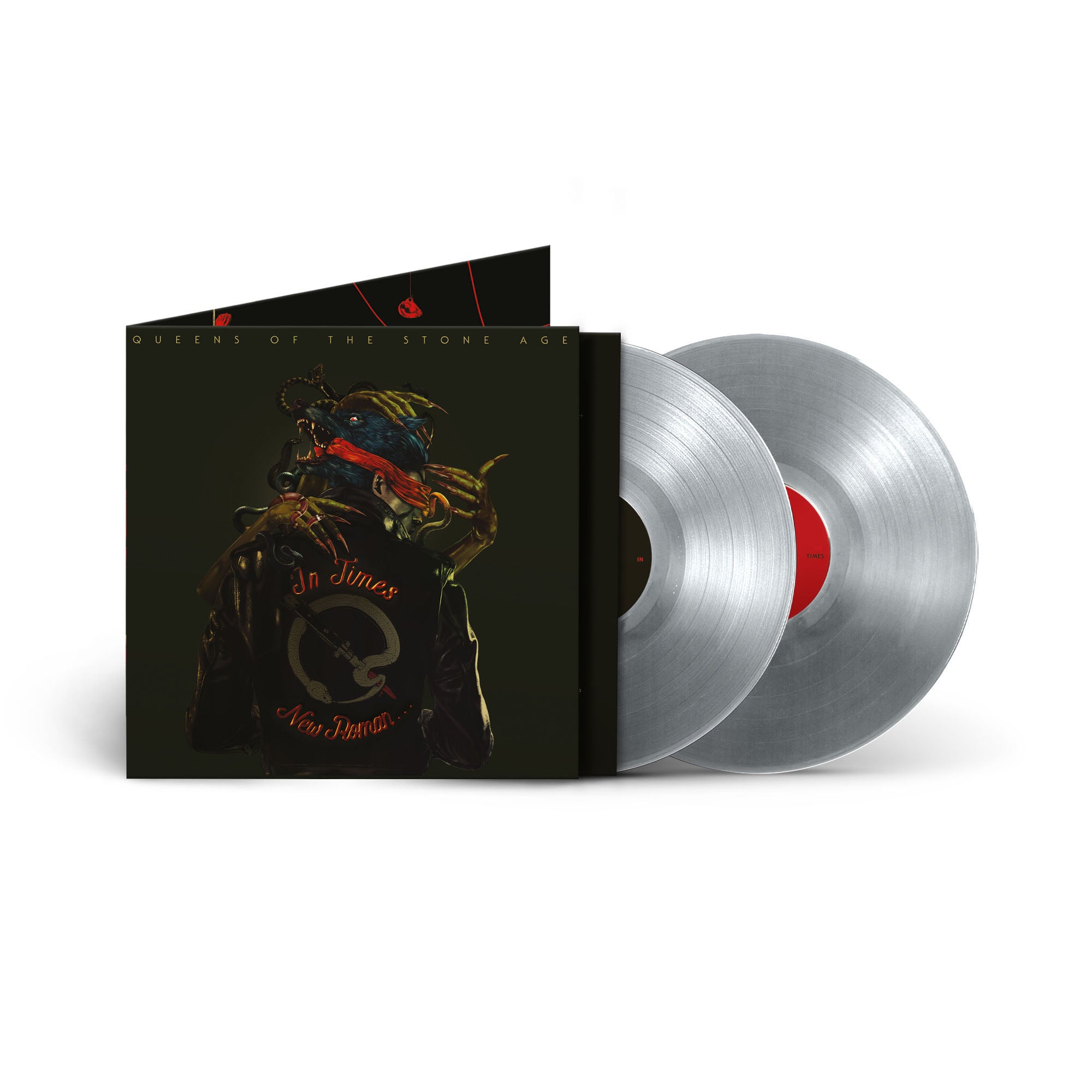
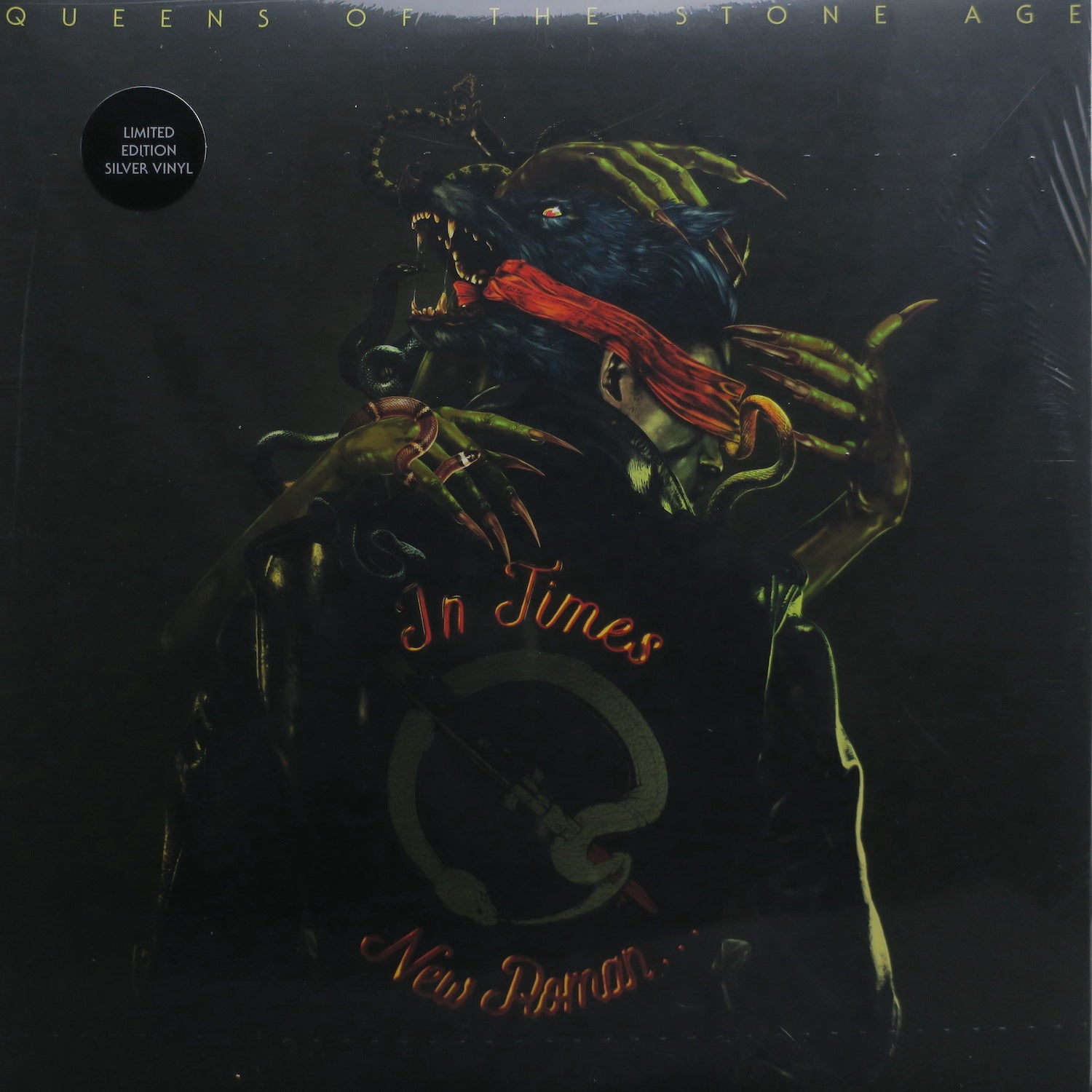
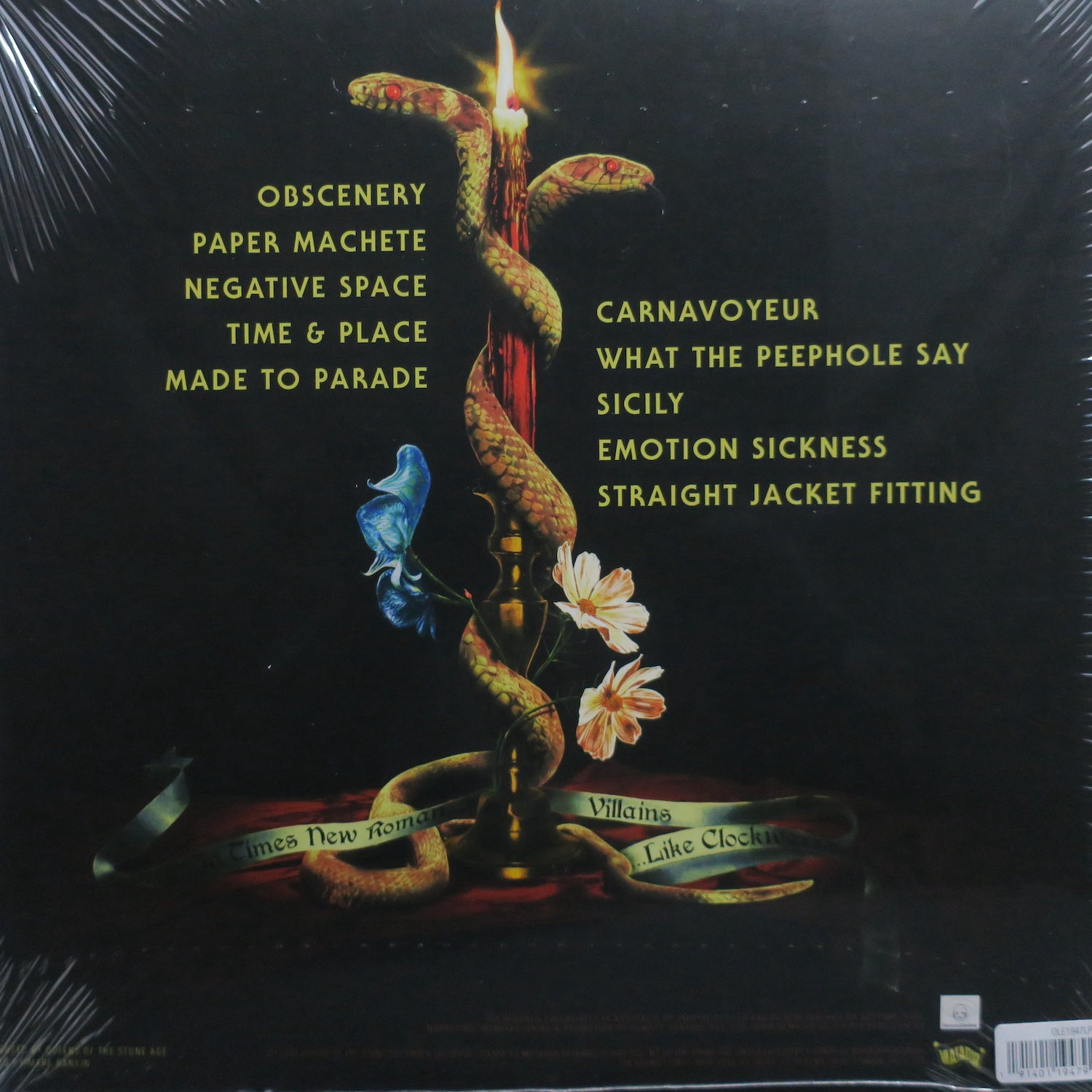
QUEENS OF THE STONE AGE 'In Times New Roman...' SILVER Vinyl 2LP
$60.00
$67.50
Sale
Quick buy
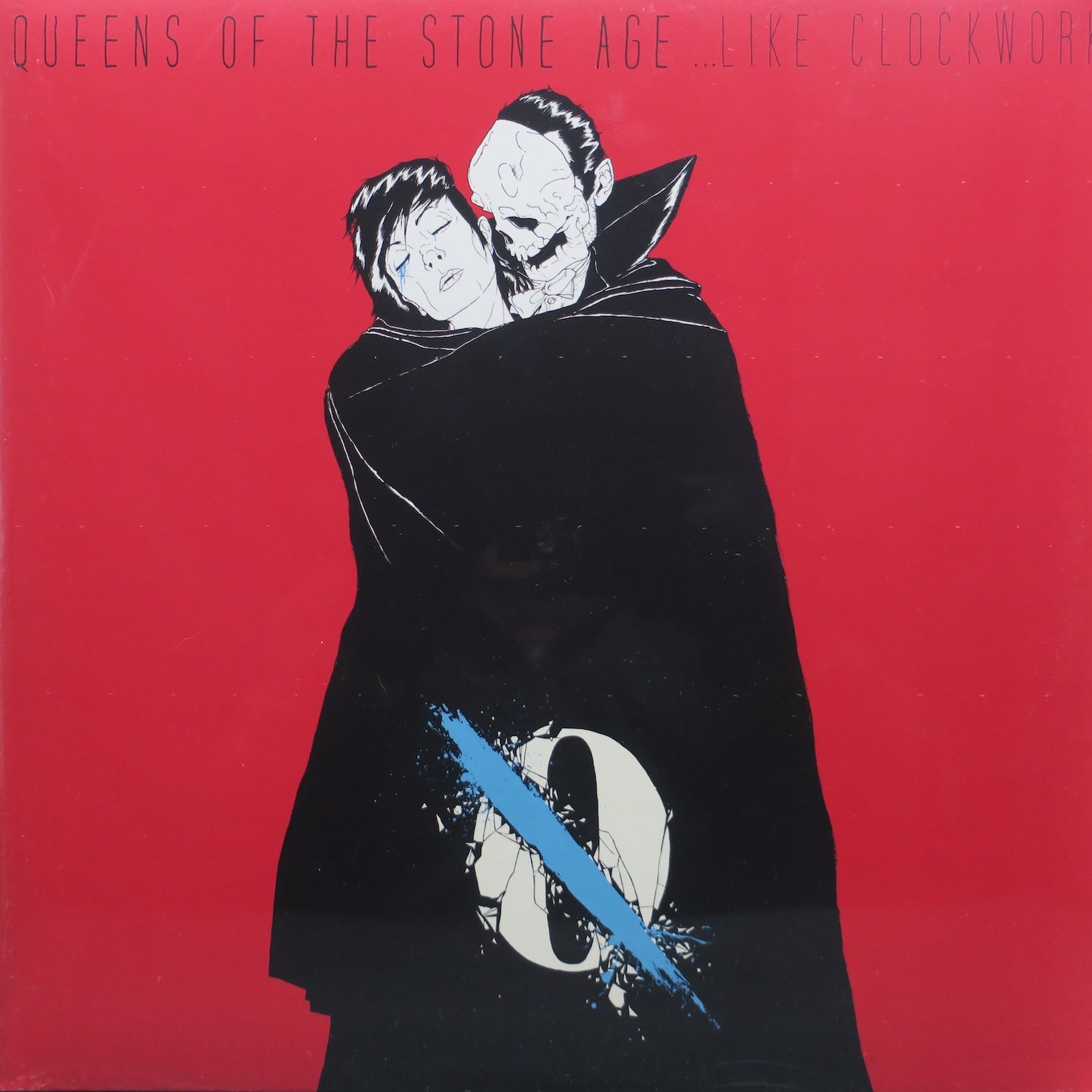
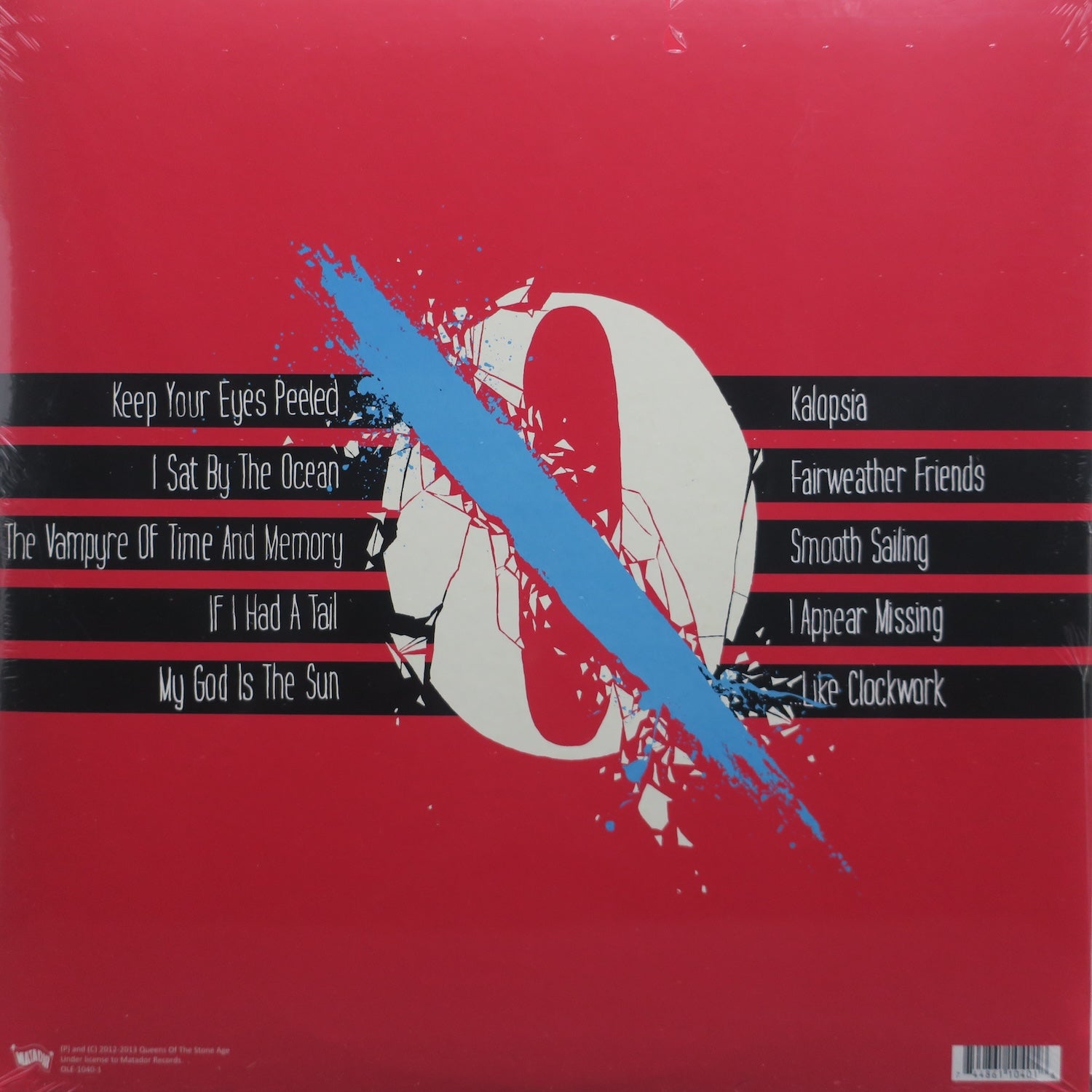
QUEENS OF THE STONE AGE 'Like Clockwork' Vinyl LP
$60.00
Quick buy
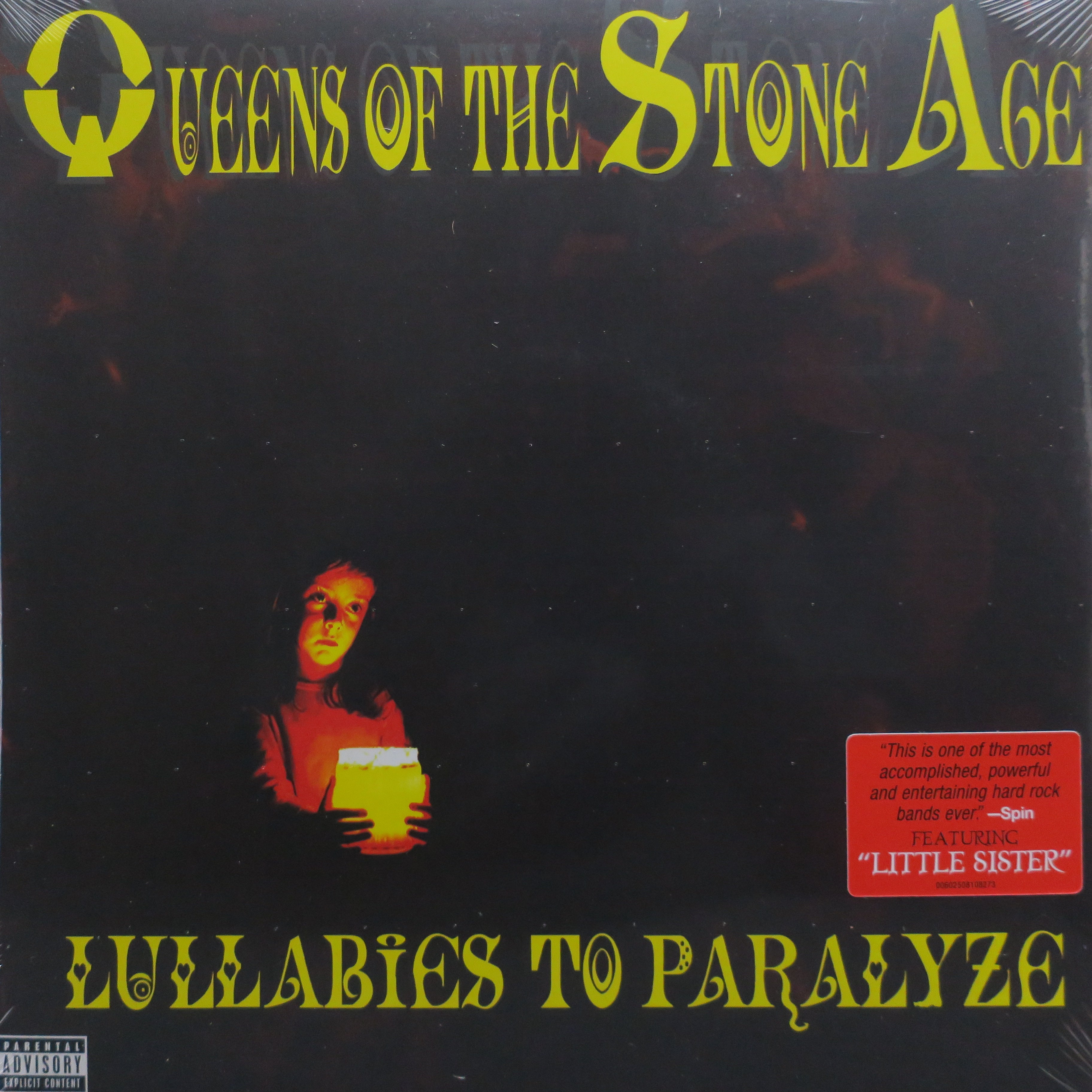
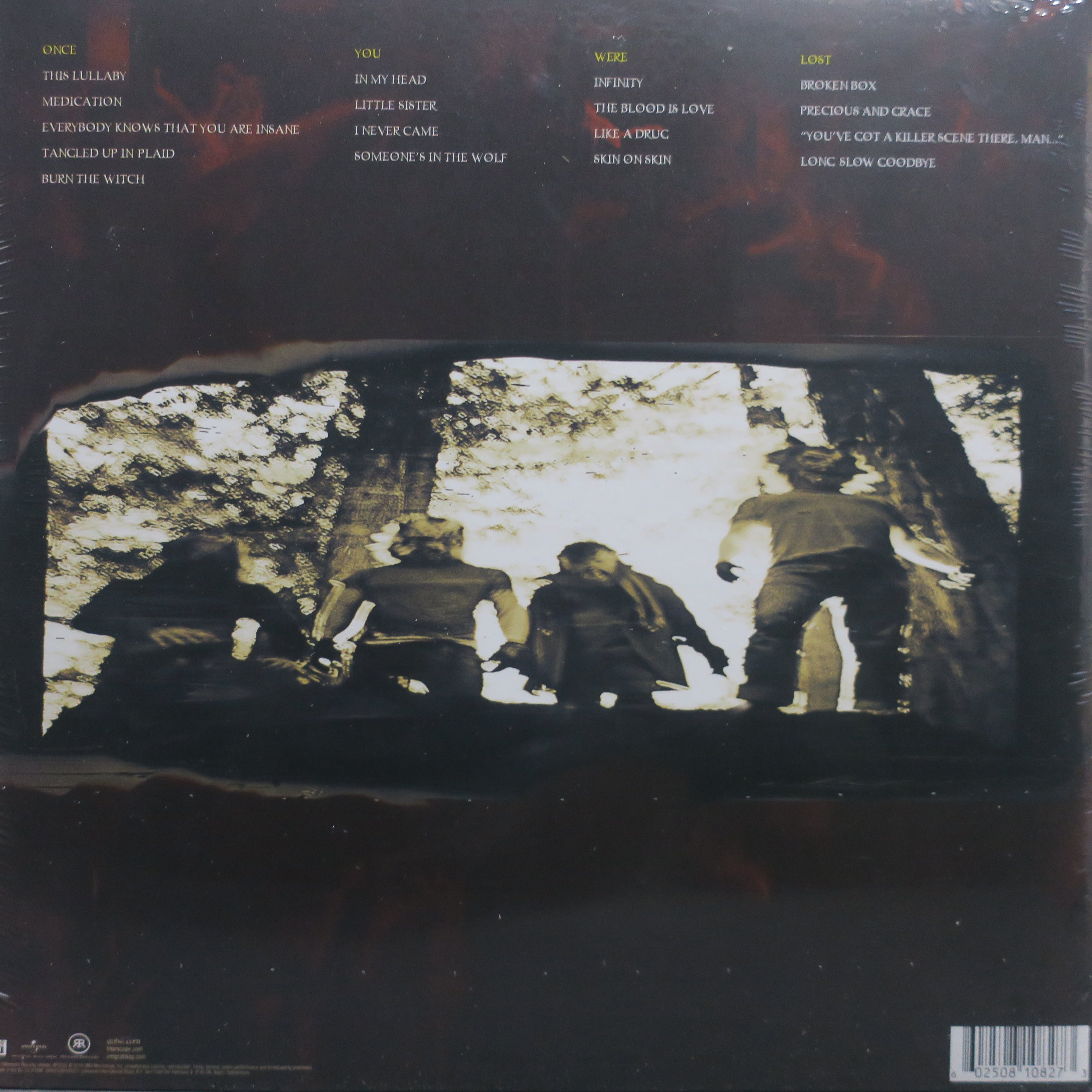
QUEENS OF THE STONE AGE 'Lullabies to Paralyze' Vinyl 2LP
$70.00
Quick buy
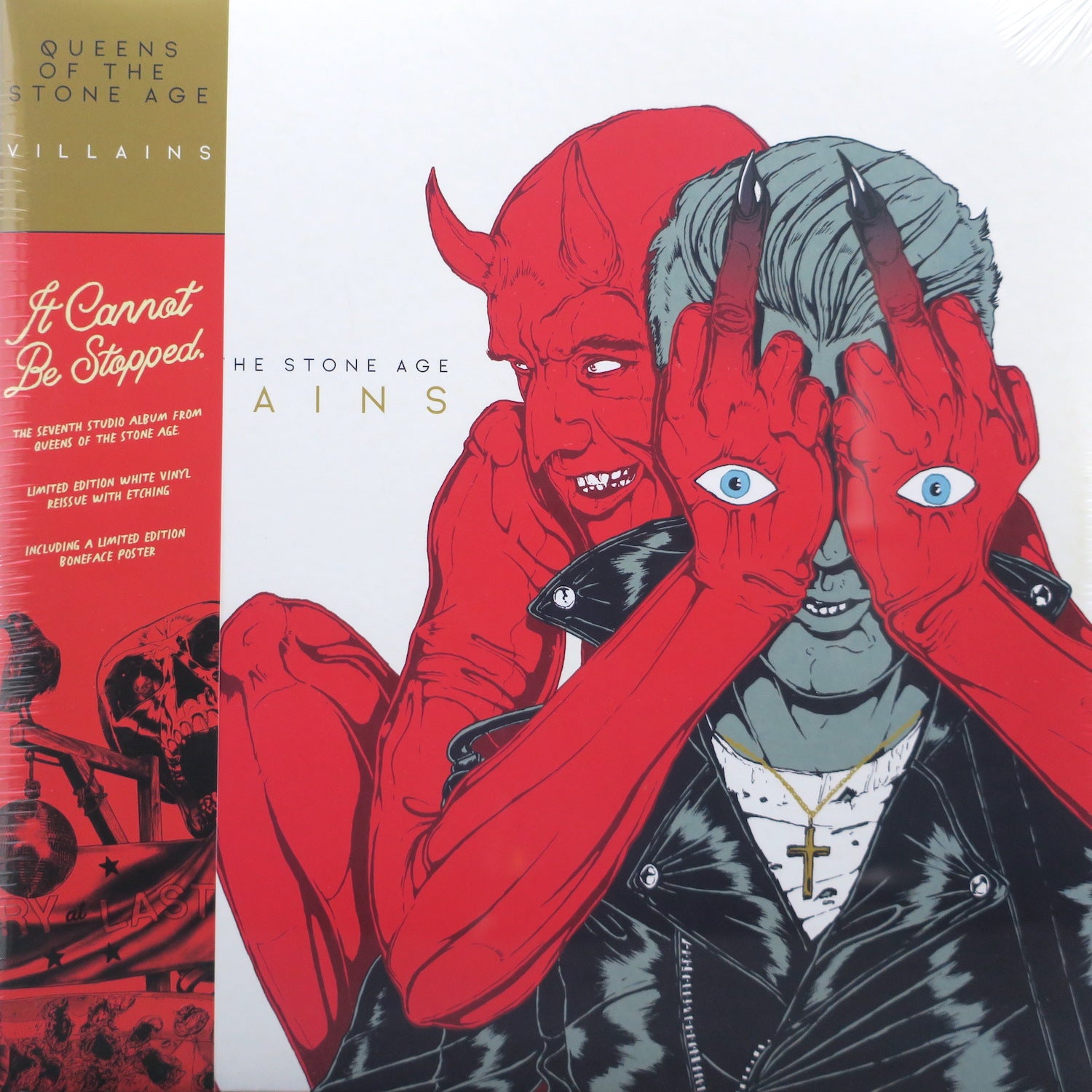
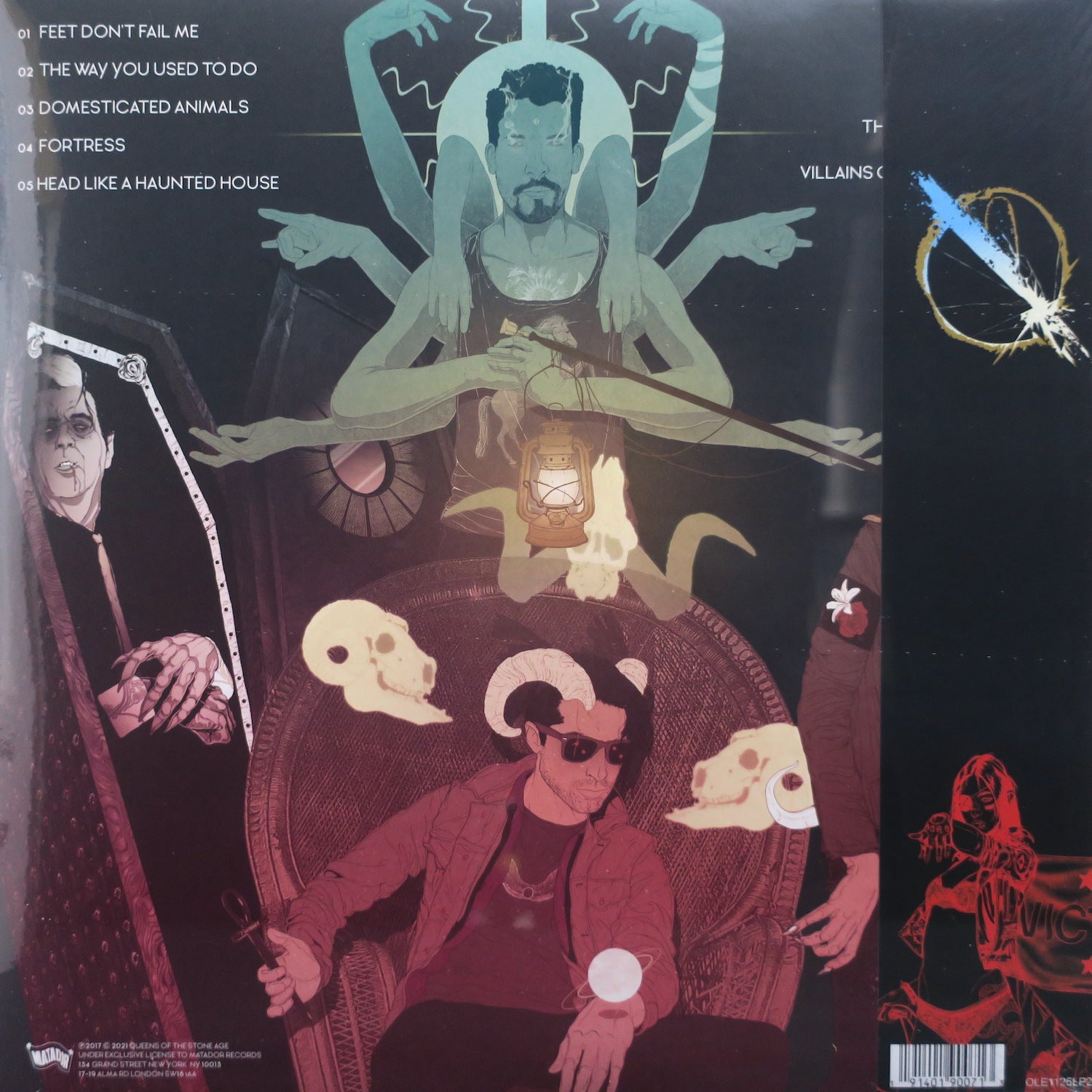
QUEENS OF THE STONE AGE 'Villains' WHITE Vinyl 2LP
$60.00
Your cart
Close
Get 10% off all orders over $150
Close
Your cart is empty
Start shopping
Added to your
Cart