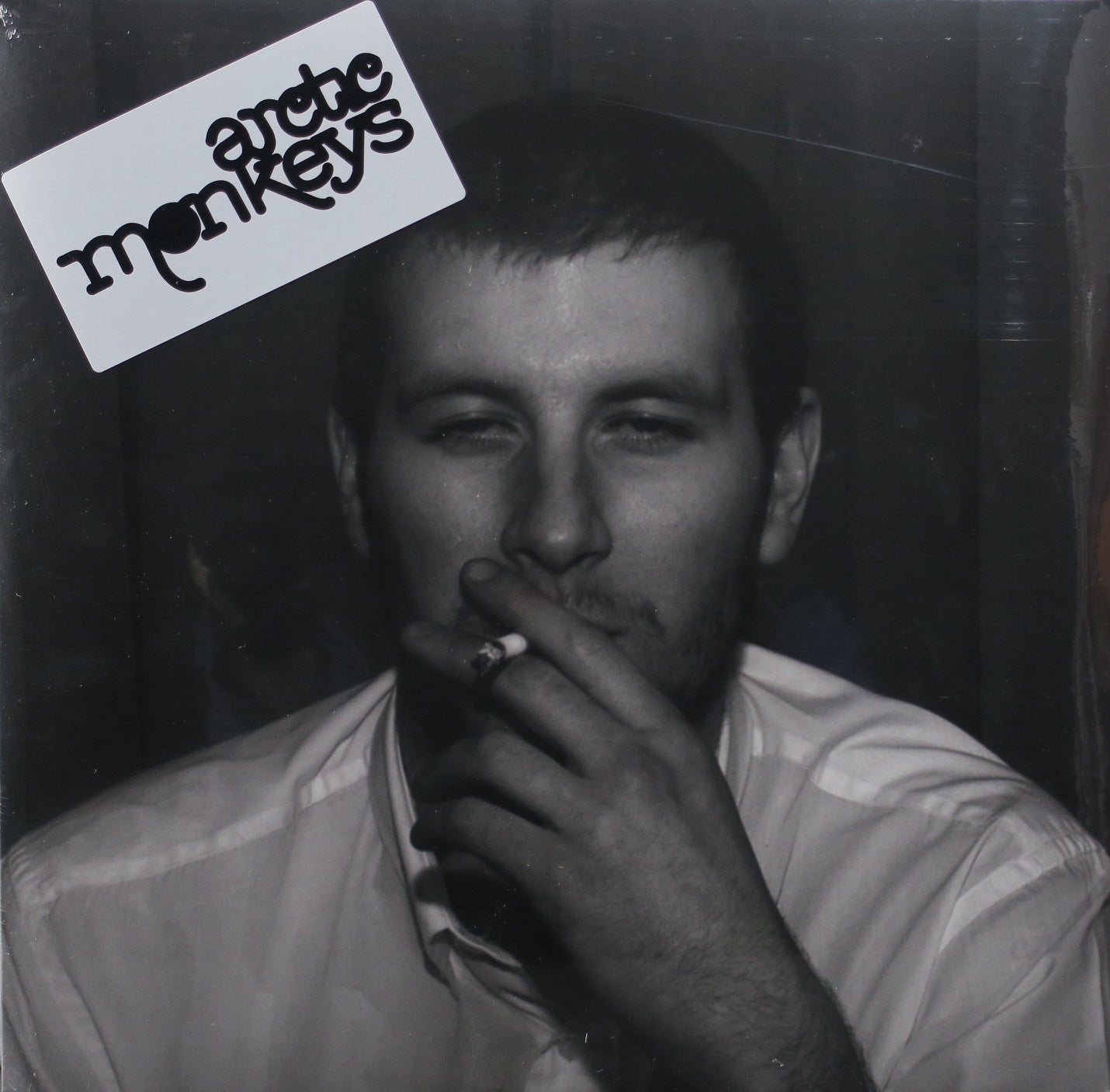
Arctic Monkeys
Few bands have used conversational lyrics as a sonic prop quite like Arctic Monkeys — their songs read like overheard monologues set to urgent guitar hooks. That mix of clubroom observation and propulsive rhythm made their early records feel immediate: not just music, but a map of late-night city life.
The debut, Whatever People Say I Am, That's What I'm Not, captured that energy with razor-sharp storytelling and a rush of jangly guitar. Alex Turner’s knack for detail — a voice that could be sly one minute and wounded the next — mattered because it turned everyday scenes into memorable, personal vignettes. Matt Helders’ drums kept the songs tight and forward-moving while Jamie Cook’s riffing supplied the melodic cheek that pushed the tracks along.
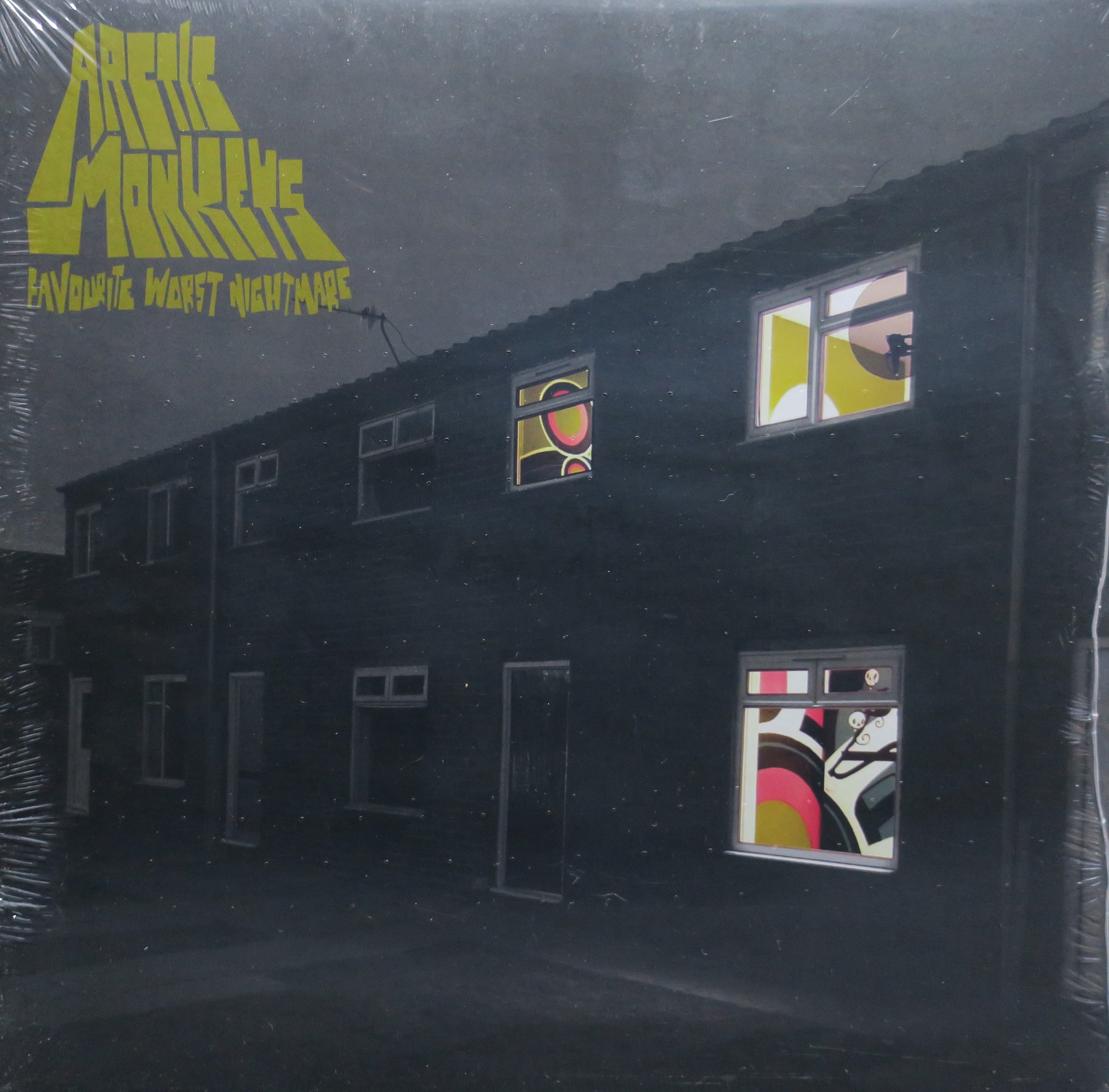
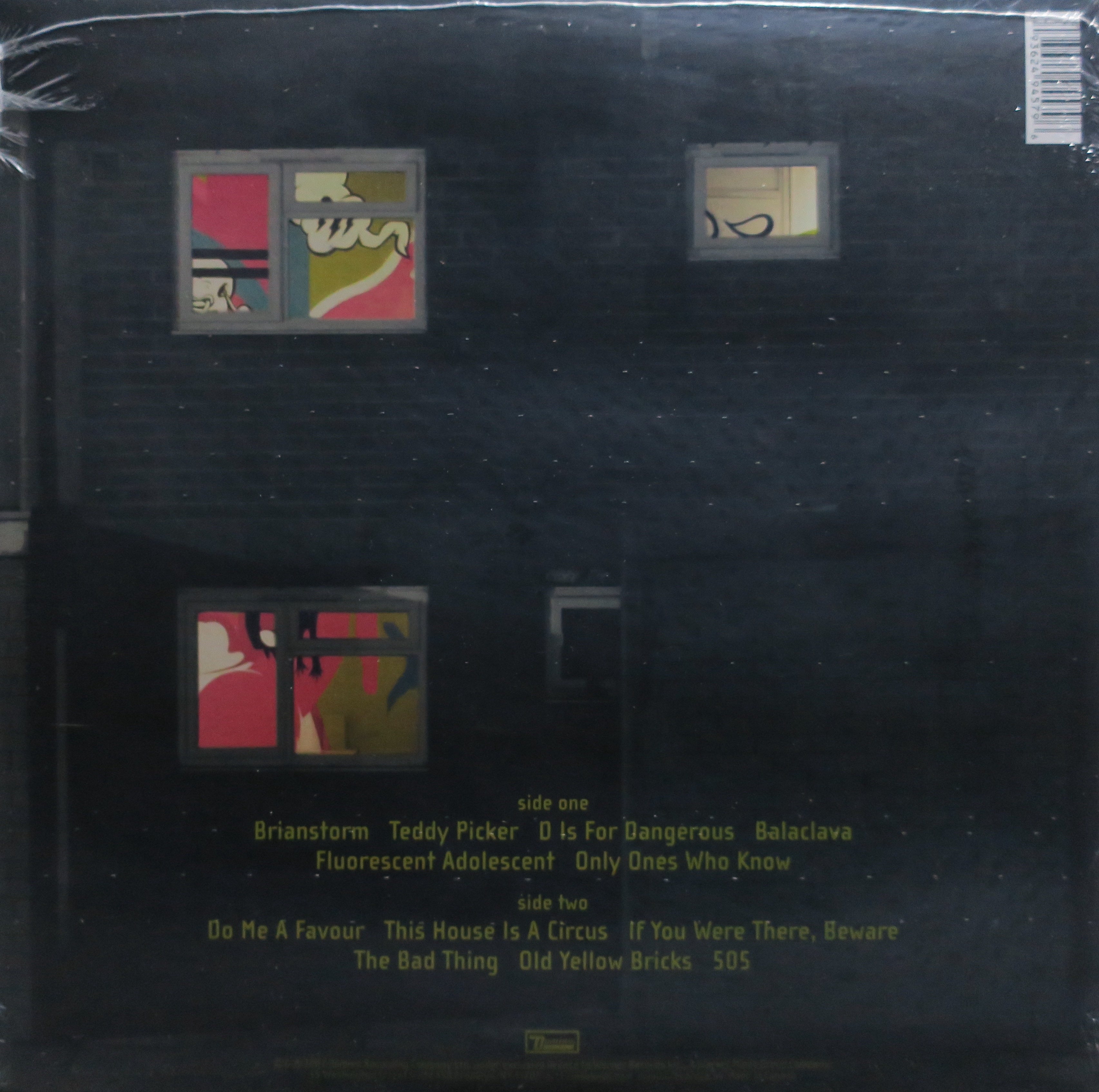
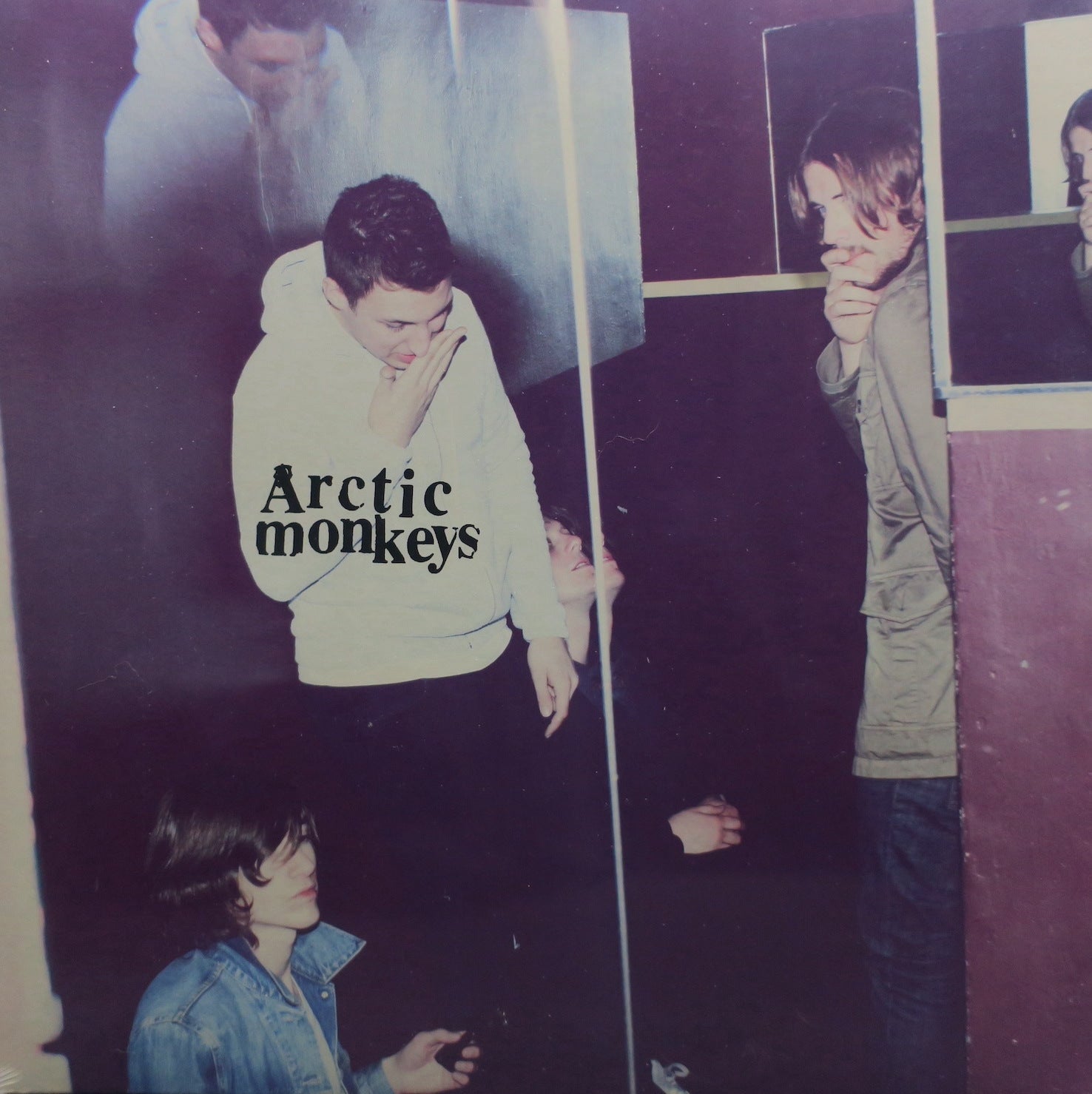
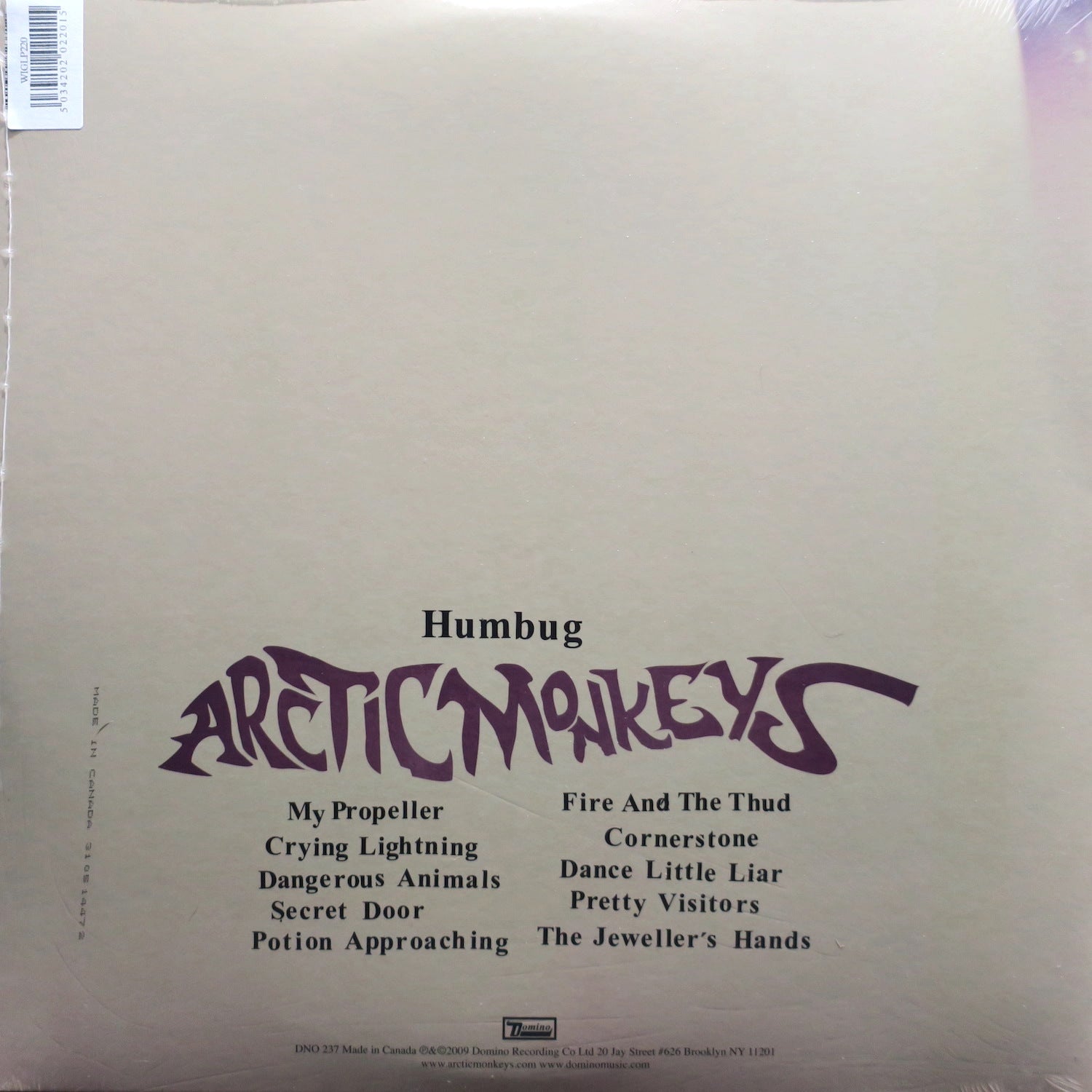
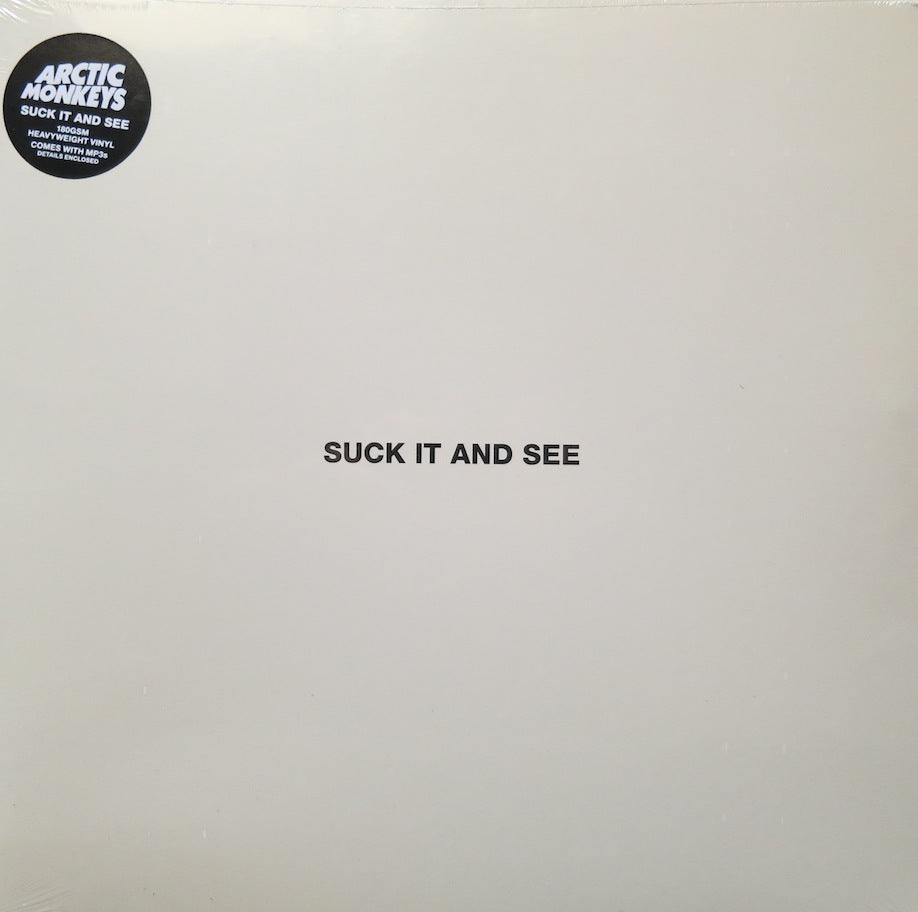
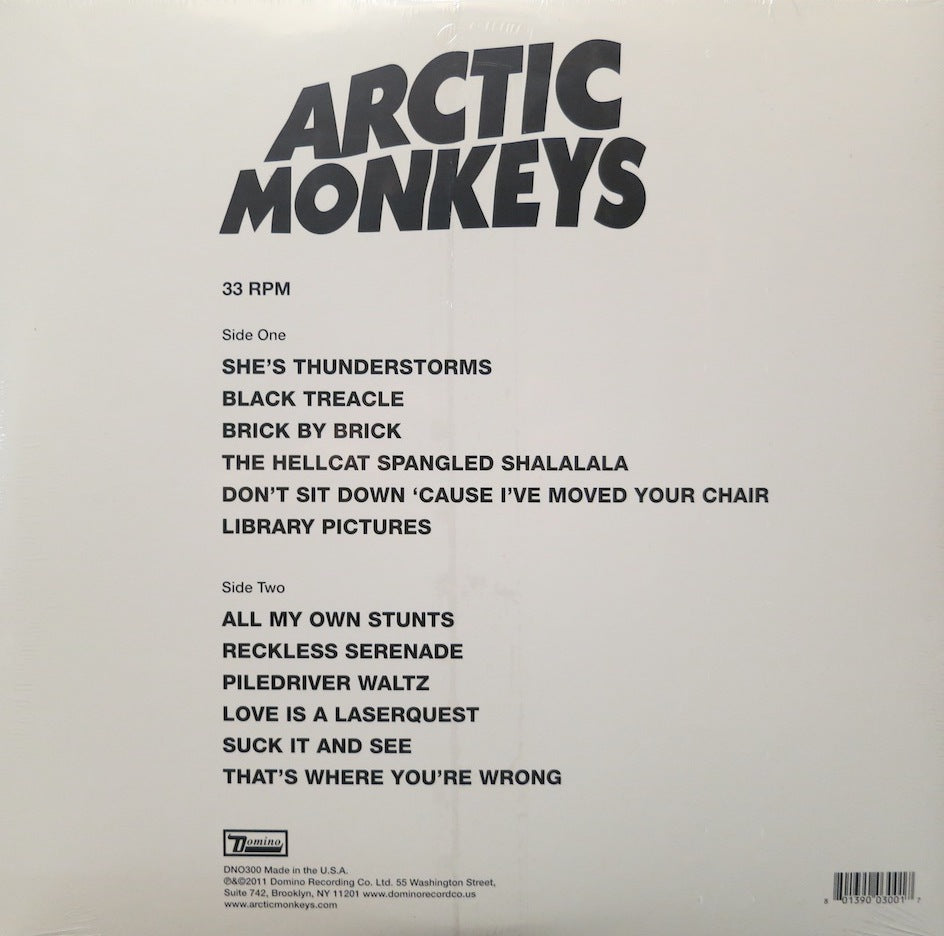
Personnel changes and stylistic boldness followed. Nick O’Malley’s arrival on bass stabilized the lineup and helped the band broaden its palette across Favourite Worst Nightmare and Humbug. The latter album leaned darker and heavier after sessions with Josh Homme, who nudged the group toward weightier tone and mood. That willingness to reshape the band’s sound carried through Suck It and See’s lighter pop touch and, later, AM’s groove-driven approach that folded in R&B and hip-hop-adjacent beats.
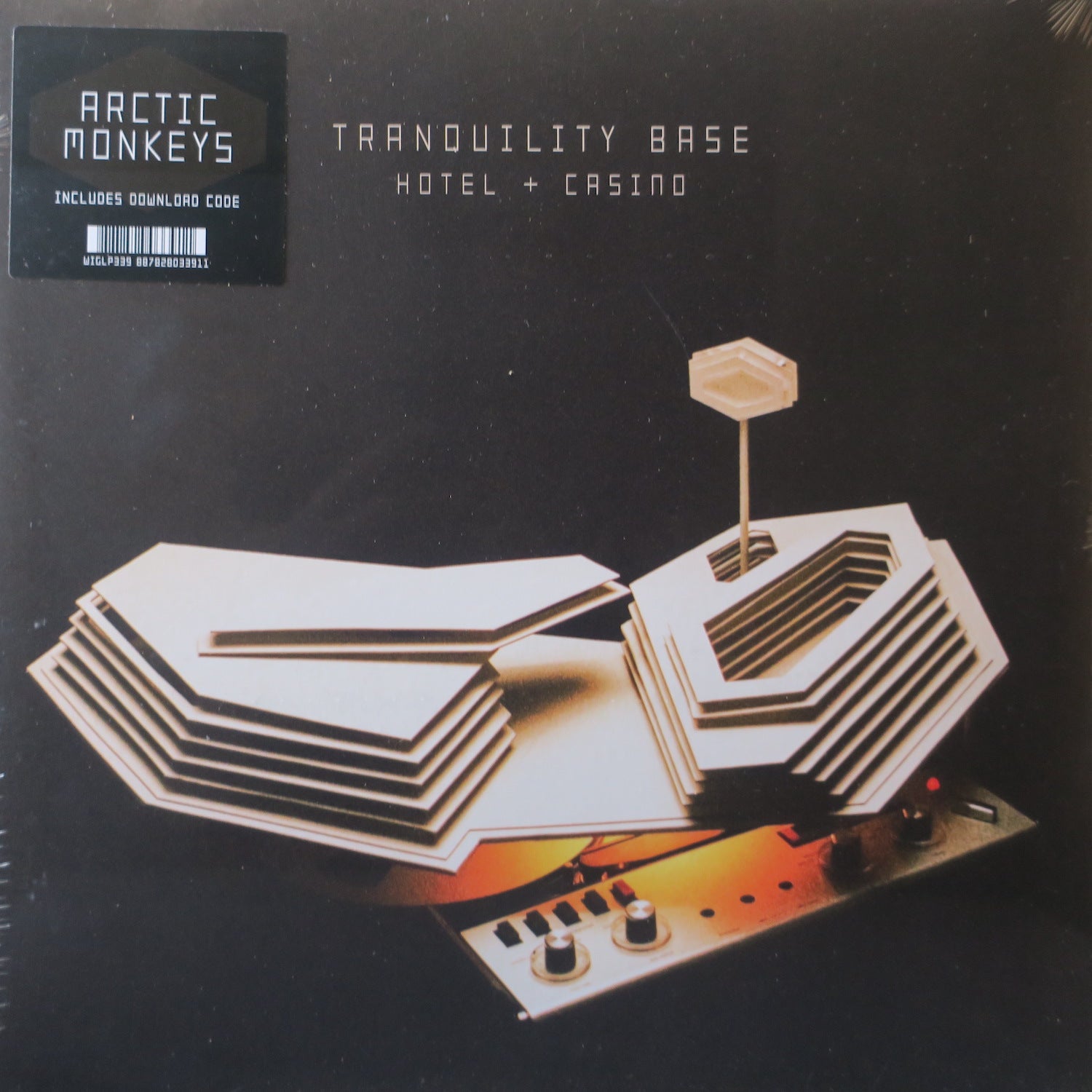
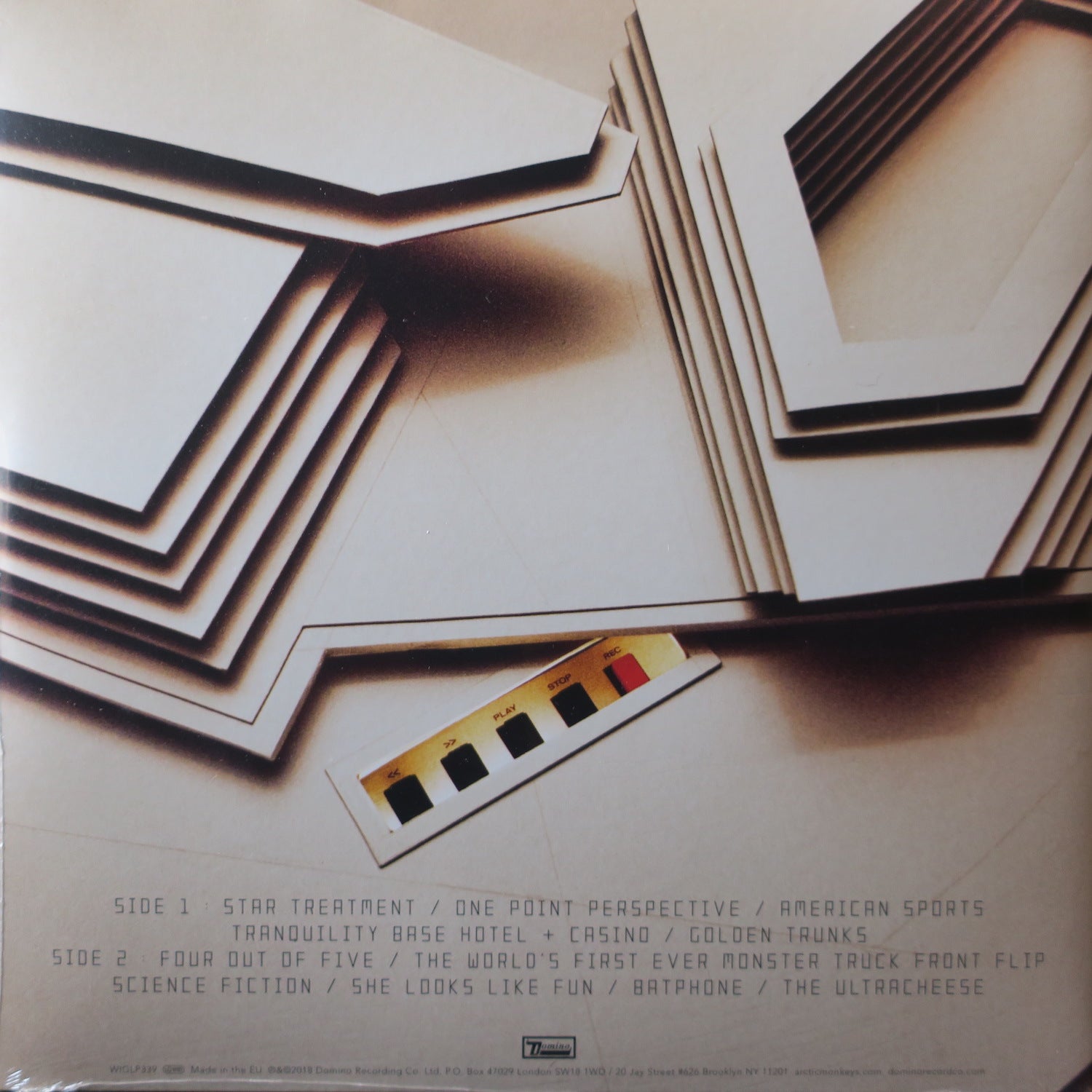
The most unexpected turn came with Tranquility Base Hotel & Casino: a piano-led, concept-minded record that traded guitar immediacy for lounge-pop atmospherics and cinematic narration. The shift irritated some early fans and fascinated others, but it underscored a core quality — Arctic Monkeys have rarely repeated themselves. Producer and longtime collaborator James Ford has been a through-line in their studio evolution, helping translate the band’s changing ideas into coherent records.
Side projects and collaborations matter to the story too. Alex Turner’s work with Miles Kane as the Last Shadow Puppets reveals a different songwriting muscle — widescreen and dramatic — and shows how members’ outside projects broadened the band’s horizons rather than siphoning energy away.
Across their career, Arctic Monkeys rewrote expectations for what a UK guitar band could sound like in the 21st century: immediate and local one moment, sleek and experimental the next. That range is the reason their albums reward repeat listens — each record opens a different door into how modern rock can balance story, mood and groove.