Blur
Blur made a case that British rock could be both sharply observant and musically restless: one moment crafting cheeky, radio-ready singalongs, the next plunging into noisy, introspective experiments. That tension — between character sketches of suburban life and a refusal to stay in any single stylistic lane — is what made their story compelling.
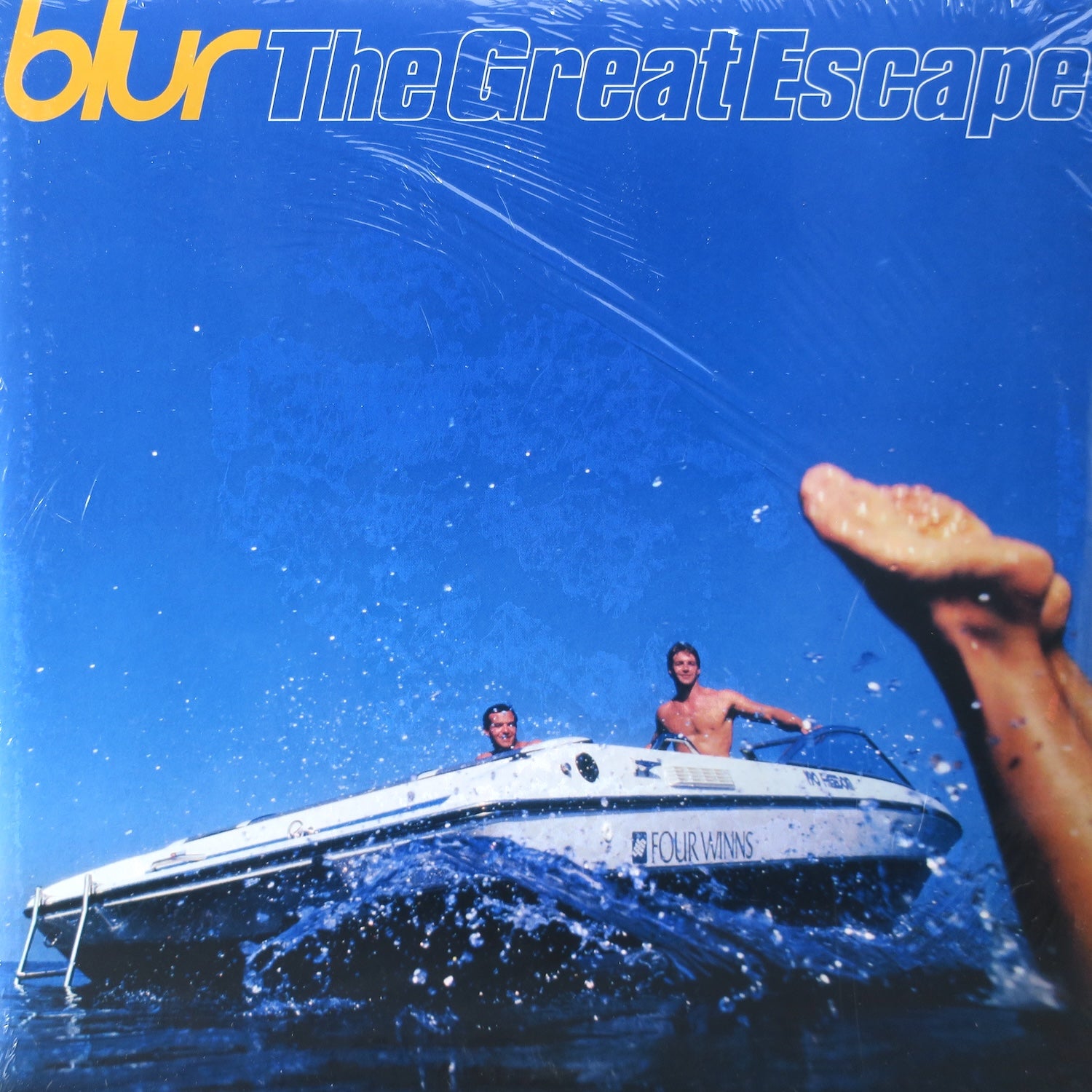
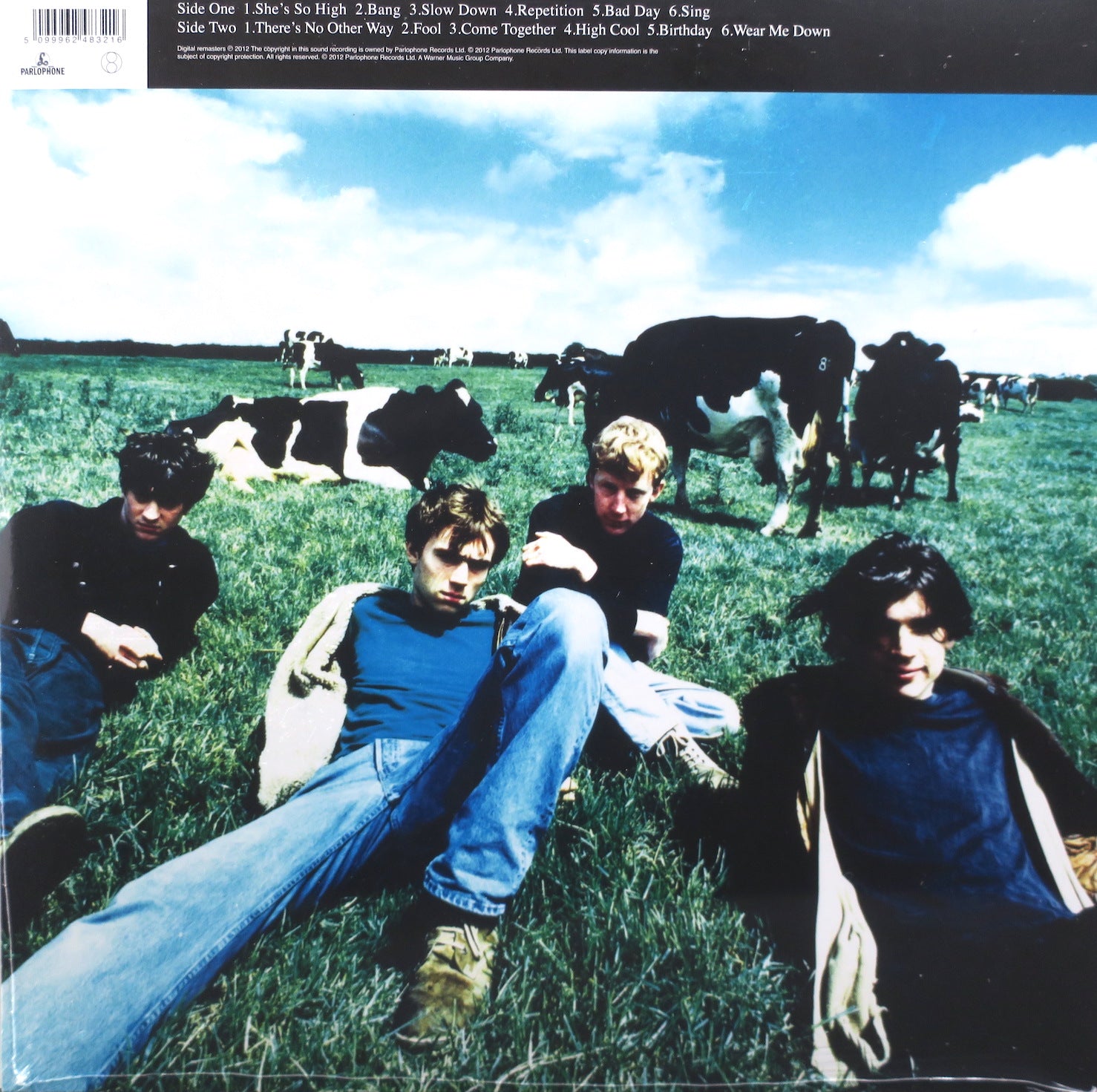
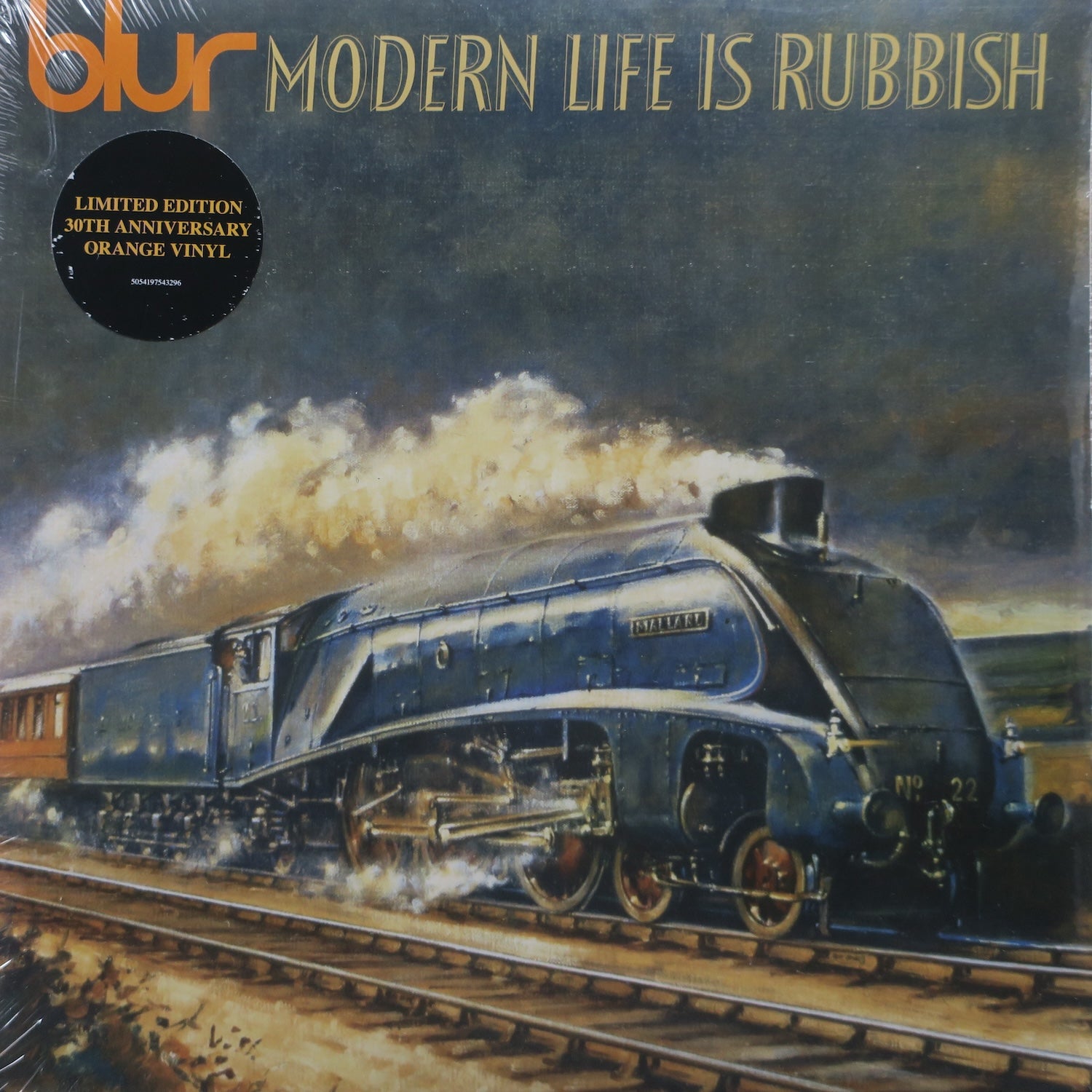
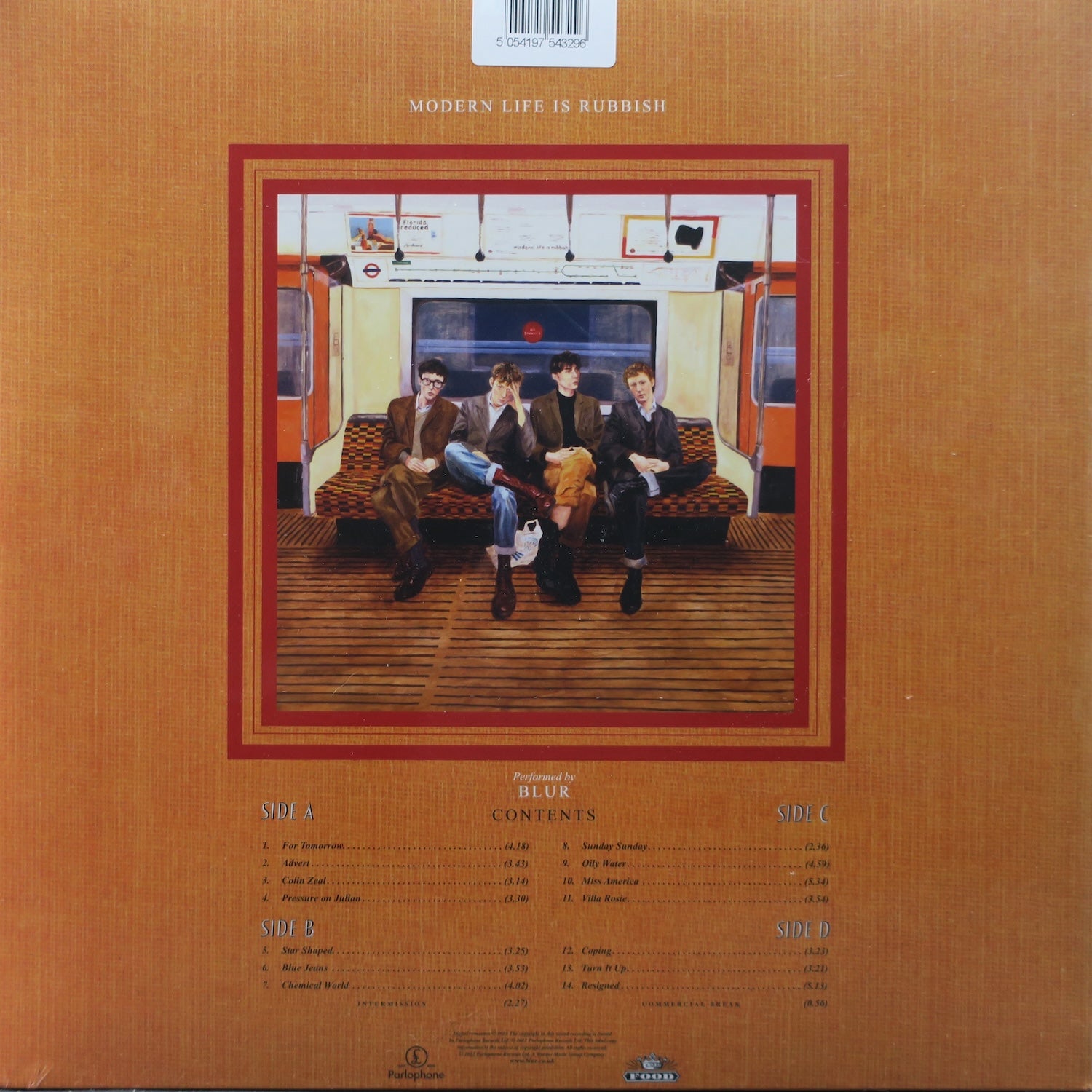
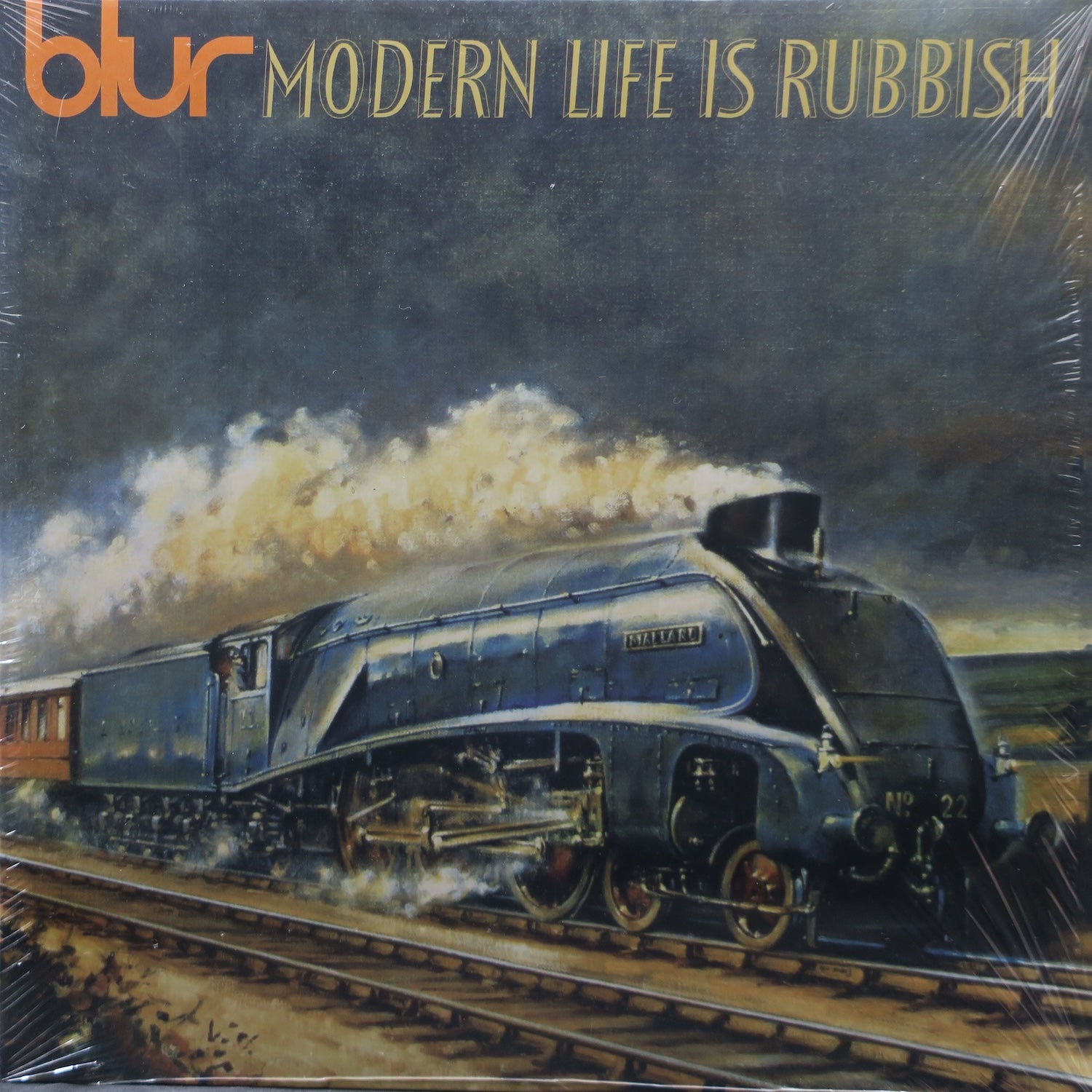
Early albums like Modern Life Is Rubbish and Parklife foregrounded Damon Albarn's knack for concise, conversational lyricism and Graham Coxon's angular guitar that could slice through a pop hook. Parklife in particular captured a distinctly British mix of social detail and melodic punch, aided by producer Stephen Street's deft arrangements. The Great Escape expanded the palette while also revealing the strains of fame and media spotlight that hovered over Britpop's peak.
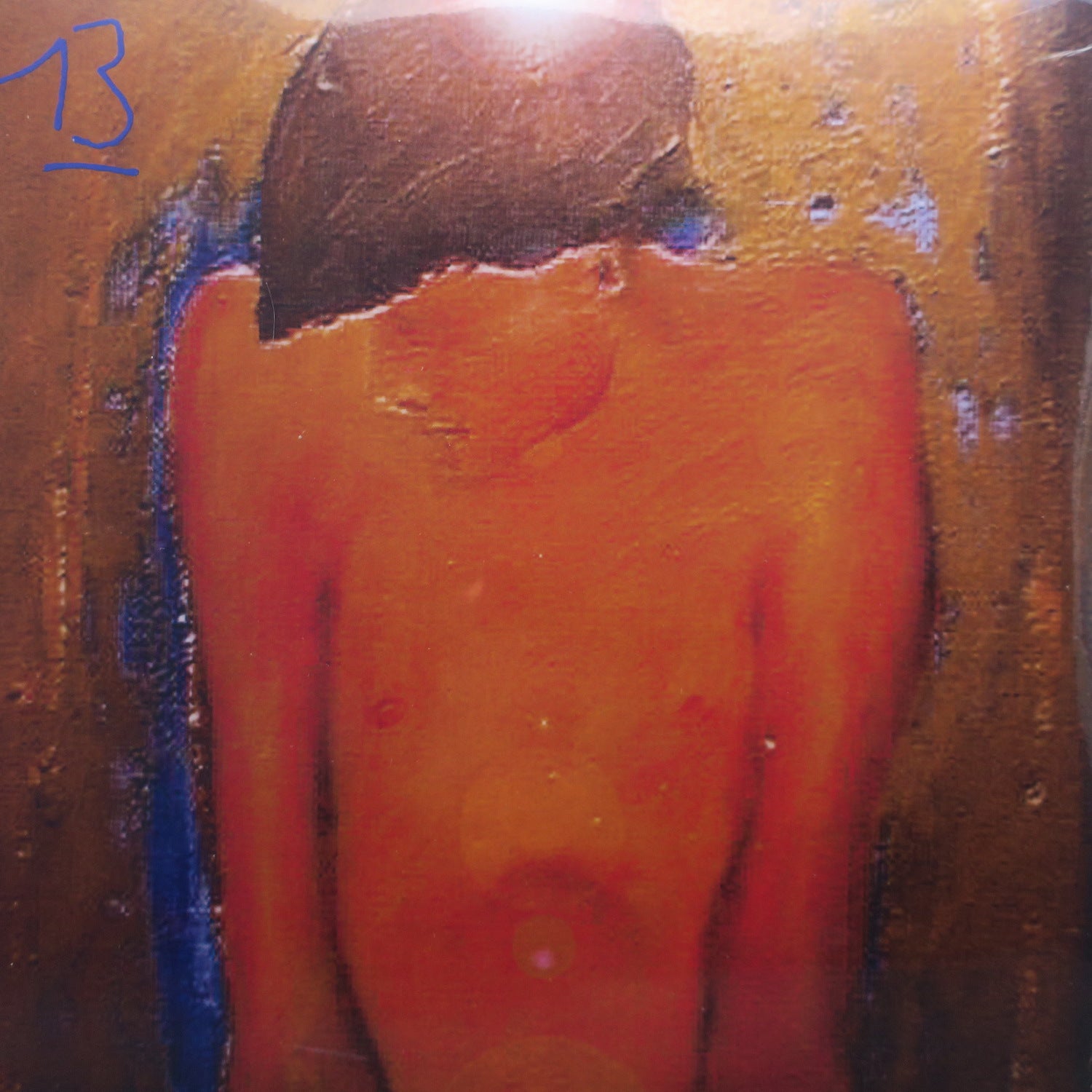
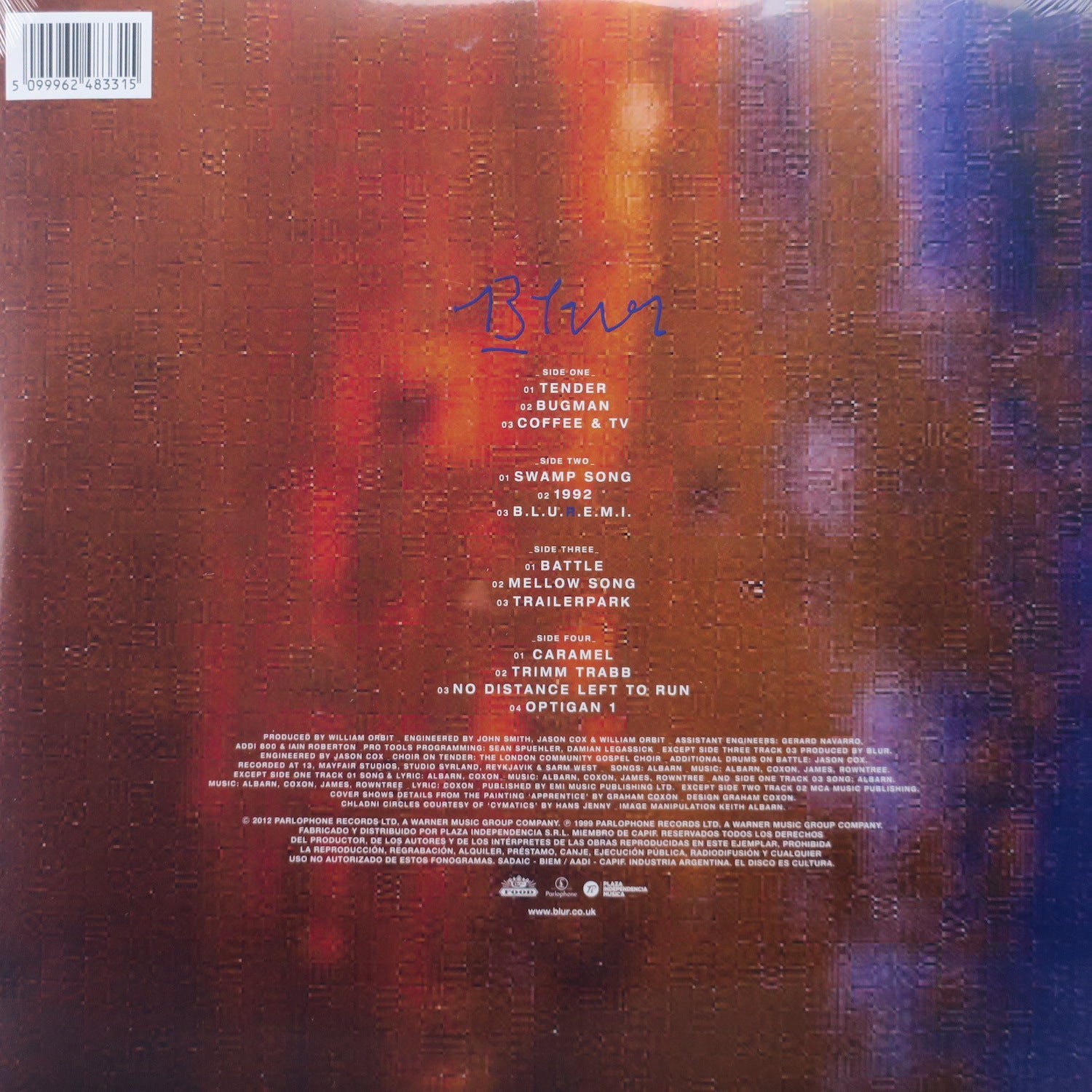
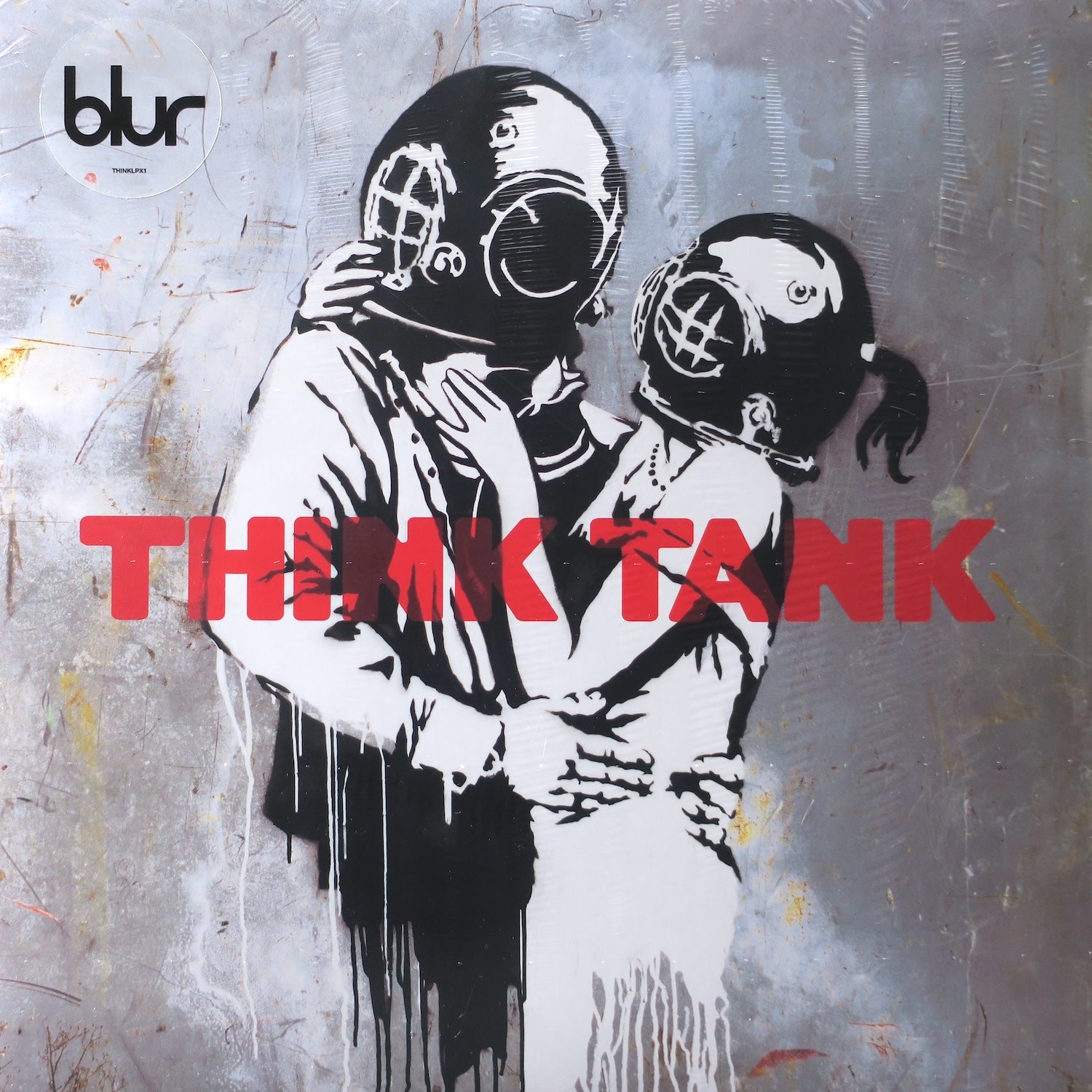
By the self-titled Blur (1997) the band deliberately shook off some Britpop trappings, trading brassy pastiche for moodier textures and looser song structures. That record signaled a pivot toward more experimental sonics that continued on 13, where collaborators like William Orbit and a willingness to embrace feedback, electronic touches and fractured song forms made Blur a group that could surprise. Tensions over direction and personal differences led to reduced involvement from Coxon during the Think Tank period, but the remaining members pushed the music into sparser, world-music-tinged territory.
The individual players mattered as much as the songs. Damon Albarn's voice and songwriting anchored the band and later blossomed in projects like Gorillaz. Graham Coxon's guitar work supplied both melody and counterpoint; Alex James' melodic bass lines kept the songs grounded; Dave Rowntree's drumming provided a flexible backbone able to serve pop or experimental textures.
Blur's arc — from art-school pop to restless studio adventuring — helped widen what British guitar music could mean in the late 1990s and beyond. That breadth explains why listeners trace lines from Blur to contemporaries such as Pulp and Suede, and why later British bands took cues from their blend of local detail and sonic curiosity. Producers like Stephen Street and collaborators across projects also shaped the particular tones that make each Blur album distinct.
Across cheeky anthems and bruised experiments, Blur remain a band whose shifts in style tell a clear story about ambition, reinvention and how pop can be both specific to place and surprisingly elastic.