Kinks
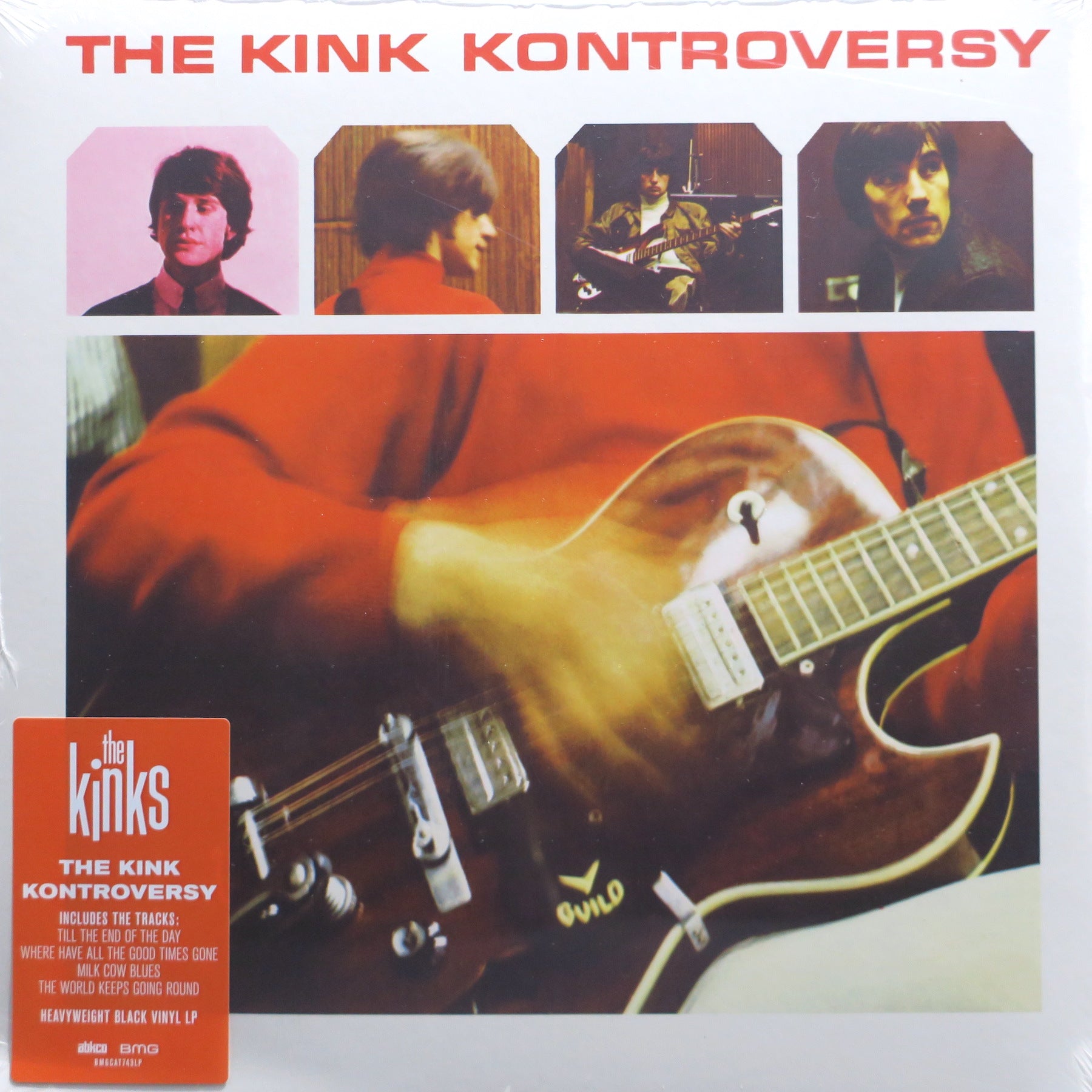
Few bands married street-level guitar aggression and English character songs as sharply as the Kinks. A single like "You Really Got Me" announced a band that could generate ferocious, distorted riffs; that raw sound — captured early by producer Shel Talmy — helped define hard rock’s vocabulary even as Ray Davies was already thinking in observational vignettes rather than standard teenage love songs.
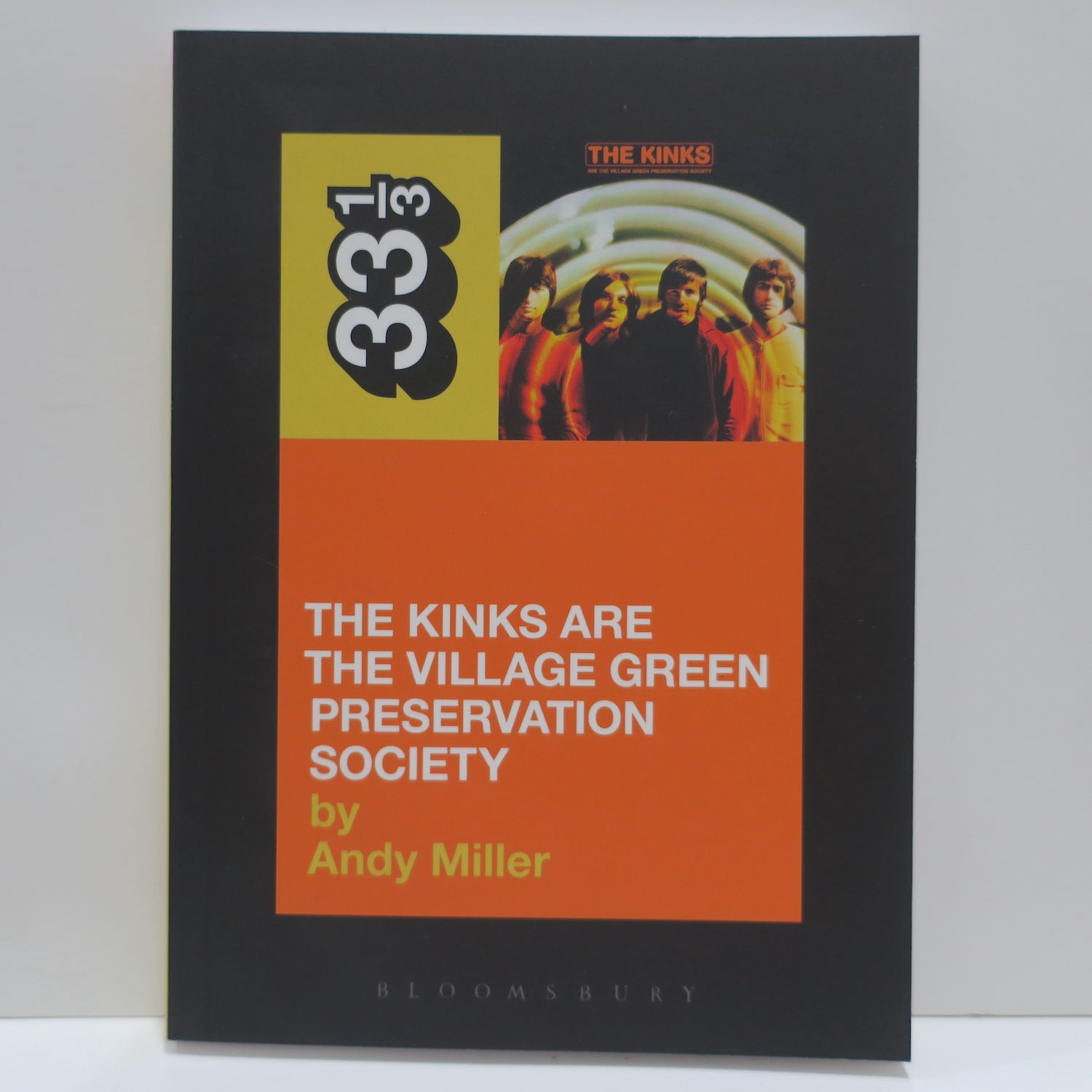
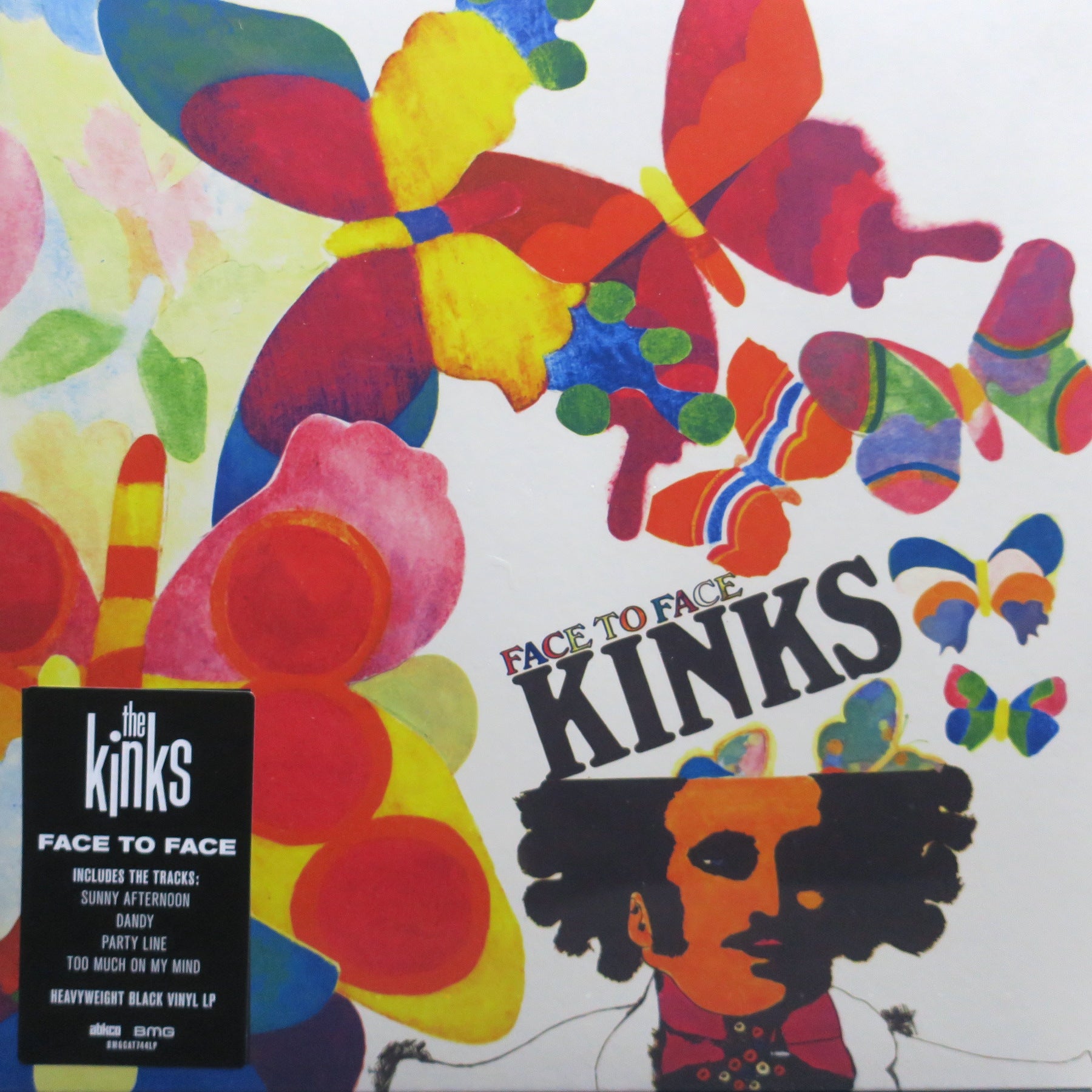
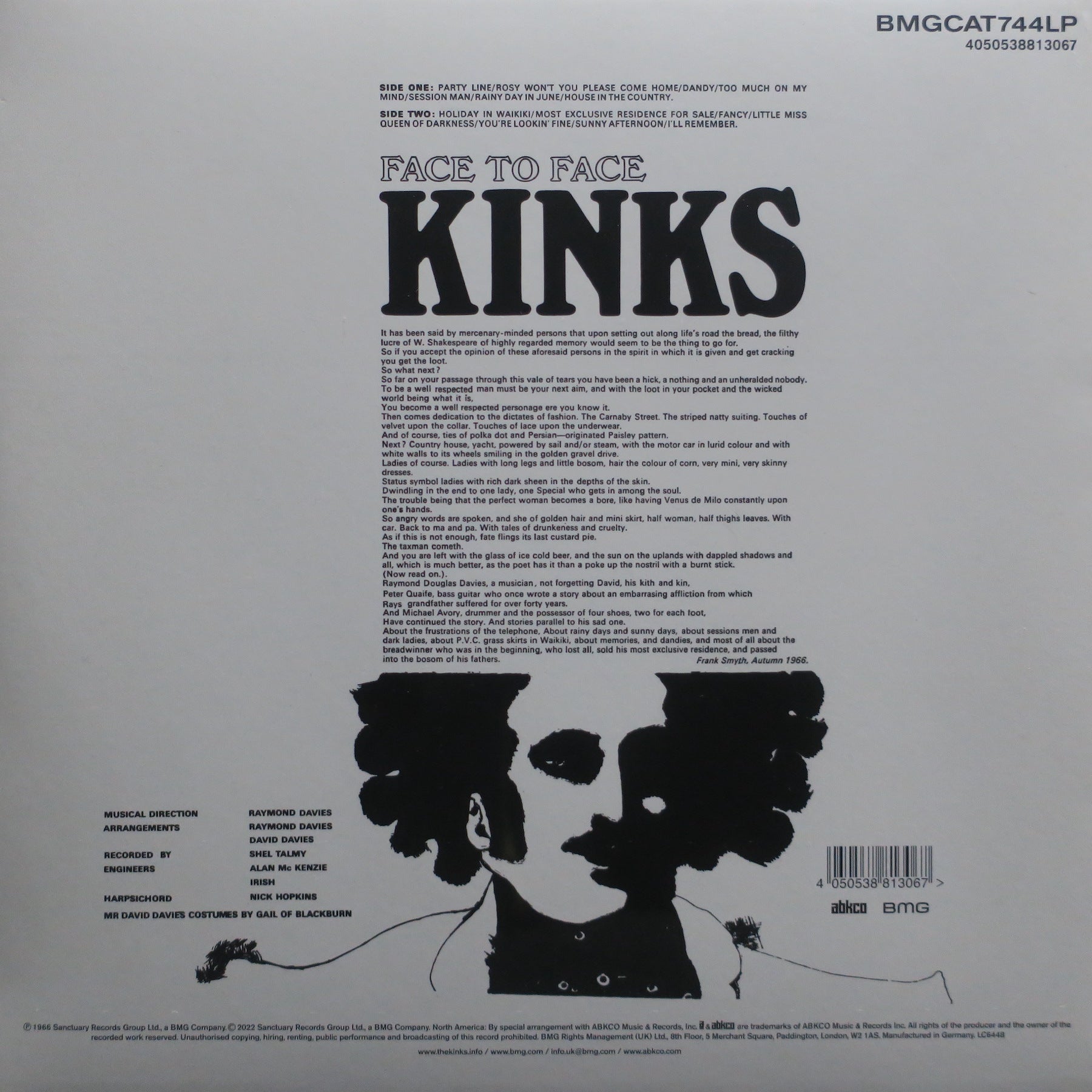
By the mid-1960s the group pivoted from three-minute attack-pop to albums that read like small-town novels. Face to Face, Something Else and especially The Kinks Are the Village Green Preservation Society folded barroom melodies into precise portraits of English life; Lola Versus Powerman and the Moneygoround, Part One mixed sharper satire with showbiz bitter-sweetness. Those records show why the Kinks mattered: an ability to be both muscular and quietly comic, and to write characters rather than only choruses.
The band’s personality came from distinct players. Ray Davies’ songwriting and theatrical lead vocals set the direction; Dave Davies’ chiming, sometimes searing guitar tones supplied the counterpoint; Pete Quaife’s bass and Mick Avory’s percussion supplied a steady, unmistakable Kinks groove. Line-up tensions and Davies brothers rivalry fed the music’s edge as much as its charm.
The Kinks existed alongside 1960s peers like The Beatles and The Who but occupied a different lane — less pop sheen, more English specificity. That blend of raw guitar and homegrown storytelling later echoed through punk and mod-revival acts such as The Jam and The Clash, and through the Britpop era with bands like Blur and Oasis who admired Ray Davies’ eye for social nuance. Even hard-rock acts found something to borrow: Van Halen turned "You Really Got Me" into a stadium staple, testifying to the Kinks’ cross-genre reach. Their roots also trace back to American rock'n'roll and R&B figures such as Chuck Berry, whose riffs and phrasing the Davies brothers absorbed.
Across singles and albums the Kinks map a rare career arc — from primal riff-makers to acute chroniclers of English life. That range is what keeps diving into their catalogue rewarding: play the early hits, then follow through to Village Green and Lola to hear how a rock band turned national scenes and private obsessions into enduring songs.