Stone Roses
At the center of a late-1980s British scene that mixed indie guitar jangle with club rhythms, Stone Roses rewired rock songcraft for dancers and guitar fans alike. Their records captured a rare moment when psychedelic textures, funk basslines and a stubbornly catchy pop sensibility collided — a sound that made both the singles and the album-side epics feel like festival anthems and midnight DJ tracks.
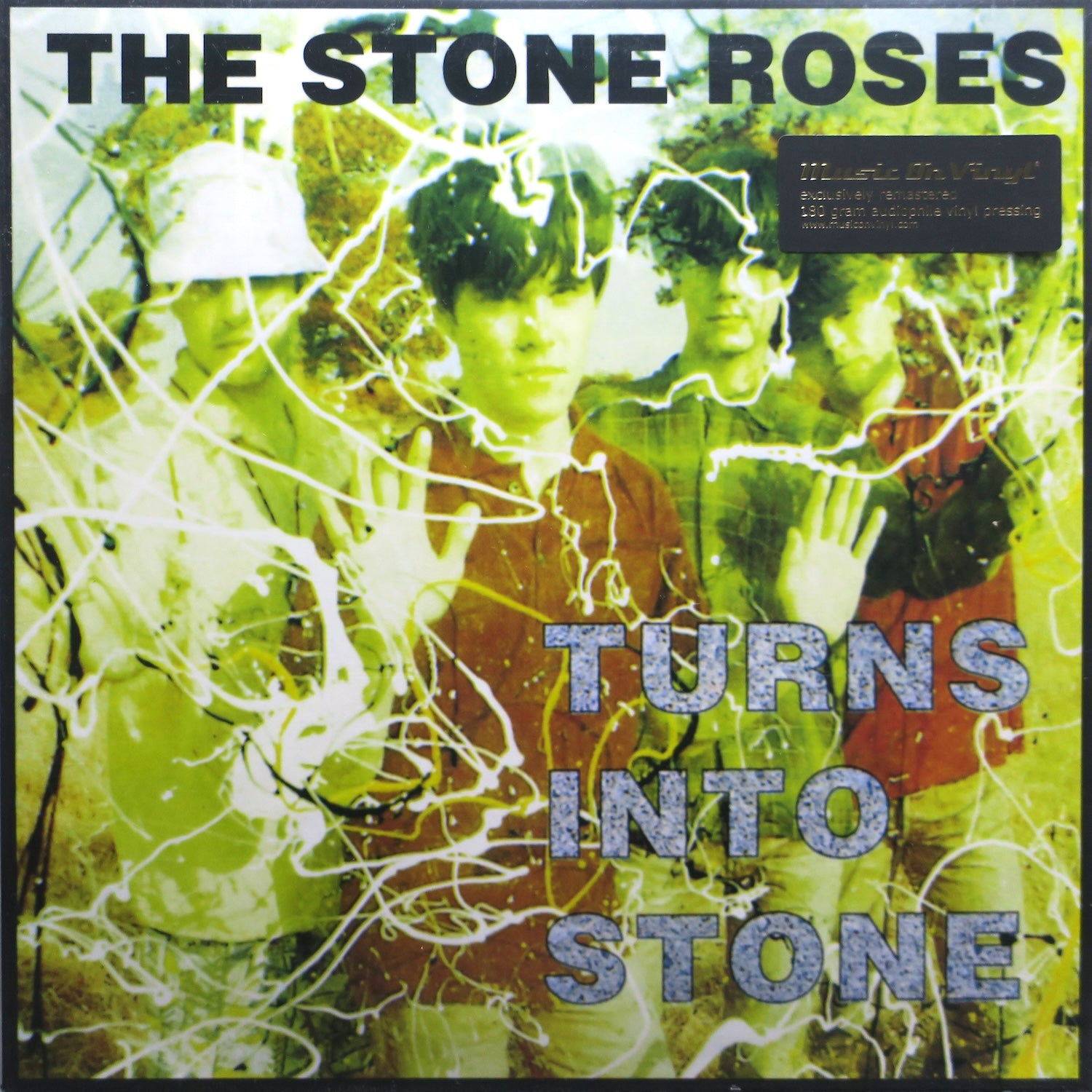
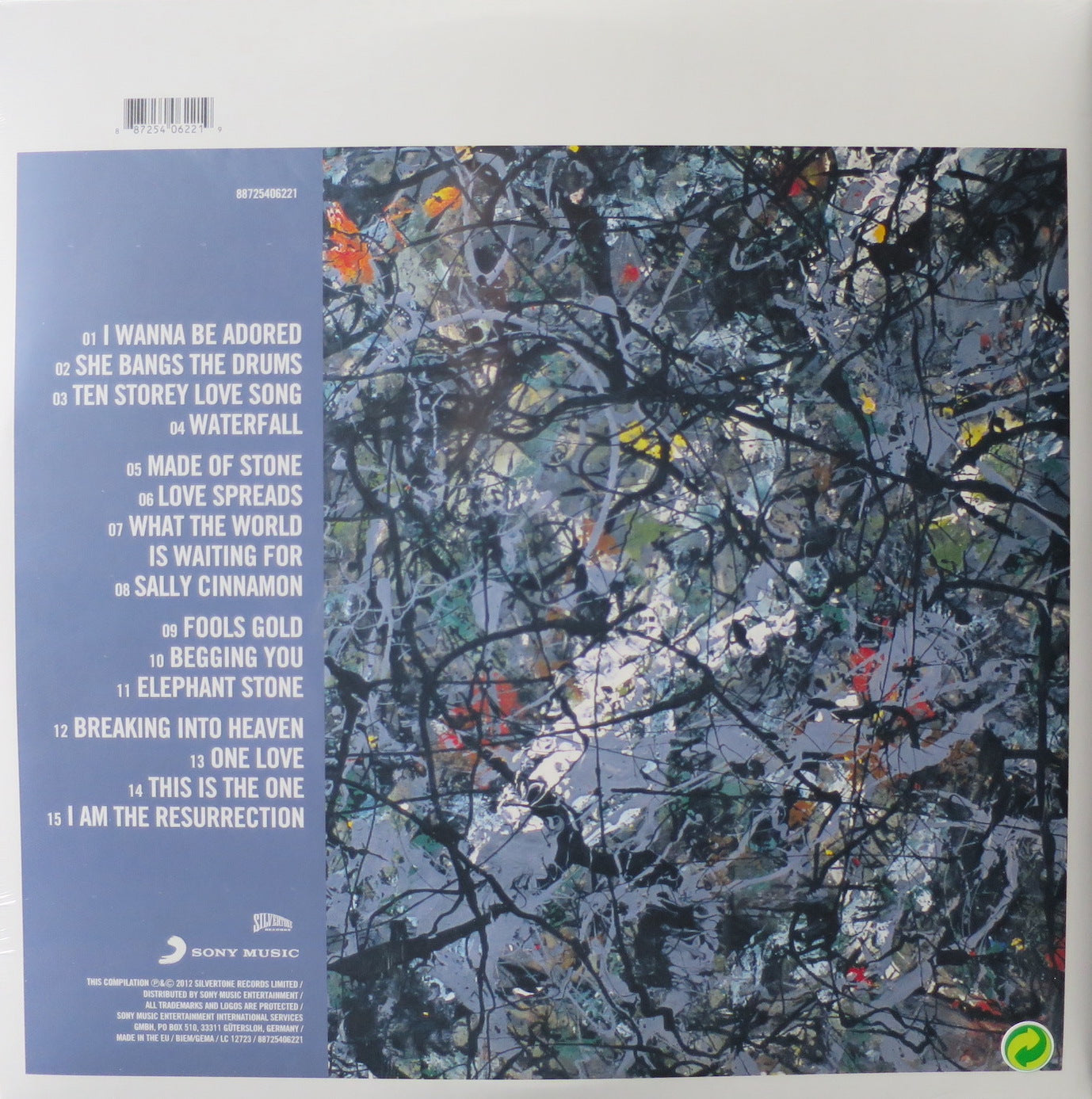
The debut album, The Stone Roses (1989), is the clearest statement of that approach: shimmering, reverb-soaked guitars, Ian Brown’s low-key vocal delivery, John Squire’s art-school riffs and Mani’s elastic bass laid over grooves that nodded to funk and the nascent rave scene. Producer John Leckie helped the band turn studio textures into memorably spacious songs; tracks like "I Wanna Be Adored," "She Bangs the Drums" and the sprawling, celebratory "I Am the Resurrection" show how the group made repetition and restraint feel euphoric rather than monotonous.
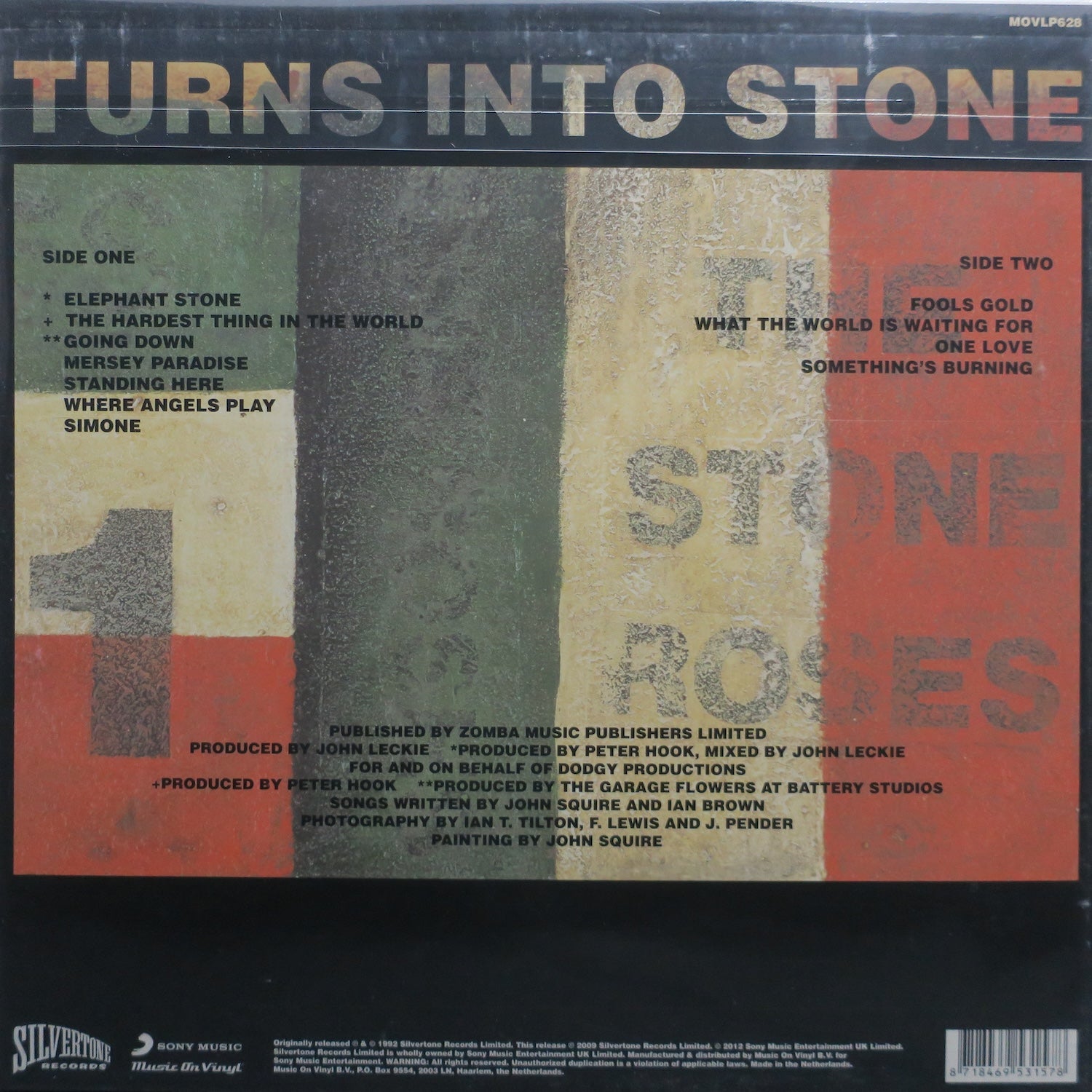
Singles such as "Fools Gold" showcased the band’s dancefloor instincts, with percussion and bass taking foreground roles while Squire’s guitar painted sketched solos on top. The interplay between Reni’s inventive drumming and Mani’s melodic bass gave the songs a forward motion that set Stone Roses apart from contemporaries who stayed strictly within rock or strictly within club culture.
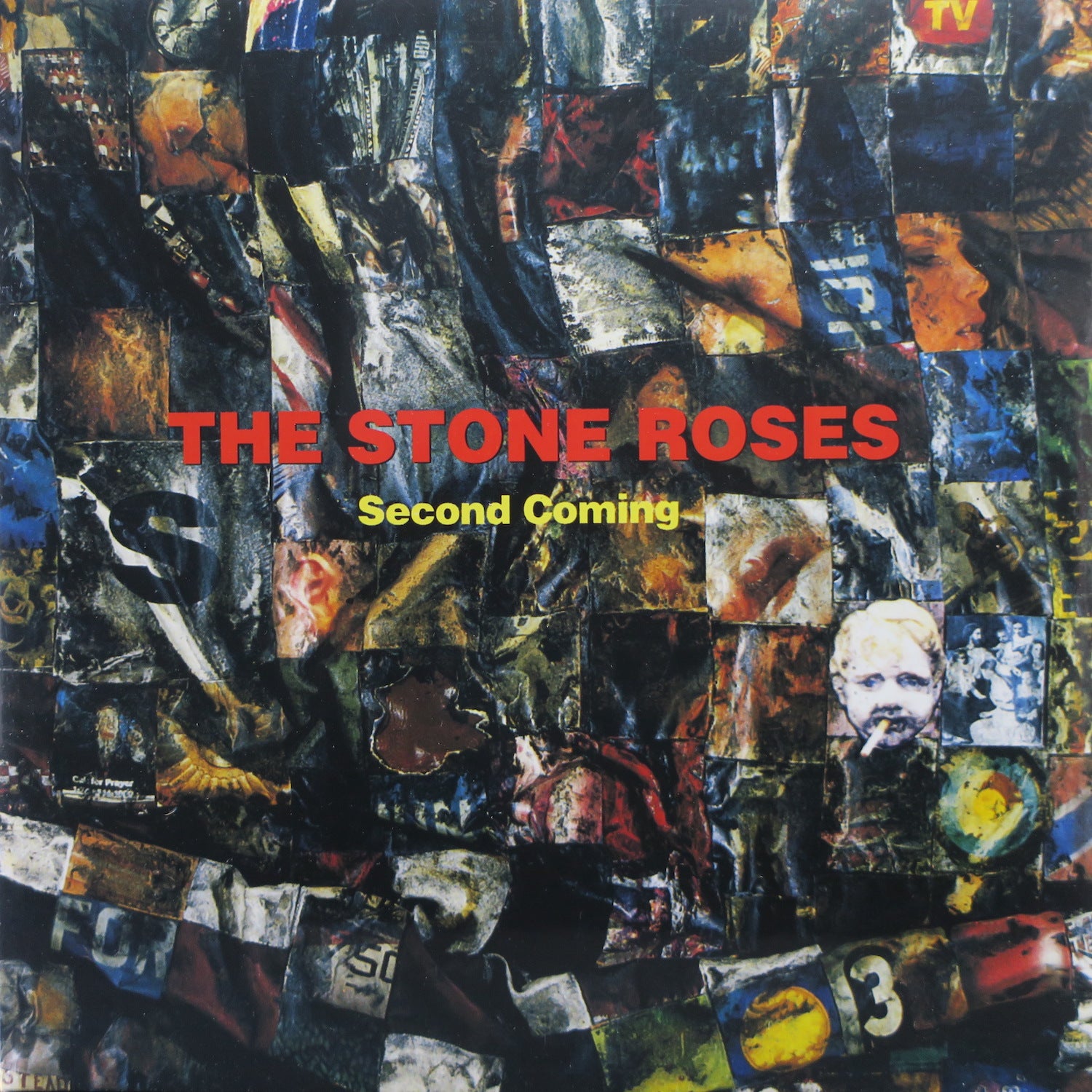
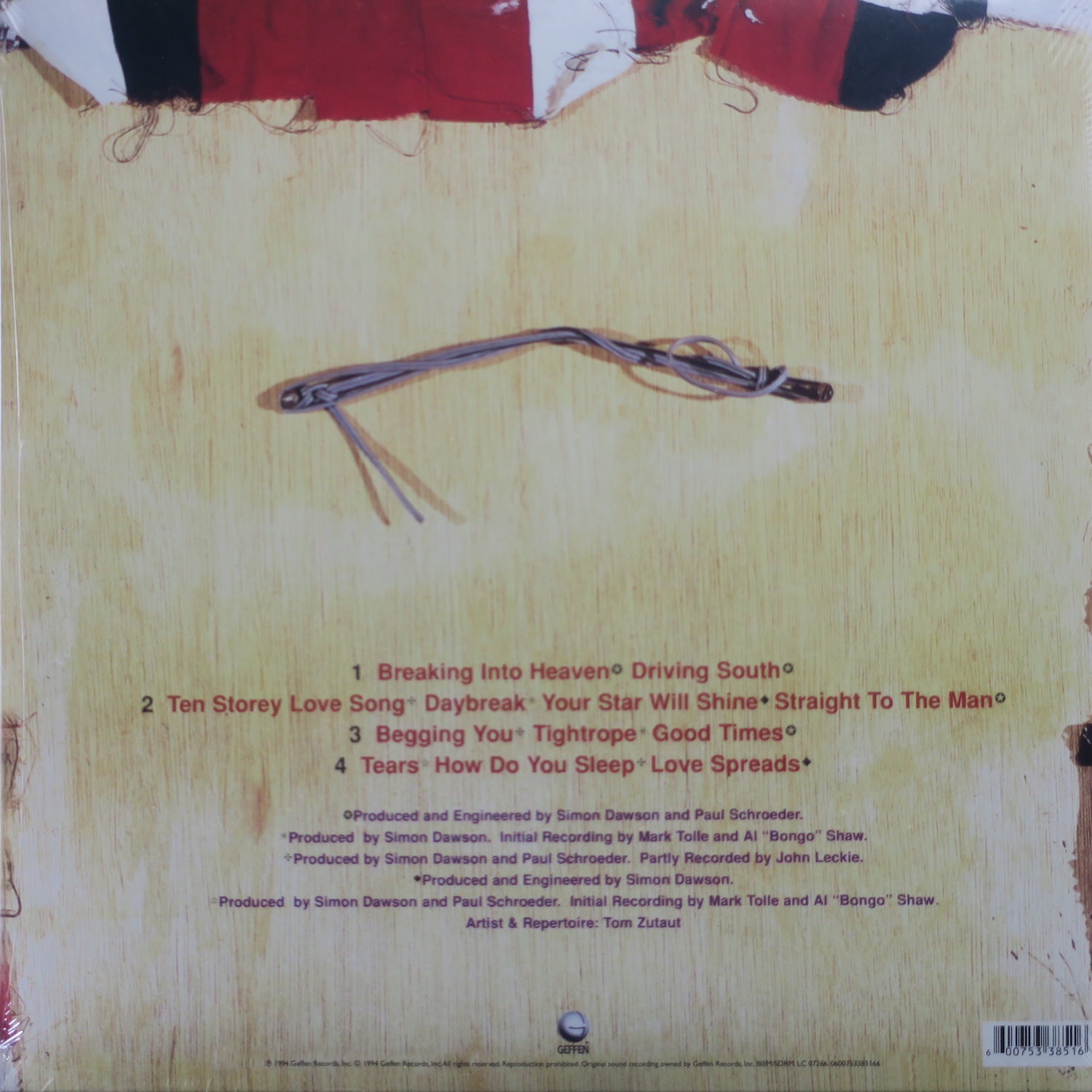
Second Coming (1994) moved into bluesier, more jam-oriented territory, reflecting both personnel tensions and a desire to expand beyond the concise pop hooks of the debut. That record split opinion at the time but underlined the band’s willingness to bend expectations rather than repeat past triumphs. The Roses’ story — punctuated by legal battles, long gaps and a high-profile split — became part of their mystique, but it’s the records and the live moments that explain why so many later British acts cited them as a turning point.
Stone Roses matter for how they bridged eras: drawing from 1960s psychedelia and jangle-pop while tapping into late-80s dance culture, and in the process helping shape the sound that led into Britpop. Bands and artists such as Oasis, Happy Mondays and Inspiral Carpets trace part of their vocabulary back to what Stone Roses did with groove, melody and studio drama. For listeners approaching them now, the records hold a mix of immediate hooks and layered textures that reward repeated listening.
Exploring The Stone Roses and Second Coming alongside landmark singles like "Fools Gold" makes clear why the band remains a frequent reference point for British indie rock — a group that made rhythm as essential to its identity as melody and guitar tone.