New Order
A drum machine and a rock-band hangover created one of the clearest crossroads in modern pop: New Order turned the aftermath of Joy Division’s gloom into a template where brittle guitar lines sit comfortably next to club-ready sequencers. That paradox — melancholic songwriting routed through dance-floor technology — is the central idea behind why New Order still draws listeners across generations.
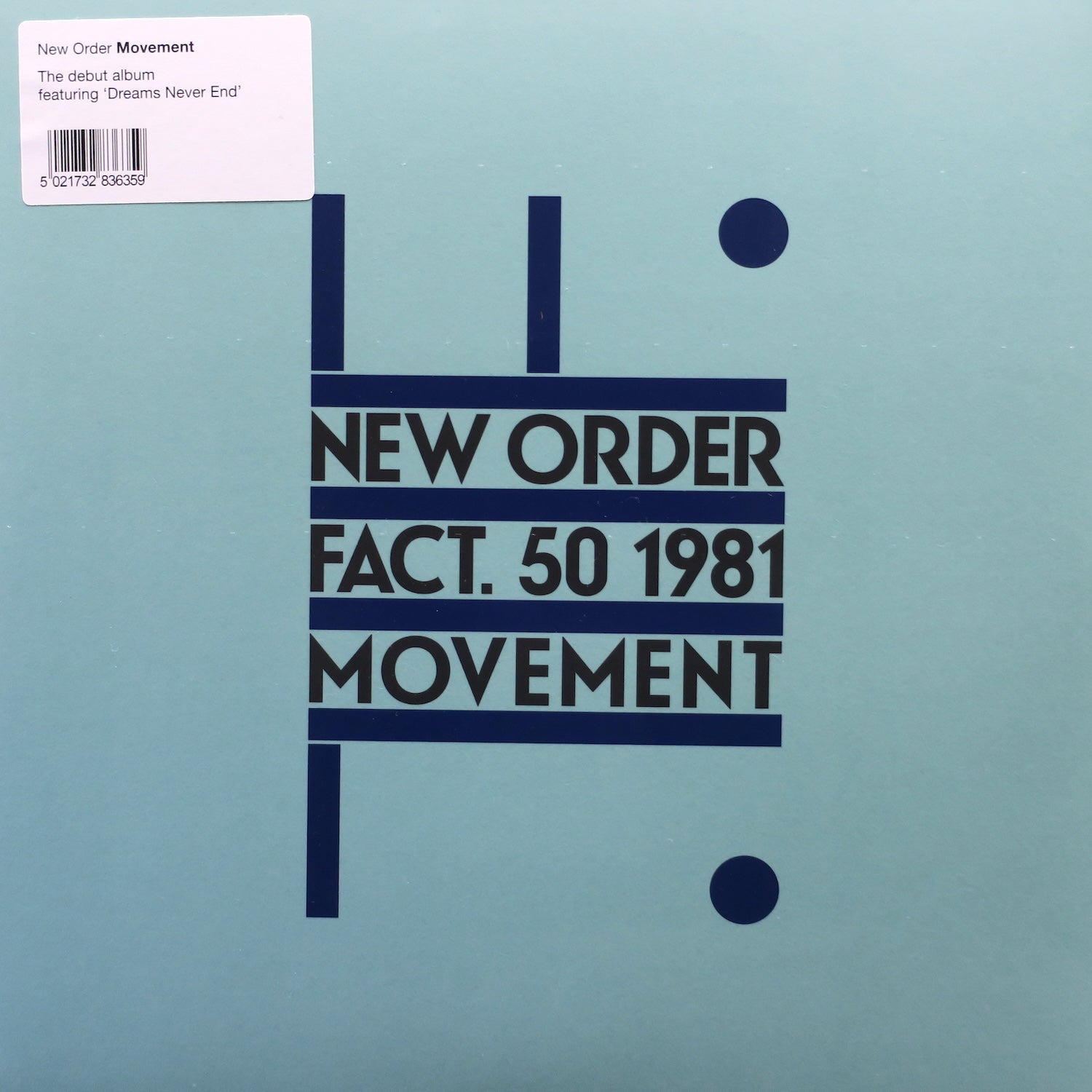
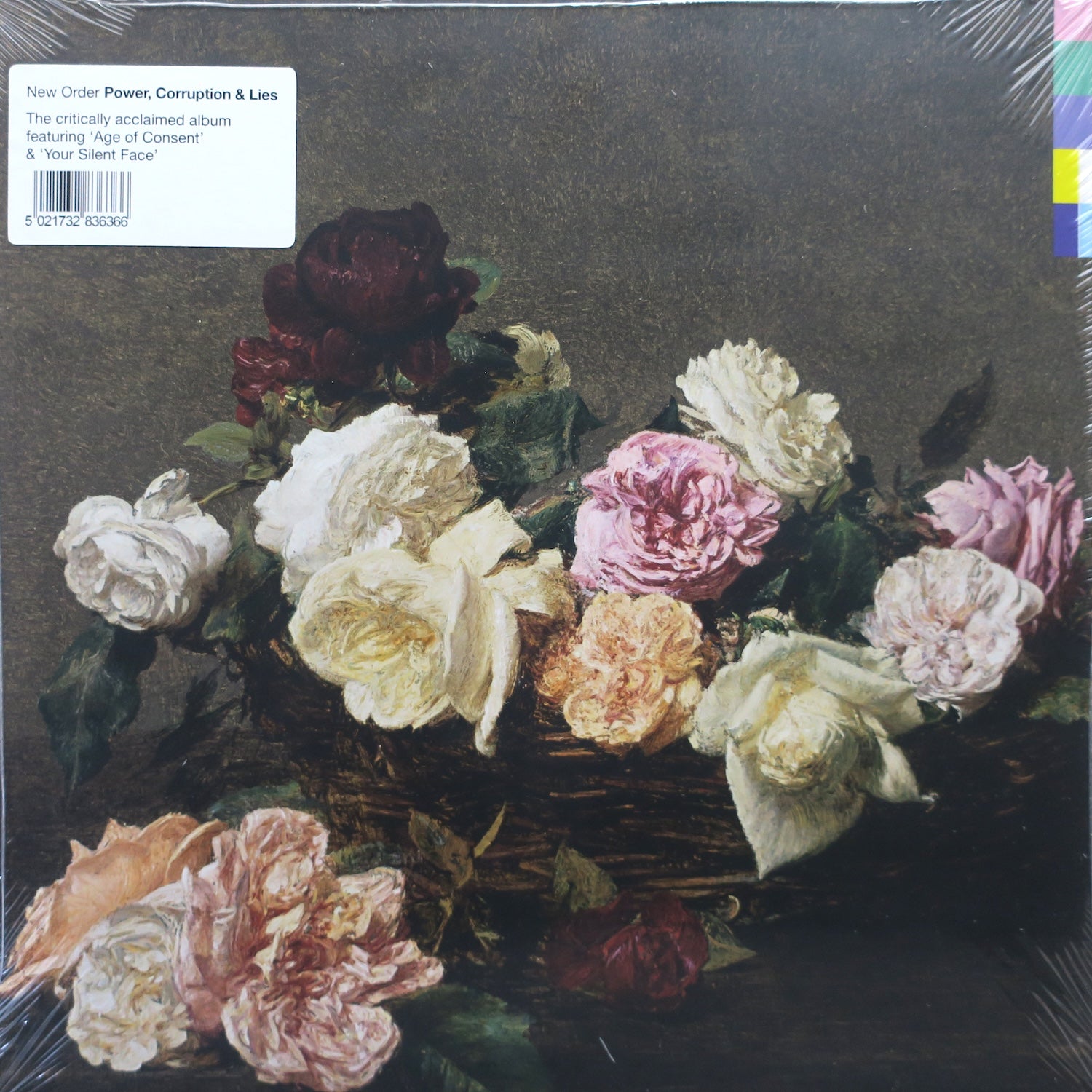
Emerging from the same quartet that recorded Joy Division’s final songs, New Order leaned into electronics without abandoning rock dynamics. Bernard Sumner’s detached vocals and chiming guitar hooks provided a human thread through Peter Hook’s melodic basslines, while Stephen Morris’s precise drumming and penchant for drum machines pushed tempos toward disco and house. Gillian Gilbert’s synthesis work and textural keys expanded the palette, helping the band move from the starkness of Movement to the colorful arrangements on Power, Corruption & Lies.
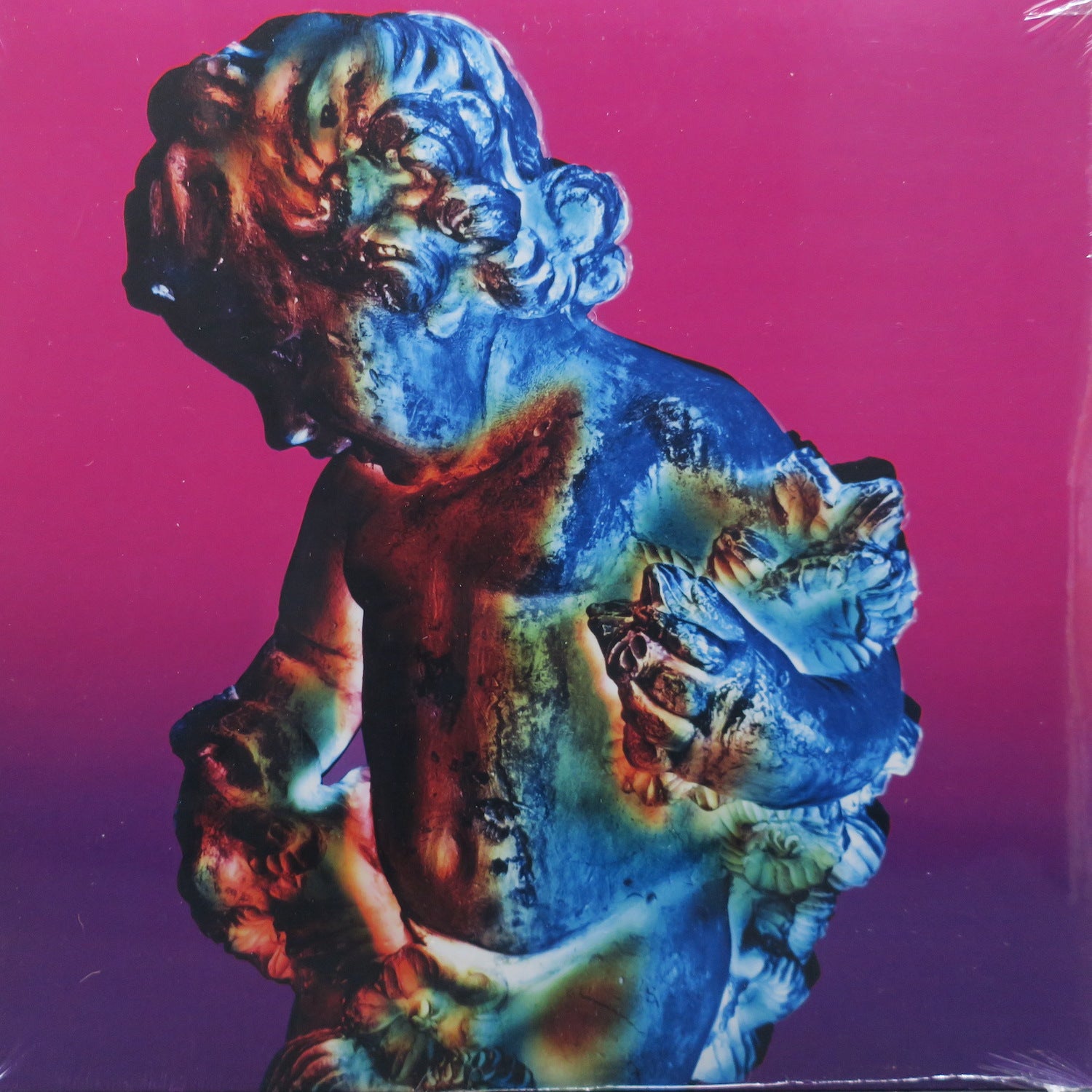
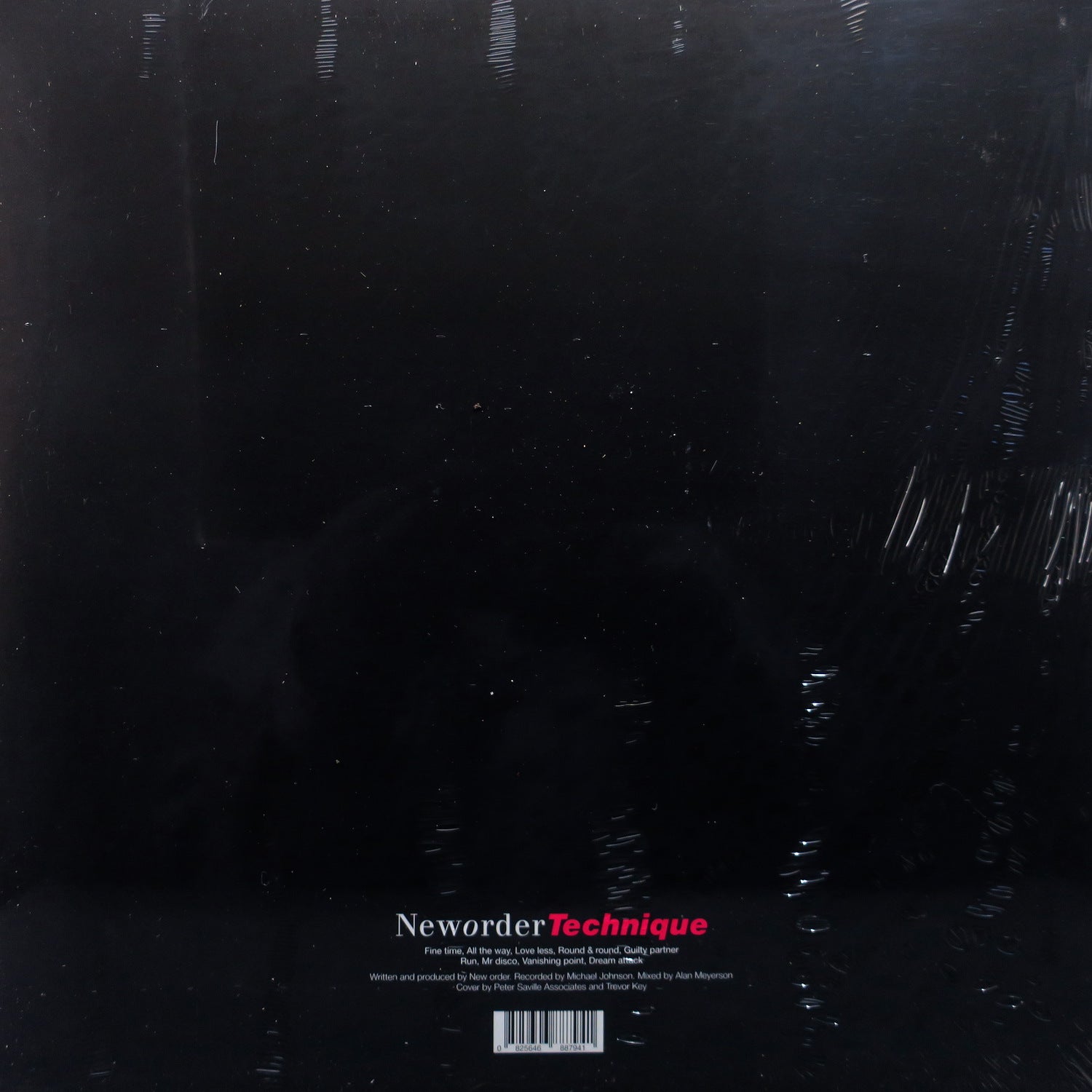
Musically, New Order married post‑punk austerity to a burgeoning club sensibility. Early singles such as 'Blue Monday' distilled that fusion: an extended 12‑inch focused on repetition and synth groove, yet anchored by pop structure and emotive melodies. The band’s willingness to borrow from Kraftwerk’s mechanized rhythms and Northern soul/disco songcraft placed them alongside contemporaries like the Pet Shop Boys while pointing ahead to the rave and house scenes that embraced them in the late ’80s — especially on records like Technique, which took production cues from Ibiza’s Balearic sound.
Beyond the studio, New Order’s story is entwined with Manchester’s Factory Records and a generation of bands that mixed guitars with dance beats. Groups such as Happy Mondays and later acts including LCD Soundsystem and Interpol trace part of their approach back to New Order’s blend of club culture and guitar pop. Peter Hook’s bass sound and Bernard Sumner’s songwriting remain signature touchpoints for anyone exploring how alternative rock made peace with the dance floor.
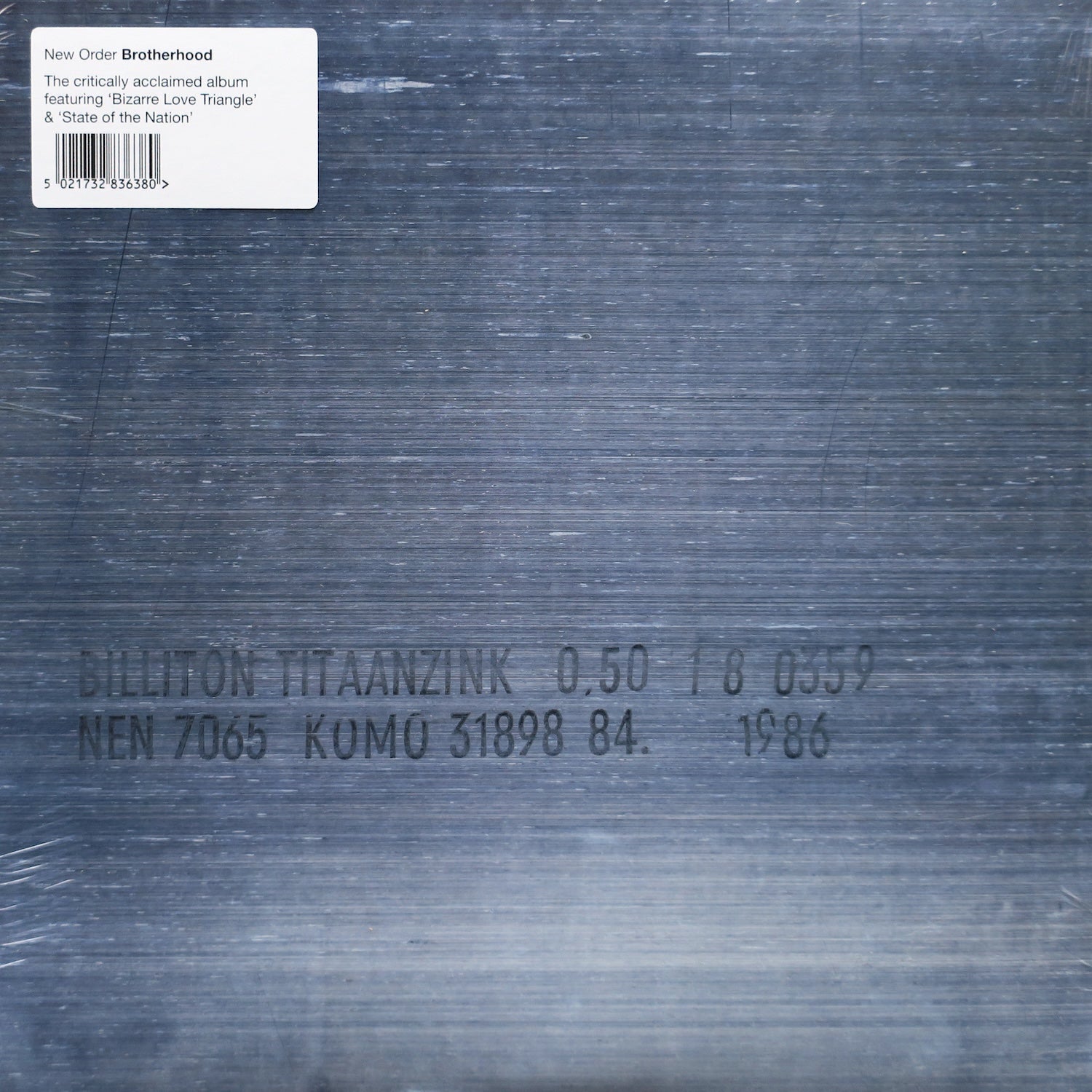
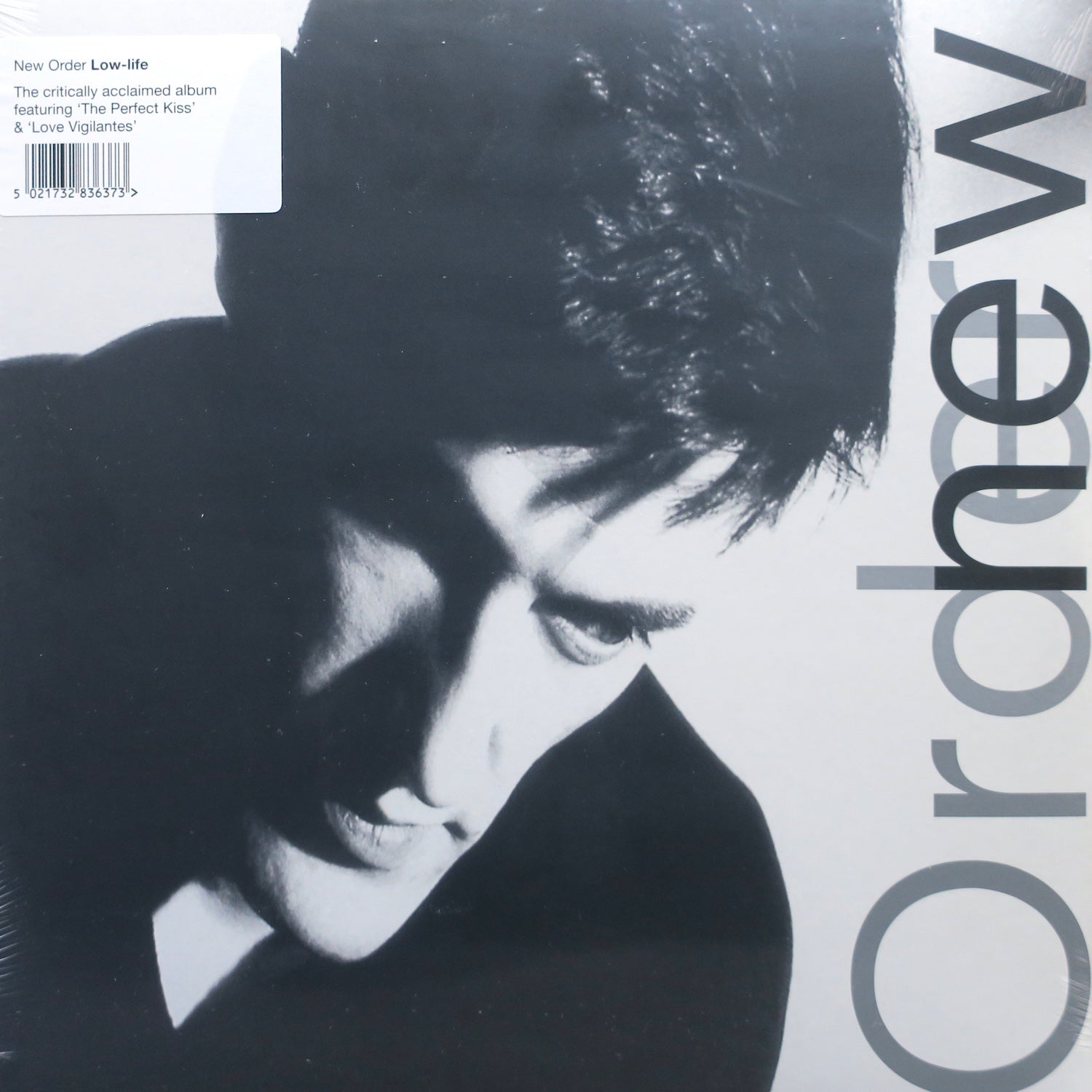
New Order’s lineup changes and career twists — hiatuses, legal disputes, and member departures — complicated the narrative, but their core achievement is musical: they reframed what a rock band could sound like in an era of cheap synths and drum machines. For listeners curious about the meeting of melancholy and groove, digging into Power, Corruption & Lies, Low‑Life and Technique shows how those elements were balanced at different points in a band that kept looking forward.