Cabaret Voltaire
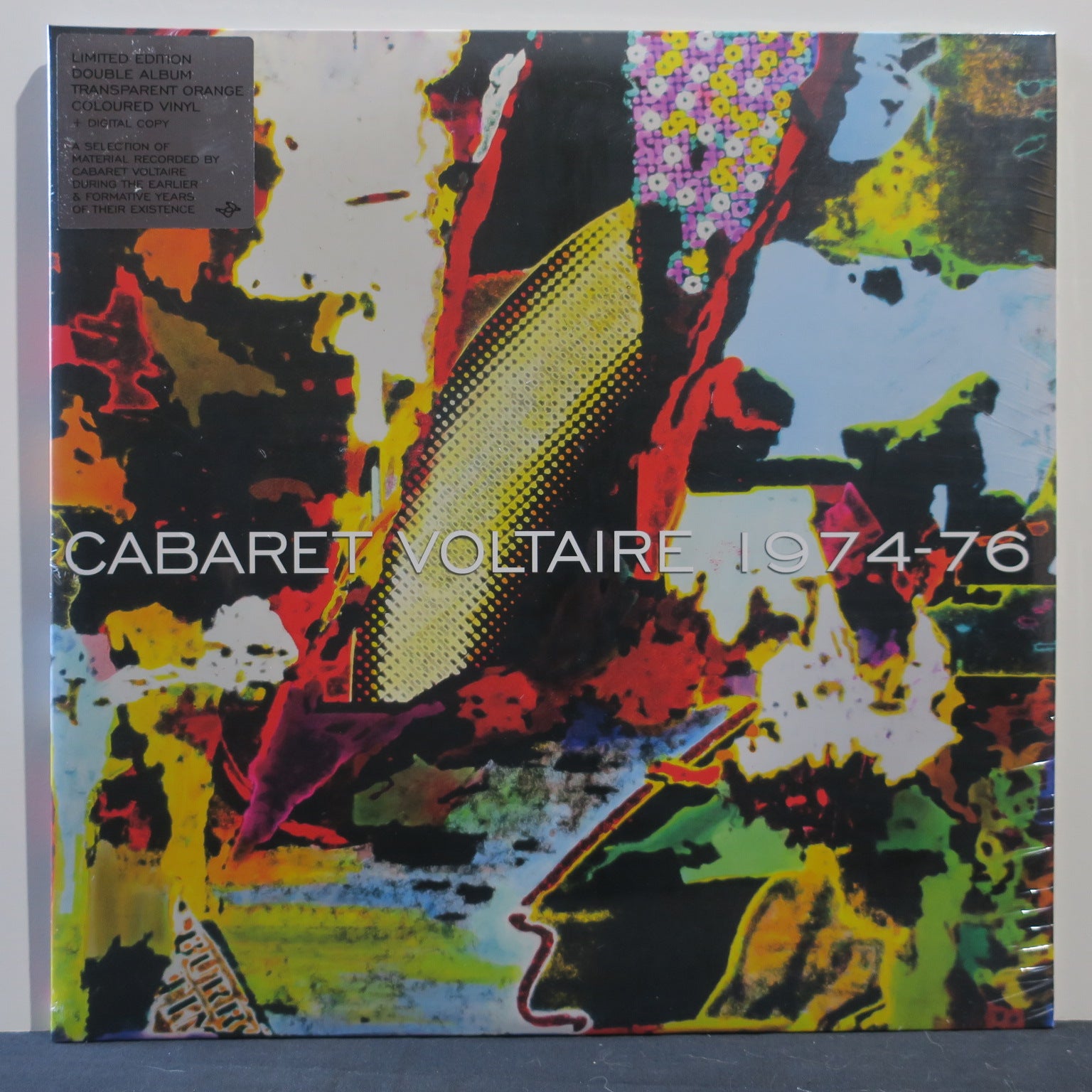
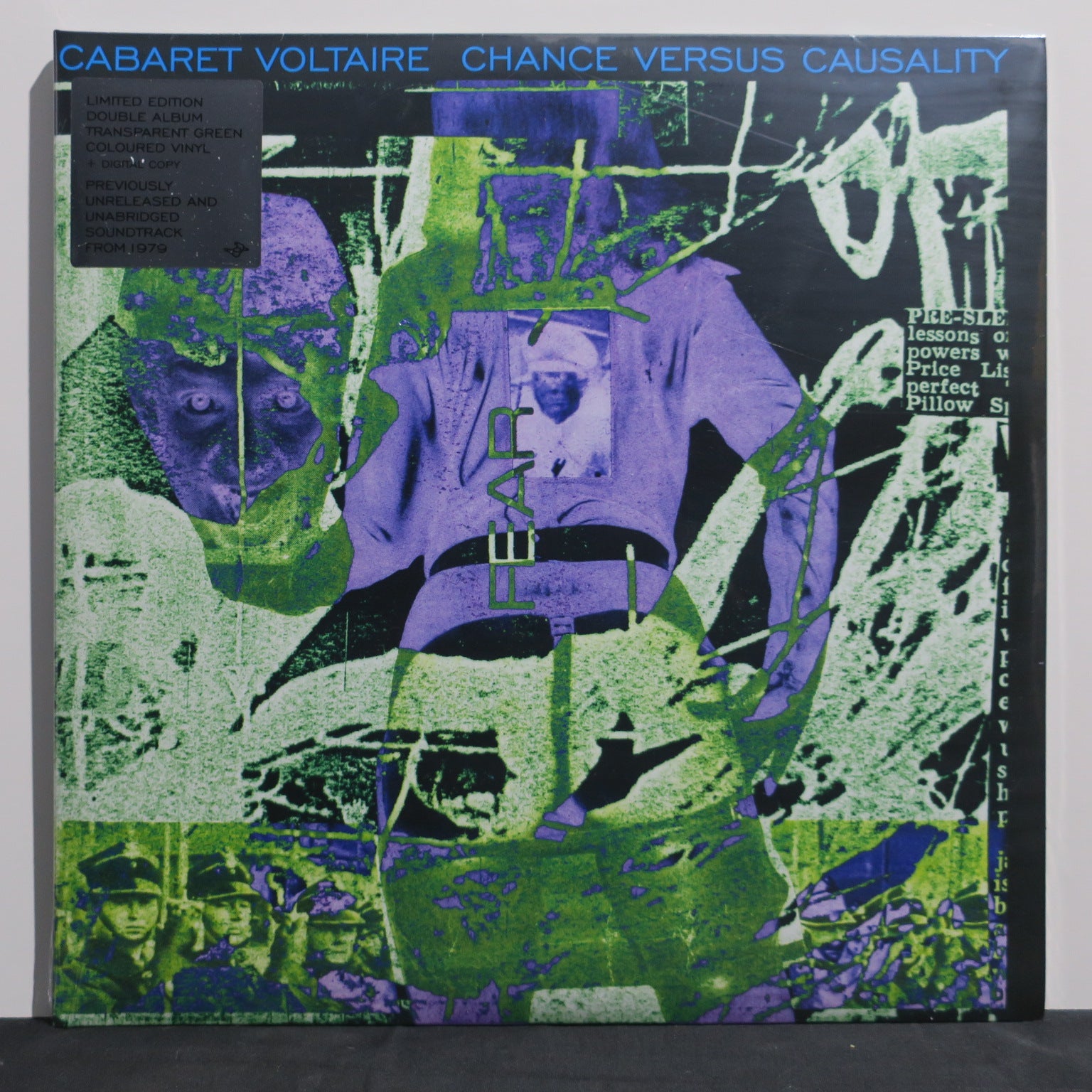
Few groups bridged the gap between musique concrète and the dancefloor as insistently as Cabaret Voltaire. Their early work turned tape loops, found sound and abrasive cut-ups into a vocabulary that could unsettle an art gallery and, with the right beat, fill a club.
Formed in Sheffield by Stephen Mallinder, Richard H. Kirk and Chris Watson, the band’s first period was defined by stark, experimental textures. Records such as Mix-Up and The Voice of America placed heavy emphasis on tape manipulation and montage, trading traditional songcraft for tension, political unease and a DIY studio ethic that echoed the experimental currents of Throbbing Gristle while absorbing rhythmic precision from European electronic acts like Kraftwerk.
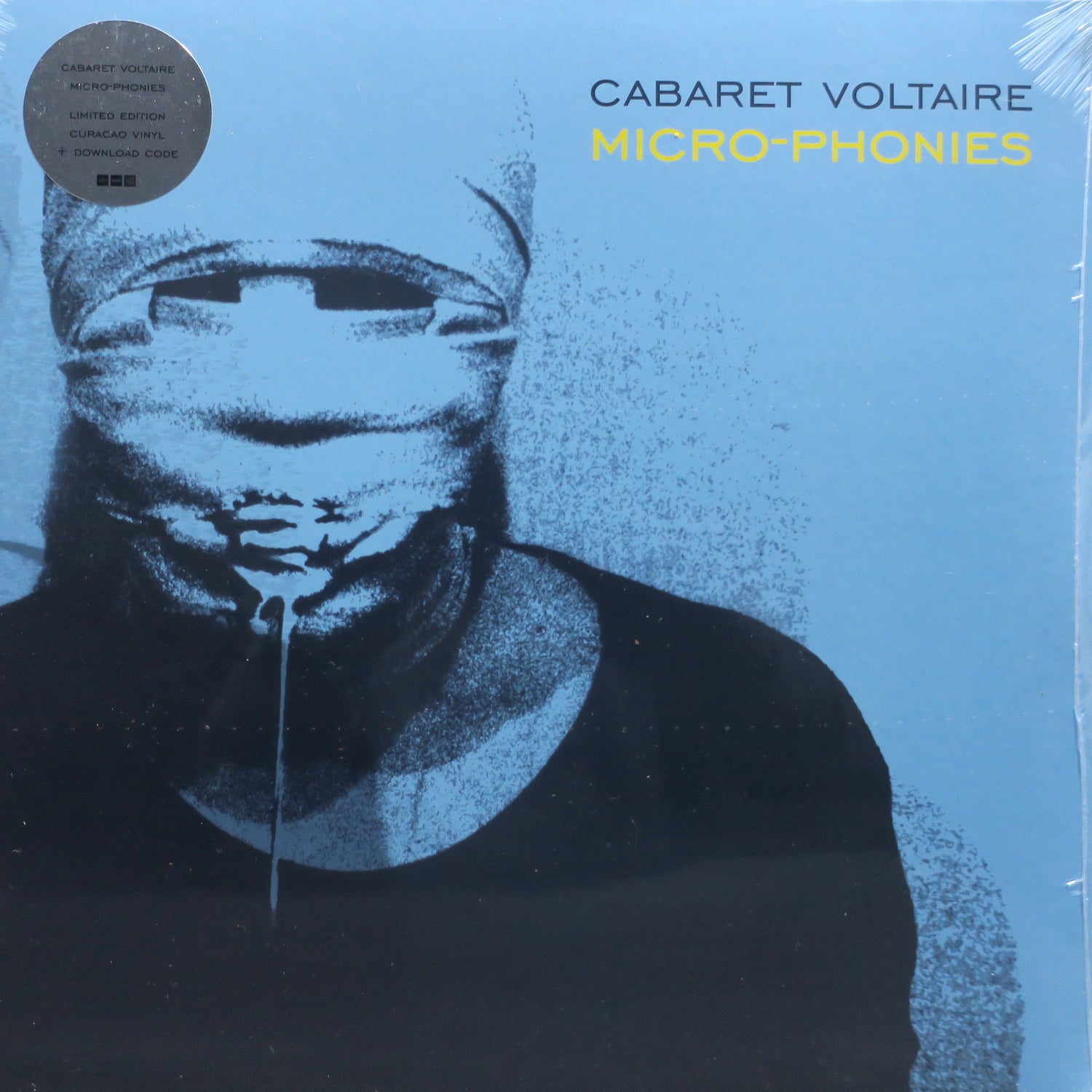
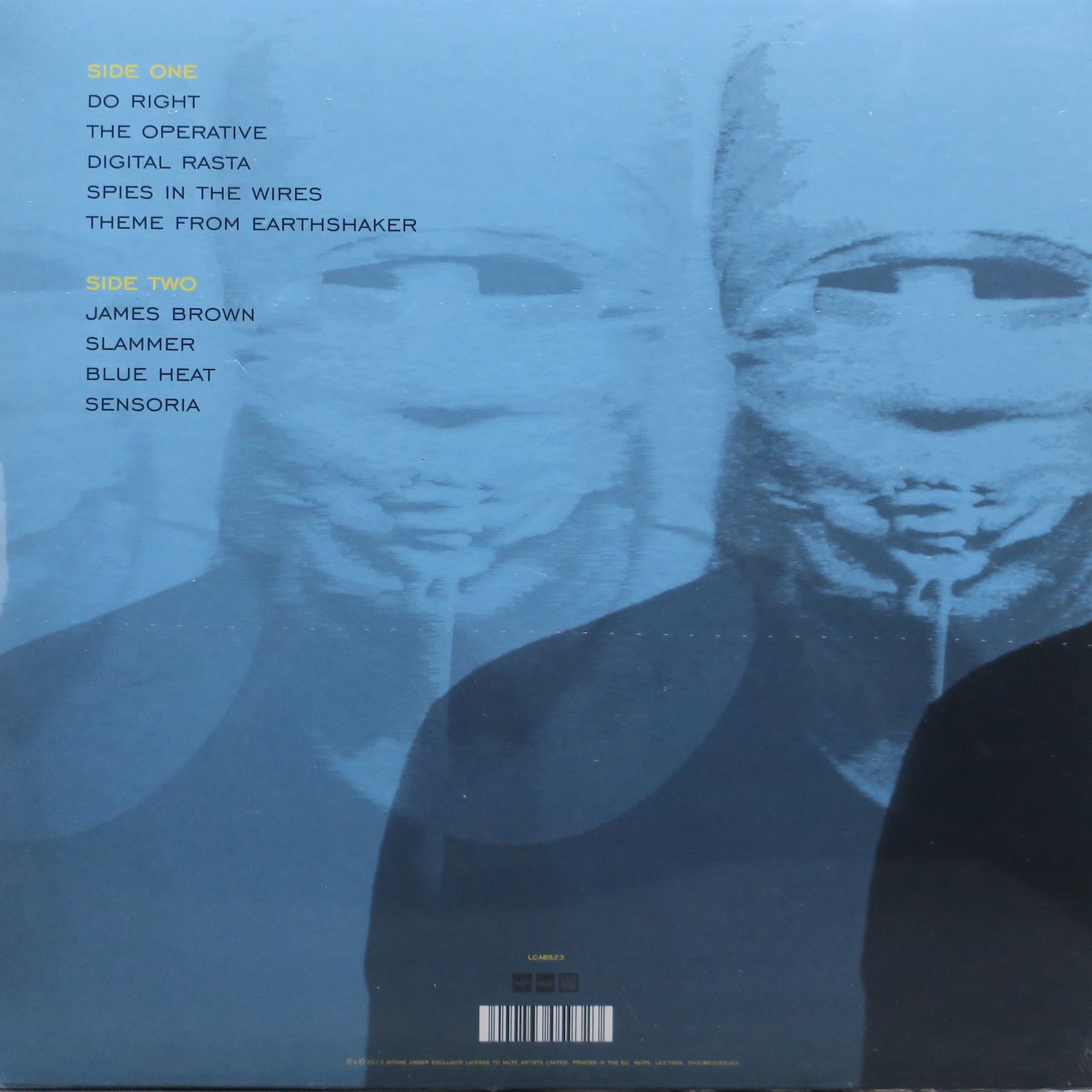
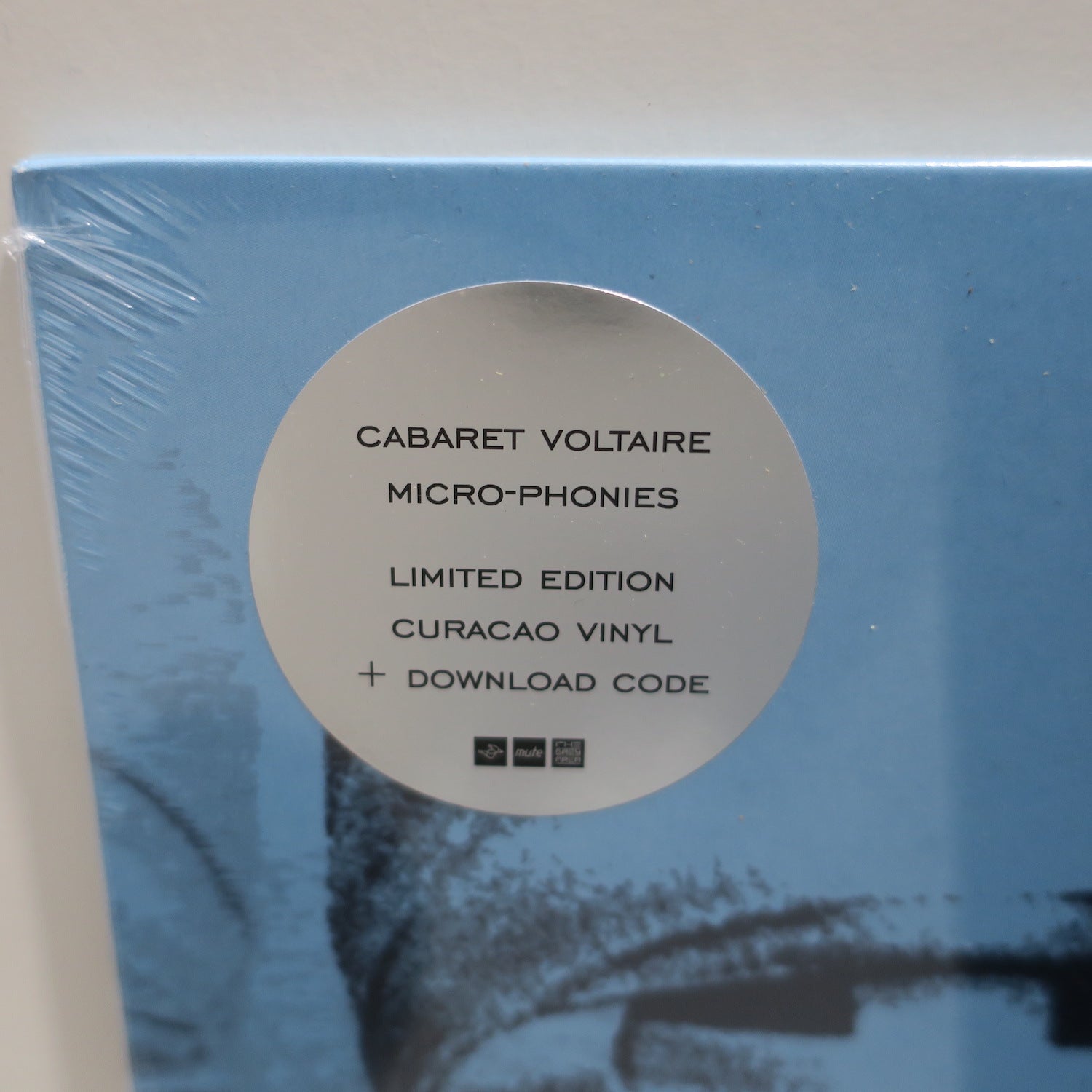
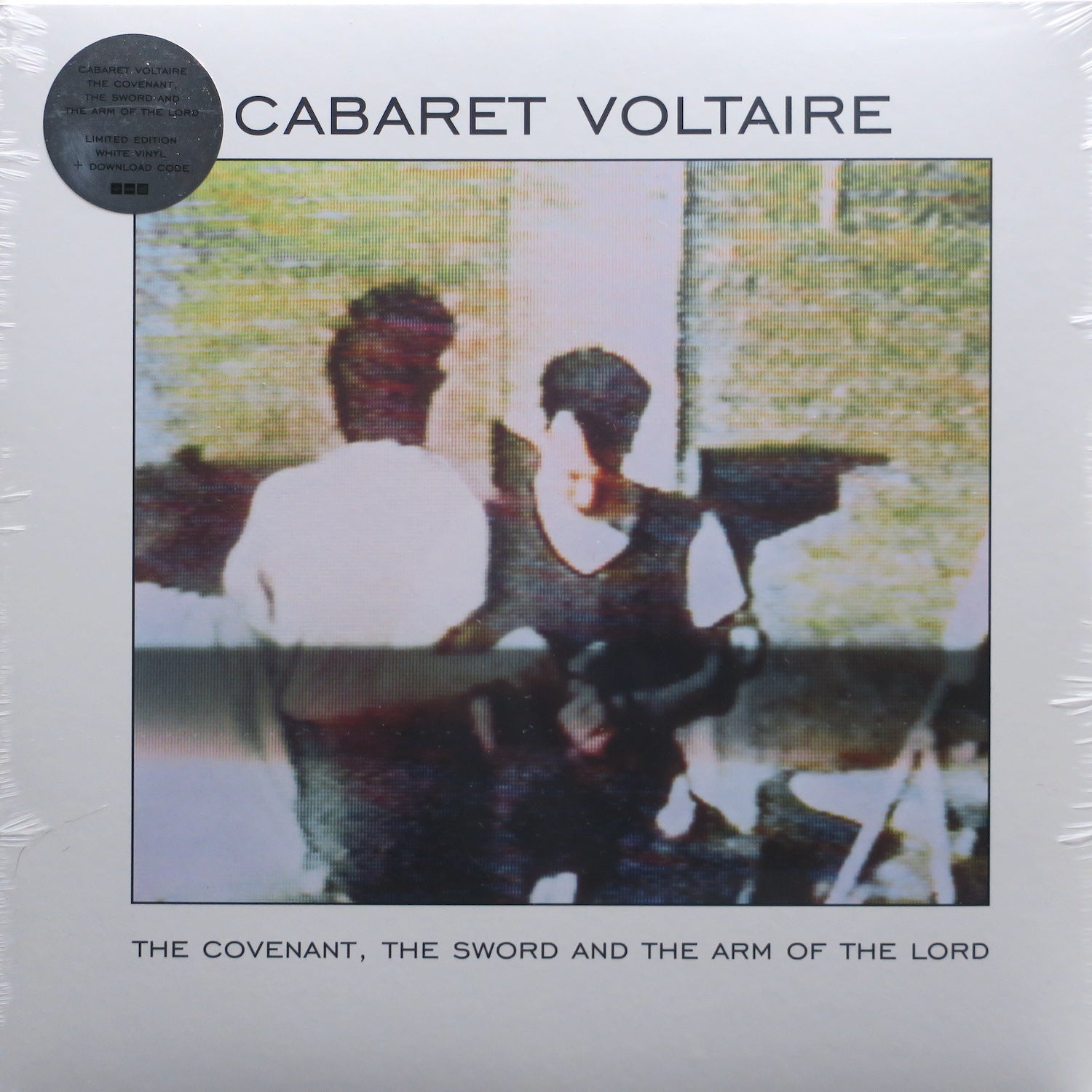
By the early 1980s Cabaret Voltaire began to fold dance rhythms and funk-inflected basslines into their sound. Red Mecca tightened the focus on beats and political lyricism; The Crackdown and Micro-Phonies pushed the group further toward structured songs and club-ready arrangements. Tracks such as the single "Sensoria" demonstrated how the same band that constructed abrasive sound collages could also craft propulsive, hook-driven electronic tracks.
That stylistic elasticity is a big part of why Cabaret Voltaire matters: they are a through-line between post-punk experimentation and later strands of industrial, techno and IDM. Producers, DJs and artists working in harsher electronic music frequently point to the group’s willingness to combine texture, rhythm and political content. Later acts from the industrial-rock and electronic scenes — from Nine Inch Nails to generations of IDM artists and techno producers — absorbed approaches first explored by Cabaret Voltaire.
The three founding members played discrete roles that shaped the project. Stephen Mallinder supplied bass and a deadpan vocal approach that anchored many of the early tracks. Richard H. Kirk was the primary sonic sculptor after the early period, steering the band into club tempos and extensive studio experimentation; his solo output continued those lines. Chris Watson’s early tape work was central to the group’s collage methods before he left to build a respected career in field recording and sound design.
Across a catalog that moves from abrasive experimentalism to groove-forward electronics, Cabaret Voltaire offers multiple entry points. Listeners can follow the thread from Mix-Up and The Voice of America through Red Mecca to Micro-Phonies and hear a band that repeatedly reinvented how noise, politics and rhythm could coexist on vinyl.