Killing Joke
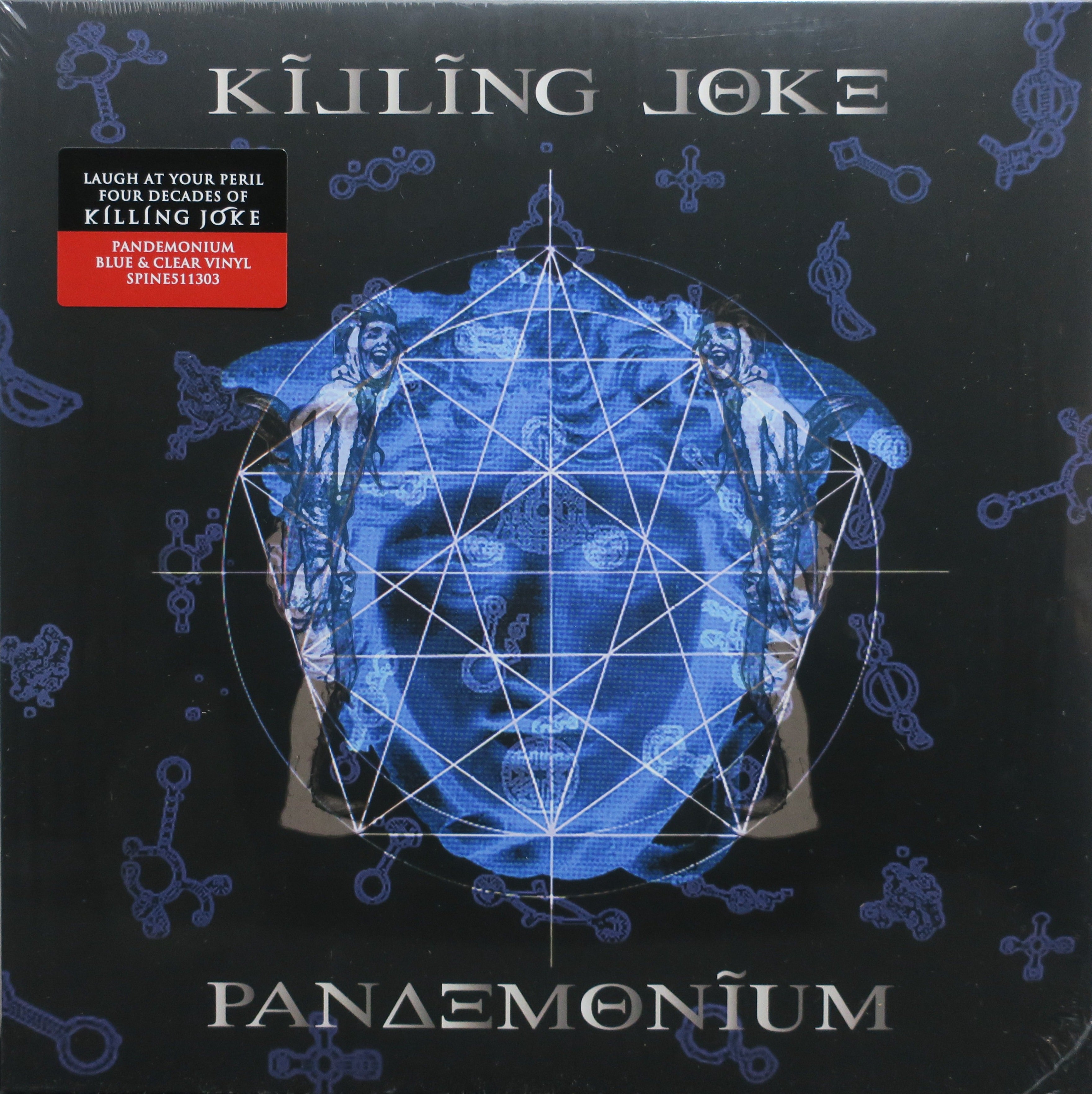
Killing Joke turned punk’s clenched energy into a darker, more mechanical sound where tribal drums and metallic guitar collided with apocalyptic lyrics. That musical tension — primitive rhythms meeting studio-born textures — is the clearest reason the band still draws listeners who want grit with purpose.
From the outset Jaz Coleman’s commanding vocals and Geordie Walker’s jagged, sustain-heavy guitar established the group’s identity. Early records compressed raw post-punk aggression into dense, chantable songs; the self-titled 1980 debut and What's THIS for...! captured a band willing to pair riff-driven rock with eerie synths and militaristic percussion. Those elements separated Killing Joke from many peers who leaned more toward minimalism or art-school abstraction.
The band’s lineup shaped its sound. Coleman’s confrontational vocal style and apocalyptic lyricism gave the music a ritualistic quality. Walker provided a signature guitar tone — dissonant, resonant and often modular in structure. Martin “Youth” Glover anchored the early low end and later built a reputation as a producer who could translate the band’s heaviness into clearer studio statements. Paul Ferguson’s tom-heavy drumming supplied the martial pulse that underpinned much of the group’s attack.
Musically Killing Joke sits at the crossroads of post-punk, nascent industrial textures and a proto-alternative rock sensibility. Night Time, with its more widescreen production and the single “Love Like Blood,” showed the band could write melodic, radio-friendly moments without abandoning the darker themes. Conversely, albums like Revelations and Fire Dances leaned into rawer atmospheres that appealed to underground audiences and musicians across genres.
That cross-genre appeal explains the band’s wide influence. Industrial and metal artists picked up on Killing Joke’s emphasis on rhythm and sonic density; at the same time their post-punk peers shared aesthetic ground in mood and lyrical darkness. The band’s willingness to mix heavy guitar, electronic elements and chant-like vocals created a template that later alternative and industrial acts adapted in their own ways.
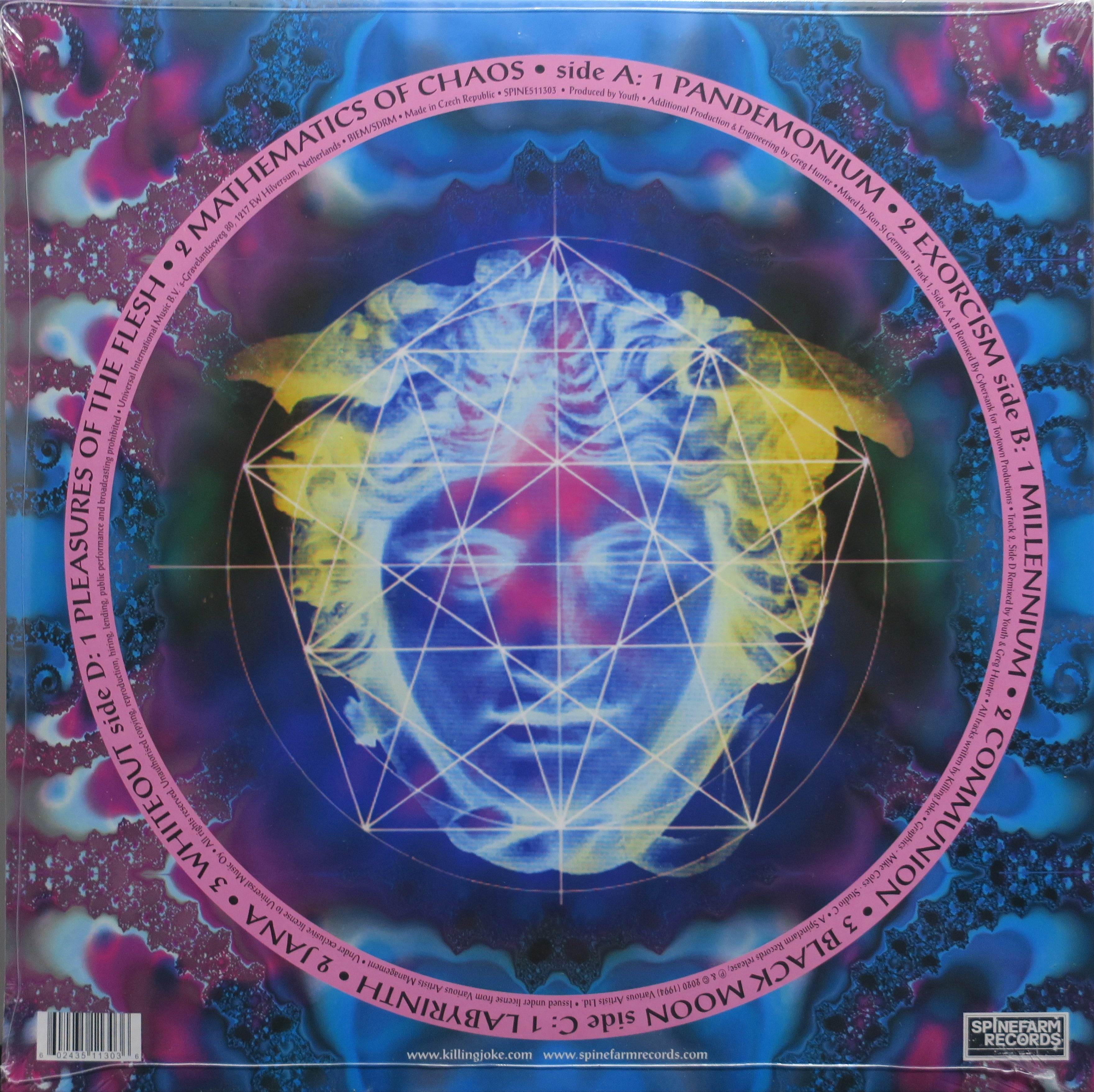
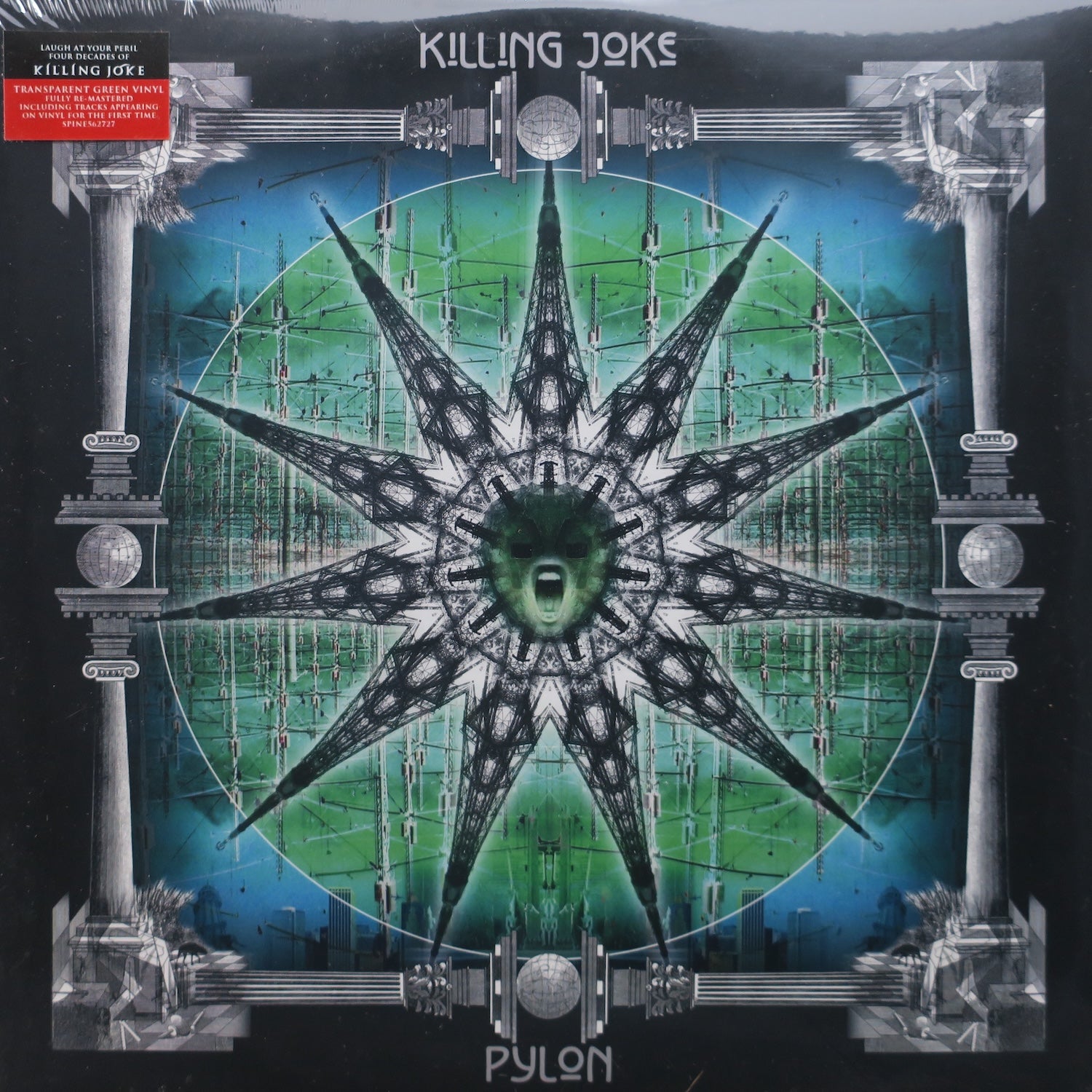
Across lineup changes and decades, Killing Joke has remained a band defined more by its approach than by steady mainstream hits. Listening to the early albums alongside later records reveals a consistent appetite for tension, atmosphere and muscular songwriting — qualities that reward repeated listening and explain why the group continues to be revisited by curious fans and other musicians alike.