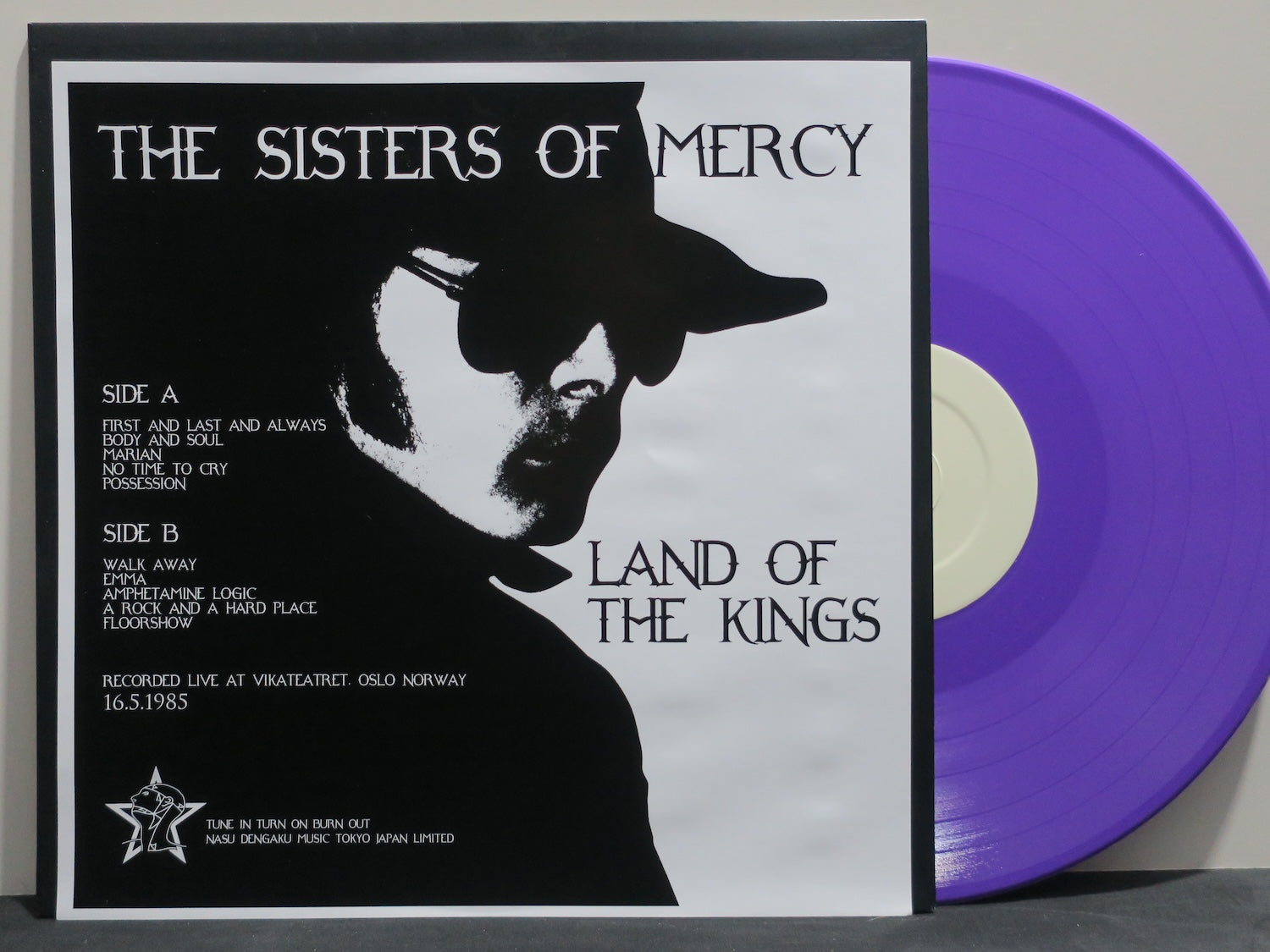
Sisters Of Mercy
Few rock acts married drum-machine precision, cathedral-sized guitar lines and a deliberately theatrical lead voice as uncompromisingly as Sisters of Mercy. The band turned the steady, mechanical pulse of Doktor Avalanche and Andrew Eldritch’s baritone into a template: songs that feel like processions as much as rock tracks, built around big hooks and monochrome atmospheres.
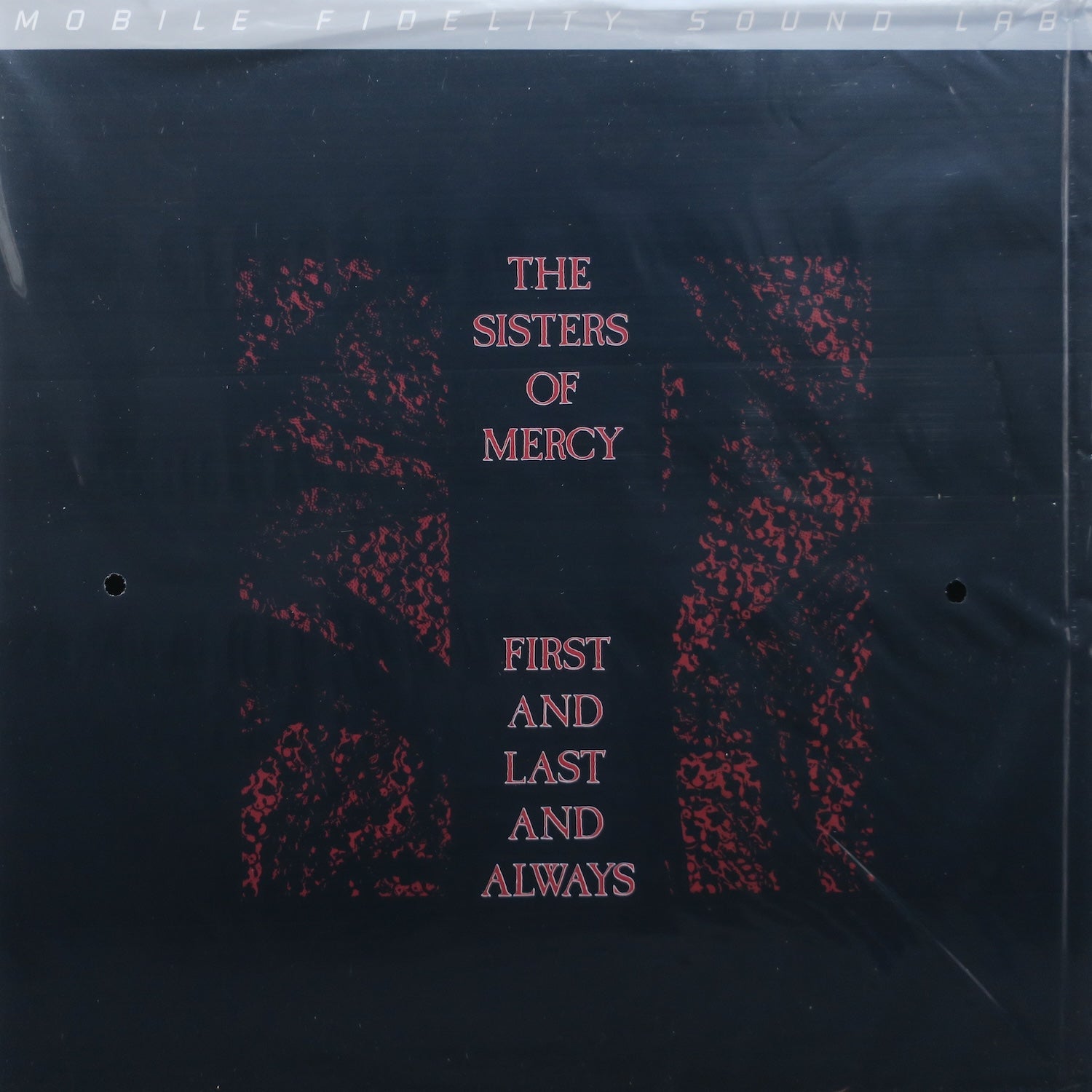
That sonic recipe shows up across the group’s core records. First and Last and Always blends moody, reverb-heavy guitars with tribal rhythms; Floodland expands that vision into widescreen arrangements and singles like “This Corrosion”; Vision Thing channels a harder-edged, almost arena-ready guitar sound. Those records aren’t just era pieces — they map how a post-punk band could pursue scale and drama without losing a claustrophobic intensity.
Personnel shifts are central to the story. Andrew Eldritch has been the band’s constant songwriter, singer and public face; early guitarist Gary Marx helped shape the jagged early singles; Craig Adams’s bass and Wayne Hussey’s brief tenure shaped the group’s transition before Hussey and Adams left to form The Mission. Equally important is Doktor Avalanche, the drum machine that functions as a named ‘‘member’’ — it gives Sisters songs a chilly, metronomic backbone that both isolates and amplifies the melodic parts.
Musically, Sisters of Mercy sit at the crossroads of gothic rock and post-punk, borrowing the shadowy textures of peers like Bauhaus while pushing toward a more muscular, production-forward approach. That stance made them a touchstone for later artists who wanted dark moods with big, propulsive arrangements — from gothic rock contemporaries to the more industrial-tinged alt-rock that followed.
The band’s singles and extended-play style also matter: key 12-inch mixes, long-form tracks and chantlike choruses built a club and festival presence that standard radio formats often missed. The split that produced The Mission underscores how distinctive creative directions within a single lineup can spawn entirely new scenes.
Even decades on, Sisters of Mercy’s blend of ritualistic rhythm, echoing guitars and Eldritch’s declarative vocals remains a clear doorway into goth and post-punk. For listeners curious about where dark atmospheres met dramatic rockcraft, the band’s core albums reward repeated plays and reveal layers beyond the brooding surface.